Review · ROME
Rome Cooking: Pasta & Tiramisu Making, Free-Flowing Fine Wine
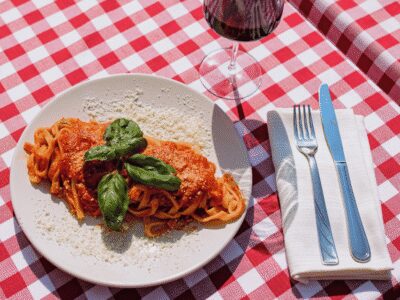
Rome’s best cooking classes often begin with a table, not a stove. This one starts at La Nicchia Café with prosecco, cured meats, cheeses, truffles, pesto, olive oil, and 30-year-aged balsamic vinegar. Then you walk to a restaurant to make fettuccine, ricotta ravioli, and tiramisu before sitting down to eat.
I like the way the class combines food education with a real social meal. I also like the small maximum of 16 people, which gives the hosts room to help with pasta dough and keep the group talking. The main consideration is the wine. It is generous, so this is not the right pick if you want a quiet, dry cooking lesson or need to keep a tight schedule afterward.
Key details before you book
- Two-part format: Begin with an Italian tasting at La Nicchia Café, then take a short walk to the cooking venue.
- Three hands-on dishes: Prepare tiramisu, fettuccine with tomato sauce, and spinach ricotta ravioli with butter and sage.
- Wine is part of the event: Expect a welcome glass of prosecco, Vermentino with lunch, and additional wine during the meal.
- Social group size: The class accepts no more than 16 participants, with morning and afternoon start times.
- Good value for a full meal: At $59.28, the price covers the tasting, class, lunch, wine, water, and host.
- Come hungry: The food starts before the cooking, and the portions and drinks make this a substantial three-hour outing.
The tasting begins at La Nicchia Café
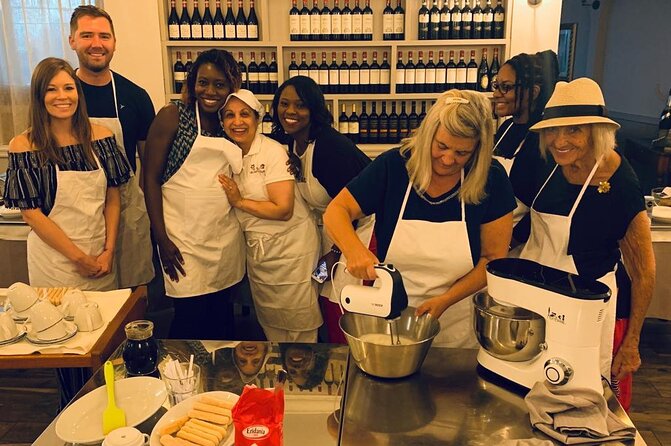
Your first stop is La Nicchia Café, a traditional Italian gourmet shop. This is not just a quick nibble while someone checks names off a list. The opening hour is built around tasting and explanation, giving you a chance to learn what you are eating before you start cooking.
Expect a special aperitif with fine cheeses, cured meats, truffles, pesto, extra virgin olive oil, and 30-year-aged balsamic vinegar. A welcome glass of prosecco gets things moving, and the tasting hosts, including Lis on some sessions, explain the ingredients and their place in Italian food culture.
This part works well for solo participants and couples because conversation begins naturally around the table. You are not thrown straight into a lesson with a group of strangers. You first share small plates, compare favorites, and settle into the rhythm of the afternoon or morning.
The food is also a useful preview of the meal ahead. The balsamic, oil, cheeses, and cured meats show how much Italian cooking depends on good ingredients handled simply. You will not learn to make every item on the tasting board, but you will get a better sense of why quality matters once you reach the pasta table.
The café is near public transportation, and one meeting point is described as about a block from a metro station. That makes this a practical choice after a morning sightseeing elsewhere in Rome. Check the exact meeting instructions on your confirmation, since the class uses specific meeting arrangements.
More Cooking Classes with Wine Tasting in Italy
- Rome: Pasta Making Class with Wine, Limoncello, and Dessert
★ 4.9 · 3,177 reviews - Fettuccine & Tiramisù: Cooking Class with Wine & Limoncello
★ 4.9 · 2,103 reviews - Pasta Making & Wine Tasting with Dinner in Frascati from Rome
★ 5.0 · 1,326 reviews
A short walk changes the pace
After the tasting, the group walks to the restaurant for the cooking class. Several sessions have taken place at Il Segreto, and the walk is short enough to feel like a simple change of scene rather than a separate tour.
This two-location format is one of the more appealing features. The café feels like an aperitivo stop, while the restaurant provides the workspace, kitchen staff, and dining table. You get both a food tasting and a cooking class without spending three hours in one room.
It also means you should wear comfortable shoes. The walking distance is not presented as strenuous, but Rome can be hard on your feet, especially after a morning of museums and ancient streets. One useful advantage of the class is that the main activity lets you sit, work at a table, and enjoy a slower stretch of the day.
The venues may vary by session, and the hosts can vary too. Names connected with different classes include Patrick, Carlo, Eddie, Simone, Alecia, Simon, Nina, and Jan. The exact instructor matters less than the format: the class is led in English, with a host or chef demonstrating each stage and helping the group along.
Tiramisu comes before the pasta
At the restaurant, you usually begin by making individual portions of tiramisu. This is a smart order. The dessert needs time to rest, and starting with it lets you get a quick win before working with pasta dough.
The class treats tiramisu as a hands-on dish rather than a dessert you simply watch someone assemble. You prepare your own serving, then set it aside while the pasta work begins. The exact presentation can vary, with some sessions using individual cups.
This part suits beginners. You do not need to arrive with professional kitchen skills, and the instructors are there to demonstrate the process. The class is more about learning a repeatable method than mastering restaurant-level decoration.
I would pay attention to the pacing here. The food is social and the hosts are playful, so it can feel more like a dinner party with instruction than a formal culinary school. That is a plus if you want laughs and conversation. It may be less appealing if you prefer precise measurements, a quiet room, and a printed recipe book.
The tiramisu also gives you something useful to take home in your head. It is one of the easier dishes to repeat after returning from Italy, while the pasta lesson gives you a technique that takes a little more practice.
Rolling fettuccine by hand
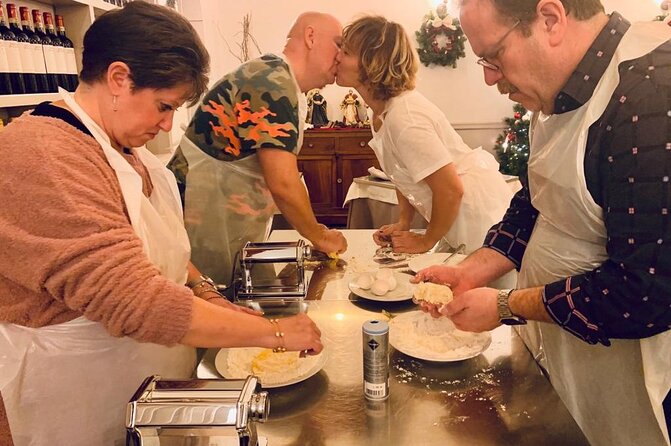
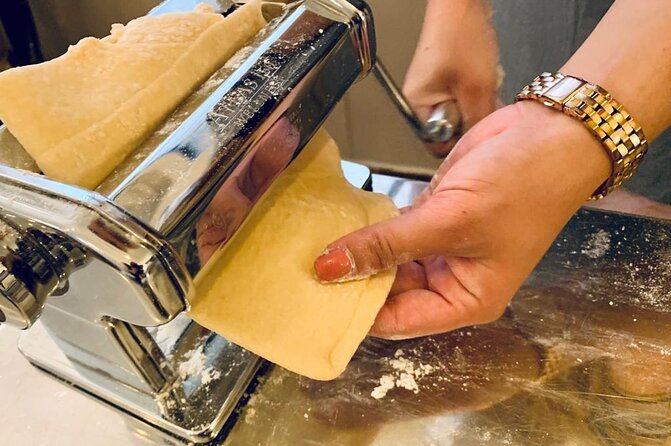
Next comes the pasta. The class teaches two types, usually fettuccine with tomato sauce and spinach ricotta ravioli with butter and sage. Making both matters because the dough work is similar, but the shaping and cooking are different.
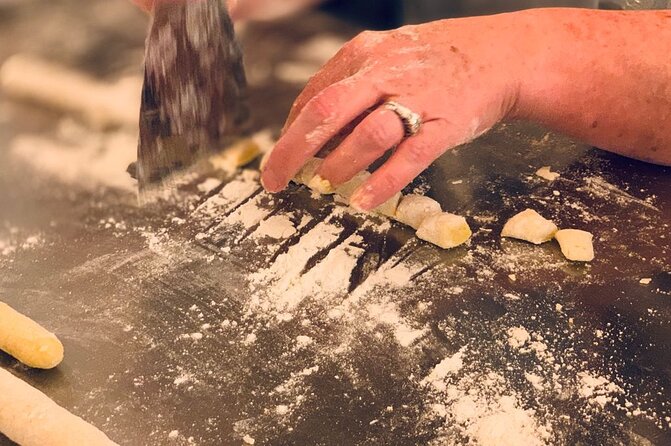
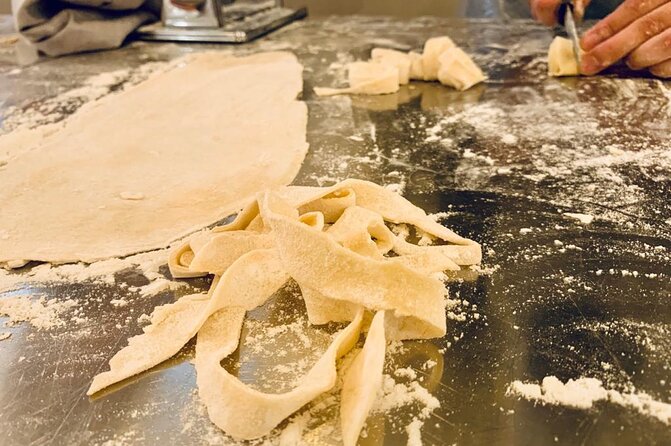
Fettuccine gives you the basic pasta lesson. You work the dough, roll it, and cut it into strands. This is the moment when the class becomes genuinely practical. You see how the dough should feel, how thin to roll it, and how to turn a simple sheet into noodles.
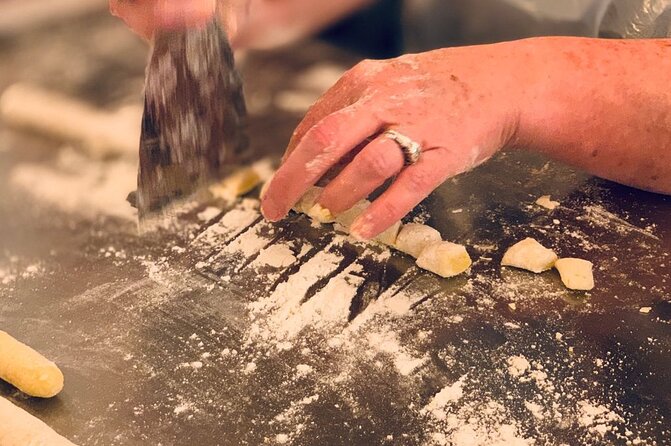
Ravioli adds another layer. You fill the pasta with spinach and ricotta, seal the edges, and shape the pieces. This teaches you to think about moisture, filling, and careful pressing, not just cutting noodles.
The sauces are prepared by the kitchen and served with the pasta. That means you are learning the dough and shaping techniques, but not making every sauce from scratch. For some people, that is a reasonable trade. It keeps the class moving and lets you focus on the parts that require the most hands-on work.
The ingredients are described as good quality, and the class uses a generous amount of food. You make plenty of pasta, not just one tiny demonstration portion. That helps you understand the process, though it also explains why the advice to arrive hungry should be taken seriously.
More Cooking Classes with Wine Tasting in Rome
- Rome Cooking Class: Make Pasta, Dine & Drink Wine With Local Chef
★ 5.0 · 1,263 reviews - Rome: Combo Pizza and Pasta Cooking Class with Wine
★ 4.6 · 1,180 reviews - Rome: Pasta Making with Wine Tasting and Dinner in Frascati
★ 4.9 · 979 reviews - Rome: Pizza & Tiramisu Class with Free Flowing Fine Wine
★ 5.0 · 973 reviews
The meal is part of the lesson
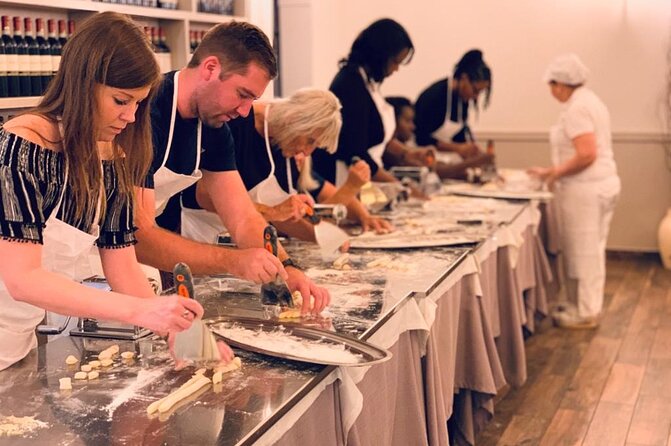
Once the pasta is ready, the group sits down together and eats what it has made. This is served family-style at a large table, creating the natural high point of the class.
There is a welcome glass of prosecco, Vermentino D.O.C.G. with lunch, and additional wine during the meal. The menu lists fine wine with the pasta, and the class is known for free-flowing pours. Bottled water is included as well.
The meal gives the cooking lesson a satisfying finish. You can compare the fettuccine and ravioli, see how the two sauces work with each shape, and enjoy the tiramisu you prepared earlier. You also get time to talk with the people beside you, which is often where the class becomes most memorable.
Be honest with yourself about the drinking. The wine is not a minor extra. It is part of the mood, the food pairing, and the social setup. If you drink alcohol, pace yourself and use the water provided. If you do not drink, confirm the arrangements with the provider before booking, since the class is built around wine tasting and wine with lunch.
The full meal is a major reason the $59.28 price feels fair. You are paying for an aperitif spread, a three-hour hosted activity, three prepared dishes, lunch, and several drinks. It is not the cheapest way to eat in Rome, but it replaces a separate meal and adds instruction and social time.
What the hosts do well
The strongest part of the class is the human side. Hosts such as Lis, Patrick, Carlo, and Eddie are repeatedly described as warm, funny, patient, and involved. Simone is also praised for clear instruction and a calm manner, while Alecia is singled out for making an evening session enjoyable.
The names and staff can change, so do not book around one particular person. Book for the format and the tone. You can expect an English-speaking host who keeps the group moving, explains the food, and helps when the dough or ravioli shaping goes wrong.
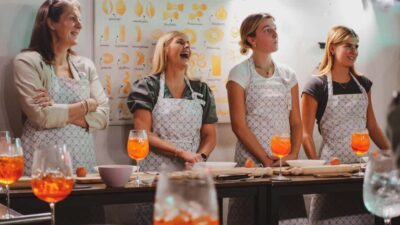
The class seems especially good at turning a mixed group into a temporary dinner party. Solo participants can join without feeling stranded, and couples or families have a built-in activity that gives them more to talk about than another restaurant meal.
Families with older children can enjoy it. Participants in their twenties have found it fun, but the class is not recommended for very young children. The wine-centered format and the three-hour schedule make it better suited to adults and older teens.
The maximum group size is 16. That is large enough for lively conversation but small enough that the instructor can circulate. A smaller group may still occur, depending on the booking date.
Morning or afternoon: choosing your time
The class offers multiple morning and afternoon options. A 9:30 a.m. session has been used by some participants and can work well if you want a substantial start to the day. The early timing may feel unusual if you associate wine and pasta with dinner, but the food remains the same.
An afternoon or early evening option is a natural fit if you want to sightsee first. It can also make the class feel more like a social dinner. Keep in mind that the three hours can pass quickly once the tasting, walk, cooking, and meal are combined.
I would avoid scheduling a major timed attraction immediately afterward. The class includes two venues, a walk, hands-on preparation, and a sit-down meal. Even if the advertised duration is about three hours, you will enjoy it more if you leave some breathing room.
The activity is offered in English and uses a mobile ticket. Confirmation is received at booking, and 24-hour customer service is available before and after the workshop if you need help.
Mobility and practical comfort
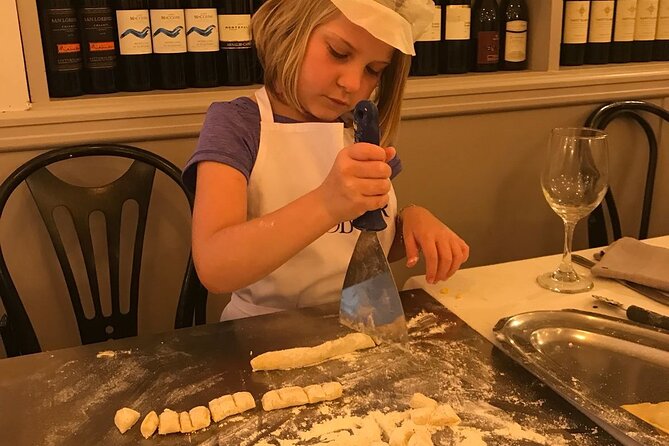
Most people can take part, and the class has received positive feedback from participants using mobility scooters. Staff have been described as accommodating, which is encouraging.
Still, the activity includes movement between two locations and requires working at a restaurant or café table. If you have specific mobility needs, contact the provider before booking and explain them clearly. The available information supports asking for help, not assuming every setup will suit every device.
The class is near public transportation, which is useful in Rome. Hotel pickup and drop-off are not included, so you make your own way to the starting point and return independently.
Bring a healthy appetite, as the event begins with a substantial tasting and ends with pasta, ravioli, tiramisu, and wine. You do not need to bring cooking equipment. The important extras are comfortable shoes, a mobile ticket, and enough time to enjoy the meal without rushing.
Who will enjoy this class most
I would recommend it to you if you want a break from museums and monuments, like meeting people over food, or want to learn a dish you can repeat at home. It works especially well for couples, friends, solo visitors, and families with older children.
It is also a strong choice if you want one activity that covers several parts of Italian food culture: aperitivo, regional ingredients, fresh pasta, dessert, wine, and a shared meal.
You may want a different class if your main goal is advanced technique. You will not spend the entire session making sauces, studying pasta science, or receiving a detailed culinary curriculum. The tone is relaxed, lively, and social.
You should also think twice if you dislike group activities or do not drink alcohol. The class depends on group energy, and the generous wine service is central to the event rather than a small optional touch.
Is the $59.28 price good value?
At $59.28 per person, the price is competitive for Rome because it includes both food and instruction. A tasting of cheeses, meats, truffles, pesto, oil, and aged balsamic could easily become an expensive snack on its own. Add handmade pasta, tiramisu, lunch, wine, water, and a host, and the cost covers a full outing rather than a short demonstration.
The value is strongest if you would otherwise pay for lunch or dinner. You are not just watching someone cook. You are making three dishes, then eating them at the same table.
The value is weaker if you are mainly seeking a formal cooking course with take-home materials or advanced lessons. It is also less attractive if you will not eat much or cannot take part in the wine service.
The 99 percent recommendation rate and 5 rating from 349 reviews point to strong satisfaction, but I would still use your own preferences as the test. The class earns its price through food, atmosphere, and quantity more than through technical depth.
Should you book Rome Cooking: Pasta and Tiramisu Making?
Book it if you want a warm, social Roman food experience with plenty to eat and drink. The best reasons are the two-part setting, the chance to make both noodles and ravioli, the individual tiramisu, and the shared meal at the end.
I would choose an afternoon or early evening slot for a relaxed dinner-style outing, or the morning option if you want to free up the rest of your day. Come hungry, wear comfortable shoes, and leave room afterward rather than scheduling something that begins immediately.
Skip it if you want a quiet, highly technical lesson or if free-flowing wine does not suit you. For everyone else, this is a practical and enjoyable way to spend three hours in Rome, with a meal you helped make and a few new pasta tricks to try at home.
FAQ
How long does the cooking experience last?
The activity lasts approximately three hours.
What dishes will I make?
You will make tiramisu, fettuccine with tomato sauce, and spinach ricotta ravioli with butter and sage.
Where does the activity begin?
It begins at La Nicchia Café, where you taste Italian specialties before walking to the restaurant for the cooking class.
What food is included before the cooking class?
The tasting includes cheeses, cured meats, truffles, 30-year-aged balsamic vinegar, extra virgin olive oil, pesto, and a special aperitif.
Is wine included?
Yes. A welcome glass of prosecco is offered, and wine is provided with the meal. Vermentino D.O.C.G. is listed with lunch, along with additional fine wine during the experience.
Is lunch included in the price?
Yes. Lunch, the food tasting, the pasta and tiramisu class, bottled water, and alcoholic beverages are included.
How many people can join the class?
The maximum group size is 16 participants.
Is the class offered in English?
Yes. The experience is offered in English.
Can I cancel for a full refund?
Yes. You can cancel at least 24 hours before the local start time for a full refund. Cancellations or changes made less than 24 hours before the start time are not accepted for a refund.
More Pasta Making Classes in Rome
- Rome Cooking Class: Make Pasta and 3 Spritz Cocktails
★ 5.0 · 2,937 reviews - Rome: Fettuccine Pasta Cooking Class in Rome’s City Center
★ 4.8 · 2,414 reviews - Pasta Cooking Class Near the Colosseum with 3 Spritz Cocktails
★ 5.0 · 1,686 reviews - Enjoy Spritz and Pasta Making in Piazza Navona
★ 5.0 · 1,681 reviews
More Dessert Classes in Rome
- 3 in 1 Cooking Class near Navona: Fettuccine, Ravioli & Tiramisu
★ 5.0 · 7,376 reviews - Rome: 3-in-1 Fettuccine, Ravioli, and Tiramisu Cooking Class
★ 4.9 · 2,704 reviews - Rome: Pasta & Tiramisu Cooking Class near the Spanish Steps
★ 4.8 · 1,395 reviews - Cooking Class in the Heart of Rome: Pizza and Tiramisu Making
★ 5.0 · 1,330 reviews
Just added around Rome
- Testaccio: Home Cooking Cacio e Pepe, Amatriciana, Carbonara★ 4.9 · 57 reviews
- Super Fun Pasta and Gelato Cooking Class by the Vatican★ 5.0 · 6 reviews
- Spritz and Spaghetti Traditional Cooking Class in Rome★ 4.9 · 30 reviews
- Rome: Vatican Food Tours, Cooking classes & Free Tours★ 4.9 · 11 reviews
- ROME:Hands-On Lasagna & Marsala Tiramisu Cooking Experience”★ 5.0 · 3 reviews
- Rome: Small Group Pasta cooking class near Piazza Navona★ 4.9 · 8 reviews
- Rome: Trastevere Pasta Making Class★ 4.9 · 33 reviews
- Rome: Traditional Pasta and Tiramisu Cooking Class★ 5.0 · 4 reviews
Pasta Making Classes, compared.
Florence: Pasta Cooking Class with Unlimited Wine
Read our review →
3 in 1 Cooking Class near Navona: Fettuccine, Ravioli & Tiramisu
Read our review →
Rome: Pasta Making Class with Wine, Limoncello, and Dessert
Read our review →
Rome Cooking Class: Make Pasta and 3 Spritz Cocktails
Read our review →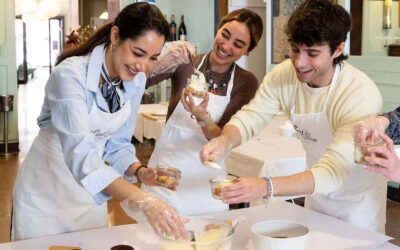
Rome: 3-in-1 Fettuccine, Ravioli, and Tiramisu Cooking Class
Read our review →