
Review · ROME
Rome: Five Shapes of Pasta Cooking Class in Ancient Tavern
Five pasta shapes, two sauces, an old Roman tavern, and a chef who keeps the room laughing: this is a cooking class with a proper meal attached. You roll dough with a wooden pin, shape ravioli, tortellini, cappelletti, agnolotti del plin, and fettuccine, then sit down to eat what you made.
I like the small-group format, which gives you real hands-on time instead of watching from the back of a room. I also like the warm, social style led by Emanuele and Angelo, with music, prosecco, local cheese, Italian wine, and a quick tiramisu to finish.
The main consideration is that this is an active class, not a quiet restaurant meal. You need to work at a table, roll dough, cut pasta safely, and follow several steps. It is also not suitable for people with mobility impairments.
Key points at a glance
- Five classic pasta shapes: Make ravioli, agnolotti del plin, tortellini, cappelletti, and fettuccine from fresh dough.
- Hand-rolled dough: Learn the professional wooden-pin method for turning dough into thin sheets.
- A real meal included: Enjoy an appetizer of Italian cheese and prosecco, two pasta dishes, wine, and express tiramisu.
- Emanuele and Angelo: Expect lively instruction, practical help, and a relaxed tone with plenty of humor.
- Historic osteria setting: The class takes place in an Antica Osteria founded in the late 1800s, with the original marble sign above the entrance.
- Good value at $67.19: Three hours of instruction, food, drinks, dessert, and a chef hat are included, with no extra class fees.
Five pasta shapes in one Roman evening
The central appeal is simple: you do not make one easy pasta shape, eat a sample, and go home. You work through five famous forms of Italian fresh pasta, each with a different folding, cutting, or filling technique.
The dough is made from scratch, then rolled thin with a wooden pin. This matters because the rolling is one of the skills you can repeat at home. A machine can produce a smooth sheet quickly, but the hand method teaches you to judge the dough by feel and thickness.
You then move into shaping. Ravioli gives you practice with filled pasta and careful sealing. Agnolotti del plin introduces a less familiar northern Italian shape, while tortellini and cappelletti require small, tidy folds. Fettuccine offers a welcome change of pace, since it is cut into long ribbons rather than filled.
I like this progression because you get a useful sample of Italian pasta-making rather than a single party trick. You also see why fresh pasta is more than a dough recipe. The shape affects the bite, the way sauce clings, and the amount of filling each piece can hold.
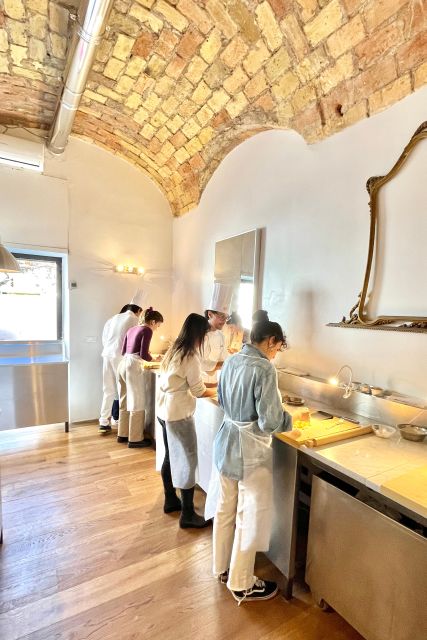
The class includes instructions for safe food cutting, which is a small but worthwhile detail. You are not simply handed a finished plate. You take part in the work, with the chefs moving around the tables to help when a sheet is too thick, a fold is loose, or a filling has escaped.
More Pasta Making Classes in Rome
- 3 in 1 Cooking Class near Navona: Fettuccine, Ravioli & Tiramisu
★ 5.0 · 7,376 reviews - Rome: Pasta Making Class with Wine, Limoncello, and Dessert
★ 4.9 · 3,177 reviews - Rome Cooking Class: Make Pasta and 3 Spritz Cocktails
★ 5.0 · 2,937 reviews
Inside the old Antica Osteria
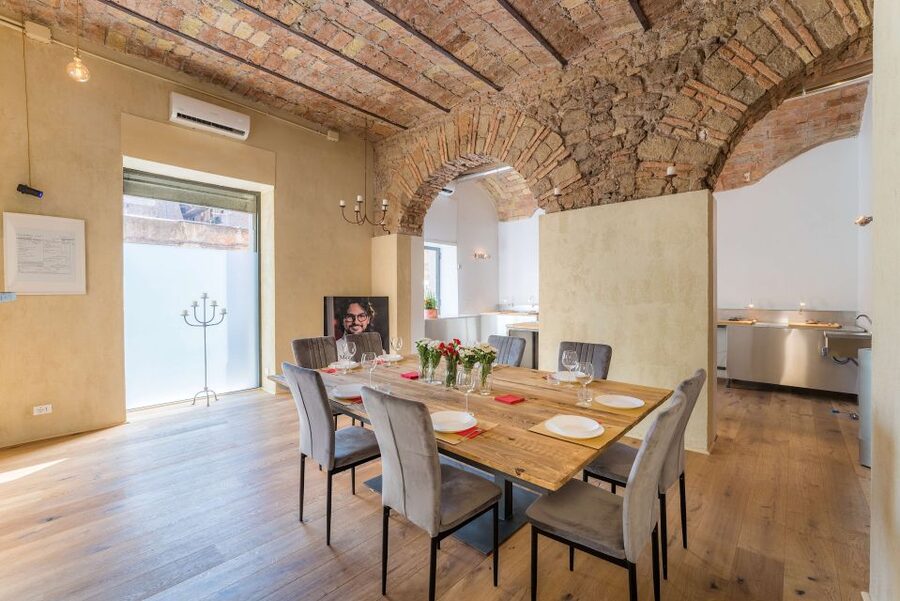
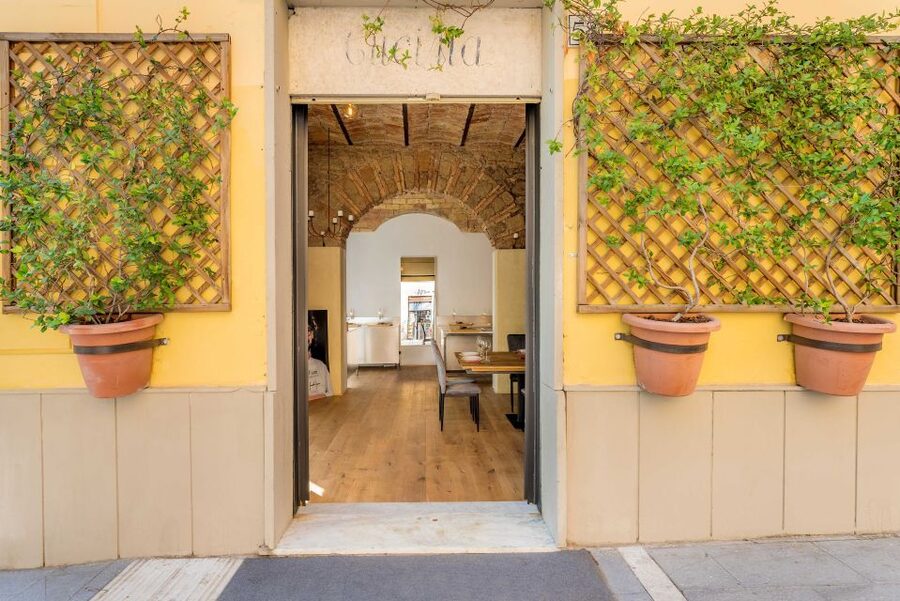
The meeting point is an old osteria called Cucina. Look for the original marble osteria sign above the entrance. The setting is part of the experience, especially if you prefer a cooking class with character over a modern studio that could be anywhere.
The building was founded as an osteria in the late 1800s and later converted into a cooking school. That gives the class a useful link to Rome’s everyday food culture. You are learning in a place built around eating and socializing, not just in a rented classroom with stainless-steel counters.
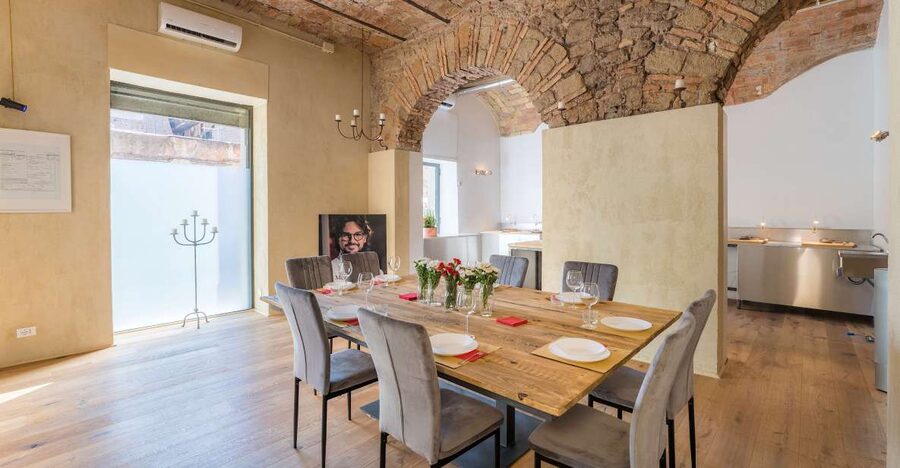
The room is described as charming, clean, and carefully arranged for a shared meal. A nicely set table waits for the food you prepare. The old tavern atmosphere also makes the evening feel more like a dinner with friends than a formal lesson.
Do not expect a solemn culinary lecture. Emanuele is energetic and funny, and the class may include music, dancing, jokes, and plenty of conversation between steps. That style will suit you if you enjoy a social evening and like learning through action. If you prefer quiet, highly technical instruction, the energy may feel a little much.
The class is offered in English and Italian. The limited group size is listed as no more than 10 participants, which is important for a hands-on activity. More people at a pasta table can mean less room for rolling and less personal help. Here, the chefs can make the rounds and correct your technique.
How the three hours unfold
The exact start time depends on availability, so check the schedule before booking. The experience lasts about three hours and ends back at the osteria.
You begin with an appetizer of local Italian cheese and fresh prosecco. This is a pleasant opening, but it also gives the group time to settle in and meet one another before the dough work begins. The class attracts people from different countries, so the shared table becomes part of the evening.
Next comes the dough. The chef explains the basic method, then demonstrates how to roll it with a wooden pin. You practice making a thin sheet and learn how to handle it without tearing or leaving thick spots.
The instruction appears aimed at beginners, but it is not watered down. Several people with previous home pasta experience have still found the technique useful, especially the rolling and shaping details. The chefs step in with positive corrections rather than leaving you to guess why the dough is sticking or cracking.
Once the sheet is ready, you work through the pasta forms. The order may vary, but the class covers ravioli, agnolotti del plin, tortellini, cappelletti, and fettuccine. You are shown how to cut the dough, add filling, remove excess air, seal edges, and create the small folds that give each shape its identity.
The filled pastas require patience. If you overfill them, they are difficult to close. If you leave air inside, they can split during cooking. This is where the small group helps. Emanuele and Angelo can offer direct assistance instead of giving one demonstration and moving on.
After the pasta is prepared, the chefs create and explain two Italian sauces. The supplied details do not specify the exact recipes, so you should not book this expecting a particular Roman sauce. The useful point is that you taste two different pairings and see how sauce changes the character of fresh pasta.
Eating the pasta you made
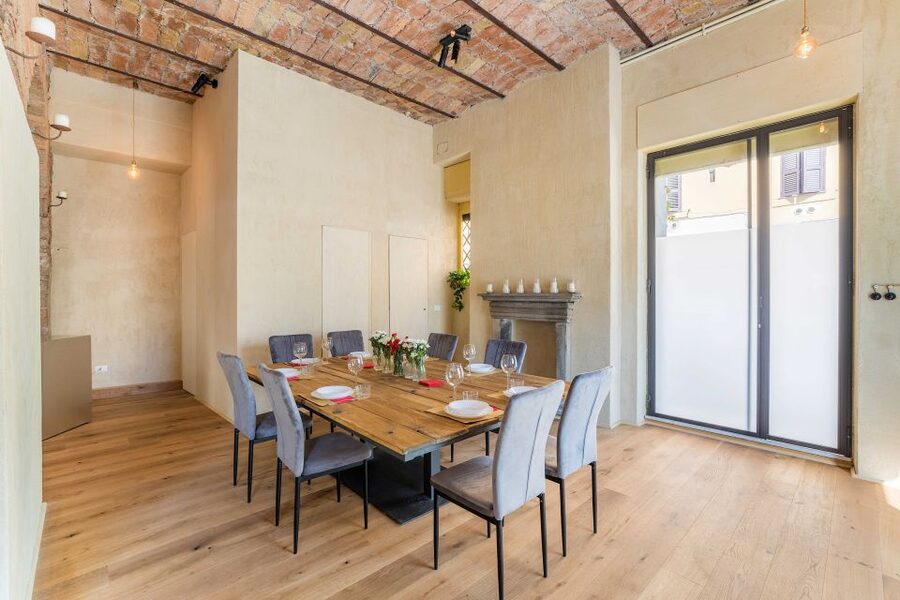
The meal is not an afterthought. Your handmade pasta is cooked and served as two pasta dishes with the sauces prepared during the class. You also receive wine with the meal, so the evening moves naturally from work at the table to a shared dinner.
This is where the class earns much of its value. Making pasta can be fun, but the payoff is eating the finished result while the process is still fresh in your mind. You can connect the texture on the plate with the thickness of your dough, the size of the filling, and the way you shaped each piece.
The food is presented as a full Italian meal rather than a small tasting. The included package covers the appetizer, cheese, prosecco, two handmade pasta courses, wine, and dessert. No extra fee is requested during the class.
The final course is an express tiramisu preparation. It is not just a ready-made dessert placed on the table. You take part in a quick version of the preparation, then finish the meal with it.
One particularly unusual detail is the possibility of cocoa tagliatelle, mentioned as an option in the class experience. The information provided does not promise that every session includes it, so treat it as a possible variation rather than a guaranteed dish.
Same place, a different menu:
- Rome: 3-in-1 Fettuccine, Ravioli, and Tiramisu Cooking Class
★ 4.9 · 2,704 reviews - Rome: Fettuccine Pasta Cooking Class in Rome’s City Center
★ 4.8 · 2,414 reviews - Fettuccine & Tiramisù: Cooking Class with Wine & Limoncello
★ 4.9 · 2,103 reviews - Pasta Cooking Class Near the Colosseum with 3 Spritz Cocktails
★ 5.0 · 1,686 reviews
Emanuele, Angelo, and the teaching style
The people leading the class are a major part of its appeal. Emanuele is repeatedly described as engaging, funny, and encouraging. Angelo also receives strong praise for his warmth and care, and both chefs are said to make an effort to learn names and check on participants as they work.
That personal approach matters in a pasta class. Beginners often worry that their dough looks wrong or that their tortellini will fall apart. A chef who corrects you without making you feel clumsy can turn a frustrating task into a useful lesson.
The class also works well for mixed ages. Teenagers and children around 10 have taken part, and the lively tone helps keep younger participants interested. The cooking, music, and meal provide several kinds of activity, so you are not sitting through a long demonstration.
The atmosphere is inclusive, but the kitchen still has practical limits. You should tell the provider about allergies or dietary needs before the class. One participant with a garlic allergy received adjusted ingredients and a separate sauce, but this should be treated as an example of accommodation, not an automatic promise for every dietary restriction.
The experience is HACCP certified for food hygiene and safety, with certification noted from 2020. That adds reassurance for a class involving shared food preparation, though you should still follow the chef’s instructions about cutting and handling ingredients.
Is $67.19 a fair price?
At $67.19 per person, this is strong value if you want both an activity and dinner. You receive roughly three hours of instruction, five pasta-making techniques, two sauces, an appetizer, prosecco, Italian cheese, a full pasta meal, wine, express tiramisu, and a chef hat with the Pastificio Faini logo.
A restaurant meal alone could cost a significant part of that amount in Rome, especially once drinks and dessert are included. Here, you also leave with skills you can use at home. The value is not only in the food served that night, but in learning how to make dough, roll it by hand, fill pasta, and shape several classic forms.
The chef hat is a fun extra rather than a reason to book. The real question is how much you value participation. If you only want to eat excellent pasta, a good trattoria may be simpler. If you want a meal with a story behind it and practical skills to take home, the price makes sense.
Because all listed food and drinks are included, you do not need to budget for surprise charges during the class. The reserve-now, pay-later option can also help if you are still arranging your Rome schedule. Free cancellation is available up to 24 hours before the activity for a full refund.
Who should book this class
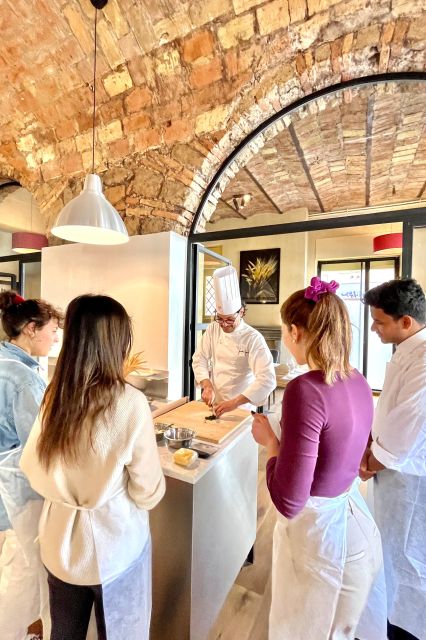
I would recommend it to couples, families with older children, solo visitors who enjoy meeting people, and anyone who wants a break from monuments and museums. It is especially good for a honeymoon or anniversary evening because the shared dinner, wine, and old tavern setting give it a celebratory feel without making it formal.
It also suits people who have tried making pasta at home but want better technique. The rolling-pin method and the different folds offer more substance than a class built around one basic noodle.
Families should consider the three-hour length and the hands-on nature of the work. Children around 10 have taken part successfully, but younger children may need close help with cutting, shaping, and staying focused.
This is less suitable if you have limited mobility, need a fully quiet setting, or want complete control over the menu. It is also not a pet-friendly activity.
Practical details before you go
The entrance is the old Cucina osteria, marked by the marble sign. Allow a little time to find the doorway, especially if you are arriving after dark.
Wear something comfortable for several hours at a worktable. You will be rolling dough, cutting pasta, shaping filled pieces, and eating afterward, so this is not the moment for restrictive clothing or a rushed schedule.
The class is taught in English and Italian. If you have an allergy, mention it in advance and repeat it to the chefs when you arrive. The class can make adjustments in some cases, but the details of every accommodation are not provided.
The advertised group limit is 10 people. Confirm the date and start time when booking, since available times vary. The activity begins and ends at the same meeting point.
Should you book the five-shape pasta class?
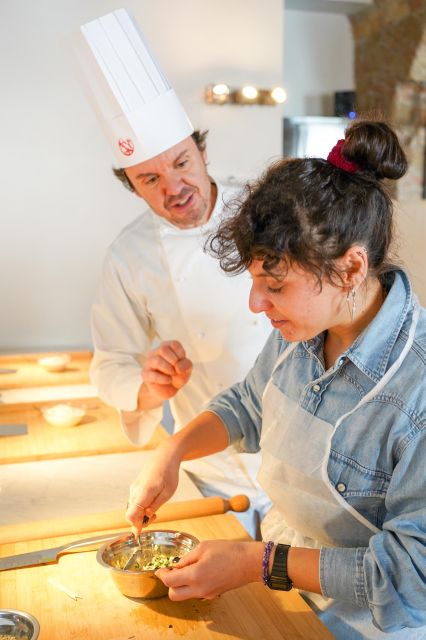
Book it if you want a social Rome evening that gives you something to do, something to eat, and a skill to practice later. The combination of five pasta shapes, direct help from Emanuele and Angelo, wine, dessert, and a historic osteria setting is unusually generous for $67.19.
Skip it if you would rather spend the evening in a quiet restaurant or if mobility limits make table-based food preparation difficult. For everyone else, this is one of the better choices for turning a Roman meal into a memory you helped create.
FAQ
How long does the pasta class last?
The activity lasts three hours.
How many pasta shapes will I make?
You will make five shapes: ravioli, agnolotti del plin, tortellini, cappelletti, and fettuccine.
Will I make the pasta dough from scratch?
Yes. You will prepare fresh pasta from scratch and roll the dough by hand with a wooden pin.
Are sauces included?
Yes. The class includes two different Italian sauces, which are prepared and explained by the chef.
Is a meal included?
Yes. The package includes an appetizer, Italian cheese, prosecco, two handmade pasta dishes, wine, and dessert.
Do I prepare the tiramisu?
Yes. The class includes preparation of an express tiramisu at the end of the meal.
Is the cooking class taught in English?
Yes. The listed teaching languages are English and Italian.
What is the group size?
The class is described as a small group limited to 10 participants.
Where does the activity start and finish?
It starts at the old Cucina osteria, where you will see the original marble osteria sign above the entrance. It ends back at the same meeting point.
Can I cancel for a refund?
You can cancel up to 24 hours in advance for a full refund.
More Hands-On Workshops in Rome
- Rome: Pasta & Tiramisu Cooking Class near the Spanish Steps
★ 4.8 · 1,395 reviews - Rome Tipsy Cooking Class: Make Pasta and Mix 3 Spritz Cocktails
★ 5.0 · 1,357 reviews - Cooking Class in the Heart of Rome: Pizza and Tiramisu Making
★ 5.0 · 1,330 reviews - Rome Cooking Class: Make Pasta, Dine & Drink Wine With Local Chef
★ 5.0 · 1,263 reviews
Just added around Rome
- Testaccio: Home Cooking Cacio e Pepe, Amatriciana, Carbonara★ 4.9 · 57 reviews
- Super Fun Pasta and Gelato Cooking Class by the Vatican★ 5.0 · 6 reviews
- Spritz and Spaghetti Traditional Cooking Class in Rome★ 4.9 · 30 reviews
- Rome: Vatican Food Tours, Cooking classes & Free Tours★ 4.9 · 11 reviews
- ROME:Hands-On Lasagna & Marsala Tiramisu Cooking Experience”★ 5.0 · 3 reviews
- Rome: Traditional Pasta and Tiramisu Cooking Class★ 5.0 · 4 reviews
- Rome: Small Group Pasta cooking class near Piazza Navona★ 4.9 · 8 reviews
- Rome: Trastevere Pasta Making Class★ 4.9 · 33 reviews
Pasta Making Classes, compared.

Florence: Pasta Cooking Class with Unlimited Wine
Read our review →
3 in 1 Cooking Class near Navona: Fettuccine, Ravioli & Tiramisu
Read our review →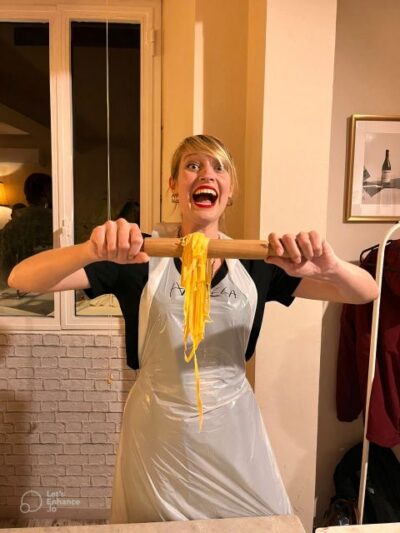
Rome: Pasta Making Class with Wine, Limoncello, and Dessert
Read our review →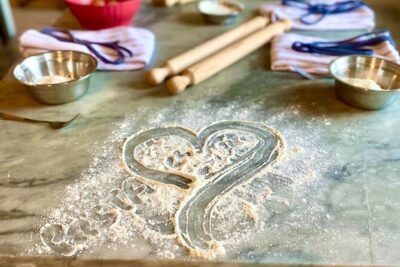
Rome Cooking Class: Make Pasta and 3 Spritz Cocktails
Read our review →
Rome: 3-in-1 Fettuccine, Ravioli, and Tiramisu Cooking Class
Read our review →
Rome: Fettuccine Pasta Cooking Class in Rome’s City Center
Read our review →Browse the lists this tour appears in