Review · ROME
Rome: Fresh Pasta-Making Class with Wine and Gelato
Fresh pasta is one of Rome’s best souvenirs because you can take the skill home, not just a photo. In this three-hour class in Trastevere, you’ll make fettuccine and ravioli from scratch, then cook sauces and finish with gelato.
I like the relaxed teaching style and the chance to eat what you make with prosecco and unlimited wine. I also like that the class works well for families, with several children as young as four, five, seven, and eight enjoying the process.
The main drawback is that the meeting point can be confusing because you meet outside in a square, not at the cooking studio itself. Arrive 15 minutes early, look for the red bag or Devour Tours sign, and contact the operator ahead of time about dietary needs.
Key points at a glance
- Two fresh pastas: Roll and shape both fettuccine and ravioli, then cook them with Roman-style sauces.
- A social three-hour format: Start with an aperitivo and prosecco, cook together, and sit down for a full meal.
- English-speaking local chefs: Instructors have included Elisa, Stefano, Luca, Fernanda, Asia, Jamila, and others.
- Good for families: The class has worked well for children, with clear steps and hands-on jobs.
- Recipes to take home: Printed recipe cards help you repeat the dishes after Rome.
- Trastevere setting: Meet at Piazza di San Giovanni della Malva, then walk to the cooking space.
What this Rome pasta class is really like
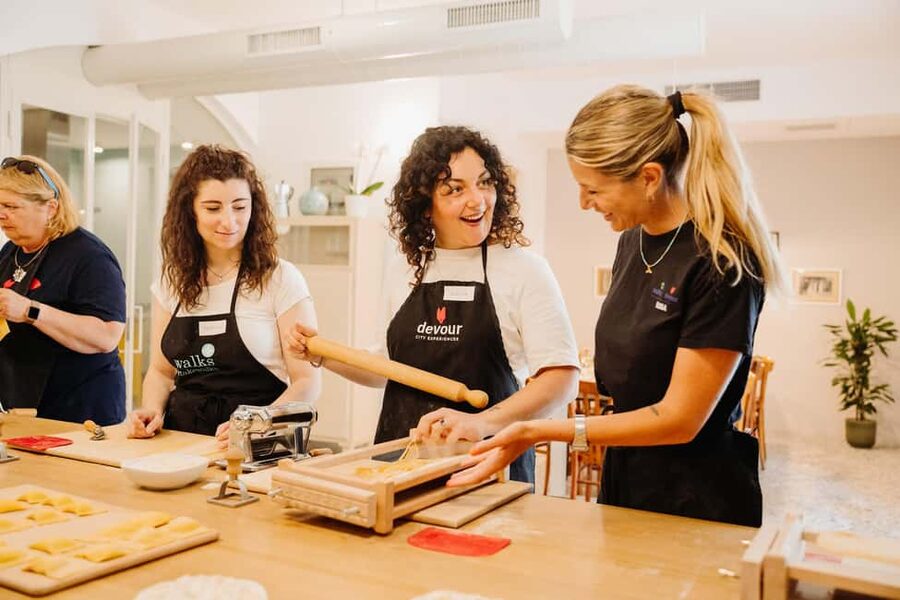
This is not a demonstration where you sit and watch a chef do all the work. You handle the dough, roll it, cut it, shape ravioli, prepare fillings, and help make the sauces.
That distinction matters. A cooking class is only worth the cost if you get enough time at the worktable. Here, the format is built around participation. You should expect flour on your hands, a few imperfect shapes, plenty of instruction, and a final plate that tastes better because you made it.
The class takes place in English and lasts about three hours. Groups may be private or shared, depending on the option you select. A shared class gives you the chance to meet people from other countries, while a private booking offers a more personal setting for your own group.
The experience has earned a 4.9 rating from 813 bookings, and the praise is remarkably consistent about three things: the friendly instructors, the quality of the food, and the easygoing mood. Names vary by session, but instructors such as Elisa, Stefano, Luca, Fernanda, Asia, Jamila, Alessandro, and Federica have all been singled out for clear teaching and warm personalities.
More Cooking Classes with Wine Tasting in Italy
- Rome: Pasta Making Class with Wine, Limoncello, and Dessert
★ 4.9 · 3,177 reviews - Fettuccine & Tiramisù: Cooking Class with Wine & Limoncello
★ 4.9 · 2,103 reviews - Pasta Making & Wine Tasting with Dinner in Frascati from Rome
★ 5.0 · 1,326 reviews
Meeting in Piazza di San Giovanni della Malva
You begin at Piazza di San Giovanni della Malva, in front of the San Giovanni della Malva church. This is an outdoor meeting point in a square, not the cooking studio, so give yourself a little extra time to find the group.
The practical instruction is simple: arrive 15 minutes before the start and look for a guide with a red bag or a Devour Tours sign. One useful warning comes from the format itself: the meeting location can feel less obvious than an ordinary restaurant entrance. If you arrive late or stand inside a nearby business, you may miss the group.
After everyone gathers, you’ll be taken to the cooking space. The class has been described as clean, spacious, modern, and air conditioned, which is especially useful during Rome’s hot summer months. You’ll want comfortable clothes and shoes, but the activity does not call for special cooking skills.
Trastevere is a good neighborhood for this kind of evening. It gives the class a local Roman setting without turning the activity into a formal culinary school lesson. You are there to cook, eat, talk, and learn a few things about everyday Roman food.
Your aperitivo begins the evening
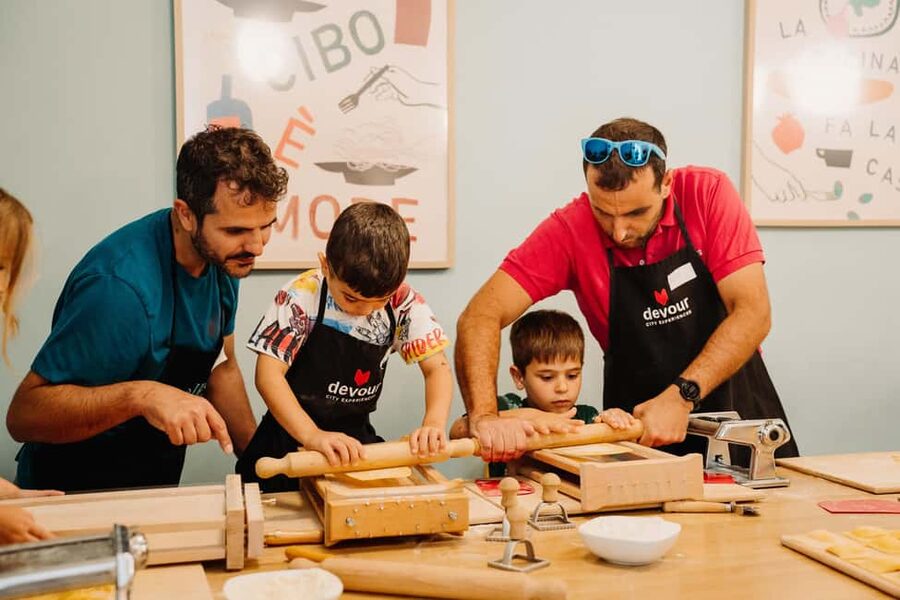
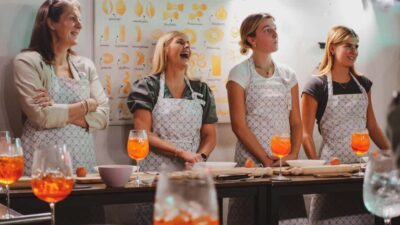
The class starts with a welcoming drink, usually prosecco, along with appetizers. This Italian aperitivo is more than a free extra. It gives everyone time to meet the chef and the rest of the group before the work begins.
I like this opening because it takes the pressure off. You do not walk straight into a technical lesson with strangers. Instead, you settle in, hear what the evening will involve, and get a taste of the social side of Italian dining.
Wine continues during the class, with unlimited wine included. That makes the experience feel more like a long Roman meal than a short instructional workshop. Still, pace yourself. Three hours of cooking, eating, and drinking can catch up with you, especially after a full day of sightseeing.
The chef also uses this time to explain Roman food and culture. The details will vary by instructor and menu, but the aim is to show how pasta, sauces, local ingredients, and shared meals fit together. I find that context more useful than a string of cooking facts because it helps you understand what to order later in Rome.
Making the dough by hand
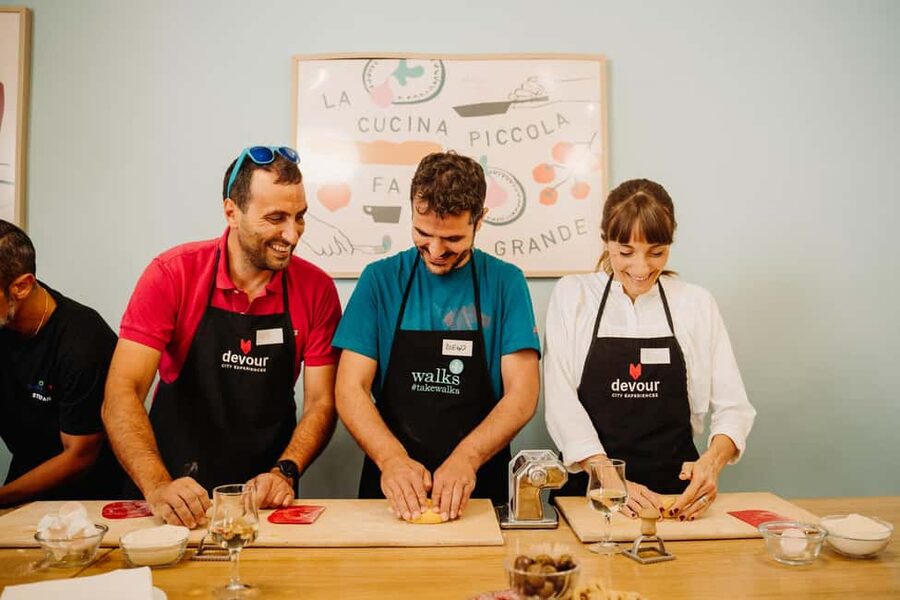
The first major task is fresh pasta dough. The chef explains how flour, eggs, and olive oil work together, then shows you how to combine and knead them into a workable dough.
For a beginner, this is the point where the class earns its keep. Pasta dough looks simple, but consistency matters. Too dry and it cracks. Too wet and it sticks. You learn to judge the texture with your hands rather than relying only on a recipe.
You then roll the dough and cut it into fettuccine. The work is hands-on, but the instructors keep the pace manageable. Parents have found the steps easy enough for children to follow, and children can take part without needing to handle every technical stage alone.
Do not expect every strand to be identical. That is part of the fun. The goal is not restaurant-level uniformity. It is learning the basic method so you can make fresh pasta again at home.
The printed recipe cards are useful here. They give you the proportions and steps after the class, when the memory of the dough is still fresh. I would keep them with your travel papers rather than packing them in checked luggage, since they are one of the most practical takeaways from the evening.
More Cooking Classes with Wine Tasting in Rome
- Rome Cooking Class: Make Pasta, Dine & Drink Wine With Local Chef
★ 5.0 · 1,263 reviews - Rome: Combo Pizza and Pasta Cooking Class with Wine
★ 4.6 · 1,180 reviews - Rome: Pasta Making with Wine Tasting and Dinner in Frascati
★ 4.9 · 979 reviews - Rome: Pizza & Tiramisu Class with Free Flowing Fine Wine
★ 5.0 · 973 reviews
Shaping ravioli and preparing the filling
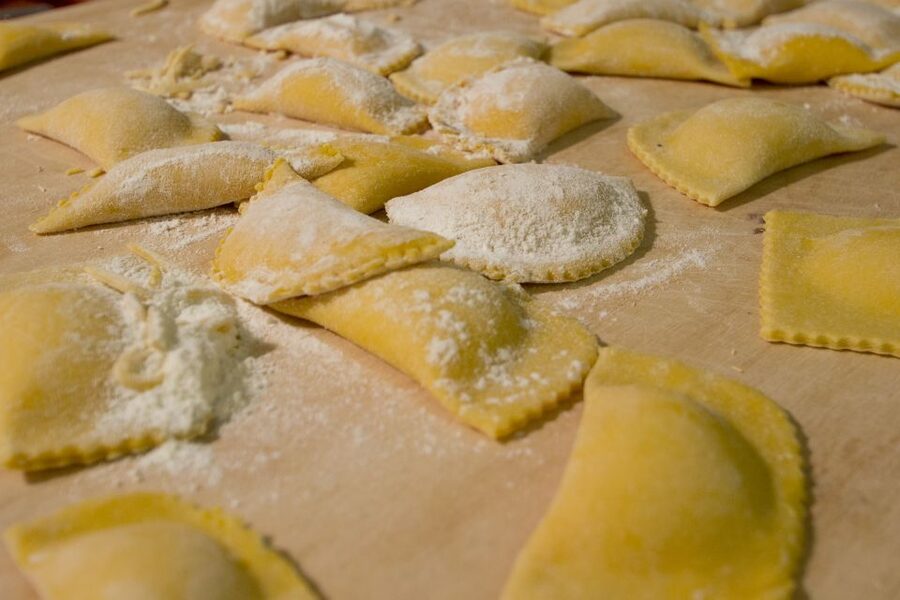
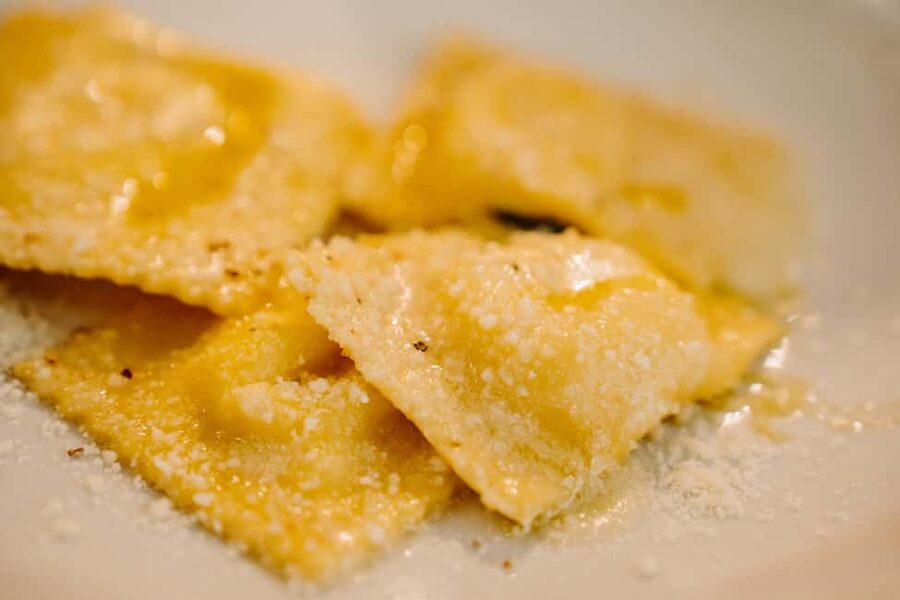
Next comes ravioli, which adds a different skill. You prepare the filling, place it on the pasta, fold the dough, and seal the edges. The chef explains how to avoid trapped air and how to make sure the ravioli stays closed during cooking.
This section usually takes more patience than fettuccine. Flat noodles are forgiving, but ravioli needs careful spacing and firm sealing. That makes it a good contrast to the first pasta. You are not simply repeating the same task in another shape.
The filling recipes are traditional, but the exact ingredients can vary. The class uses fresh ingredients for the meal, and the chef explains how the filling works with the sauce rather than treating it as a separate item.
I like that you learn two pasta styles in one session. If you only made noodles, you might leave with a narrow skill. Fettuccine teaches cutting and handling long pasta, while ravioli teaches filling, folding, and sealing.
Roman sauces with seasonal ingredients
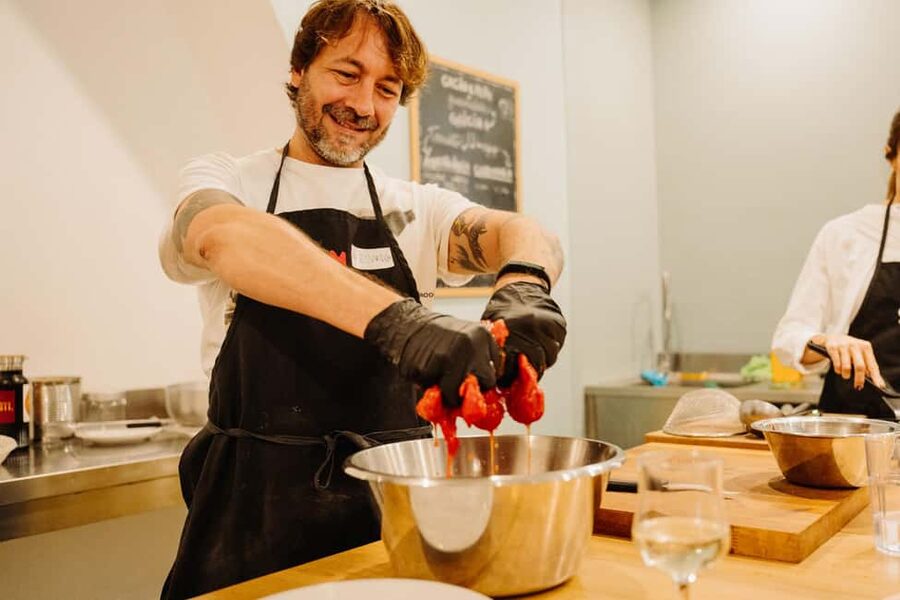
While the pasta rests, the class turns to sauces. The chefs use fresh, seasonal ingredients and explain the basic methods behind traditional Roman sauces.
Past examples described by participants include puttanesca and amatriciana, though the precise menu may depend on the session. That small uncertainty is worth noting. If you are booking because you have your heart set on one particular sauce, ask ahead rather than assuming it will appear.
The sauce lesson adds real value because fresh pasta is only half the meal. You learn how to build a sauce that suits the shape and filling, and you pick up small kitchen tips that can be used with ordinary supermarket ingredients back home.
The instructor’s personality matters a lot during this stage. Several sessions have been led by two chefs, which allows one person to demonstrate while the other helps around the tables. Names such as Luca, Elisa, Stefano, Fernanda, and Asia appear repeatedly in the experience feedback, with particular praise for their humor, patience, and ability to keep children involved.
The teaching is informal rather than technical. You will not leave with a professional chef’s qualification, but you should leave knowing more about dough texture, sauce balance, and how to organize a pasta meal.
Sitting down to eat your own work
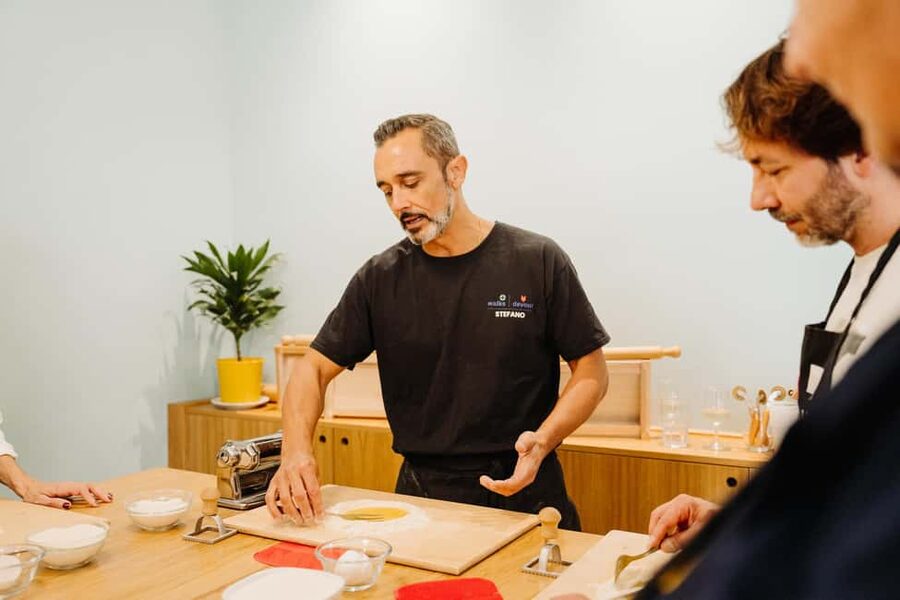
Once the pasta and sauces are ready, everyone sits down to eat. This is the payoff, but it is also an important part of the class itself.
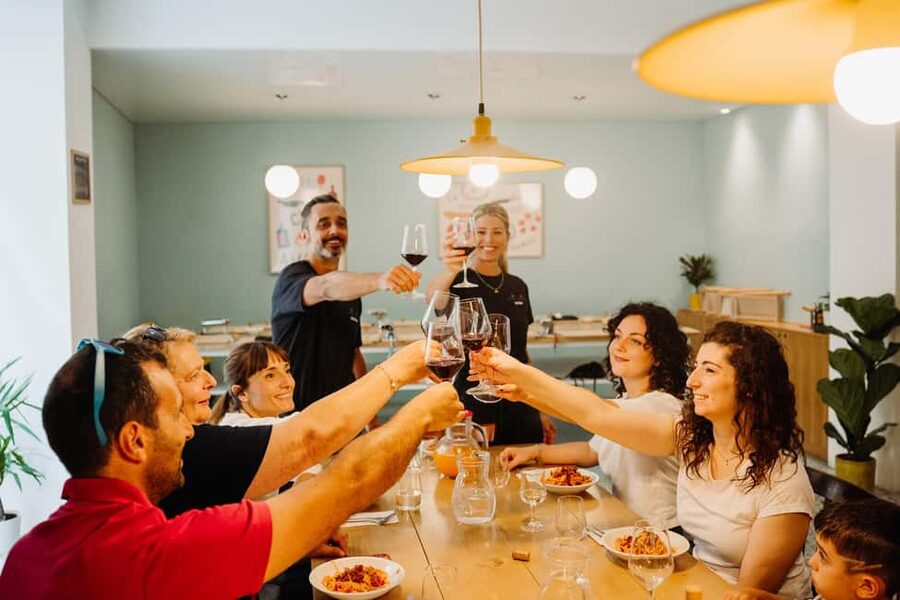
A shared table changes the mood. The work is finished, and you can compare shapes, talk about the recipes, and enjoy the meal without rushing to the next sight. The wine continues, and the meal becomes a social evening rather than a quick tasting.
The value here is straightforward. A restaurant dinner in Rome might cost a large part of the $69 price on its own, but this class adds instruction, ingredients, aperitivo, wine, and dessert. You are paying for an activity and a meal together.
That does not make it the cheapest way to eat pasta. If all you want is a plate of cacio e pepe, a neighborhood trattoria will be simpler. But if you want a three-hour evening with food, instruction, and company, the price is reasonable.
The meal is also satisfying because it comes at the end of real work. Even basic pasta tastes different when you have kneaded the dough and shaped the ravioli yourself. That sense of participation is what separates this from a standard dinner reservation.
Homemade gelato to finish
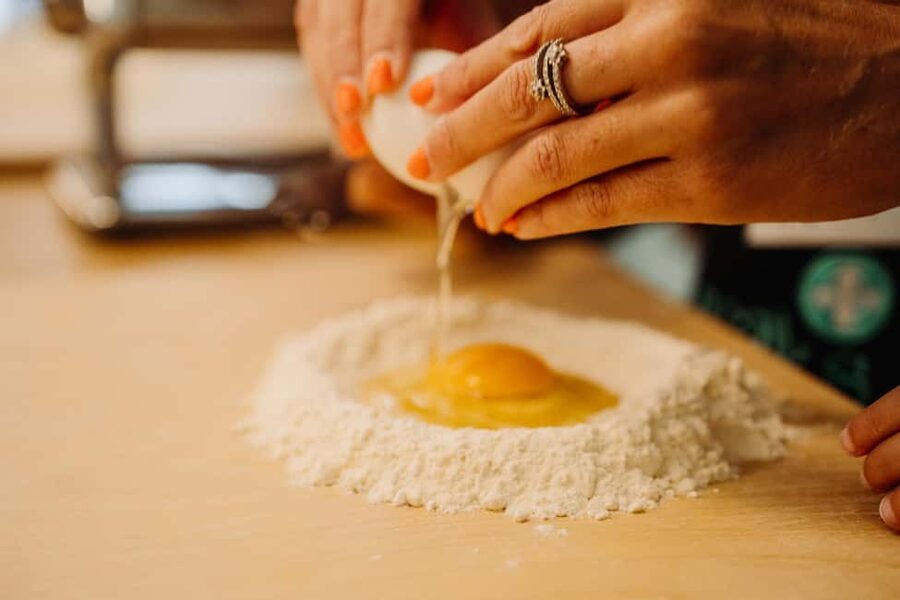
The final course is homemade gelato. It gives the class a sweet ending without extending the menu into something too elaborate.
Gelato is also a smart choice for a group activity. It is familiar, easy to enjoy, and especially welcome after pasta and wine. Children tend to appreciate this part, while adults get a second recipe to try at home.
The class includes the gelato, so you do not need to budget separately for dessert. Along with the appetizers, two pasta dishes, sauces, prosecco, unlimited wine, and ingredients, the inclusions make the $69 price easier to justify.
Is the class suitable for children?
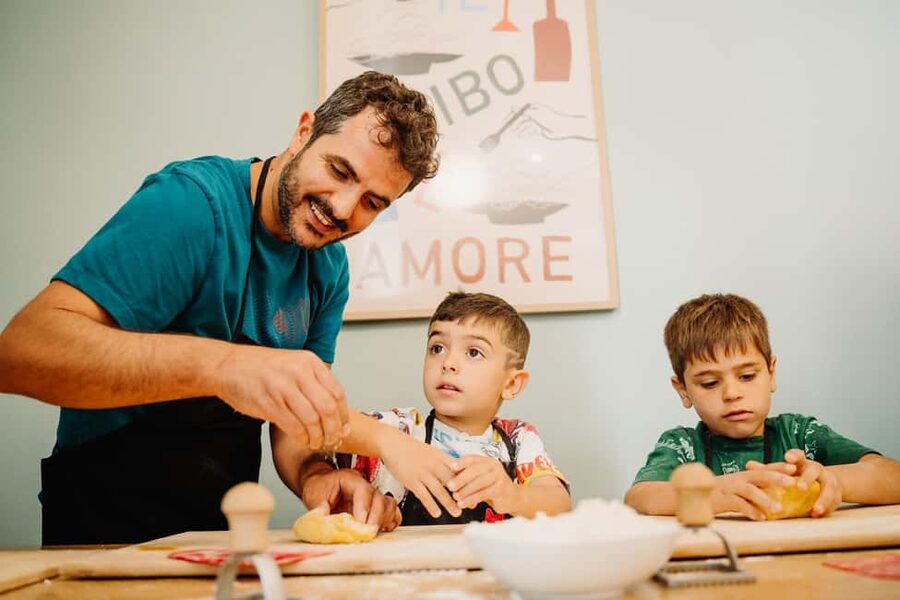
The experience has worked particularly well for families. Parents have brought children aged four, five, seven, eight, ten, and twelve, and the instructors adjusted the pace and gave them manageable tasks.
That does not mean every child will enjoy three hours at a table. A child who likes mixing, shaping, and eating will have plenty to do. A child who dislikes flour on their hands or loses interest quickly may need more help from an adult.
The strongest family advantage is the teaching style. Instructors such as Elisa and Luca have been praised for keeping children involved, explaining each step clearly, and making the atmosphere friendly. The gelato and meal also break up the hands-on work.
Strollers are not suitable, and the activity is not designed for wheelchair users or people with mobility impairments. If your group includes someone with a dietary restriction, contact the operator before booking. The class can adapt to most dietary needs, but not celiac requirements.
Shared class or private option?
The shared version is the better choice if you enjoy meeting people and want the liveliest social setting. The tables encourage conversation, and the wine and meal naturally make it easy to talk with the group.
A private class makes more sense for a family reunion, birthday, or group that wants the chef’s attention focused on them. The exact group size and arrangement depend on the option selected, so check the booking details before paying.
Small groups are especially helpful for first-time cooks. You can ask questions, watch the chef closely, and get help with dough or ravioli. Larger groups may feel more festive, but you might spend more time waiting for your turn at some steps.
The instruction is in English. You do not need prior cooking experience, but you should be comfortable following spoken directions and working at a shared table.
What to bring and how to plan your evening
Arrive at the square 15 minutes early. This is the most useful practical tip because the starting point is outside the studio and may not look like a business entrance.
Wear clothes you can work in and avoid bringing anything you need to keep spotless. The activity involves flour, dough, sauces, and food preparation, though the venue has been described as clean and well kept.
Plan the class as your main evening meal. You receive appetizers, two homemade pastas with sauces, gelato, prosecco, and wine, so booking a separate dinner afterward would usually be unnecessary.
I would also place this activity early in a Rome stay if you can. The class gives you food ideas, local restaurant context, and cooking tips that can improve the rest of your visit. One parent specifically wished they had booked it as their first activity because the chef could have offered useful recommendations for the city.
Free cancellation is available up to 24 hours before the start, and you can reserve now and pay later. Those terms are helpful if your Rome schedule is still changing, but they do not replace checking the final booking conditions for your selected date.
Who should book this pasta-making class?
I would recommend it most strongly to first-time visitors who want an evening that combines food with a practical activity. It also suits couples, families, solo visitors comfortable in a small group, and friends who prefer a shared meal to a formal cooking demonstration.
You should book it if you want to learn fresh pasta, enjoy wine, and meet people in a relaxed setting. You should skip it if you dislike group activities, need a fully accessible venue, or only want a quick meal with no instruction.
At $69, the class offers solid value because the price covers the ingredients, aperitivo, two pastas, sauces, gelato, prosecco, unlimited wine, and a three-hour lesson. The real test is simple: would you enjoy spending an evening making your dinner instead of merely ordering it?
If the answer is yes, this is a practical and enjoyable Rome experience. You leave with a full meal, a few Roman food lessons, and recipes you can use long after the holiday ends.
FAQ
How long does the Rome pasta-making class last?
The class lasts three hours. It includes the cooking lesson, aperitivo, meal, wine, and gelato.
Where is the meeting point?
Meet at Piazza di San Giovanni della Malva, 00153 Roma RM, in the square in front of the San Giovanni della Malva church. Arrive 15 minutes early and look for the red bag or Devour Tours sign.
What pasta will I make?
You will make two fresh pasta types: fettuccine and ravioli. The class also includes sauces for the pasta.
Is wine included?
Yes. The experience includes prosecco and unlimited wine, along with appetizers and gelato.
Is the class suitable for children?
Yes. The class has been suitable for children as young as four, with instructors adjusting the pace and helping younger participants. Children should be able to take part in a hands-on, three-hour cooking activity.
Can dietary restrictions be accommodated?
The class can adapt to dietary needs except for celiac requirements. Contact the operator before attending so the food can be arranged.
More Pasta Making Classes in Rome
- Rome Cooking Class: Make Pasta and 3 Spritz Cocktails
★ 5.0 · 2,937 reviews - Rome: Fettuccine Pasta Cooking Class in Rome’s City Center
★ 4.8 · 2,414 reviews - Pasta Cooking Class Near the Colosseum with 3 Spritz Cocktails
★ 5.0 · 1,686 reviews - Enjoy Spritz and Pasta Making in Piazza Navona
★ 5.0 · 1,681 reviews
More Dessert Classes in Rome
- 3 in 1 Cooking Class near Navona: Fettuccine, Ravioli & Tiramisu
★ 5.0 · 7,376 reviews - Rome: 3-in-1 Fettuccine, Ravioli, and Tiramisu Cooking Class
★ 4.9 · 2,704 reviews - Rome: Pasta & Tiramisu Cooking Class near the Spanish Steps
★ 4.8 · 1,395 reviews - Cooking Class in the Heart of Rome: Pizza and Tiramisu Making
★ 5.0 · 1,330 reviews
Just added around Rome
- Testaccio: Home Cooking Cacio e Pepe, Amatriciana, Carbonara★ 4.9 · 57 reviews
- Super Fun Pasta and Gelato Cooking Class by the Vatican★ 5.0 · 6 reviews
- Spritz and Spaghetti Traditional Cooking Class in Rome★ 4.9 · 30 reviews
- Rome: Vatican Food Tours, Cooking classes & Free Tours★ 4.9 · 11 reviews
- ROME:Hands-On Lasagna & Marsala Tiramisu Cooking Experience”★ 5.0 · 3 reviews
- Rome: Traditional Pasta and Tiramisu Cooking Class★ 5.0 · 4 reviews
- Rome: Small Group Pasta cooking class near Piazza Navona★ 4.9 · 8 reviews
- Rome: Trastevere Pasta Making Class★ 4.9 · 33 reviews
Pasta Making Classes, compared.
Florence: Pasta Cooking Class with Unlimited Wine
Read our review →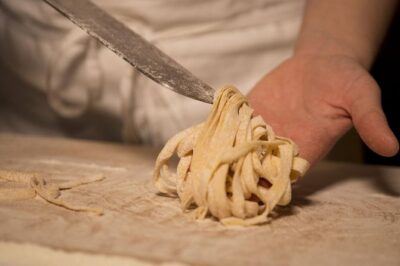
3 in 1 Cooking Class near Navona: Fettuccine, Ravioli & Tiramisu
Read our review →
Rome: Pasta Making Class with Wine, Limoncello, and Dessert
Read our review →
Rome Cooking Class: Make Pasta and 3 Spritz Cocktails
Read our review →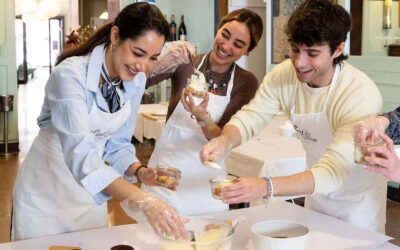
Rome: 3-in-1 Fettuccine, Ravioli, and Tiramisu Cooking Class
Read our review →