
Review · ROME
Rome: Gourmet Pizza Cooking Class (SHARED)
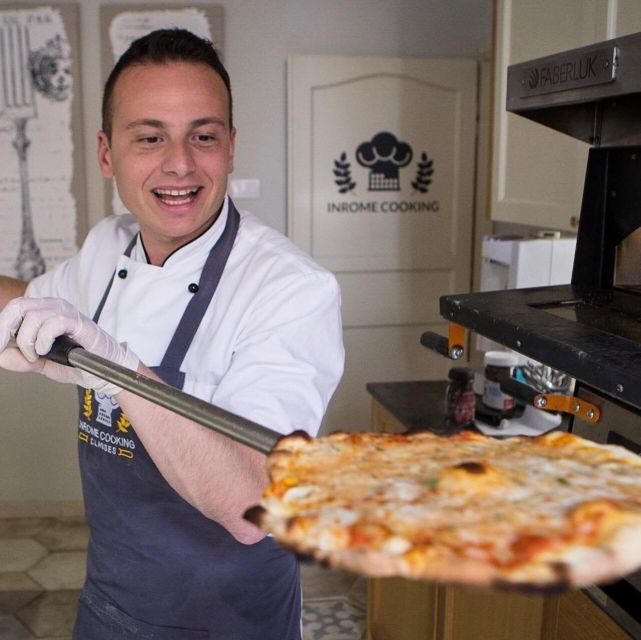
Roman pizza begins with the dough, and this class lets you make yours from scratch before it goes into the oven. I like the hands-on cooking and the chance to compare Rome’s thin, crisp style with Naples’ softer pizza. I also like the aperitivo welcome, with drinks and snacks before the work begins.
The class costs $93 per person and lasts 90 minutes. That is fair if you want an active food experience rather than another restaurant meal, especially since you eat the pizza you make. The main drawback is pace: an hour and a half leaves little time for a long lesson, and the class is not suitable for people with mobility impairments.
Key points to know before booking
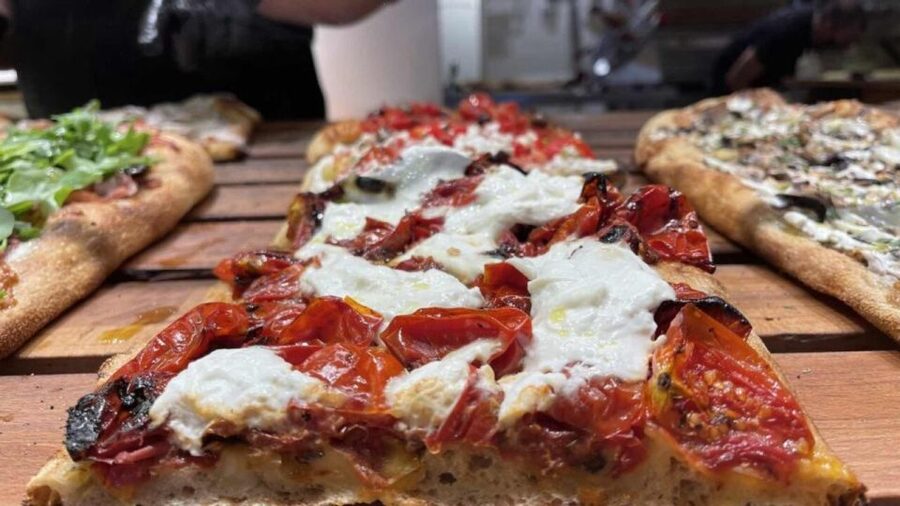
- Roman pizza, not Neapolitan pizza: You make a thinner, crunchier base associated with Rome.
- Dough from scratch: The class focuses on balancing dough, sauce, and toppings rather than simply assembling a ready-made pizza.
- Aperitivo first: Welcome drinks and snacks ease you into the cooking before the flour appears.
- Seasonal choices: Toppings can include mozzarella, prosciutto, zucchini flowers, black olives, and other fresh ingredients.
- Central meeting point: Meet at Corso del Rinascimento 65, near Piazza Navona, and ring the InRome Cooking doorbell.
- English instruction: The class is led by a local professional chef, with Marco specifically praised for his useful pizza tips.
Starting near Piazza Navona with an Italian aperitivo
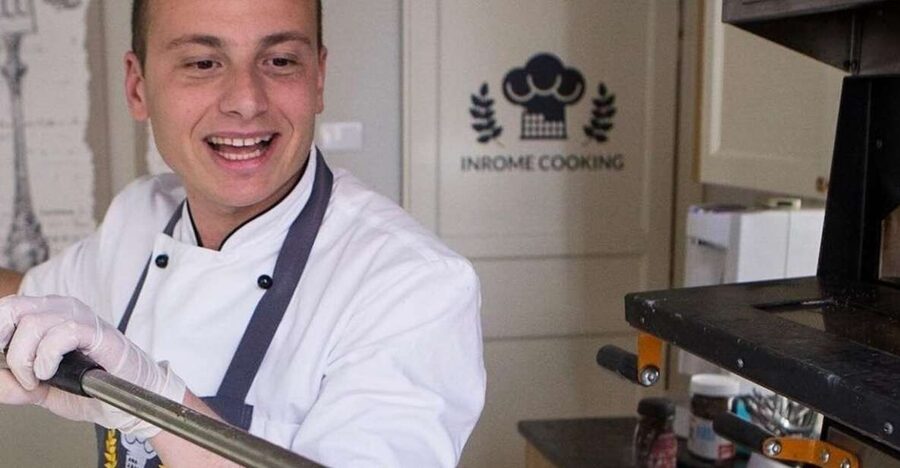
Your class begins at Corso del Rinascimento 65, a central Rome address near Piazza Navona. Look for the InRome Cooking location and ring the doorbell marked InRome Cooking. The meeting point is useful if you are already spending the afternoon around Piazza Navona, the Pantheon, or the surrounding historic center.
The first few minutes are not about flour or oven heat. You start with welcome drinks and snacks in the Italian aperitivo tradition. This gives you a chance to settle in, meet the chef, and shift from sightseeing mode into cooking mode.
I like this opening because it makes the class feel social rather than rushed. You are not simply handed ingredients and told to copy a recipe. The drink and snack give the lesson a local food setting, while the chef can begin explaining how simple Italian cooking depends on good ingredients and careful handling.
The exact drinks are not specified, so you should not book this expecting a particular wine or cocktail. Wine is associated with the finished pizza in the experience, and the welcome includes drinks, but the precise selection can vary.
The class is shared, so you should expect to cook alongside other people rather than receive a private lesson. The number of participants is not provided, so I would not assume a small class. If private attention matters to you, ask the provider about the group size before booking.
More Pizza Making Classes in Rome
- Cooking Class in the Heart of Rome: Pizza and Tiramisu Making
★ 5.0 · 1,330 reviews - Rome: Traditional Pizza Cooking Class near Piazza Navona
★ 4.7 · 1,241 reviews - Rome: Combo Pizza and Pasta Cooking Class with Wine
★ 4.6 · 1,180 reviews
Making Roman dough from the beginning
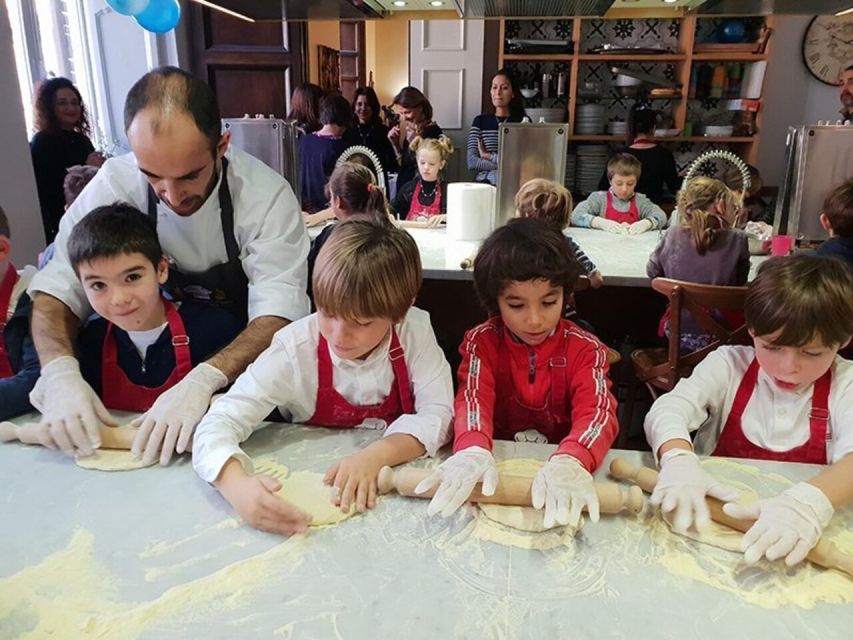
The central task is creating your own dough. You will work through the basic balance of flour, water, and the other elements needed to form a pizza base, with the chef showing you how the dough should feel and behave.
That hands-on step is more useful than a quick demonstration. Pizza dough can look easy, but the texture of the finished crust depends on how it is handled. A local chef can point out practical details that are hard to learn from a recipe alone, such as how to shape the dough into a base without losing its character.
You then roll or shape your own base. The result may not be perfectly round, and that is part of the fun. The experience is built around making your own pizza rather than producing a restaurant-perfect copy. You get a better sense of why small changes in thickness affect the final bite.
The class also explains the difference between Roman and Neapolitan pizza. Roman pizza is thinner and crunchier, while Neapolitan pizza is generally softer and more pliable. That contrast matters because many visitors arrive in Italy thinking pizza is one fixed style. In Rome, the crisp base is part of the local identity.
I would pay attention during this section even if you already make pizza at home. The value is not only in taking home a recipe. It is in learning what the chef considers the right balance for a Roman-style base, then seeing how that dough performs once baked.
One past participant specifically praised Marco for sharing useful Italian pizza secrets. Marco is the only chef named in the available information, so he may not lead every session. Still, his mention gives you a sense of the class’s teaching style: practical advice, an easy manner, and tips that go beyond simply following steps.
Choosing sauce, cheese, and seasonal toppings
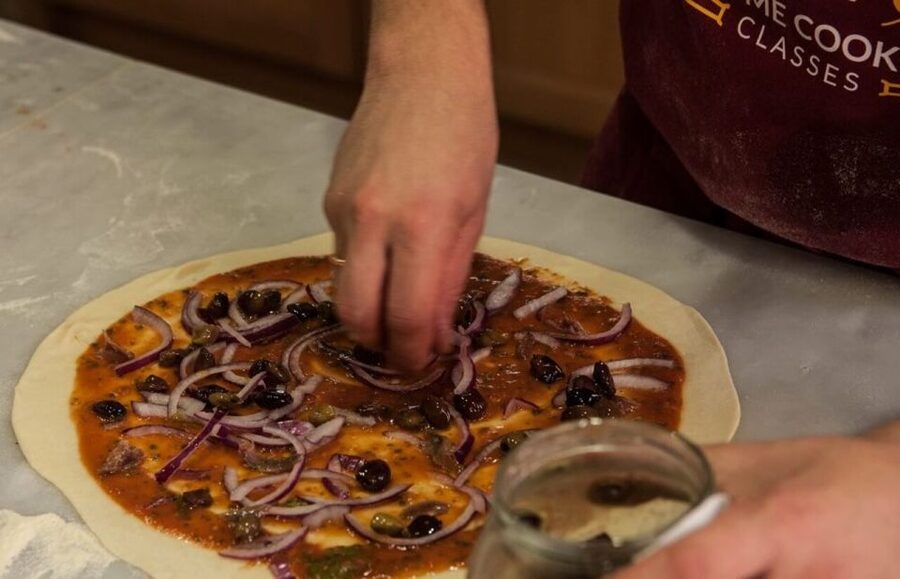
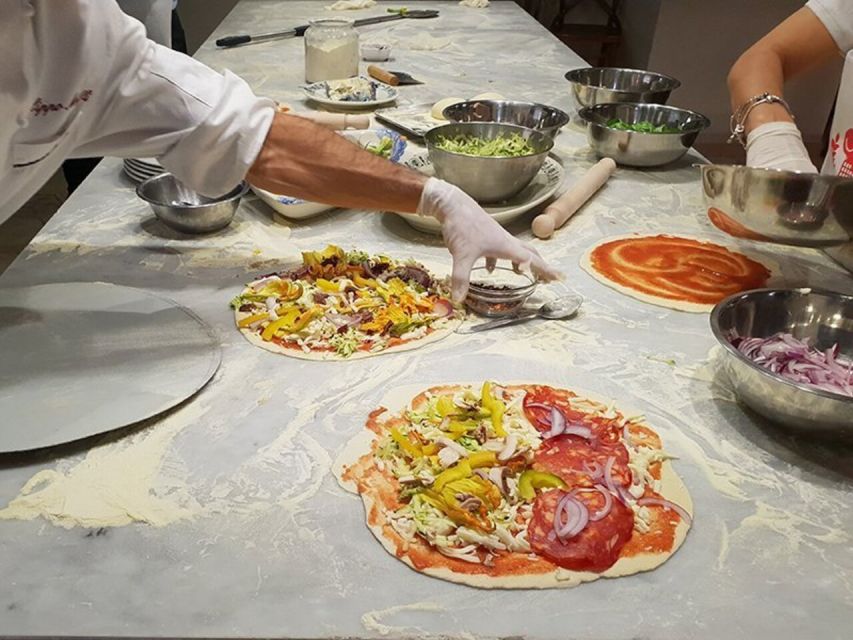
Once your base is ready, you turn to the toppings. The class presents two simple directions. Pizza rosso uses tomato sauce, while pizza bianca skips the tomato and keeps the base focused on cheese, oil, and other toppings.
This is a good lesson in Italian restraint. You are not being encouraged to pile on everything available. The goal is to create a balanced pizza in which the dough, sauce, cheese, and toppings work together.
Mozzarella is part of the ingredient selection, adding a mild flavor as it melts. You might also find prosciutto, zucchini flowers, black olives, and other seasonal ingredients. The exact choices change with the time of year, which is a practical strength. Fresh produce is more likely to taste good when it is in season, and the class can show you ingredients that you might overlook in a Roman market or restaurant.
Zucchini flowers are a particularly nice possibility. They are delicate, seasonal, and easy to miss if you do not know what to look for. Black olives and prosciutto offer stronger salty notes, while a pizza bianca can keep the flavor more direct.
Because the toppings vary, you should not expect one fixed menu. This is helpful if you enjoy trying local ingredients, but less helpful if you have your heart set on one specific combination. Ask about the day’s ingredients if you have allergies or strict dietary needs. The provided details do not list vegetarian, vegan, gluten-free, or allergy arrangements.
The chef’s guidance matters here. A topping can be excellent on its own and still overwhelm a thin crust if used too heavily. The class gives you a chance to see how much sauce, cheese, or garnish is sensible for a Roman base.
The short trip from raw dough to baked pizza
At 90 minutes, this is a compact cooking class. The length works well if you want to fit food into a busy Rome day. You can visit nearby sights before the class, cook, eat, and continue exploring without giving up half a day.
The tradeoff is that the lesson cannot cover every part of pizza making in great depth. You should expect a focused workshop, not a long culinary course covering fermentation schedules, several dough recipes, oven construction, and multiple pizzas.
The order is logical:
- Welcome drinks and snacks set the tone.
- The chef explains Roman pizza and the basics of dough.
- You create and shape your base.
- You choose sauce, cheese, and seasonal toppings.
- The pizza is baked and enjoyed with wine.
The final eating period is important. You are not cooking for practice and then being sent away. You get to taste the result of your work, with wine included as part of the Italian food setting. A German participant described the atmosphere as very family-like and noted enjoying the homemade pizza with wine. That detail fits the appeal of the class: the meal is part of the lesson, not an afterthought.
I would not expect a full restaurant-style dinner. Your pizza and the welcome snacks make this a satisfying food activity, but the class is only 90 minutes and the menu is centered on pizza. If you are very hungry, plan your wider meal schedule accordingly.
Same place, a different menu:
- 3 in 1 Cooking Class near Navona: Fettuccine, Ravioli & Tiramisu
★ 5.0 · 7,376 reviews - Rome: Pasta Making Class with Wine, Limoncello, and Dessert
★ 4.9 · 3,177 reviews - Rome Cooking Class: Make Pasta and 3 Spritz Cocktails
★ 5.0 · 2,937 reviews - Rome: 3-in-1 Fettuccine, Ravioli, and Tiramisu Cooking Class
★ 4.9 · 2,704 reviews
How the $93 price works out
At $93 per person, this is not the cheapest way to eat pizza in Rome. You can buy a slice or a whole pizza for much less. The price makes more sense when you treat the experience as both a meal and a cooking lesson.
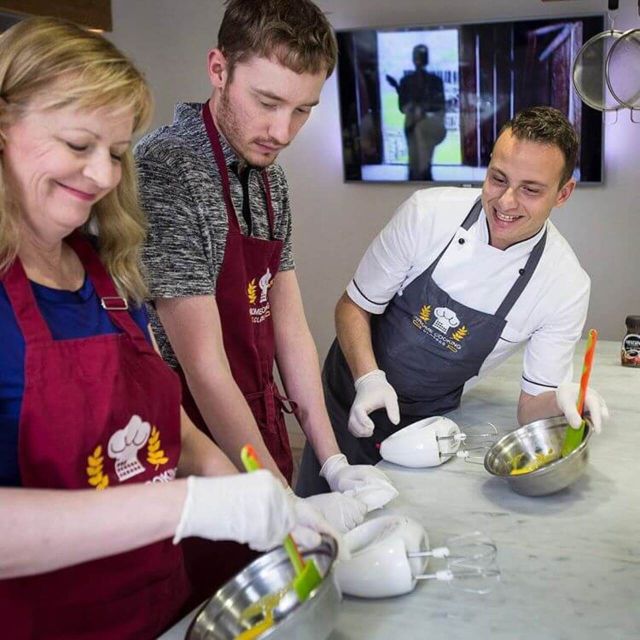
You are paying for an English-speaking professional chef, ingredients, instruction, welcome drinks and snacks, and the chance to make your own pizza. The central location also saves time if your sightseeing is already focused around Piazza Navona or the Pantheon area.
I think the value is strongest for people who enjoy active food experiences. You learn a technique, taste seasonal ingredients, and leave with a better understanding of Roman pizza. The value is weaker if you only want a quick meal or if you have already taken several pizza classes and do not care about making dough again.
The class has a very strong overall rating of 4.9 from 20 reviews. The praise focuses on fun, useful tips, the friendly atmosphere, and good value. One person who had taken many other classes in Italy called this their best, which suggests that the teaching and social tone can be a real strength.
Still, a small set of reviews cannot guarantee that every session will feel the same. The chef may vary, the seasonal ingredients will change, and the shared group can affect how much direct attention you receive.
Who will enjoy this class most
I would recommend this experience to several types of visitors:
Food-focused visitors get more than a restaurant meal. You work with the ingredients and learn why Roman pizza has a different texture from the Neapolitan version.
First-time Rome visitors can place the meal in the city’s local food culture without spending an entire day on a cooking program. The central meeting point makes it easy to combine with nearby sightseeing.
Couples and friends get a relaxed activity with something to eat at the end. The shared format can work well if you like meeting other people while on holiday.
Families with older children may enjoy the hands-on element, though the information does not specify a minimum age. Ask the provider before booking for children.
Home cooks will appreciate the dough and topping advice. The class is especially useful if you want to understand the difference between a thin Roman base and a softer Neapolitan one.
It may not suit you if you have mobility limitations, since the activity is specifically listed as unsuitable for people with mobility impairments. It may also disappoint you if you want a private lesson, a large multi-course meal, or a fixed menu of toppings.
Practical planning for the cooking class
Allow enough time to reach Corso del Rinascimento 65. You need to ring the doorbell marked InRome Cooking, so do not simply wait outside for a guide to find you. Since the class is in central Rome, allow extra time for crowded streets and busy sightseeing routes.
The class is taught in English. That makes the cooking instructions easier to follow if English is your preferred language. The available information does not list other teaching languages.
Hotel pickup and drop-off are not included. You will make your own way to the meeting point and continue on your own after the class. This is not a problem for most people staying or sightseeing in central Rome, but it matters if you are staying far from the historic center.
The experience offers free cancellation up to 24 hours before the start time for a full refund. You can also reserve now and pay later, which helps if your Rome schedule is still changing. Check the available start times when booking because the specific time is not fixed in the information provided.
The class is shared, and the duration is fixed at 90 minutes. I would choose a start time that does not force you to race from another major sight. A calm arrival makes the aperitivo and cooking lesson more enjoyable.
Is this Roman pizza class worth booking?
I would book this class if you want to do more than eat pizza. The strongest reasons are the from-scratch dough, the Roman versus Neapolitan comparison, the seasonal toppings, and the chance to eat your finished pizza with wine.
The $93 cost is reasonable for a central, guided food activity with drinks, snacks, ingredients, and a meal. It is not a bargain meal, so compare it with what you actually want from your Rome day. If you value instruction and participation, the price holds up. If you only want inexpensive pizza, eat at a pizzeria instead.
Book it if you enjoy a friendly shared setting and can manage the physical demands of a kitchen class. Skip it if mobility is a concern, if you need a private class, or if you require a specific diet that has not been confirmed.
For most food-minded visitors, this is a smart 90-minute break from monuments. You leave with a full stomach and a clearer idea of what makes Roman pizza Roman.
FAQ
Where does the pizza cooking class meet?
The meeting point is Corso del Rinascimento 65. Ring the doorbell marked InRome Cooking.
How long does the class last?
The class lasts 1.5 hours, or 90 minutes.
Is the class shared or private?
It is a shared cooking class. The available information does not state the group size.
What language is the class taught in?
The class is taught in English by a local professional chef.
What food and drinks are included?
You receive welcome drinks and snacks, then make pizza with fresh and seasonal toppings. Wine is enjoyed with the finished pizza.
Do I make the pizza dough myself?
Yes. Creating your dough from scratch is one of the main parts of the class.
What kind of pizza will I make?
The class focuses on Roman pizza, which is described as thinner and crunchier than Neapolitan pizza. You can work with pizza rosso or pizza bianca and choose from available seasonal toppings.
Is hotel pickup included?
No. Hotel pickup and drop-off are not included.
Can I cancel the booking?
Yes. You can cancel up to 24 hours in advance for a full refund. The activity also offers a reserve now and pay later option.
More Hands-On Workshops in Rome
- 3 in 1 Cooking Class near Navona: Fettuccine, Ravioli & Tiramisu
★ 5.0 · 7,376 reviews - Rome: Pasta Making Class with Wine, Limoncello, and Dessert
★ 4.9 · 3,177 reviews - Rome Cooking Class: Make Pasta and 3 Spritz Cocktails
★ 5.0 · 2,937 reviews - Rome: 3-in-1 Fettuccine, Ravioli, and Tiramisu Cooking Class
★ 4.9 · 2,704 reviews
Just added around Rome
- Rome: Pizza and Tiramisu Cooking Class Near the Colosseum★ 5.0 · 134 reviews
- Rome: Pasta Cooking Class in a Professional Pasta Laboratory★ 4.9 · 157 reviews
- Rome: Pasta Making Workshop with Lunch★ 4.8 · 11 reviews
- Gnocchi Cooking Class in Rome – Piazza Navona★ 4.6 · 75 reviews
- Rome: pasta and tiramisu cooking class in the city center★ 4.8 · 28 reviews
- Rome: Pasta Fettuccine, Ravioli & Tiramisu Cooking Class★ 5.0 · 6 reviews
- Rome: Pasta Cooking Class with Wine, Coffee, and Limoncello★ 5.0 · 7 reviews
- Rome: Hands-On Pizza Making Class near the Vatican with Wine★ 4.8 · 102 reviews
Pizza Making Classes, compared.
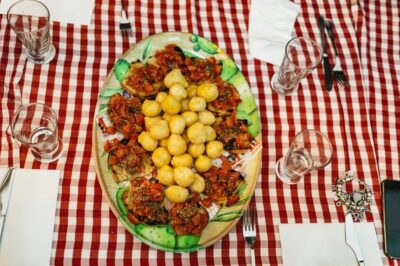
Naples: Pizza-Making Workshop with Drink and Appetizer
Read our review →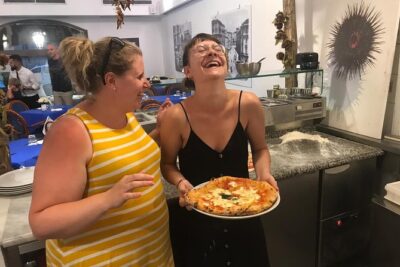
Authentic Pizza Making Class in Naples with Appetizers and Drink
Read our review →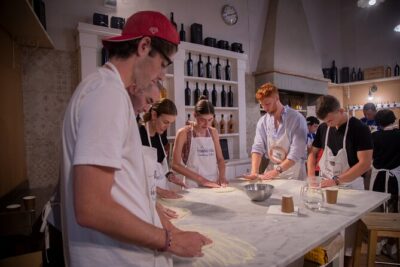
Florence Cooking Class The Art of Making Gelato & Authentic Pizza
Read our review →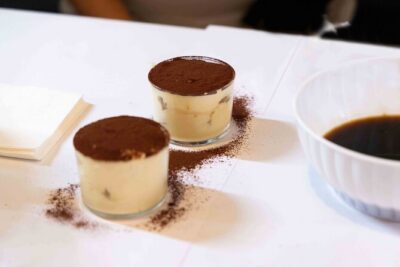
Cooking Class in the Heart of Rome: Pizza and Tiramisu Making
Read our review →
Rome: Traditional Pizza Cooking Class near Piazza Navona
Read our review →
Rome: Combo Pizza and Pasta Cooking Class with Wine
Read our review →
Pizza Cooking Class in Rome – Near Piazza Navona
Read our review →
Rome: Pizza & Tiramisu Class with Free Flowing Fine Wine
Read our review →Browse the lists this tour appears in