Review · ROME
Rome: Pasta and Tiramisu Shared Cooking Class with Wine
Rome’s best food lessons often happen away from restaurant kitchens. Here, Debora and Fiamma welcome you into their home on Gianicolo Hill, where you make tiramisu, fettuccine, ravioli, polenta, and sauces before sitting down to eat. It is a hands-on evening, not a demonstration where you simply watch.
I like the mix of practical cooking and easy social time. You begin with bruschetta and drinks, then work through familiar Italian dishes with local hosts who can explain the customs behind them. I also like that the recipes are shared by email, so the evening can continue in your own kitchen. The main consideration is the long 4.5-hour schedule and the need to report allergies or special diets in advance.
Key points to know before booking
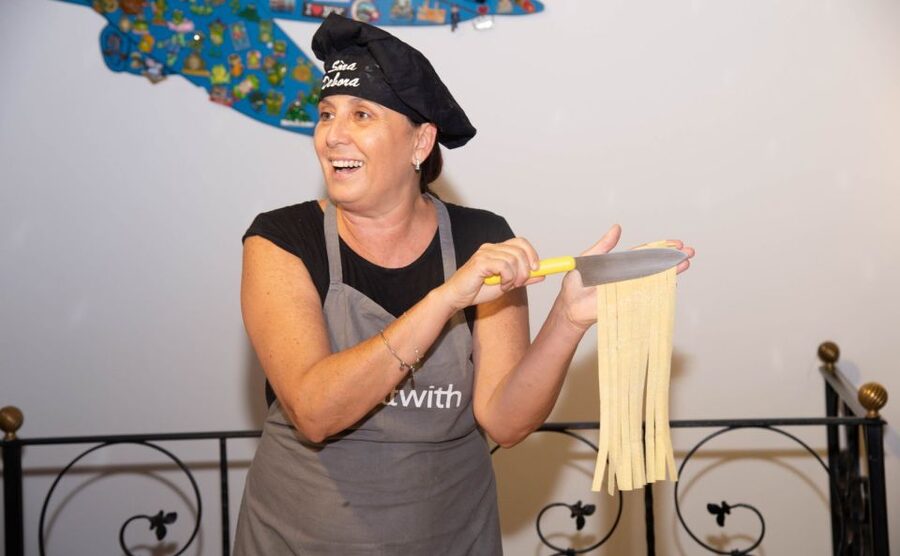
- Home cooking on Gianicolo Hill: The class takes place in Debora and Fiamma’s apartment, near Bar Gianicolo and Antico Arco.
- Several dishes from scratch: You prepare tiramisu, fettuccine, ricotta and spinach ravioli, and other parts of the meal.
- Dinner is part of the lesson: You eat the pasta and dessert you helped make, rather than leaving with only a recipe.
- Drinks are included: Wine, sparkling wine, soft drinks, and welcome bruschetta are provided during the class.
- A social evening: The format gives you time to meet the hosts and other people while cooking.
- Good recipe value: The cooking techniques and recipes are intended to be useful after you return home.
A Roman cooking night inside a local home
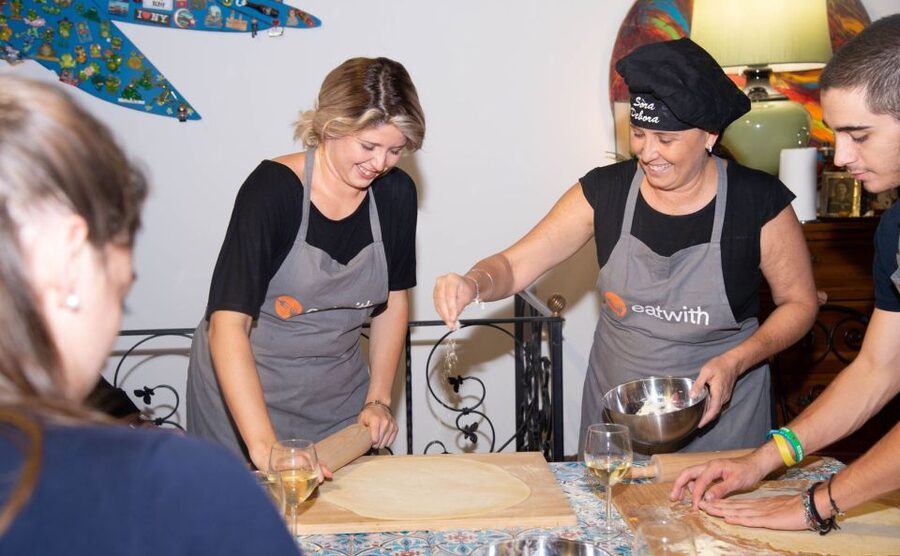
This experience gives you a different sort of Rome evening. Instead of moving from landmark to landmark, you spend several hours at one table and in one kitchen, learning dishes that are closely tied to everyday Italian eating.
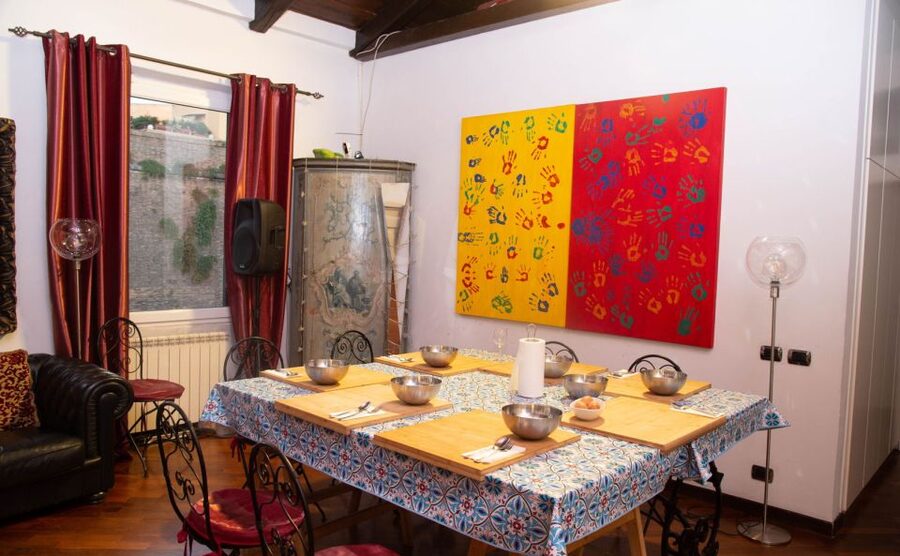
Your hosts, Debora and Fiamma, lead the class in English and Italian. The setting is their apartment at the top of Gianicolo Hill, between Bar Gianicolo and the restaurant Antico Arco. The apartment has no name on the bell, so you should follow the meeting instructions carefully and ring the bell at the correct address.
The home setting matters. You are not just being shown a polished restaurant performance. You are cooking with local hosts in the place where they live, and the evening has room for conversation as well as instruction. The supplied feedback describes Debora and Fiamma as friendly and fun, with a relaxed approach that keeps the class social without losing the practical cooking lesson.
This is a shared class, so you should expect to work alongside other participants rather than receive a private lesson. The exact group size is not provided, but the experience is described as intimate. If you want a quiet dinner for two with no interaction, this may not be the right choice. If you like meeting people over food, the format is a strong fit.
More Cooking Classes with Wine Tasting in Italy
- Rome: Pasta Making Class with Wine, Limoncello, and Dessert
★ 4.9 · 3,177 reviews - Fettuccine & Tiramisù: Cooking Class with Wine & Limoncello
★ 4.9 · 2,103 reviews - Pasta Making & Wine Tasting with Dinner in Frascati from Rome
★ 5.0 · 1,326 reviews
Starting with bruschetta and a Roman aperitif
The evening begins with welcome bruschetta and drinks. The listed toppings include truffles, artichokes, and peperoni, giving you a quick taste of several Italian ingredients before the main cooking starts.
This opening works well because it gives everyone time to settle in. You can meet Debora and Fiamma, get acquainted with the other participants, and begin the meal without waiting for the pasta to be ready. Wine, sparkling wine, and soft drinks are included throughout the class.
I see this as part of the value, not just an extra snack. A cooking class can feel rushed if the group goes straight into measuring flour and shaping dough. Starting with an aperitif creates a more relaxed pace and lets the hosts explain the evening while you eat something simple.
The drinks also make the class feel more like a dinner party than a formal lesson. That said, the experience does not state that unlimited alcohol is offered, so you should treat the wine as included refreshments rather than plan the evening around heavy drinking. A soft drink option is available, which is useful for people who do not want wine.
Making tiramisu before the pasta
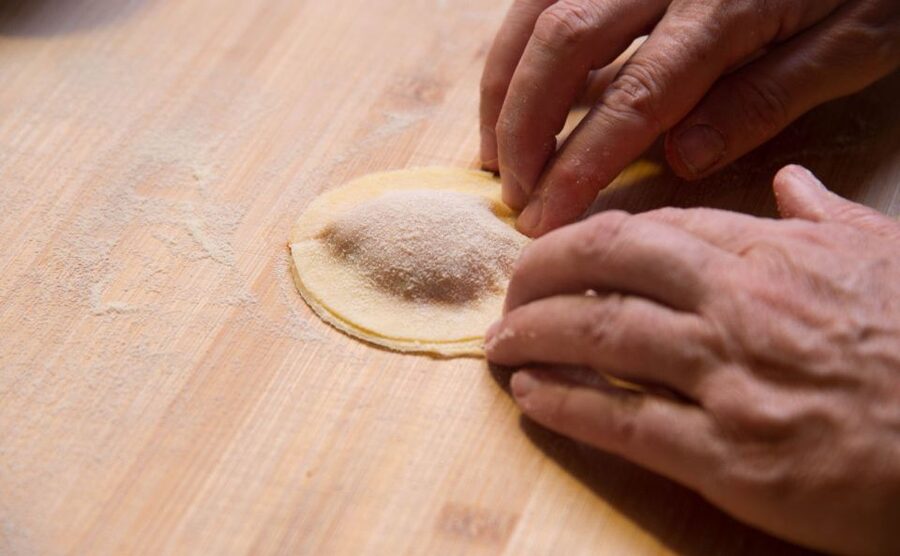
The first main cooking task is traditional tiramisu. Preparing dessert early may seem unusual, but it makes practical sense: tiramisu benefits from time to rest before you eat it.
The activity description does not specify every step or ingredient, so you should not expect a fixed technical syllabus. You can expect Debora and Fiamma to guide you through the techniques needed for the dish and to explain how it fits into Italian food culture.
Tiramisu is also a good choice for a mixed group. It does not require the same dough work as fresh pasta, so you get an early success before the more hands-on part of the class begins. If you cook at home, this is one of the recipes you can repeat without needing special equipment.
The key point is that you do not simply watch a host assemble dessert. You take part, then eat the finished tiramisu later in the evening. The class is built around making a full meal, so dessert feels like part of the lesson rather than a separate tasting.
Rolling fresh pasta and shaping ravioli
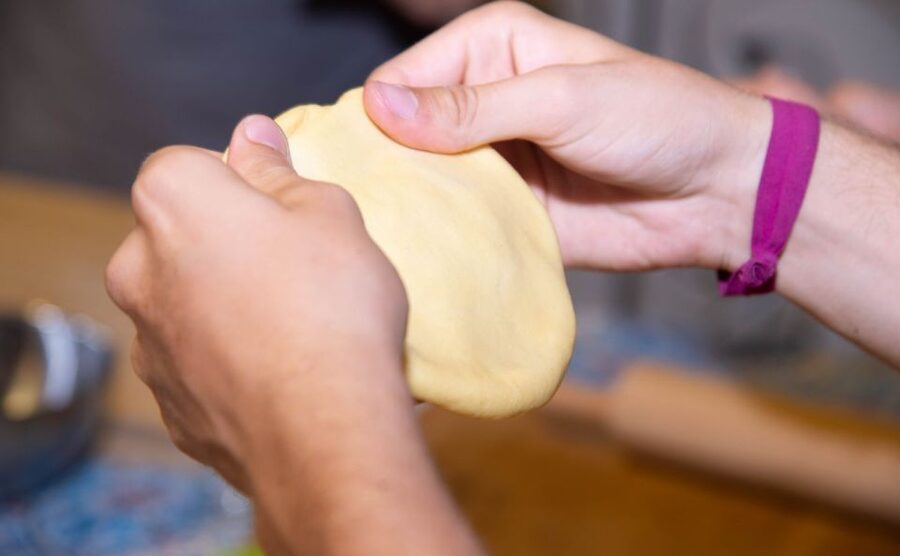
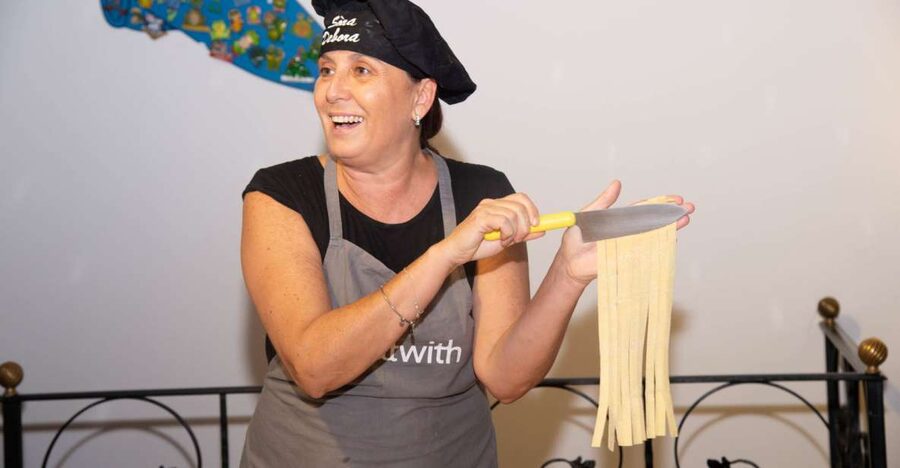
The pasta portion is the heart of the class. You make fresh pasta from scratch, including fettuccine and ravioli.
Fettuccine gives you practice with a simple pasta shape and provides a good base for learning how dough should look and feel. Ravioli adds a second skill: preparing stuffed pasta with a filling of ricotta cheese and spinach. This is more involved than making plain noodles, since the filling must be portioned and the pasta sealed.
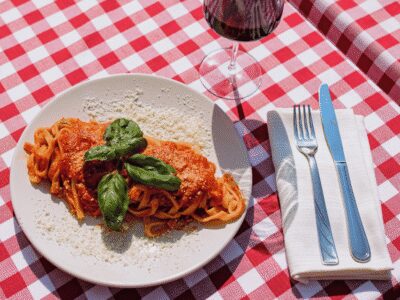
The listed menu also includes fettuccine all’Amatriciana. This classic sauce combines tomato with crunchy pork cheek, giving the fresh pasta a strong Roman character. Amatriciana is associated with central Italian cooking and is one of the most recognizable pasta sauces on a Roman menu.
You should pay attention to the methods, not just the finished plate. How the dough is handled, how the ravioli edges are closed, and how the sauce is balanced are the parts you can use at home. The class is especially useful if you have eaten fresh pasta in Italy but have never tried making it yourself.
There is one practical limit: the class lasts 4.5 hours, and the menu covers several dishes. That means the pace may vary depending on the group and the amount of instruction needed. You will get a broad introduction to pasta-making, but this is not a specialist course focused on one regional shape or advanced culinary technique.
More Cooking Classes with Wine Tasting in Rome
- Rome Cooking Class: Make Pasta, Dine & Drink Wine With Local Chef
★ 5.0 · 1,263 reviews - Rome: Combo Pizza and Pasta Cooking Class with Wine
★ 4.6 · 1,180 reviews - Rome: Pasta Making with Wine Tasting and Dinner in Frascati
★ 4.9 · 979 reviews - Rome: Pizza & Tiramisu Class with Free Flowing Fine Wine
★ 5.0 · 973 reviews
A full menu, including polenta and four-cheese sauce
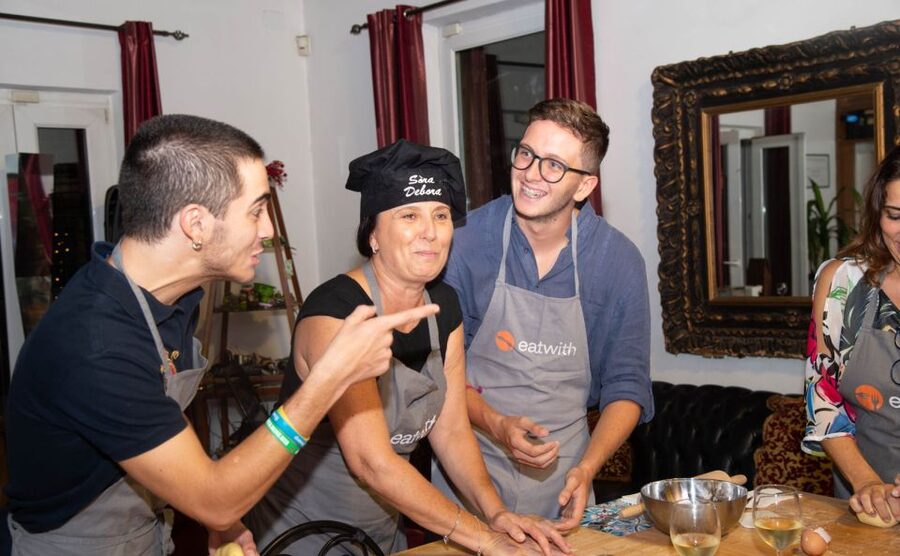
The published menu goes beyond pasta and tiramisu. It also includes polenta with a four-cheese sauce. The cornmeal is boiled and served with the cheese sauce, giving the meal a softer, more comforting dish alongside the pasta.
This broad menu is one reason the price makes sense. You are not paying for a short pasta demonstration followed by a small tasting. The evening includes an aperitif, several savory dishes, dessert, drinks, instruction, and local hosts.
At the same time, you should read the menu as the planned selection rather than assume every dish receives equal preparation time. The description specifically highlights making tiramisu and fresh pasta from scratch. It does not say that every component, including the polenta and all sauces, is prepared entirely by participants.
For many people, that balance is sensible. You get enough hands-on work to learn useful techniques, but you are not expected to spend the entire evening cooking every part of a large restaurant-style meal. The result is a social dinner with a real cooking lesson at its center.
Eating what you made at the end
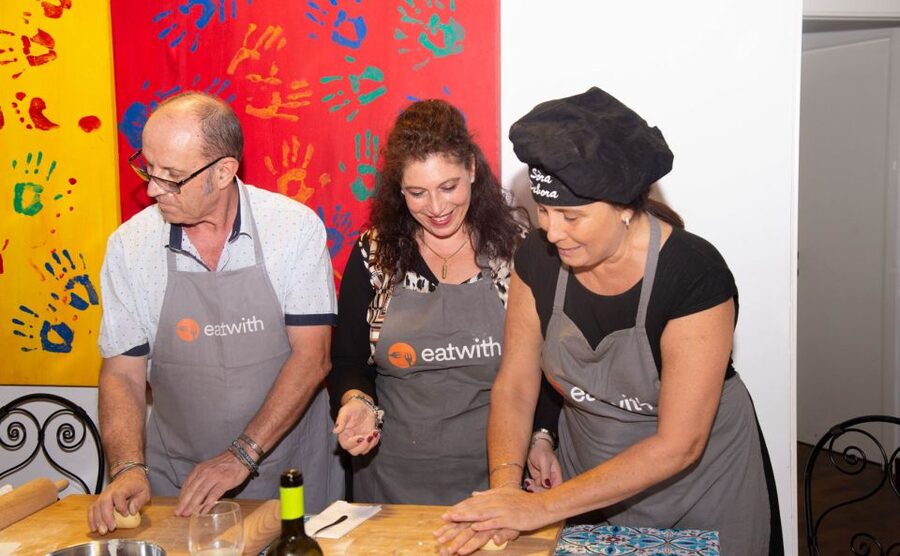
After the cooking, you sit down and eat the food prepared during the class. This is an important difference from an activity that ends once the dough is shaped.
The meal includes the fettuccine all’Amatriciana, ricotta and spinach ravioli, polenta with four-cheese sauce, and tiramisu, along with the welcome bruschetta. Wine, sparkling wine, and soft drinks are included as you work and dine.
I like this format because it connects the lesson to the final result. You can see how fresh pasta behaves once cooked, compare the texture of handmade ravioli with dried pasta, and taste the balance of a sauce you helped prepare. The meal also gives you time to talk with the hosts instead of rushing out as soon as the last technique is demonstrated.
One point to keep in mind is that the food is the product of a shared class. The final meal will depend on how much each person takes part and how the group works together. That is part of the charm, but it is different from ordering a carefully plated dinner in a restaurant.
What the strongest praise tells you
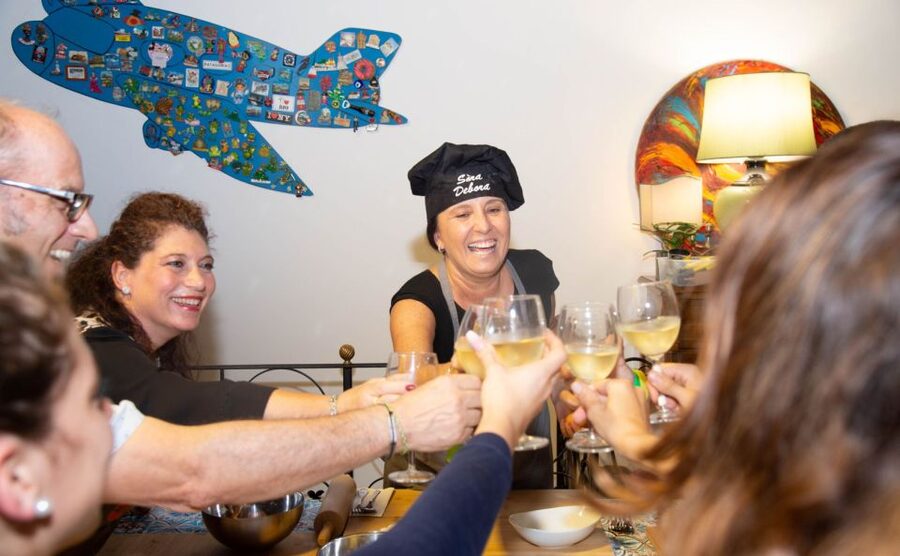
The most consistent praise centers on three things: the hosts, the relaxed mood, and the practical cooking. One person described learning more than one type of pasta while meeting nice people. Another called it one of the most enjoyable things to do in Rome and praised the way the class stayed organized while still feeling authentic.
That combination is worth noticing. Some cooking classes are highly structured but stiff. Others are friendly but light on actual instruction. Here, the best indications point to a middle ground: Debora and Fiamma keep the class moving while making time for conversation and fun.
The hosts’ home is also part of the appeal. Cooking in an apartment can feel more personal than meeting in a commercial studio. You should expect a domestic setting, shared work, and a meal that unfolds at a natural pace.
The recipes being sent by email are another useful benefit. You may not remember every measurement or technique after a long evening, so having the recipes afterward gives you a better chance of recreating the dishes. That turns the class into something you can use beyond your Rome visit.
Is $82.63 a fair price?
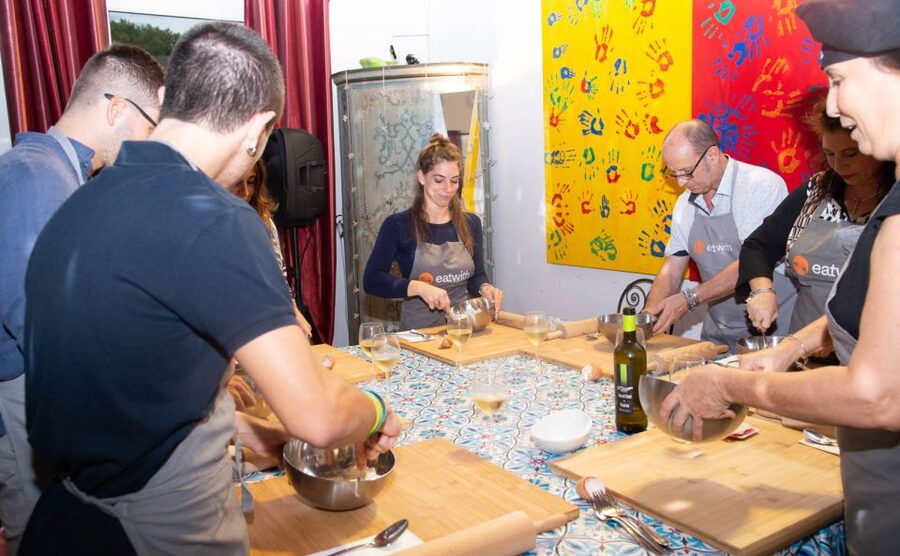
At $82.63 per person, this is not the cheapest way to eat pasta in Rome. It is also not simply a dinner reservation. Your price covers 4.5 hours, instruction from two local hosts, welcome food, a multi-course meal, wine, sparkling wine, soft drinks, and the chance to prepare the dishes yourself.
I consider that fair value if you want an activity that fills an evening and gives you a skill to take home. A restaurant meal may cost less, especially if you choose a simple trattoria, but it will not include the cooking lesson or the personal contact with Debora and Fiamma.
The value is weaker if you mainly want a quick meal or already have several food-focused activities booked. Four and a half hours is a serious block of time. You should choose this because you want the process, not just because the menu sounds good.
The reserve-now-and-pay-later option can help if your Rome schedule is still shifting. Free cancellation is available up to 24 hours before the activity for a full refund. These terms make it easier to place the class in your itinerary without locking in every detail months ahead.
Location, timing, and practical details
The class lasts 4.5 hours, with starting times shown when you check availability. Since this is an evening cooking experience, allow enough time before and after it. The activity ends back at the apartment, and no hotel pickup or drop-off is included.
The meeting point is near Bar Gianicolo and Antico Arco. There is no name on the bell, so you need to ring as instructed rather than search for a large tour sign. This is the sort of small arrival detail that can save you from standing outside a private building wondering if you have the right place.
The hosts speak English and Italian. You should tell them about allergies, food restrictions, or a special diet ahead of time. This is especially important here because the menu includes wheat-based pasta, dairy in the ravioli and four-cheese sauce, and other ingredients that may not suit every diet.
The information provided does not state that substitutions are guaranteed. If you have a serious allergy or strict dietary requirement, contact the provider before booking and confirm what can be accommodated. Do not assume that a request made at the door will be enough.
Who will enjoy this class most
I would recommend this experience to you if you enjoy food as a way to meet people and want more than a standard restaurant dinner. It suits couples, friends, and solo participants who are comfortable joining a shared table and working with others.
It is also a good pick for anyone who wants a practical souvenir from Rome. A small gift may be forgotten, but the ability to make fresh pasta and tiramisu can stay useful for years. The emailed recipes add to that long-term value.
Families and groups should check the booking details carefully before choosing it, since the available information does not specify an age policy or exact group size. The 4.5-hour length may also be too long for young children who do not enjoy sitting, cooking, and dining at a measured pace.
You should skip it if you want a tightly timed sightseeing activity, a private chef experience, or a short lesson focused only on one pasta shape. You should also think twice if you have major dietary restrictions that the hosts cannot confirm in advance.
Should you book the Gianicolo Hill cooking class?
Book it if you want a warm, social Rome evening with real participation. The strongest reasons are the local home setting, the chance to make both pasta and tiramisu, the included drinks and dinner, and hosts who appear to balance clear instruction with a relaxed mood.
The class is particularly good for people who have already seen Rome’s main sights and want an evening tied to daily Italian life. It gives you time to slow down, cook with others, and leave with recipes rather than only photographs.
Pass if your schedule is too tight for 4.5 hours or if you are looking for a quick meal with no group interaction. For the right kind of evening, though, the price covers a substantial amount: food, instruction, drinks, conversation, and a meal you helped create.
FAQ
Where does the cooking class take place?
The class takes place in Debora and Fiamma’s apartment at the top of Gianicolo Hill in Rome, between Bar Gianicolo and the restaurant Antico Arco.
How long does the experience last?
The cooking class lasts 4.5 hours. Starting times depend on availability when you book.
What food will I prepare?
You will prepare traditional tiramisu and fresh pasta, including fettuccine and ricotta and spinach ravioli. The planned meal also includes fettuccine all’Amatriciana and polenta with four-cheese sauce.
Are drinks and dinner included?
Yes. Wine, sparkling wine, soft drinks, welcome bruschetta, and the dinner made during the class are included.
Do the hosts speak English?
Yes. The hosts or greeters speak English and Italian.
What should I do if I have an allergy or special diet?
Tell the host about food restrictions, allergies, or a special diet ahead of time. The activity information does not guarantee that every dietary request can be accommodated, so confirm your needs before attending.
More Pasta Making Classes in Rome
- Rome Cooking Class: Make Pasta and 3 Spritz Cocktails
★ 5.0 · 2,937 reviews - Rome: Fettuccine Pasta Cooking Class in Rome’s City Center
★ 4.8 · 2,414 reviews - Pasta Cooking Class Near the Colosseum with 3 Spritz Cocktails
★ 5.0 · 1,686 reviews - Enjoy Spritz and Pasta Making in Piazza Navona
★ 5.0 · 1,681 reviews
More Dessert Classes in Rome
- 3 in 1 Cooking Class near Navona: Fettuccine, Ravioli & Tiramisu
★ 5.0 · 7,376 reviews - Rome: 3-in-1 Fettuccine, Ravioli, and Tiramisu Cooking Class
★ 4.9 · 2,704 reviews - Rome: Pasta & Tiramisu Cooking Class near the Spanish Steps
★ 4.8 · 1,395 reviews - Cooking Class in the Heart of Rome: Pizza and Tiramisu Making
★ 5.0 · 1,330 reviews
Just added around Rome
- Testaccio: Home Cooking Cacio e Pepe, Amatriciana, Carbonara★ 4.9 · 57 reviews
- Super Fun Pasta and Gelato Cooking Class by the Vatican★ 5.0 · 6 reviews
- Spritz and Spaghetti Traditional Cooking Class in Rome★ 4.9 · 30 reviews
- Rome: Vatican Food Tours, Cooking classes & Free Tours★ 4.9 · 11 reviews
- ROME:Hands-On Lasagna & Marsala Tiramisu Cooking Experience”★ 5.0 · 3 reviews
- Rome: Traditional Pasta and Tiramisu Cooking Class★ 5.0 · 4 reviews
- Rome: Small Group Pasta cooking class near Piazza Navona★ 4.9 · 8 reviews
- Rome: Trastevere Pasta Making Class★ 4.9 · 33 reviews
Pasta Making Classes, compared.
Florence: Pasta Cooking Class with Unlimited Wine
Read our review →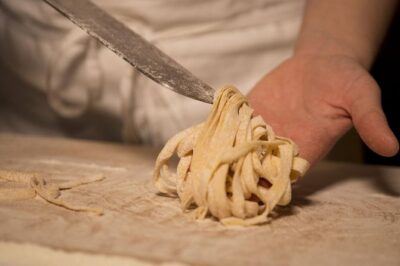
3 in 1 Cooking Class near Navona: Fettuccine, Ravioli & Tiramisu
Read our review →
Rome: Pasta Making Class with Wine, Limoncello, and Dessert
Read our review →
Rome Cooking Class: Make Pasta and 3 Spritz Cocktails
Read our review →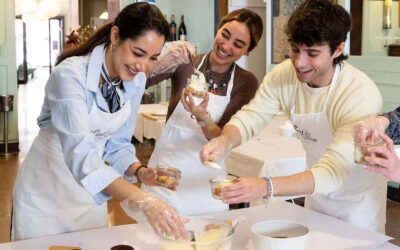
Rome: 3-in-1 Fettuccine, Ravioli, and Tiramisu Cooking Class
Read our review →