
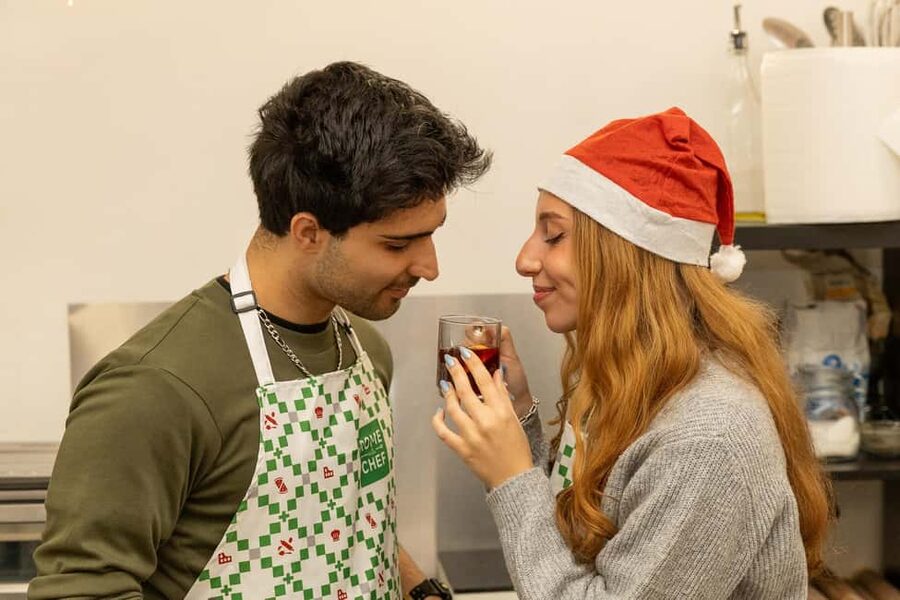
Review · ROME
Rome: Tiramisu and Pasta Cooking Class near the Colosseum
The best part of this Rome cooking class is that you do not just eat classic Roman food, you make it with your own hands. In three hours, you knead pasta, cut it into tagliatelle, prepare tiramisu, and sit down to eat the results near the Colosseum. I like the hands-on format and the fact that the class works well for first-time cooks.
I also like the generous drink service, with Prosecco, red wine, water, and limoncello included. Chefs such as Marzia, Jem, Gio, and Sunny have earned praise for clear instruction and warm humor. The main drawback is important: the menu contains gluten and dairy, so this is not suitable for vegans or people with coeliac disease, gluten intolerance, or lactose intolerance.
Key points to know before booking
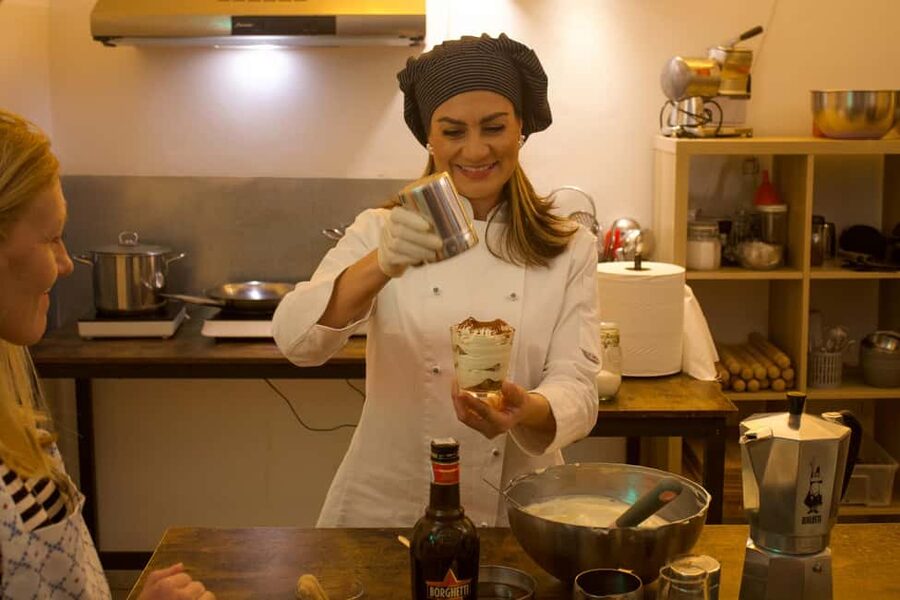
- You make the main dishes yourself: Prepare fresh pasta, a Roman sauce, and individual tiramisu rather than watching a chef do all the work.
- Carbonara or cacio e pepe: The class focuses on two of Rome’s most famous pasta sauces, with the exact format possibly varying by session.
- Drinks are part of the experience: Expect Prosecco, red wine, water, Tia Maria for the dessert, and limoncello at the end.
- English instruction: Chefs guide each stage in English and offer practical tips you can use at home.
- Small-group atmosphere: You cook at shared workspaces, then eat together with the people from your class.
- Strict arrival rule: Reach Via Cesare Balbo 25 ten minutes early. Late arrivals are not admitted and are not refunded.
What this three-hour cooking class is really like
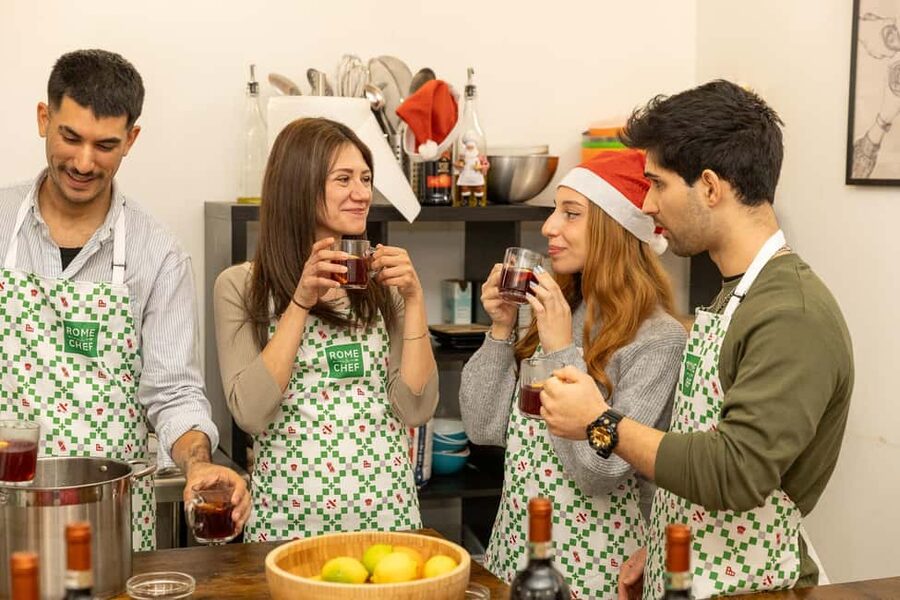
This is a social cooking lesson with a meal at the end, not a formal culinary school. You arrive at a Roman kitchen near the Colosseum, meet the chef and fellow cooks, and settle in at a shared workspace.
The meeting point is Via Cesare Balbo 25, near Hotel 77. Look for the small brown door beside the large green one. The location can change slightly, but any alternate meeting point is said to be within a five-minute walk and should be sent to you in advance.
Arrive ten minutes early. This matters more than it might on an ordinary sightseeing activity, because late arrivals will not be admitted or refunded. Give yourself extra time if you are walking from the Colosseum, navigating Rome’s busy streets, or relying on a taxi.
The class is taught in English. The teaching style appears designed for beginners, with the chef checking your work and correcting small mistakes before they become large ones. That is useful when making fresh pasta, since the dough can feel too dry, too sticky, or simply wrong until someone shows you what to change.
The atmosphere is relaxed and lively. Music, conversation, and drinks are part of the evening for many sessions. You should expect less silence and precision than in a professional cooking course, but more warmth and fun. For most people, that is the point.
More Dessert Classes in Rome
- 3 in 1 Cooking Class near Navona: Fettuccine, Ravioli & Tiramisu
★ 5.0 · 7,376 reviews - Rome: Pasta Making Class with Wine, Limoncello, and Dessert
★ 4.9 · 3,177 reviews - Rome: 3-in-1 Fettuccine, Ravioli, and Tiramisu Cooking Class
★ 4.9 · 2,704 reviews
Making tiramisu first
The class begins with tiramisu, using fresh, locally sourced ingredients. You make individual servings, which gives you a quick win before the pasta work begins.
The dessert is creamy, and the class may offer a tipsier version. Tia Maria is included for the dessert, so you can expect coffee liqueur to be part of the recipe or serving. If you prefer a dessert without alcohol, ask before you begin, but the supplied details do not promise an alcohol-free tiramisu option.
This part of the class is valuable because tiramisu looks more complicated than it is. The chef can show you how to balance the coffee, cream, biscuits, and liqueur without making the dessert soggy or too sweet. You also get to set the tiramisu aside while you work on the pasta, allowing it to chill and develop flavor.
The dessert stage is especially good for families and less confident cooks. You can take part without needing knife skills or pasta-making experience, and younger children who are old enough to participate can help with simple mixing. Infants are not a good fit, since they must remain on an adult’s lap and there is no separate seat or workspace.
Kneading and cutting fresh pasta
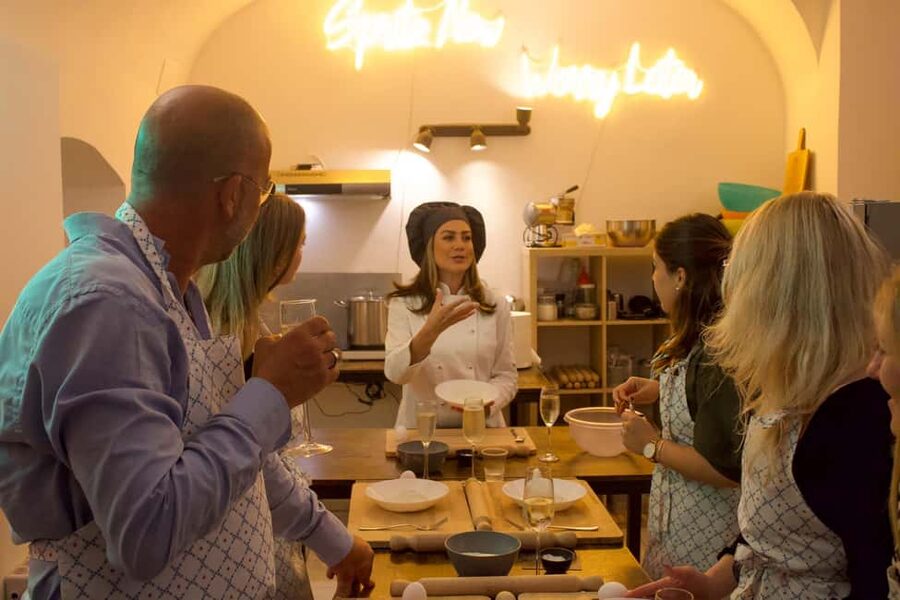
Next comes the hands-on centerpiece: fresh pasta from scratch. You mix and knead the dough, roll it, and cut it into pasta such as tagliatelle.
This is where the class earns its keep. You learn how the dough should feel, how much pressure to use while rolling, and how to cut noodles of a similar width. One session’s chef, Ele, was praised for showing participants what to watch for when making tagliatelle. That kind of small visual cue is more useful than a recipe alone.
Do not expect every strand to look machine-made. A few uneven noodles are part of the charm, and the chef is there to help. The lesson is aimed at giving you enough confidence to repeat the process at home, not at producing restaurant-perfect pasta in one attempt.
You will likely spend a fair amount of time rolling. If you have limited hand strength or dislike repetitive work, this is worth knowing. On the other hand, the physical work makes the meal feel earned, and the shared table keeps the session from feeling like a private kitchen chore.
Vegetarian pasta options are available. The broader dietary limits are strict, though. The menu contains gluten and dairy, and the class cannot accommodate vegan, gluten-free, or dairy-free diets. Tell the organizers about other allergies or restrictions in advance so they can try to help, but do not book this expecting a fully adapted menu.
Choosing between carbonara and cacio e pepe
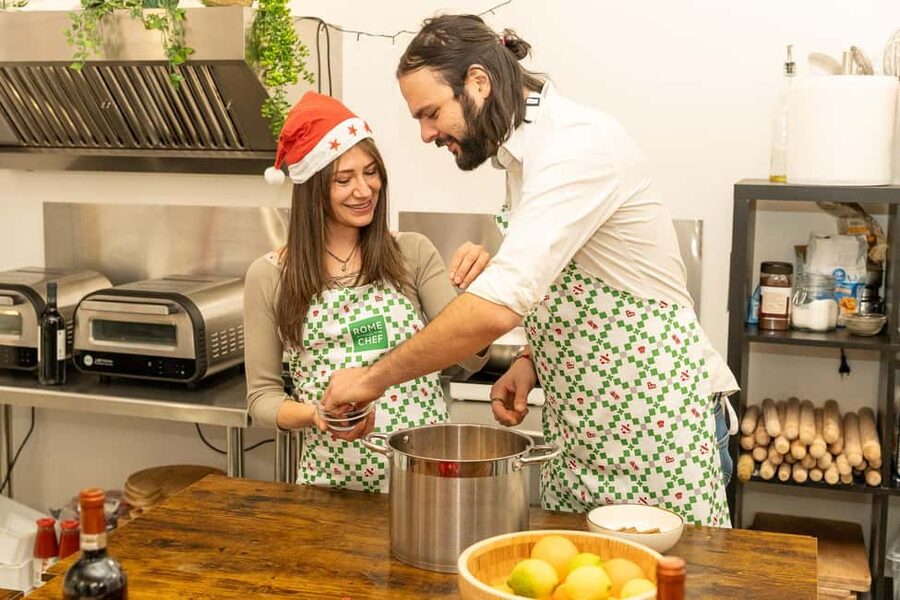
After shaping the pasta, you learn to make a sauce. The listed choice is carbonara or cacio e pepe, two dishes that show how much flavor Roman cooking can build from a short ingredient list.
Carbonara teaches you to work with eggs, cheese, and pasta water without scrambling the eggs. Cacio e pepe is even more stripped down, relying on cheese, pepper, and the starchy water from the pasta. The trick in both dishes is timing. Sauce that looks simple can go wrong quickly if the heat is too high or the pasta water is ignored.
The class description says you choose between the two, while some sessions have prepared both. Ask your chef at the start if trying both matters to you. The format may vary with the group and the evening’s plan.
This is one of the most useful parts for cooking at home. You are not just memorizing quantities. You are learning how the sauce should look, how to loosen it, and when to combine it with the pasta. Chefs such as Marzia have been praised for giving practical tips on both carbonara and cacio e pepe.
The recipe ebook helps here. You leave with digital recipes, so you do not need to rely on memory after a busy night of cooking and drinking. That makes the $69 price easier to justify, especially if you plan to repeat the dishes at home.
More Pasta Making Classes in Rome
- Rome Cooking Class: Make Pasta and 3 Spritz Cocktails
★ 5.0 · 2,937 reviews - Rome: Fettuccine Pasta Cooking Class in Rome’s City Center
★ 4.8 · 2,414 reviews - Fettuccine & Tiramisù: Cooking Class with Wine & Limoncello
★ 4.9 · 2,103 reviews - Pasta Cooking Class Near the Colosseum with 3 Spritz Cocktails
★ 5.0 · 1,686 reviews
Wine, Prosecco, and the social side
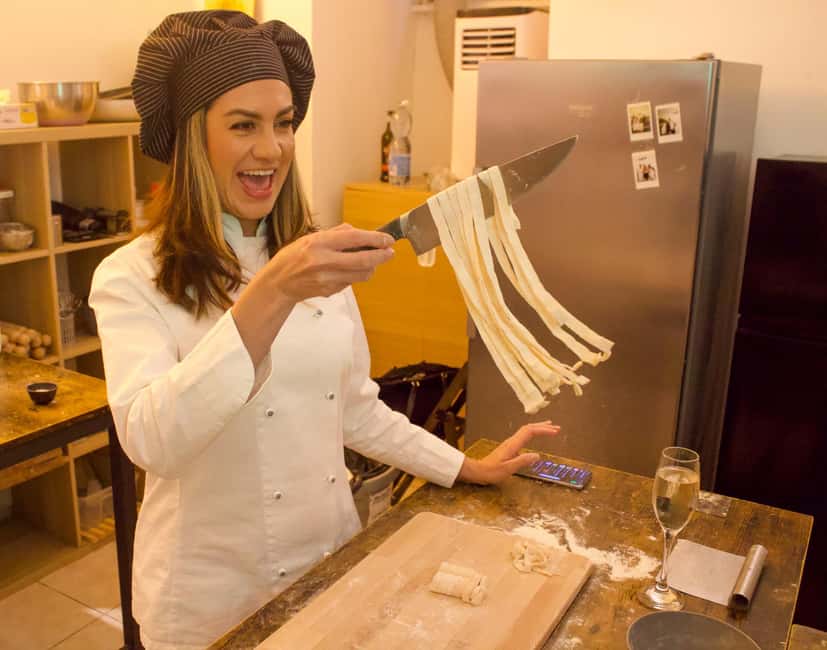
Drinks are not an extra afterthought. The package includes two glasses of Prosecco, two glasses of red wine, one glass of limoncello, Tia Maria for the dessert, and unlimited water. Non-alcoholic beverages are available during the class, but the published inclusions focus on the alcoholic drinks.
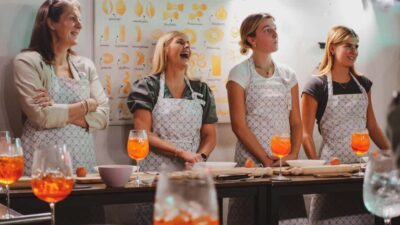
The steady flow of drinks helps strangers loosen up around the shared table. It also gives the class a celebratory feel, especially for birthdays, anniversaries, or the final evening of a Rome trip. Several chefs and hosts, including Benjamin, Gustavo, Shivi, Gio, and Jenny, have been singled out for keeping the atmosphere friendly and making sure people felt included.
Still, plan sensibly. Three hours of cooking, eating, and several drinks can be a lot, especially after a full day of sightseeing. Drink water, eat at a comfortable pace, and do not assume you need to finish every included glass.
If you do not drink alcohol, ask for the non-alcoholic option in advance. The class is still built around the food and instruction, but the exact non-alcoholic offering is not specified.
Sitting down to eat what you made
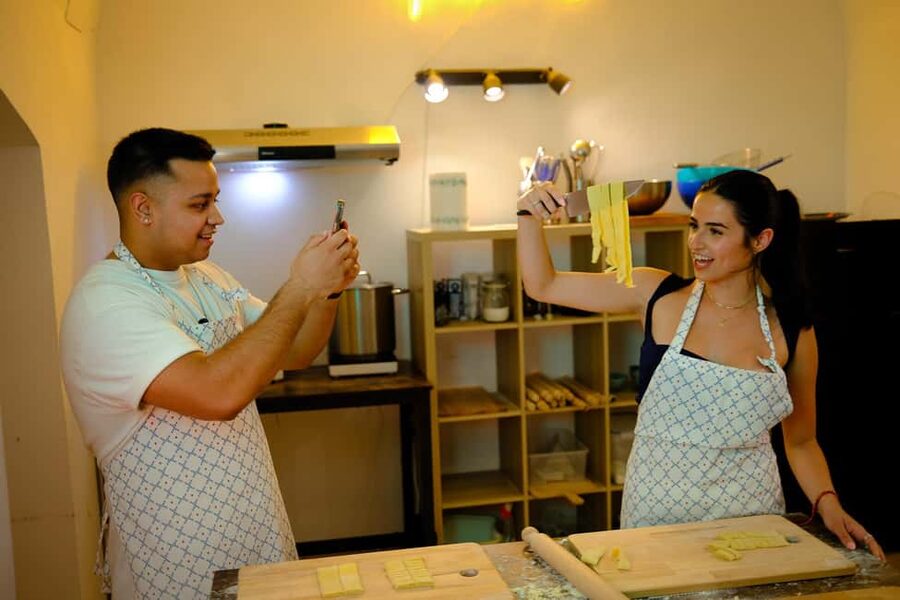
Once the pasta is cooked and the sauces are ready, you sit down with the group to eat. This is a shared meal, not a separate restaurant service, so the pleasure comes from seeing the work on your plate.
The food is likely to taste better because you made it, but the class also gives you the chance to judge the techniques you just learned. You can compare pasta texture, sauce consistency, and tiramisu with what you normally eat at home. That direct connection between lesson and meal is more useful than simply sampling a dish at a restaurant.
The social setting is part of the value. Solo visitors can meet people without having to force a conversation, couples get a shared project, and families have a meal that includes more than sitting at a table. The class has also worked well for teenagers and preteens, provided they can take part safely and follow instructions.
Do not expect a quiet, intimate dinner. The room may be lively, and you may share the table with people you have just met. That is a strength if you want company, but a possible weakness if you prefer a private meal or a highly controlled cooking lesson.
How the chefs shape the experience
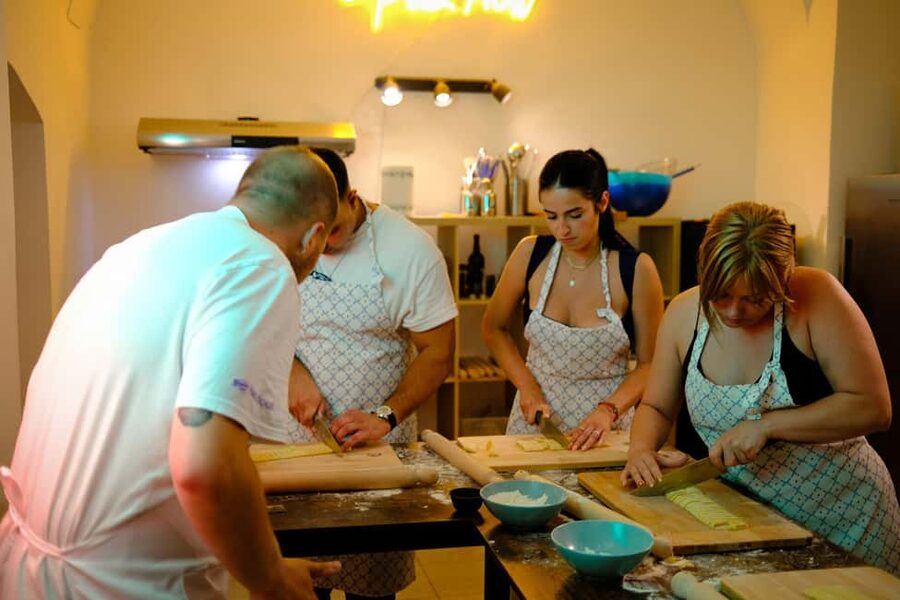
The chef matters here. The teaching team changes, so you may meet Marzia, Jem, Sunny, Gio, Ele, Gustavo, or another instructor. Across the named sessions, the strongest pattern is clear instruction paired with a playful manner.
Marzia has been praised for guiding each step, checking on participants often, and explaining how to get better carbonara, cacio e pepe, pasta, and tiramisu. Jem has been described as an interactive host who helps turn a group of strangers into a team. Other hosts, including Sunny and Gio, have been praised for warmth and encouragement.
That variety means the exact personality of your class cannot be guaranteed. You should book for the format and value, not for a particular chef unless the operator confirms that request. Still, the teaching approach appears consistent: practical demonstrations, help at the worktop, and plenty of encouragement for beginners.
The English instruction is another advantage. You can ask questions as you work, rather than trying to follow a demonstration in a language you do not understand. The recipes also make it easier to recreate the meal once you return home.
Is $69 good value in Rome?
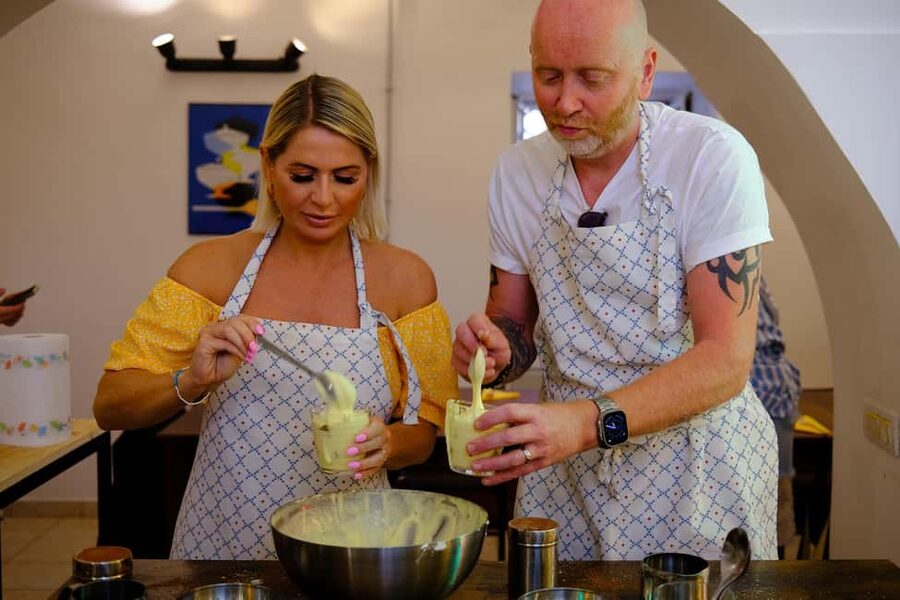
At $69 per person, this is not the cheapest way to eat pasta in Rome. A restaurant meal can cost less, especially if you choose a simple trattoria and skip the drinks. But that comparison misses the main point.
You are paying for three hours of instruction, ingredients, a meal, drinks, a local chef, and recipes to take home. The food is not merely served to you. You prepare it, learn the technique behind it, and eat it at the end.
The value is strongest if you enjoy cooking or want a memorable activity beyond monuments. It is also useful for a group that wants to avoid another evening of choosing a restaurant. The included Prosecco, wine, Tia Maria, and limoncello add real value for people who drink alcohol.
The value is weaker if you only want to taste Roman food, if you dislike group activities, or if you have dietary restrictions that prevent you from eating the menu. You should also remember that the price does not cover additional food or drinks beyond the listed inclusions.
Who should book this class?
I would choose this for a couple wanting a shared activity, a solo visitor looking for an easy social evening, or a family with older children and teenagers. It also suits first-time cooks because the chefs offer help throughout the process.
The class works particularly well during a longer Rome stay. After several days of museums and ancient sites, making pasta gives you a different way to connect with the city. It is also a smart choice for a rainy afternoon or evening, although the class is not presented as a weather-dependent activity.
Families with very young children need to think carefully. Children under two are not suitable, and an infant who joins must remain on an adult’s lap. There is no separate workspace for a baby.
People with coeliac disease, gluten intolerance, lactose intolerance, or vegan diets should skip it. The published information does not promise gluten-free, dairy-free, or vegan substitutions. Other allergies should be reported in advance, but accommodation is not guaranteed.
Practical details that can make or break the evening
Book with enough time to reach the meeting point early. The brown door beside the large green one is easy to miss if you are hurrying, and late arrivals lose both access and payment.
Wear something comfortable for standing, kneading, rolling, and eating. The class lasts three hours, so plan your day around it rather than squeezing it between two tightly timed sights.
You can cancel for a full refund up to 24 hours before the activity. The reserve-now, pay-later option also gives you some flexibility while your Rome plans are still taking shape. A private group is available if you want the class to focus only on your own party.
Should you book the Rome pasta and tiramisu class?
Book it if you want to do more than look at Roman food. You will make fresh pasta, learn the basics of two famous sauces, prepare tiramisu, drink with the group, and leave with recipes you can use at home.
The class is not for strict dietary needs, quiet dinners, or people who want a polished chef-led show with no work of their own. For everyone else, the combination of practical instruction, a shared meal, and an approachable price makes this one of the better food activities to add near the Colosseum.
FAQ
How long does the cooking class last?
The class lasts three hours, including the cooking, drinks, and meal.
Where is the meeting point?
The main meeting point is Via Cesare Balbo 25, near Hotel 77. Look for the small brown door beside the large green one. The location may change slightly, but alternate meeting points are within a five-minute walk and should be provided in advance.
How early should I arrive?
Arrive ten minutes before the scheduled start time. Late arrivals will not be admitted and will not receive a refund.
What food will I make?
You will make fresh pasta, a Roman sauce such as carbonara or cacio e pepe, and creamy tiramisu. Some sessions may prepare both pasta sauces, so ask the chef about the exact format when you arrive.
Are drinks included?
Yes. The inclusions are two glasses of Prosecco, two glasses of red wine, one glass of limoncello, Tia Maria for the dessert, and unlimited water. Non-alcoholic beverages are also available during the class.
Is the class suitable for vegans or people with food intolerances?
No. The menu contains gluten and dairy, so the class cannot accommodate vegan, gluten-free, coeliac, gluten-intolerant, or lactose-intolerant diets. Other allergies should be reported in advance.
Is the class suitable for children?
Children under two are not suitable. If an infant joins, the child must stay on an adult’s lap because there is no separate seat or workspace. Older children and teenagers can take part with their accompanying adults.
Is the class taught in English?
Yes. The instructor teaches in English, and an English-language recipe ebook is provided for you to take home.
More Hands-On Workshops in Rome
- Rome: Pasta & Tiramisu Cooking Class near the Spanish Steps
★ 4.8 · 1,395 reviews - Rome Tipsy Cooking Class: Make Pasta and Mix 3 Spritz Cocktails
★ 5.0 · 1,357 reviews - Cooking Class in the Heart of Rome: Pizza and Tiramisu Making
★ 5.0 · 1,330 reviews - Rome Cooking Class: Make Pasta, Dine & Drink Wine With Local Chef
★ 5.0 · 1,263 reviews
Just added around Rome
- Testaccio: Home Cooking Cacio e Pepe, Amatriciana, Carbonara★ 4.9 · 57 reviews
- Super Fun Pasta and Gelato Cooking Class by the Vatican★ 5.0 · 6 reviews
- Spritz and Spaghetti Traditional Cooking Class in Rome★ 4.9 · 30 reviews
- Rome: Vatican Food Tours, Cooking classes & Free Tours★ 4.9 · 11 reviews
- ROME:Hands-On Lasagna & Marsala Tiramisu Cooking Experience”★ 5.0 · 3 reviews
- Rome: Trastevere Pasta Making Class★ 4.9 · 33 reviews
- Rome: Traditional Pasta and Tiramisu Cooking Class★ 5.0 · 4 reviews
- Rome: Small Group Pasta cooking class near Piazza Navona★ 4.9 · 8 reviews
Pasta Making Classes, compared.
Florence: Pasta Cooking Class with Unlimited Wine
Read our review →
3 in 1 Cooking Class near Navona: Fettuccine, Ravioli & Tiramisu
Read our review →
Rome: Pasta Making Class with Wine, Limoncello, and Dessert
Read our review →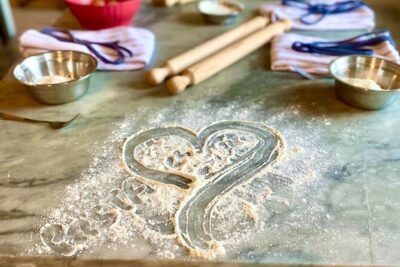
Rome Cooking Class: Make Pasta and 3 Spritz Cocktails
Read our review →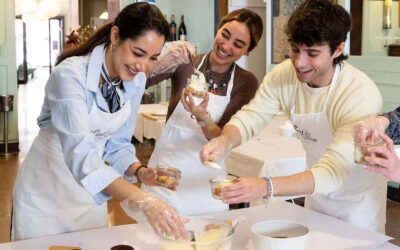
Rome: 3-in-1 Fettuccine, Ravioli, and Tiramisu Cooking Class
Read our review →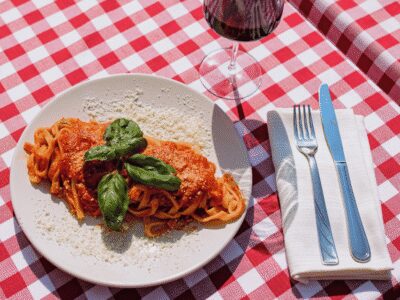
Rome: Fettuccine Pasta Cooking Class in Rome’s City Center
Read our review →Browse the lists this tour appears in