
Review · SIENA
Siena: Pasta and Tiramisu Cooking Class with Wine
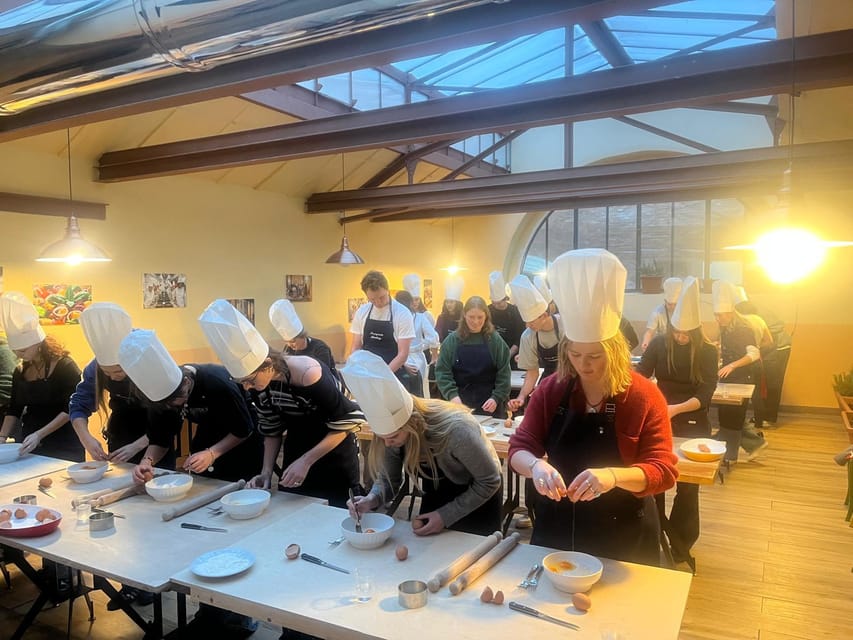
Siena’s best cooking classes are the ones that get you working quickly, and this one has you making three kinds of pasta dough before sitting down to eat the results. You’ll prepare traditional egg pasta, local pici without eggs, and potato gnocchi, then finish with tiramisu.
I like the clear, patient teaching, especially from instructors such as Dennis and Natalia, and I like that the class turns into a proper shared meal rather than ending at the kitchen counter. The main drawback is that you make the pasta, but the restaurant prepares the sauces. The tiramisu is also demonstrated more than fully cooked from scratch by every participant.
Key points to know before booking
- Three pasta styles: Learn traditional egg dough, egg-free Tuscan pici, and potato-based gnocchi.
- A social meal: After cooking, sit with the group and eat the food with wine in the restaurant.
- Beginner-friendly instruction: The chef shows you how the dough should feel and helps as you work.
- Prosecco at the start: A welcome glass sets an easy, relaxed tone before the hands-on lesson.
- Good value at $81: The three-hour class includes equipment, an apron, lunch or dinner, and wine.
- Food restrictions need care: Substitutes may be possible, but the class uses gluten, dairy, and eggs and cannot promise a completely separate preparation area.
A Siena cooking class built around pasta
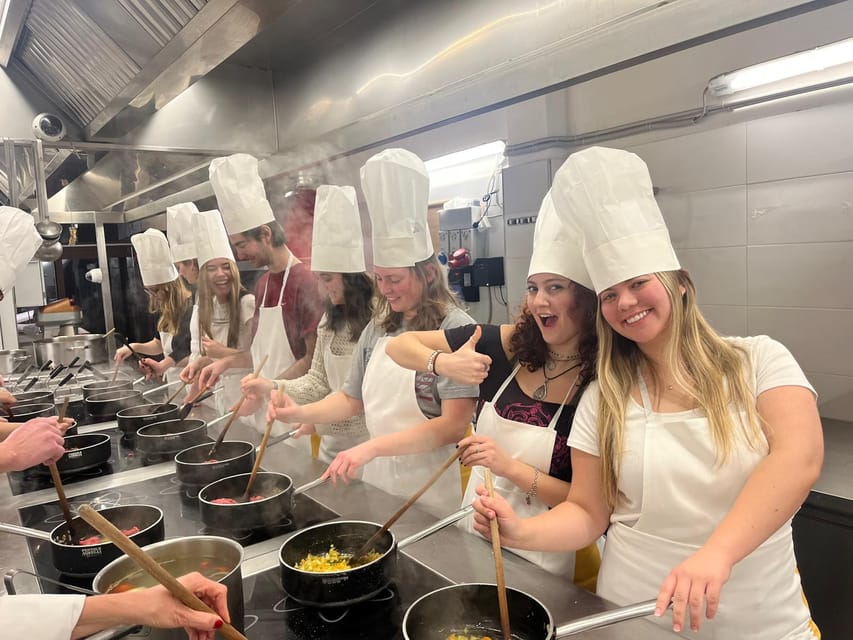
This three-hour experience takes place at Trattoria Fonte Giusta, a popular Siena restaurant. You enter the restaurant for the class, receive a glass of Prosecco, and then move to a work area with an apron and cooking equipment.
That opening drink matters more than it may sound. Cooking classes can feel stiff for the first few minutes, especially when you arrive alone or with a small group. A glass of Prosecco gives everyone a natural way to settle in and start talking before the flour appears.
The class is taught in English. Instructors including Dennis, Natalia, and Saf have been praised for being patient, amusing, organized, and easy to follow. You should still expect a group lesson rather than private instruction. One class had about 12 people, and several sessions placed people from different countries around the same work area.
That mix is part of the appeal. You are not simply watching a chef perform. You are rolling, mixing, shaping, and comparing results with people you may have met only minutes earlier.
More Cooking Classes with Wine Tasting in Italy
- Florence: Pasta Cooking Class with Unlimited Wine
★ 4.9 · 10,285 reviews - Florence: Pasta & Tiramisu Cooking Class with Unlimited Wine
★ 4.9 · 6,708 reviews - Florence: Pasta Cooking Class with Unlimited Wine
★ 5.0 · 6,413 reviews
The pasta lesson: three doughs, three different ideas
The most useful part of the class is the comparison between doughs. Many visitors leave Italy knowing that fresh pasta is different from dried pasta, but this lesson gives you a practical feel for why.
First comes traditional pasta made with eggs. This is the familiar yellow dough used for shapes such as tagliatelle and ravioli. You learn how to combine the ingredients and judge the texture as the dough comes together.
The instructor then shows you the correct consistency. This is important because pasta dough is not an exact science in a home kitchen. Flour, humidity, egg size, and the strength of your hands all affect the result. Instead of relying only on a printed recipe, you get a visual and physical guide: the dough should be workable, smooth, and neither sticky nor dry.
The second dough is made without eggs for pici, a thick Tuscan pasta strongly associated with the Siena area. Pici is less refined in appearance than delicate filled pasta, but that is the point. It is rustic, hearty, and forgiving, making it one of the better pasta shapes to try at home after the class.
The third dough uses potatoes for gnocchi. This gives you a useful contrast with the flour-based mixtures. Gnocchi dough needs a light touch. Work it too much and the finished dumplings can become heavy. The instructor’s guidance on texture is especially helpful here, since the right consistency is difficult to judge from a recipe alone.
Some sessions also include tagliatelle and ravioli as the practical shapes made from the dough. The exact balance of shapes may vary, but the main lesson remains the same: you are introduced to three types of dough and several familiar Italian pasta forms.
One detail to understand before booking is that the class focuses on making the pasta itself. The restaurant prepares the sauces used with your finished food. That is not a flaw, but it is worth knowing if you expect to make a full sauce lesson as well. You will learn the part most visitors want to repeat at home, while the restaurant handles the cooking and plating for the meal.
Tiramisu offers a slower break
After the pasta work, you get a chance to sit down while the chef explains tiramisu. The demonstration covers how to make the cream and how to combine the ingredients, then you construct your own dessert.
This change of pace works well. Pasta making involves standing, handling dough, and following several steps at once. Tiramisu gives you a quieter section in the middle of the class, followed by an easy hands-on task.
Do not book this expecting a long pastry course. The tiramisu lesson is fairly basic, and at least one participant noted that it was more of a demonstration than a fully hands-on recipe from start to finish. Still, you learn the central technique and get to eat your own dessert later.
For many people, that is enough. Tiramisu is one of the simplest Italian desserts to repeat at home once you understand the cream and layering. The useful takeaway is not just the sweet finish. It is seeing how a few ordinary ingredients become a dish that depends on texture and timing.
The meal is the real payoff
Once the cooking is finished, you move to the restaurant and sit down for lunch or dinner. Your pasta and tiramisu are served, with a glass of wine included.
This is where the $81 price begins to make sense. You are not paying only for an instructional hour. The experience includes three hours, a welcome drink, the class, equipment, an apron, the meal, dessert, and wine. Several people found the portions generous, and the food was described as more than enough for a full meal. Leftovers may sometimes be offered in a doggy bag, although you should not treat that as guaranteed.
The restaurant adds sauces to the pasta, including tomato and meat sauce in some sessions. You may be offered a choice of red or white wine. The result is less like eating a plate of dough you made in a classroom and more like having dinner in a working restaurant after a cooking lesson.
I especially like the shared-table format. You eat beside the people who cooked with you, which gives the evening a relaxed social shape. If you are traveling alone, this is one of the stronger reasons to consider the class. You have a built-in table conversation, and the cooking gives you something easy to talk about.
If you prefer a quiet, private meal, the group setting may feel less appealing. The class is designed for interaction, and the social part does not stop when the cooking ends.
More Pasta Making Classes in Italy:
- 3 in 1 Cooking Class near Navona: Fettuccine, Ravioli & Tiramisu
★ 5.0 · 7,376 reviews - Rome: Pasta Making Class with Wine, Limoncello, and Dessert
★ 4.9 · 3,177 reviews - Pastamania – Florence Pasta Making Class
★ 5.0 · 3,050 reviews - Rome Cooking Class: Make Pasta and 3 Spritz Cocktails
★ 5.0 · 2,937 reviews
How good is the instruction?
The teaching is aimed at beginners. You do not need professional kitchen experience, and the instructions are broken into manageable steps.
The best instructors keep moving around the workstations, checking texture and helping people correct mistakes before they become problems. Dennis is repeatedly praised for his humor, patience, and clear explanations. Natalia is also singled out for making the class enjoyable and easy to follow. Saf is described as kind, patient, and skilled at showing several kinds of pasta.
Those names matter because the guide can shape the entire experience. A complicated recipe becomes frustrating if the instructor rushes. Here, the teaching style appears to focus on showing rather than simply telling. You can watch the chef demonstrate, then try the step yourself with help nearby.
The class is not designed to turn you into a Tuscan pasta master in one afternoon. You will learn useful basic skills, not every regional variation or professional technique. That is a fair trade for a three-hour activity that combines instruction with dinner.
Recipes may be provided at the end of the class. Keep them. The most useful benefit of a cooking lesson is what you can repeat at home, and written instructions make it easier to remember quantities and steps once the holiday is over.
Group size, pace, and comfort
Groups can reach roughly 12 people, with each group working in its own area. This is large enough to create a social atmosphere but small enough for the chef to move around and offer help.
The pace is active during the pasta section, then more relaxed during tiramisu and the meal. You should allow the full three hours rather than planning a tight connection afterward. The class includes eating, conversation, and wine, so it is not simply a timed demonstration.
The teaching kitchen has been described as clean, spacious, and air-conditioned. That can be a real advantage in Siena during the hot months, when a cool indoor activity gives you a break from walking between sights. It also works well on a rainy day, when three hours of cooking and dinner can replace an outdoor plan.
The class does involve standing and working with dough. You get a chance to sit during the tiramisu demonstration and again for the meal, but this is still a hands-on cooking activity rather than a seated food talk.
Dietary restrictions and what to tell the provider
You must report allergies and food restrictions when booking. Substitutions may be available for vegetarian, vegan, lactose-free, and other diets, but the information is not fully consistent about who should attend.
The traditional instruction centers on gluten, dairy, and eggs. The provider also warns that it cannot guarantee no cross-contamination. The class is specifically marked as unsuitable for vegans, people with food allergies, gluten intolerance, and lactose intolerance, despite the note that alternatives may be possible.
Take the stricter warning seriously. If you have a medical allergy or need a fully gluten-free or dairy-free kitchen, this is not a safe choice based on the stated conditions. If you have a preference rather than a medical restriction, contact the provider before booking and explain exactly what you need.
You will sample the food prepared during the class. That includes the pasta and tiramisu, so do not assume you can participate without tasting the dishes.
Is the $81 price fair?
At $81 per person, this sits above a simple pasta demonstration but below the cost of many private cooking lessons. The value comes from the complete package: a Prosecco welcome, instruction in three doughs, tiramisu, use of equipment, an apron, a substantial meal, and wine.
The meal is important to the calculation. If you would otherwise pay for lunch or dinner in Siena, part of the class cost replaces a restaurant bill. You also leave with practical skills and, in some cases, recipes to use at home.
The class offers less value if you mainly want a private lesson, a serious culinary course, or detailed sauce instruction. You are paying for a friendly group activity with food at the end, not a professional certification or a quiet chef-led workshop.
For most visitors, I consider it a solid use of three hours. The combination of learning, eating, and meeting people makes it easier to justify than a short demonstration with no meal.
Who should book this Siena experience?
This class suits couples, families with older children, solo visitors, and small groups of friends. A 12-year-old participant enjoyed the activity, while children under three are not allowed. It is a good fit if you want an evening that feels social and practical rather than another sightseeing walk.
It is also useful for people who have always wanted to make fresh pasta but feel unsure where to begin. The chef shows you how the dough should look and feel, which is hard to learn from a cookbook alone.
You should skip it if you dislike group activities, need complete control over your food preparation, or want to spend the whole class making sauces and filling pasta. You should also skip it if the stated allergy and cross-contamination limits make the meal unsafe for you.
Should you book it?
Book this class if you want hands-on pasta making followed by a generous shared meal. The strongest parts are the three doughs, patient English instruction, air-conditioned kitchen, and the chance to eat with an international group afterward.
I would choose it for a rainy afternoon, a hot summer day, or the middle of a Siena visit when you want a break from churches and stone streets. I would not choose it as a private gourmet lesson or a fully allergy-safe experience.
For $81, you get a useful introduction to Tuscan pasta, a simple tiramisu lesson, Prosecco, wine, and dinner. That is a good package, provided you understand that the restaurant makes the sauces and that the traditional recipes remain central.
FAQ
Where does the cooking class take place?
The meeting point is Trattoria Fonte Giusta in Siena. Enter the restaurant when you arrive.
How long does the experience last?
The cooking class and meal take about three hours.
What language is the class taught in?
The live tour guide teaches in English.
What drinks are included?
You receive a welcome glass of Prosecco and a glass of wine with the meal.
What kinds of pasta do you learn to make?
The class covers traditional pasta with eggs, local pici without eggs, and potato gnocchi. Sessions may also include shapes such as tagliatelle and ravioli.
Is tiramisu fully hands-on?
The chef explains how to make the cream and demonstrates the technique. You then construct your own tiramisu, though the lesson is more basic than the pasta section.
Can people with dietary restrictions attend?
The provider says substitutions may be available, but the traditional lesson uses gluten, dairy, and eggs. You must report restrictions when booking, and the kitchen cannot guarantee no cross-contamination.
Is the meal included in the price?
Yes. Lunch or dinner, the pasta and tiramisu you prepare, and a glass of wine are included.
More Hands-On Workshops in Italy
- Naples: Pizza-Making Workshop with Drink and Appetizer
★ 4.9 · 5,411 reviews - Cooking Class and Lunch at a Tuscan Farmhouse with Local Market Tour from Florence
★ 5.0 · 4,831 reviews - Authentic Pizza Making Class in Naples with Appetizers and Drink
★ 5.0 · 3,178 reviews - Rome: Fettuccine Pasta Cooking Class in Rome’s City Center
★ 4.8 · 2,414 reviews
More Dessert Classes in Italy
- Rome: 3-in-1 Fettuccine, Ravioli, and Tiramisu Cooking Class
★ 4.9 · 2,704 reviews - Florence: Cooking Class Pasta & Tiramisu Making Unlimited Wine
★ 5.0 · 2,234 reviews - Fettuccine & Tiramisù: Cooking Class with Wine & Limoncello
★ 4.9 · 2,103 reviews - Florence Cooking Class The Art of Making Gelato & Authentic Pizza
★ 5.0 · 2,053 reviews
Just added around Italy
- Cesarine: Home Cooking Class & Meal with a Local in Brindisi★ 5.0 · 7 reviews
- Small Group Market tour and Cooking class in Brindisi★ 4.5 · 8 reviews
- Apulian cooking class and typical dinner★ 4.5 · 5 reviews
- Dining Experience at a local’s Home in Martina Franca with Show Cooking★ 4.5 · 7 reviews
- Cooking class in a garden: handmade pasta★ 5.0 · 4 reviews
- 3 Hour Private Italian Tradition Cooking Class in Brescia★ 5.0 · 21 reviews
- Dining experience at a local’s home in Brindisi with show cooking★ 4.0 · 6 reviews
- Italian Pasta Cooking Course★ 5.0 · 27 reviews
Pasta Making Classes, compared.
Florence: Pasta Cooking Class with Unlimited Wine
Read our review →
3 in 1 Cooking Class near Navona: Fettuccine, Ravioli & Tiramisu
Read our review →
Rome: Pasta Making Class with Wine, Limoncello, and Dessert
Read our review →
Rome Cooking Class: Make Pasta and 3 Spritz Cocktails
Read our review →
Rome: 3-in-1 Fettuccine, Ravioli, and Tiramisu Cooking Class
Read our review →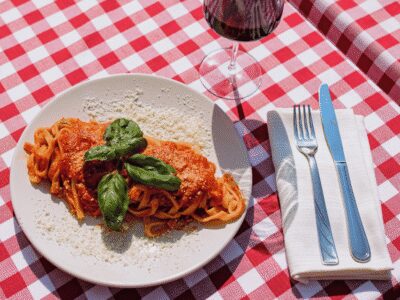
Rome: Fettuccine Pasta Cooking Class in Rome’s City Center
Read our review →Browse the lists this tour appears in