
Review · ITALY
Siracusa: Pasta & Tiramisu Cooking Class at a Local’s Home
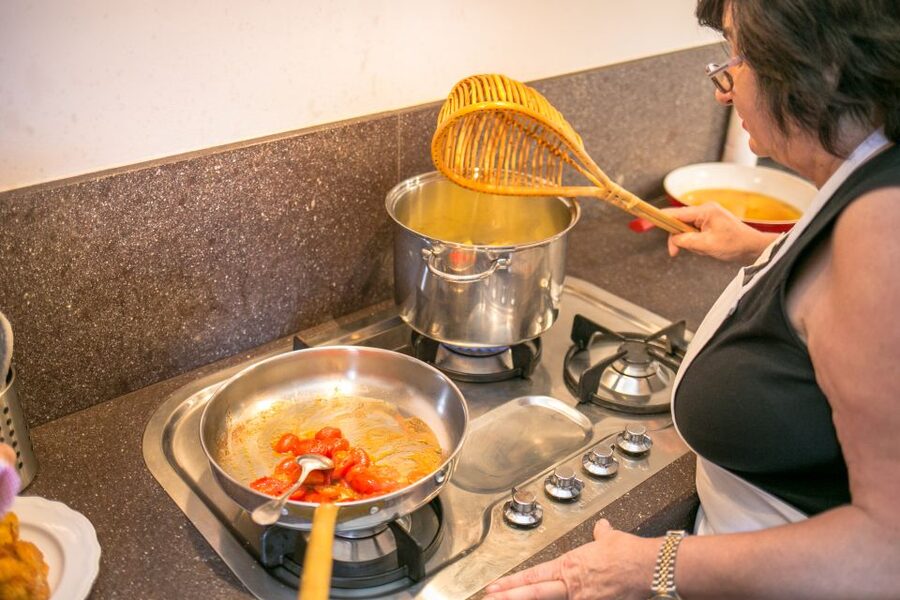
The best part of this Siracusa experience is the setting: you cook inside a local home, not in a polished restaurant kitchen built for tourists. A Cesarine host guides you through hand-rolled sfoglia, two pasta dishes, and tiramisu, then you sit down to eat what you made with wine and coffee.
I like the hands-on format and the generous three-hour pace. I also like that the class includes prosecco and nibbles at the start, then a full meal of the pasta and tiramisu you prepare. The main concern is practical: you do not receive the host’s full address until after booking, and one guest had trouble getting timely directions and reaching phone support.
Key points at a glance
- Three Sicilian hours in a real home: Cook and eat in the private home of a Cesarine host.
- Two pasta recipes from scratch: Learn to roll sfoglia by hand and prepare two classic pasta dishes.
- Tiramisu completes the lesson: Make the famous coffee-soaked dessert instead of simply eating it.
- Aperitivo is included: Begin with prosecco and small bites before cooking.
- Food and drinks are covered: Your meal includes the two pasta recipes, tiramisu, water, wine, and coffee.
- Plan your arrival carefully: The address is released only after booking, so request the details early.
Cooking Pasta in a Siracusa Home
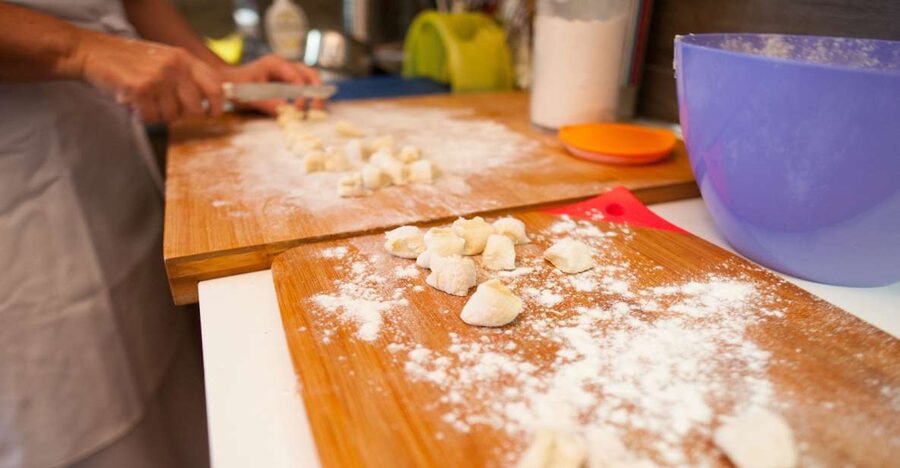
This class offers a simple way to connect food with daily Italian life. You are not just shown a plate of pasta and told where it came from. You work with the basic ingredients, learn the method, and then eat the result at the same table.
Cesarine is a network of home cooks across more than 500 Italian cities. The hosts use family recipes and regional traditions, so the exact feel of the afternoon or evening depends on the person who welcomes you. In Siracusa, that means your cooking lesson takes place in a local residence rather than at a standard cooking school.
That change of setting matters. A restaurant class often focuses on technique alone. Here, the meal and the home are part of the experience. You get a look at how an Italian host shares food, welcomes company, and turns a few familiar ingredients into a complete meal.
The class is shared with other people who enjoy Italian cooking. You should expect to work alongside them rather than receive a private one-on-one lesson. That can make the session more social, though it also means you may have less control over the pace than you would in a private class.
More Pasta Making Classes in Italy:
- Florence: Pasta Cooking Class with Unlimited Wine
★ 4.9 · 10,285 reviews - 3 in 1 Cooking Class near Navona: Fettuccine, Ravioli & Tiramisu
★ 5.0 · 7,376 reviews - Florence: Pasta & Tiramisu Cooking Class with Unlimited Wine
★ 4.9 · 6,708 reviews
Rolling Sfoglia by Hand
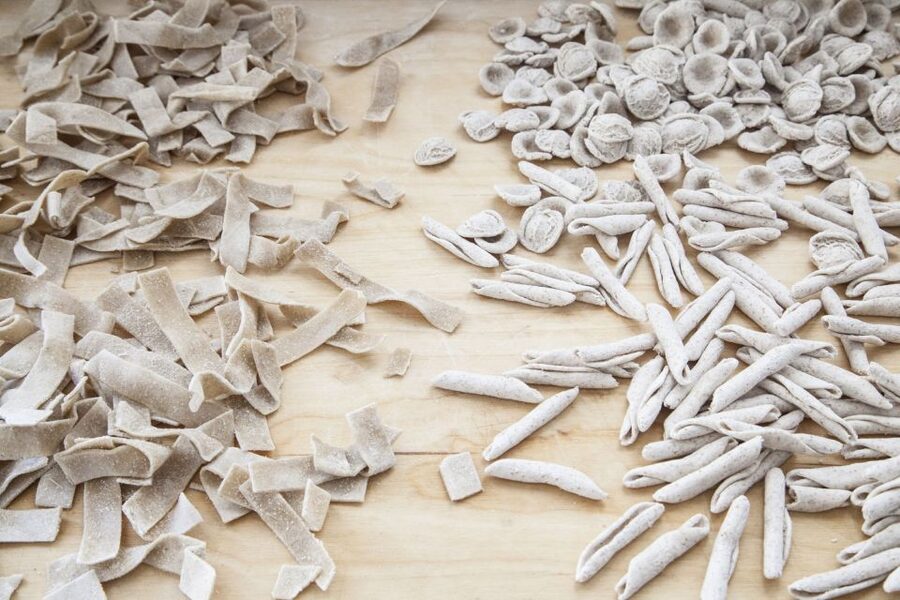
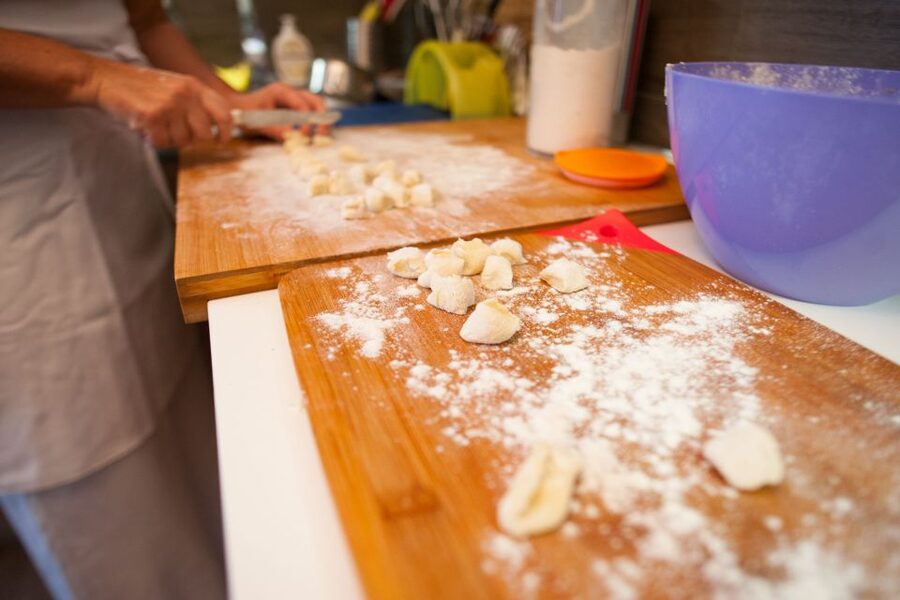
The pasta portion begins with sfoglia, the thin sheet of fresh pasta rolled by hand. This is one of the most useful things to learn because it shows you the foundation behind many homemade pasta dishes.
Your host demonstrates the process, then helps you shape the dough and roll it out. The lesson focuses on practical tips you can repeat in your own kitchen. You are not expected to master every pasta skill in one sitting. The point is to understand the feel of the dough, the importance of rolling it evenly, and the difference between fresh pasta and the dried pasta most people cook at home.
You prepare two different pasta types or recipes, described as two iconic examples of Italian cooking. The exact recipes are not specified in advance, so the dishes may depend on the host and the regional family cookbook being used. That uncertainty is worth noting. If you are hoping to learn one specific shape or sauce, ask about it after you receive the host details.
The two-recipe format gives the lesson good value. You are not spending three hours on one basic dish. You get a broader introduction to fresh pasta and leave with more than one idea to try at home.
I would pay close attention to the small working habits your host shares. How thin should the sfoglia be? How do you keep fresh pasta from sticking? How much sauce belongs with the pasta? These practical details are often more useful than a long explanation of Italian food traditions.
Making Tiramisu From Scratch
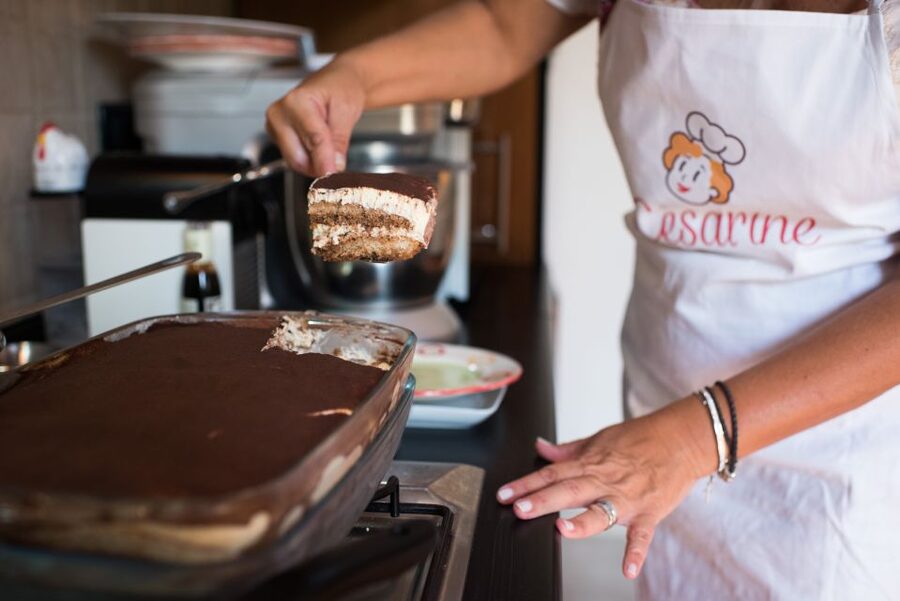
Tiramisu is the sweet finish, and it adds a nice change of rhythm to the class. After working with pasta dough, you shift to a dessert that is assembled rather than shaped.
The lesson teaches you how to prepare the tiramisu itself, not just how to serve it. Since the exact recipe is not provided, your host’s family method will guide the details. That is part of the appeal of a home-based class, but it also means the result may differ from the tiramisu you know from a restaurant.
Making the dessert during the class gives you another recipe to take home. It also lets you see how a full Italian meal is planned, with a first course and dessert made in the same kitchen. By the time you sit down, the food is not a collection of unrelated samples. It is the meal you helped prepare.
If you have a strong dislike or allergy to a dessert ingredient, tell the organizer before the class. Food intolerances and allergies are specifically requested at booking, and the company asks for that information so it can match you with a suitable home cook.
Prosecco First, Then Wine With Dinner
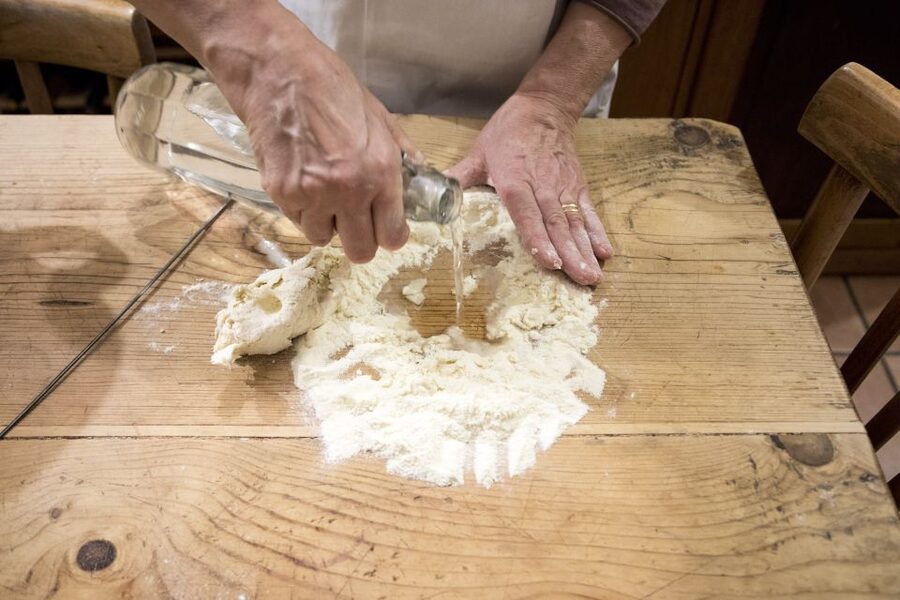
The session includes an Italian aperitivo of prosecco and small bites. This opening is more than a welcome drink. It gives everyone time to settle in, meet the other cooks, and begin the social part of the evening before the work starts.
Water, wine, and coffee are also included. Once the pasta and tiramisu are ready, you eat the two pasta recipes and dessert as your meal. Depending on the start time, this works as either lunch or dinner.
The drinks add real value to the $152.93 price. You are paying for instruction, but also for a hosted meal, aperitivo, several beverages, and access to a private home. A restaurant meal alone can take a large part of that price in Sicily, though the value depends on how much you enjoy cooking and socializing.
If you do not drink alcohol, the class still includes water and coffee, but the aperitivo and wine are part of the planned experience. You should not book this expecting a quick lesson followed by a short tasting. Three hours allows time for preparation, conversation, cooking, and sitting down to eat.
More Dessert Classes in Italy:
- Rome: Pasta Making Class with Wine, Limoncello, and Dessert
★ 4.9 · 3,177 reviews - Rome: 3-in-1 Fettuccine, Ravioli, and Tiramisu Cooking Class
★ 4.9 · 2,704 reviews - Florence: Cooking Class Pasta & Tiramisu Making Unlimited Wine
★ 5.0 · 2,234 reviews - Fettuccine & Tiramisù: Cooking Class with Wine & Limoncello
★ 4.9 · 2,103 reviews
What the Three-Hour Schedule Feels Like
The activity lasts three hours, with starting times shown when you check availability. The exact order may vary by host, but the main rhythm is clear:
- You arrive at the host’s home and begin with prosecco and small bites.
- The host demonstrates fresh pasta techniques.
- You roll sfoglia by hand and prepare two pasta recipes.
- You make tiramisu.
- You sit down to eat the pasta and dessert with drinks and coffee.
This is a comfortable length for a cooking class. A shorter session could feel rushed, especially with handmade dough and two pasta preparations. A much longer session might test the patience of people who enjoy food more than kitchen work.
You should allow extra time before the official start, because the home address may not be in the center of Siracusa or close to where you are staying. The organizer asks for your neighborhood and how you plan to travel to the host’s home. Provide that information when booking, rather than waiting until the last minute.
The Home Address Is the Main Practical Concern
For privacy, the full address is sent only after you book. Once the organizer has your booking reference, name, food restrictions, neighborhood, and transport plan, it sends the host’s telephone number and complete address.
This system protects the host’s private home, but it creates a planning issue. One person nearly failed to find the house because the full address was not provided in time. Another had trouble reaching telephone support and was sent to voicemail. Those problems do not change the cooking itself, but they can make the start stressful.
My advice is simple: contact the organizer early if the address has not arrived. Keep the booking reference handy, check your email, and do not assume the meeting point will be a recognizable public landmark. Since the activity ends back at the same home, you also need to plan your return from that address.
The company says its customer operations team is available seven days a week. Still, do not rely on last-minute help. Siracusa streets can be confusing, and a private home may not have the clear signage you expect at a restaurant or museum.
The Host Makes the Difference
The host is central to the quality of this experience. Cesarine cooks are described as welcoming local hosts who use recipes from their family cookbooks. The lesson is available in Italian and English, so you can take part even if you know only a few Italian food words.
A cook named Maria received especially warm praise for her friendly manner and useful cooking advice. Her name does not guarantee that she will host your session, but it gives you a good sense of the personal style the company aims for: direct instruction, conversation, and practical kitchen skills.
Because each host has a different home and cooking background, the experience will not be identical every time. That is a strength if you want something personal and regional. It is a weakness if you want a fixed menu, identical teaching materials, or the predictability of a large cooking school.
I would treat the class as a chance to learn from a person, not as a formal culinary qualification. The value lies in the combination of instruction, food, and local contact.
Price, Group Style, and Overall Value
At $152.93 per person, this is not a budget meal. The price makes more sense when you count everything included: three hours of instruction, two pasta recipes, tiramisu, prosecco and nibbles, the meal itself, wine, water, and coffee.
You are also paying for a private-home setting and a local host. That is different from buying a cooking lesson alone. If you would otherwise book a restaurant meal and a separate food activity, the total cost may compare well. If you mainly want a plate of pasta, it is expensive.
The shared format should suit couples, friends, solo visitors who like meeting people, and anyone who enjoys learning through practice. It may be less suitable if you prefer a quiet meal, need a rigid schedule, or dislike working in a group.
The activity is not suitable for wheelchair users. The private-home setting means access can vary, and the supplied information does not promise step-free entry or adapted facilities. If mobility is important for your plans, ask before booking rather than assuming the home will be accessible.
Who Should Book This Siracusa Class
I would choose this experience if you want a meal with a story and are willing to do some of the work. It suits people who like cooking, food-focused culture, and informal conversation more than people who simply want to watch a professional chef.
It is also a good fit for visitors staying in Siracusa who want an activity away from the usual sightseeing route. The class does not replace time among ancient sites or seaside streets, but it gives you a different view of the city through its food and domestic traditions.
Families should consider the practical side. The activity is hands-on, uses food preparation, and takes three hours. The supplied information does not state a minimum age or child policy, so confirm that before booking with young children.
You can cancel up to 24 hours before the activity for a full refund, and you can reserve now and pay later. Those policies help if your Siracusa plans are still shifting, but they do not remove the need to provide allergy and transport details early.
Should You Book It?
Book this class if you want to make fresh pasta in a real home, eat a complete meal, and learn from a local cook in a relaxed shared setting. The two pasta recipes, tiramisu, aperitivo, wine, and coffee make the price easier to justify for food lovers.
Think twice if you need perfect directions, guaranteed access, or a fixed menu. The delayed address caused real frustration for at least one booking, and the exact host and recipes are not confirmed in advance.
My call: book it if the home setting matters more to you than a polished cooking studio. Just request the complete address promptly, send your allergy and hotel details, and plan your route before the day begins.
FAQ
Where does the cooking class take place?
It takes place in a local host’s home in Siracusa. For privacy, the full address is provided only after booking.
How long does the experience last?
The cooking class lasts three hours. Starting times are shown when you check availability.
What will I learn to cook?
You will learn to roll sfoglia by hand, prepare two different pasta recipes, and make tiramisu.
Is food included after the cooking lesson?
Yes. You eat the two pasta recipes and tiramisu you prepare during the class.
Are drinks included?
Yes. The experience includes prosecco and nibbles for the aperitivo, plus water, wine, and coffee.
What languages are available?
The class is offered in Italian and English.
Can I cancel for a refund?
Yes. You can cancel up to 24 hours in advance for a full refund.
More Hands-On Workshops in Italy
- Florence: Pasta Cooking Class with Unlimited Wine
★ 5.0 · 6,413 reviews - Naples: Pizza-Making Workshop with Drink and Appetizer
★ 4.9 · 5,411 reviews - Cooking Class and Lunch at a Tuscan Farmhouse with Local Market Tour from Florence
★ 5.0 · 4,831 reviews - Authentic Pizza Making Class in Naples with Appetizers and Drink
★ 5.0 · 3,178 reviews
Just added around Italy
- From Sorrento to Meta: cook with a local family and enjoy the garden!!★ 5.0 · 5 reviews
- Sorrento: Hands-on Cooking Class★ 4.7 · 43 reviews
- Positano: Pasta & Tiramisu Cooking Class at a Local’s Home★ 4.6 · 45 reviews
- Small Group Cozy Cooking Class in a Typical Milanese Home★ 4.8 · 27 reviews
- Siena: Cooking Class with Cristiana and Mamma Nora★ 5.0 · 4 reviews
- Siena: Small-group Cooking Class in a Chianti Farm★ 4.9 · 21 reviews
- Siena countryside: cooking class in a real Tuscan farmhouse★ 5.0 · 4 reviews
- Siena: Traditional Tuscan Cooking Class with Fresh Pasta★ 4.9 · 9 reviews
Pasta Making Classes, compared.
Florence: Pasta Cooking Class with Unlimited Wine
Read our review →
3 in 1 Cooking Class near Navona: Fettuccine, Ravioli & Tiramisu
Read our review →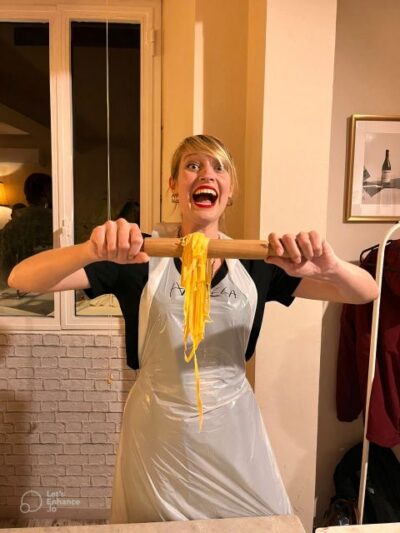
Rome: Pasta Making Class with Wine, Limoncello, and Dessert
Read our review →
Rome Cooking Class: Make Pasta and 3 Spritz Cocktails
Read our review →
Rome: 3-in-1 Fettuccine, Ravioli, and Tiramisu Cooking Class
Read our review →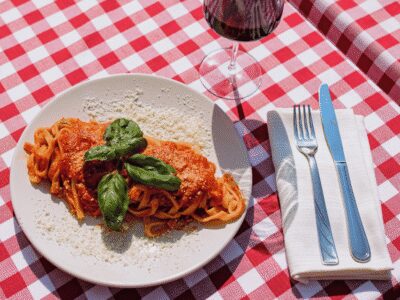
Rome: Fettuccine Pasta Cooking Class in Rome’s City Center
Read our review →Browse the lists this tour appears in