
Review · CHIANG MAI
We Cook Thai Home Garden Cooking School
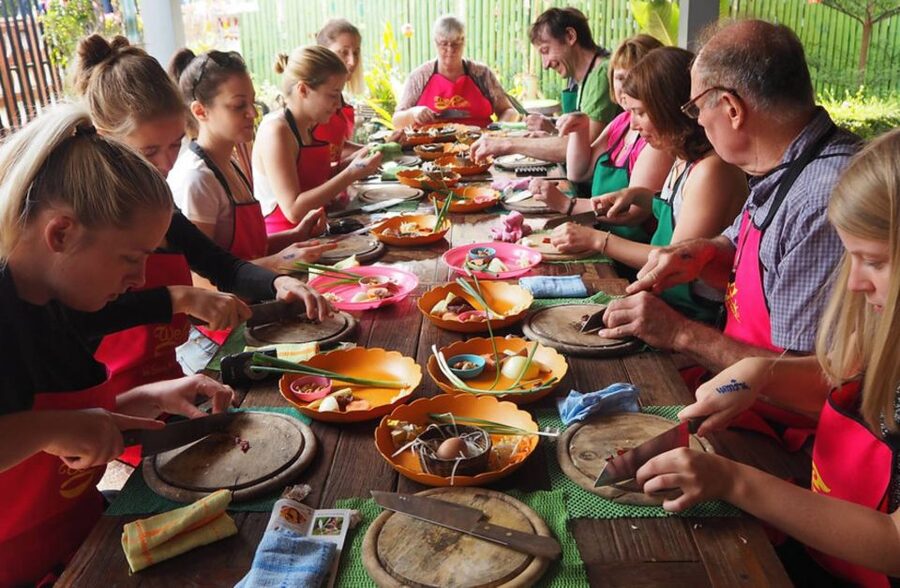
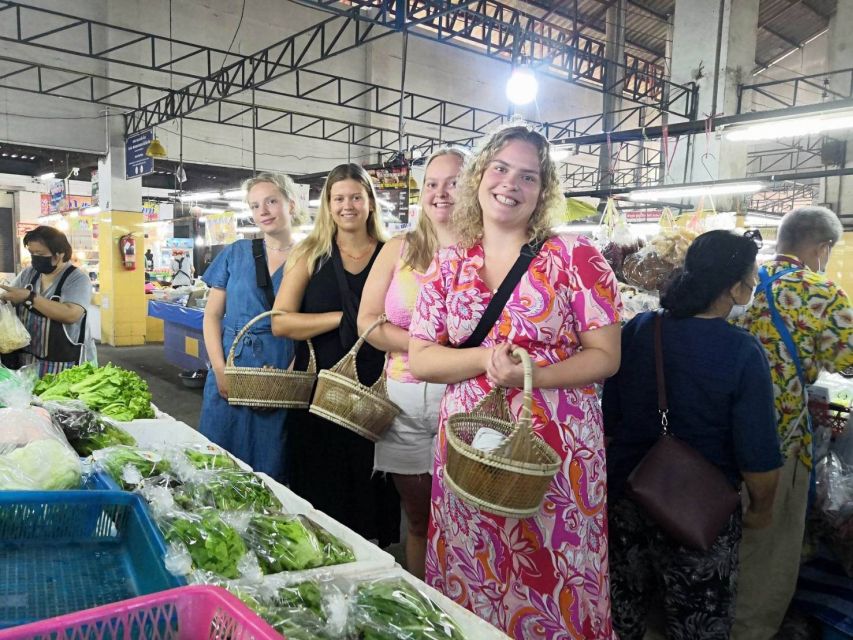
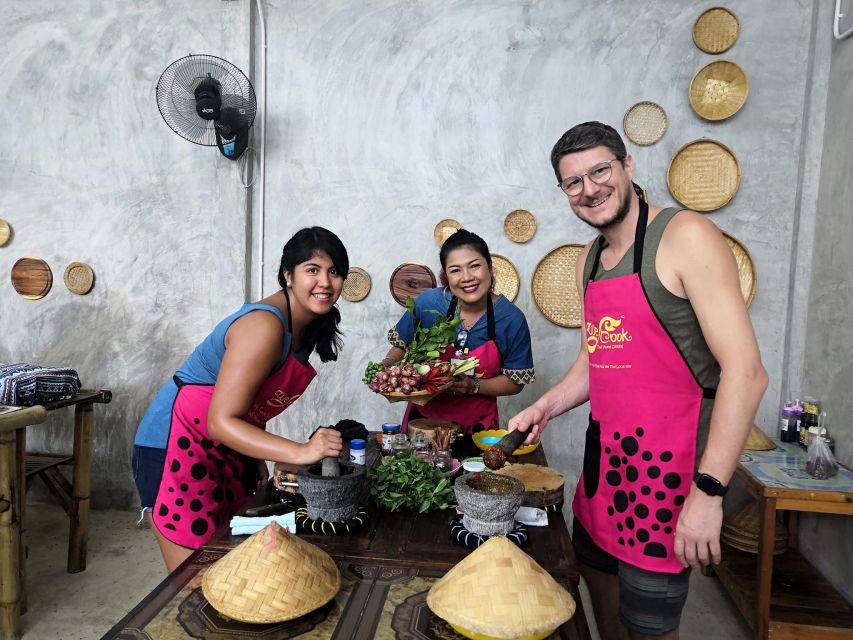
Thai food makes more sense once you have handled the ingredients. At We Cook Thai Home Garden Cooking School, Mam takes you through a local market before bringing you home to cook a full Thai meal, one wok per person. You are not just watching a chef work. You are chopping, stirring, tasting, and learning what each herb and paste does.
I like the market visit, where you can see and smell unfamiliar herbs, vegetables, eggplants, and spices before they reach the cooking station. I also like the small-group, hands-on format. Mam guides each person closely, and the food you prepare becomes a large meal at the end.
The one thing to plan for is the quantity. You may cook five or six dishes, depending on the course setup, so skip breakfast or lunch before you arrive. The morning class can leave you very full by early afternoon.
Key points at a glance
- A market lesson before the cooking: Mam explains Thai herbs, vegetables, spices, sauces, and fruit while you shop for ingredients.
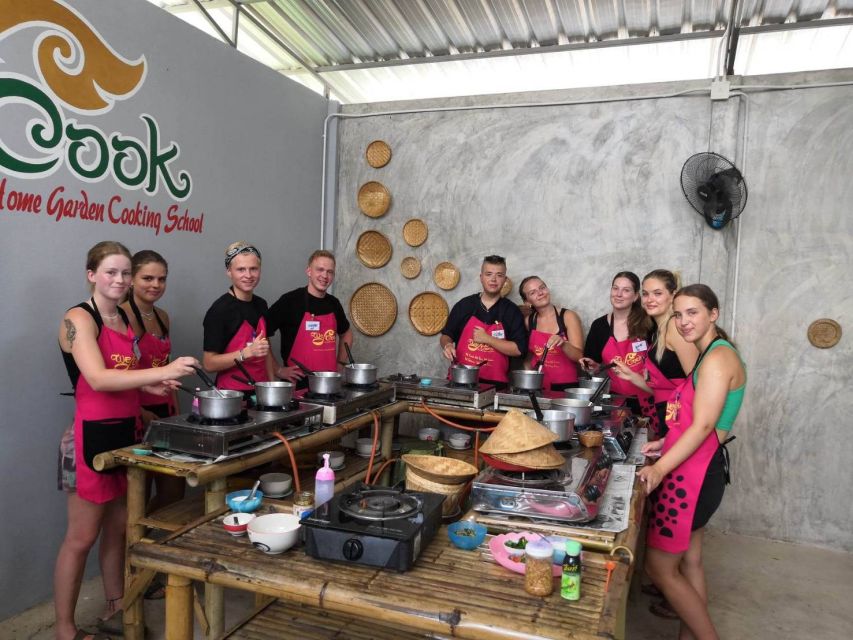
- One wok per person: You cook your own dishes instead of standing behind a demonstration.
- Six food categories: Choose one dish from each category, with options that can include curry, soup, noodles, stir-fries, starters, and dessert.
- A home garden setting: Cooking takes place at Mam’s house, with a separate dining area and an outdoor garden.
- Good value at $32: The price includes the market tour, ingredients, meal, recipe book, certificate, and local transport within the stated pickup area.
- Suitable for beginners: Mam teaches each step patiently, and vegetarian options are available.
Why this Chiang Mai cooking class feels different
Many cooking classes show you how Thai food is made. This one begins by showing you what the ingredients look like before they are prepared. That small change matters. A bunch of Thai basil, several kinds of eggplant, or a packet of curry paste can look mysterious in a market. After Mam explains how each item smells, tastes, and works in a dish, it becomes much easier to cook Thai food at home.
The setting adds to the experience. You leave the city’s usual restaurant circuit and cook at a local home, in a garden kitchen with a separate place to sit and eat. This is not a polished hotel cooking studio. It feels more personal and practical, while still offering a clean, organized cooking area.
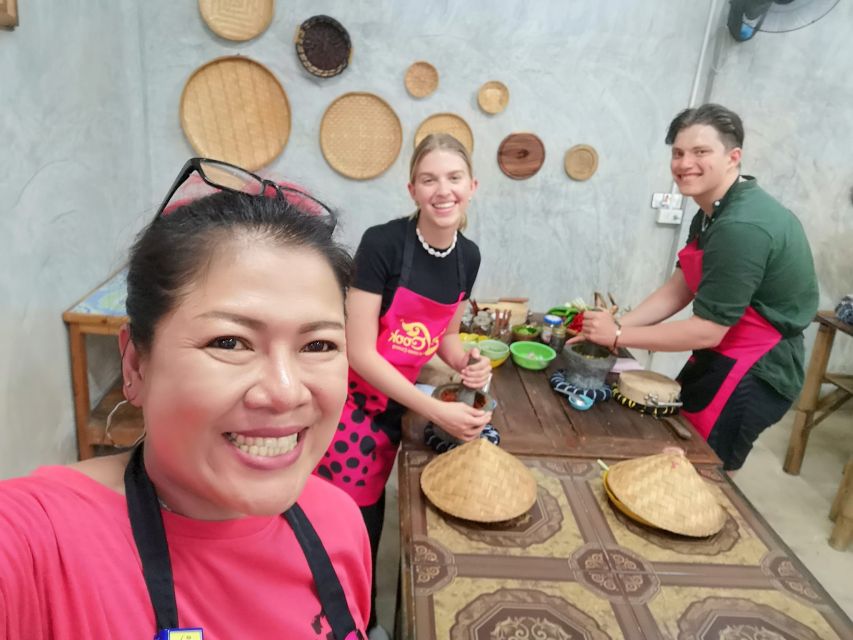
Mam is the central reason the class works so well. She brings energy without making the lesson feel rushed. Her teaching style is patient and friendly, and she adjusts her help to the person in front of her. A first-time cook can follow along, while a more confident cook can ask about flavors, timing, and substitutions.
More Thai Cooking Classes in Chiang Mai:
- Half-Day Thai Cooking Class at Organic Farm in Chiang Mai
★ 5.0 · 19,087 reviews - Chiang Mai: Cooking Class, Market & Thai Herbs Garden Tour
★ 4.9 · 4,824 reviews - Thai and Akha Cooking Class in Chiang Mai
★ 5.0 · 4,358 reviews
The local market comes first
The class begins with a visit to a local market. The market is not simply a place to collect shopping supplies. It is your introduction to the building blocks of Thai cooking.
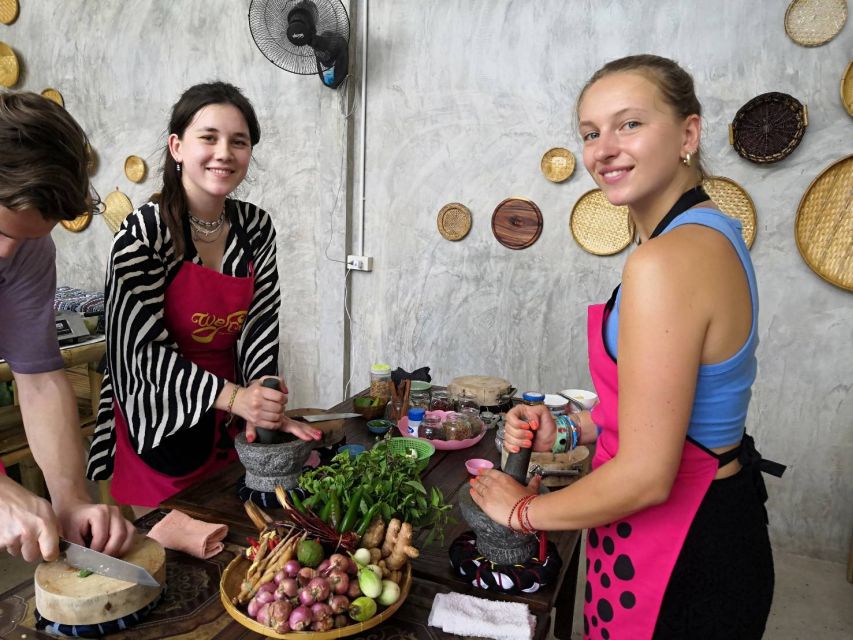
Mam points out herbs, vegetables, spices, sauces, rice, fruit, and other ingredients used in the dishes. You get the chance to touch and smell some of the produce, which is more useful than memorizing names from a printed menu. You might learn the difference between types of eggplant, see the varieties of basil used in Thai dishes, and get a better idea of how local cooks shop.
This part also gives you a little context about daily food in Chiang Mai. You are looking at the ingredients in the place where local people buy them, rather than seeing only pre-measured bowls in a classroom. Mam also explains ingredients that may not be needed for your own menu, which makes the visit feel like a food lesson rather than a quick shopping stop.
Allow yourself to pay attention here. If you rush through the market, you lose one of the most useful parts of the class. Ask questions about heat, sweetness, sourness, and substitutions. Those answers will help when you try to repeat the recipes back home.
Six categories, one wok per person
Back at the cooking school, you choose one dish from each of six categories. The exact choices depend on the available menu, but the range can include a starter, soup, curry, main dish, noodle dish, and dessert. Past menus have included pad Thai, papaya salad, khao soi, tom yum, Massaman curry, fried rice, spring rolls, and mango sticky rice.
The format gives you variety without making you share one cooking station with a stranger. Each participant gets a wok and the ingredients needed for cooking. Mam prepares the process in manageable steps, then guides you through the actual work.
For beginners, this is a forgiving way to learn. You do not need to arrive with knife skills or a collection of Thai cooking experience. Mam explains what to do and helps when a step becomes tricky. She also teaches through signs such as smell, texture, and appearance, rather than asking you to follow cooking times blindly. That is valuable because home kitchens rarely have the same burners, pans, or ingredients as a cooking school.
More experienced cooks will still have room to learn. Thai food depends on balance, and the lesson helps you understand how salty, sweet, sour, spicy, and aromatic flavors fit together. Pay attention to how Mam adjusts a dish and explains what each sauce or spice contributes.
The published description presents the class as six dishes across six categories. Several recent course descriptions refer to five dishes, so the exact number may vary by menu or session. Either way, this is a large amount of food for a half-day activity.
Cooking at Mam’s garden home
The cooking area sits at Mam’s home, in a garden setting. This gives the class a relaxed feel and makes it different from a formal restaurant kitchen. You cook outside or in an open-air setup, then move to a separate dining area for the meal.
That separation is a small but welcome detail. You do not have to eat while standing beside a hot wok or balance a bowl on a narrow work surface. Once the cooking is done, you can sit down properly and try the dishes while they are fresh.
The garden also gives the experience some character. One class setting includes a pond with fish, and the garden provides a pleasant place to pause between cooking tasks. This is still a working home kitchen, not a grand attraction, so keep your expectations practical. The appeal lies in the personal setting, the food, and the chance to cook with direct guidance.
The kitchen has been described as clean and well organized, with ingredients prepared so the lesson can keep moving. That preparation matters. You spend your time learning and cooking rather than waiting for every ingredient to be found.
A few more cooking classes around Chiang Mai worth a look
- Chiang Mai: Authentic Cooking Class with Market & Farm Visit
★ 4.9 · 4,546 reviews - Chiang Mai: Cooking Class with Market and Pickup
★ 4.9 · 1,365 reviews - Chiang Mai: Cooking Class with Organic Farm at Mama Noi
★ 4.9 · 1,151 reviews - Full Day Thai Cooking at Farm (Chiang Mai)
★ 5.0 · 1,127 reviews
What you will actually eat
The meal is generous. You may prepare a starter, soup, curry, main dish, noodle dish, and dessert, depending on the session and your choices. The result is closer to a full Thai feast than a light tasting menu.
Mango sticky rice is a common dessert choice, and it is easy to understand why it appears so often. It gives you a sweet finish after dishes built around herbs, chili, lime, coconut, and savory sauces. Spring rolls, papaya salad, tom yum, pad Thai, fried rice, Massaman curry, and khao soi offer a useful spread of Thai cooking styles.
You should expect to eat what you make. Some people finish everything, while others pack part of the meal to take away. Boxes are available for leftovers, which is practical given the quantity. If you take the morning class, eating a large meal before early afternoon can be difficult if you have already had breakfast.
Do not treat the meal as a small sample of each dish. The portions can add up quickly, especially if you choose several filling dishes. Arrive hungry, but not uncomfortable after a previous food tour or heavy dinner.
A good choice for different skill levels
This class suits beginners particularly well. Mam gives clear instructions, demonstrates the next step, and helps each participant as needed. The tone is friendly rather than judgmental, which makes it easier to ask basic questions.
It also works for families with older children and teenagers, provided they meet the height rule. Participants must be at least 120 centimeters tall because of the wok height and safety requirements. A child or accompanying parent under that height can attend as a visitor for THB300 per person and receive two dishes in one course.
Older adults can enjoy it too. The format does not assume that you already cook, and the instructor’s patient approach helps take the pressure off. You still need to be comfortable standing and working at the cooking station for much of the class, though the activity is listed as wheelchair accessible.
Vegetarian cooking is available. If you have allergies or other food issues, tell the school before cooking so alternatives can be arranged. One participant had food restrictions accommodated, but the supplied information does not promise every dietary request, so advance notice is the sensible move.
Morning or evening: choosing the better session
You can choose a morning or evening class. Your choice affects the rhythm of the day more than the cooking itself.
The morning session is useful if you want the rest of the day free. It starts with the market and finishes with a substantial meal, so you can spend the afternoon visiting temples, resting, or exploring Chiang Mai. The tradeoff is that you should not eat much beforehand.
The evening course begins with pickup listed between 4:00 and 4:30 p.m. It works well if you spend the day sightseeing and want dinner built into your schedule. You will also avoid having a large cooking meal early in the day.
Free transport is included from residences within 3 kilometers of downtown Chiang Mai. The published details specifically list pickup for the evening course, while several course arrangements include hotel collection and return. If you are booking the morning class or staying outside the stated radius, confirm the pickup details before you rely on transport.
What the $32 price includes
At $32 per person, this is strong value if you want both instruction and a full meal. The cost covers the English-speaking guide, local market tour, welcome snack or seasonal fruit, cooking ingredients, your own wok, the meal, a recipe book, and a certificate.
The one-wok-per-person setup is important when comparing prices. A cheaper demonstration class may show you more food but give you less practice. Here, you take part in each dish and have a better chance of remembering the method.
The market visit also adds value. You are getting a short cultural food tour before the lesson, not only a cooking demonstration. Transport within the included area makes the price easier to justify, especially for a first visit to Chiang Mai when local directions may take time.
Personal expenses and anything not listed are extra. The value is best for someone who will use the recipes later. If you only want to eat Thai food and have no interest in cooking, a restaurant meal or market food tour may suit you better.
Practical tips before you book
Plan your appetite. The clearest advice from the course is to skip a full meal before arriving. You will have plenty to eat, and leftovers can be packed if you cannot finish.
Wear clothes that are comfortable for cooking and suitable for a warm kitchen. Tie back long hair and choose footwear you can stand in comfortably. The class lasts roughly four and a half to five hours, although the stated duration can vary between 270 minutes and five hours.
Bring questions. Ask Mam how to find ingredients outside Thailand, how to adjust chili levels, and which sauces can be substituted. The recipe book gives you a reference, but the most useful lessons may be the ones about smell, texture, and balance.
The certificate is a nice extra, especially if you are collecting experiences with children or friends. The recipe book is the more practical souvenir. It gives you a way to recreate the meal after your trip, when the memories of the market and garden are still fresh.
Cancellation is free up to 24 hours before the activity for a full refund, and you can reserve now and pay later. Wheelchair accessibility is listed, but the wok height and the 120-centimeter minimum are firm safety points.
Who should book this Chiang Mai cooking class?
Book it if you want a hands-on introduction to Thai food, especially if you prefer a small home setting to a formal cooking school. It is a strong fit for first-time cooks, couples, families with children over 120 centimeters, and anyone who wants to learn dishes such as pad Thai, curry, tom yum, or mango sticky rice.
It is also a good choice if you value personal teaching. Mam’s patient, energetic style is suited to people who want help at their own pace rather than a fast group demonstration.
Think twice if you dislike long meals, standing at a cooking station, or working with strong herbs and chili. The menu is generous, and the day is built around food from start to finish. Also check transport details if you stay more than 3 kilometers from central Chiang Mai.
Should you book We Cook Thai Home Garden Cooking School?
I would book this class if you want to bring a piece of Chiang Mai home with you. The market visit gives meaning to the ingredients, the individual wok keeps you involved, and the garden setting makes the meal feel personal rather than staged.
The best reason to choose it is the balance of learning and enjoyment. You get a local market, direct instruction from Mam, several dishes, a sit-down meal, recipes, and a certificate for $32. Just arrive hungry, confirm your pickup point, and check the menu if the difference between five and six dishes matters to you.
FAQ
How long does the cooking class last?
The activity lasts between 270 minutes and five hours, depending on the scheduled session.
Is there a morning and an evening class?
Yes. You can choose a morning or evening class, subject to availability.
How many dishes will I cook?
The course is described as one dish from each of six categories. Some session descriptions refer to five dishes, so the exact number can vary. Ask about the menu when you book.
Is the class suitable for beginners?
Yes. No previous cooking experience is required. Mam guides you through each step and provides individual help.
Is a vegetarian option available?
Yes. Vegetarian cooking is available. Tell the school about your dietary needs in advance so suitable alternatives can be arranged.
Is transportation included?
Free transportation is included to and from residences within 3 kilometers of Chiang Mai downtown. Evening pickup is listed between 4:00 and 4:30 p.m. Confirm morning pickup details when booking.
Can children join the class?
Participants must be at least 120 centimeters tall because of the wok height and safety requirements. Visitors under that height, including accompanying parents, may join for THB300 per person and receive two dishes in one course.
What is included in the price?
The $32 price includes an English guide, local market tour, welcome snack or seasonal fruit, ingredients, one wok per person, the meal, a recipe book, a certificate, and eligible local transport. Personal expenses are not included.
Just added around Chiang Mai
- Chiang Mai: Local Northern Thai Cooking Class at Grandma’s★ 5.0 · 33 reviews
- Chiang Mai: Half Day Morning Cooking Class with Market Tour★ 4.9 · 10 reviews
- Half-Day Thai Cooking Class on a Local Farm Near Chiang Mai★ 4.9 · 32 reviews
- Half-Day Cooking Class with Market Tour★ 5.0 · 163 reviews
- Chiang Mai: Half Day Cooking Class at Organic Farm★ 4.8 · 96 reviews
- Full Day Thai Cooking Class in Organic Farm and Market★ 5.0 · 3 reviews
- Chiang Mai: Traditional Thai Cooking Class with Market Tour★ 4.8 · 137 reviews
- Chiang Mai: Traditional Thai-Akha Cooking Class& Market Tour★ 5.0 · 25 reviews
Thai Cooking Classes, compared.
Half-Day Thai Cooking Class at Organic Farm in Chiang Mai
Read our review →
Chiang Mai: Cooking Class, Market & Thai Herbs Garden Tour
Read our review →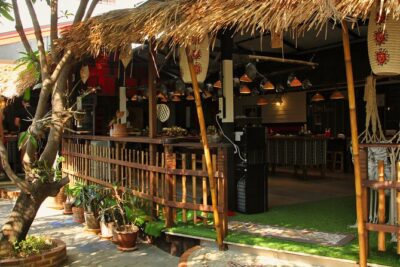
Phuket Thai Cooking Class with Market Tour Option
Read our review →
Bangkok: Hands-on Thai Cooking Class and Market Tour
Read our review →
Bangkok: Tingly Thai Cooking School Half-Day Cooking Class
Read our review →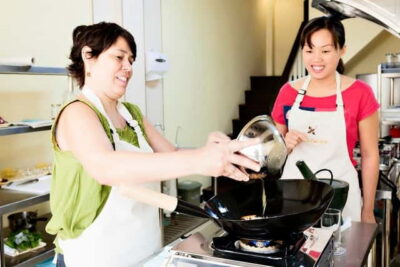
Bangkok: Maliwan Thai Cooking Class with Market Tour
Read our review →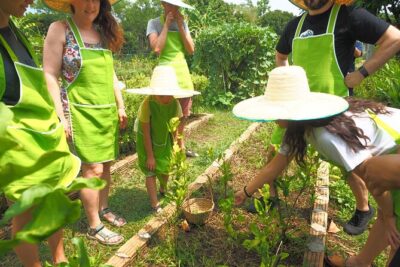
Browse the lists this tour appears in