
Review · CHIANG RAI
1 Day Trekking Group Tour With Bamboo Cooking / Chiang Rai
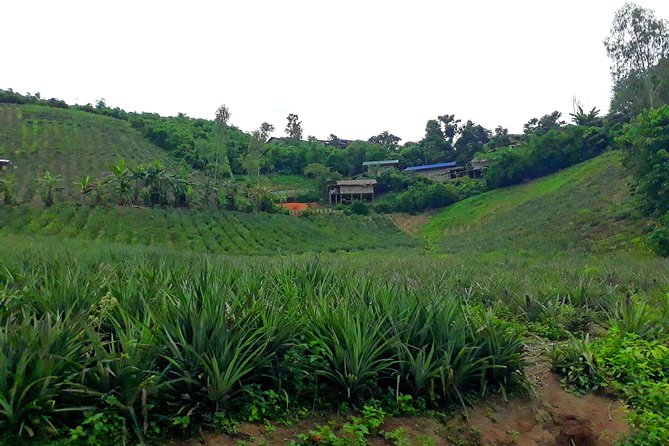
The best part of this Chiang Rai day is the bamboo cooking. Your guides prepare lunch in natural utensils over an open fire, turning a long jungle walk into a practical lesson in Northern Thai country life. The route also links hill villages, tea country, Huay Kaew Waterfall, and a hot spring.
I like the small maximum group of 12, which keeps the price at a reasonable $58.66 while still allowing guides such as James, Wat, Sam, or Eat to help with rough sections. I also like the mix of scenery and culture: you are not only walking through jungle, you are passing through Lahu and Akha communities and a Chinese village with tea plants.
The catch is the 15-kilometer trek. Expect steep ground, mud, slippery passages, and stretches through a mountain stream bed. This is not a gentle stroll, and you should bring proper shoes, long trousers, insect repellent, water, and a swimsuit if you want to bathe.
Key points to know before you book
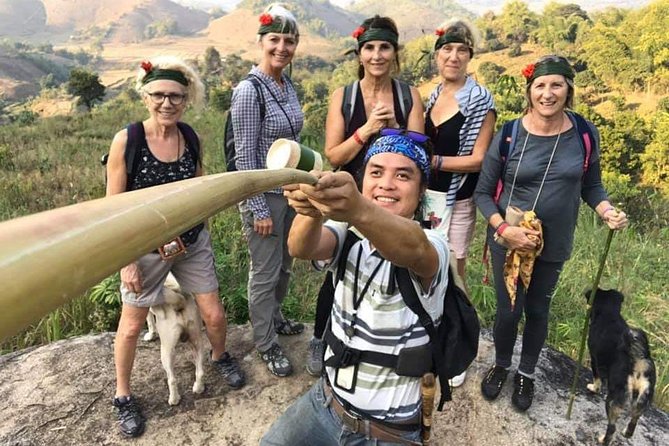
- The bamboo lunch is the day’s signature: Food is cooked over an open fire using bamboo and other natural utensils, then shared as part of the outing.
- Plan for a real hike: The route covers about 15 km and can include steep, muddy, slippery, and uneven sections.
- You visit several distinct settings: The day combines jungle and mountain trails, hill villages, a Chinese tea village, Huay Kaew Waterfall, and a hot spring.
- The group is capped at 12 people: That gives you a better chance to ask questions and receive help on difficult ground.
- Bring water and swim gear: Bottled water is not included, while the waterfall or hot spring may offer a chance to bathe.
- Dogs may be part of the village scenery: Several dogs can appear along the route, though they were described as more interested in other dogs than people.
Why the bamboo lunch makes this trek different
Many countryside outings stop at a restaurant and call the meal local. Here, lunch is part of the lesson. The guides prepare food in bamboo over an open fire, using natural materials rather than a standard kitchen setup.
That matters because it connects the meal to the setting. You see a traditional cooking method rather than simply being handed a plate after the walk. The meal also becomes a social pause in the middle of a demanding day, a chance to sit, eat, and talk with the guides and the rest of your group.
The food has earned especially strong praise for being tasty and authentic. I would keep expectations sensible: this is outdoor cooking, not a restaurant meal with a long menu. Its appeal is the method, the setting, and the shared experience.
Guide names associated with this tour include James, also called James Bond, Wat, Sam, Tee, and Eat. Individual staffing can vary, but the useful point is that the guides come from Lahu and Akha hill communities and speak the hilltribe language. That gives the village visits more meaning than a quick photo stop.
A few more cooking classes around Thailand worth a look
- Chiang Rai: Jungle Adventure-Group Trekking & Bamboo Cooking
★ 4.9 · 166 reviews - Chiangrai: Group Trekking with Bamboo Cooking
★ 4.8 · 5 reviews - Chiang Rai Jungle Trek & Bamboo Tube Cooking Adventure
★ 5.0 · 5 reviews
The 9 a.m. start and Chiang Rai pickup
The tour begins at 9 a.m., with pickup offered from Chiang Rai. Private transportation is included, which removes one of the day’s main hassles. You do not need to work out a separate route to the trail area or arrange a return vehicle after a tiring hike.
The pickup detail is especially useful if you are staying in Chiang Rai and want a full day outside town. The group size can reach 12, so the ride may include other people, but the shared format helps keep the cost down.
Confirmation is provided when you book, and the meeting area is near public transportation. The tour is listed as suitable for most people, but that should not be read as a promise of an easy route. The walking distance and terrain are the important facts here.
The first climb rewards steady legs
The trek begins with a hard uphill section, according to the route descriptions. That opening climb sets the tone. You will need to pace yourself rather than rush to keep up with the strongest person in the group.
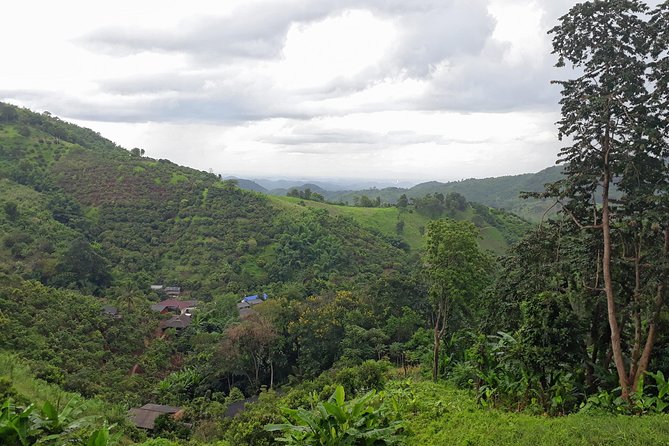
The reward is a series of broad views, forest paths, and mountain scenery. The route is not built around one famous lookout. Its appeal comes from the changing surroundings as you move from thicker jungle to village areas and open views.
The walking can include dense vegetation, unstable footing, muddy patches, steep drops, and sections along or in a mountain stream bed. One particularly challenging part involves going partly up a stream bed in the jungle. That makes the day feel like a true trek, but it also means you should pay attention to each step.
I would wear sturdy walking shoes with a good grip. Long trousers are a practical choice for vegetation and insects, and insect repellent is worth packing. The information provided does not specify shoe rental, walking poles, or protective equipment, so bring what you need from Chiang Rai.
Jungle plants, animals, and a lesson in the countryside
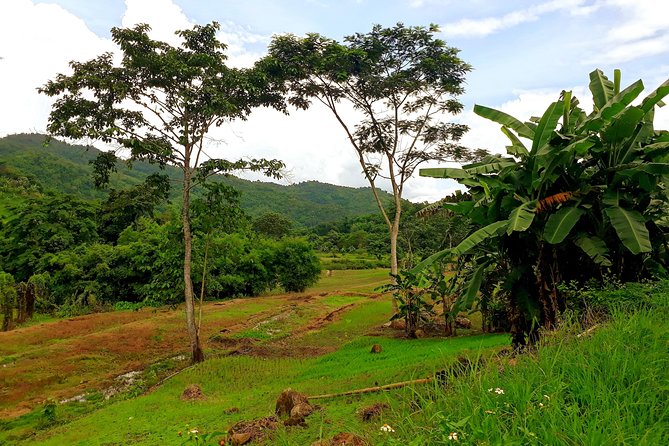
The jungle section is not only about reaching the next stop. The guides point out banana trees, other plants, animals, and features of the natural environment. Their local background can help turn a walk into a better understanding of how people use and live around the forest.
You might find the route more educational than a standard nature walk because the guides connect the plants and terrain with rural life. They also explain the environment and the villages along the way. The value comes from asking questions as you go, especially if you want more than photographs.
This is not a wildlife spotting tour with guaranteed animal sightings. The available information promises exposure to the flora and fauna of Northern Thailand, not a set list of animals. Go for the forest setting and the guide’s explanations, not for a particular creature.
A few dogs may be around the villages and trails. That can be part of the local feel, but it is worth knowing if you are nervous around dogs. The dogs described in the tour feedback were not focused on people, yet the presence of several animals could still make the walk less comfortable for some visitors.
Same place, a different menu:
- Half-Day Thai Cooking Class at Organic Farm in Chiang Mai
★ 5.0 · 19,087 reviews - Chiang Mai: Cooking Class, Market & Thai Herbs Garden Tour
★ 4.9 · 4,824 reviews - Chiang Mai: Authentic Cooking Class with Market & Farm Visit
★ 4.9 · 4,546 reviews - Thai and Akha Cooking Class in Chiang Mai
★ 5.0 · 4,358 reviews
Meeting Lahu and Akha communities
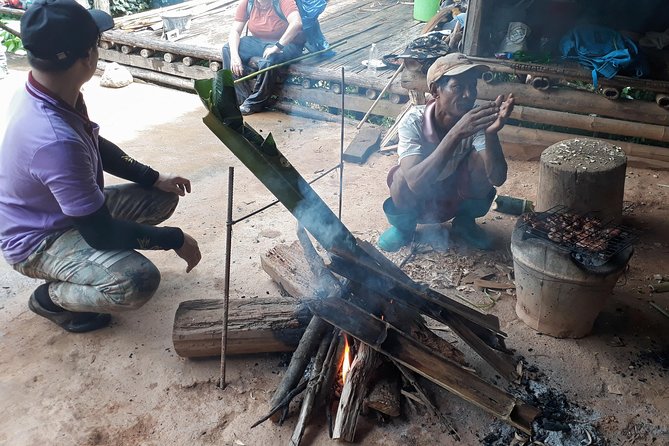
The village visits give the trek a human side. You pass through communities connected with the Lahu and Akha hill peoples, and the guides themselves come from those backgrounds. You also visit a Chinese village with a tea plantation.
This is a better use of a full day than spending every hour on a forest path. You see how the area is lived in, not just how it looks from a trail. A guide who speaks the local hilltribe language can add context that a driver or a guide with no local connection may not provide.
Still, you should approach the villages respectfully. This is a route through lived-in communities, not a staged cultural show. Keep your camera ready only when appropriate, follow the guide’s lead, and remember that the people you pass are going about their daily lives.
The tea plantation adds another change of scenery. The tour information does not promise a tea tasting or a detailed tea-making demonstration, so do not book this as a dedicated tea tour. Think of it as one part of a wider day that includes jungle, mountain, village, water, and food.
Waterfall and hot spring stops
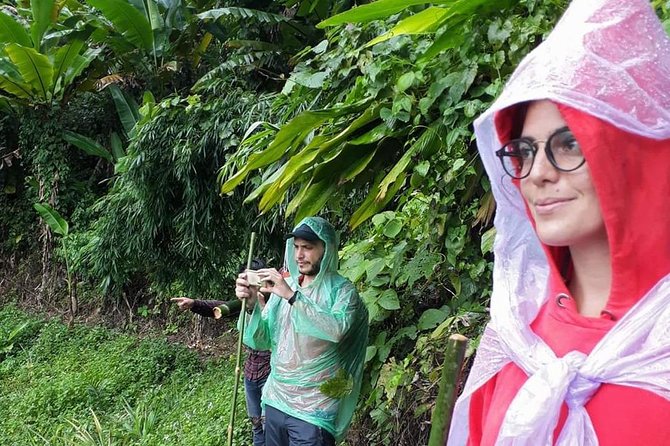
Huay Kaew Waterfall is one of the day’s natural highlights. After the more demanding walking, water gives you a chance to cool off and change the pace. The tour also includes a hot spring spa, so you may have a choice between a refreshing swim and a warm soak, depending on the timing and conditions.
Bring a swimsuit. The tour specifically suggests it in case you want to bathe at the waterfall or hot spring. A towel is not listed among the inclusions, so packing one is sensible, though the supplied details do not confirm whether one is provided.
The word swim should not make you expect a large, supervised pool. Water levels and conditions can vary, and the available details do not guarantee a particular bathing setup. Treat the stop as an opportunity rather than the central purpose of the outing.
These stops are important for comfort as well as scenery. A full day in hot, humid Northern Thailand can feel long, especially after 10 or 15 kilometers on rough ground. A water break can make the difference between finishing tired and finishing miserable.
How tough is 15 kilometers in Chiang Rai?
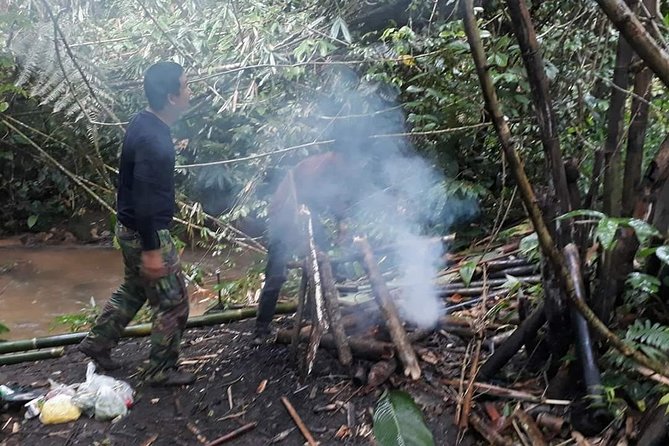
The distance is the clearest warning in the description. Fifteen kilometers over mountain and jungle trails is very different from 15 kilometers on a flat road. Reviews describe the walk as challenging for people who are not fit, with muddy ground, steep sections, dense vegetation, and unstable footing.
I would rate this as an active full-day trek, not a casual family walk. Couples, families, and groups can participate, but the youngest or least active members may struggle with the duration and terrain. The tour does not state a minimum fitness level, so you need to judge your own ability honestly.
The guides can help on harder sections, which is valuable on uneven ground. Their friendly manner and humor also help during the long stretches. Names that come up include James, Wat, Sam, and Eat, though you may not have every one of them on your particular departure.
Heat is another factor. One account of the route describes a hot day, and the tour does not include bottled water. Carry enough water for your own needs, even if the vehicle or guide arrangements provide some access to supplies. Sun protection, insect repellent, and light clothing are sensible additions.
Is $58.66 good value?
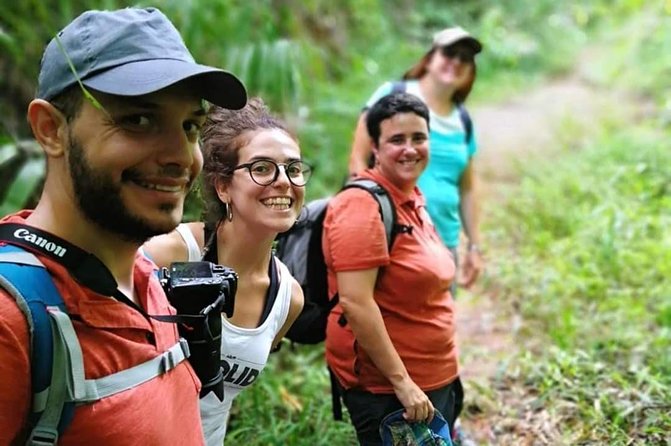
At $58.66 per person, the price is fair for a full day that includes private transportation, a bamboo-cooked lunch, and all fees and taxes. You are also paying for licensed guides, a small-group structure capped at 12, and access to several areas that would be difficult to combine independently in one day.
The strongest value comes from the variety. A cheaper walk might give you jungle scenery, but this outing adds village visits, a tea plantation, a waterfall, a hot spring, and a meal prepared in the forest. The transportation matters too, since arranging separate rides between rural stops could quickly erase any savings.
Bottled water is not included, so add that cost yourself. You also need to supply your own clothing, insect repellent, swimsuit, and possibly towel. These are small expenses, but they are part of the true budget.
The price works best for someone who wants a busy day with local contact and active walking. If you mainly want a relaxed waterfall visit or a short nature walk, you may not get good value because much of what you pay for is the long trek.
Small-group advantages and possible limits
A maximum of 12 people is a useful middle ground. You get the cost benefit of a group tour without the scale of a large coach outing. A smaller group can also make lunch feel more personal and allow the guide to respond when someone needs help on a steep or slippery part.
Group size can vary. Some departures may be very small, while others may approach the limit. That means the pace and social feel can change from one date to another. You should be comfortable sharing the day with people who may have different fitness levels.
The guide’s role is central here. On a simple paved route, a mediocre guide might not ruin the day. On this trek, the guide sets the pace, points out plants and village details, helps with awkward passages, and handles the cooking. The local hilltribe background is a major reason to choose this particular outing.
Who should book this Chiang Rai trek?
I would choose this tour if you want a physical day outdoors and like your food and culture tied to the place you are visiting. It suits fit couples, active families, small groups, and anyone who prefers a forest trail to a standard sightseeing loop.
You should also enjoy a little uncertainty. The ground may be muddy, the route may feel steep, and the weather can affect the day. You will not get the comfort of a smooth path or a fixed indoor schedule.
I would think twice if you have mobility limits, dislike steep drops, feel uneasy on slippery ground, or want a low-effort day. The available details say most people can participate, but they also make clear that the route is demanding. A good attitude helps, but it cannot replace stamina and careful footing.
The tour requires good weather. If poor weather cancels it, you are offered another date or a full refund. You can also cancel for a full refund if you do so at least 24 hours before the 9 a.m. start. Cancellations or changes within 24 hours are not refunded or accepted, and the minimum group requirement can also affect departure.
My call: book it for the trek, not just the swim
You should book this if the phrase 15-kilometer jungle trek with bamboo lunch sounds appealing. The combination of Lahu and Akha village life, tea country, jungle plants, Huay Kaew Waterfall, a hot spring, and outdoor cooking gives you a fuller picture of the Chiang Rai countryside than a short attraction visit.
Pack water, long trousers, insect repellent, sturdy shoes, and a swimsuit. Expect heat, mud, steep ground, and a tired finish. If you accept those conditions, $58.66 buys a substantial day with local guides, real exercise, and a meal you will remember for its method as much as its taste.
FAQ
How long does the Chiang Rai trekking tour last?
The tour lasts about eight hours and starts at 9 a.m.
How far will I trek?
The trekking distance is about 15 kilometers through jungle and mountain areas.
Is hotel pickup available in Chiang Rai?
Pickup is offered from Chiang Rai, and private transportation is included.
What is included in the price?
The price includes private transportation, a bamboo-cooked lunch, and all fees and taxes.
Is bottled water included?
No. Bottled water is not included, so you should bring or purchase your own supply.
Will we visit hilltribe villages?
Yes. The route includes Lahu and Akha hill communities, as well as a Chinese village with a tea plantation.
Can I swim during the tour?
You may have the chance to bathe at Huay Kaew Waterfall or a hot spring. Bring a swimsuit if you want to use these stops.
How large can the group be?
The tour has a maximum of 12 participants.
Is the trek suitable for all fitness levels?
The tour is suitable for most people, but the route covers about 15 kilometers and can include steep, muddy, slippery, and unstable sections. It requires reasonable fitness and careful footing.
What happens if bad weather cancels the tour?
If poor weather cancels the experience, you will be offered a different date or a full refund.
Just added around Thailand
- Koh Samui Jungle Kitchen – Evening Cooking Class (max 8 guests)★ 5.0 · 74 reviews
- Thai Culinary Class by the Beach at Melati Resort & Spa★ 5.0 · 6 reviews
- Cooking Class in Ko Samui for Small Group★ 5.0 · 98 reviews
- Bangkok Udomsuk Thai Cooking Class with local market tour★ 5.0 · 5 reviews
- Thai Cooking Class in Bangkok★ 5.0 · 23 reviews
- Hands-On Thai Cooking Class Bangkok with Local Chef (Small Group)★ 5.0 · 119 reviews
- Thai cooking class experience in Bangkok with Tingly Thai cooking school★ 5.0 · 59 reviews
- White Lotus Thai Cooking Class in Bangkok★ 5.0 · 31 reviews
Cooking Classes, compared.
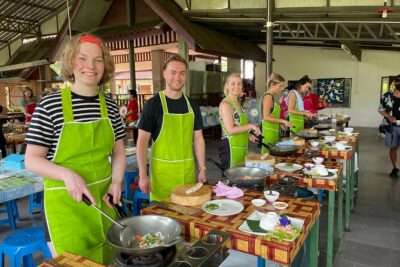
Half-Day Thai Cooking Class at Organic Farm in Chiang Mai
Read our review →
Florence: Pasta Cooking Class with Unlimited Wine
Read our review →
3 in 1 Cooking Class near Navona: Fettuccine, Ravioli & Tiramisu
Read our review →
Hanoi Cooking Class: Culture, Local Market & Meaning CSR Impact
Read our review →
5 Traditional Dishes Hanoi Cooking Class with Market Trip
Read our review →
Cooking Class and Lunch at a Tuscan Farmhouse with Local Market Tour from Florence
Read our review →
Chiang Mai: Cooking Class, Market & Thai Herbs Garden Tour
Read our review →Browse the lists this tour appears in