Review · COOKING CLASSES
3.5 -hour Afropanamanian Cooking Experience in Panama
The best part of this Afro-Panamanian cooking class is that you do not simply assemble pre-cut ingredients. With Chef Dave, you help prepare a full meal, learn practical kitchen habits, and then share the results around one table. Oxtails, yuca fries, coconut rice, and dipping sauces may appear on the menu, though dishes can vary.
I like the small maximum of six people, which gives the chef room to guide each person. I also like the mix of cooking and conversation, including lessons on Panamanian culture, food shopping, knife skills, and clean kitchen habits. The main drawback is the firm cancellation policy, plus one reported overbooking problem, so confirm your plans before paying.
Key points at a glance
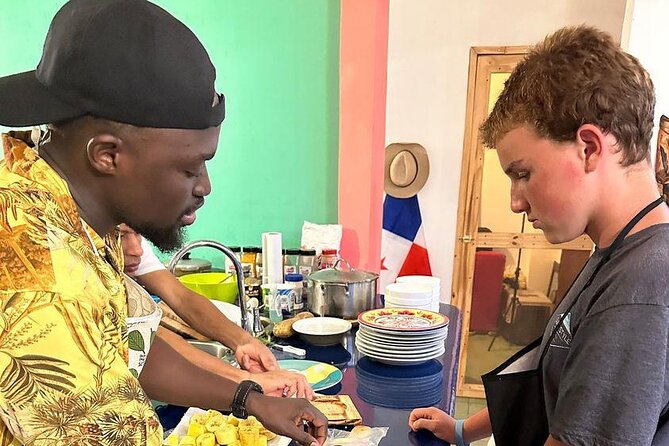
- Chef Dave leads the class: Expect a warm, funny teacher who gives hands-on instruction rather than a cooking demonstration from across the room.
- A full Afro-Panamanian meal: Past menus have included oxtails, yuca fries, coconut rice, and several Panamanian sauces.
- Small-group format: The class accepts no more than six people, making it easier to ask questions and take part.
- Food and culture together: Cooking comes with discussion of Afro-Panamanian traditions, local ingredients, shopping, and the blend of cultures found in Panama.
- Dinner is part of the experience: After cooking, everyone sits together and eats the meal they prepared.
- Plan for the evening: Meet at Casa del Horno at 4:30 p.m. in Casco Viejo, and finish at the same location after roughly three to three and a half hours.
What the evening really offers
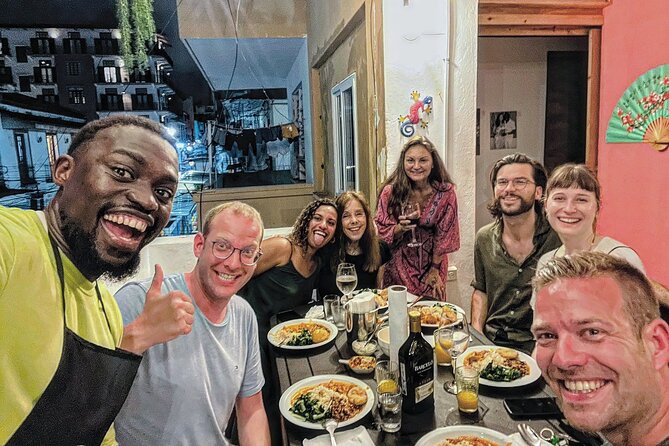
This is a cooking lesson, but it is also a social meal and a small cultural exchange. You work beside people from different countries, prepare food together, and then sit at the same table. That combination matters in Panama City, where an ordinary restaurant meal can give you a taste of the food but not much sense of how it is made or why the flavors belong together.
Chef Dave’s approach is practical. He covers proper knife technique, food preparation, seasoning, cleanliness, and kitchen safety. Those details may sound basic, but they are exactly what make a class useful after your holiday ends. You should come away with more than a recipe. You should have a better feel for how to handle ingredients and build flavor.
The class also has a personal side. Birthday celebrations have been part of the evening, and the atmosphere can become more heartfelt than a standard cooking lesson. One part of the class includes sharing appreciation for the people in the room, a thoughtful touch that turns dinner into a memorable group experience.
A few more cooking classes around the world worth a look
- Half-Day Thai Cooking Class at Organic Farm in Chiang Mai
★ 5.0 · 19,087 reviews - Florence: Pasta Cooking Class with Unlimited Wine
★ 4.9 · 10,285 reviews - 3 in 1 Cooking Class near Navona: Fettuccine, Ravioli & Tiramisu
★ 5.0 · 7,376 reviews
Meeting Chef Dave at Casa del Horno
The class begins at 4:30 p.m. at Casa del Horno, C. 8a Este and Avenida B, Panama City. The location is in Casco Viejo and is near public transportation. The activity ends back at the meeting point, so you do not need to arrange a second pickup point at the end of the night.
The cooking takes place in Chef Dave’s apartment, with workstations prepared before you arrive. Ingredients are set out so the group can get to work quickly. Some preparation is done ahead of time, which keeps the evening moving, but you still take part in the main cooking and preparation rather than watching a finished demonstration.
That setup makes the experience feel personal. You are not in a large culinary school with rows of strangers and a strict lecture format. You are in a small kitchen, working directly with the instructor and the other people at the table.
I would allow extra time to find the address, especially if you are unfamiliar with Casco Viejo. The supplied directions are clear, but a cooking class is not the place to arrive flustered and late. The meeting point is easy to identify in advance, and confirmation is sent when you book.
Preparing Afro-Panamanian food by hand
The exact menu is not fixed in the information provided, but the dishes described give you a useful idea of the meal. Past classes have included oxtails, yuca fries, coconut rice, and Panamanian dipping sauces. These foods offer a good introduction to the bold, comforting side of Afro-Panamanian cooking.
Oxtails require time and care, so their presence suggests a meal built around slow, patient cooking rather than quick snacks. Yuca brings a starchy alternative to potatoes, while coconut rice adds a gentle sweetness and a different texture. The sauces help tie the plate together and give you a chance to taste how seasoning changes a dish.
You may also learn how to shop for ingredients and how to season food properly, not just how to follow written instructions. That distinction is important. A recipe can tell you what to add, but a good teacher shows you how to judge texture, balance, and readiness.
The class is suitable for people who cook often and people who rarely pick up a knife. Beginners receive guidance with basic techniques, while experienced home cooks can still pick up new methods. Chef Dave encourages everyone to participate, so you should expect to chop, stir, season, and help with the meal rather than sit back.
One practical point: the evening involves a substantial amount of food. You may want to arrive hungry, but not so hungry that you are uncomfortable while waiting for the meal to come together. The cooking itself is part of dinner, and the final spread can be large enough to leave extra food.
Why the small group matters
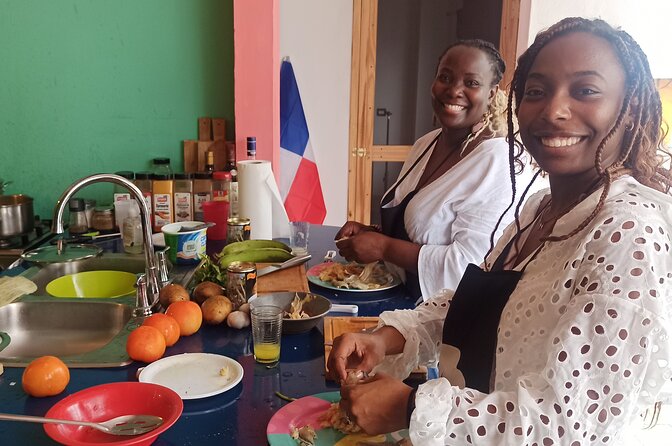
A maximum of six people is one of the strongest features of this experience. In a larger class, you may spend much of the evening watching someone else chop or waiting for a turn. Here, Chef Dave can correct knife technique, answer individual questions, and make sure everyone has a real job.
The small size also shapes the social side. You have enough time to learn names, talk about food, and share the table without the noise and distance of a large group. The people in the room may range from quiet to very outgoing, but the cooking gives everyone an easy way to take part.
There is one caution. A small class has limited capacity, and the experience requires a minimum number of people to operate. Availability may be tight, especially since it is booked an average of 17 days ahead. Book early if this is important to your schedule, but remember that the small format is part of what you are paying for.
Same place, a different menu:
- Florence: Pasta & Tiramisu Cooking Class with Unlimited Wine
★ 4.9 · 6,708 reviews - Florence: Pasta Cooking Class with Unlimited Wine
★ 5.0 · 6,413 reviews - Hanoi Cooking Class: Culture, Local Market & Meaning CSR Impact
★ 5.0 · 5,147 reviews - 5 Traditional Dishes Hanoi Cooking Class with Market Trip
★ 5.0 · 4,890 reviews
Culture beyond the plate
The class gives context to the food rather than treating Afro-Panamanian dishes as a set of exotic recipes. You learn about the cultural influences behind the cuisine and the connection between food, people, and place.
That makes the experience useful early in a Panama City visit. Afterward, you may recognize ingredients and cooking methods when you see them on restaurant menus or at markets. It can also help you understand that Panamanian food is shaped by several cultural currents, including African influence, local produce, and wider Caribbean connections.
The culture component is conversational rather than a formal museum-style talk. Chef Dave brings in food, history, current events, and practical kitchen advice as the meal comes together. If you want a highly academic lecture, this may feel informal. If you want to learn while doing something with your hands, the format should suit you well.
The shared meal adds another layer. Sitting down to eat what you have prepared creates a direct link between the lesson and the plate. You can ask questions as you eat, compare techniques, and enjoy the food while it is fresh.
The meal at the end
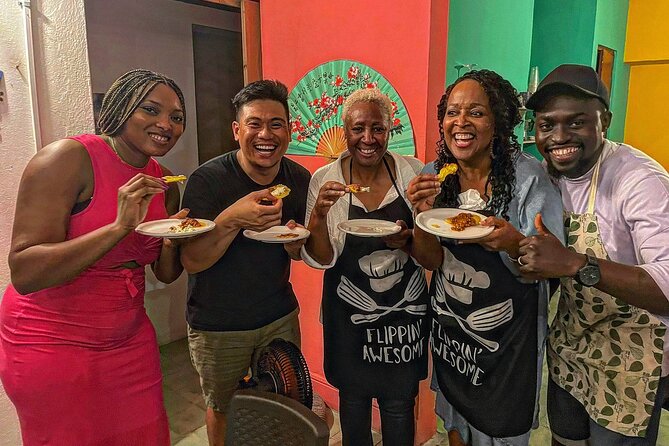
Once the cooking is finished, everyone sits at the dining table and shares the food. This is not an afterthought. It is the payoff of the whole evening and a chance to slow down after the active part of the class.
The menu can be especially good value for people who want a filling dinner as well as an activity. You are not paying $70 only for a short demonstration. The fee covers roughly three to three and a half hours of instruction, a prepared meal, ingredients, and a small group setting.
Still, the price needs to be judged against your interests. If you only want a cheap dinner, restaurants in Panama City will give you more food per dollar. If you want a meal plus instruction, cultural background, and an evening with a small group, the cost is more reasonable.
The food receives especially strong praise, with several dishes described as among the best meals of a Panama trip. That does not mean every menu will suit every palate, but the format gives you a much closer look at local cooking than ordering one plate from a restaurant.
A warm teacher with useful habits to share
Chef Dave’s teaching style is a major part of the experience. He is described as energetic, funny, patient, and welcoming. Those qualities matter in a hands-on class because people arrive with different cooking backgrounds and different levels of confidence.
He also focuses on habits that transfer to your own kitchen. Expect attention to cleanliness, food safety, proper cutting, seasoning, and preparation. These lessons may not sound glamorous, but they are the kind of advice that helps you cook better long after you leave Panama.
The atmosphere can be lively, especially when the group is outgoing. It can also become personal during birthday celebrations or the closing conversation. That is a plus for people who enjoy meeting new people. If you prefer a quiet, private dinner or a tightly scripted class, the social energy may be more than you want.
Dietary needs can be accommodated, but you should communicate them ahead of time. The available information confirms that the host has adjusted for dietary restrictions, though it does not list every possible substitution or provide a standard menu in advance.
Who should book this class
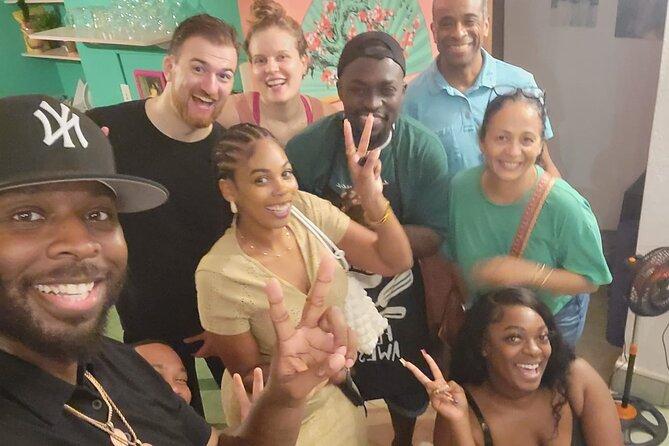
I would recommend this experience to you if you:
- Enjoy cooking or want to become more comfortable in the kitchen
- Like meeting people from different countries
- Want dinner to be part of the activity
- Prefer a small class over a large group demonstration
- Are interested in Afro-Panamanian food and cultural traditions
- Appreciate practical advice on knives, food safety, shopping, and seasoning
- Have a birthday or small celebration to mark during your trip
Families can enjoy it, but keep in mind that the activity takes several hours and requires participation in a kitchen. Couples and solo visitors may find the social format particularly easy, since the shared meal gives you a natural way to meet others.
This is less suitable if you need a fully private experience, have a very strict schedule, or want to cancel at the last minute. The experience is non-refundable and cannot be changed for any reason after booking. That policy is worth taking seriously.
Timing, booking, and value
The listed price is $70 per person. For an evening that includes instruction, ingredients, a full meal, and a maximum of six participants, I consider it a fair price for the right kind of visitor. The value is strongest when you treat it as dinner plus a lesson plus a social event.
The published duration is about three hours, while the experience title describes three and a half hours. I would plan for roughly three to three and a half hours, starting at 4:30 p.m. Do not schedule a tight evening reservation immediately afterward.
Confirmation arrives at booking. The activity is near public transportation, and it both begins and ends at Casa del Horno. The experience depends on good weather and on reaching the minimum number of participants. If the host cancels for either reason, you can choose another date or receive a full refund.
There was also one reported last-minute overbooking cancellation, with the host offering a different day and issuing a refund. The small six-person limit helps protect the quality of the class, but it also means availability must be managed carefully. I would book only after checking that the date fits your departure plans.
Should you book the Afro-Panamanian Cooking Experience?
Yes, if you want an active, social evening built around real food. The strongest reasons are the small group, Chef Dave’s hands-on teaching, the generous meal, and the chance to understand Afro-Panamanian cooking through preparation rather than observation.
I would especially choose it near the end of a Panama City visit, when you have already seen some of the city and can place the food in a wider context. Just leave room in your schedule, share any dietary needs in advance, and treat the non-refundable booking policy as a firm commitment.
If you want only a quick meal or a private class, choose something else. If you want to cook, learn, laugh, and eat what you helped make, this is a strong $70 use of an evening in Casco Viejo.
FAQ
How much does the Afropanamanian cooking experience cost?
The price is $70 per person.
How long does the experience last?
The activity lasts approximately three hours, while the experience title describes it as three and a half hours. Plan for roughly three to three and a half hours.
What time does the class begin?
The class begins at 4:30 p.m.
Where does the activity start and end?
It starts at Casa del Horno, located at C. 8a Este and Avenida B in Panama City. The activity ends back at the same meeting point.
How many people can join the class?
The maximum group size is six travelers.
Is the booking refundable or changeable?
No. The experience is non-refundable and cannot be changed for any reason. If you cancel or request an amendment, the amount paid will not be refunded.
What happens if the host cancels the activity?
If poor weather or an insufficient minimum number of participants causes cancellation, you will be offered another date or experience, or a full refund.
Just added around the world
- Classic French Cooking Class in Paris with Local Expert Francoise★ 5.0 · 11 reviews
- Private Palm Springs Cooking Class with a Fun Local Chef Stephen★ 5.0 · 7 reviews
- Authentic Moroccan Dinner & Cooking Workshop in Paris★ 5.0 · 3 reviews
- Embera Village Cooking Class with Gatun Lake Boat Safari★ 5.0 · 41 reviews
- Authentic Sicilian Cooking Class in Palermo★ 5.0 · 33 reviews
- Sicilian Cooking Class in Palermo – Private Option★ 5.0 · 3 reviews
- Sicilian Cooking Class in Palermo★ 5.0 · 66 reviews
- Palermo Sicilian Cooking Class with a Well-known Italian Chef★ 5.0 · 58 reviews
Cooking Classes, compared.
Half-Day Thai Cooking Class at Organic Farm in Chiang Mai
Read our review →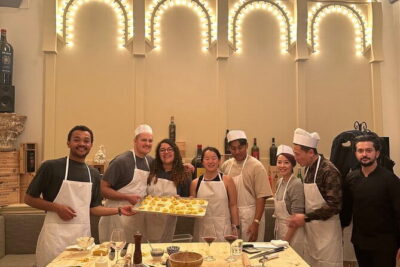
Florence: Pasta Cooking Class with Unlimited Wine
Read our review →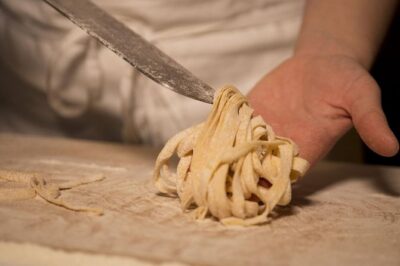
3 in 1 Cooking Class near Navona: Fettuccine, Ravioli & Tiramisu
Read our review →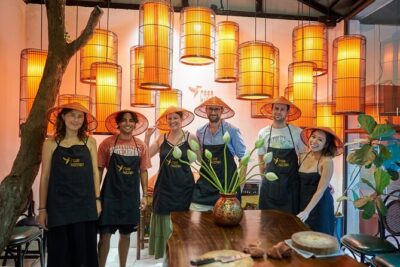
Hanoi Cooking Class: Culture, Local Market & Meaning CSR Impact
Read our review →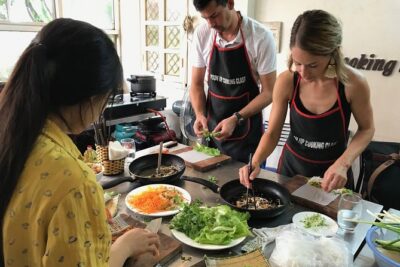
5 Traditional Dishes Hanoi Cooking Class with Market Trip
Read our review →
Cooking Class and Lunch at a Tuscan Farmhouse with Local Market Tour from Florence
Read our review →