
Review · DA NANG
3-hour Traditional Vietnamese Home-Cooking Class in Da Nang
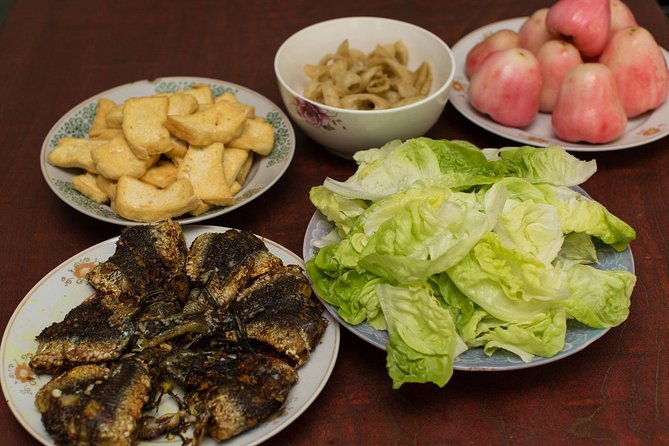
Vietnamese cooking makes the most sense when you see it in a home, not only on a restaurant menu. In Da Nang, Diep and her mother Loc welcome you into their family kitchen for a private class, where you may help prepare sour fish soup, stuffed tofu, stir-fried morning glory, seafood, or other seasonal dishes before sitting down to eat together.
I like the genuine family setting and the chance to talk about daily life as well as food. I also like the flexible spirit: past menus have included pumpkin with peanuts, stuffed squid, lime-leaf grilled chicken, and vegetarian dishes. The main consideration is the small kitchen, which means this feels more like helping a friend make dinner than taking a formal, hands-on culinary course.
- Diep and Loc host you in a real family home, not a purpose-built cooking school.
- The menu can reflect the season and your interests, with vegetarian meals available if requested in advance.
- Expect two or three main preparations, with some food possibly made before you arrive.
- The cooking lasts about an hour, followed by a shared homemade lunch or dinner.
- Morning and evening start times let you choose between a daytime meal and a more social dinner.
- The class is private, so only your own group participates.
Arriving at Diep’s Family Home in Da Nang
The experience begins in Da Nang and ends back at the meeting point. Hotel pickup and drop-off are not included, so you need to arrange your own way there. Public transportation is nearby, and the host can help you find the home once you arrive in the area.
One useful detail is the narrow lane leading to the house. Diep has met visitors at the end of the lane so they do not get lost after leaving a taxi. I would confirm the meeting instructions and save the host’s contact details before setting out. This is a home visit, not a large commercial venue with a prominent sign.
That small bit of planning matters. Arrive late and you may lose part of a three-hour experience, especially since the cooking portion itself lasts only about an hour. The rest of the time is built around conversation, preparation, and the meal.
The activity requires at least two people per booking. That makes it a good fit for couples, friends, or families who want a private outing rather than a class shared with strangers. Service animals are allowed, and you should mention any dietary needs when booking.
Meeting Diep and Loc in the Kitchen
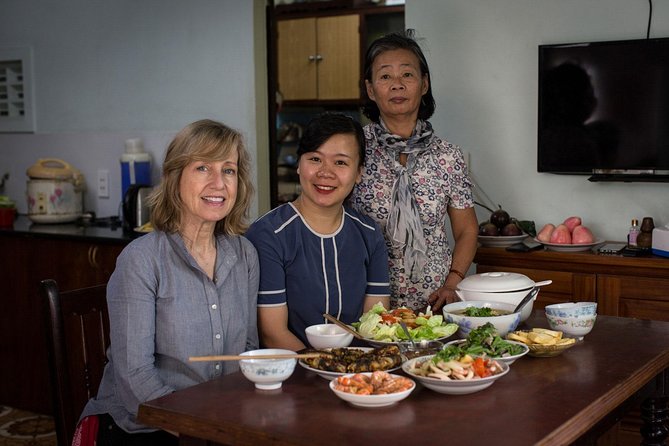
Diep is your main host, with her mother Loc helping in the kitchen. Their welcome is an important part of the experience. You are not simply shown a recipe and sent to a work station. You are invited into a private household and included in the rhythm of preparing a family meal.
The atmosphere is informal. Some past menus have included roughly five dishes, while the stated format focuses on preparing two or three dishes. That difference tells you what to expect: the exact meal can vary, and the class is not built around a fixed restaurant-style menu.
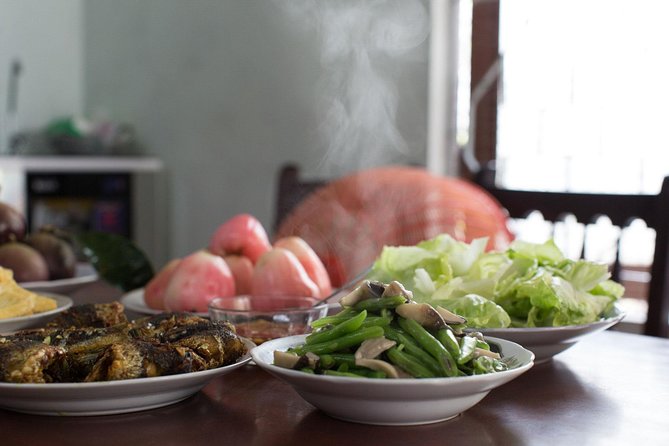
Diep may adjust the meal to your interests. One particularly varied menu included pumpkin with peanuts, sour fish soup, stuffed squid with minced pork, and lime-leaf grilled chicken. Other possible dishes include stir-fried morning glory, crispy tofu, vegetable soup, stuffed tofu, or seafood.
This flexibility gives the class its strongest cultural value. You can ask about the ingredients on the table, how a sour soup is balanced, or why a vegetable dish appears alongside tofu and seafood. You are learning how a Vietnamese family eats, not only how to copy one signature dish.
More Vietnamese Cooking Classes in Da Nang:
- Hoi An: Lantern Making, Basket Boat, and Cooking Class
★ 4.9 · 233 reviews - Market Tour, Basket Boat Ride & Cooking Class by Hangcoconut
★ 4.8 · 95 reviews - Cooking Class and Tasting Pho in Da Nang with Local Chef
★ 5.0 · 8 reviews
About One Hour of Cooking, Not a Full Kitchen Workshop
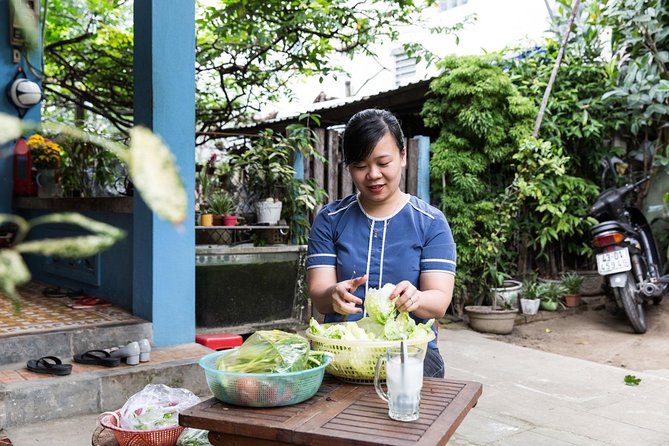
The cooking section lasts about an hour. Diep demonstrates how to prepare two or three dishes, explains local ingredients and spices, and gives you some hands-on work where the kitchen allows.
The wording matters here. The kitchen is small, so you may not prepare every part of every dish yourself. Diep and her mother may complete some preparation before you arrive. You might chop, mix, season, or help with a particular stage, but you should not expect three uninterrupted hours at a cooking station.
I see this as a fair trade if you value local contact more than technical training. A formal cooking school is better if you want a carefully structured lesson, individual equipment, recipe notes, and extensive practice. This home experience is better if you want to see how a family organizes a meal and learn a few practical methods along the way.
Communication is part of the informal character. Diep communicates in English, and one account describes her using some Japanese as well when helpful. You do not need perfect English to enjoy the class, but simple questions and a patient attitude will make the cooking easier.
Vietnamese Dishes That May Reach the Table
The menu is seasonal and may be shaped by your preferences. You could work with vegetables, tofu, fish, squid, chicken, or other seafood. The advertised examples include stir-fried morning glory, crispy tofu, canh chua ca fish soup, vegetable soup, stuffed tofu, and seafood dishes.
Canh chua ca, or sour fish soup, is a useful example of why this setting matters. It is not just a bowl of soup. It gives you a chance to see how Vietnamese cooking balances sour, savory, fresh, and fragrant elements in one dish. The exact ingredients can vary, so ask Diep what is being used that day.
The same goes for stuffed tofu and vegetables. These dishes can look simple, but the appeal is in the seasoning and the way they fit into a shared meal. A dish such as pumpkin with peanuts also shows how a home menu can differ from the most familiar restaurant choices.
Vegetarians should notify the host when booking. Vegetarian options are available, and the menu has included several vegetarian dishes. Do not wait until you arrive, since the family may need to plan ingredients and prepare some food ahead of time.
Sitting Down for a Homemade Lunch or Dinner
After the cooking, you sit down with the family for the meal. You can choose a morning class or an evening class, so the final meal will be lunch or dinner depending on your start time.
This shared table is the heart of the experience. The meal gives you time to talk about Da Nang, family life, food customs, and the dishes you have just helped prepare. You may spend longer at the table than planned because the setting is relaxed and social.
The meal also explains why this class costs more than a basic group cooking lesson. At $80 per person, you are paying not only for ingredients and instruction, but also for a private home visit, a personal host, and time with the family. The value is strongest for people who would otherwise pay for a restaurant meal and still want a meaningful local connection.
The value is weaker if you are comparing it only with the amount of food or the number of recipes. This is not the cheapest way to eat in Da Nang, and it is not designed to produce a large takeaway meal or a polished culinary certificate. You are paying for access to a household and a shared conversation.
More Hands-On Workshops in Da Nang:
- 5 Dishes Cooking Class with Market Trip in Da Nang
★ 5.0 · 466 reviews - Da Nang Authentic Home Cooking Class
★ 5.0 · 354 reviews - 5 traditional dishes Da Nang cooking class with market trip
★ 5.0 · 331 reviews - Da Nang Cooking Class with Coffee Tasting and Market Visit
★ 5.0 · 310 reviews
What Makes the Home Setting Worthwhile
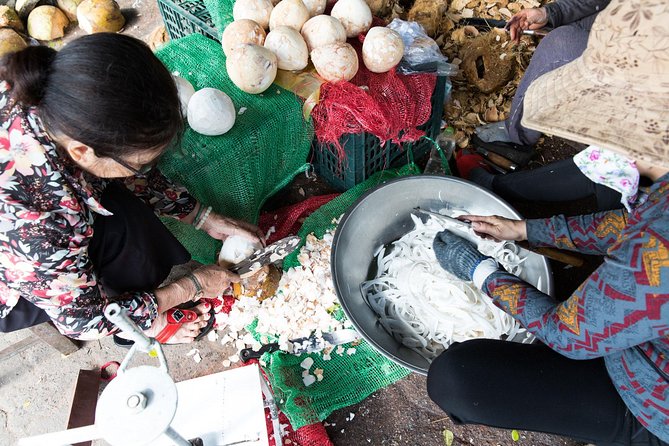
A restaurant can show you finished Vietnamese dishes. A family home can show you how those dishes fit into ordinary life. You see the kitchen, the pace of preparation, and the way several dishes are served together.
That is especially useful in Da Nang, where many visitors eat well but may not get beyond restaurants and hotel dining rooms. Here, you have a chance to ask questions in the place where the food is actually prepared. You can see how a home cook handles vegetables, tofu, soup, and seafood rather than only reading a menu description.
I also appreciate that the experience does not pretend to be more formal than it is. The small kitchen limits the amount of direct cooking. In exchange, you get a more personal visit. If you think of it as helping make dinner with a local family, the format makes sense.
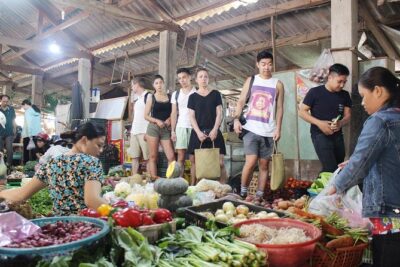
Past meals have also included time at a market with Diep and her parents, choosing fresh ingredients for lunch. That detail appears in the experience history, but it is not part of the stated three-hour inclusions, so you should not assume market shopping is guaranteed for every booking. Ask ahead if it is important to you.
Morning Class or Evening Dinner
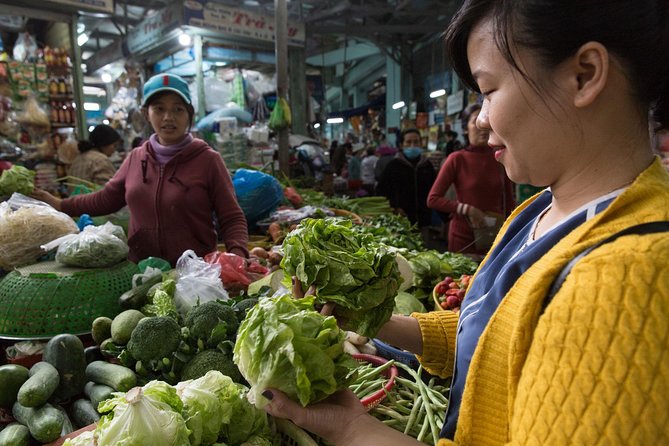
A morning start suits you if you want a daytime activity and a homemade lunch. It also leaves the evening open for Da Nang’s other sights and dining options.
An evening class has a different feel. Cooking together and then sharing dinner can be a relaxed way to end the day. If you prefer social time with the host family, I would choose the evening option. If you have a full sightseeing schedule or want to avoid a late finish, the morning class may be more practical.
The experience lasts about three hours, but the cooking itself takes around one hour. The remaining time is not wasted. It covers the demonstration, conversation, final preparation, and meal. Still, anyone expecting a continuous practical lesson should set expectations correctly before booking.
Who Will Enjoy This Experience Most
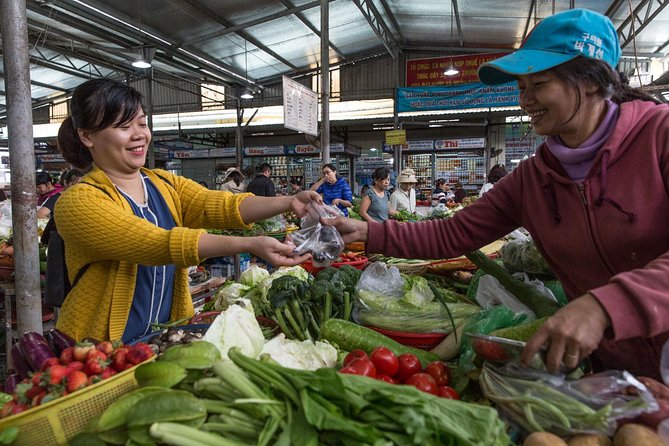
I would recommend this to couples and small groups who value personal contact over polished production. It is also a strong choice for people who have already eaten plenty of Vietnamese restaurant food and want to understand the home version.
Food lovers who enjoy asking questions will get the most from it. You can ask about the ingredients, the role of soup in the meal, or how the family chooses its dishes. Curious children may enjoy the informal setting, though the supplied details do not describe a special children’s program.
Vegetarians are welcome with advance notice. The flexible menu may also suit people who want seafood, poultry, vegetables, or tofu, but you should state your needs before the booking is confirmed.
This is less suited to anyone seeking a large professional kitchen, a strict recipe-by-recipe lesson, or guaranteed control over every stage of cooking. The small space and family format are central to the experience, not minor flaws to overlook.
Practical Details, Price, and Timing
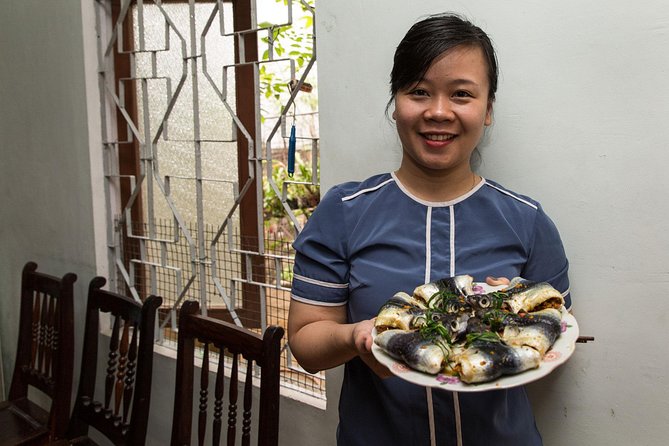
The price is $80 per person. The fee includes the private cooking class with Diep, the local host service, bottled water, taxes, handling charges, and gratuities. Hotel transportation is not included.
Confirmation arrives within 48 hours of booking, subject to availability. Since the activity requires a minimum of two people, solo visitors cannot book it alone under the stated terms.
You can cancel for a full refund up to two full days before the local start time. Changes or cancellations made inside that period are not accepted for a refund, so check your Da Nang schedule before committing.
I would also send dietary requirements at the time of booking, not in a last-minute message. The family may prepare ingredients in advance, and early notice gives them a fair chance to plan the menu.
The Main Tradeoff: Authenticity Versus Hands-On Time
The central choice is simple. Do you want a private meal and cultural exchange in a real home, or do you want a technical cooking course?
This experience gives you both, but in unequal amounts. You receive about an hour of instruction and some hands-on preparation, followed by a longer period of eating and conversation. The kitchen limits how many people can work at once, and some dishes may already be partly prepared.
For me, that tradeoff is worthwhile because the family setting is the point. You are not being sold a fantasy of village life or a staged performance. You are visiting Diep and Loc in their home, learning a few family recipes, and sharing food with them.
If your priority is technique, choose a formal class. If your priority is a warm local encounter with good food and a private setting, the home format is the better match.
Should You Book the Da Nang Home-Cooking Class?
Book it if you want a personal look at Vietnamese home cooking, enjoy flexible menus, and are happy to share a meal with your hosts. The strongest parts are Diep and Loc’s hospitality, the chance to discuss local life, and the freedom to work with seasonal dishes such as sour fish soup, tofu, vegetables, or seafood.
Think twice if you expect every dish to be prepared from start to finish by you. The small kitchen means some work may be done ahead, and the experience is closer to helping a family make dinner than attending a full culinary workshop.
At $80 per person, it is not a bargain meal. It is a private cultural visit that happens to end with lunch or dinner. For many people, that personal setting will be worth more than a longer list of recipes.
FAQ
How long does the cooking experience last?
The full experience lasts approximately three hours. The cooking portion lasts about one hour, followed by time to enjoy the meal with the host family.
Who hosts the cooking class?
Diep is the main host, and her mother Loc helps in the family kitchen.
Is the cooking class private?
Yes. Only your own group participates in the activity.
How many people are required to book?
A minimum of two people per booking is required.
Are vegetarian dishes available?
Yes. Vegetarian options are available, but you should request them when booking.
Can I mention dietary requirements?
Yes. You should advise the host of specific dietary requirements at the time of booking.
Is hotel pickup included?
No. Hotel pickup and drop-off are not included. The activity begins and ends at the meeting point in Da Nang.
Can I choose a morning or evening class?
Yes. You can choose a morning or evening cooking class, with the meal served as lunch or dinner depending on the time you select.
More 3-Hour Experiences in Da Nang
- Marrakech: 3-Hour Open-Air Moroccan Cooking Course
★ 4.9 · 74 reviews - 3-Hour Cooking Class overlooking the Blue City
★ 5.0 · 36 reviews - 3-hour Tuscan Cooking Class with Wine & Oil Tasting
★ 4.5 · 36 reviews - Sabah Traditional Authentic Cuisine Cooking Class 3 Hours
★ 4.9 · 22 reviews
Just added around Da Nang
- Cooking Class and Tasting Pho in Da Nang with Local Chef★ 5.0 · 8 reviews
- RICE PAPER Noodle Making Experience & Hoi An Cooking Class Class★ 5.0 · 164 reviews
- Happy Cooking Class in Danang★ 4.5 · 20 reviews
- Eco Cooking Class and Basket boat tour from Da Nang/ Hoi An★ 5.0 · 4 reviews
- Coffee Making and Cooking Class★ 5.0 · 12 reviews
- DaNang Farm-to-Table Cooking Class with Market and Coffee Tasting★ 5.0 · 131 reviews
- Da Nang Coffee Making and Vietnamese Home Cooking Class★ 5.0 · 7 reviews
- Cook 5 Dishes Authentic Vietnam Food and Market Adventure★ 5.0 · 56 reviews
Vietnamese Cooking Classes, compared.
Cooking Class Hoi An:Local Market, Basket Boat, Fishing & Cooking
Read our review →
Hoi An: Market Tour, Basket Boat Ride and Cooking Class
Read our review →
Hoi An: Basket Boat with Lantern-Making & Cooking Class Tour
Read our review →
Hoi An Cooking Class(Local market,Basket Boat,Fishing & Cooking)
Read our review →
Hoi An: Basket Boat Ride, Cooking Class by Hangcoconut
Read our review →
Vietnamese Food Cooking Class in Hanoi with Market Experience
Read our review →
Hoi An Eco Tour Cooking Class & Fishing (Local market,basket boat,learn cooking)
Read our review →
Traditional Cooking Class with Basket Boat Ride and market Tour
Read our review →Browse the lists this tour appears in