
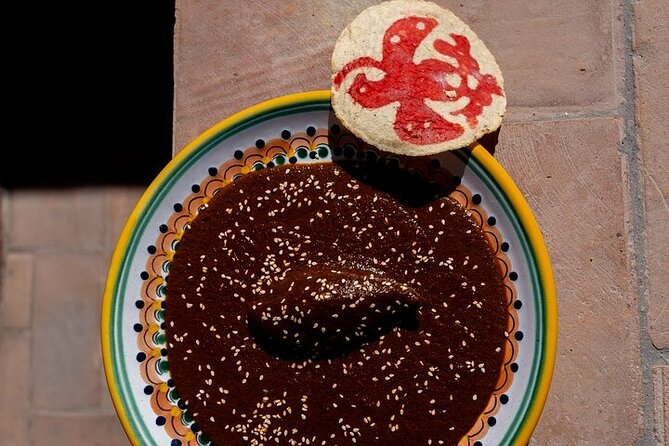
Review · OAXACA CITY
4 Moles Oaxacan Cooking Class with Traditional Cook
Oaxaca’s mole tradition is the main event here. In about two and a half hours, Chef Carrizosa leads you through four distinct sauces, showing how pre-Hispanic methods met ingredients from Spain and Asia. This is not one generic mole with four names. Each recipe has its own base, history, tortilla, and character.
I like the small maximum of 12 people, which should make it easier to follow the cooking and ask questions. I also like the clear design of the meal: green, yellow, almond, and party mole, each served with a different tortilla, followed by chocolate ice cream with guajillo chili powder.
The main consideration is the fixed format. You get a focused class rather than a long market-to-kitchen day, and the two-and-a-half-hour schedule is convenient. But if you want extensive hands-on cooking or a broad tour of Oaxaca’s food markets, this may feel brief.
Key points at a glance
- Four moles in one sitting: Taste green, yellow, almond, and party mole, each built around a different culinary tradition.
- Chef Carrizosa leads the class: You receive cultural context along with cooking guidance, not just a plate of food.
- Different tortilla for each dish: The pairings help you notice how the same sauce can change with texture and flavor.
- Pre-Hispanic and colonial influences: Green and yellow mole use older local techniques, while almond and party mole reflect later ingredients.
- Small group setting: The class accepts no more than 12 people, a useful size for a short cooking lesson.
- Central Oaxaca meeting point: The class starts and ends at Casa Crespo, Reforma 808, at 1:30 p.m.
Four moles, four chapters of Oaxaca’s food story
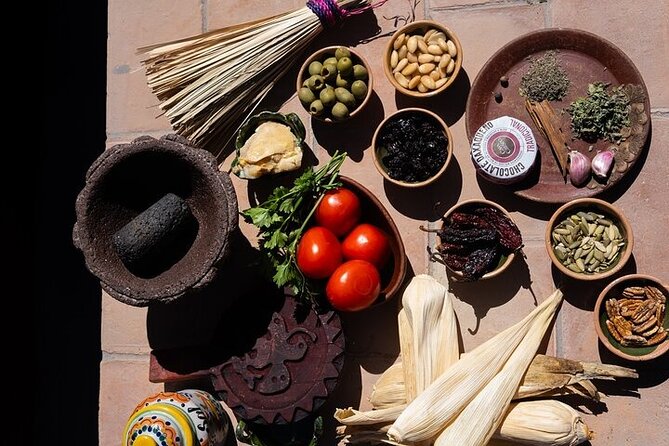
The clever idea here is to use mole as a guide to Oaxaca’s past. The word comes from the Nahuatl molli, meaning salsa, but mole is far more than a topping. It can be a method, a balance of chilies and seeds, a ceremonial food, and a record of cultural exchange.
At Casa Crespo, the menu moves from older Mesoamerican cooking traditions toward dishes shaped by the colonial period. You will see how ingredients such as tortilla dough, tomatoes, herbs, chilies, almonds, and chocolate work together in different ways.
I like this approach because it gives the meal a clear purpose. You are not simply sampling four sauces. You are comparing the ingredients and techniques that define each one. The progression also keeps the class from feeling repetitive.
The session begins at 1:30 p.m. at Casa Crespo, Reforma 808, in Oaxaca’s Centro district. It ends at the same location, so you do not need to arrange a separate ride after the meal. The activity is offered in English, and confirmation is provided when you book.
More Hands-On Workshops in Oaxaca City:
- Flavors of Oaxaca: Cooking Class with No Set Menu and Local Market Tour
★ 4.5 · 333 reviews - Oaxacan Vegetarian Cooking Class
★ 5.0 · 235 reviews - Traditional Cooking Class with Minerva Lopez
★ 5.0 · 197 reviews
Green mole and the old grinding method
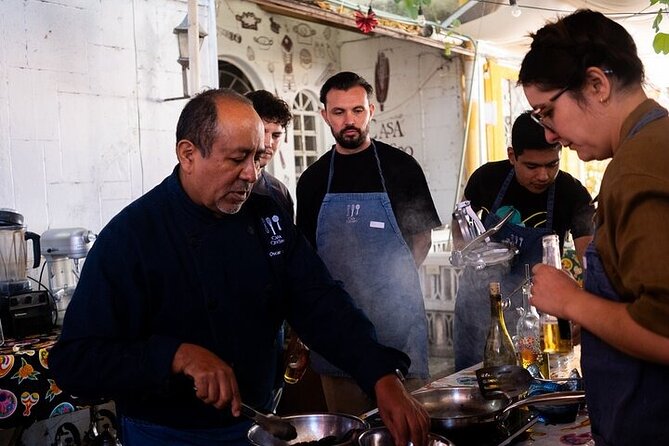
The green mole is built around a pre-Hispanic cooking grind of herbs, tortilla dough, and other ingredients. It comes with vegetables and an omelette made with hoja santa, also called holy herb.
This first dish gives you a taste of the local side of the menu. The use of tortilla dough as part of the sauce is especially important. It shows how corn is not limited to the tortilla on your plate. It can also help shape the body and texture of a mole.
The holy herb omelette adds another Oaxacan touch. Since the dish includes vegetables, it is also a useful choice for anyone who wants to begin with something lighter before the stronger sauces arrive.
You will pair the green mole with its designated tortilla. The supplied menu does not identify the exact tortilla type for this dish, so do not expect a detailed pairing list before class. The broader point is clear: the tortilla is treated as part of the dish, not as a side item added at the last minute.
Yellow mole with dried chilies and pumpkin flower
The yellow mole follows with dried chilies, tortilla dough, and tomatoes. It is another pre-Hispanic-style preparation, but the ingredients give it a different profile from the green version.
This is where the class earns its keep for people who know mole mostly as a dark, sweet sauce. Oaxaca’s mole family is much wider. Yellow mole can bring a more direct chile and tomato character, and the pumpkin flower tortilla adds a distinctly regional touch to the serving.
The menu specifically pairs this dish with a pumpkin flower tortilla. That detail matters because tortillas can carry their own flavor, aroma, and texture. You get a better sense of the dish when you taste the sauce with the tortilla chosen for it, rather than treating the tortilla as a plain scoop.
The green and yellow moles also create a useful comparison. Both connect to older local techniques, yet they are not interchangeable. If you pay attention to the ingredients listed during the lesson, you can see how herbs, dried chilies, tomatoes, and corn create different results without relying on a heavy sauce base.
Almond mole and the meeting of continents
The almond mole marks a change in the story. It is described as a dish of viceregal cuisine, made with almonds and tomatoes and served with a ceremonial tortilla.
Almonds are not native to Mesoamerica. Their presence points to the movement of ingredients after the Spanish arrival, while the preparation remains part of Oaxaca’s own food culture. Asia also enters the picture through the wider colonial exchange of ingredients and cooking habits.
I find this the most useful kind of food history because it appears on the plate. You do not need a long lecture to understand that a mole can be both local and shaped by outside influences. The almond brings a different texture and flavor from the green and yellow sauces, while the ceremonial tortilla gives the dish a more formal presentation.
The word ceremonial also signals that food here is tied to special occasions and community customs. The menu does not provide a full explanation of the tortilla’s form or use, so you should listen closely when Chef Carrizosa introduces it. The class is your chance to connect the dish with the cultural setting behind it.
A few more cooking classes around Oaxaca City worth a look
- Traditional Oaxaqueña Cooking with Grandma’s Recipes
★ 5.0 · 260 reviews - The Real Traditional Oaxaca culinary Cooking experience
★ 5.0 · 251 reviews - Oaxaca: Vegetarian Cooking Class
★ 4.8 · 139 reviews - Oaxaca: Traditional Oaxacan Cooking Class with Market Visit
★ 4.9 · 80 reviews
Party mole with 17 ingredients
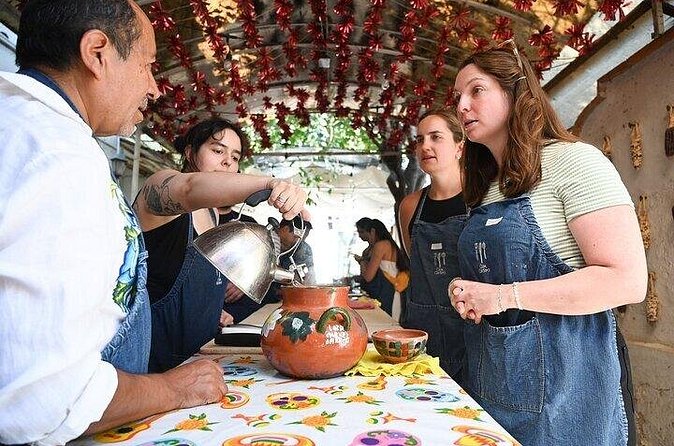
The final savory dish is party mole, made with 17 ingredients and served in an enchilada. This is the fullest and most festive-sounding part of the menu, and the enchilada format makes it different from the earlier servings.
A list of 17 ingredients does not automatically make a dish better, but it does give you a chance to think about balance. Mole works because several flavors can share the same space without one ingredient taking over. During the class, you can focus on how the components build a single sauce rather than trying to identify every ingredient at once.
Serving party mole in an enchilada also changes the eating experience. The tortilla becomes the structure of the dish, while the mole works as its filling or topping. After tasting the earlier tortilla pairings, you will have a better basis for comparing this presentation.
Because the menu includes four moles, the portions are best understood as a tasting meal rather than four large restaurant entrées. The supplied details do not give portion sizes, so arrive ready to sample several preparations instead of expecting one oversized main course.
Chocolate ice cream with a chile finish
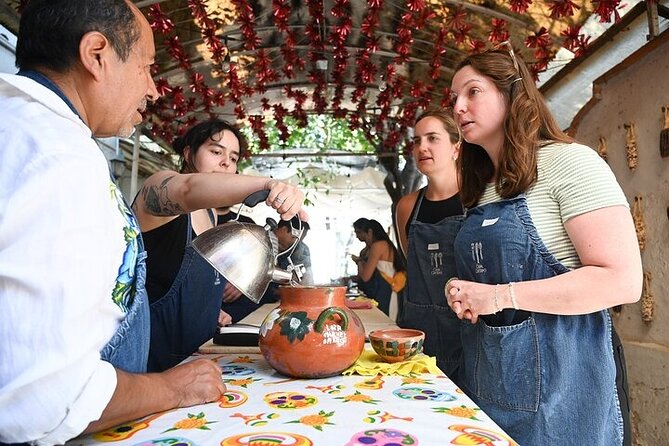
Dessert keeps the meal rooted in Oaxacan ingredients. The ending is artisan chocolate ice cream dusted with guajillo chili powder.
Chocolate has deep ties to Mesoamerican foodways, while the chile powder gives the dessert a savory edge. It is a small but smart finish after four moles. The guajillo should remind you that chili is not used only to create heat. It can also add fruit-like notes, aroma, and contrast.
The menu calls the ice cream Oaxacan artisan chocolate ice cream, but it does not specify how it is made or how strong the chile seasoning will be. You can expect the dessert to close the meal with a local flavor rather than a plain sweet course.
Why the different tortillas matter
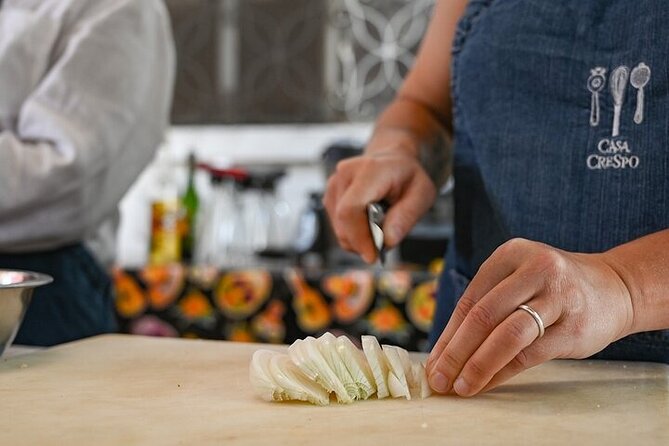
The tortilla pairings are one of the most interesting details of this class. Each of the four savory dishes is matched with a different type of tortilla, including a pumpkin flower tortilla for the yellow mole and a ceremonial tortilla for the almond mole.
That design makes you slow down. A tortilla can be soft, earthy, fragrant, or slightly sweet, and its texture changes how a sauce feels in your mouth. It also shows the importance of corn in Oaxaca’s cooking. Corn is not just a neutral base. It is part of the flavor and identity of the meal.
The menu does not name every tortilla, so you will not be able to study all the pairings in advance. Still, the structure gives the class a useful tasting exercise. Try each mole first by itself, then with its tortilla. You will notice more than you would if everything arrived on one plate.
A short class with a manageable group
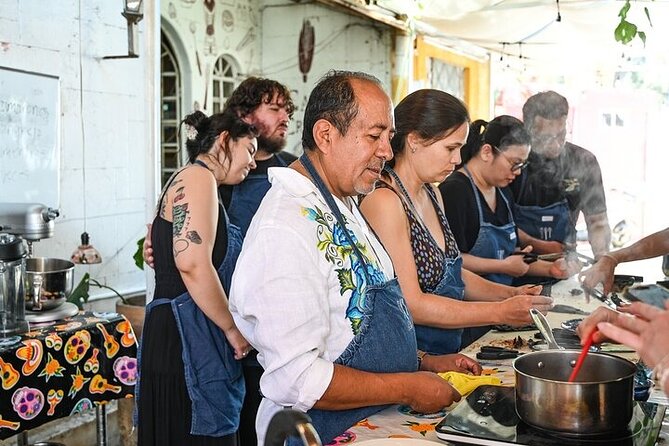
The activity lasts about two hours and 30 minutes. That is a good length if you want a food experience that fits neatly into an afternoon. You can meet at 1:30 p.m., eat and learn through the four preparations, then finish back at Casa Crespo.
A maximum of 12 people keeps the group small enough for a cooking lesson rather than a lecture in a crowded room. The available feedback describes the setting as friendly and clean, with clear directions and cultural information. Those are modest details, but they matter in a class. You want to know where to stand, what you are tasting, and why it matters.
The short schedule is also a possible limit. You should not expect a full-day course with a market visit, several cooking stations, or a large collection of recipes. The focus is narrow: four moles, their background, their tortillas, and the meal itself.
That narrow focus suits you if you want a practical introduction without giving up half a day. It may not suit you if you already cook Oaxacan food and want advanced instruction or extensive time making each sauce from start to finish.
Is the $80 price fair?
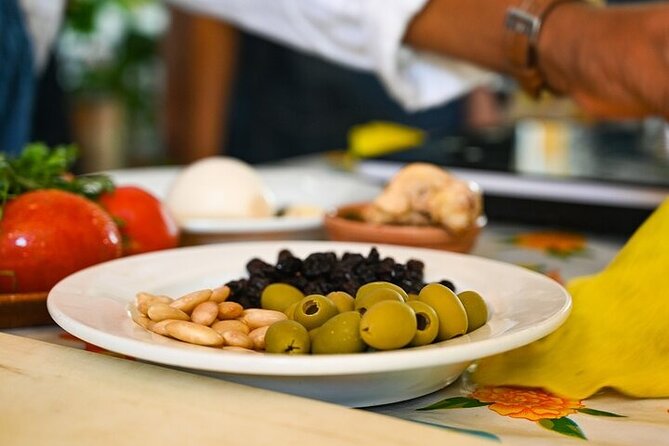
At $80 per person, the cost is not the cheapest way to eat lunch in Oaxaca. You are paying for more than the food, though. The price includes the meal and alcoholic beverages, plus the instruction and cultural explanation from Chef Carrizosa.
The value comes from the comparison. Ordering one mole at a restaurant gives you a single dish. Here, you can taste four styles in one sitting and connect them to pre-Hispanic and viceregal cooking. The tortilla pairings add another layer that would be harder to arrange on your own.
For a visitor who wants an organized food lesson in English, $80 can be reasonable, especially with a group capped at 12. For a budget-minded diner who mainly wants a filling meal, it may feel high. Tips are not included, so plan for that extra cost.
The class is also a better value if you care about food context. If you only want to taste mole and do not care how the dishes developed, you may find a regular restaurant meal more economical.
Practical details before you book
The meeting point is Casa Crespo at Reforma 808, in the Centro area of Oaxaca de Juárez. The class starts and ends there, which keeps the plan simple and removes the need to find a second location after the meal.
The experience is offered in English and comes with a mobile ticket. It is near public transportation, and service animals are allowed. The group maximum is 12 people.
This activity is non-refundable and cannot be changed after booking. If your schedule is uncertain, take that rule seriously before paying. It is also booked, on average, 13 days ahead, so you may want to reserve before arriving in Oaxaca if the afternoon fits your plans.
The menu includes alcoholic beverages, but the details do not say what types or how many are served. If you need to know the exact drinks, ask before booking. The available food information also does not specify substitutions or allergy arrangements, so raise those questions in advance rather than assuming changes will be possible.
Who will enjoy this mole class most
I would choose this class if you want a compact introduction to Oaxacan food with a clear theme. It fits food-focused visitors, curious first-time visitors to Oaxaca, and anyone who wants cultural context without signing up for a full-day cooking program.
It should also work well for people who enjoy tasting menus. Four moles can be a lot to compare, but the changing tortillas help break up the meal. The chocolate ice cream with guajillo powder gives the class a memorable finish without adding another heavy course.
Families and mixed-interest groups may like the short length, though the provided information does not describe a children’s format. People with dietary needs should ask about options before booking. The menu includes vegetables, an omelette, four mole preparations, an enchilada, and ice cream, but it does not promise vegetarian, vegan, gluten-free, or allergy-friendly changes.
Should you book the Casa Crespo mole class?
Book it if you want four carefully chosen Oaxacan mole styles, an English-language class, and a manageable afternoon at a central location. The best feature is the structure: green and yellow moles show older local techniques, almond and party mole show later influences, and each dish comes with a different tortilla.
Skip it if you want a market tour, a long hands-on workshop, or a flexible booking policy. At $80, the class makes sense when you value the food lesson as much as the meal. For a focused taste of Oaxaca’s mole tradition, its small group, clear menu, and two-and-a-half-hour length make it an appealing choice.
FAQ
Where does the Oaxacan mole class meet?
The class meets at Casa Crespo, Reforma 808, Ruta Independencia, Centro, 68000 Oaxaca de Juárez, Oaxaca, Mexico.
What time does the class start?
The start time is 1:30 p.m.
How long does the experience last?
The class lasts approximately two hours and 30 minutes.
Which moles are included?
The menu includes green mole, yellow mole, almond mole, and party mole made with 17 ingredients.
Are drinks included?
Yes. Meals and alcoholic beverages are included in the price. Tips are not included.
Does the activity end at the meeting point?
Yes. The activity ends back at Casa Crespo, where it begins.
Just added around Oaxaca City
- Cooking class with a traditional Oaxacan cook★ 5.0 · 28 reviews
- Que rico es oaxaca, Cooking Classes.★ 5.0 · 14 reviews
- Prepare an Oaxacan Mole by a Traditional Cook★ 4.5 · 101 reviews
- Oaxacan cooking class★ 5.0 · 4 reviews
- Traditional Oaxaca Cooking Class with Local Chef★ 5.0 · 46 reviews
- Cooking classes from the Isthmus with a Tehuana★ 5.0 · 51 reviews
- Flavors and landscapes Boil water Mezcal Textiles and Cooking★ 5.0 · 10 reviews
- Oaxaca: Vegetarian Cooking Class★ 4.8 · 139 reviews
Cooking Classes, compared.
Half-Day Thai Cooking Class at Organic Farm in Chiang Mai
Read our review →
Florence: Pasta Cooking Class with Unlimited Wine
Read our review →
3 in 1 Cooking Class near Navona: Fettuccine, Ravioli & Tiramisu
Read our review →
Hanoi Cooking Class: Culture, Local Market & Meaning CSR Impact
Read our review →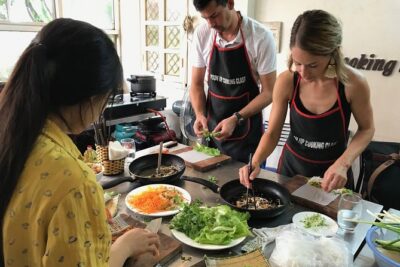
5 Traditional Dishes Hanoi Cooking Class with Market Trip
Read our review →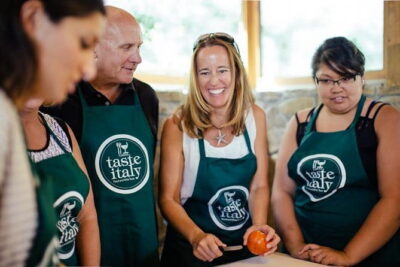
Cooking Class and Lunch at a Tuscan Farmhouse with Local Market Tour from Florence
Read our review →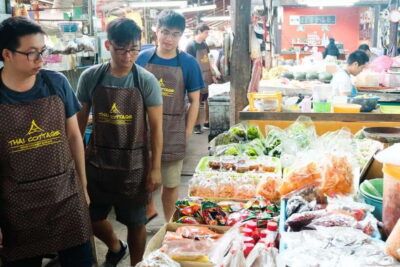
Chiang Mai: Cooking Class, Market & Thai Herbs Garden Tour
Read our review →Browse the lists this tour appears in