
Review · GREECE
Kalamata: Farm-to-Table Experience with Cooking
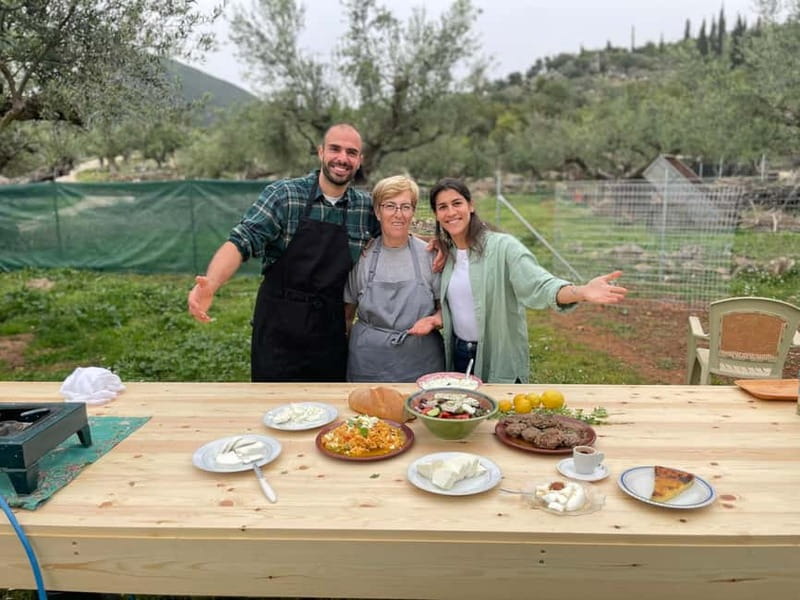
The best part of this farm-to-table day near Kalamata is that you do not simply watch a cooking demonstration. You pick the tomatoes, collect eggs, work with goat milk, and then sit down to eat what you helped prepare. I especially like the hands-on cheesemaking and the chance to meet the farm animals. The open-air meal among the olive trees is another strong point.
The main consideration is access. You need comfortable shoes for uneven ground, and this is not suitable for wheelchair users, people with back problems, or people with animal allergies. Transportation is not included, so you must arrange your own way to the farm.
Key points at a glance
- Make two regional cheeses: Learn to prepare Sfela, a semi-hard brined cheese, and Anthotyro, a soft cheese with a mild, creamy texture.
- Harvest the meal yourself: Pick seasonal tomatoes, peppers, herbs, and other produce, then collect eggs from the farm’s chickens.
- Meet the working animals: Goats provide the milk for the cheese, while chickens, dogs, and other animals form part of daily farm life.
- Cook classic Messinian dishes: Prepare Kagianas, Greek salad, beef patties, tzatziki, and fresh bread served from a wood-fired oven.
- Keep the group small: No more than 10 people can join, with English, Greek, and Spanish available.
- Allow a full day: The schedule is listed as one day, and the experience depends on weather and seasonal farm work.
A working farm, not just a cooking studio
Mama Gaia gives you a look at food before it reaches the plate. You arrive in the countryside of Messinia, where olive trees stretch across the views and the air smells of herbs, earth, and farm animals. The setting does much of the work here, but the hosts keep the focus on practical skills.
Nicole and Porta lead the activities with a friendly, hands-on approach. Their job is not just to explain recipes. They connect each ingredient to the land, the season, and the customs behind the dish. That makes the meal feel less like a standard cooking class and more like a visit to a local family farm.
I like this format because it gives you several kinds of activity in one day. You walk the property, gather food, make cheese, cook, and eat. If you want a quiet sightseeing day, this may feel too active. If you like learning by doing, it offers much more than a meal with a view.
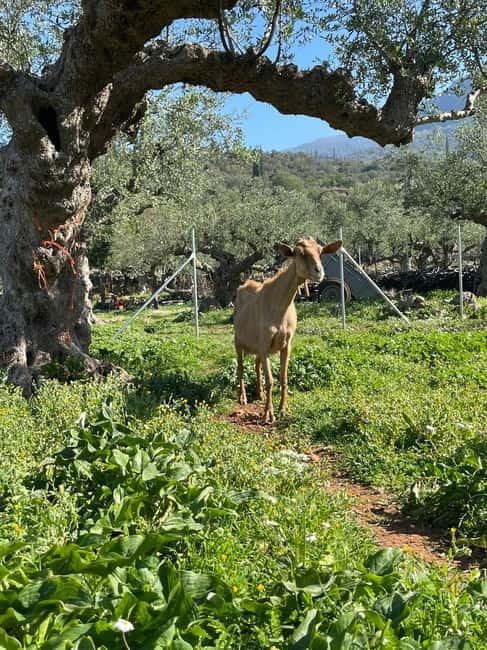
The farm has goats, free-range chickens, and friendly dogs. You can see the animals that supply some of the food and learn how they fit into daily farm life. The goat connection is especially useful because you later work with milk to prepare the cheeses.
More Farm Cooking Classes in Greece
- Naxos Perivoli Farm Experience & Wood-fire Cooking Class
★ 5.0 · 339 reviews - Melanes: Naxos Perivoli Farm & Cooking Class with Wood Fire
★ 5.0 · 177 reviews - Santorini Family Farm Food & Wine Tour with Cooking Class
★ 5.0 · 107 reviews
Gathering tomatoes, herbs, eggs, and seasonal produce
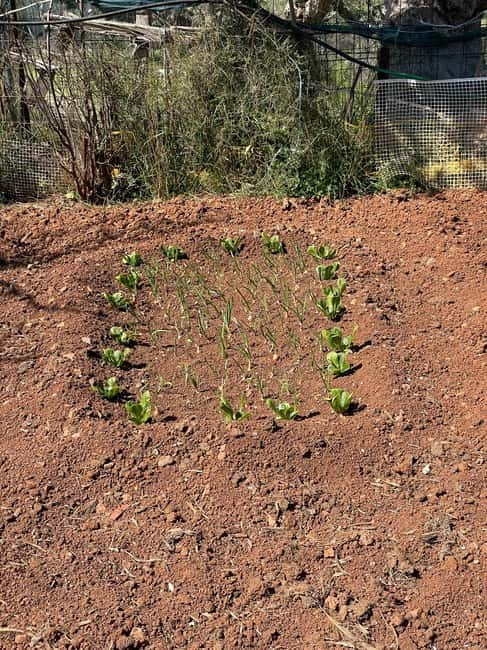
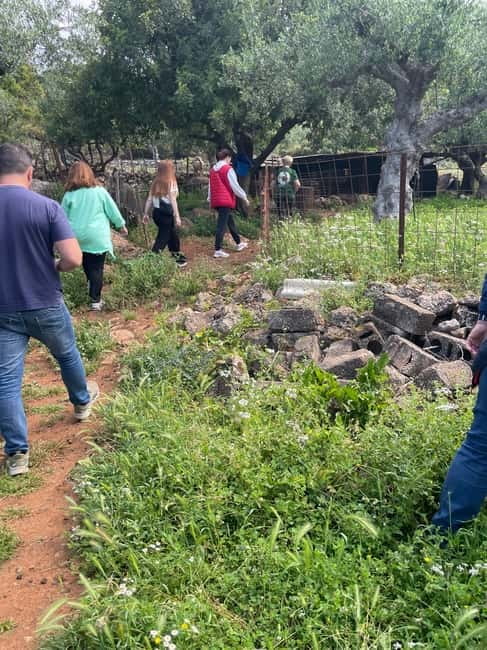
The visit begins with a guided tour of the farm and vegetable garden. You pick tomatoes, peppers, herbs, and other seasonal ingredients for the meal. This is a simple activity, but it changes how you understand Greek cooking. Instead of seeing a salad as a fixed recipe, you see it as a practical mix of what is ready in the garden.
You also collect fresh eggs from the chicken coop. Depending on the season, you may taste and learn about olives, figs, or other products that grow well in Messinia’s Mediterranean climate. The exact harvest can change, so do not expect the same selection at every time of year.
This seasonal approach is one of the strongest reasons to book the activity. You are not being handed a prepared basket of ingredients. You take part in the first step of the meal, and the hosts can explain how produce is used in local kitchens.
Wear clothes and shoes you do not mind using outdoors. The farm includes uneven surfaces, and you will be walking between the garden, animal areas, and cooking space. A hat, sunscreen, and water are sensible additions, especially in warm weather.
Meeting the goats and other farm animals
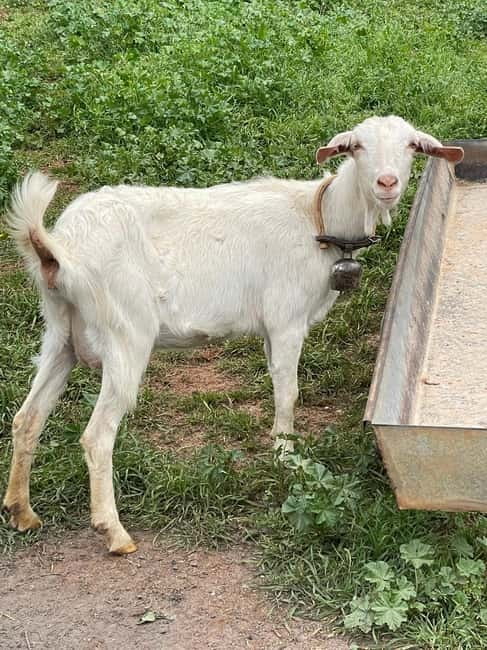
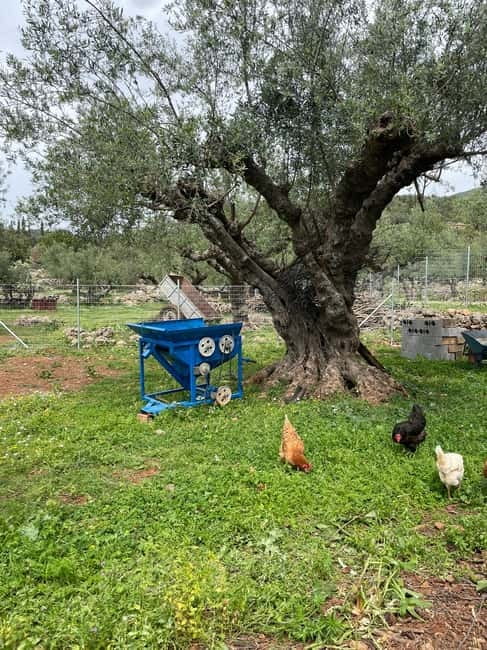
The animals are not a side show. They are part of the farm’s daily rhythm and help explain where some of the food comes from. You meet the goats that provide milk for the homemade cheese, visit the chickens that lay the eggs, and may be accompanied by the farm dogs as you move around the property.
For many people, the goats will be a highlight. The activities can include getting close to the animals and, according to the experience details, may include milking. That gives children and animal lovers an appealing reason to choose this visit, though anyone with an animal allergy should skip it.
The presence of animals also means this is not a polished indoor class. You should expect a real farm setting, with outdoor walking and direct contact with nature. That is part of its charm, but it may not suit anyone looking for a tidy, climate-controlled cooking lesson.
Smoking is not permitted. Inform the hosts about allergies or dietary restrictions before the day so they can advise you about the menu and ingredients.
Learning to make Sfela and Anthotyro
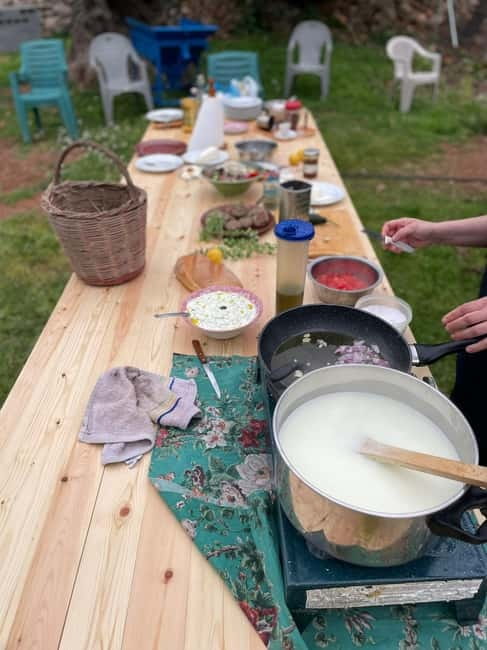
The cheesemaking workshop is the most distinctive part of the program. In the rustic outdoor kitchen, you learn to prepare Sfela, a semi-hard cheese preserved in brine and associated with the region. You also make Anthotyro, a soft and creamy cheese with a delicate flavor.
These two cheeses give you a useful contrast. Sfela is firmer and saltier, while Anthotyro is softer and gentler. The workshop shows how different textures and flavors can come from the same basic farm ingredient through different methods.
You will not simply taste finished cheese. You take part in the process under the guidance of the hosts, with the necessary equipment and ingredients provided. The class is designed for participation, so expect to handle food and follow instructions rather than sit back with a notebook.
I find this kind of lesson more useful than a long lecture about regional cuisine. You learn a technique tied directly to the farm, and the hosts explain how the cheese fits into the local food tradition. Still, the information provided does not promise that you will leave with a packaged portion of cheese to take home, so treat the workshop as a learning and tasting activity.
Same place, a different menu:
- Athens: Classic Cooking Class with Market Visit and Wine
★ 5.0 · 1,101 reviews - Athens: Food Market Visit and Cooking Class with Wine
★ 4.9 · 1,087 reviews - Greek Cuisine Cooking Class in Santorini with Recipes and Wine
★ 5.0 · 969 reviews - Naxos: Half-Day Cooking Class at Basiliko Family Tavern
★ 5.0 · 887 reviews
Cooking Kagianas and other Greek staples
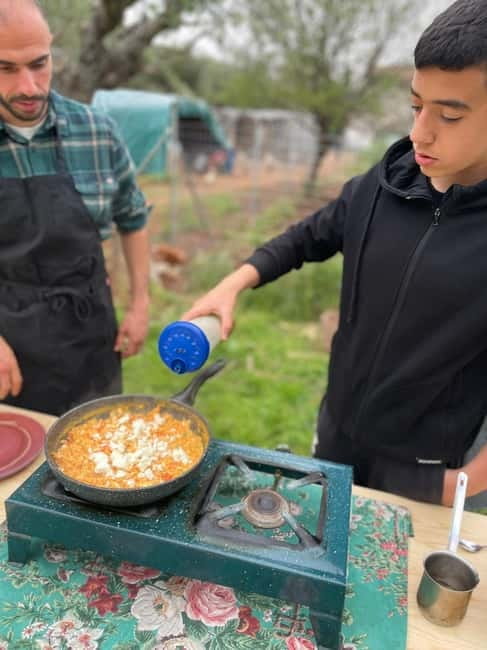
Once you have gathered the ingredients and worked through the cheese lesson, you help prepare the meal. The menu includes Kagianas, a rustic combination of eggs, fresh tomatoes, and local cheese. It is a good example of Greek home cooking: a few direct ingredients, cooked with care.
You also prepare beef patties using free-range beef, fresh garden greens, and homemade tzatziki. The Greek salad combines tomatoes, cucumbers, onions, olives, and feta, with extra virgin olive oil bringing it together.
Fresh bread is another part of the meal. It is made with local flour and baked in a traditional wood-fired oven. That detail matters because bread is not treated as a filler here. It becomes another way to show the connection between local ingredients, older cooking methods, and the final table.
The hosts explain the cultural meaning of each dish and demonstrate techniques that you can use at home. Do not expect a professional-chef course. The value is in learning approachable food that depends on good produce, sound timing, and simple preparation.
If you have dietary restrictions, contact the provider in advance. The menu is built around eggs, dairy, meat, and other specific ingredients, so you should not wait until the cooking begins to ask about alternatives.
Eating beneath Messinia’s olive trees
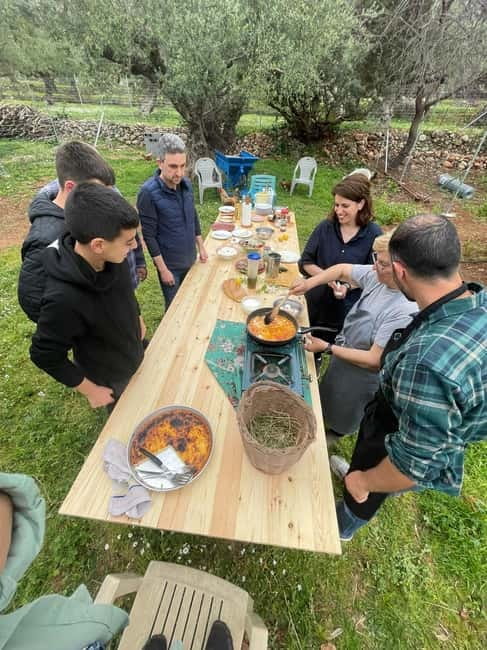
The final meal takes place in the heart of the farm, at a table surrounded by olive trees and natural sounds. This is the payoff for the work you have done earlier. You know where the tomatoes came from, you have handled the cheese, and you have helped prepare the dishes.
I like that the meal is part of the lesson rather than a separate restaurant stop. You can talk with the hosts about the recipes, taste the differences between the two cheeses, and see how the separate activities come together on one table.
The setting is peaceful, but it is still outdoors. Weather can affect the schedule, and the experience may be rescheduled in poor conditions. Bring a hat, sunscreen, comfortable clothes, and water. A camera is also listed as a useful item, and the farm setting gives you plenty to photograph without turning the visit into a formal sightseeing stop.
The open-air meal will suit you if you value atmosphere and local contact. It may be less appealing if you need a tightly timed program or guaranteed indoor seating.
What $141 includes, and what it does not
At $141 per person, this is not a cheap meal. The price makes more sense when you count the full package: a guided farm tour, animal encounters, seasonal harvesting, a cheesemaking workshop, a cooking class, ingredients, equipment, and the finished meal.
You are paying for instruction and access to a working farm, not just lunch. The small group limit of 10 is important here. With fewer people, you have a better chance to take part in the cooking and ask questions directly. It also helps the hosts keep the farm visit personal.
The value depends on what you want from a day in Messinia. If you only want to eat traditional Greek food, a local taverna will cost less and take less time. If you want to understand how the food is made and spend time with local hosts, the price is easier to justify.
Transportation is not included, and personal expenses are extra. Check the meeting details carefully and plan your route to the farm before booking. The experience is listed as lasting one day, but starting times depend on availability, so confirm the schedule that works with the rest of your Kalamata plans.
Free cancellation is available up to 24 hours in advance for a full refund. You can also reserve now and pay later, which helps if your Greek itinerary is still changing.
Who will enjoy Mama Gaia most
I would choose this for anyone who wants an active food experience rather than a passive tasting. It works particularly well for couples, families with an interest in animals, and small groups who like cooking together.
You should also enjoy it if you value local food traditions more than restaurant polish. The farm, outdoor kitchen, uneven paths, and animals are central to the day. You will get the most from it if you ask questions, try each task, and pay attention to how the hosts explain the link between the ingredients and the dishes.
The activity is available in English, Greek, and Spanish. Nicole and Porta are described as warm and welcoming hosts, and the language options make the class more accessible to international visitors.
It is less suitable for people with back problems, wheelchair users, and anyone with animal allergies. The farm setting also may not work for you if you dislike outdoor heat, walking on uneven ground, or a menu based heavily on fresh dairy, eggs, meat, and vegetables.
Practical advice before you book
Bring sturdy, comfortable shoes. You will walk around the farm and work in an outdoor cooking area, so sandals or formal footwear are poor choices.
Pack a hat, sunscreen, water, and a camera. Wear clothing suitable for walking and farm work, and let the provider know about allergies or dietary needs in advance.
Plan your transportation separately because the price does not include transfers to or from the farm. Check the weather forecast as well. Bad weather can lead to a rescheduled visit.
The small group size is a real advantage, but it also means spaces may be limited. If this is a priority during your time in the Peloponnese, reserve once your dates are firm.
Should you book this farm-to-table day?
Book it if you want to work for your meal, learn two regional cheesemaking methods, meet farm animals, and eat traditional dishes in a rural setting. The combination of harvesting, cooking, and conversation gives you a more personal connection to Messinian food than a standard restaurant meal.
Skip it if transportation is difficult, you need step-free access, or you prefer a short indoor cooking class. At $141, it is best value for people who will take part in every stage, from the garden to the table.
For an active day near Kalamata, Mama Gaia offers a clear sense of place. You leave with recipes and techniques, but the stronger memory is likely to be the goats, the wood-fired bread, the homemade cheeses, and the meal prepared from ingredients you gathered yourself.
FAQ
Where does the farm-to-table experience take place?
It takes place at Mama Gaia in the heart of Messinia, in the Peloponnese region of Greece.
How much does the experience cost?
The listed price is $141 per person.
How long does the activity last?
The activity is listed as lasting one day. Starting times depend on availability.
How many people can join the group?
The group is limited to 10 participants.
Which languages are available?
The hosts or greeters can provide the experience in English, Greek, or Spanish.
Is transportation to the farm included?
No. Transportation to and from the farm is not included.
Which cheeses will I learn to make?
You will learn to make Sfela, a semi-hard brined cheese, and Anthotyro, a soft, creamy cheese.
What food will I help prepare?
The menu includes Kagianas, beef patties, garden greens, homemade tzatziki, Greek salad, and bread made with local flour and baked in a wood-fired oven.
What should I bring?
Bring comfortable shoes, a hat, a camera, sunscreen, and water.
Is the experience suitable for everyone?
No. It is not suitable for people with back problems, wheelchair users, or people with animal allergies. The activity can also be affected by bad weather, and you should report dietary restrictions or allergies in advance.
Just added around Greece
- Heraklion: Cretan Cooking Lesson with Lunch in Arolithos★ 4.9 · 54 reviews
- Rethymno: Authentic Cooking Class with a Local★ 4.8 · 23 reviews
- Greek Phyllo and Pie Cooking Class in Athens★ 5.0 · 4 reviews
- Greek Cuisine Cooking Class in Santorini★ 4.2 · 5 reviews
- Greek Cooking Class with Acropolis View★ 4.9 · 51 reviews
- From Mykonos: Mykonian Farm Baking Class with Brunch★ 4.7 · 29 reviews
- Dining In Rethymno: An Evening Of Cretan Cooking★ 4.9 · 12 reviews
- Crete: Cooking classes. Based on Cretan cuisine★ 5.0 · 3 reviews
Farm & Countryside Cooking Classes, compared.
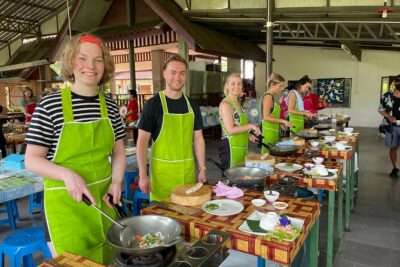
Half-Day Thai Cooking Class at Organic Farm in Chiang Mai
Read our review →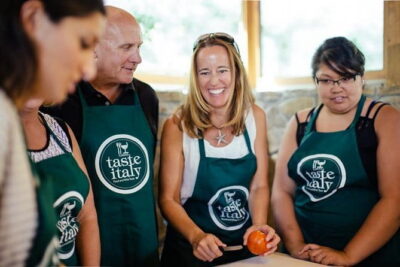
Cooking Class and Lunch at a Tuscan Farmhouse with Local Market Tour from Florence
Read our review →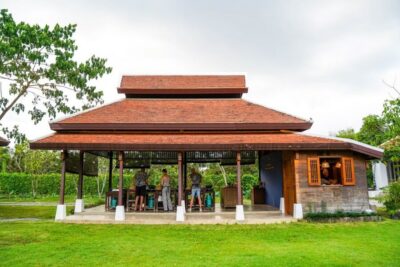
Chiang Mai: Authentic Cooking Class with Market & Farm Visit
Read our review →
Ubud: Balinese Cooking Class at an Organic Farm
Read our review →
Ubud: Authentic Cooking Class in a Local Village
Read our review →
Chiang Mai: Cooking Class with Organic Farm at Mama Noi
Read our review →
Hands-On Cooking Class & Farmhouse Tour on the Amalfi Coast
Read our review →Browse the lists this tour appears in