
Review · OAXACA CITY
Oaxaca: Traditional Oaxacan Cooking Class
Oaxaca’s best cooking lessons often begin away from a cooking school. Here, you start downtown, shop at a local market, then ride to a village home where Hector and Aurora guide you through family recipes in a small kitchen setting. You make the food yourself, from tortilla dough to mole.
I like the market visit, where ingredients become more than items on a recipe list. I also like the maximum group size of six, which gives you room to fold tetelas, shape memelitas, froth chocolate, and work the molcajete instead of standing behind someone else.
The one drawback is the sheer amount of food. This is a five-hour experience with breakfast, snacks, drinks, and lunch, so eat lightly beforehand. It is also a long, food-heavy morning and afternoon, not a quick demonstration.
Key points at a glance
- Shop before you cook: Begin at a local market and learn how Oaxaca’s ingredients shape its recipes.
- Cook family dishes: Prepare tortillas, memelitas, tetelas, empanadas, sauces, and a traditional mole.
- Learn by doing: Hector and the other hosts guide each step while you handle the food yourself.
- Small group, no more than six: You get a real turn at the comal, molcajete, and prep table.
- Village setting: After the market, travel about 20 minutes from downtown to cook in a home setting.
- Five hours for $116: The price includes transport, ingredients, equipment, food, and drinks.
Why this Oaxaca cooking class feels different
Many cooking classes give you a recipe, a workstation, and a finished plate. This one begins with the question of where the ingredients come from and why the dish exists in the first place.
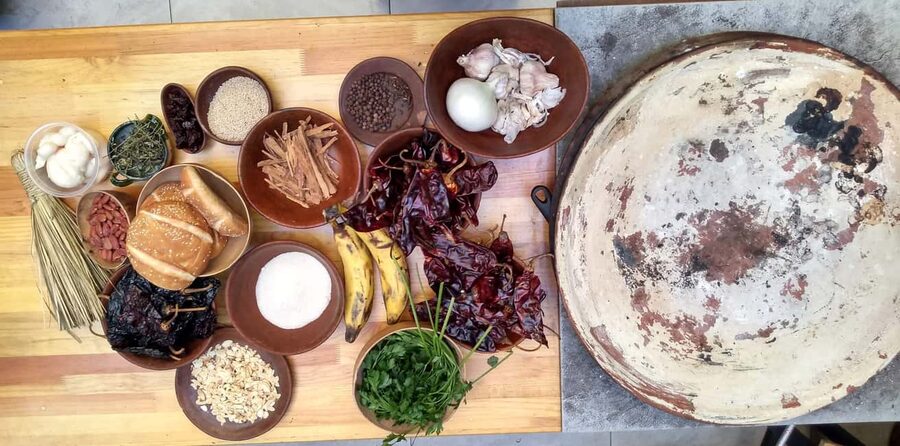
You meet downtown, then travel together to a local market. That first stop matters. It lets you see the produce and pantry items before they are cleaned, chopped, toasted, or ground. You also hear how ingredient availability changes across Mexico and how local products helped shape Oaxacan recipes.
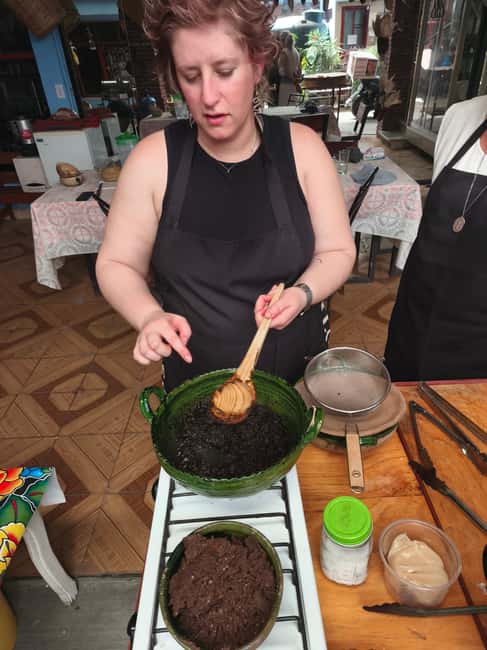
After shopping, you continue to a village about 20 minutes from central Oaxaca. The cooking takes place in a home with a cozy inner patio, giving the day a more personal feel than a formal restaurant kitchen. Hector has worked as a chef and owned a restaurant, and he now teaches gastronomy. His role is not simply to tell you what to do. He explains the names, flavors, techniques, and traditions behind each dish.
Aurora is also part of the warm, welcoming hosting team. One past session included Keri and Aurora, so the exact host lineup may vary. English and Spanish instruction is available, and the class is designed for beginners. You do not need knife skills, restaurant experience, or a reliable tortilla technique.
More Hands-On Workshops in Oaxaca City:
- Flavors of Oaxaca: Cooking Class with No Set Menu and Local Market Tour
★ 4.5 · 333 reviews - Oaxacan Vegetarian Cooking Class
★ 5.0 · 235 reviews - Traditional Cooking Class with Minerva Lopez
★ 5.0 · 197 reviews
The market comes before the recipe
The market visit is one of the strongest reasons to book this experience. You are not just shown a selection of ingredients. You shop together, with the dishes and the day’s cooking in mind.
This gives you useful context. You learn that ingredients are not equally easy to find in every part of Mexico, and that local availability can affect the way a recipe develops. You may see fruits, vegetables, chilies, and other products that are closely tied to Oaxaca. The point is not to race through stalls. It is to understand what makes a regional kitchen regional.
I especially like this setup for anyone who has cooked Mexican food outside Mexico. A recipe may tell you to use a particular chile, herb, or corn product, but it rarely explains what to do when that ingredient is unavailable. Here, the lesson includes substitutions and the reasons behind them.
The market also gives the cooking a sense of purpose. Instead of arriving at a prepared workstation with anonymous bowls of ingredients, you see the connection between the shopping trip and the meal you are about to make.
Chocolate and bread set the morning’s pace
Back at the house, the class starts with chocolate and bread. This is a gentle way into the food culture of Oaxaca, especially if you have not cooked with traditional Mexican ingredients before.
You learn about the preparation and flavor of the chocolate, then get a chance to practice frothing it. That hands-on moment sounds simple, but it gives you an immediate task and lets you take part in a recognizable Oaxacan food tradition.
The bread adds another early taste to the day. Since food and drinks are included, you do not need to plan a separate breakfast stop. In fact, you are asked to keep breakfast light beforehand because there will be plenty to taste.
Making tortillas, memelitas, tetelas, and empanadas
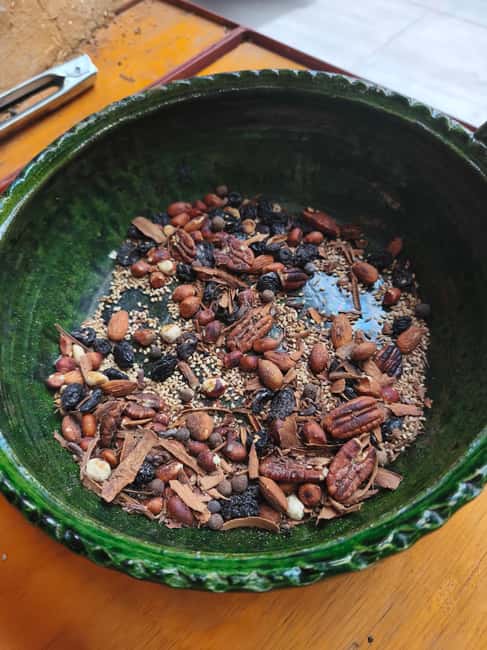
The breakfast portion is a practical lesson in masa. You prepare tortillas, memelitas, tetelas, and empanadas, learning how small changes in shape and technique create different dishes.
You will work with the dough rather than simply watching someone press it. The class includes tortilla work on the comal, along with practice shaping the other masa dishes. One particularly useful part is learning to fold tetelas and pinch memelitas. These are the small movements that are hard to understand from a written recipe but easy to grasp when someone shows you and lets you try.
The cooking is guided but not rushed. Hector explains what you are doing, then lets you handle the next step. That balance matters. A demonstration can be entertaining, but it does not teach you much if you never touch the dough.
The small group size helps here. With no more than six participants, you are less likely to spend the entire class watching someone else work. A group of three has also been possible, giving each person plenty of attention. Group size can vary, but the stated limit is six.
A few more cooking classes around Oaxaca City worth a look
- Traditional Oaxaqueña Cooking with Grandma’s Recipes
★ 5.0 · 260 reviews - The Real Traditional Oaxaca culinary Cooking experience
★ 5.0 · 251 reviews - Oaxaca: Vegetarian Cooking Class
★ 4.8 · 139 reviews - Oaxaca: Traditional Oaxacan Cooking Class with Market Visit
★ 4.9 · 80 reviews
Three sauces made in the molcajete
The breakfast also includes three traditional molcajete sauces. You mash chilies and other ingredients by hand, learning how texture and flavor change as you work them together.
This is not the fastest way to make salsa, but speed is not the point. The molcajete connects the sauce to an older preparation method and lets you feel the difference between a rough, freshly ground mixture and something processed until smooth.
You also learn about flavors and ingredient choices. That is useful if you want to repeat the dishes at home, since you are not just memorizing a list of amounts. You begin to understand what gives a sauce heat, body, freshness, or depth.
If you enjoy food history and kitchen technique, this may be one of the most rewarding parts of the class. If you prefer a quick, polished cooking demonstration, the grinding and shaping may feel slow. The class is built around participation, not convenience.
A meal with stories about Oaxacan cuisine
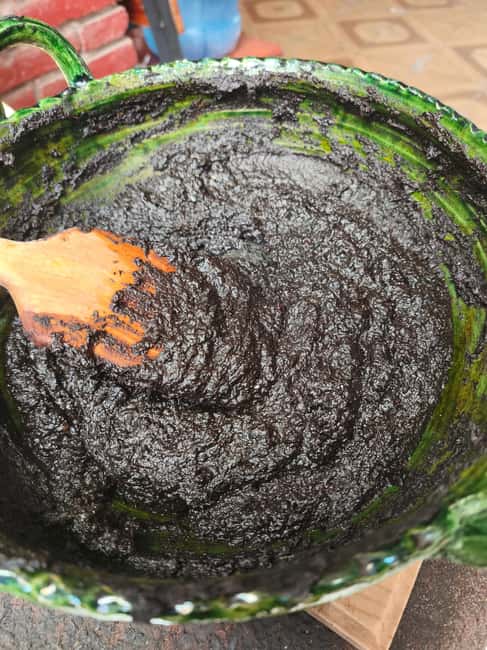
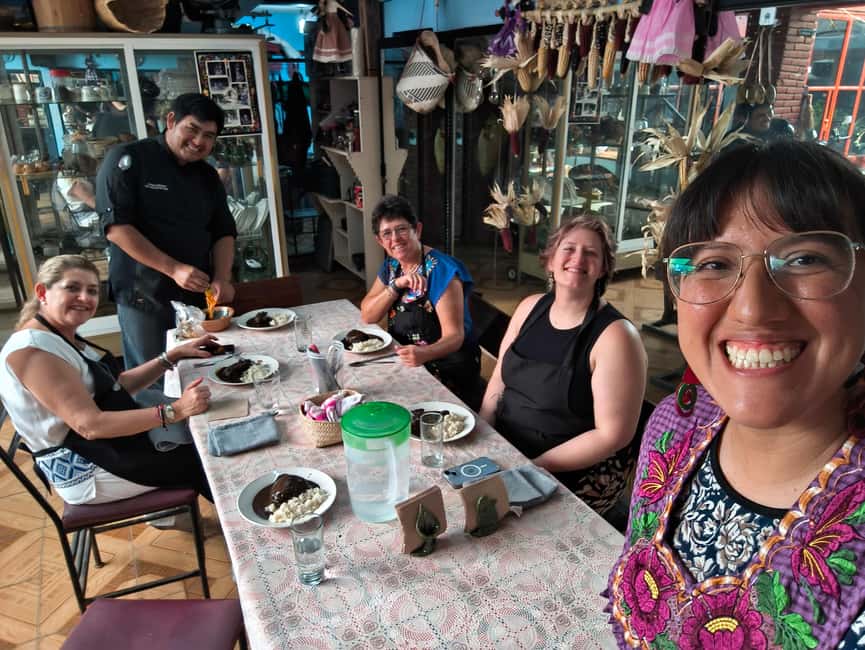
Once the breakfast dishes are ready, you sit down and eat. This is not a tiny tasting plate. The hosts provide enough food to make the meal feel generous, so pace yourself from the start.
The meal also gives the hosts time to talk about Oaxacan culture and the development of its cuisine. These conversations help connect the food on your plate with family cooking, local ingredients, and broader Mexican traditions.
I like that the cultural discussion comes after you have done the work. You have already handled the masa, chilies, chocolate, and sauces, so the explanations have something concrete to attach to. A comment about a traditional dish means more when you have just shaped and cooked it yourself.
The setting matters too. Eating in the home after shopping and cooking together feels more personal than sitting down at a restaurant where the food arrives finished. You are sharing the meal as part of the process.
Lunch focuses on mole and useful substitutions
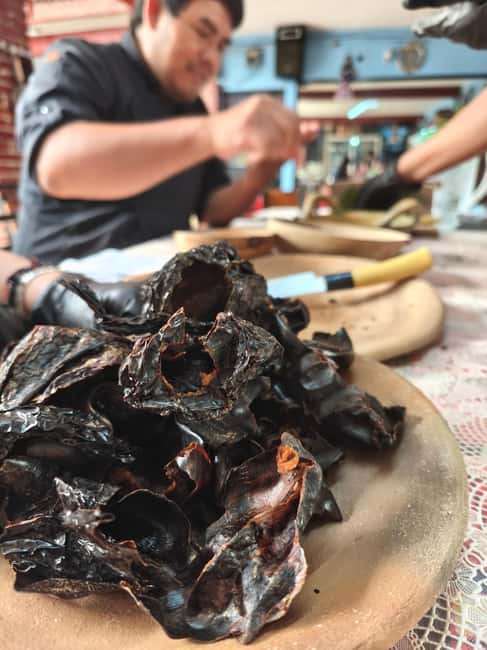
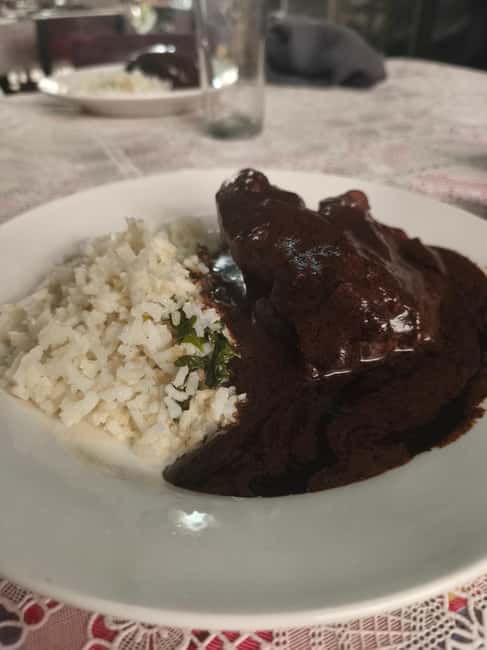
After breakfast, the class turns to lunch. The main dish may be yellow mole, green mole, black mole, or coloradito. You can also ask in advance if you have a particular dish you want to try.
The aim is not to make one sauce and stop there. You learn the differences among the moles, how their names relate to the dishes, and how their flavor profiles vary. You also discuss ingredient substitutions for times when you cannot find everything at home.
Mole is a good subject for this kind of lesson because it can seem mysterious when you encounter it on a restaurant menu. The word covers several very different preparations. Green mole and black mole do not offer the same flavor or appearance, and coloradito has its own character. A guided comparison helps you understand that Oaxacan mole is not one fixed recipe.
The class may focus on one of these moles rather than prepare all four in a single session. The choice can depend on the planned menu or your request. If a specific mole is important to you, tell the hosts beforehand.
What the five-hour schedule means for you
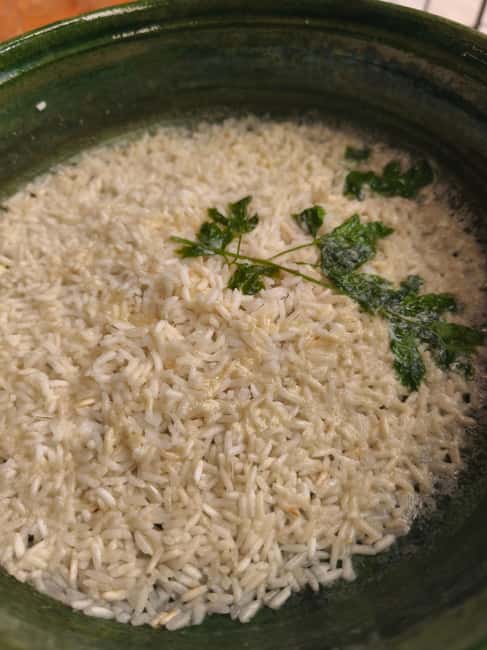
Five hours is a serious block of time, but it matches the amount of food and instruction involved. The day includes downtown pickup or meeting arrangements, the market, transport to the village, cooking, breakfast, cultural conversation, lunch preparation, and eating.
You should plan this as one of the main activities of your day rather than something to squeeze between museum visits. The class starts from a downtown meeting point and includes transportation to the market, the house, and back to downtown. That makes the logistics easier, especially if you do not want to arrange transport to a village on your own.
The pace is described as relaxed while still covering a lot. You will not simply sit through a long lecture, but you also will not be hurried through every dish. Wear something comfortable for kitchen work and arrive ready to eat over a long period.
The class is wheelchair accessible, which is useful practical information when comparing cooking activities. Starting times vary, so check availability for your preferred day.
Is $116 a fair price?
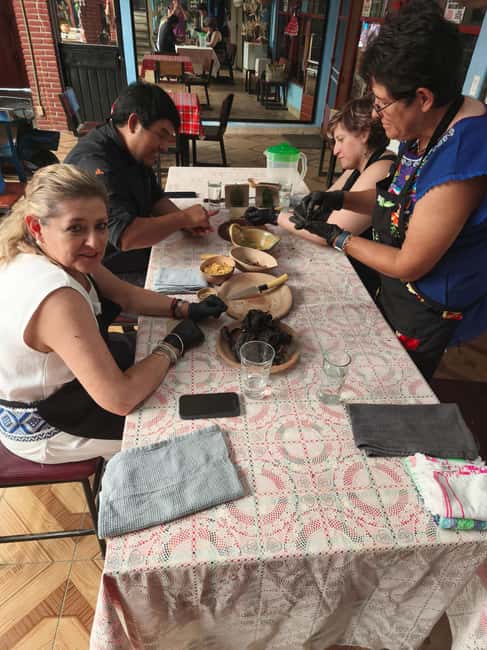
At $116 per person, this is not the cheapest way to eat in Oaxaca. You can have a good local meal for far less. The value here comes from the full five-hour format and the amount of individual instruction.
Your price includes transportation from downtown to the market, the house, and back again. It also covers fresh, high-quality ingredients, kitchen equipment, food, and drinks. You are paying for several meals, a market visit, hands-on teaching, and access to a host who can explain Oaxacan cooking in English or Spanish.
The price makes the most sense if you care about learning rather than just eating. You receive more value if you plan to recreate the dishes at home, ask questions, and take part in every stage. It is less compelling if you mainly want a short food tour or a single finished meal.
The group limit improves the value. In a large class, a lower price can still leave you watching from the edge. Here, the maximum of six means more time with the comal, masa, and molcajete.
Who should book this experience
I would recommend this class to you if you want a personal introduction to Oaxacan food and enjoy learning through your hands. It suits couples, solo visitors, and small groups who are happy to share a long meal and work at a relaxed pace.
It is also a good choice for people who are curious about the difference between Mexican food as commonly served abroad and regional cooking in Oaxaca. The market, family recipes, and mole lesson give you more context than a standard recipe workshop.
You do not need cooking skills. The hosts guide you through each step and explain what to do as you go. You only need a willingness to participate, taste, and ask questions.
Tell the hosts about allergies or dietary restrictions before the class. They can adjust ingredients, and they may be able to prepare a specific dish if you request it ahead of time.
I would hesitate to book it if you dislike group cooking, have little interest in masa or mole, or want to keep your day open for other sights. Five hours is a substantial commitment, and there is no shortage of food.
Should you book Raices oaxaqueñas?
Yes, if you want to understand Oaxacan food by shopping, shaping, grinding, cooking, and eating it. The strongest reasons are the local market, the small group, the family recipes, and the chance to compare different mole traditions.
Book it early in your Oaxaca stay if possible. You may leave with dishes you want to seek out again, ingredients you want to buy, and a better sense of what to order elsewhere. Choose this class for participation and conversation, not for a quick cooking show.
FAQ
How long does the Oaxacan cooking class last?
The experience lasts five hours. It includes the market visit, transportation to the village, cooking, meals, cultural conversation, and the return trip to downtown Oaxaca.
Where does the experience begin?
You meet at a downtown Oaxaca location. When you enter, ask at the reception desk for the cooking class.
Is transportation included?
Yes. Transportation is provided from downtown Oaxaca to the market, from the market to the house, and back to downtown.
How many people can join the class?
The class is limited to six participants. Smaller groups are possible.
Which languages are available?
The class is offered in English and Spanish. Some content may be presented in its original language.
What food will I prepare?
You may prepare chocolate, bread, tortillas, memelitas, tetelas, empanadas, three traditional molcajete sauces, and one traditional mole such as yellow mole, green mole, black mole, or coloradito.
Can the hosts accommodate dietary restrictions or a specific dish?
Yes. Tell the hosts about allergies or dietary restrictions in advance so they can adjust the ingredients. If you want to prepare a particular dish, ask ahead of time and they will try to accommodate the request.
Just added around Oaxaca City
- Oaxaca: Vegetarian Cooking Class★ 4.8 · 139 reviews
- Oaxaca: Cooking Class with No Set Menu &Local Market Tour★ 5.0 · 7 reviews
- Oaxaca: Traditional Oaxacan Food Cooking Class★ 5.0 · 10 reviews
- Oaxaca: Oaxacan Mole Workshop with a Traditional Cook★ 4.7 · 158 reviews
- Oaxaca: Traditional Oaxacan Cooking Class with Market Visit★ 4.9 · 80 reviews
- Oaxaca: 10 Mexican Salsas Cooking Class with Taco Tasting★ 4.8 · 11 reviews
- Oaxaca de Juarez: Traditional Oaxacan Cooking Class★ 5.0 · 31 reviews
- Traditional Cooking Class with Minerva Lopez★ 5.0 · 197 reviews
Cooking Classes, compared.
Half-Day Thai Cooking Class at Organic Farm in Chiang Mai
Read our review →
Florence: Pasta Cooking Class with Unlimited Wine
Read our review →
3 in 1 Cooking Class near Navona: Fettuccine, Ravioli & Tiramisu
Read our review →
Hanoi Cooking Class: Culture, Local Market & Meaning CSR Impact
Read our review →
5 Traditional Dishes Hanoi Cooking Class with Market Trip
Read our review →
Cooking Class and Lunch at a Tuscan Farmhouse with Local Market Tour from Florence
Read our review →
Chiang Mai: Cooking Class, Market & Thai Herbs Garden Tour
Read our review →Browse the lists this tour appears in