
Review · PORTO
Porto: Pastel de Nata Pastry-Making Workshop
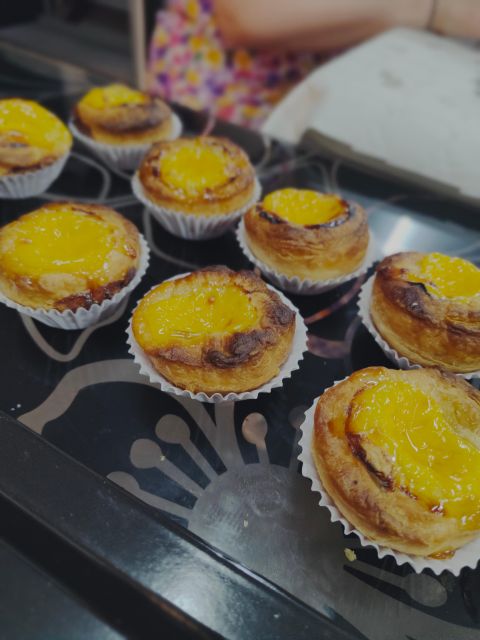
The best part of this Porto activity is the moment the hot pastéis de nata come from the oven. You eat one fresh, with its crisp pastry and warm custard, then pack at least two more for later. It is a simple lesson, but it connects you with one of Portugal’s most beloved foods.
I like the relaxed social setting and the chance to sip Port, wine, or a mimosa while you work. I also like the practical recipe and the local food advice from hosts such as Maria, Sara, Patricia, and Alice. The main consideration is important: the pastry dough is prepared before class, so you roll and shape it rather than make it from the beginning.
Key points at a glance
- A central Porto location: Boiler Studio is at Rua Chã 77, on a typical street directly in front of the Cathedral.
- A small-group format: The workshop is designed for a maximum of nine people, with larger groups asked to arrange details in advance.
- A social cooking lesson: You make pastries alongside people from different countries while enjoying a complimentary drink.
- A useful recipe to take home: You receive the recipe and tips for recreating the tarts in your own kitchen.
- At least two pastries to keep: You eat the finished pastries at the studio and take two or more in a cardboard box.
- A prepared dough base: You take part in rolling and shaping the pastry, but the dough itself needs three hours and is made ahead.
Starting beside Porto Cathedral
Boiler Studio sits at Rua Chã 77, right in front of Porto Cathedral. That makes this an easy activity to fit into a day of sightseeing around the Cathedral, São Bento Station, the Dom Luís I Bridge, or the Time Out Market.
The address matters because central Porto is hilly and full of confusing lanes. You will not be heading out to an industrial area or a distant cooking school. You can pair the workshop with a visit to the Cathedral and São Bento Station before class, then walk toward the river afterward.
The studio is described as bright, clean, and attractively laid out. It also has a small area with gifts for sale. The room is set up for a hands-on lesson, though the format is not a private kitchen session where every person completes every task independently.
That distinction is worth understanding before you book. The host shares the different stages among the people present. In a group of six or fewer, you should have a good chance to take part several times. In a group approaching nine, participation is more shared across the table. If you want to control every step yourself, ask about a private workshop.
More Dessert Classes in Portugal:
- 3 in 1 Cooking Class near Navona: Fettuccine, Ravioli & Tiramisu
★ 5.0 · 7,376 reviews - Florence: Pasta & Tiramisu Cooking Class with Unlimited Wine
★ 4.9 · 6,708 reviews - Rome: Pasta Making Class with Wine, Limoncello, and Dessert
★ 4.9 · 3,177 reviews
The first steps: pastry, custard, and context
The class lasts about 90 minutes. An English-speaking instructor explains the process in clear stages, using a printed recipe that you can annotate. Hosts named in the sessions include Maria, Sara, Patricia, Alice, Anna, Sarah, and Elise, so the exact instructor may vary.
You begin with the prepared dough. The dough cannot be made during the workshop because it needs about three hours to rest and develop properly. That means you roll it out and shape it, but you do not see the entire dough-making process from flour to finished pastry.
For some people, this will be a small disappointment. The activity is advertised as a pastry-making workshop, and anyone expecting a full from-scratch lesson should know that the dough is the one exception. Still, the time is used for the parts that matter most in home baking: getting the pastry into the molds, preparing the custard, and learning how to avoid common mistakes.
The custard is made with eggs and other ingredients under the host’s direction. The instructor talks through the stages and shares practical advice beyond the printed recipe. You can ask questions as you go, which is especially useful if you hope to try the recipe back home.
A shared table with Port and conversation
While the pastries bake, the workshop becomes more social. Your included drink may be Port wine, regular wine, or a mimosa. Some sessions have included a second alcoholic drink, but the stated inclusion is one glass, so treat any extra serving as a pleasant possibility rather than something guaranteed.
The drink gives the class a relaxed Porto character. Port is not just a random beverage here. It ties the lesson to the region and makes the baking pause feel more like a local food experience than a technical cooking demonstration.
The group size helps. Six people is especially comfortable, with enough room for questions and conversation without making the class feel crowded. At nine, the format is still manageable, but you may spend more time watching than handling ingredients.
I would recommend this setting to solo visitors who want an easy way to meet people. The host keeps the conversation moving and includes people who arrive alone. It also works well for couples, friends, and families with children over 10. Children under 10 are not permitted.
The hosts are part of the experience
The quality of the lesson depends heavily on the host. Here, the repeated pattern is a warm, humorous teaching style that keeps the room involved. Maria is frequently described as lively and interactive, while Sara is praised for explaining each stage clearly and creating an easygoing atmosphere. Patricia is noted for her humor, patience, and ability to include everyone.
That does not mean every class will have the same personality. You may get Maria, Sara, Patricia, Alice, Anna, Sarah, Elise, or another member of the team. The common thread is an English-language lesson with plenty of conversation, jokes, and chances to ask questions.
The local advice is another useful touch. During the session, the host can suggest food places and things to see in Porto. This is most valuable if you take notes. A short baking class cannot provide a full city guide, but a local recommendation for your next meal can help you move beyond the most obvious tourist stops.
The instructors also explain something of the pastry’s background and the process behind it. If you already bake, the technical information may feel introductory. If you rarely make custard pastries, the step-by-step pace should be reassuring.
More Hands-On Workshops in Portugal:
- Lisbon: Pastel de Nata Baking Class
★ 4.9 · 2,106 reviews - Porto: Pastel de Nata Cooking Class with Grandma’s Recipe
★ 5.0 · 1,565 reviews - Porto: Pastel de Nata Cooking Class with Port Wine – Sé
★ 4.8 · 888 reviews - Lisbon: Traditional Portuguese Cooking Class
★ 4.9 · 592 reviews
Baking and the reward at the oven
Once the pastry and custard are ready, the tarts go into the oven. The best part is the wait, when the room smells like butter and baked sugar and everyone watches for the finished result.
You then eat at least one pastel de nata at the studio. Fresh from the oven, it is different from a tart that has been sitting in a bakery display case. The pastry is crisp, the custard is warm, and the contrast is the point of the tasting.
You also receive two or more pastries to take with you in a cardboard box. Several sessions have produced three tarts per person, with one eaten at the studio and two taken away. The exact quantity should be confirmed at booking, since the stated inclusion promises two or more rather than a fixed number.
The takeaway portion adds real value. You can eat one later during your walk through Porto, share them with someone at your accommodation, or use them as a small edible souvenir. Just keep the box level as you navigate the city’s slopes.
What you can really learn for home baking
The recipe is provided, and the instructors add the small tips that printed instructions often leave out. You can ask about shaping, custard, baking, and the tools needed at home.
The class will not turn you into a professional pastry cook in 90 minutes. It does give you a workable method and a clear idea of the stages. People who try the recipe later should remember the dough schedule: the workshop uses prepared dough because it needs three hours to be ready.
One useful lesson is that equipment can affect the result. If you plan to make a large batch at home, one set of baking molds may not be enough to finish everything in a reasonable time. That is the sort of practical point that makes the class more useful than simply eating a tart and copying a recipe from a card.
You should also expect a group demonstration rather than a fully individual production line. The host brings different participants forward for particular stages. You still handle the pastry and contribute to the recipe, but not every person performs every task from start to finish.
Is $41 a fair price?
At $41 per person, this is not the cheapest way to eat pastel de nata in Porto. You can buy a tart for a small amount at a bakery. The price here pays for the instruction, the studio setting, the drink, the recipe, the social experience, and at least two pastries to take away.
For someone who only wants a snack, the workshop is poor value. For someone who wants a short activity with food, conversation, and something useful to take home, the price is easier to justify.
The 90-minute length is also practical. It is long enough to feel like a real activity, but short enough to fit between major sightseeing stops. A rainy afternoon is a particularly good time to book, since the studio gives you a warm indoor plan without taking up half the day.
The value improves if you use the recipe later. You are not simply paying for a plate of pastries. You are paying for a local food lesson, a drink, a few fresh tarts, and the chance to recreate part of your Porto trip at home.
Who should book this workshop?
I would choose this for food lovers who want more than a tasting. You will get the most from it if you enjoy learning by doing, asking questions, and chatting with people at the same table.
It is also a strong choice for a solo visitor. The hosts make an effort to include everyone, and the small group gives you a natural way to meet people without the awkwardness of a formal group tour.
Couples and friend groups should enjoy it too, especially on a rainy day or during a longer stay in Porto. Families can book for children over 10, but parents should know that the social pace and shared tasks may suit older children better than very young ones.
I would hesitate if you want a strict professional baking course or insist on making dough from scratch. The prepared dough is the chief limitation. Ask about a private format if you want to participate in every stage or are arranging a group larger than eight people.
Practical planning for your Porto day
Wear something comfortable and avoid arriving with an overpacked schedule immediately afterward. You will leave with a pastry box, and the activity is more enjoyable when you have time to linger over the final tasting.
The central address makes this easy to combine with São Bento Station, Porto Cathedral, the Dom Luís I Bridge, and the Time Out Market. Plan the route carefully, since Porto’s streets around the Cathedral are steep and uneven.
The activity is offered in English. Cancellation is free up to 24 hours before the start time, and you can reserve now while paying later. Check the available start times before building the rest of your day around it.
The age rule is firm: children under 10 are not suitable for this activity. For groups over eight, contact the provider for arrangements. The standard format is built around a maximum of nine people.
Should you book the pastel de nata class?
Book it if you want a friendly, food-centered break with a local host, a glass of Port or another drink, and a recipe you can try at home. The best features are the central location, the welcoming instructors, the small-group conversation, and the pleasure of eating a warm tart you helped prepare.
Skip it if your main goal is a full pastry course from scratch. The dough is made ahead, and the group shares the work. For most visitors, that is a reasonable trade for a relaxed 90-minute activity and a box of handmade pastéis de nata to carry into the streets of Porto.
FAQ
Where does the pastel de nata workshop take place?
It takes place at Boiler Studio, Rua Chã 77, on a typical street directly in front of Porto Cathedral in central Porto.
How long does the workshop last?
The workshop lasts approximately 1.5 hours, or 90 minutes.
What language is the class taught in?
The instructor teaches in English.
What drink is included?
You receive one glass of Port wine, regular wine, or a mimosa.
How many pastries can I take home?
You can take at least two pastel de nata with you in a cardboard pastry box. Some sessions produce three pastries per person, but the stated inclusion is two or more.
Do I make the pastry dough from scratch?
No. The dough is prepared before class because it needs about three hours to be ready. You roll and shape the prepared dough and make the egg custard during the workshop.
Do I receive the recipe?
Yes. The recipe is provided, and the host shares additional tips for making the pastries at home.
Can children join the workshop?
Children over 10 are welcome. Children under 10 are not suitable for the activity.
How many people are in each workshop?
The workshop is designed for a maximum of nine people. Groups over eight should ask for more information.
Can I cancel my booking?
Yes. You can cancel up to 24 hours in advance for a full refund. You can also reserve now and pay later.
Just added around Portugal
- Lisbon Cooking Class with Market Experience★ 5.0 · 13 reviews
- Market Tour, Cooking Class And Lunch At Mercado de Arroios★ 5.0 · 23 reviews
- Lisbon Market and Food Tour with Cooking Class and Lunch★ 5.0 · 117 reviews
- Private Lisbon Market Tour & Portuguese Cooking Class with Paula★ 5.0 · 89 reviews
- Portuguese Cooking Class in Porto with Portuguese Wine★ 5.0 · 110 reviews
- Porto Hands On Cooking Class-3 course-wine included-trained chef★ 5.0 · 34 reviews
- Porto Local Market Visit & Cooking Class / Showcooking★ 5.0 · 206 reviews
- Pasteis de Nata Baking Class from Lisbon★ 5.0 · 248 reviews
Tiramisu & Dessert Classes, compared.
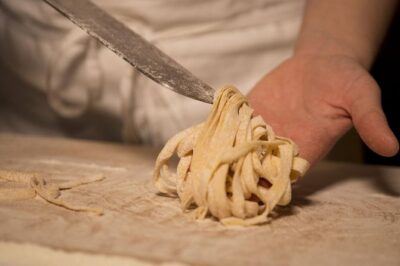
3 in 1 Cooking Class near Navona: Fettuccine, Ravioli & Tiramisu
Read our review →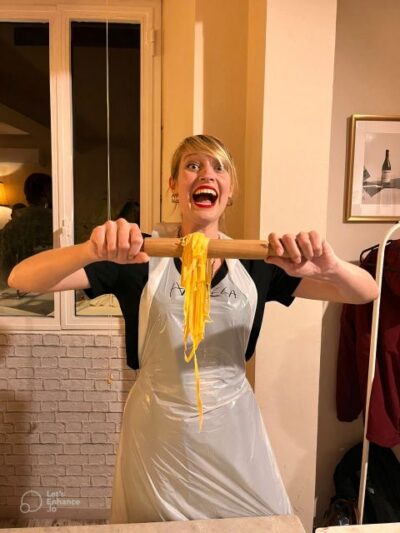
Rome: Pasta Making Class with Wine, Limoncello, and Dessert
Read our review →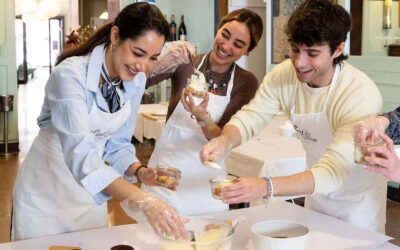
Rome: 3-in-1 Fettuccine, Ravioli, and Tiramisu Cooking Class
Read our review →
Florence: Cooking Class Pasta & Tiramisu Making Unlimited Wine
Read our review →
Fettuccine & Tiramisù: Cooking Class with Wine & Limoncello
Read our review →
Florence Cooking Class The Art of Making Gelato & Authentic Pizza
Read our review →
Rome: Pasta & Tiramisu Cooking Class near the Spanish Steps
Read our review →
Cooking Class in the Heart of Rome: Pizza and Tiramisu Making
Read our review →Browse the lists this tour appears in