
Review · PORTO
Porto: Cooking Class with Local Market Visit
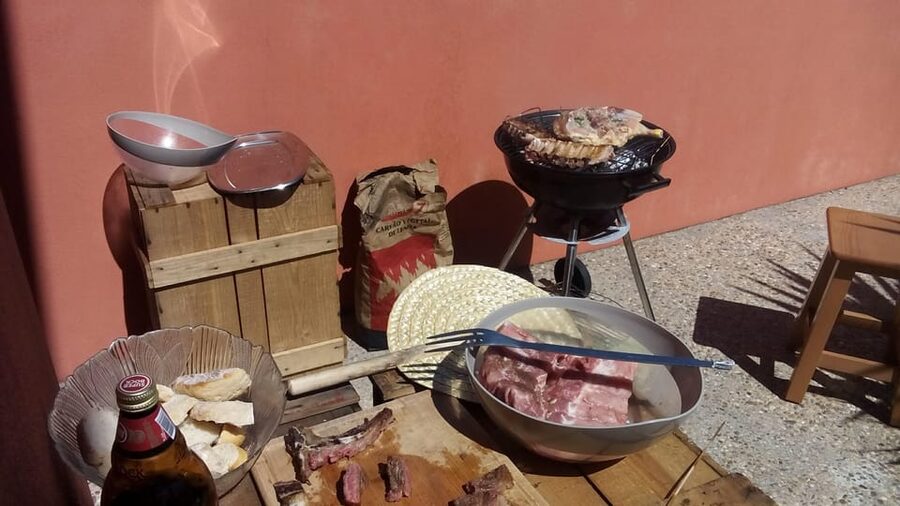
The best part of this Porto cooking class begins before the stove heats up. You meet Nuno at his home, then shop with him at small local food shops, a bakery, butcher, or possibly his organic garden. The market visit feels useful, not decorative, since you are choosing the ingredients you will actually cook.
I like the hands-on format and the way one meal opens a door into Portuguese culture. I also like the small group size, capped at eight, which gives you room to ask questions. The main consideration is practical: you need to reach the meeting point yourself, and the experience is not suitable for wheelchair users.
Key points to know before booking
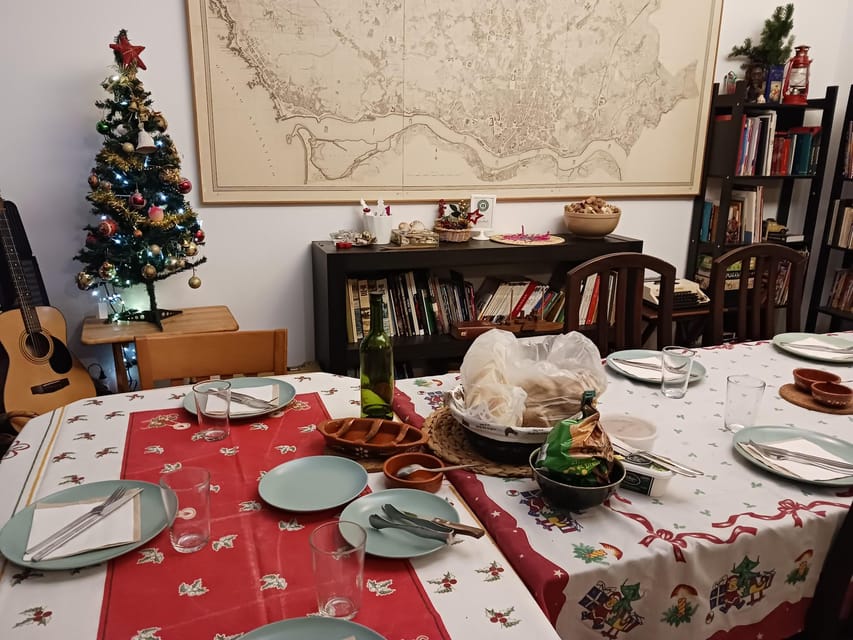
- Shop before you cook: Visit local food shops, a bakery, butcher, or organic garden with Nuno before preparing the meal.
- Everything starts from scratch: There are no frozen or pre-prepared ingredients.
- A full Portuguese menu: You may prepare several courses, with dishes such as fish, appetizers, and pastel de nata depending on the day.
- Food comes with context: Nuno explains Portuguese cooking traditions, trade links, regional influences, wine, olive oil, and local products.
- Small and personal: The group is limited to eight people, and instruction is offered in Portuguese or English.
- Plan for a long meal: The class lasts three and a half hours and ends with the food you made, paired with local wine.
Meeting Nuno and starting with the market
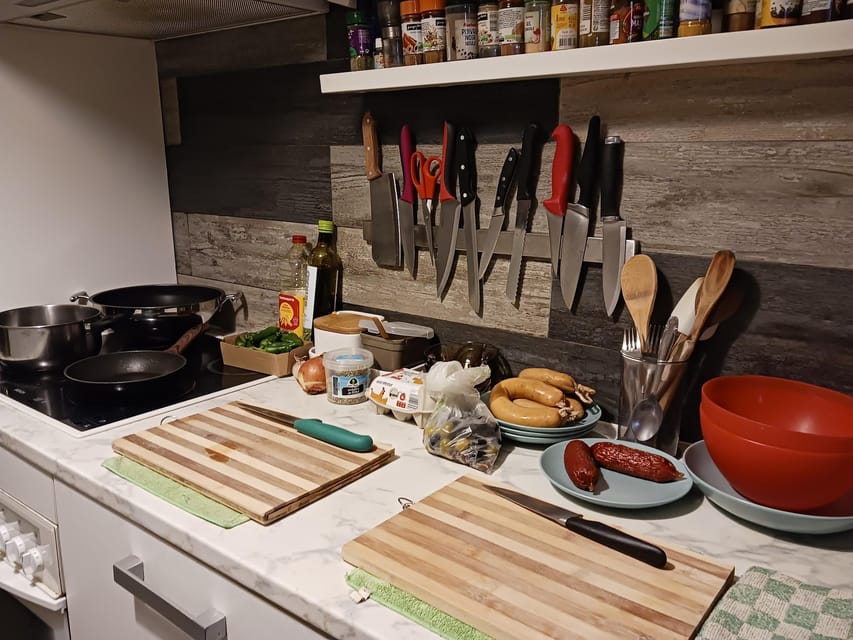
This is not a class where you arrive to find every onion already chopped. You meet Nuno at his home and then head out together to gather the ingredients. The exact stop can vary. It may be a local grocery shop, bakery, street butcher, or Nuno’s organic garden.
That first outing is one of the strongest parts of the experience. You get to see how a Portuguese meal begins, with attention paid to freshness and local buying habits. Instead of learning only a recipe, you learn what to look for when choosing the food.
The shopping also gives the class a sense of place. Small neighborhood shops tell you more about ordinary food life than a polished restaurant dining room can. You may look at fish, sardines, olive oil, bread, or other ingredients before deciding what goes into the meal.
Nuno also uses this time to discuss Portugal’s past and food traditions. He has a particular interest in architecture and Portuguese tiles, so the conversation can extend beyond the shopping list. That makes the walk and market visit useful even if you are already a confident cook.
You should allow for some walking and standing before the cooking begins. Transportation to and from the meeting point is not included, so check the meeting instructions carefully and arrive with enough time to find the location.
More Market Tour Cooking Classes in Portugal
- Porto Local Market Visit & Cooking Class / Showcooking
★ 5.0 · 206 reviews - Lisbon Market and Food Tour with Cooking Class and Lunch
★ 5.0 · 117 reviews - Private Lisbon Market Tour & Portuguese Cooking Class with Paula
★ 5.0 · 89 reviews
A menu made from fresh ingredients
Back at Nuno’s home, you prepare a complete meal rather than one isolated dish. The exact menu can vary, but the class has included appetizers, a fish main course, and pastel de nata for dessert. One recent menu featured a fish entrée and a lesson in making the famous Portuguese custard tart.
The appeal here is the practical approach. You do not simply watch a chef work while taking a few notes. You take part in preparing the food and learn cooking tips that you can use later at home. If you want a class that ends with recipes you can reasonably repeat, this format makes sense.
The food also carries a story. Portuguese cooking reflects contact with Asia, Africa, and South America during the period of maritime exploration. The class may touch on those influences, as well as dishes connected to different communities, including the Jewish-influenced alheira sausage.
That background helps explain why Portuguese food can feel both familiar and surprising. Simple ingredients may sit beside techniques or flavors shaped by centuries of contact with other parts of the world. Nuno explains those links while you cook, so the cultural information stays connected to what is on the table.
Everything is made from scratch. There are no frozen products and no pre-prepared ingredients. That is good news if you want to understand the full process, but it also means this is not a rushed, shortcut-heavy lesson. You are paying for time, participation, and instruction, not just a meal.
Learning through wine, olive oil, and local products
The cooking is only part of what happens around the kitchen table. The experience can include tastings of Portuguese wine, port, and olive oil, along with explanations of how they fit into the meal.
The olive oil lesson is especially useful because it changes the way you approach a basic pantry item. You get to taste it rather than treat it as background cooking fat. The same goes for Portuguese wine and port, which are presented as companions to the food rather than an unrelated tasting flight.
Local products also receive attention. Nuno has shown participants some of the best sardines, and the market visit gives you a chance to see ingredients before they are prepared. You may not get an identical menu each time, so think of the food list as a guide rather than a promise.
The wine pairing adds value, but it also deserves a clear note. Wine is included with the meal, while the activity rules prohibit alcohol and drugs in the general sense. If you have questions about drinking during the class, raise them with the provider before booking. Anyone avoiding alcohol should also ask what nonalcoholic options are available, since those are not specified.
Why the three-and-a-half-hour schedule works
Three and a half hours gives the experience enough breathing room. You have time to meet, shop, prepare several dishes, hear the background behind them, and sit down for the meal.
The schedule is longer than a quick demonstration and shorter than a full-day food course. That makes it a good fit for a Porto itinerary that still includes sightseeing before or after the class. You should not treat it as a quick lunch stop, though. The shopping and cooking are central parts of the experience, and the meal is the final stage.
Timing may vary depending on the selected start time and the menu. Check availability when booking. The class is offered in Portuguese and English, so English-speaking visitors can follow the instruction directly.
The small group limit of eight matters here. Cooking in a private home can become awkward when too many people crowd around one counter. With a smaller group, you have a better chance to take part, ask about techniques, and follow the reasons behind each step.
Same place, a different menu:
- Lisbon: Pastel de Nata Baking Class
★ 4.9 · 2,106 reviews - Porto: Pastel de Nata Cooking Class with Grandma’s Recipe
★ 5.0 · 1,565 reviews - Porto: Pastel de Nata Pastry-Making Workshop
★ 4.9 · 1,542 reviews - Porto: Pastel de Nata Cooking Class with Port Wine – Sé
★ 4.8 · 888 reviews
Dietary needs and practical limitations
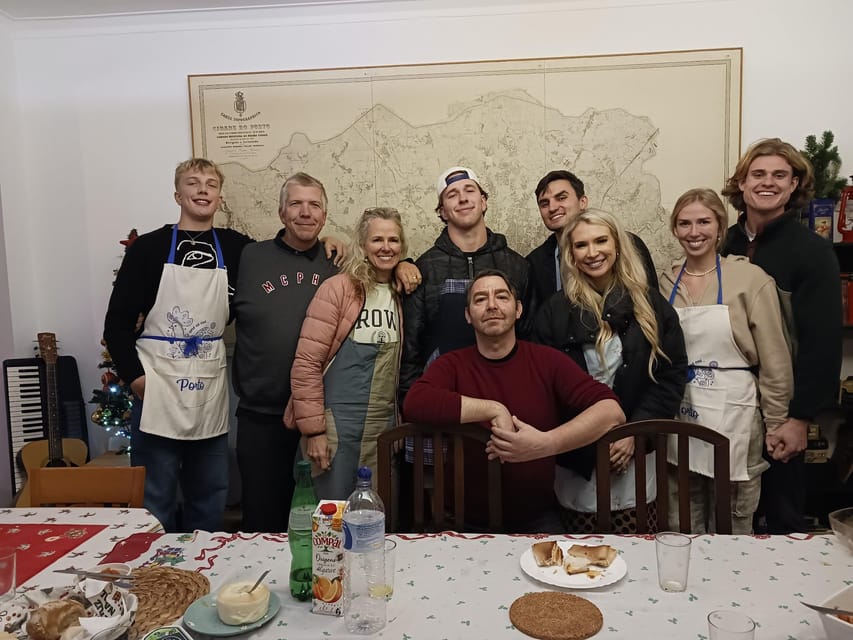
Adaptations are possible for most diets, but you must tell Nuno about allergies or restrictions in advance. This is particularly important because the food is made from scratch and bought during the market visit. Early notice gives the host a chance to plan suitable ingredients.
Do not wait until you arrive to mention a serious allergy. The class involves several courses and may include fish, dairy, pastry, wine, or other common ingredients, depending on the menu. The supplied information does not promise that every diet can be accommodated, so ask specific questions before committing.
The experience is not suitable for wheelchair users. The combination of a market visit, walking, a home setting, and kitchen work may create access problems. If you have other mobility concerns, contact the provider before booking rather than assuming the home and shopping route will work for you.
Pets are not allowed, and the activity does not include transportation. Those are small details, but they matter when you are planning a tight day or traveling with an animal.
What the price includes at $106
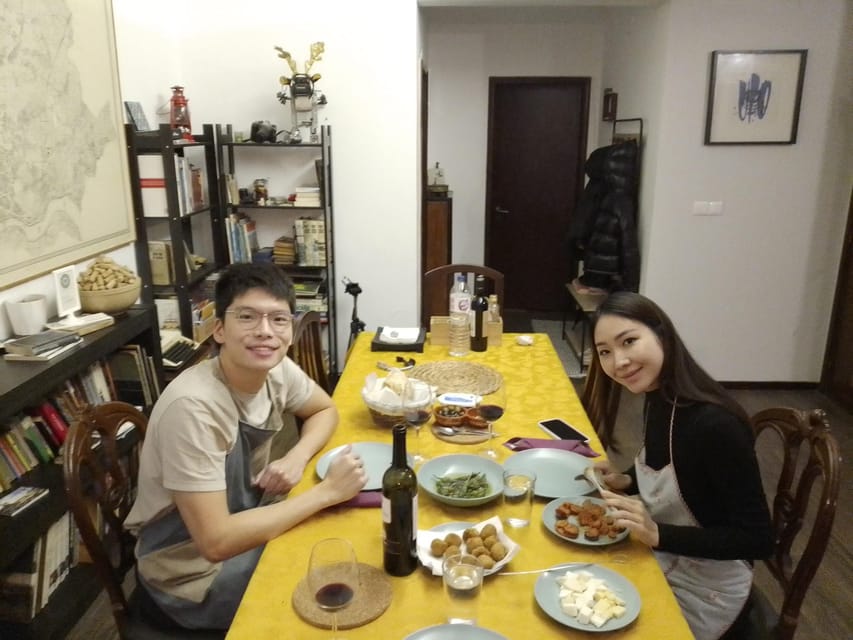
At $106 per person, this is not the cheapest way to eat Portuguese food in Porto. A restaurant meal will usually require less time and effort. The value comes from the full package: a local shopping trip, cooking instruction, a complete meal, wine pairing, and direct time with Nuno.
You are also getting more than a standard group demonstration. The class connects ingredients to Portuguese history and food customs, and the market visit shows you where the meal begins. If you enjoy food stories, want to learn recipes, or prefer a personal setting to a large cooking studio, the price is easier to justify.
The value is less convincing if your main goal is simply to sample dishes without cooking. You will spend a substantial part of the three-and-a-half hours preparing food. That is the point of the class, but it may feel like work if you want a passive tasting.
There are no surprise charges listed for the core activity. The local grocery visit, organic garden visit when applicable, cooking class, meal preparation, and wine pairing are included. Transportation to and from the meeting point is not.
The meal at Nuno’s table
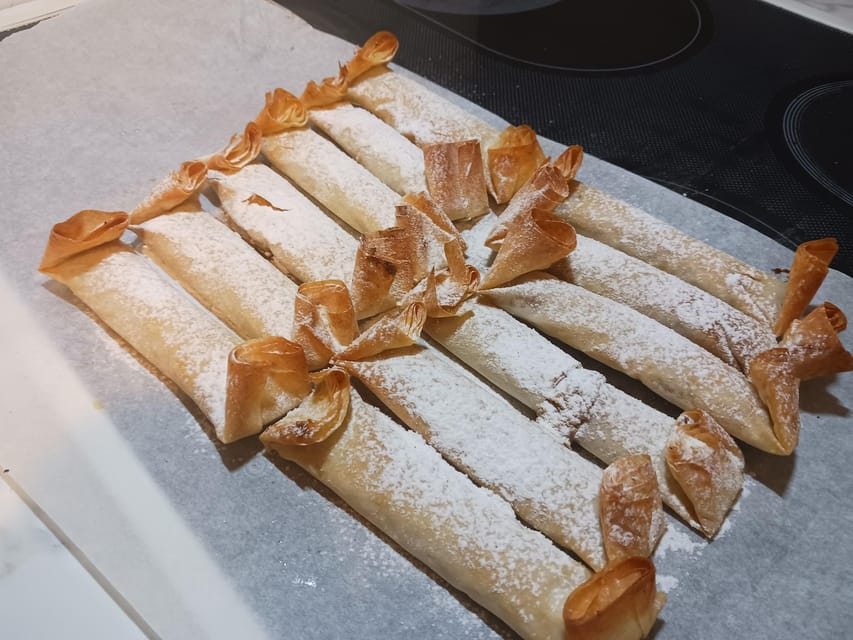
The final meal gives the class its satisfying shape. You sit down to food you helped select and prepare, rather than eating a dish that appeared without explanation. That connection makes even familiar items feel more memorable.
Past menus have included appetizers, fish, and pastel de nata. The dessert lesson is a nice touch because the custard tart is one of Portugal’s best-known pastries, yet it is also a dish where technique matters. Making it yourself gives you a better sense of the work behind the crisp pastry and creamy filling.
The meal is paired with local wine, and the setting encourages conversation. This can be a strong choice for solo visitors and couples who want a social evening without joining a very large group. It can also suit families with older children who are comfortable cooking, although the available information does not specify a minimum age.
Nuno’s welcoming approach is part of the appeal. He communicates clearly before the meeting, organizes the shopping and cooking in a logical way, and shares his home as part of the experience. That personal setting may be exactly what you want, but it also means you should feel comfortable in a home kitchen rather than a purpose-built classroom.
Who should book this Porto cooking class
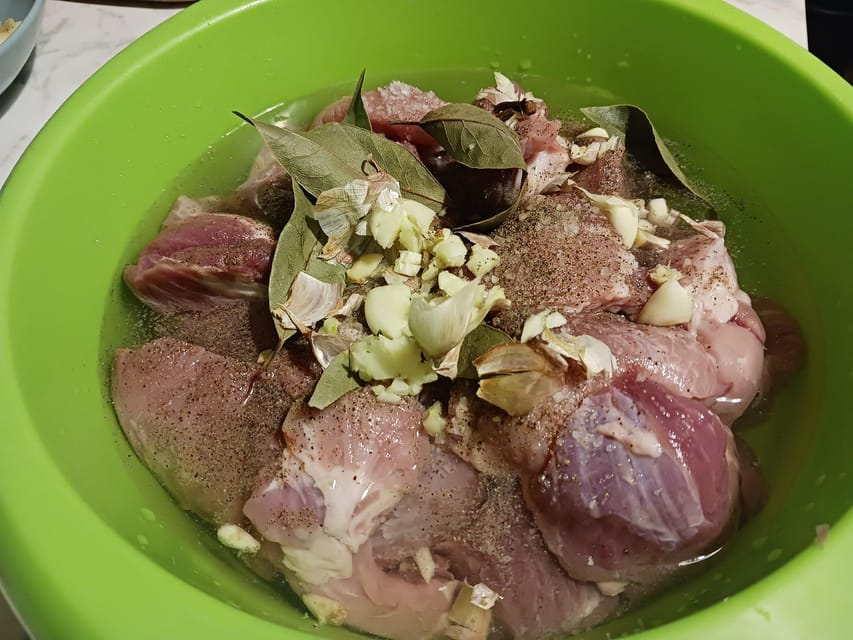
I would recommend it most strongly to people who enjoy food as a way to understand a place. You do not need advanced cooking skills. The format is hands-on, but the emphasis is on learning, not proving that you belong in a professional kitchen.
It is a good match if you want:
- A small group rather than a large food tour
- A market visit with real ingredient shopping
- Portuguese recipes you can try at home
- Conversation about food, history, tiles, wine, and olive oil
- A complete meal rather than a single cooking demonstration
- Help adapting the menu for many dietary needs
I would hesitate if you have very limited time, dislike kitchen work, need step-free access, or want a guaranteed list of exact dishes. The menu can vary, and the shopping stop may be a grocery shop, bakery, butcher, or organic garden.
The class also makes sense early in a Porto visit. Afterward, you will recognize ingredients and may order with more confidence at restaurants and markets. You may even find yourself judging pastel de nata with a little more seriousness than your travel companions expect.
Should you book it?
Book this experience if you want a personal food lesson with a real connection to Porto. The strongest reasons are the market shopping, the from-scratch cooking, the small group, and Nuno’s ability to connect food with Portuguese culture.
Skip it if you want a quick tasting or a fixed menu with no walking or kitchen work. At $106, the class earns its price through the instruction, shopping, meal, and time at the table. For food-focused visitors, it offers a useful and enjoyable look at Portugal beyond the restaurant menu.
You can cancel up to 24 hours before the activity for a full refund, and reserve now while paying later. That flexibility helps if your Porto schedule is still taking shape.
FAQ
How long does the cooking class last?
The experience lasts three and a half hours, including the local shopping visit, cooking, and meal.
Where does the experience begin?
You meet Nuno at his home. Transportation to and from the meeting point is not included.
What languages does Nuno speak?
The activity is offered in Portuguese and English.
How large is the group?
The group is limited to eight participants.
What places might I visit before cooking?
The shopping stop may be a local grocery shop, bakery, street butcher, or Nuno’s organic garden.
Is the food made from scratch?
Yes. The experience uses no frozen products and no pre-prepared ingredients.
Can dietary restrictions be accommodated?
Adaptations are possible for most diets, but you must inform Nuno of dietary restrictions in advance.
Is the experience suitable for wheelchair users?
No. The activity is listed as not suitable for wheelchair users.
Is wine included?
Yes. The experience includes wine pairing, and the meal may also include tastings of wine, port, and olive oil.
Can I cancel for a refund?
You can cancel up to 24 hours in advance for a full refund.
More Hands-On Workshops in Portugal
- Lisbon: Pastel de Nata Baking Class
★ 4.9 · 2,106 reviews - Porto: Pastel de Nata Cooking Class with Grandma’s Recipe
★ 5.0 · 1,565 reviews - Porto: Pastel de Nata Pastry-Making Workshop
★ 4.9 · 1,542 reviews - Porto: Pastel de Nata Cooking Class with Port Wine – Sé
★ 4.8 · 888 reviews
More Shopping Trips in Portugal
- Lagos: Market Tour and Cataplana Cooking Class
★ 5.0 · 9 reviews - Lisbon: Market Experience & Cooking Class
★ 5.0 · 9 reviews - Lisbon: Setúbal Market and Wine tour with Cooking class
★ 5.0 · 4 reviews - Hanoi Cooking Class: Culture, Local Market & Meaning CSR Impact
★ 5.0 · 5,147 reviews
Just added around Portugal
- Porto: Local Market Tour & Cooking Class/Showcooking★ 4.9 · 32 reviews
- Lagos: Market Tour and Cataplana Cooking Class★ 5.0 · 9 reviews
- Lisbon: Traditional Portuguese Cooking Class★ 5.0 · 41 reviews
- Lisbon: Portuguese street food cooking class with Drinks★ 4.9 · 37 reviews
- Lisbon: Setúbal Market and Wine tour with Cooking class★ 5.0 · 4 reviews
- Lisbon: Pasteis de Nata Baking Class★ 5.0 · 134 reviews
- Lisbon: Portuguese Petiscos Cooking Class★ 4.7 · 6 reviews
- Lisbon: Portuguese Cooking Class with Wine Tasting★ 5.0 · 4 reviews
Cooking Classes with a Market Tour, compared.
Hanoi Cooking Class: Culture, Local Market & Meaning CSR Impact
Read our review →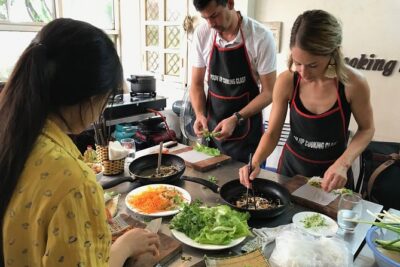
5 Traditional Dishes Hanoi Cooking Class with Market Trip
Read our review →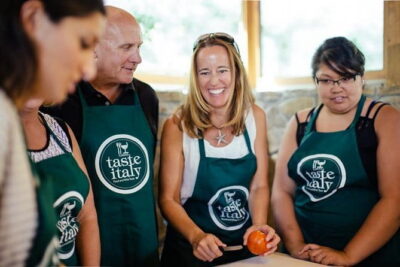
Cooking Class and Lunch at a Tuscan Farmhouse with Local Market Tour from Florence
Read our review →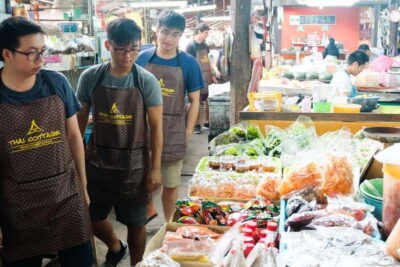
Chiang Mai: Cooking Class, Market & Thai Herbs Garden Tour
Read our review →
Chiang Mai: Authentic Cooking Class with Market & Farm Visit
Read our review →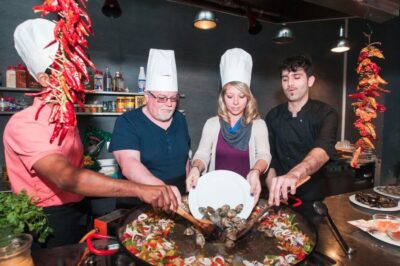
Barcelona: Paella Cooking Experience & Boqueria Market Tour
Read our review →
Cooking Class Hoi An:Local Market, Basket Boat, Fishing & Cooking
Read our review →
Hoi An Cooking Class(Market,BasketBoat Crabfishing&Cooking Class)
Read our review →Browse the lists this tour appears in