
Review · PORTUGAL
Porto: Pastel de Nata Cooking Class from Scratch
Porto’s famous custard tart is easy to eat and surprisingly tricky to make well. This 2.5-hour class takes you past the bakery counter, showing you how to make both the pastry and the creamy filling from scratch. That extra step matters: many pastry classes use ready-made dough, while this workshop teaches the part that gives pastel de nata its flaky layers.
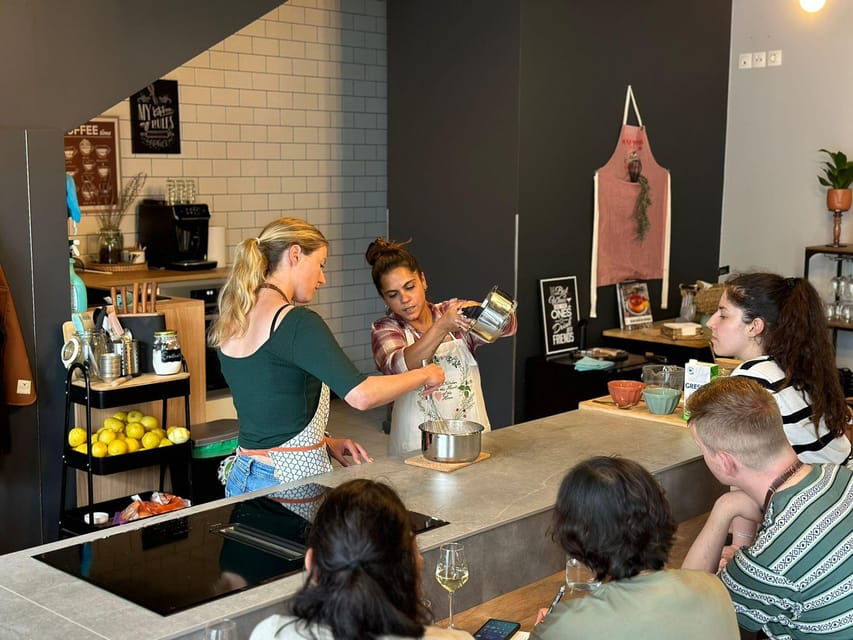
I like the hands-on group format, where you take turns mixing, shaping, and filling the pastries instead of simply watching a chef work. I also like the relaxed cultural side: a glass of regional wine, stories about Portuguese food, and warm tarts straight from the oven. The main thing to know is that this is a shared activity, so you may not personally perform every step.
Key points to know
- The dough is made from scratch, a useful feature if you want to recreate the tarts at home.
- Groups can include up to 12 adults, with participants taking turns at each stage.
- Guides such as Ana, Clara, Mariah, Vanessa, and Maria are praised for humor, patience, and clear instruction.
- Warm pastel de nata are served at the end, and you may have some to take away.
- Wine and Portuguese food stories make this more than a basic baking lesson.
- Children under 15 cannot join the group class, and late arrivals cannot enter.
Why making the dough matters in Porto
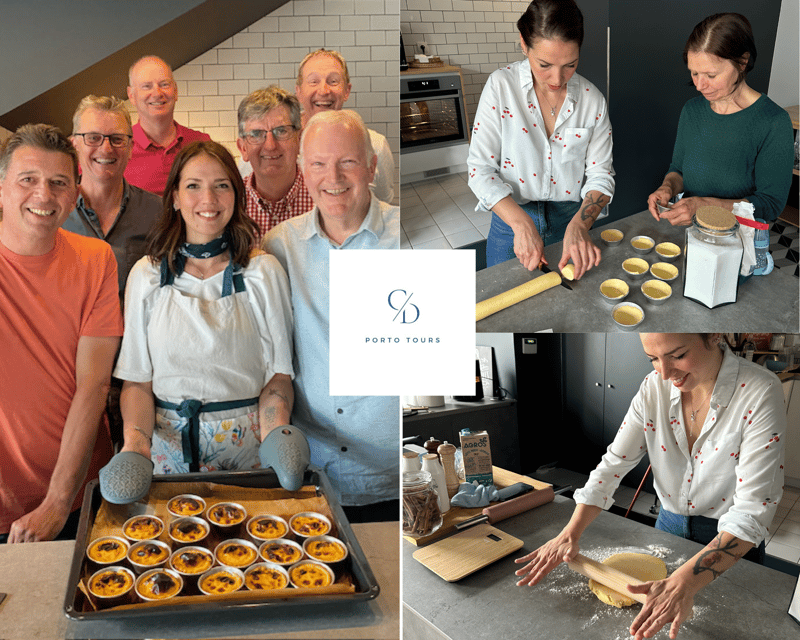
Pastel de nata is usually described as a custard tart, but the pastry is half the story. A crisp, layered shell gives the filling its structure, and making that dough yourself helps you understand why the best tarts are light, flaky, and fragile around the edges.
This class includes the dough, not just the custard. That is one of its strongest selling points. If you want a quick demonstration followed by a tasting, other food activities may suit you better. If you want a recipe you can attempt in your own kitchen, this workshop gives you more useful instruction.
The process is presented in manageable stages. You do not need to be an experienced baker. The instructor breaks the work into simple tasks, and the group handles the pastry together. That setup removes some pressure, especially if you are not used to working with laminated dough.
Still, do not expect to make a full batch alone from start to finish. At each stage, one or two people, or a small team, may work while the rest of the group watches and listens. You get to participate, but the amount of personal hands-on time depends on the group size and the way the session is organized.
More Hands-On Workshops in Portugal:
- Lisbon: Pastel de Nata Baking Class
★ 4.9 · 2,106 reviews - Porto: Pastel de Nata Cooking Class with Grandma’s Recipe
★ 5.0 · 1,565 reviews - Porto: Pastel de Nata Pastry-Making Workshop
★ 4.9 · 1,542 reviews
Inside the shared kitchen
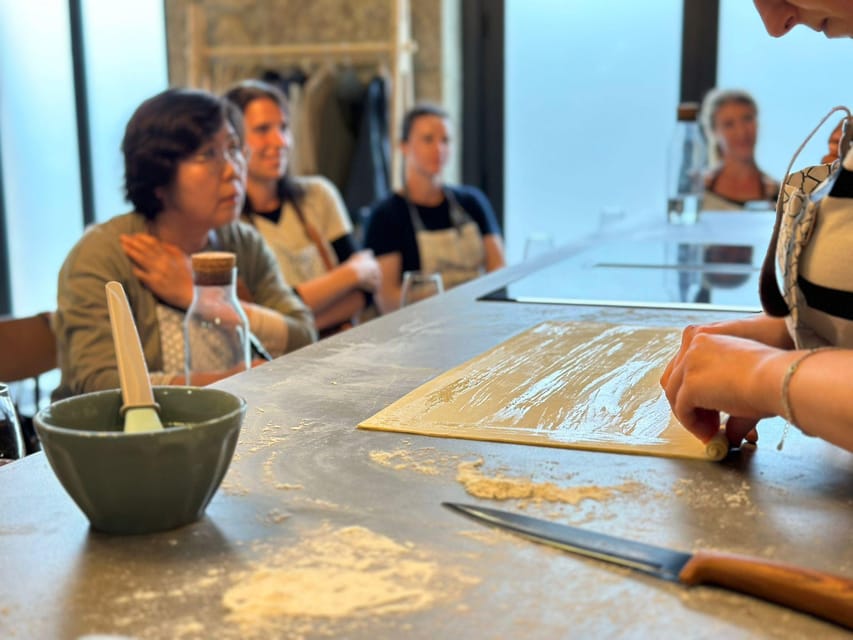
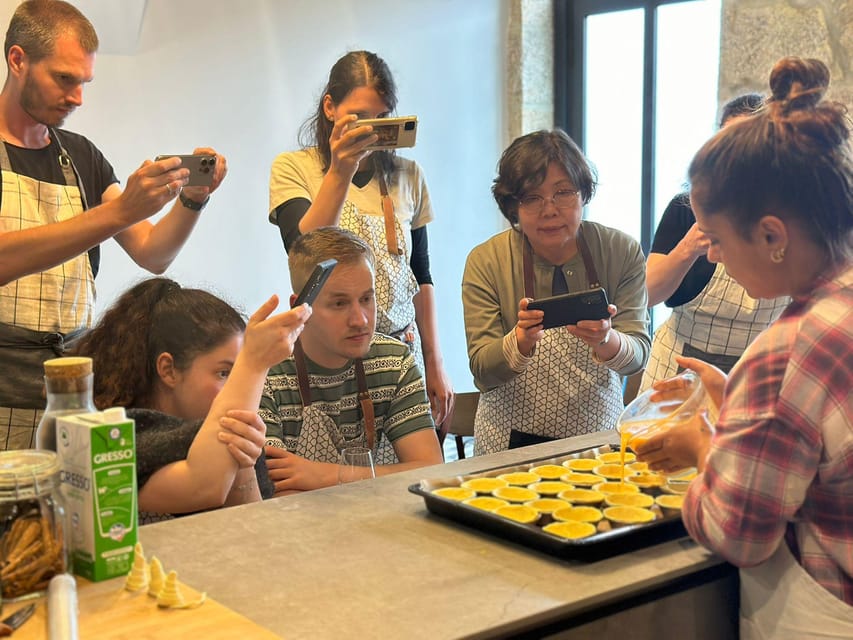
The workshop takes place in a modern show kitchen with a large central table. That arrangement shapes the mood of the class. You sit together, see the instructor’s demonstrations, and get to know people from different countries while the dough rests or the custard cooks.
Groups may reach 12 people, though some sessions are much smaller. One participant described a class with only four people, which made the instruction feel especially personal. A full group should still be workable, but you will need to share the active tasks.
The class is taught in English. Past sessions have been led by Ana, Clara, Mariah, Maria, Vanessa, Anna, Claudia, and Klara. The names vary by date, but the teaching style praised again and again is consistent: clear explanations, a playful tone, and an effort to involve the whole table.
Several instructors make a point of learning names and encouraging quieter people to join in. That helps solo visitors and couples feel less like they have been dropped into a room of strangers. The social side is a real part of the experience, not just a bonus while the pastries bake.
The pastry lesson, step by step
The exact order may vary, but you can expect the class to cover the main parts of pastel de nata production.
First comes the pastry dough. This is the most distinctive part of the class and the stage I would pay close attention to if you plan to bake at home. The instructor explains the technique and gives the group a chance to work with the dough rather than treating it as a mystery ingredient prepared in the back.
Next comes the custard filling. You learn how the creamy center is prepared and how it is paired with the pastry shells. The class is designed for beginners, so the instructor explains each phase in plain terms and keeps the pace comfortable.
The dough and filling are then brought together in the molds. This is where the small details begin to matter. You can watch how the pastry is shaped and how the filling is portioned before the tarts go into the oven.
The group format has a practical benefit. You see each step at close range, but you are not responsible for every technical move. For an inexperienced baker, this makes the lesson friendly rather than intimidating. The tradeoff is that you may wish for more time at the table with the dough.
One useful detail from past sessions is the digital recipe supplied by QR code. That gives you a way to remember the ingredients and method after your holiday. Keep in mind that baking success depends on technique as much as a written recipe, so take notes about how the instructor handles the dough and explains the texture.
Wine, food stories, and the wait for the oven
A glass of regional wine is included. It gives the class a distinctly Portuguese feel and helps fill the time while the pastries bake. The wine is not the main event, but it fits the setting well.
The instructor uses the cooking time to talk about Portuguese food and pastry traditions. This makes the session feel connected to Porto rather than like a generic baking lesson relocated to Portugal. You learn why this small tart matters to the country’s food culture while doing something practical with your hands.
Past sessions have included white wine, and one class also offered coffee and iced tea. The official inclusion is a glass of wine, so you should treat any additional drinks as session-dependent rather than guaranteed. The minimum drinking age in Portugal is 18.
I like this pause in the schedule. You can taste the wine, talk with the group, and ask questions without feeling rushed. It also gives the instructor room to share tips that are easy to miss when everyone is focused on mixing or shaping.
A few more cooking classes around Portugal worth a look
- Porto: Pastel de Nata Cooking Class with Port Wine – Sé
★ 4.8 · 888 reviews - Lisbon: Traditional Portuguese Cooking Class
★ 4.9 · 592 reviews - Lisbon: 2-Hour Pastel de Nata Cooking Class
★ 4.8 · 461 reviews - Lisbon Portuguese Cooking Class with 3-Course Dinner
★ 5.0 · 445 reviews
The warm pastry payoff
At the end, you eat the pastel de nata while it is still warm. That is the right finish. The pastry is at its best when the shell is crisp and the custard is soft inside.
Portions vary by session, but past classes have produced enough for each person to eat several, with one or two more to take home. The official inclusions promise pastries, though the exact number is not specified. Do not book the class as a meal replacement, but you should have a generous taste of what the group has made.
This final tasting also gives you a useful test of the method. You can compare the finished texture with the pastry you have eaten in Porto and decide which parts you want to repeat at home. The warm result is more satisfying than taking an already-made tart from a display case because you have followed the process yourself.
Is $50 a fair price?
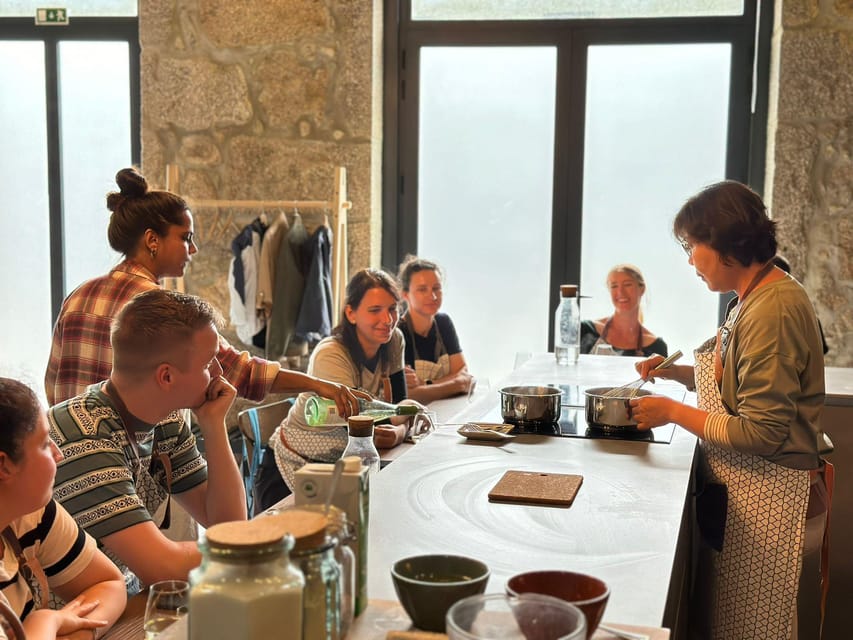
At $50 per person, the class sits in the moderate range for a two-and-a-half-hour food activity in Porto. The value comes from the combination of instruction, ingredients, wine, tasting, and the chance to leave with a repeatable recipe.
I would consider it good value if you are interested in food, want a break from sightseeing, or hope to bring home a skill instead of another souvenir. The dough lesson adds real value because it covers a part many shorter workshops skip.
The price is less attractive if you mainly want to eat pastel de nata. Porto’s bakeries let you sample the finished pastry for very little money, and a class will take much longer than a café stop. You are paying for the process, the instructor, the shared table, and the cultural conversation.
The class also works well as a rainy-day activity. One afternoon group used it as a break from walking around Porto, and the indoor setting made the time feel worthwhile. It can also fit nicely on your last day, when you want one final Portuguese experience that you can continue at home.
Who should book this workshop?
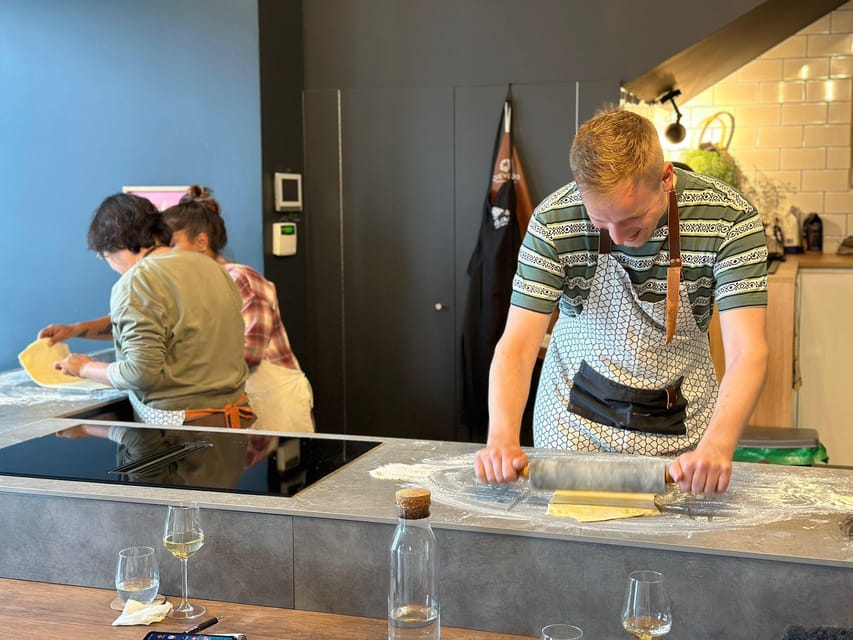
I would recommend it to adults who enjoy cooking, food traditions, and relaxed social activities. It suits beginners particularly well because the instructor guides the work in clear stages and no one is expected to arrive with pastry-making skills.
Solo visitors can also fit in comfortably. The shared table gives you a natural way to meet people, and the instructors make an effort to include everyone. Couples and friends should expect to share tasks rather than work at separate stations.
This is not a good choice for children under 15. The group workshop is for adults, and families with younger children must request a private class instead. Minors also need to be accompanied by an adult.
You should also skip it if you have gluten or lactose intolerance. Pastel de nata depends on wheat pastry and dairy ingredients, and no suitable alternative is provided in the activity details.
The class is not suitable if you plan to arrive late. The door closes at the scheduled start time, and entry is not permitted once the workshop has begun. Build in extra time to find the meeting point, which may vary depending on the option you book.
Small drawbacks to consider
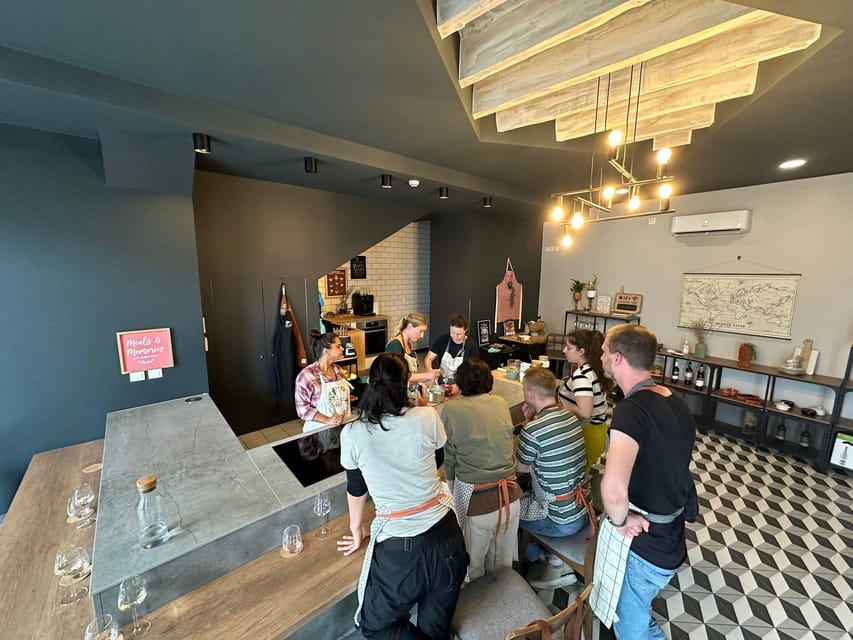
The biggest limitation is shared participation. You will take turns, but you may watch some stages rather than perform them. If you want individual instruction and your own separate batch, ask about a private workshop.
The meeting point can vary by booking option, so check your confirmation carefully. Hotel pickup and drop-off are not included, and companions who do not have reservations cannot enter the space.
The wine adds atmosphere, but it may not suit everyone. You can attend without drinking alcohol, though the activity does not list a separate nonalcoholic tasting as a standard inclusion. Smoking indoors, pets, and intoxication are not allowed.
Finally, the recipe can only take you so far. One past participant wished for a video of the instructor’s technique. That is a fair point: pastry handling is easier to copy when you can see it. Pay close attention during the demonstration and use the QR recipe as a guide, not as a substitute for watching the method.
My booking advice
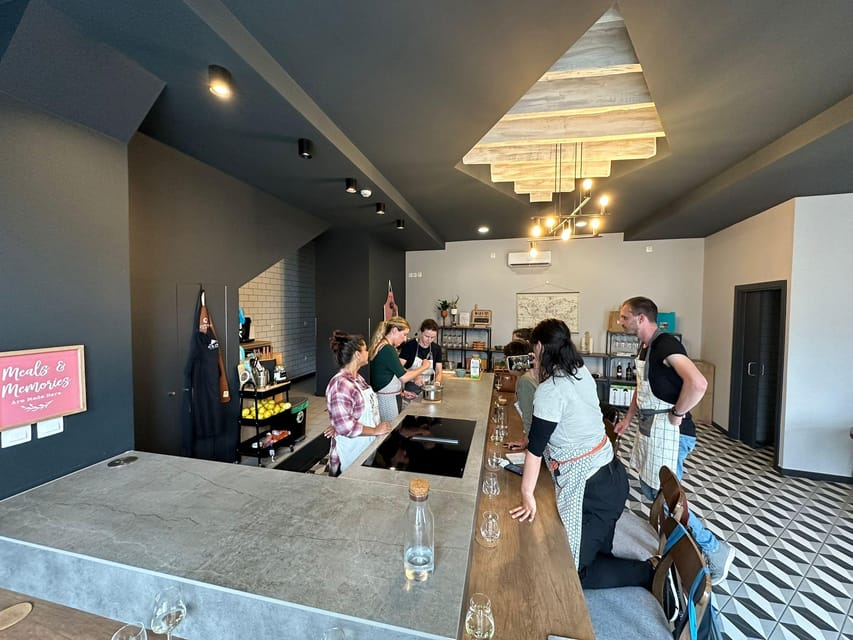
Book this class if you want to understand what goes into a proper pastel de nata and enjoy meeting people around a shared table. The scratch-made dough, warm tasting, wine, and friendly teaching style give it more substance than a simple pastry demonstration.
Skip it if you only want a quick snack, need a child-friendly activity, or cannot eat gluten or lactose. For everyone else, $50 buys a useful half-day experience, a taste of Portuguese food culture, and a skill you can try again after Porto.
FAQ
How long does the pastel de nata class last?
The workshop lasts 2.5 hours.
How much does the class cost?
The listed price is $50 per person.
Is the class taught in English?
Yes. The live tour guide language is English.
Is wine included?
Yes. A glass of regional wine is included. Participants must be at least 18 to consume alcohol in Portugal.
Do I make the pastry dough from scratch?
Yes. This workshop includes making the pastel de nata dough as well as preparing the filling.
Can children join the group workshop?
Children under 15 are not allowed in the group workshop. Families with younger children need to request a private workshop.
Can I join if I arrive late?
No. The door closes at the scheduled start time, and late entry is not permitted.
Is hotel pickup included?
No. Hotel pickup and drop-off are not included, and the meeting point may vary depending on the option booked.
Just added around Portugal
- Cooking Class★ 5.0 · 17 reviews
- From Market to Table with Paula (Loulé) – Private Cookery Class★ 5.0 · 21 reviews
- Terceira Island: Azores Cooking Class Experience★ 5.0 · 14 reviews
- Porto: Cooking Class with Local Market Visit★ 5.0 · 15 reviews
- Porto: Local Market Tour & Cooking Class/Showcooking★ 4.9 · 32 reviews
- Lagos: Market Tour and Cataplana Cooking Class★ 5.0 · 9 reviews
- Lisbon: Traditional Portuguese Cooking Class★ 5.0 · 41 reviews
- Lisbon: Portuguese street food cooking class with Drinks★ 4.9 · 37 reviews
Cooking Classes, compared.
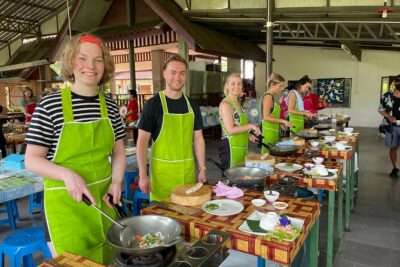
Half-Day Thai Cooking Class at Organic Farm in Chiang Mai
Read our review →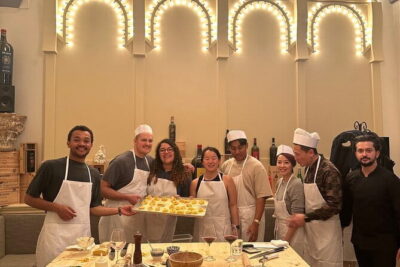
Florence: Pasta Cooking Class with Unlimited Wine
Read our review →
3 in 1 Cooking Class near Navona: Fettuccine, Ravioli & Tiramisu
Read our review →
Hanoi Cooking Class: Culture, Local Market & Meaning CSR Impact
Read our review →
5 Traditional Dishes Hanoi Cooking Class with Market Trip
Read our review →
Cooking Class and Lunch at a Tuscan Farmhouse with Local Market Tour from Florence
Read our review →
Chiang Mai: Cooking Class, Market & Thai Herbs Garden Tour
Read our review →Browse the lists this tour appears in