Review · ITALIAN
Rome: Fresh Pasta-Making Class with Italian Chef and Wine
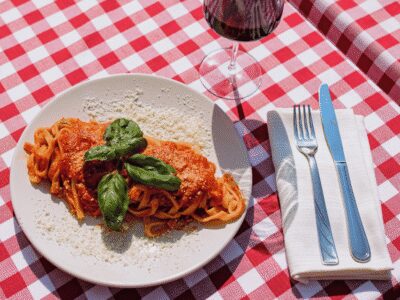
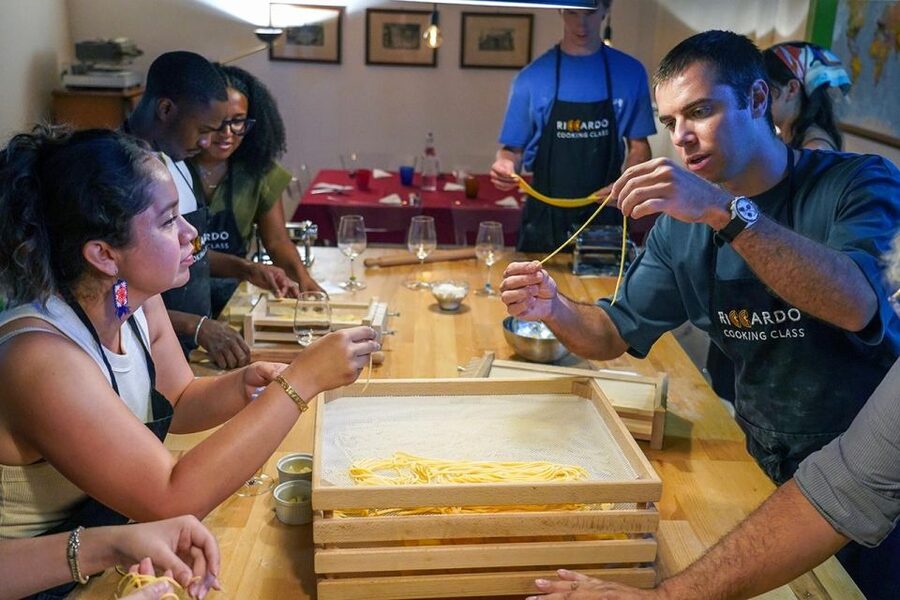
Fresh pasta is the heart of this three-hour Roman cooking class, where Chef Riccardo and his team show you how dough becomes ravioli, fettuccine, tortellini, spaghetti alla chitarra, and more. You work with your hands, learn the reasons behind each step, then eat what you made with wine.
I like the small-group setup, capped at 10 people, because you get real help instead of watching a chef work from across a crowded room. I also like the useful Roman focus: Carbonara, Cacio e Pepe, and sauces made from good ingredients, not just a generic pasta demonstration. The main consideration is language. English and Italian are offered, but a mixed-language group can mean some explanations take longer to translate.
Key points to know before booking
- Three pasta styles in one class: You may work on long pasta, stuffed pasta, and other handmade shapes rather than learning only one recipe.
- Roman sauces matter here: Carbonara and Cacio e Pepe receive special attention, along with other traditional sauces.
- Small class, personal instruction: The group is limited to 10 participants, with aprons supplied for the session.
- A full meal follows the lesson: Your pasta becomes a three-course meal served with selected wine, and portions can be generous.
- Good access from central Rome: The Cooking Lab is at Circonvallazione Gianicolense 418, near a café and reachable by public transportation.
- Tell the chef about food needs early: Vegetarian options are available, while private classes can be arranged for vegan, gluten-free, dairy-free, or special recipes.
What happens during the three-hour class
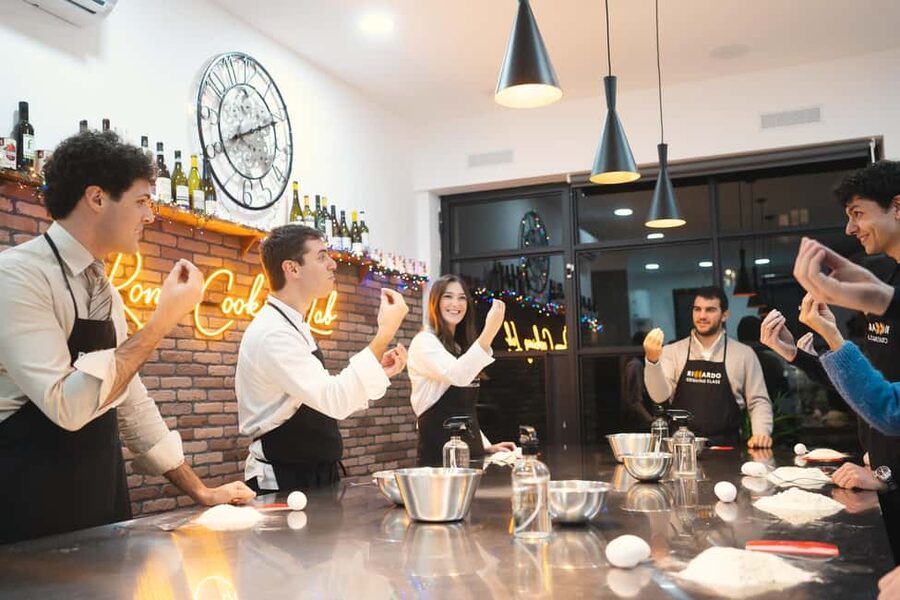
This is not a quick demonstration followed by a small tasting. You arrive ready to work, and the class builds toward a proper meal. The meeting point is The Cooking Lab at Circonvallazione Gianicolense 418 in Rome, close to a café. Some sessions may take place at Chef Riccardo’s grandmother’s house instead, giving the class a more home-style setting.
The group size is one of the strongest parts of the format. With no more than 10 people, you should have room to handle the dough and ask for help. The chefs explain each stage, demonstrate the technique, and correct small mistakes before they become dinner-sized problems. This suits beginners, including people who have never made pasta by hand.
You are given an apron to use. If you want to keep it afterward, that is possible for an additional cost. Wear clothes you do not mind working in, since flour and dough are part of the fun, even though the apron offers protection.
The exact pasta selection can vary, but the class may include ravioli, fettuccine, tortellini, cappelletti, spaghetti alla chitarra, and other shapes. Past classes have included three different pastas, such as ravioli, fettuccine, and spaghetti. That range is useful because each shape teaches a different skill.
More Cooking Classes with Wine Tasting in Italy
- Rome: Pasta Making Class with Wine, Limoncello, and Dessert
★ 4.9 · 3,177 reviews - Fettuccine & Tiramisù: Cooking Class with Wine & Limoncello
★ 4.9 · 2,103 reviews - Pasta Making & Wine Tasting with Dinner in Frascati from Rome
★ 5.0 · 1,326 reviews
Rolling, cutting, and shaping fresh pasta
Long pasta gives you the basic feel of fresh dough. You learn how to roll it thin enough to cook well, then cut it into ribbons or other shapes. This is where you begin to understand the difference between pasta that is simply homemade and pasta with the right texture.
Stuffed pasta asks for more care. Ravioli, tortellini, and cappelletti require even dough, measured filling, and a tight seal. If the edges are not closed well, the filling can escape into the cooking water. The chefs show you how to avoid that and how to shape the pasta without rushing.
Spaghetti alla chitarra offers another useful lesson. The name refers to a guitar-like pasta cutter that creates square-edged strands. It is different from ordinary dried spaghetti and gives you another way to think about shape, thickness, and sauce.
I like that the class covers several forms rather than treating fresh pasta as one recipe. You leave with techniques you can use at home, not just one dish tied to one piece of equipment. The practical value is highest for cooks who want to repeat the process after returning home.
Recipes and cooking advice are also part of the experience. The instruction includes tips on choosing ingredients and getting the most from them. That kind of guidance can matter more than a long lecture, especially when you are standing in a supermarket at home wondering which flour, cheese, or cured pork to buy.
The Roman sauce lesson: Carbonara and Cacio e Pepe
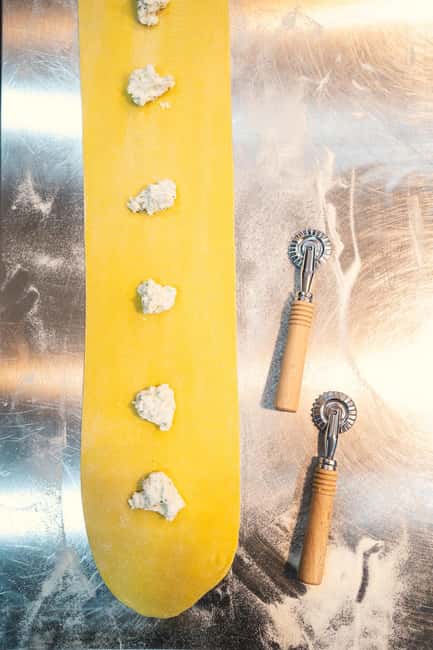
The pasta is only half the class. The sauces give you a taste of Roman cooking and show why simple Italian dishes can be difficult to get right.
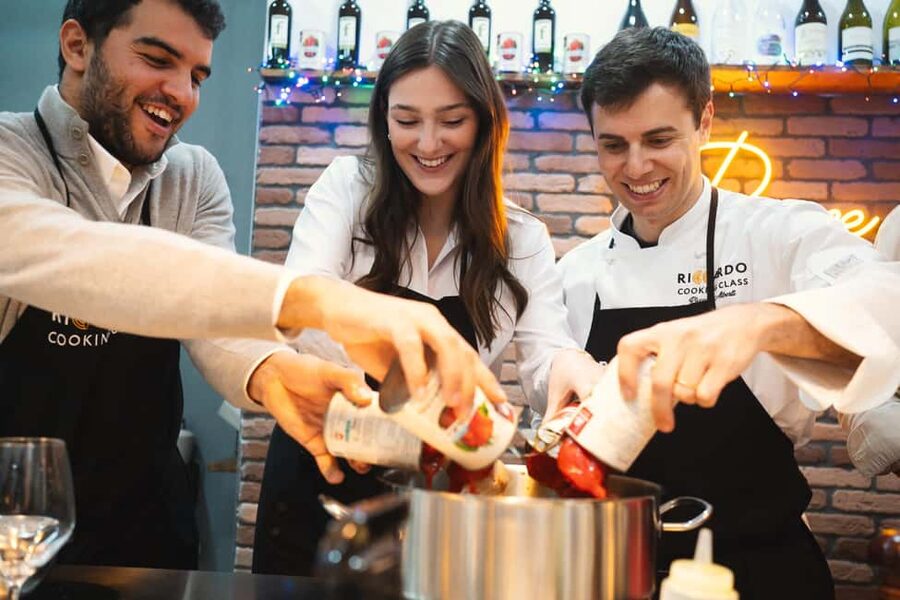
Carbonara depends on a short list of ingredients and careful handling. A traditional version uses guanciale, eggs, cheese, and black pepper, with no cream. The heat must be managed so the egg and cheese create a smooth coating instead of scrambled bits. The class shows the Roman method, including the role of guanciale in building flavor.
Cacio e Pepe is just as spare. Cheese, pepper, pasta water, and timing must work together. The sauce needs enough pasta water to become creamy, but not so much that it turns thin. This is the kind of dish that looks easy on a menu and demands attention in the kitchen.
Other sauces may include arrabbiata and additional Roman or Italian recipes. Arrabbiata brings tomato and chili heat, making it a useful contrast to the rich, peppery Carbonara and the cheese-based Cacio e Pepe.
The chefs prepare the sauces alongside the pasta lesson, explaining how and when to combine them. You do not simply eat a plate at the end without knowing what happened in the pan. For me, this is one of the best reasons to choose this class over a general food tour: you learn the timing that makes these dishes work.
From kitchen work to a three-course meal
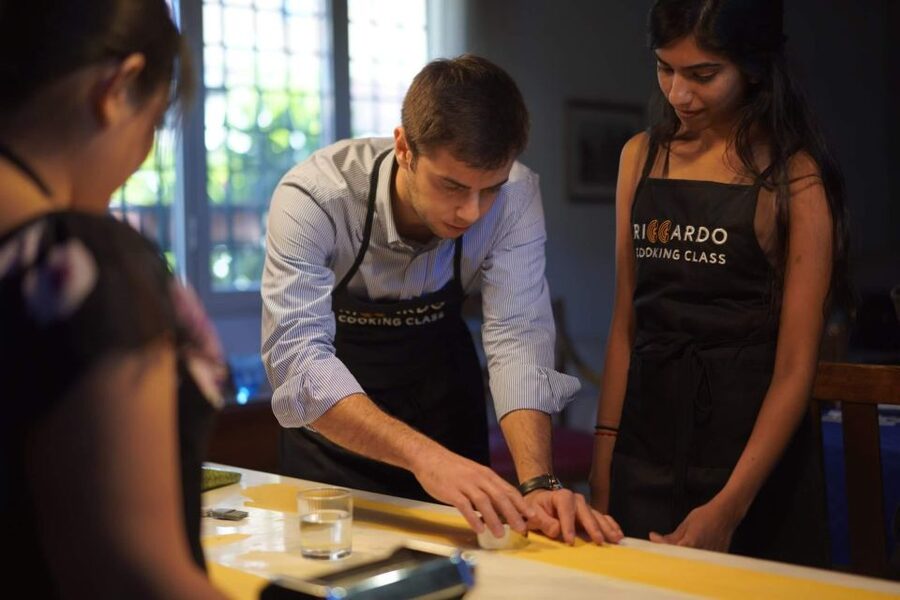
Once the pasta and sauces are ready, everyone sits down to eat. The class includes a three-course meal, with selected wine included. Several sessions have paired different wines with different parts of the meal, and Prosecco may be served during the class.
The meal can be substantial. Some participants have found they had enough food to take some home, although you should not assume that every session will produce the same amount. The point is that you are eating the food you helped prepare, not receiving a separate restaurant meal made entirely by someone else.
Wine adds to the social side of the class, but it is worth keeping your own pace. The setting is friendly and relaxed, yet the lesson still requires attention when you are rolling dough, sealing ravioli, or finishing a sauce. If you do not drink alcohol, check the arrangements before booking since the included drink is selected wine.
The three-hour length feels sensible for the amount of work involved. A shorter session would likely feel hurried, while a much longer class might be tiring for people who mainly want a fun introduction. A morning class may begin around 11:00 and finish near 14:00, though you should check the available start time for your date.
More Cooking Classes with Wine Tasting in Rome
- Rome Cooking Class: Make Pasta, Dine & Drink Wine With Local Chef
★ 5.0 · 1,263 reviews - Rome: Combo Pizza and Pasta Cooking Class with Wine
★ 4.6 · 1,180 reviews - Rome: Pasta Making with Wine Tasting and Dinner in Frascati
★ 4.9 · 979 reviews - Rome: Pizza & Tiramisu Class with Free Flowing Fine Wine
★ 5.0 · 973 reviews
The people make the difference
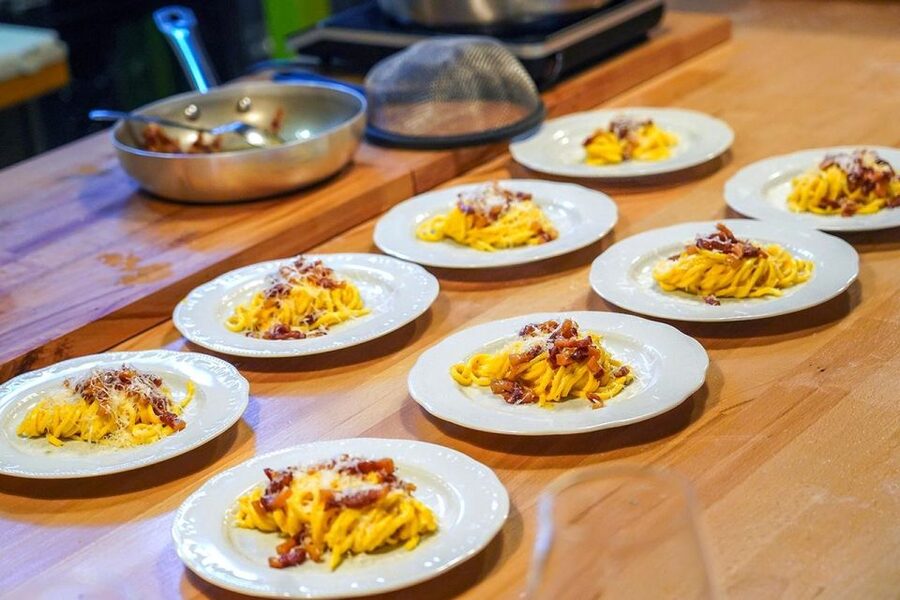
Chef Riccardo leads the experience, with chefs such as Leo, William, Marco, Mattia, and Bruno helping in different sessions. Their roles can vary, but the teaching style described across the sessions is consistent: clear demonstrations, hands-on help, cooking tips, and plenty of humor.
Leo has been especially effective at explaining why each step matters and adjusting the technique for the people at the table. William has been praised for patience and for making beginners feel comfortable. Riccardo brings the personal connection to Roman food, family recipes, and restaurant advice.
That human element matters in a cooking class. Pasta dough does not always behave the way a printed recipe says it should. A good instructor can tell you when to add a little flour, when to keep kneading, and when the dough is ready. You get that sort of judgment here rather than being left alone with a bowl.
The chefs also share advice about places to eat in Rome, including restaurants, pizza spots, and gelaterias. For that reason, I would book this class early in your stay if possible. You can use the suggestions during the rest of your visit, and you may arrive at the class with questions about Roman food already in mind.
A local feeling, with one language caution
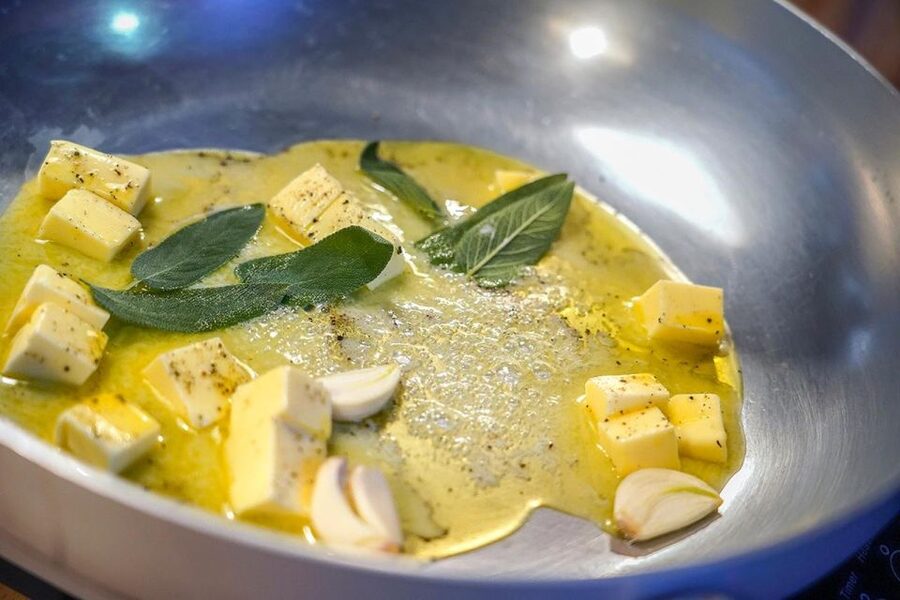
The grandmother’s-home option gives the class a family connection that a purpose-built school cannot quite copy. The Cooking Lab, on the other hand, may be easier for a class with equipment and a clear working area. Either setting aims for the feel of cooking with a Roman family rather than attending a formal culinary school.
The listed teaching languages are English and Italian. That should work well for English-speaking visitors in a normal group, but language balance can affect the pace. If several people speak another language, the chef may spend more time translating. One session included French speakers, and some of the storytelling was delivered in French before being partly translated into English.
This is not a reason to reject the class, but it is a fair consideration if you want every story and explanation in English. A private class gives you more control over the language, menu, and pace. It also opens the door to special requests such as gnocchi, tiramisu, risotto, gluten-free pasta, dairy-free dishes, or a fully vegan menu.
Food restrictions and vegetarian choices
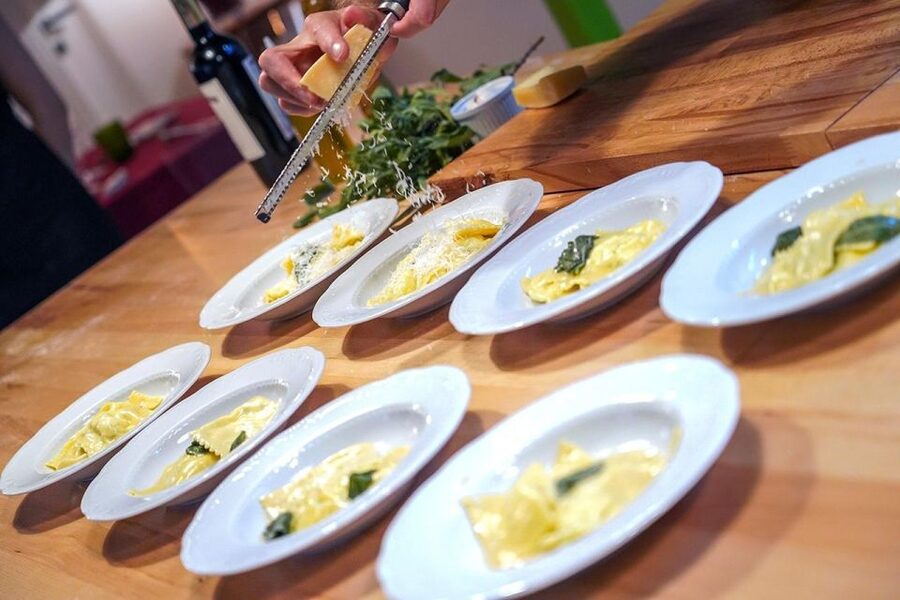
You should report allergies, intolerances, and dietary restrictions before the class. Vegetarian options are available, and the kitchen can discuss other needs. Do not wait until you arrive, since substitutions may require planning.
Private classes are the best choice for highly specific diets or special recipes. The class can potentially be arranged around gluten-free, dairy-free, or vegan cooking in that setting. The supplied information does not promise that every request can be handled in a standard shared class, so contact the provider before paying if your diet is strict.
For people without major restrictions, the menu gives you a strong sample of Roman cooking. Guanciale appears in the traditional Carbonara preparation, so pork-free diners should ask about alternatives before booking.
Is $97 a fair price?
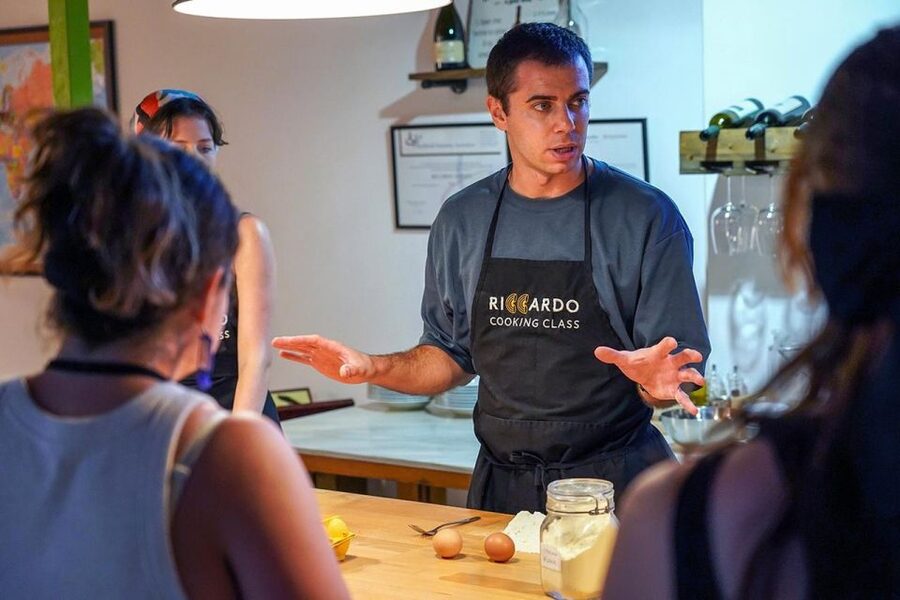
At $97 per person, the price is not cheap for a meal in Rome, but it includes more than a meal. You receive three hours of instruction, fresh ingredients, an apron to use, selected wine, and a three-course dinner based on the pasta you make.
The value is strongest if you want to learn. A restaurant can serve you Carbonara faster and perhaps more cheaply, but it will not show you how to build the sauce or shape ravioli. A standard food tour may offer more stops, yet it will not leave you with skills you can use at home.
The price also makes sense for couples, families, and solo visitors who enjoy meeting people around a table. The small group keeps the class from feeling like an assembly line. On the other hand, if you are looking only for a quick cooking activity or you do not drink wine, you may find the cost harder to justify.
A full class can also produce a lot of food. That is a benefit if you arrive hungry, but plan around it. You may not want to schedule another large meal immediately afterward.
Getting there and planning your day
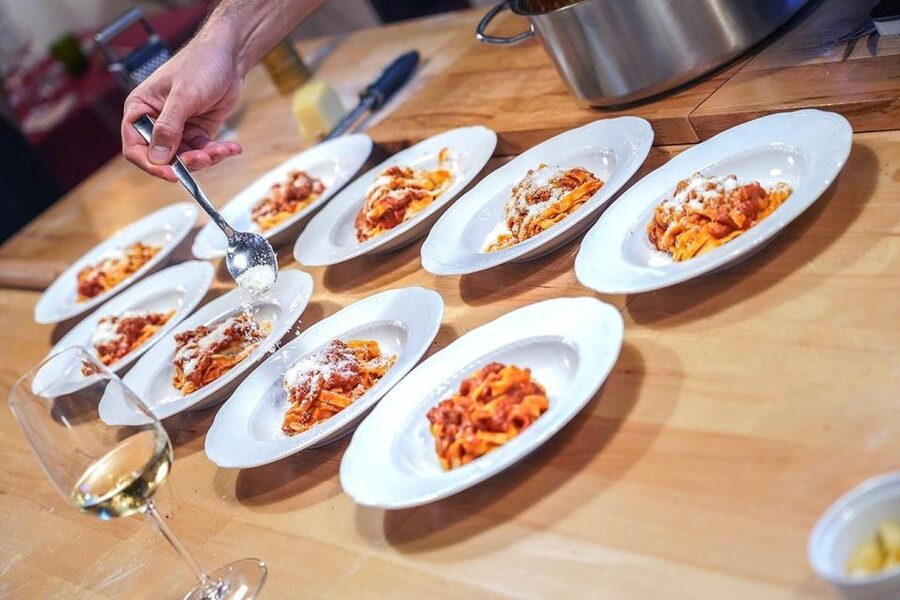
The Cooking Lab is at Circonvallazione Gianicolense 418, 00152 Rome, on a street near a café. Public transportation can make the trip straightforward from central Rome, but allow time to locate the exact entrance and arrive ready for the start.
The meeting point information refers to the lab, while some sessions may be held at the chef’s grandmother’s home. Confirm the precise location and starting time after booking, especially if you have a tight sightseeing plan.
This class works well on a morning when you want a break from museums and ancient monuments. It also makes a good early-trip activity because the chefs can suggest places to eat for later days. I would avoid placing it immediately before an important timed attraction unless you leave plenty of room for the meal and the journey back.
The activity is listed as wheelchair accessible. If you need specific details about the route, seating, or kitchen layout, ask before arrival so the team can prepare properly.
Who should book this class?
You should book if you want to make several kinds of pasta, learn real Roman sauces, and eat a relaxed meal with the people in your group. It suits beginners particularly well because the chefs demonstrate each stage and help with adjustments.
It is also a good choice for solo visitors. The small group gives you a natural table setting and a shared task, which is easier than sitting alone through a formal demonstration. Families and couples can enjoy it too, provided children are comfortable with a three-hour hands-on activity.
Food-focused visitors will get the most from the Carbonara and Cacio e Pepe lessons. If your main interest is Roman history, this is not a sightseeing tour and will not replace a visit to the Colosseum or Forum. Its subject is the living food culture of Rome, taught through flour, cheese, cured pork, and sauce.
I would hesitate only if you need a guaranteed single-language class, have complex dietary requirements that have not been confirmed, or want a quiet meal with no group interaction. In those cases, ask about a private session.
Should you book Rome’s pasta class?
Book it if you want more than a plate of pasta and would like to understand how Roman dishes are made. The combination of several pasta shapes, Carbonara and Cacio e Pepe techniques, a small group, wine, and a full meal gives the $97 price solid value for a cooking-focused day.
Make it an early Rome activity if you can. You will gain kitchen skills, recipe ideas, and restaurant suggestions that can shape the rest of your visit. Just send your food restrictions in advance and confirm the class location, language setup, and start time.
FAQ
How long does the pasta-making class last?
The class lasts three hours. A morning session has started at 11:00 and finished around 14:00, but available starting times can vary by date.
Where is the cooking class held?
The Cooking Lab is at Circonvallazione Gianicolense 418, 00152 Rome, on a street close to a café. Some sessions may instead take place at Chef Riccardo’s grandmother’s house.
What pasta can I learn to make?
The class may include ravioli, fettuccine, tortellini, cappelletti, spaghetti alla chitarra, and other pasta shapes. The exact selection can vary, and some sessions make three different pastas.
Are wine and food included?
Yes. Selected wine is included, along with a three-course meal made from the pasta and sauces prepared during the class.
Is the class suitable for vegetarians?
Yes. A special vegetarian menu is available. Tell the provider about your dietary needs before the class.
Can the class accommodate vegan or gluten-free diets?
Special options such as vegan, gluten-free, and dairy-free menus may be arranged for a private class. Contact the provider before booking to confirm what is possible for your needs.
What languages are spoken?
The class is offered in English and Italian. In a mixed-language group, some explanations may take additional time to translate.
Is the class wheelchair accessible?
Yes, the activity is listed as wheelchair accessible. Contact the provider in advance if you need specific information about the kitchen setup or access arrangements.
More Italian Cooking Classes in Rome
- Rome Pasta Making Class with Italian Sauces and Wine Included
★ 5.0 · 645 reviews - Rome Small Group Pasta Making Class with Wine and Italian Chef
★ 5.0 · 295 reviews - Rome: Pasta-Making Class with Italian Spritzes
★ 4.8 · 229 reviews - Rome: Neapolitan Pizza Cooking Class in Front of the Vatican
★ 4.8 · 137 reviews
More Pasta Making Classes in Rome
- 3 in 1 Cooking Class near Navona: Fettuccine, Ravioli & Tiramisu
★ 5.0 · 7,376 reviews - Rome Cooking Class: Make Pasta and 3 Spritz Cocktails
★ 5.0 · 2,937 reviews - Rome: 3-in-1 Fettuccine, Ravioli, and Tiramisu Cooking Class
★ 4.9 · 2,704 reviews - Rome: Fettuccine Pasta Cooking Class in Rome’s City Center
★ 4.8 · 2,414 reviews
Just added around Rome
- Rome: Pizza and Tiramisu Cooking Class Near the Colosseum★ 5.0 · 134 reviews
- Rome: Pasta Cooking Class in a Professional Pasta Laboratory★ 4.9 · 157 reviews
- Rome: Pasta Making Workshop with Lunch★ 4.8 · 11 reviews
- Gnocchi Cooking Class in Rome – Piazza Navona★ 4.6 · 75 reviews
- Rome: pasta and tiramisu cooking class in the city center★ 4.8 · 28 reviews
- Rome: Pasta Fettuccine, Ravioli & Tiramisu Cooking Class★ 5.0 · 6 reviews
- Rome: Pasta Cooking Class with Wine, Coffee, and Limoncello★ 5.0 · 7 reviews
- Rome: Hands-On Pizza Making Class near the Vatican with Wine★ 4.8 · 102 reviews
Pasta Making Classes, compared.
Florence: Pasta Cooking Class with Unlimited Wine
Read our review →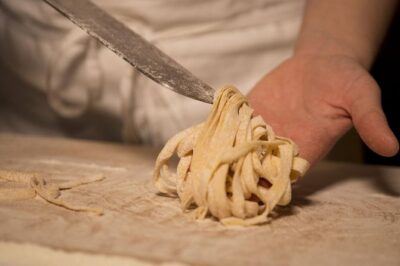
3 in 1 Cooking Class near Navona: Fettuccine, Ravioli & Tiramisu
Read our review →
Rome: Pasta Making Class with Wine, Limoncello, and Dessert
Read our review →
Rome Cooking Class: Make Pasta and 3 Spritz Cocktails
Read our review →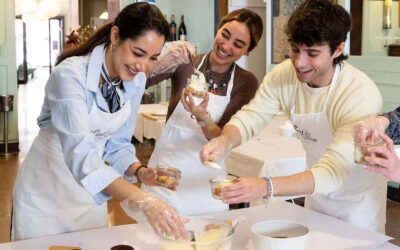
Rome: 3-in-1 Fettuccine, Ravioli, and Tiramisu Cooking Class
Read our review →