Review · BARCELONA
Barcelona: Paella Cooking Class with Market Visit and More
Barcelona’s best cooking lessons begin before the stove is switched on. Here, you walk through La Boqueria Market with a chef, learn how to judge seafood and produce, then carry those ideas into a hands-on paella class nearby. You make sangria, prepare tapas, cook paella, and sit down to eat it together.
I like the market-to-kitchen flow, which gives the meal a clear sense of place. I also like that chefs such as Maria, Hugo, Simon, Yaya, and Alberto teach rather than simply perform, so you learn the reasons behind the sofrito, seafood preparation, and crispy socarrat.
The main thing to consider is the seafood focus. Alternatives are available for chicken, vegetarian, and some dietary needs, but one person in a large group found that a separate paella station felt isolating. The market walk also requires arriving on time and walking several blocks.
Key points at a glance
- La Boqueria comes first: Learn how to select seafood, vegetables, and spices before cooking with them.
- You do the work: Prepare ingredients, mix sangria, cook paella, and help with dessert rather than watching a chef do everything.
- Seafood is central: Chicken and vegetarian options can be arranged during the class, along with some dietary adjustments.
- A social three-hour meal: Seasonal tapas, paella, dessert, drinks, and a farewell toast turn the lesson into a shared meal.
- Strong value at $95: The price includes food, tools, instruction, drinks, recipes, and the market visit on operating days.
Why this Barcelona cooking class works so well
I see this as more than a recipe lesson. It is a compact introduction to how food fits into daily Barcelona life. You begin amid the stalls of La Boqueria, then move to a kitchen where you handle the ingredients yourself. The change of setting gives the class a pleasant rhythm: shop, prepare, cook, eat.
The class lasts about two and a half to three hours. That is long enough to make the food feel earned, but not so long that it takes over your day. Morning sessions finish in time for lunch, while the 18:00 and 19:00 options suit anyone who wants a relaxed evening meal with a glass of sangria.
The experience has earned a 4.9 rating from 711 bookings, and the praise is consistent in a few useful areas: warm instructors, small-group participation, generous food and drink, and clear instruction. I would not book it only for the chance to eat paella. Barcelona has plenty of restaurants for that. Book it because you want to understand how the dish comes together.
More Market Tour Cooking Classes in Barcelona
- Barcelona: Paella Cooking Experience & Boqueria Market Tour
★ 4.8 · 3,661 reviews - Barcelona Paella Cooking Class with Market Visit, Tapas & Sangria
★ 5.0 · 2,531 reviews - Half-Day Spanish Cooking Class & Boqueria Market Tour
★ 4.9 · 383 reviews
Starting at La Boqueria Market
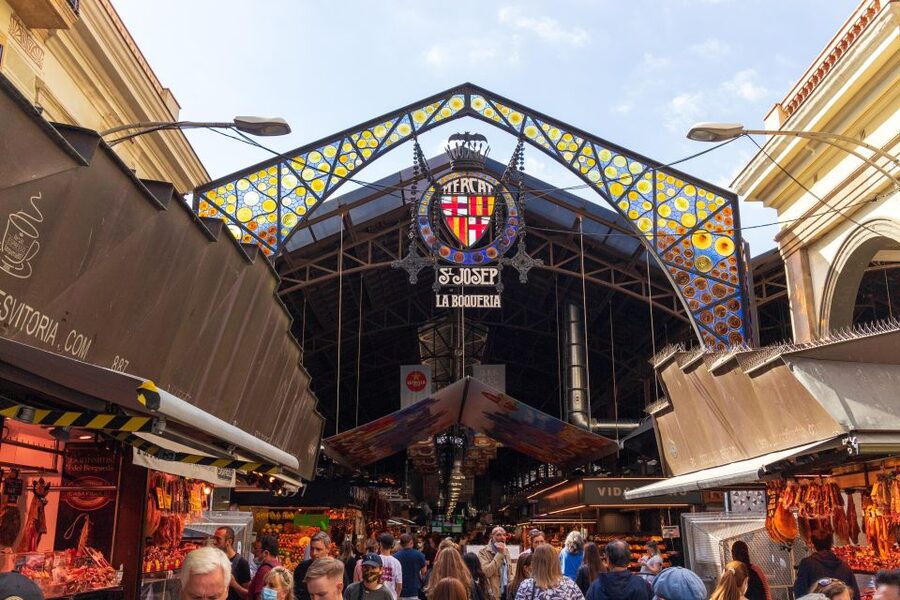
The meeting point is near Las Ramblas, beside the famous Mercat de Sant Josep de la Boqueria. The market visit is not a quick photo stop. Your chef explains how to choose fresh seafood and which ingredients help build a proper paella.
This is where guides such as Hugo, Maria, Simon, and Yaya add real value. They can explain what you are looking at, how seafood is prepared, and why certain ingredients belong in the pan. One class participant especially valued learning how to remove a shrimp’s shell and how to judge shellfish before buying it.
You should allow extra time to arrive. The class begins with the market visit, and arriving late means missing useful information and possibly the walk to the kitchen. If you do miss the opening, you can meet the group at the kitchen about 40 minutes after the start, or wait there by using the doorbell above the mailbox.
The market portion requires light walking before, during, and after the visit. Wear comfortable shoes. La Boqueria can be crowded, so this part is best approached as a guided food lesson, not as a leisurely shopping trip where you set your own pace.
There is one important exception. The market visit is not available on Sundays, public holidays, or during the final class of the day. The cooking class still takes place, but the experience loses its opening market chapter on those dates and times.
Moving from market stalls to the kitchen
After shopping, you walk a few blocks to the cooking space. Some sessions may begin at one kitchen and continue in another nearby location. The kitchen is described as welcoming and well appointed, with enough room for a shared, social class.
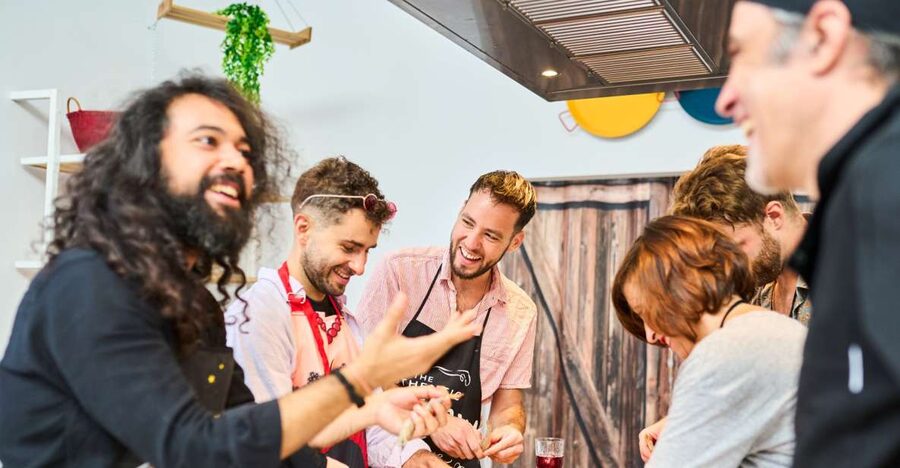
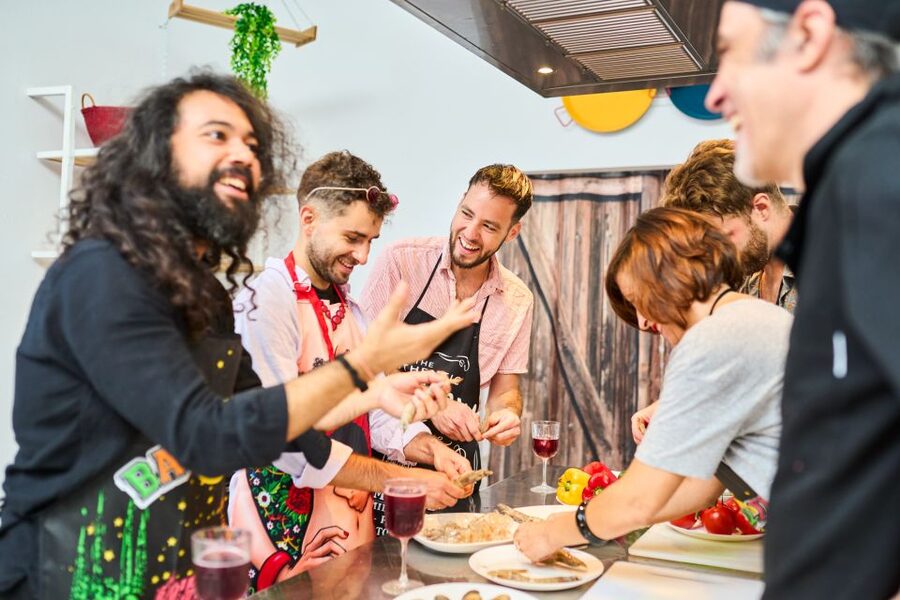
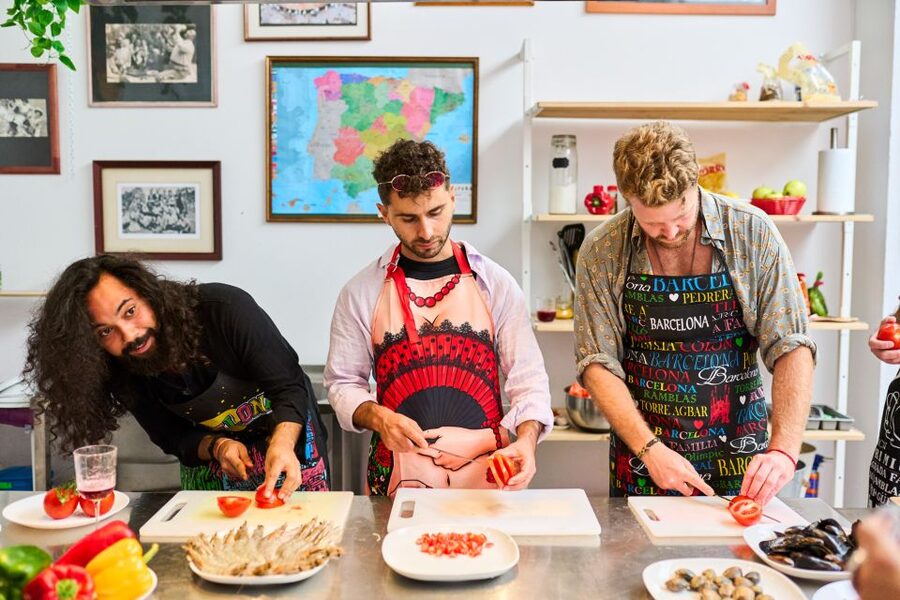
The format is designed to keep you involved. You may work at a station with other people, prepare ingredients, mix drinks, and follow the chef through each stage of the dish. The exact arrangement can vary by group size and menu, but the central idea stays the same: you cook rather than sit through a long demonstration.
That distinction matters. Many cooking classes offer a chef’s show followed by a plate of food. Here, you learn by doing. You see how the seafood is handled, how the base is built, and how timing affects the finished rice.
The group setting is part of the appeal. People arriving alone can join a table and take part without needing to know anyone beforehand. Couples and families also fit well. A family with children aged 11, 14, and 16 found the format suitable, and the hands-on work gives younger cooks a clear role.
Making sangria and tasting seasonal tapas
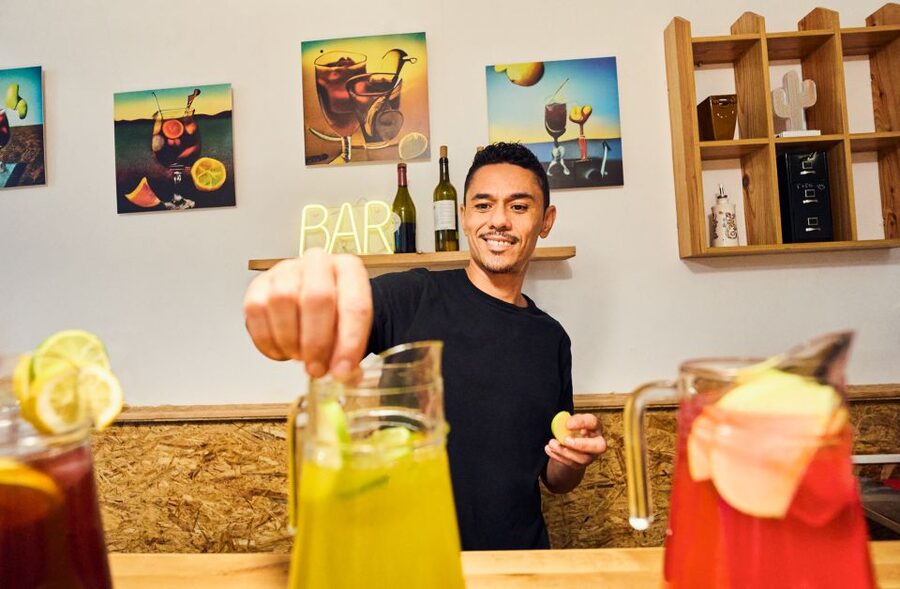
Sangria comes early enough to set a relaxed tone. You mix the drink with fresh fruit and Spanish wine, then sip it while the cooking progresses. Non-alcoholic sangria, bottled water, and juice are also included, so you are not limited to alcoholic drinks.
The amount of sangria receives frequent praise, but the useful point is that it is part of the activity, not simply a drink placed on the table. You learn the basic method and receive another recipe you can repeat at home.
Seasonal tapas provide the first food course. The exact selection changes, since the menu follows available ingredients, but the tapas are meant to introduce smaller Spanish flavors before the main paella. This also gives you something to eat while the rice cooks.
The class includes a dessert show-cooking segment as well. Almond cake, sometimes described as Santiago cake, has appeared in the menu. Dessert is prepared and served as part of the meal, although coffee is not included.
More Market Tour Cooking Classes in Spain
- Paella Cooking Class, Wine Tasting & Central Market in Valencia
★ 5.0 · 1,150 reviews - Valencian paella cooking class, tapas and visit to Ruzafa market.
★ 5.0 · 828 reviews - Spanish Cooking Class & Triana Market Tour in Sevilla
★ 5.0 · 760 reviews - Seville: 3.5-Hour Spanish Cooking Class & Triana Market Tour
★ 4.9 · 751 reviews
Preparing the paella step by step
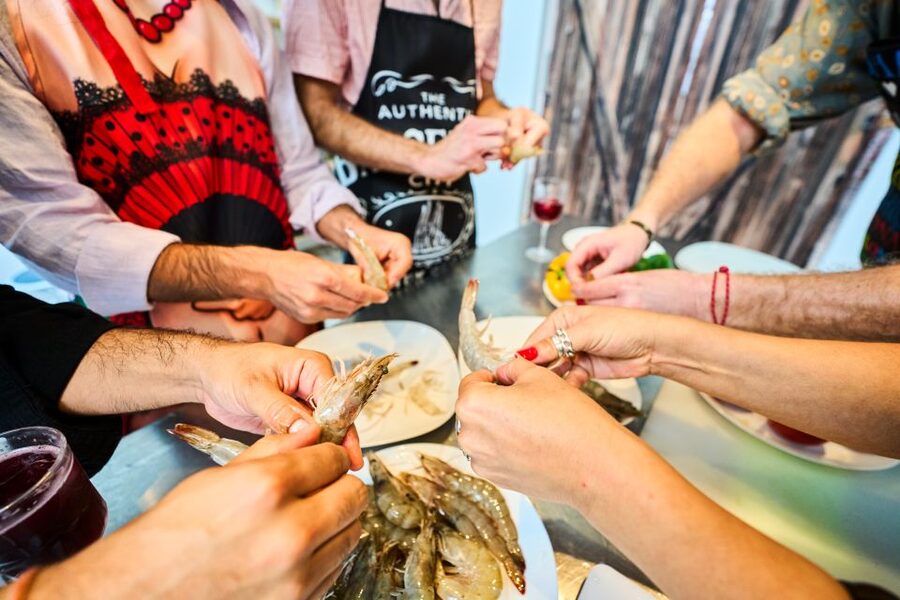
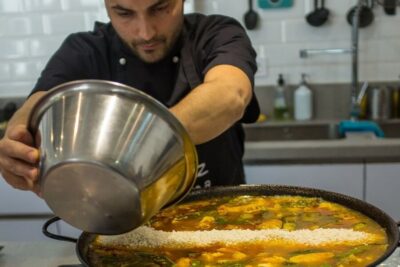
The central lesson is the paella. Depending on the group and dietary needs, you may prepare traditional seafood paella, chicken paella, or a vegetarian version. Seafood sessions can include ingredients such as calamari, shrimp, cockles, and mussels.
Your chef explains the cooking sequence, including the sofrito, the seasoned base that gives the dish much of its flavor. You also learn about the rice and the final cooking stage, when the bottom layer can become the prized socarrat, a crisp, toasted layer.
This is a useful lesson because paella is not simply rice with toppings. The order of cooking matters. Seafood needs careful handling, the base needs time to develop, and the rice should not be treated like a dish that can be stirred constantly. The chefs explain both what to do and why it matters.
The paella is prepared as a shared meal, though special diets may require a separate pan or station. This is the one area where I would ask your group to think ahead. If one person does not eat seafood, the class can often provide chicken or vegetarian paella, but that person may not cook from the same pan as everyone else.
The dietary approach is flexible at the start of the session. The chef asks about dietary needs when you arrive, and several sessions have accommodated vegetarians, people avoiding dairy, and people who do not eat seafood. Still, if food is central to your booking, arrive early and explain your needs clearly.
Eating what you prepared
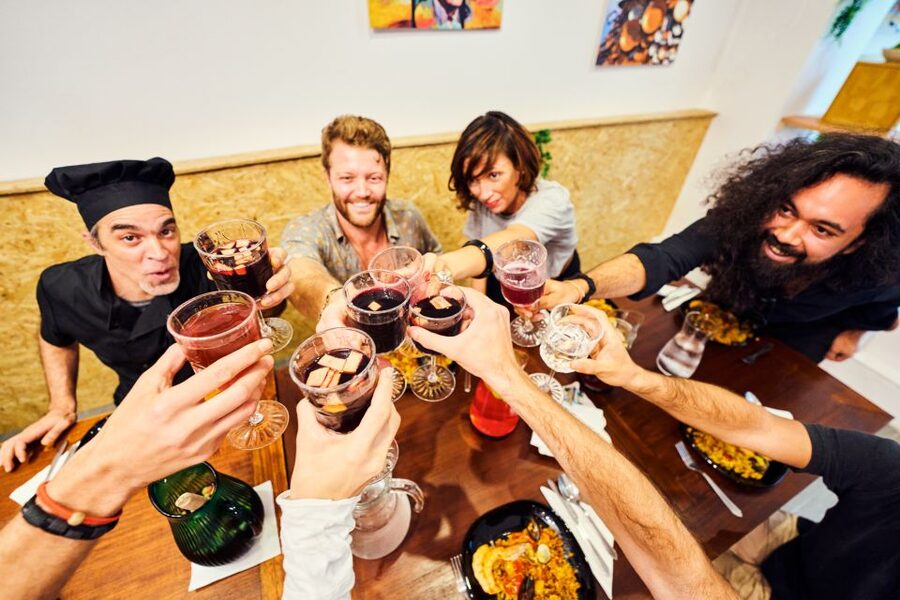
Once the paella is ready, you sit down for a family-style meal. This is where the class shifts from instruction to conversation. You eat the paella you helped prepare, along with the tapas and dessert, and raise a farewell toast.
The food is plentiful enough for seconds in some sessions, which makes the $95 price easier to judge. You are not paying for one small tasting plate. The fee covers a three-hour activity with ingredients, kitchen tools, instruction, tapas, paella, dessert, drinks, and recipes.
That said, the class is not the cheapest way to eat paella in Barcelona. If you want only a plate of rice, a restaurant will cost less. The value comes from the combined program: market orientation, cooking instruction, social meal, and recipes for later.
The shared table also changes the feel of the evening. You are not being served by a restaurant staff and sent on your way. You have worked with the food, seen its raw ingredients, and spent several hours with the people at your station. That makes the meal more memorable, though anyone seeking a quiet, private dinner should choose a restaurant instead.
The chefs make a major difference
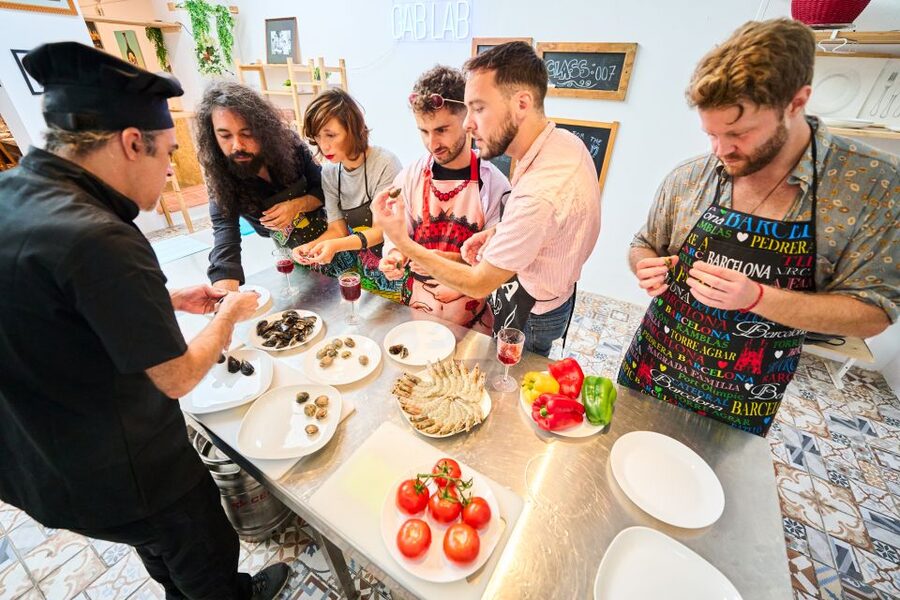
The teaching team changes by session. Names that appear across the classes include Maria, Hugo, Simon, Yaya, Alberto, Bibi, Eitia, Gidi, Gitan, Andreas, Teresa, and Simone. The individual chef matters because the lesson depends on clear timing, friendly direction, and good group management.
Maria has been especially appreciated for explaining market seafood and adapting the food. Hugo is known for guiding the process from ingredient preparation through the finished paella. Simon has led market walks and evening classes, and Yaya has been praised for her energy and warm hosting.
You should not book based on securing one particular chef unless the booking system confirms that person. Staff assignments can change. The important point is that the program is built around a chef-led class in English or Spanish, with an emphasis on participation and explanation.
The best teaching moments are practical. You learn how to shop, clean, season, and cook. You also hear bits of food culture along the way, including why paella is made in a certain order and how local ingredients affect the final dish.
Timing, location, and practical planning
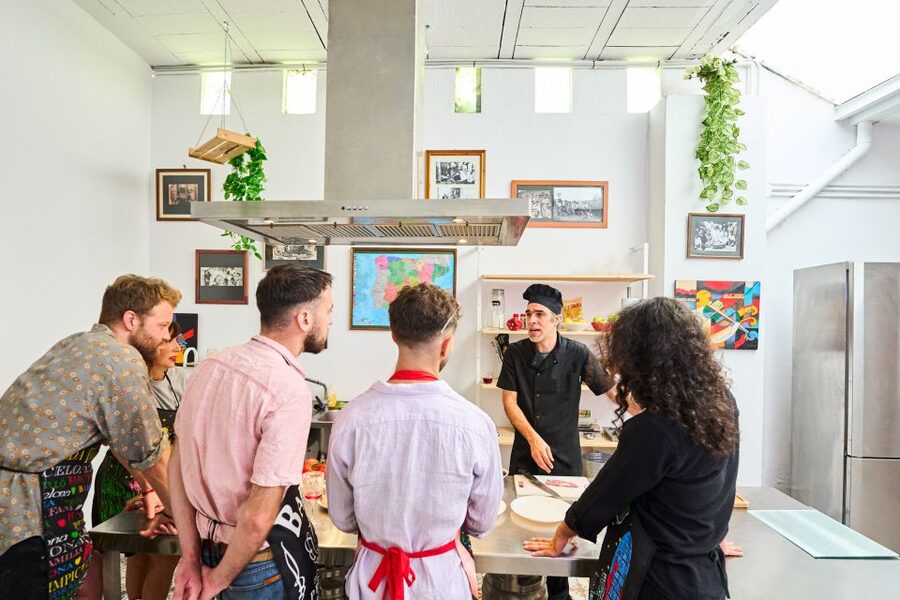
Classes are offered daily at 10:00, 11:00, 14:00, 18:00, and 19:00, subject to availability. I would choose the 10:00 session if you want the class to line up with lunch and leave the afternoon open. The 18:00 or 19:00 class works well as an evening activity, but remember that the last class does not include the market visit.
The location near La Boqueria and Las Ramblas is convenient for a day in central Barcelona. It is easy to combine with sightseeing, but do not schedule a tight appointment immediately afterward. The stated running time is two and a half to three hours, and the market walk, cooking, meal, and farewell toast all need room.
There is no hotel pickup or drop-off. You make your own way to the meeting point. Instructions are reported as easy to follow, but I would still arrive several minutes early, especially for a morning class or one beginning during busy Las Ramblas hours.
The activity is wheelchair accessible, though the market portion includes light walking. If mobility is a concern, confirm the exact setup for your chosen session, particularly on a day when the market visit is included.
Free cancellation is available up to 24 hours before the class, and you can reserve now and pay later. Those terms help if your Barcelona schedule is still shifting.
Who should book this class
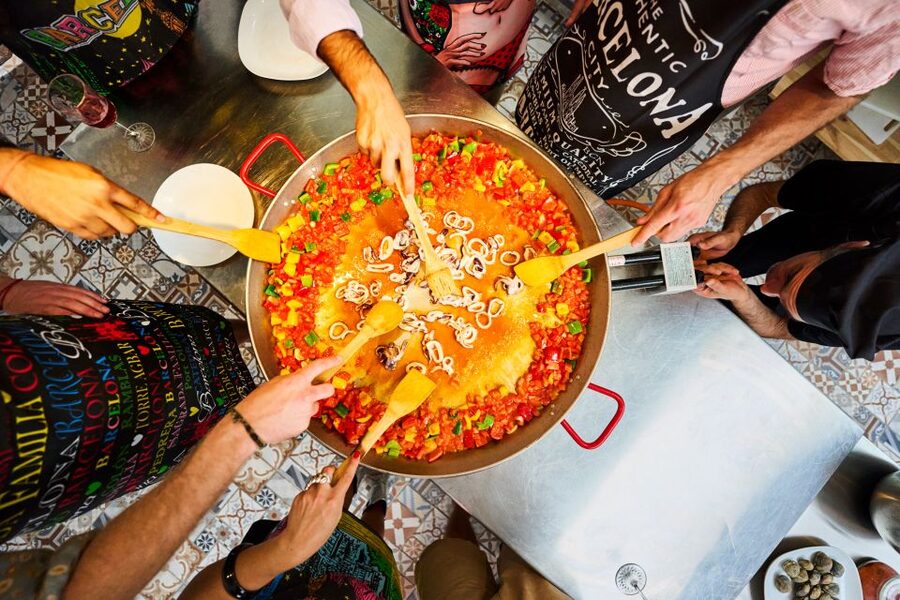
I would recommend it to first-time visitors who want a friendly introduction to Spanish food, and to returning visitors who want something more active than another restaurant meal. It also suits solo participants, couples, families, and people who like meeting others at a shared table.
You do not need cooking experience. The instructions are designed for beginners, while confident cooks can still learn from the seafood preparation, sofrito, and socarrat techniques.
Vegetarians and people with some dietary restrictions can often be accommodated. Seafood lovers get the fullest version of the market and cooking experience, while people avoiding seafood should understand that an alternative may involve a separate cooking setup.
I would skip it if you dislike group activities, do not want to walk through a busy market, or prefer a quiet dinner with no scheduled instruction. I would also avoid booking the final class if the market is the main reason you are interested.
Should you book it?
At $95 per person, this is a fair price for a three-hour food experience that includes far more than paella. I like the clear progression from La Boqueria to the kitchen, the chance to handle fresh seafood or alternative ingredients, and the generous meal at the end.
Book the 10:00 session for the best lunch-day plan, or choose an evening class for a social night out. Arrive early, wear comfortable shoes, and mention dietary needs as soon as you arrive.
If you want to learn a dish you can make at home while meeting people in Barcelona, book it. If you only want to eat paella, spend the $95 elsewhere.
FAQ
How long does the Barcelona paella class last?
The class runs between two and a half and three hours. That includes the market visit when available, cooking, the meal, dessert, and farewell toast.
What food is included?
The experience includes seasonal tapas, a family-style paella meal, dessert, and all ingredients used during the class. You also make sangria and receive the recipes afterward.
Can I take the class if I do not eat seafood?
Yes. Chicken and vegetarian paella options can be prepared, and dietary needs are discussed at the beginning of the session. The alternative may be cooked at a separate station.
Is the La Boqueria visit included every day?
No. The market visit is excluded on Sundays, public holidays, and during the final class of the day. The cooking class continues on those dates and times.
Which languages are spoken?
The class is offered in English and Spanish.
Is the activity wheelchair accessible?
Yes, the activity is listed as wheelchair accessible. Light walking is required before, during, and after the market visit.
More Shopping Trips in Spain
- Valencia: Paella Cooking Class with Central Market Tour
★ 5.0 · 721 reviews - Madrid Tapas & Paella Cooking Experience with Local Market Visit
★ 5.0 · 432 reviews - Interactive Paella & Market: Bottomless Wine & Rambla Views
★ 5.0 · 376 reviews - Seafood paella cooking class, tapas and visit to Ruzafa market.
★ 5.0 · 328 reviews
More Paella and Spanish Classes in Spain
- Barcelona Interactive Spanish Cooking Experience
★ 4.5 · 2,155 reviews - Spanish Cooking Class Paella Tapas and Sangria in Madrid
★ 5.0 · 1,340 reviews - Paella Cooking Class in Madrid with Bottomless Wine Pairing
★ 5.0 · 985 reviews - Seville: Spanish Cooking Class with Dinner
★ 4.9 · 900 reviews
Just added around Spain
- A Coruña: Local Market Shopping and Cooking Workshop★ 5.0 · 16 reviews
- San Sebastian: Authentic Basque Cooking Class★ 4.9 · 102 reviews
- Authentic Basque Cooking Class in San Sebastian Old Town★ 4.5 · 87 reviews
- Basque Cooking Experience: Market Tour & Hands-On Class English★ 5.0 · 144 reviews
- Local Cooking Class in San Sebastian★ 5.0 · 44 reviews
- Sevilla: Rooftop Paella Cooking Class & 30-minute expert Q&A★ 5.0 · 198 reviews
- Paella Cooking Class in Malaga★ 5.0 · 209 reviews
- La Boqueria Market and Paella Cooking Class in Barcelona★ 5.0 · 229 reviews
Spanish & Paella Cooking Classes, compared.
Barcelona: Paella Cooking Experience & Boqueria Market Tour
Read our review →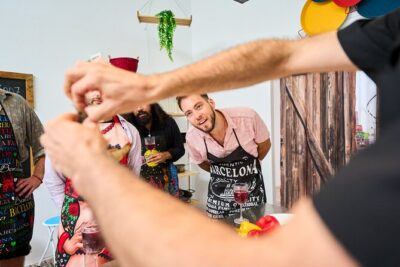
Barcelona Paella Cooking Class with Market Visit, Tapas & Sangria
Read our review →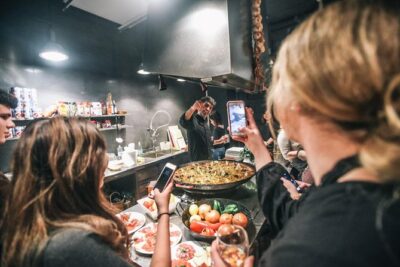
Barcelona Interactive Spanish Cooking Experience
Read our review →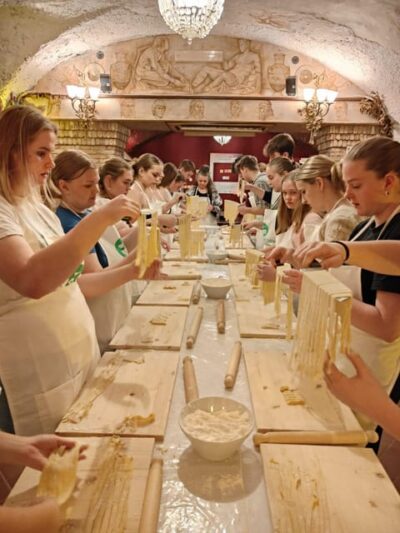
Rome: Pasta & Tiramisu Cooking Class near the Spanish Steps
Read our review →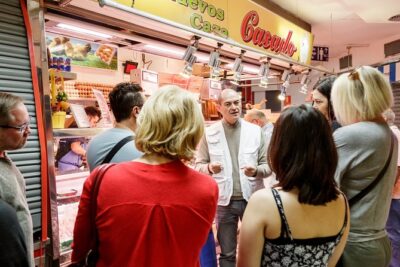
Spanish Cooking Class Paella Tapas and Sangria in Madrid
Read our review →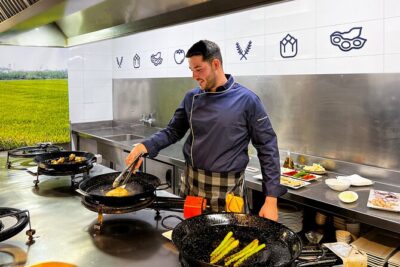
Paella Cooking Class, Wine Tasting & Central Market in Valencia
Read our review →
Paella Cooking Class in Madrid with Bottomless Wine Pairing
Read our review →