Review · SEVILLE
Seville: 3.5-Hour Spanish Cooking Class & Triana Market Tour
Seville’s Triana Market is more than a backdrop for this class. It is where you begin, learning about the produce, meats, cheeses, and other ingredients before turning them into a shared Andalusian meal. Making paella inside the market gives the experience a useful local connection that a standard cooking demonstration lacks.
I especially like the short market walk and the proper hands-on format. You do not just watch a chef work. You chop, stir, season, and learn practical tricks such as preparing an artichoke or deboning chicken. The main consideration is that the menu can change, and the market tour is offered only in the morning, so check the start time before booking.
Key points at a glance
- Triana Market setting: The cooking school is inside the market at stalls 75 to 77, making the ingredients and local food culture part of the class.
- Three savory dishes plus dessert: Expect salmorejo or gazpacho, spinach with chickpeas or another Spanish dish, chicken and vegetable paella, and a light dessert.
- Real participation: You help prepare the food rather than simply watching a chef demonstrate it.
- Friendly English instruction: Chefs including Leo, Dom, Maria, and Pedro have been praised for clear teaching, humor, and patience.
- Vegetarian planning: A separate vegetable paella is prepared when someone in the group is vegetarian.
- Food and drinks included: Sangria is served while you cook, followed by your meal and two additional drinks.
Why Triana Market is the right place to learn Spanish cooking
The first useful feature is the location. Triana Market sits at Plaza del Altozano, across the river from central Seville, and the school is listed at stalls 75 to 77. You meet directly at the market rather than taking a bus to a separate culinary studio.
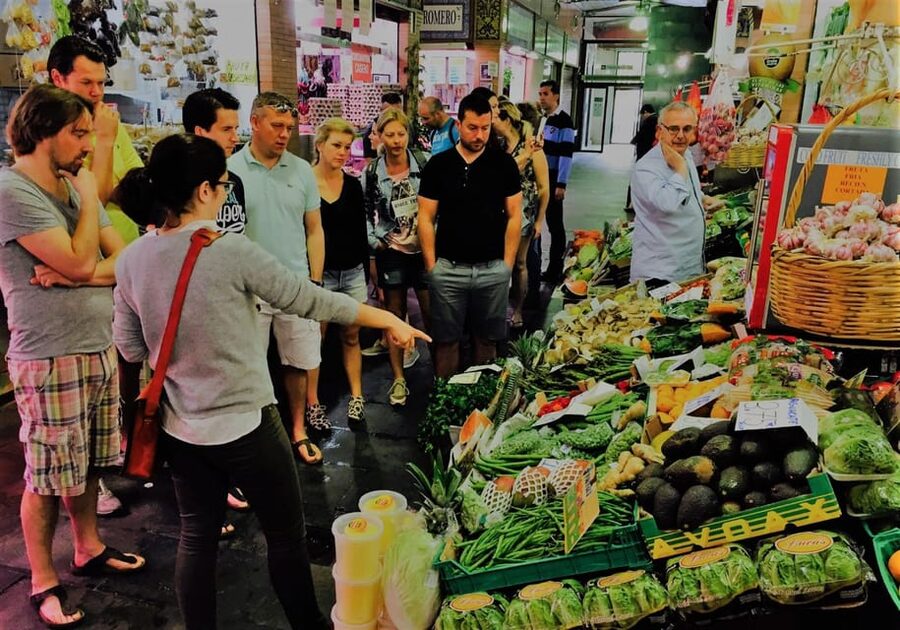
That matters because Spanish cooking makes more sense when you see its ingredients in their everyday setting. The market walk gives you an introduction to local products and the food traditions of Seville before you begin cooking. Guides such as Ana, Sabrina, Clara, and Kai have led these visits, explaining items at different stalls and pointing out ingredients used later in the class.
The tour is short, not a full market-shopping expedition. You will hear about the market’s past and stop at selected stalls, with attention to products such as meats, cheeses, vegetables, and other staples of Spanish cooking. If you want to browse at a slower pace or buy breakfast, arrive early and look around before the activity begins. One useful tip is to avoid treating the market walk as a photo stop only. Pay attention to the ingredients, since the class becomes easier to follow once you recognize what is being used.
The market can be busy during the morning, but the guided visit is designed to respect people doing their shopping. That gives you a more grounded look at the market than a staged food tour. The tradeoff is that you are still in a working food market, not a quiet classroom. You may have to stay close to your guide and listen carefully.
More Market Tour Cooking Classes in Spain
- Barcelona: Paella Cooking Experience & Boqueria Market Tour
★ 4.8 · 3,661 reviews - Barcelona Paella Cooking Class with Market Visit, Tapas & Sangria
★ 5.0 · 2,531 reviews - Paella Cooking Class, Wine Tasting & Central Market in Valencia
★ 5.0 · 1,150 reviews
What you cook during the 3.5-hour class
The menu usually includes three main preparations and a light dessert. It is a good spread of Spanish techniques, with cold soup, a vegetable-based dish, rice, and a simple sweet finish.
Salmorejo or gazpacho
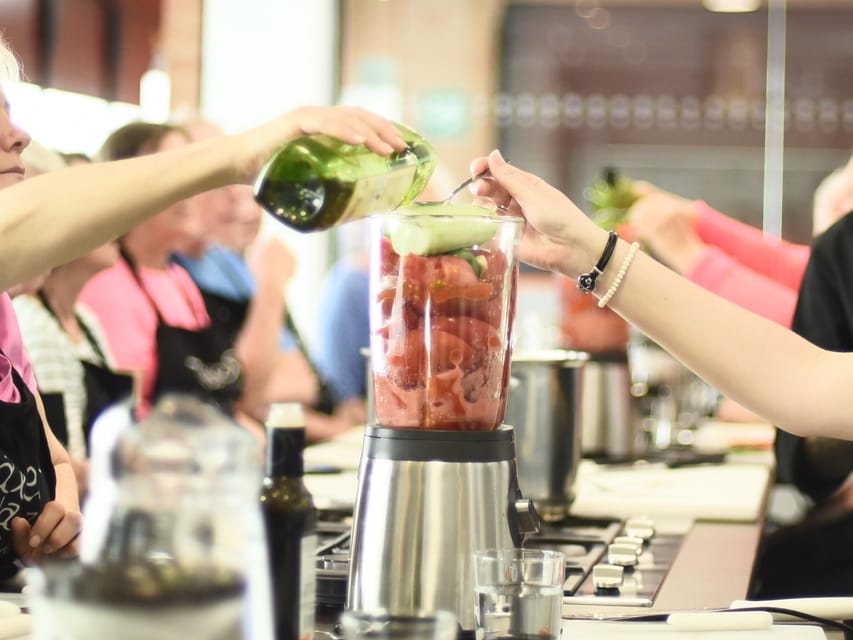
The class begins with salmorejo on many occasions, though gazpacho may be substituted. Both are familiar Andalusian preparations, but they are not identical.
Salmorejo is thicker and creamier, while gazpacho is lighter and more pourable. The point for you is not just learning a recipe. You get to see how a few basic ingredients can become a dish with a very different texture depending on preparation and seasoning.
Spinach with chickpeas and changing seasonal dishes
The second dish is often spinach with chickpeas, a hearty combination with strong Andalusian roots. On other occasions, the class may prepare flamenco eggs, cod fritters, or garlic prawns instead.
This changing menu is worth noting before you book. If you are choosing the experience for one particular recipe, especially garlic prawns or flamenco eggs, do not assume it will appear on your date. The class is built around traditional local food rather than a fixed restaurant menu.
You may also learn small kitchen skills here that have more value than a souvenir. Past classes have included lessons on finely chopping garlic and preparing an artichoke. The teaching style gives you room to work, while the chef steps in with help when needed.
More Paella and Spanish Classes in Spain:
- Barcelona Interactive Spanish Cooking Experience
★ 4.5 · 2,155 reviews - Spanish Cooking Class Paella Tapas and Sangria in Madrid
★ 5.0 · 1,340 reviews - Paella Cooking Class in Madrid with Bottomless Wine Pairing
★ 5.0 · 985 reviews - Seville: Spanish Cooking Class with Dinner
★ 4.9 · 900 reviews
Chicken and vegetable paella
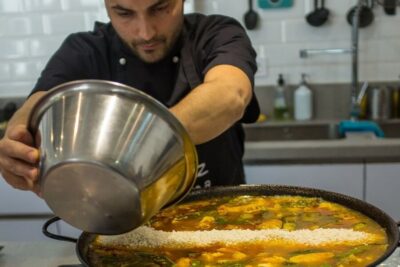
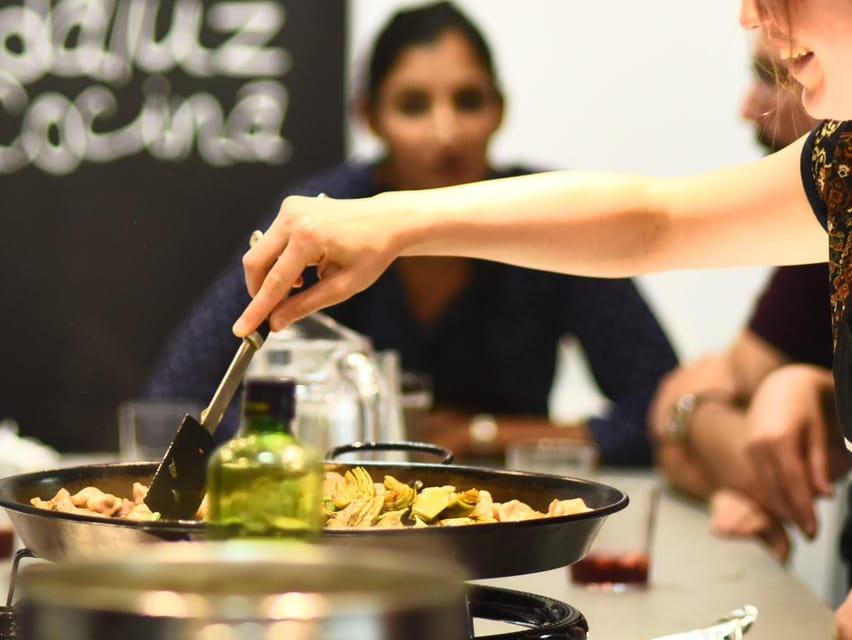
Paella is usually the main event. The standard version is made with chicken and seasonal vegetables, rather than seafood. That is useful to know if you are expecting a seafood paella based on what you have eaten elsewhere in Spain.
The class includes active preparation, and you may be shown how to handle the chicken as part of the process. One particularly practical lesson has been deboning a chicken, which turns a restaurant dish into something you can attempt at home.
The paella is cooked as a group project, so your role may involve chopping, stirring, adding ingredients, or helping with the stages of the dish. The chef leads the timing and explains what is happening. That balance works well for beginners because you participate without being left to guess what comes next.
For vegetarians, a separate vegetable paella is prepared when someone in the group needs one. Tell the operator about dietary restrictions in advance. Do not wait until you arrive, since the kitchen needs time to plan the ingredients.
A light dessert
The final course is a simple dessert such as lemon sorbet with cava. Some descriptions also refer to a lemon and mint-style finish. It is intentionally light after the paella and works well with the relaxed meal at the end.
The dessert is not the reason to book the class, but it completes the menu and gives you one more preparation to try at home.
A class that gets you cooking, not just watching
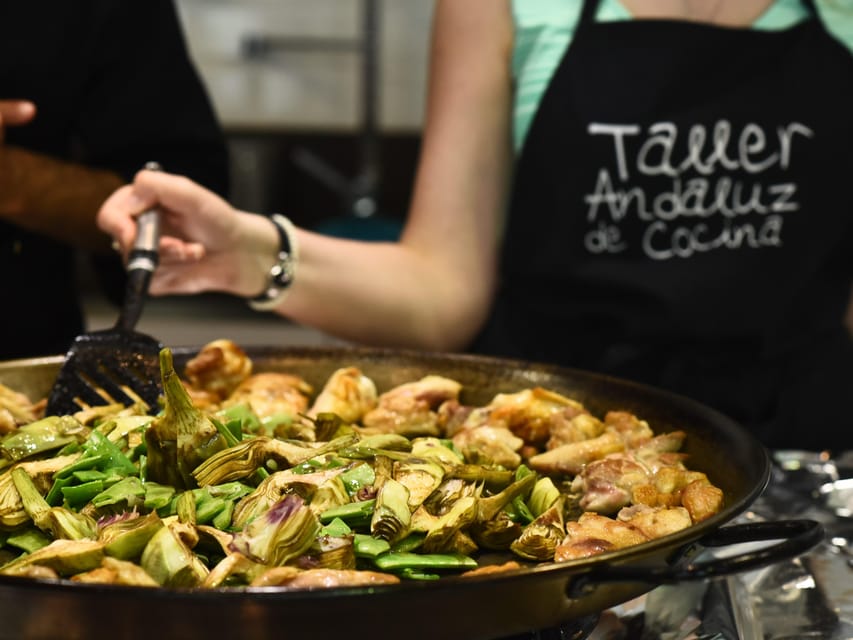
The best part of this activity is the amount of participation. You are not seated for three hours while a chef cooks everything in front of you. You take part in the work, with the chef showing a technique and then giving you a chance to try it.
That setup suits beginners particularly well. You do not need advanced cooking skills, and you should not feel embarrassed if your chopping is slow or your technique is unfamiliar. Chefs such as Dom, Leo, Pedro, Carlo, and Maria have been singled out for being patient, funny, and willing to answer questions.
The humor is part of the format. A good cooking class needs a teacher who can keep the pace moving without making you feel tested. The chefs appear to use jokes and conversation to make the work social, while still explaining why a dish is prepared in a certain way.
You may learn practical details about texture, timing, knife work, seasoning, and how different ingredients behave. These are the lessons that travel home with you. Recipes can be emailed after the class, giving you a better chance of recreating the meal than relying on memory alone.
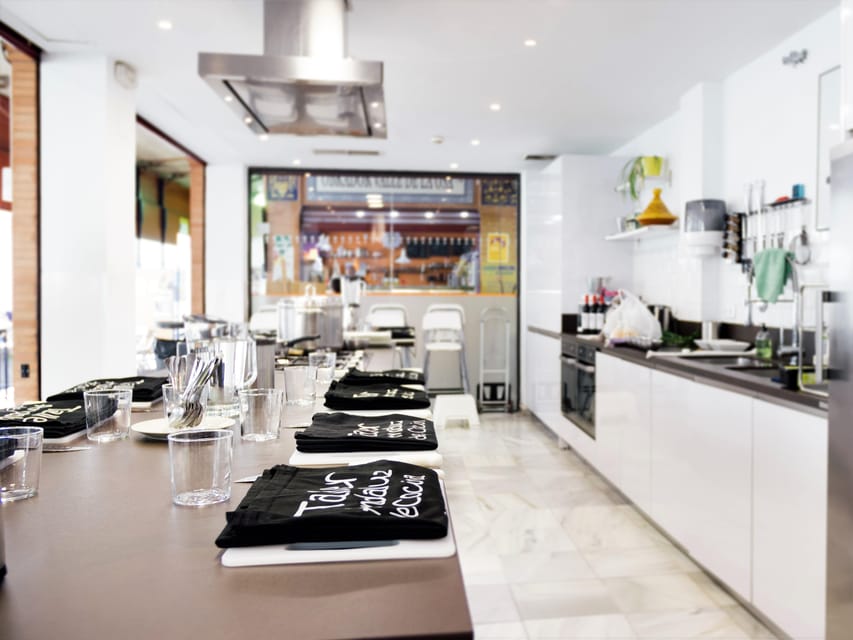
The kitchen is described as clean and spacious, with seating and work areas arranged so everyone can see the demonstration. That is important in a group activity. If you cannot see the cutting board or the pan, the hands-on promise loses some of its value.
Still, participation will not mean that every person prepares every part of every dish from start to finish. Some tasks are shared, and the chef controls the larger cooking process. Think of it as a guided group kitchen rather than a private lesson.
Sangria, lunch, and the value of the price
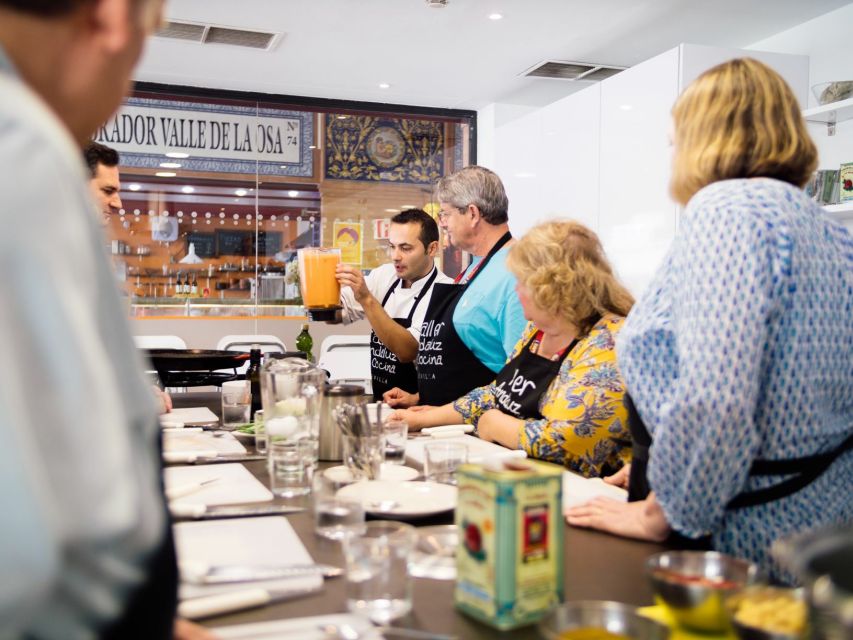
At $88 per person, this is not a budget market visit, but it includes more than a simple demonstration. You receive the market tour, ingredients, apron use, the cooking lesson, the full meal, sangria during the preparation, and two additional drinks with lunch.
The drinks include local beer, white wine, red wine, or soft drinks. That makes the price easier to justify if you want a social meal as well as a cooking lesson. You are paying for instruction, food, drinks, and the convenience of learning in the market where some of the ingredients are found.
The meal is also substantial. You eat the salmorejo or gazpacho, the second savory dish, the paella, and the dessert you helped prepare. Several participants have found the paella especially successful, but the more useful point is that you can taste the result of the techniques you practiced.
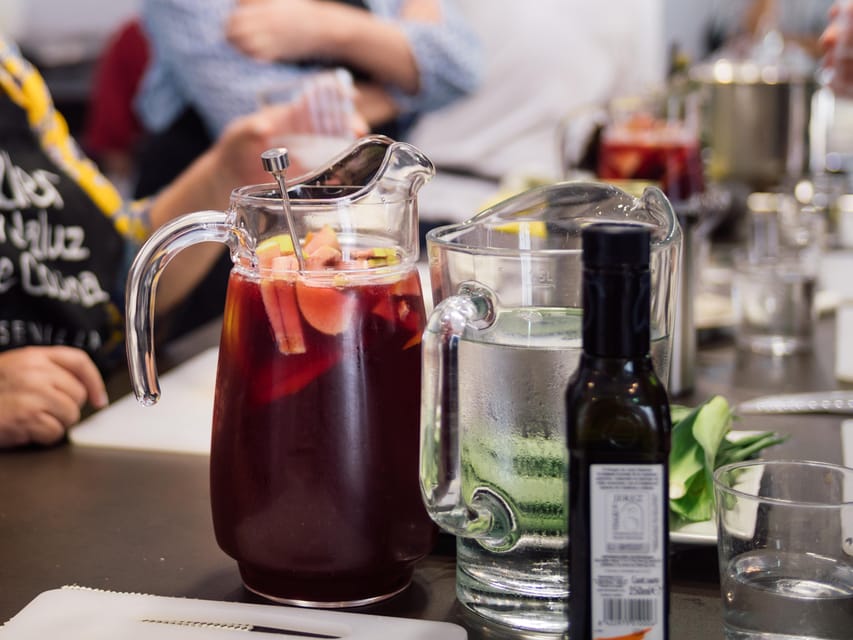
Sangria is prepared and served during the cooking period. It helps create a relaxed mood, but you can request nonalcoholic drinks for the meal. If you do not drink alcohol, the class still includes suitable alternatives.
The value depends on what you want from Seville. If your priority is the cheapest possible meal, $88 is a lot. If you want a market visit, a cultural introduction, practical cooking instruction, lunch, and drinks in one 3.5-hour activity, the price is reasonable.
Timing, pace, and the market-only morning tour
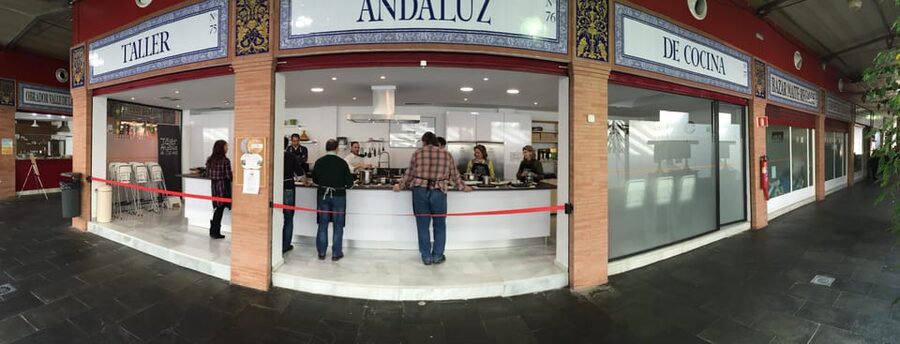
The experience lasts three and a half hours. The market portion is available only in the morning, even though the cooking class itself may have different starting times depending on the date.
That timing affects your day. A morning session can work well as an introduction to Seville’s food culture, leaving the afternoon for the cathedral, the Alcazar, or a walk along the river. It also lets you see Triana Market when local shopping is underway.
Arrive with enough time to locate Plaza del Altozano and stalls 75 to 77. The market is the meeting point, so do not rely on finding a separate cooking-school entrance elsewhere in Seville.
The pace is active but not rushed. You begin with the market explanation, then move into the kitchen for preparation and cooking, followed by the meal. Because several dishes are made, some cooking happens while another preparation is under way. That keeps the three and a half hours useful.
A possible drawback is that the menu and exact dish order can vary. The alternative dishes are still Spanish specialties, but you should view the published menu as a guide rather than a guarantee.
Who will enjoy this Seville cooking class?
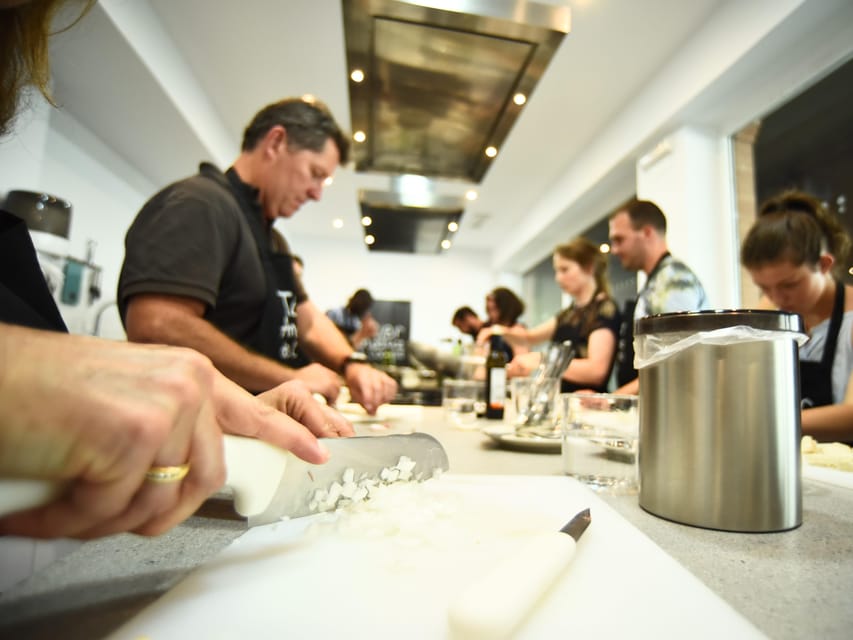
I would recommend this to anyone who wants a practical introduction to Andalusian food. It works especially well for couples, families, parent and adult-child combinations, and solo visitors who enjoy meeting people around a shared task.
It is also a strong choice for people who have already seen Seville’s main monuments. Cooking gives you a different way to understand the city, and the market visit adds a local food angle without requiring a separate full-day excursion.
Beginners should feel comfortable booking. The chefs explain each stage and make room for questions. More experienced home cooks may still enjoy the class, especially for the market context, local recipes, paella method, and small technique lessons.
Vegetarians are welcome, provided you tell the operator ahead of time. A separate vegetable paella is prepared when needed. For other allergies, intolerances, or restrictions, advance notice is essential.
I would think twice if you dislike group activities, cannot stand being around food preparation, or want a quiet private lesson. The class is social, and the chef’s humor is part of the experience. The market tour also requires you to listen and move with the group.
Practical details that make the day easier
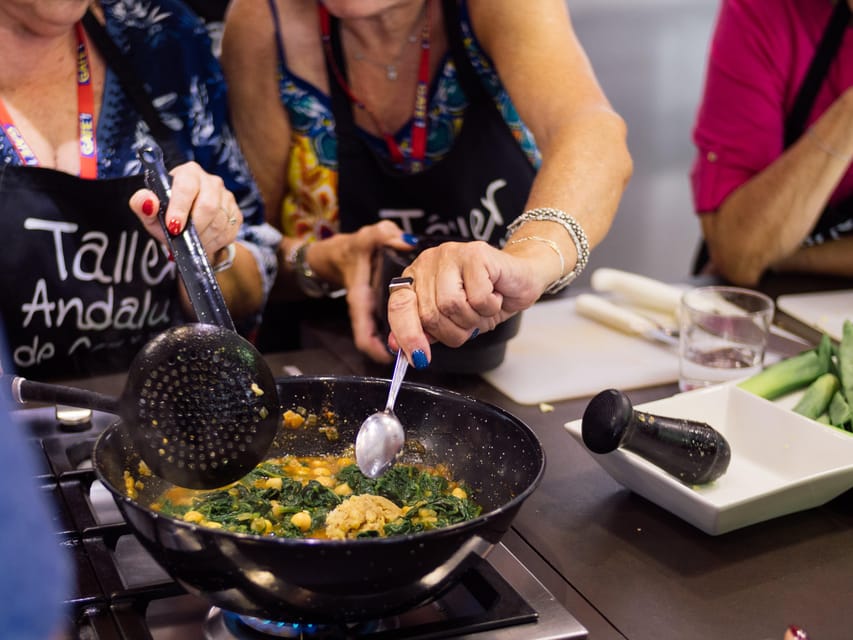
Wear comfortable clothing that you do not mind cooking in. An apron is provided, but cooking still involves chopping, stirring, and handling ingredients.
Do not plan a large lunch immediately afterward. You eat all the dishes prepared during the class, along with dessert and drinks, so this is both a lesson and a proper meal.
If you want market photos or purchases, add time before or after the class rather than expecting the guided visit to cover every stall. The tour focuses on ingredients and food culture, not leisurely shopping.
The activity is conducted in English with a live guide. Staff names vary, but instructors have included Ana, Sabrina, Clara, Kai, Leo, Dom, Maria, Pedro, Carlo, and others. The teaching team may change, yet the format remains a market introduction followed by a guided class.
Free cancellation is available up to 24 hours before the activity for a full refund, and you can reserve now and pay later. Those policies are useful if your Seville schedule is still changing, but the more important planning point is to confirm the morning market timing and communicate dietary needs early.
Should you book the Triana Market cooking class?
Yes, if you want to do more than eat Spanish food in Seville. The combination of Triana Market, hands-on cooking, paella, sangria, and a shared meal gives you a clear sense of how local ingredients become familiar dishes.
I would book it near the beginning of a Seville stay if possible. You may leave with recipes to make at home and a better idea of which foods and market products to seek out during the rest of your visit.
The class is not a private chef lesson, and the menu may change. But for $88, it offers a well-rounded morning or afternoon with real participation, an English-speaking cooking team, and enough food to count as lunch. If that sounds better than another passive sightseeing stop, this is a smart choice.
FAQ
Where does the Seville cooking class meet?
It meets inside Triana Market at Plaza del Altozano, stalls 75 to 77, in Seville.
How long does the activity last?
The complete experience lasts 3.5 hours, including the market visit, cooking class, and meal.
Is the class taught in English?
Yes. The activity includes a live English-speaking guide.
What dishes are prepared?
The usual menu includes salmorejo or gazpacho, spinach with chickpeas or another Spanish dish, chicken and seasonal vegetable paella, and a light dessert.
Is paella included?
Yes. The class prepares paella made with chicken and seasonal vegetables. A separate vegetable paella is prepared when someone in the group is vegetarian.
Are drinks included?
Yes. Sangria is served during the cooking period, and two additional drinks are offered with the meal. Options include local beer, red wine, white wine, or soda.
Can dietary restrictions be accommodated?
You must inform the tour operator about allergies, intolerances, or dietary restrictions before attending. A separate vegetable paella is prepared for vegetarians when needed.
Is the market tour offered all day?
No. The market tour is available only in the morning. Check the available starting times when booking.
More Hands-On Workshops in Spain
- Málaga: Spanish Cooking Workshop with Paella and Sangria
★ 4.9 · 613 reviews - Paella Cooking Class with Professional Chef: Four Course Dinner
★ 5.0 · 561 reviews - Taste of Spain: Tapas Cooking Class with Bottomless Wine Pairing
★ 5.0 · 414 reviews - Half-Day Spanish Cooking Class & Boqueria Market Tour
★ 4.9 · 383 reviews
More Shopping Trips in Spain
- Valencian paella cooking class, tapas and visit to Ruzafa market.
★ 5.0 · 828 reviews - Spanish Cooking Class & Triana Market Tour in Sevilla
★ 5.0 · 760 reviews - Valencia: Paella Cooking Class with Central Market Tour
★ 5.0 · 721 reviews - Barcelona: Paella Cooking Class with Market Visit and More
★ 4.9 · 711 reviews
Just added around Spain
- A Coruña: Local Market Shopping and Cooking Workshop★ 5.0 · 16 reviews
- Authentic Basque Cooking Class in San Sebastian Old Town★ 4.5 · 87 reviews
- San Sebastian: Authentic Basque Cooking Class★ 4.9 · 102 reviews
- Basque Cooking Experience: Market Tour & Hands-On Class English★ 5.0 · 144 reviews
- Local Cooking Class in San Sebastian★ 5.0 · 44 reviews
- Sevilla: Rooftop Paella Cooking Class & 30-minute expert Q&A★ 5.0 · 198 reviews
- Paella Cooking Class in Malaga★ 5.0 · 209 reviews
- Madrid: 10 Tapas 2.5-Hour Cooking Class★ 4.7 · 222 reviews
Spanish & Paella Cooking Classes, compared.
Barcelona: Paella Cooking Experience & Boqueria Market Tour
Read our review →
Barcelona Paella Cooking Class with Market Visit, Tapas & Sangria
Read our review →
Barcelona Interactive Spanish Cooking Experience
Read our review →
Rome: Pasta & Tiramisu Cooking Class near the Spanish Steps
Read our review →
Spanish Cooking Class Paella Tapas and Sangria in Madrid
Read our review →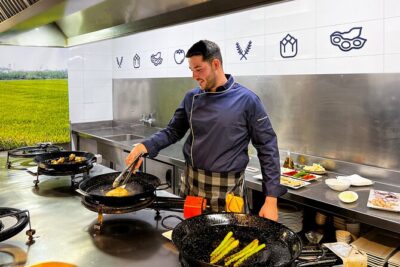
Paella Cooking Class, Wine Tasting & Central Market in Valencia
Read our review →
Paella Cooking Class in Madrid with Bottomless Wine Pairing
Read our review →