
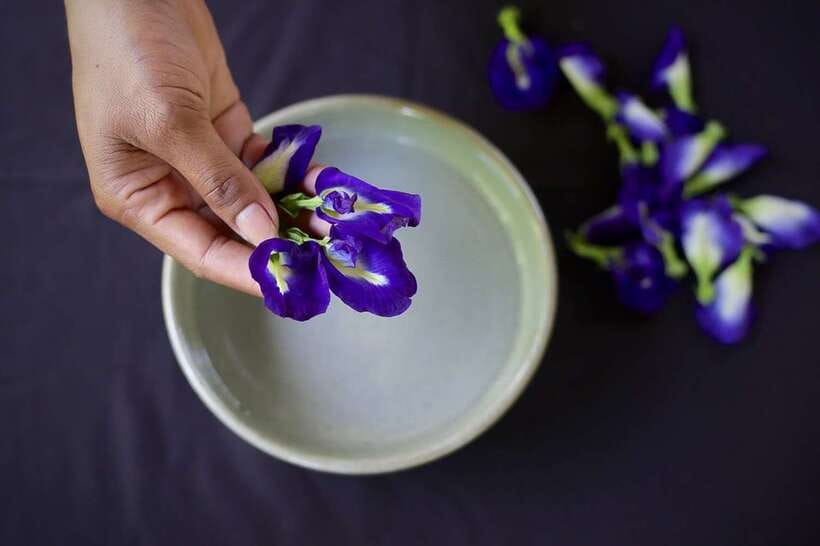
Review · SIEM REAP
Siem Reap: Cambodian Desserts Cooking Lesson with Tastings
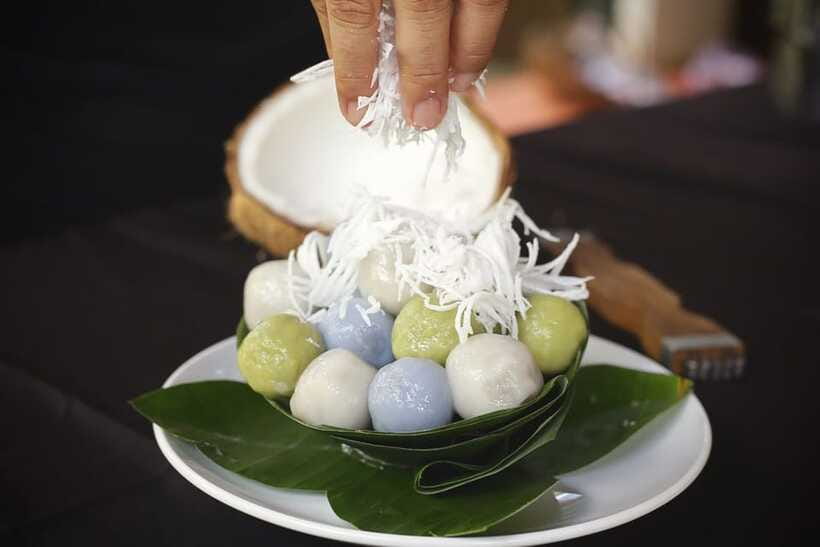
Cambodian sweets are built around a few memorable ingredients, and this class shows you how they work together. You’ll handle palm sugar, coconut milk, ginger, and lemongrass, then turn them into three desserts: steamed ginger custard, palm sugar and coconut bananas, and sweet coconut pancakes. I especially like the local-market stop and the calm outdoor kitchen, two details that make this more than a quick recipe demonstration.
I also like that you get your own workstation and equipment, rather than simply watching a chef cook. The generous portions can leave you with more dessert than you can eat on the spot, but that is a pleasant problem if you want to take some back to your hotel. The main point to consider is that the class is focused on sweets, so it is best for a half-day food activity rather than a full introduction to Cambodian cooking.
Key points
- Three traditional desserts: Prepare steamed ginger custard, palm sugar and coconut bananas, and sweet coconut pancakes.
- A market visit first: See familiar Cambodian ingredients and enjoy a snack before the cooking begins.
- Palm sugar explained: Learn how sugar palm sap becomes one of Cambodia’s key sweeteners.
- Hands-on setup: Cook at your own station with individual equipment and step-by-step help.
- Tuk-tuk transport included: Hotel pickup and return make this easy to fit into a Siem Reap schedule.
- Useful take-home extras: Keep the recipe card or booklet, your new cooking skills, and any desserts you cannot finish.
A Sweet Introduction to Cambodian Cooking
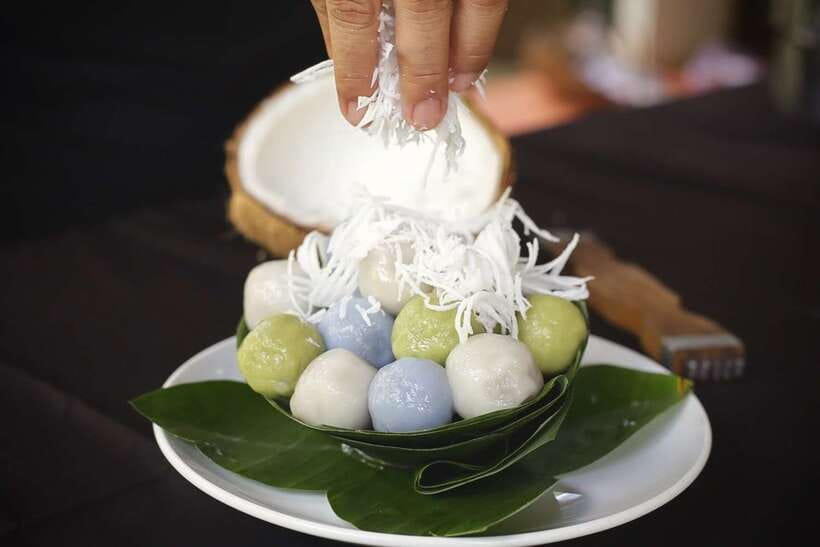
This three-hour activity gives you a focused look at Cambodian dessert making in Siem Reap. At $32 per person, it costs more than buying a plate of sweets at a market, but you are paying for transport, instruction, ingredients, tastings, and recipes you can use again.
The class is led in English, with hosts and chefs handling both the market visit and the cooking lesson. Names reported for the team include Sophia, Prey, and Bri. The exact person leading your session may vary, but the format remains practical: see ingredients in their local setting, learn the background, cook three desserts, and return to your accommodation.
I would put this on the schedule for a morning or afternoon when you want something slower than temple touring. It also works well for siblings, couples, families, or solo participants who enjoy learning by doing. One participant had the class alone and still found the format engaging, which suggests that a small group or even a private-feeling session can work well.
More Dessert Classes in Cambodia:
- 3 in 1 Cooking Class near Navona: Fettuccine, Ravioli & Tiramisu
★ 5.0 · 7,376 reviews - Florence: Pasta & Tiramisu Cooking Class with Unlimited Wine
★ 4.9 · 6,708 reviews - Rome: Pasta Making Class with Wine, Limoncello, and Dessert
★ 4.9 · 3,177 reviews
Meeting Your Host and Riding by Tuk-Tuk
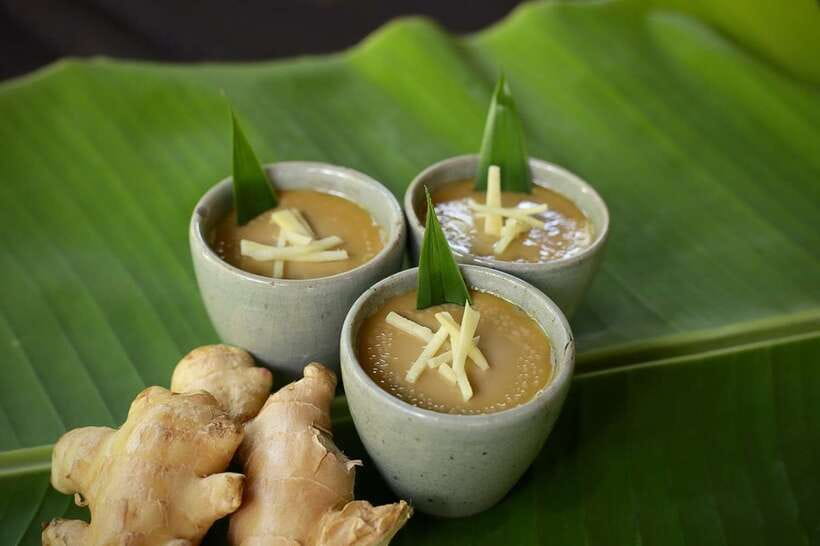
Your pickup is arranged at your Siem Reap accommodation. Be ready in the hotel lobby 30 minutes before the stated start time, since the activity includes transport and the pickup time may need to allow for local traffic.
The ride to and from the cooking venue is by tuk-tuk. That matters because it gives the outing a local feel without asking you to arrange a taxi or find an unfamiliar kitchen on your own. It is also part of the experience, not just a transfer between two points.
The information provided does not give a fixed pickup route or exact kitchen address, so you should check the confirmed meeting details after booking. Hotel pickup and drop-off are included within Siem Reap, which keeps the logistics simple, but you should still allow a little flexibility around the published three-hour duration.
Starting at a Local Market
Some sessions begin with a visit to a local market before the cooking lesson. This is one of the strongest parts of the experience because it gives you a look at the ingredients before they appear in neatly arranged cooking portions.
Sophia has accompanied participants through the market, answering questions and offering advice about purchases. You might see the everyday foods used by local households, learn how ingredients are selected, and enjoy a first snack before heading to the kitchen.
This stop is not described as a full market tour with a fixed list of vendors, so you should think of it as a useful introduction rather than a major sightseeing visit. Its value is practical. It helps you connect the finished desserts with the raw ingredients and gives you context for foods you may otherwise pass without recognizing.
If the market visit is important to you, confirm that it is included in your session when you book. The supplied information describes it as part of the experience reported by participants, while the formal inclusions list names the cooking lesson, tastings, and transport.
Learning Why Palm Sugar Matters
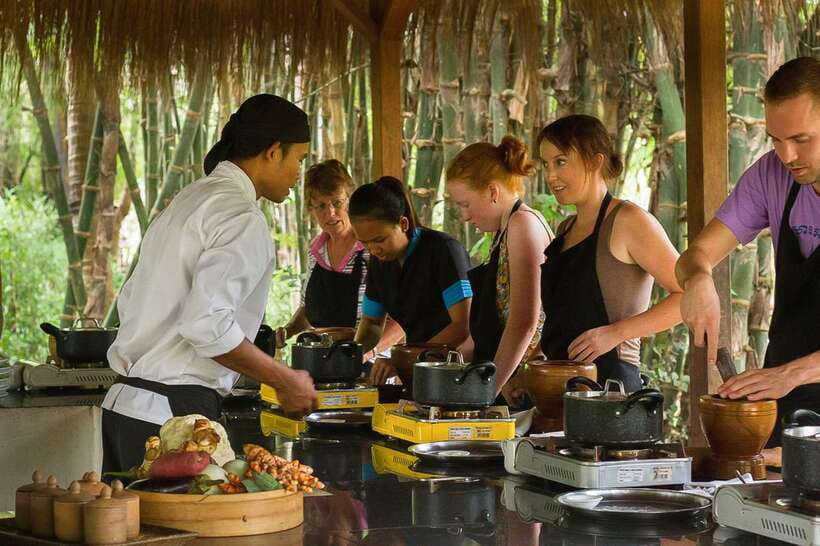
Palm sugar receives special attention during the class. You’ll hear how it comes from the sugar palm tree and how it becomes the ingredient used in Cambodian sweets.
That explanation helps you understand why Cambodian desserts taste different from many Western puddings or cakes. Palm sugar gives the dishes a rounded sweetness, while coconut milk adds body and a soft, creamy quality. Ginger and lemongrass bring fragrance and sharpness, keeping the sweets from tasting flat.
The lesson is not only about following measurements. It gives you a way to recognize the building blocks of Khmer dessert cooking. Once you know what palm sugar looks and tastes like, and how coconut milk changes a mixture, the recipes become easier to adapt at home.
You should not expect a long lecture on Cambodian food. The useful information comes while you are preparing the dishes, with the chef explaining what each ingredient does and pointing out the small techniques that affect the result.
More Hands-On Workshops in Cambodia:
- Khmer Cooking Class at a Local’s Home in Krong Siem Reap
★ 5.0 · 2,731 reviews - Siem Reap: Khmer Cooking Class at a Local’s Home
★ 5.0 · 1,108 reviews - Award-Winning Cooking Class Experience with Professional Teacher
★ 5.0 · 745 reviews - Khmer Cooking Class Half Day (AM or PM)
★ 5.0 · 316 reviews
Three Desserts at Your Own Workstation
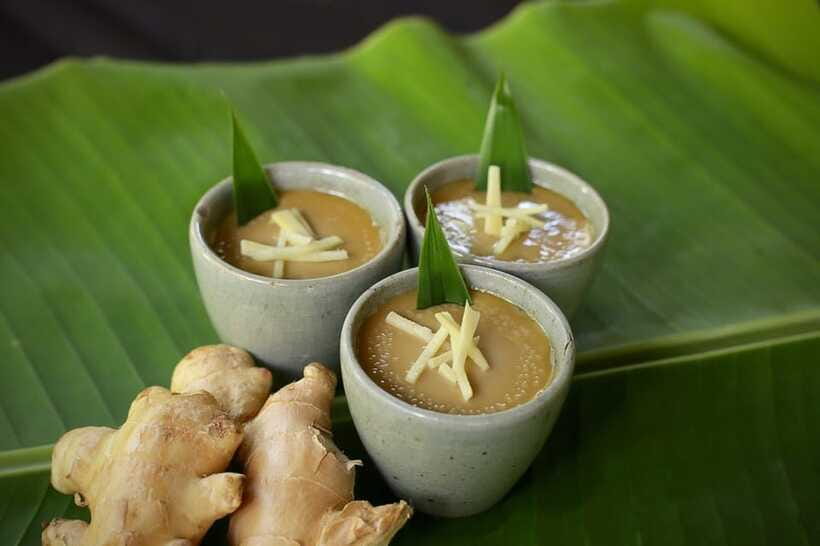
The cooking portion centers on three desserts. You work at an individual station with your own equipment, and the chef demonstrates each step before you try it.
Steamed ginger custard
The steamed ginger custard is likely to be the dish that most clearly shows how Cambodian sweets balance richness and spice. Ginger gives the custard a warm edge, while steaming creates a soft texture.
This recipe rewards close attention. The class is useful here because you can see the consistency at each stage and ask questions as you work. A printed recipe can tell you what to add, but it cannot always show you when a mixture looks right.
Palm sugar and coconut bananas
This dessert brings together fruit, palm sugar, and coconut. It is straightforward enough to repeat at home, yet it also shows how Cambodian cooks make a satisfying sweet from simple ingredients.
The most useful lesson may be learning how much sweetness the palm sugar and coconut milk add together. You can taste the finished dish and understand the balance rather than relying only on a written formula.
Sweet coconut pancakes
The coconut pancakes give the class a different texture and cooking method. After the soft custard and warm bananas, the pancakes add a more familiar pan-cooked element.
You’ll be able to see how the batter behaves and how the coconut flavor comes through after cooking. The recipes are described as manageable to repeat, making this a good choice if you want something you can prepare for family or friends rather than a dish that requires specialist tools.
Clear Instructions and a Relaxed Kitchen Setting
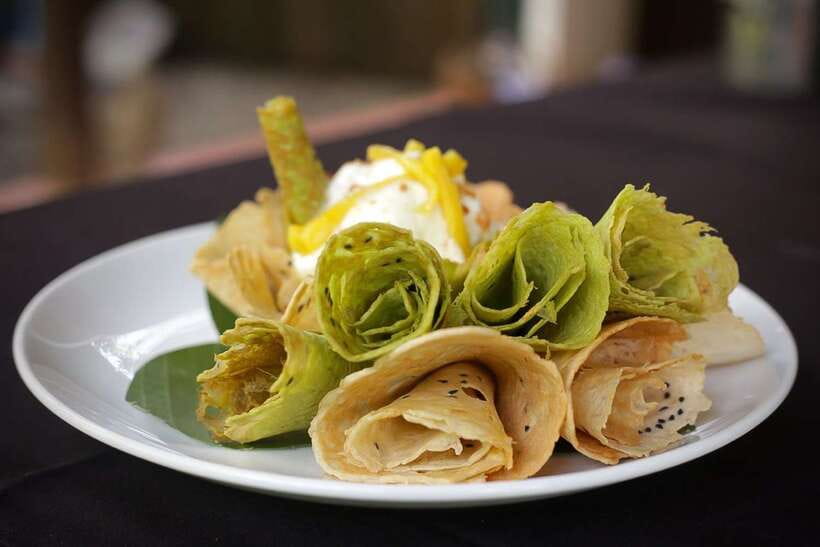
The cooking venue is described as a spacious outdoor kitchen surrounded by nature. That setting gives the class a pleasant change from indoor sightseeing, with room to work and a more relaxed pace.
The atmosphere is informal and social. One session felt like cooking with friends, while another participant found the chef especially patient and clear. Those details matter because dessert making can become frustrating if instructions move too quickly or if you have to share one crowded work surface.
The chefs explain each step and offer tips for getting the texture and flavor right. You should still expect to take part actively. This is not a sit-back demonstration where plates arrive finished. You mix, prepare, cook, and taste under guidance.
The class appears suitable for different experience levels. Beginners can follow the chef’s instructions, while more confident home cooks can focus on the ingredient choices and techniques. Since the activity is conducted in English, you should be comfortable asking questions and following spoken instructions in English.
Tasting, Sharing, and Taking Food Back
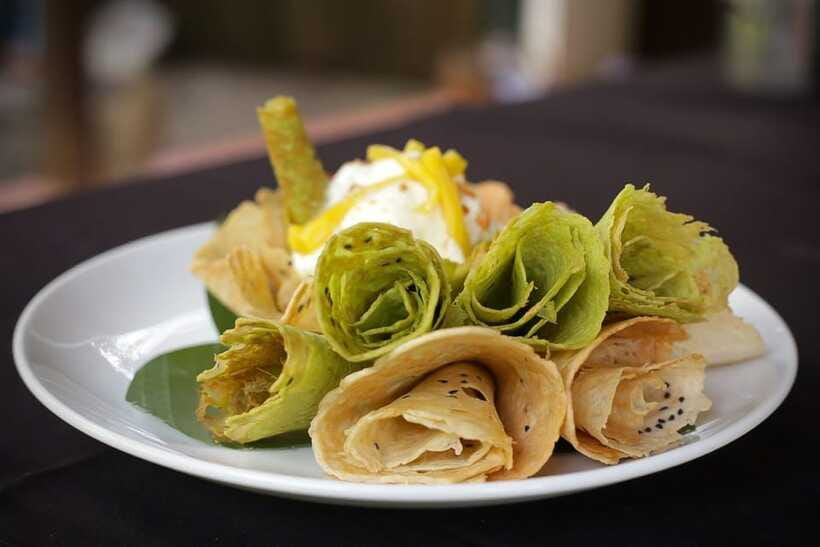
Tastings are included, and the portions may be generous. Several sessions produced enough food that participants could not finish everything during the class. Leftovers were boxed for the journey back, giving you another chance to enjoy the desserts later.
That extra food improves the value of the $32 price. You are not simply paying for a sample spoonful of each dish. You receive a full cooking session, ingredients, a meal-sized amount of the finished sweets, and a recipe card or small recipe booklet.
The practical value depends on your plans. If you are moving to another hotel or flying soon, you may not want to carry food around. If you are staying in Siem Reap for a few days, the leftovers can make a pleasant snack after temple visits.
One participant arrived without breakfast and was offered fruit and tea. That is a kind touch, but it is not listed as a standard inclusion, so do not book the class expecting a separate breakfast service. The dependable food component is the dessert tasting you prepare during the lesson.
What the Recipe Card Adds
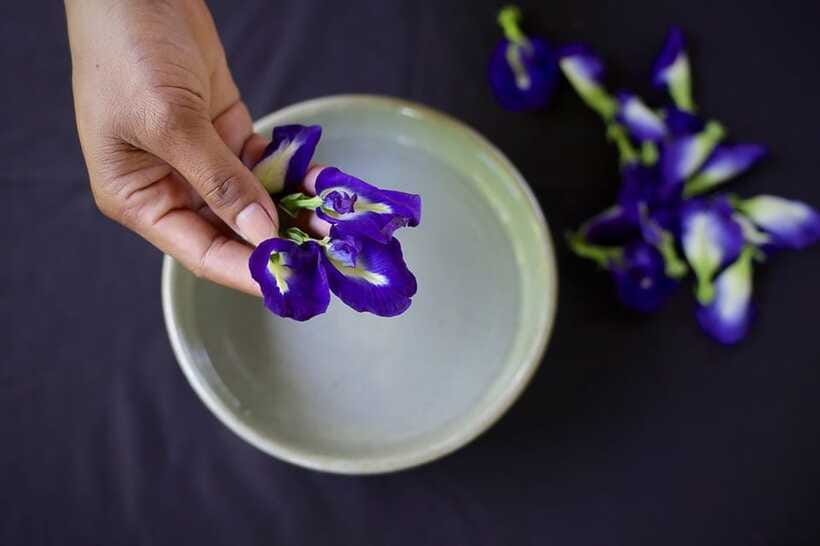
The recipe card is more useful than a simple souvenir. Cambodian desserts may look easy once they are finished, but the ratios of coconut milk, palm sugar, and flavorings determine whether the result is too sweet, too loose, or too heavy.
A written guide lets you recreate the dishes when you get home. It also helps you remember ingredients that may be unfamiliar, especially palm sugar and the way it is used with coconut milk.
I would keep the card with your market notes or photographs from Cambodia. The best souvenir from this class is not an object you put on a shelf. It is the ability to make three local sweets and explain where the flavors come from.
The class is especially worthwhile for people who enjoy cooking after a trip. If you rarely cook at home, the recipe booklet still gives you a clear record of the experience, but the value will come more from the afternoon itself than from future use.
Price, Timing, and Overall Value
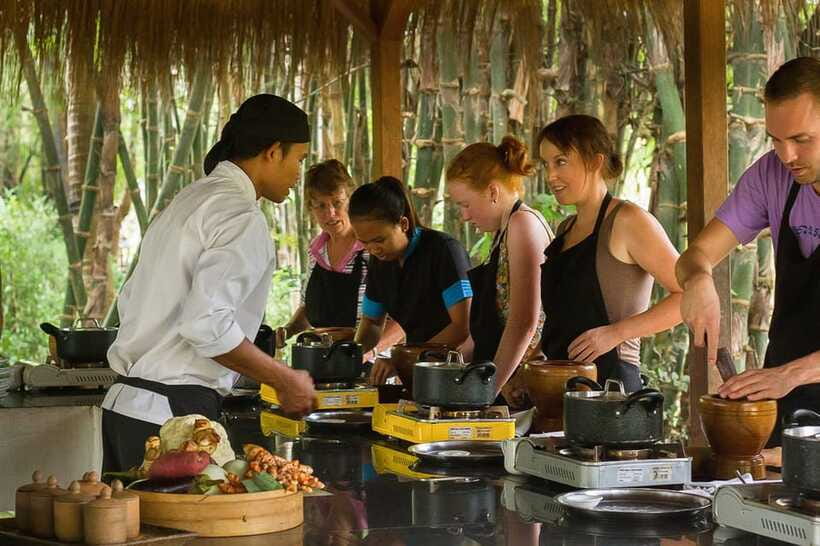
At $32 per person for three hours, this is a fair price for a guided food activity in Siem Reap. The fee covers hotel pickup and drop-off, the English-language lesson, ingredients, tastings, cooking equipment, and recipes.
The class also saves you the trouble of arranging transport to a kitchen outside your usual sightseeing route. A tuk-tuk ride, a market stop, and a hands-on lesson make the time feel fuller than a standard restaurant meal.
The value is strongest if you want personal instruction and cultural context. If your only goal is to taste Cambodian desserts, you can spend less at a local food stall. If you want to learn how to make the dishes, the included equipment and guidance justify the higher cost.
You can reserve without paying immediately, and cancellation is free up to 24 hours before the activity for a full refund. Those terms are useful when you are still adjusting a Siem Reap schedule around weather, temple visits, or arrival times.
Who Should Book This Class
I would recommend this activity to:
- First-time visitors to Cambodia who want food context beyond restaurant menus.
- Home cooks who enjoy bringing recipes back from a trip.
- Families and siblings looking for a shared activity with clear tasks.
- Solo participants who prefer a guided experience and do not mind cooking with a host and chef.
- Dessert fans who want to learn about palm sugar and coconut-based sweets.
- People with a free half-day in Siem Reap who want hotel transport included.
I would be more cautious if you want a broad Cambodian cooking course covering savory dishes, soups, curries, or street food. This class is specifically about desserts. It is also not the best fit if you need a tightly timed activity, since pickup and tuk-tuk transport can add some flexibility to the schedule.
The strong rating of 4.8 from nine reviews matches the main strengths of the format: friendly staff, clear instruction, plenty of food, and a recipe booklet. The number of ratings is still small, so I would treat it as encouraging rather than as a guarantee that every session will be identical.
The Bottom Line on Cambodian Dessert Cooking
Book this class if you want a friendly, practical introduction to Cambodian sweets, especially if palm sugar and coconut-based desserts are new to you. The market stop, tuk-tuk ride, personal workstation, and take-home recipes give the experience more substance than a short demonstration.
Skip it if you are looking for a full Cambodian cuisine course or if your schedule allows no flexibility around a three-hour activity. For most visitors with an open half-day, though, $32 buys a useful skill, a good amount of food, and a pleasant way to connect everyday Cambodian ingredients with the dishes on your plate.
FAQ
How long does the Cambodian dessert cooking class last?
The activity lasts three hours, including transport arrangements, the cooking lesson, and tastings.
How much does the experience cost?
The listed price is $32 per person.
Which desserts will I prepare?
You will prepare steamed ginger custard, palm sugar and coconut bananas, and sweet coconut pancakes.
Is hotel pickup included?
Yes. Pickup and drop-off at your accommodation in Siem Reap are included.
How early should I wait in the hotel lobby?
You should be waiting in your hotel lobby 30 minutes before the activity start time.
Is the class taught in English?
Yes. The instructor and activity language are English.
Will I have my own cooking station?
Yes. You will have your own workstation and cooking equipment for the hands-on lesson.
Do I receive recipes to take home?
Yes. A recipe card or small recipe booklet is provided so you can recreate the desserts.
Can I cancel for a refund?
Yes. You can cancel up to 24 hours in advance for a full refund. You can also reserve now and pay later.
Just added around Cambodia
- Phnom Penh: Walking Tour, Food Tour & Sunset Cruise★ 4.9 · 4 reviews
- Siem Reap: Morning Cooking Class & Market Tour★ 5.0 · 7 reviews
- Siem Reap: Guided Day Trip to Local Village & Cooking Class★ 5.0 · 3 reviews
- Siem Reap: Half-Day Cambodian Cooking Class★ 4.9 · 6 reviews
- Siem Reap Khmer Cooking Class and Local Market Tour★ 4.1 · 4 reviews
- Phnom Penh Evening Food Tour -On Promotion Price limit Offer★ 4.9 · 17 reviews
- Sambo cooking class★ 5.0 · 3 reviews
- Khmer Food Culture Cooking Class in Kampot★ 5.0 · 7 reviews
Tiramisu & Dessert Classes, compared.
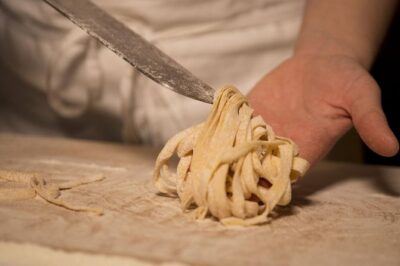
3 in 1 Cooking Class near Navona: Fettuccine, Ravioli & Tiramisu
Read our review →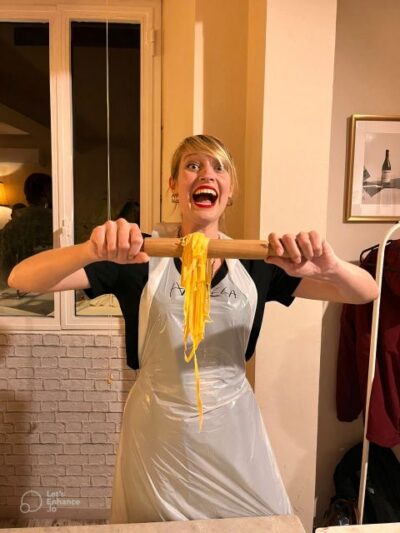
Rome: Pasta Making Class with Wine, Limoncello, and Dessert
Read our review →
Rome: 3-in-1 Fettuccine, Ravioli, and Tiramisu Cooking Class
Read our review →
Florence: Cooking Class Pasta & Tiramisu Making Unlimited Wine
Read our review →
Fettuccine & Tiramisù: Cooking Class with Wine & Limoncello
Read our review →
Florence Cooking Class The Art of Making Gelato & Authentic Pizza
Read our review →
Rome: Pasta & Tiramisu Cooking Class near the Spanish Steps
Read our review →Browse the lists this tour appears in