
Review · HOME
Testaccio: Home Cooking Cacio e Pepe, Amatriciana, Carbonara
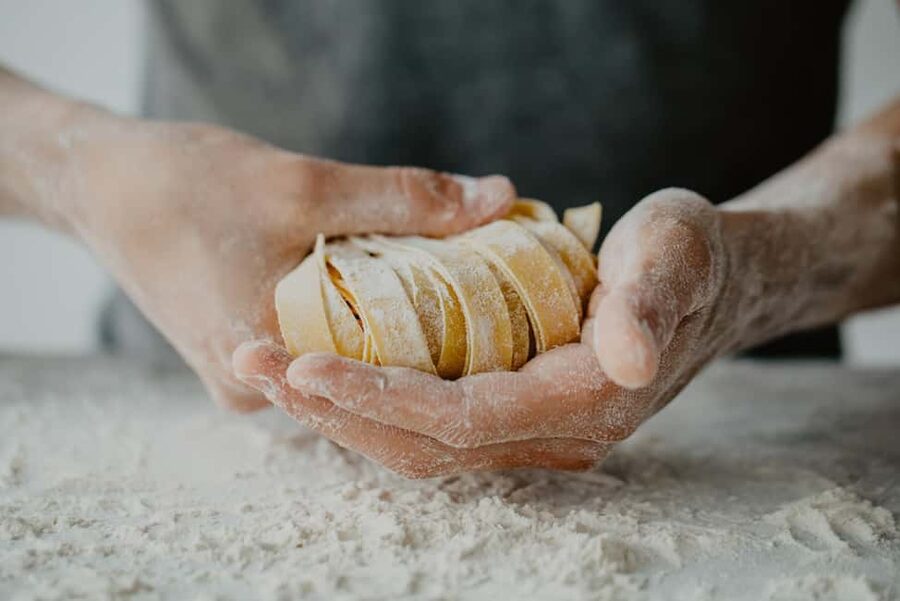
Rome’s best cooking lessons do not need a polished studio kitchen. Here, you enter a private home in Testaccio, make pasta by hand with Milvia and Andrea, then sit down to eat the food you helped prepare. The evening centers on Roman classics: Cacio e Pepe, Amatriciana, and Carbonara.
I like the practical teaching and the generous meal. You learn how flour, eggs, water, cheese, cured pork, and heat work together, then taste the results as three separate pasta courses. I also like the small group, capped at 10 people, which gives the class a friendly, personal feel.
The main consideration is the home setting. A dog and cats are part of the household, so this is not suitable for anyone with serious animal allergies. You should also allow 3.5 hours, since this is a full cooking lesson and dinner, not a quick pasta demonstration.
Key points to know before booking
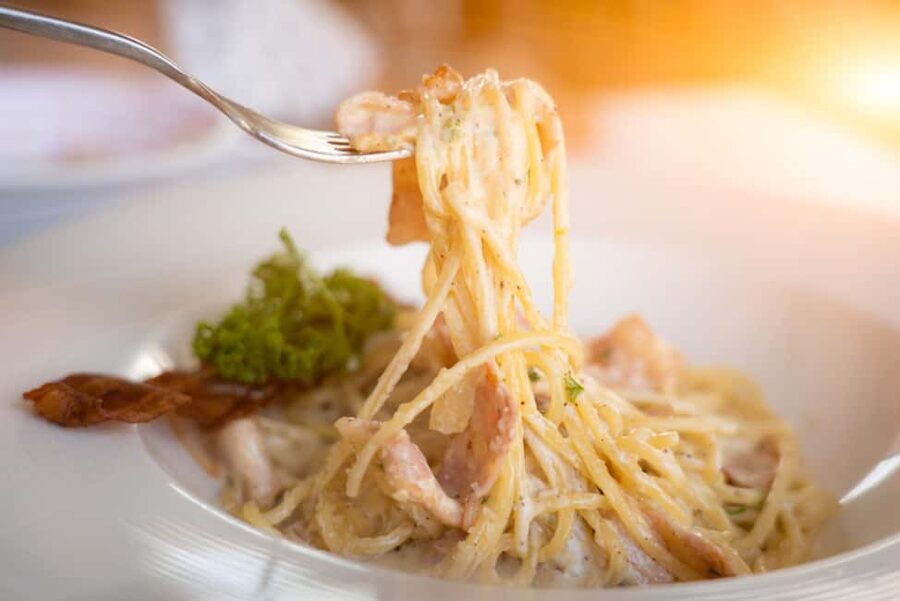
- Three Roman sauces in one evening: Learn Cacio e Pepe, Amatriciana, and Carbonara, the core pasta trio of Roman cooking.
- A real home kitchen: Milvia and Andrea welcome you into their home in Testaccio rather than a commercial cooking school.
- Hands-on pasta making: Work with simple ingredients and learn how to shape and prepare fresh pasta from scratch.
- A full meal is included: Eat three pasta courses, homemade dessert, and enjoy wine and coffee.
- Small-group instruction: The class has no more than 10 participants and is taught in English or Italian.
- Recipes go home with you: Notes let you repeat the dishes after your Roman holiday.
Why Testaccio is the right Roman neighborhood for this class
Testaccio gives this experience a useful sense of place. It is a Rome neighborhood known for food and everyday local life, so the setting fits the subject better than a grand hotel kitchen near the main monuments. You are not just learning generic Italian pasta. You are focusing on Roman sauces with a direct connection to the city.
The meeting point is Via Galvani, 4, Building C, Buzz 11, in the 00153 area of Rome. The experience does not include hotel pickup, drop-off, or local transport tickets, so you need to make your own way there. Check the route and starting time before booking, especially if this is your first visit to Testaccio.
The address is a home rather than a major public attraction. Pay attention to the building details and allow time to find the correct entrance. The supplied information does not specify a particular metro stop or walking route, so use a current map for the final approach.
More Home Cooking Classes in Italy
- Pastamama, Home Cooking Classes at Grace’s Home
★ 5.0 · 521 reviews - Traditional Home Cooking Experience in Venice
★ 5.0 · 377 reviews - Catania: Pistachio Ravioli, Pasta Home Cooking Class w/ Wine
★ 4.7 · 204 reviews
Meeting Milvia and Andrea in their home kitchen
The heart of the evening is the welcome. Milvia and Andrea host the class in their own home, creating the kind of setting where cooking and conversation happen together. Several past participants describe the atmosphere as similar to cooking with grandparents or visiting family, and that tells you what kind of experience to expect: warm, informal, and personal.
This style will suit you if you enjoy talking with your hosts as much as learning the recipe. Andrea has been described as working in a kitchen he designed and built himself, while Milvia takes a patient, encouraging approach to teaching. Their world travel and work stories can become part of the dinner conversation, giving the class more character than a simple instructor-led demonstration.
The home setting also has a practical advantage. You see how these foods fit into ordinary Italian life. Pasta is not presented as a complicated restaurant trick. It begins with basic ingredients, careful handling, and a few repeatable techniques.
There is also a household dog, described in especially affectionate terms by people who attended. The activity information warns that it is not suitable for people with animal allergies, specifically serious allergies to dogs and cats. If that applies to you, choose another cooking class.
Starting with fresh pasta from flour, eggs, or water
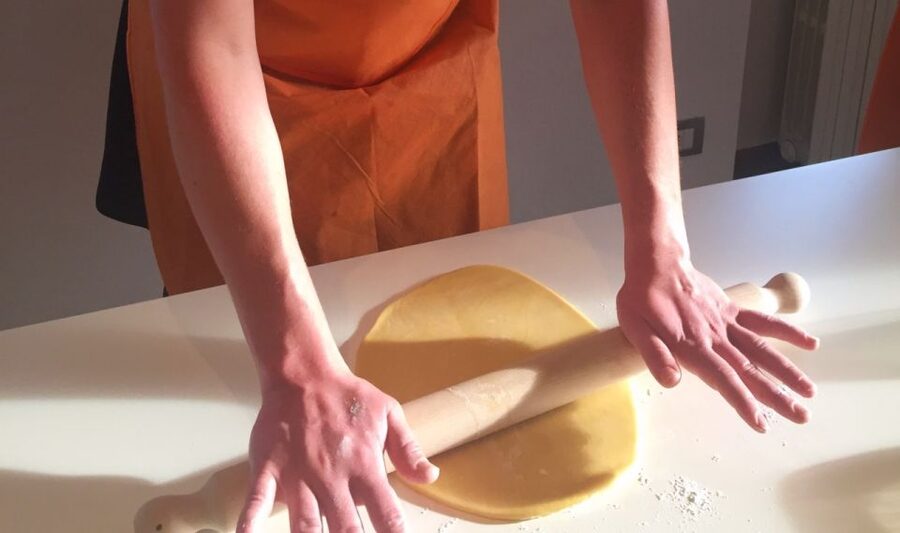
The lesson begins with the pasta base. You work with simple ingredients such as flour, eggs, or water, learning how to bring them together into dough. The exact pasta shape is not specified, so you should think of this part as a lesson in method rather than a promise of one particular format.
That method is valuable. Fresh pasta can look intimidating when you see a professional make it quickly, but the class breaks down the steps. You learn what the dough should feel like, how each stage affects the final result, and how to handle it without turning the process into a chore.
The strongest practical benefit is that you can repeat the work at home. One participant described leaving with the confidence that homemade pasta was actually achievable, and that is a fair measure of a good cooking class. You should come away with techniques, not just a pleasant meal.
Expect to spend part of the class working with your hands. This is not a show where you sit and watch Milvia or Andrea do everything. You participate, ask questions, and follow their directions. If you have made pasta before, you may still pick up useful tips about texture, timing, and preparation.
Cacio e Pepe: the lesson in restraint
Cacio e Pepe looks simple because it uses very few ingredients. That is exactly why it can be tricky. With little to hide behind, the balance of cheese, pepper, pasta water, and heat matters.
The class teaches you how to turn those basic elements into a smooth sauce rather than a clumpy one. You learn why each step affects the result, an approach that one participant found especially helpful across all three sauces.
For you, this is likely the most useful lesson of the evening. It shows that Roman cooking often depends on technique more than a long ingredient list. You do not need a cupboard full of specialty products to make a convincing Roman pasta dish. You need to understand the small details.
Cacio e Pepe is also a good first sauce because it gives you a clear baseline. Once you understand how cheese and pasta water work together, the more strongly flavored sauces that follow make better sense.
More Home Cooking Classes in Rome:
- Khmer Cooking Class at a Local’s Home in Krong Siem Reap
★ 5.0 · 2,731 reviews - Local Home Korean Cooking Class & Market Adventure in Seoul
★ 5.0 · 1,024 reviews - Marrakech: Moroccan Cooking Class with a Local Family
★ 4.9 · 668 reviews - Mexican Cooking from Scratch in a Local Home in Tulum
★ 5.0 · 585 reviews
Amatriciana: tomato, cured pork, and Roman character
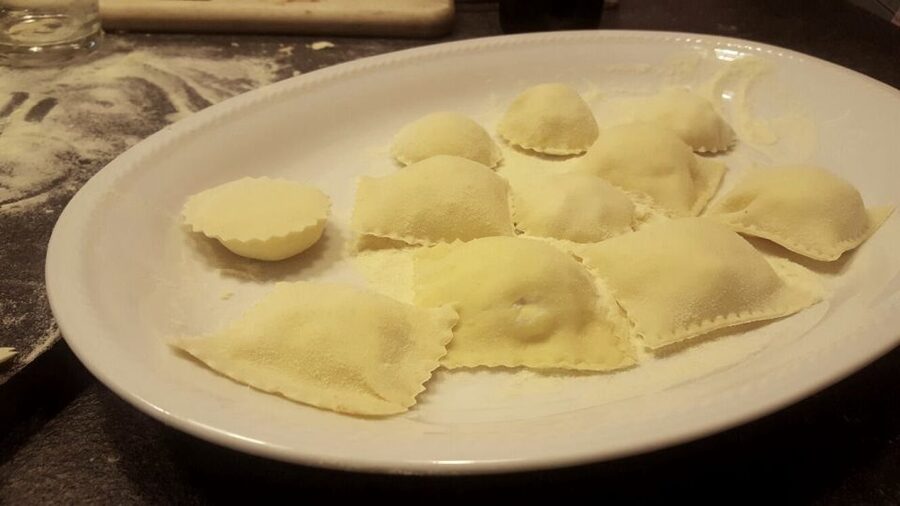
Amatriciana brings a different profile to the table. It is built around tomato and cured pork, with a stronger savory flavor than Cacio e Pepe. The lesson lets you compare a sauce that depends on a small number of ingredients with one that gains its character from tomato and pork.
This side-by-side approach is one of the best parts of the class. You are not just cooking one dish and going home. You are tasting how Roman pasta changes when the sauce changes, while the pasta itself remains central.
The cooking also gives you a chance to notice timing. Pasta sauces are not separate from the pasta. The point is to bring them together at the right moment, and the instructors explain how the steps affect the final plate.
If you already know Amatriciana from Roman restaurants, making it yourself gives you a better sense of what you are tasting on the rest of your trip. You can pay attention to sauce texture, the balance of salt, and how much the cured pork shapes the dish.
Carbonara: a classic worth learning carefully
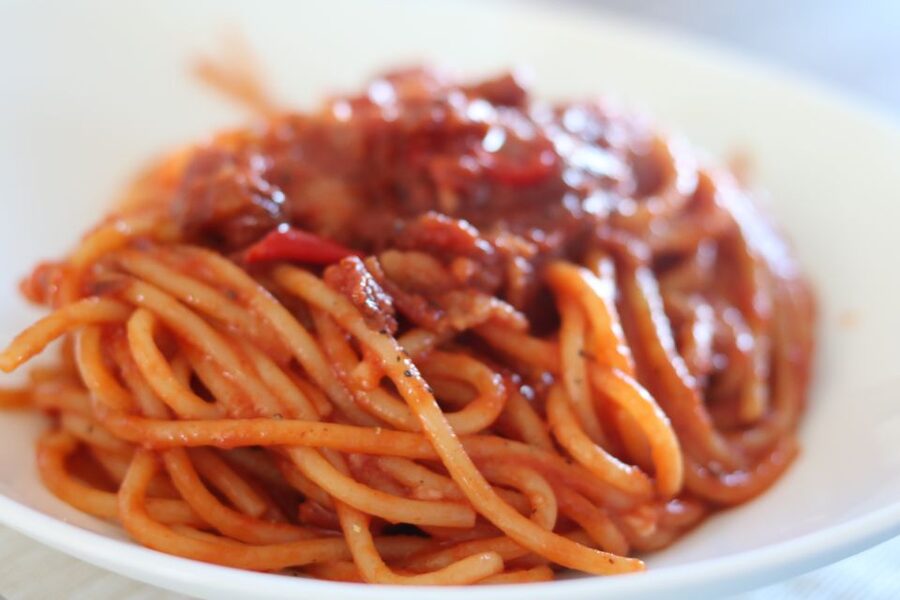
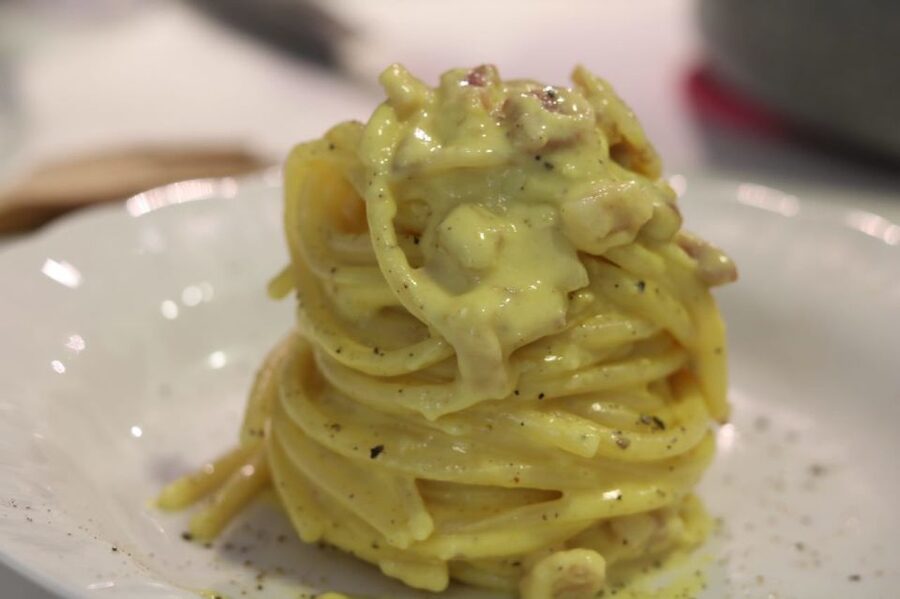
Carbonara completes the trio. Its creamy texture comes from technique rather than a heavy cream-based sauce, and this makes the cooking process especially important. The lesson focuses on the reasons behind each step, not only on a list of instructions.
That matters because Carbonara can go wrong quickly if the heat is not handled well. A patient explanation helps you understand how to combine the ingredients without losing the smooth texture you want.
The three sauces also show different kinds of Roman cooking. Cacio e Pepe depends on cheese and pepper. Amatriciana leans on tomato and cured pork. Carbonara brings together egg, cheese, pepper, and cured pork in a sauce where timing is key.
You get to taste all three as separate courses. This turns the lesson into a useful comparison. By the end, you know which sauce you prefer, which technique felt easiest, and which one you want to practice first at home.
Sitting down for three pasta courses
Once the cooking is complete, you eat the dishes together. The included meal consists of three pasta courses, followed by dessert, wine, and coffee. This is not a class where you make a small sample and then fend for yourself later.
The meal is important because tasting your work gives the instruction a clear purpose. You can see whether the pasta has the right texture, how the sauce clings to it, and how each recipe differs from the others.
Wine is included and described as unlimited, along with coffee. Drink at your own pace. The evening is long enough that you can enjoy the meal without rushing from one course to the next, though the exact serving pace may depend on the group.
The conversation is part of the appeal. You are sharing a table with your hosts and a small number of other participants, so the meal has more of a dinner-party feel than a standard class. That can be a real plus if you enjoy meeting people while you eat. It may be less appealing if you prefer a quiet, highly structured lesson.
Homemade dessert and Italian coffee
Dessert brings the cooking portion to a gentle close. The exact dessert is not fixed in the activity details, but it is homemade. Past menus have included chocolate rum balls, so you may find a simple house-made sweet rather than a formal pastry course.
That fits the tone of the evening. The focus is on home cooking, not restaurant presentation. Dessert gives you one more taste of the hosts’ kitchen before coffee finishes the meal.
Italian coffee is included, making this feel like a full Roman supper rather than a food workshop with a small tasting at the end. If you are sensitive to late caffeine, keep the evening timing in mind, since the total duration is 3.5 hours.
What the $105 price really includes
At $105 per person, this is not the cheapest way to eat pasta in Rome. You can find a plate of Carbonara or Amatriciana for far less. The price makes more sense when you count the full package: hands-on instruction, fresh pasta preparation, three sauces, three pasta courses, dessert, wine, coffee, recipe notes, and several hours with local hosts.
You are paying for both the meal and the skill. The recipe notes help you recreate the food later, which gives the experience value beyond one evening. If you return home and make even two of the sauces successfully, the class becomes more useful than a meal you simply remember.
The small group also matters. With no more than 10 participants, you should have a better chance to follow the process and ask questions than you would in a large demonstration. The class is taught in English and Italian, so English-speaking visitors can take part without needing Italian cooking vocabulary.
I would consider the price fair for someone who wants a personal food experience and plans to cook again. If you only want dinner, it is expensive. If you want dinner plus practical instruction in a private home, the value is stronger.
Who will enjoy this Roman cooking lesson
This class is a good fit for:
- Couples looking for a shared evening activity
- Solo visitors who enjoy small-group meals
- Families with older children who can take part in hands-on cooking
- Pasta fans who want to learn Roman recipes
- Home cooks who plan to use the recipe notes later
- Anyone who prefers local hospitality to a formal restaurant meal
It is less suitable for someone who wants a short, polished demonstration. It is also a poor choice for anyone with serious allergies to dogs or cats.
Vegetarian and vegan adaptations are available using traditional Roman recipes. Gluten-free options can also be arranged for people with celiac disease. You should raise dietary needs when booking so the hosts can prepare properly.
Timing, language, and cancellation details
The activity lasts 3.5 hours, and starting times depend on availability. That length gives you enough room for instruction, cooking, three courses, dessert, and conversation. Do not schedule a major attraction immediately afterward.
The class is offered in English and Italian. Group size is limited to 10 participants. Hotel pickup and drop-off are not included, and local transport tickets are your responsibility.
You can cancel up to 24 hours in advance for a full refund. The reserve-now, pay-later option lets you hold a place without paying at the time of booking, which is useful if your Rome schedule is still changing.
My advice on booking this Testaccio experience
I would book this class if you want to learn something you can take home, not simply collect another meal in Rome. The strongest reasons are the three Roman sauces, the patient hands-on teaching, the private home setting, and the chance to sit down with Milvia and Andrea after the work is done.
Before booking, check three things: you can reach Via Galvani, 4, you have 3.5 hours available, and you have no serious dog or cat allergy. If those points work for you, the $105 price buys a personal cooking lesson, a substantial dinner, drinks, dessert, and recipes you can use again.
For a food-focused visit to Rome, this is a particularly good choice for an evening when you want conversation and participation. You will leave with a full stomach, a clearer understanding of Roman pasta, and the practical confidence to try Cacio e Pepe, Amatriciana, and Carbonara in your own kitchen.
FAQ
Where does the cooking class take place?
The class takes place at Via Galvani, 4, 00153 Rome, Italy, in Building C, Buzz 11, in the Testaccio area.
How long does the experience last?
The cooking class and meal last 3.5 hours.
How much does the experience cost?
The listed price is $105 per person.
Which pasta sauces will I learn to make?
You will learn to prepare Cacio e Pepe, Amatriciana, and Carbonara.
Is food included after the cooking lesson?
Yes. The experience includes three pasta courses, homemade dessert, drinks, wine, and coffee.
Are recipe notes provided?
Yes. You receive notes for the recipes you prepare.
What languages are available?
The instructors teach in English and Italian.
How many people can join the class?
The group is limited to 10 participants.
Can the menu accommodate dietary restrictions?
Vegetarian and vegan adaptations are available, and gluten-free options can be arranged for people with celiac disease.
Is hotel transportation included?
No. Hotel pickup, drop-off, and local transport tickets are not included.
Can I cancel the booking?
Yes. You can cancel up to 24 hours in advance for a full refund.
Are animals present in the home?
The experience is not recommended for people with serious allergies to dogs and cats.
Just added around Rome
- Super Fun Pasta and Gelato Cooking Class by the Vatican★ 5.0 · 6 reviews
- Spritz and Spaghetti Traditional Cooking Class in Rome★ 4.9 · 30 reviews
- Rome: Vatican Food Tours, Cooking classes & Free Tours★ 4.9 · 11 reviews
- ROME:Hands-On Lasagna & Marsala Tiramisu Cooking Experience”★ 5.0 · 3 reviews
- Rome: Small Group Pasta cooking class near Piazza Navona★ 4.9 · 8 reviews
- Rome: Trastevere Pasta Making Class★ 4.9 · 33 reviews
- Rome: Traditional Pasta and Tiramisu Cooking Class★ 5.0 · 4 reviews
- Rome: Ravioli, Fettuccine and Tiramisu Cooking Class★ 4.9 · 60 reviews
Home Cooking Classes, compared.
Khmer Cooking Class at a Local’s Home in Krong Siem Reap
Read our review →
Local Home Korean Cooking Class & Market Adventure in Seoul
Read our review →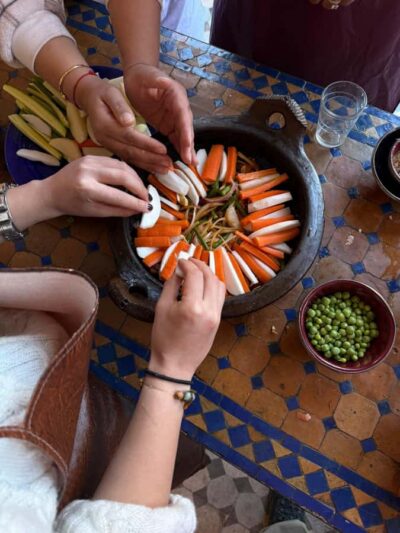
Marrakech: Moroccan Cooking Class with a Local Family
Read our review →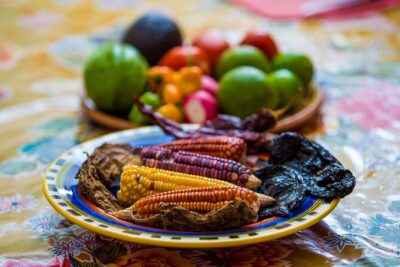
Mexican Cooking from Scratch in a Local Home in Tulum
Read our review →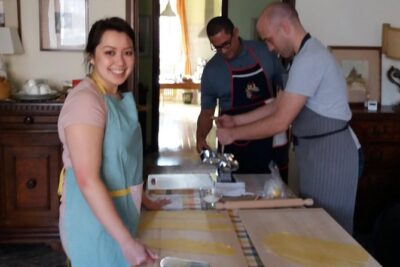
Pastamama, Home Cooking Classes at Grace’s Home
Read our review →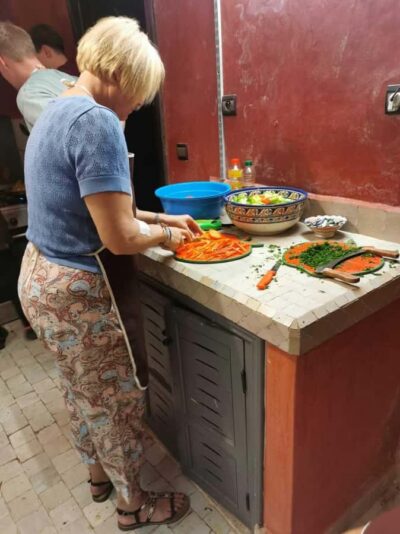
Marrakech: Moroccan Cuisine Cooking Class in Local Home
Read our review →
Hoi An: Traditional Cooking Class & meal with Local Family
Read our review →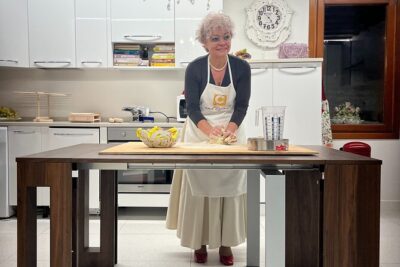
Browse the lists this tour appears in