Review · CATANIA
Catania: Pistachio Ravioli, Pasta Home Cooking Class w/ Wine
Pistachio ravioli is the star here, but the real treat is learning it in Angela’s Catanian home, not in a polished restaurant kitchen. You’ll roll pasta, shape the ravioli, hear stories about Bronte pistachios, then eat what you made with wine and a three-course meal.
I like the generous hands-on format, where you do more than watch, and the warm social setting around the kitchen table. I also like the unusual menu: pear, cheese, walnut, and chestnut-honey bruschetta gives the meal a sweet-savory Sicilian twist. The main consideration is communication, since Angela speaks only limited English at times, though Italian, English, her son Victor, and translation apps help bridge the gap.
Key points to know before booking
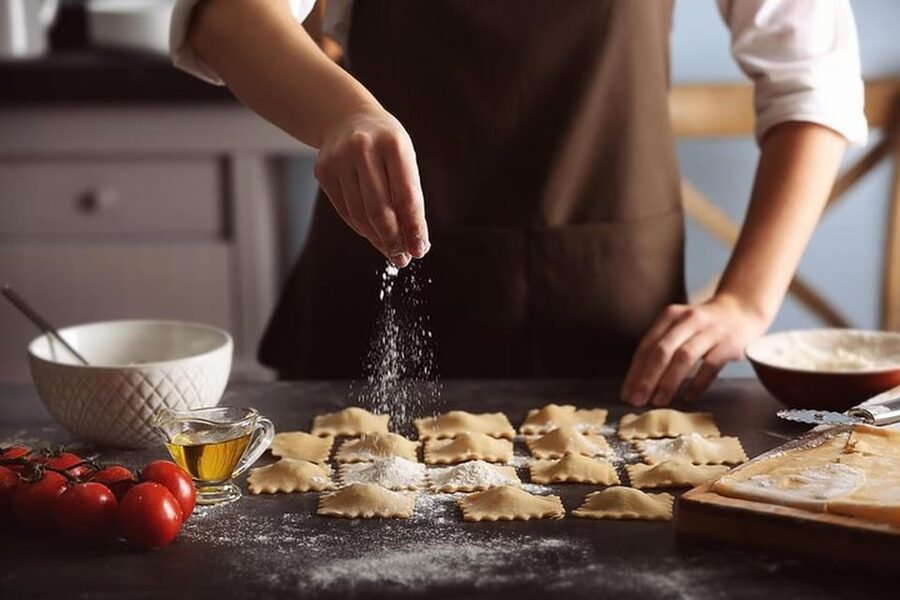
- Pistachio ravioli from scratch: You’ll make the dough, filling, and shapes yourself rather than simply watching a chef.
- Angela’s apartment kitchen: The class takes place in a personal home, giving the evening a relaxed, family-style feel.
- Small group of up to eight: You’ll have room to participate, though the experience can run longer than the advertised three hours.
- A full meal follows the lesson: Expect bruschetta, homemade ravioli, dessert, wine, water, and coffee.
- Bronte pistachio context: Angela explains the role of Sicily’s famous pistachio, often called the island’s green gold.
- Allow extra time: Some sessions have lasted about four hours, so do not schedule a tight evening appointment afterward.
Why pistachio ravioli makes this Catania class different
Catania has no shortage of pasta, pizza, and seafood, but pistachio ravioli gives this class a clear local identity. Sicily is famous for pistachios, especially those from Bronte on the slopes of Mount Etna, and Angela uses that ingredient as the heart of the filling.
You are not just learning a basic pasta shape. You are working with a filling that brings out Sicily’s love of nuts, creamy sauces, and bold combinations. The result is distinctive enough to feel special, but practical enough to try again at home.
I like that the recipe gives you a useful cooking lesson rather than a one-time restaurant performance. You learn how pasta dough behaves, how thin to roll it, how much filling to use, and how to seal the edges without trapping air. Those small details matter. Ravioli can split in the pot if the dough is too thick, the filling is too wet, or the edges are not closed properly.
The format also suits people who want food to open a door into local life. Angela explains Sicilian cooking and local ingredients while guiding you through the dish. The food is the focus, but the conversation and shared work make the evening feel personal.
More Cooking Classes with Wine Tasting in Italy
- Florence: Pasta Cooking Class with Unlimited Wine
★ 4.9 · 10,285 reviews - Florence: Pasta & Tiramisu Cooking Class with Unlimited Wine
★ 4.9 · 6,708 reviews - Florence: Pasta Cooking Class with Unlimited Wine
★ 5.0 · 6,413 reviews
Ringing the bell and entering Angela’s home
The meeting point is at Vignolo, where you ring the bell at the provided address. Take this instruction seriously and check the exact address before setting out. One person found the meeting location unclear and suggested that a sign would help, while an older booking had an address problem corrected by a last-minute message.
Once inside, expect a private apartment rather than a commercial cooking school. That is part of the appeal, but it also means you should arrive ready for a home setting. You may walk through an ordinary urban building before entering a carefully prepared apartment with a bright kitchen and formal dining setup.
I think this contrast is useful to understand before booking. If you want stainless-steel counters, matching uniforms, and a polished demonstration kitchen, this is not that experience. If you like seeing how food is prepared in a real home, the setting adds character.
Angela’s hosting is one of the strongest parts of the class. She is described as funny, lively, patient, and direct when correcting technique. Her son Victor sometimes helps with translation, and the mood is built around cooking, laughing, and sharing a table.
The pasta lesson: dough, filling, and careful shaping
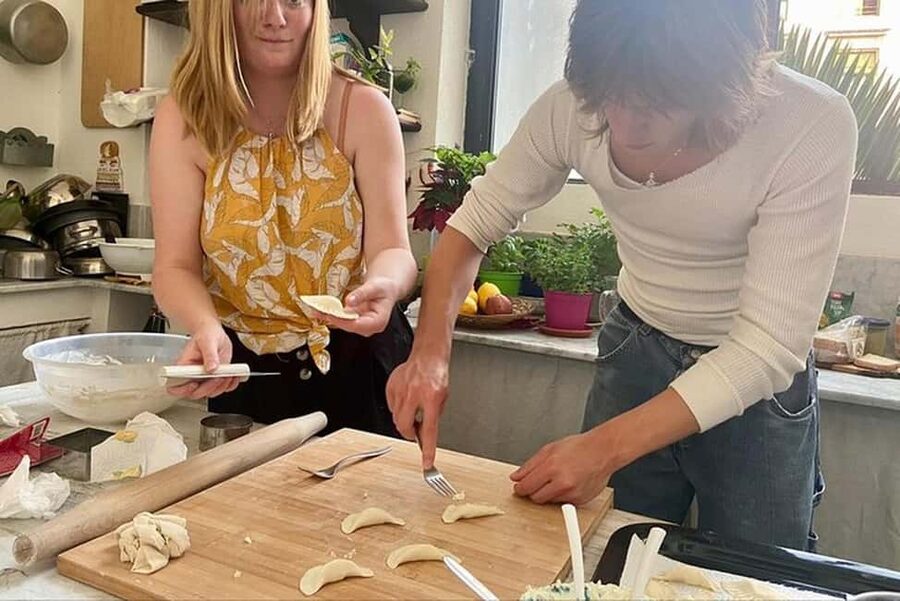
The class begins with the foundations of fresh pasta. Angela guides you through preparing the dough, then gives it time to rest. That pause is not wasted. It creates a natural break in the lesson and lets you enjoy part of the meal before returning to the ravioli.
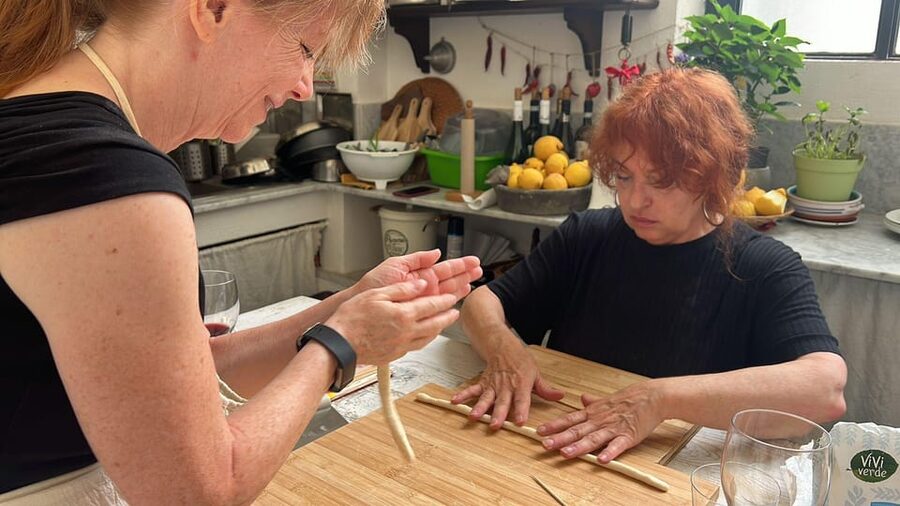
You will take part rather than simply stand nearby. The class works well for beginners because Angela demonstrates each stage and then gives you a chance to try. You might not produce perfectly even pasta on your first attempt, but that is part of the fun. Her corrections are practical, and the hands-on work helps the technique stick.
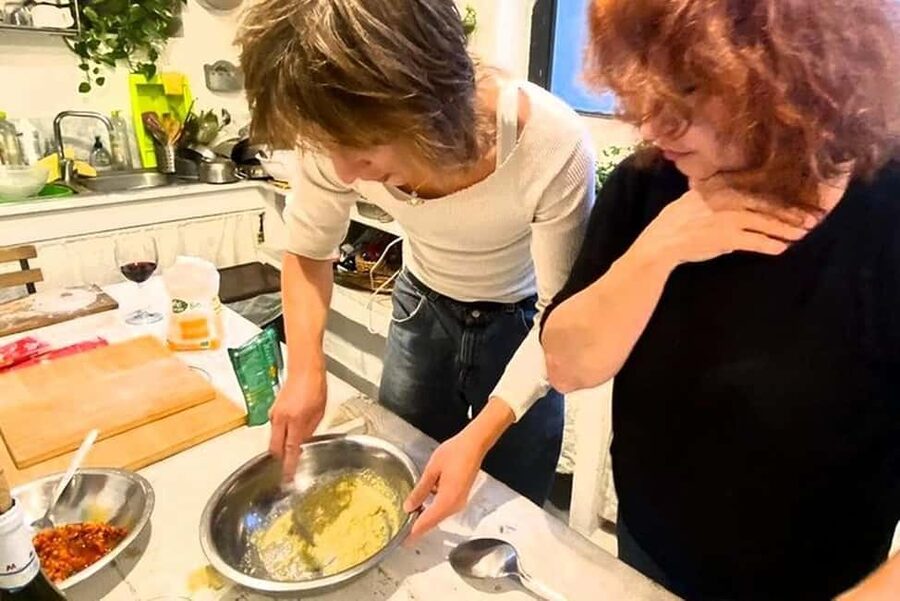
The pistachio filling is the memorable step. You learn how the creamy mixture comes together and how much to place on each piece of pasta. Use too much and the ravioli becomes hard to seal. Use too little and the finished dish loses the filling’s character.
Shaping is where the lesson becomes a test of patience. You press out air, seal the edges, and cut or form the ravioli. Angela pays close attention to these details, while keeping the mood light. That balance is important. You receive real instruction without feeling as though you are taking a formal exam.
The group size is limited to eight people. A group of seven has worked around the kitchen table while preparing food, which gives you a sense of the scale. You will have other people to meet and talk with, but this is small enough for the instructor to keep an eye on your work.
The waiting period brings bruschetta and conversation
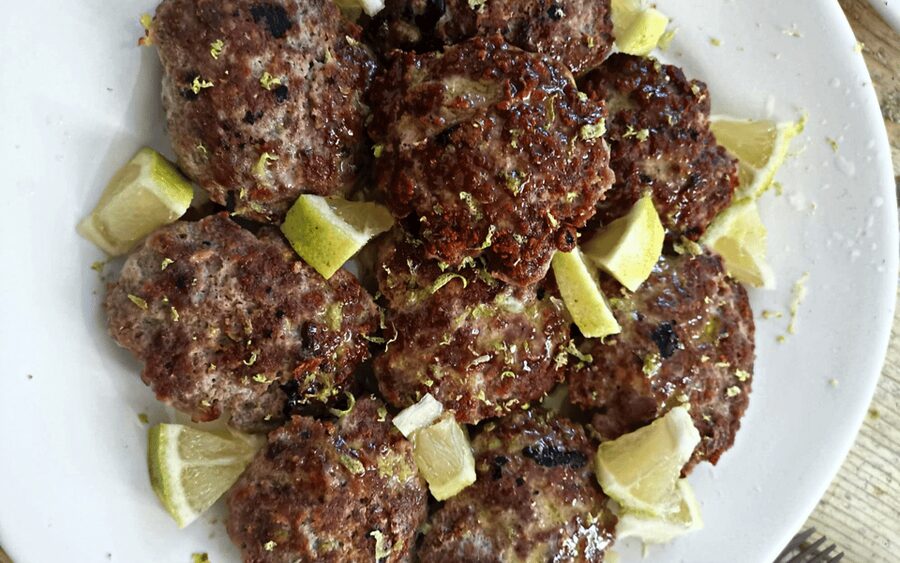
While the dough rests, Angela serves a bruschetta that is more creative than the usual tomato-and-basil version. The topping combines cheese, pear, walnuts, and chestnut honey, creating a mix of creamy, crisp, sweet, and nutty flavors.
This course helps explain the class’s appeal. You are not waiting around for the main dish to be ready. You sit down, taste something made by Angela, and get time to talk with the other people at the table.
The pairing also makes sense with the pistachio ravioli. The pear and honey bring sweetness, the cheese adds richness, and the walnuts echo the nuts in the meal. It is a small but memorable example of how Sicilian cooking can move between sweet and savory without drawing a hard line between them.
You may also have local wine during this part of the evening. Wine, water, coffee, and dessert are included, so the booking is not simply a pasta lesson followed by an extra charge for dinner.
More Home Cooking Classes in Italy
- Pastamama, Home Cooking Classes at Grace’s Home
★ 5.0 · 521 reviews - Traditional Home Cooking Experience in Venice
★ 5.0 · 377 reviews - 3-Recipe Italian Cooking Class in Como – Cesarine Best NYT Hosts
★ 5.0 · 186 reviews - Lecce Hands-on Home Cooking Class: Craft Orecchiette & Savor Wine
★ 4.5 · 148 reviews
Sitting down to eat your homemade ravioli
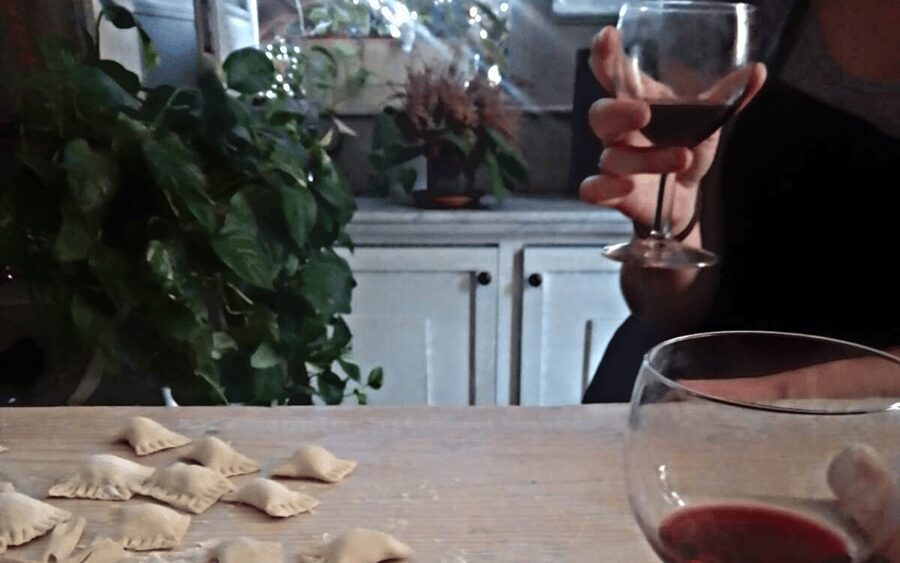
Once the ravioli is shaped and cooked, you sit down to eat. That moment carries more weight than a normal restaurant meal because you have handled every stage of the pasta yourself.
The ravioli is served with a white sauce in some sessions, though the supplied details do not specify one fixed sauce for every class. The important point is that you eat the pasta you prepared, alongside the starter and dessert, as part of a complete dinner.
The meal has been described as one of the best in Catania by people who attended, and the repeated praise is easy to understand. Fresh pasta tastes good on its own, but food made with your own hands also gives you a better sense of what makes the dish work.
Dessert is included as the final course. The exact sweet may vary, with tiramisu and ricotta with strawberries both appearing in descriptions of the meal. That variation suggests a home-cooked menu rather than a rigid restaurant production line.
Coffee closes the meal, and Sicilian wine accompanies the food. If you are planning a late night elsewhere, remember that the advertised duration is three hours, but one session lasted about four. A leisurely meal, translation, and group conversation can all add time.
The social side is as important as the recipe
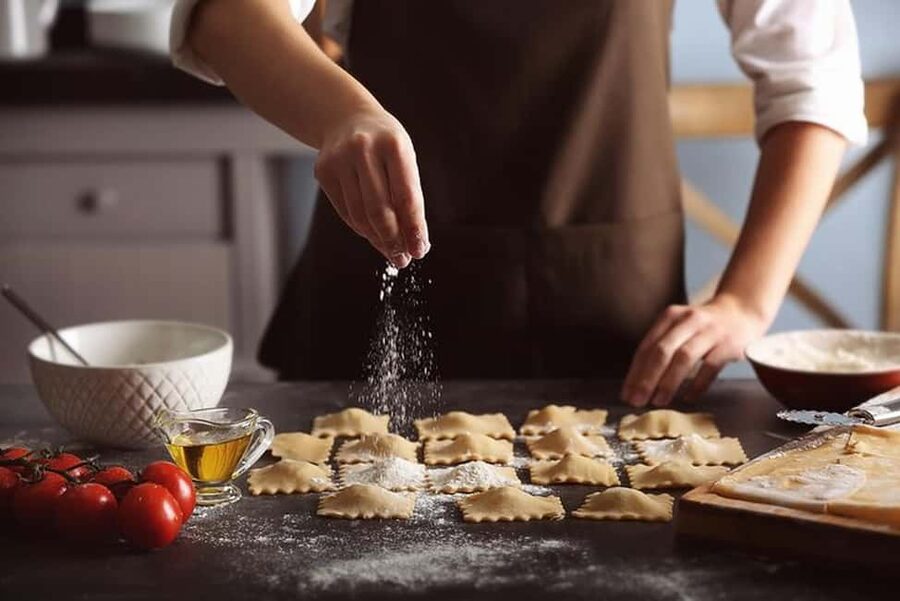
This is a good choice if you want to meet people while you cook. The small group may include couples, solo participants, and families, and the shared tasks give everyone an easy way to talk.
I like that the social mood does not depend on everyone speaking the same language perfectly. Angela uses English and Italian, and Victor may translate. Guests have also used Google Translate or iTranslate when needed. Communication may be slower than in a fully English-language cooking school, but it can still work well.
You should book this with a little patience. Instructions about pasta texture, rolling, or shaping are easier when you can watch Angela’s hands as well as listen to her words. A translator app on your phone can help with fine points, especially if Victor is not available.
The language mix can also make the class feel less scripted. Gestures, laughter, demonstrations, and shared tasting all do part of the work. If you require detailed technical instruction in fluent English, ask yourself how much language support you need before booking. If you enjoy a relaxed setting and can handle some back-and-forth, the arrangement should be manageable.
Angela’s personality is central to the experience. She brings humor, energy, and a willingness to correct mistakes without making the lesson stiff. Her home and her cooking are not a backdrop. They are the experience.
Is $100 a fair price for three hours?
At $100 per person, this is not the cheapest meal in Catania. It is also more than the cost of buying pasta at a local restaurant. The value comes from combining instruction, food, wine, and a private home setting in one evening.
You receive a cooking class, a three-course dinner, wine, water, and coffee. You also get direct practice with fresh pasta, which can be worth more than a short demonstration if you plan to cook the dish again.
The included food matters. The bruschetta, ravioli, dessert, and drinks mean you are not paying $100 for a single plate after a lesson. You are paying for roughly an evening activity, even if the stated duration is three hours.
I would consider it good value for a visitor who wants one memorable food experience in Catania and enjoys participating. It is less attractive if you mainly want a quick dinner or already plan to spend the evening at a restaurant.
The option to reserve now and pay later gives you some planning flexibility, and free cancellation is available up to 24 hours in advance for a full refund. Still, check the final booking terms when you reserve, and do not assume the class will finish exactly at the three-hour mark.
Who should book this class?
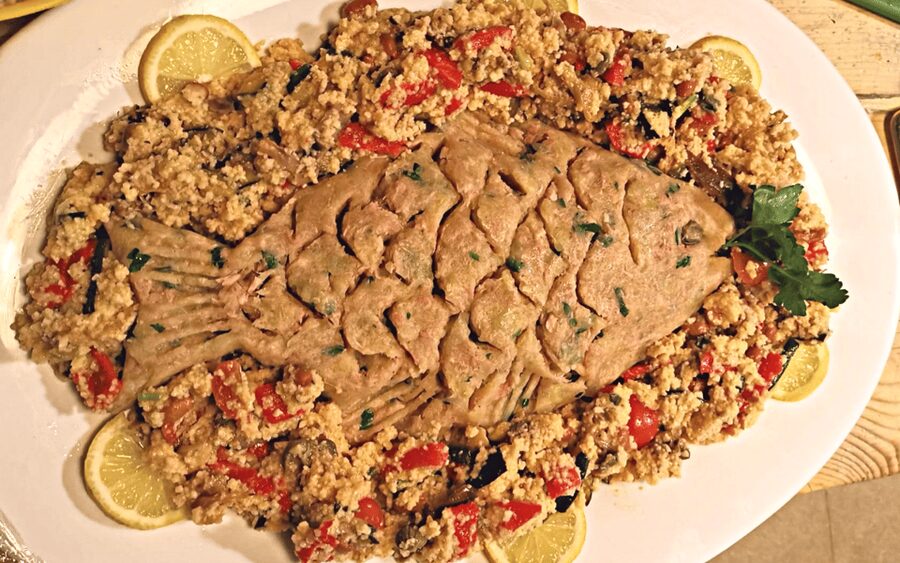
I would recommend it to couples, families, solo diners, and friends who like food with a personal story. It is especially useful for first-time pasta makers because the process is broken into clear stages and you get to try each one.
It also suits people who want a break from sightseeing. After a day of churches, markets, and city streets, sitting at a kitchen table and working with dough offers a slower change of pace.
You do not need to be an expert cook. In fact, the lesson seems designed for ordinary visitors with mixed skill levels. Angela demonstrates, you practice, and the group shares the results.
This may not suit anyone who needs wheelchair access, since the experience is not suitable for wheelchair users. It is also not ideal for someone with a strict schedule, a strong need for fully fluent English instruction, or a preference for a professional teaching kitchen.
If you have serious food allergies or dietary restrictions, ask about them before booking. The provided details do not explain substitutions or allergy procedures, so you should not assume that the menu can be changed.
Practical tips for a smoother evening
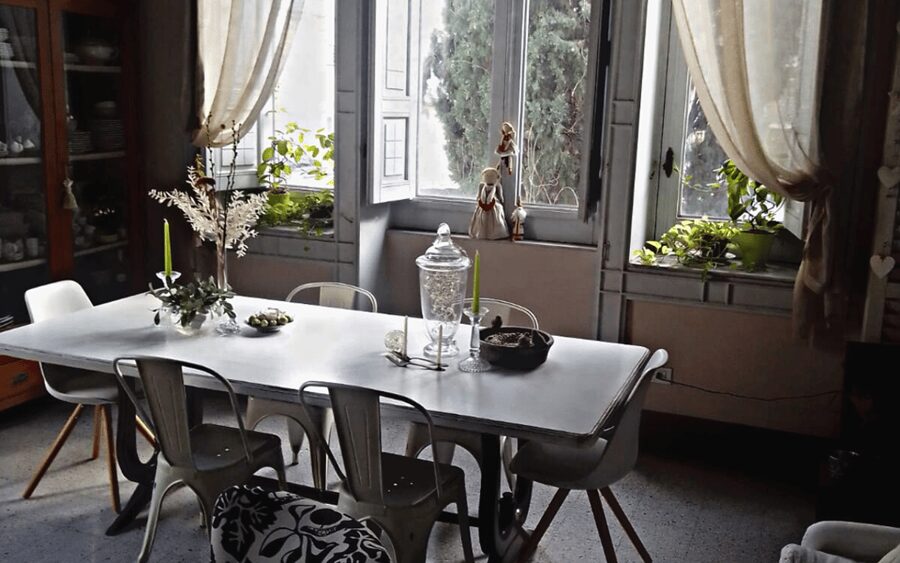
Save the full meeting address and look for the Vignolo bell. The entry point may not be obvious, and there may not be a prominent cooking-class sign.
Bring your phone with a translation app installed. English and Italian are offered, and Victor may help, but extra language support can make technical instructions easier to follow.
Leave at least four hours free if possible. The formal duration is three hours, yet the cooking, dining, and conversation may take longer.
Wear clothes you can work comfortably in. The class is hands-on, and you will be rolling, filling, and shaping pasta rather than simply sitting through a demonstration.
If you want to recreate the dish, ask for the recipe before leaving. One participant wished for a recipe card, and a written version would make it easier to remember quantities and steps at home.
Expect the menu to have a personal touch. The dessert and sauce may vary, but the central lesson remains pistachio ravioli with a full Sicilian meal.
Should you book the Catania pistachio ravioli class?
Book it if you want to cook, eat, and meet people in a real Catanian home. The strongest reasons are Angela’s warm teaching style, the unusual pistachio ravioli, and the fact that you take part in every major step.
Skip it if you want a tightly timed, polished culinary school or need guaranteed wheelchair access. Also think twice if a language gap would frustrate you.
For most food-loving visitors, $100 buys more than dinner. It buys an evening of pasta practice, Sicilian ingredients, wine, conversation, and a dish you can try to make again. Just arrive with the correct address, keep a translator app ready, and leave your schedule loose.
FAQ
Where does the cooking class take place?
The class takes place in Angela’s home apartment in Catania. You meet by ringing the bell at Vignolo at the provided address.
How long does the experience last?
The advertised duration is three hours. You should allow extra time because one session lasted about four hours.
What will I cook?
You will prepare fresh pistachio-filled ravioli from scratch. The lesson covers pasta dough, the creamy pistachio filling, and shaping the ravioli.
Is a meal included?
Yes. A three-course dinner is included, along with wine, water, and coffee.
What food is served besides the ravioli?
The meal includes gourmet bruschetta with cheese, pear, walnuts, and chestnut honey. Dessert is also included, with examples including tiramisu and ricotta with strawberries.
Is wine included?
Yes. Local Sicilian wine is included with the meal.
What languages are used during the class?
The listed languages are English and Italian. Angela may speak limited English at times, and her son Victor sometimes helps translate. Translation apps may also be useful.
How many people can join?
The class is a small-group experience with a maximum of eight participants.
Is the class suitable for wheelchair users?
No. The experience is listed as unsuitable for wheelchair users.
Can I cancel or pay later?
You can cancel up to 24 hours in advance for a full refund. A reserve-now, pay-later option is also available.
More Hands-On Workshops in Italy
- Naples: Pizza-Making Workshop with Drink and Appetizer
★ 4.9 · 5,411 reviews - Cooking Class and Lunch at a Tuscan Farmhouse with Local Market Tour from Florence
★ 5.0 · 4,831 reviews - Authentic Pizza Making Class in Naples with Appetizers and Drink
★ 5.0 · 3,178 reviews - Rome: 3-in-1 Fettuccine, Ravioli, and Tiramisu Cooking Class
★ 4.9 · 2,704 reviews
More Pasta Making Classes in Italy
- 3 in 1 Cooking Class near Navona: Fettuccine, Ravioli & Tiramisu
★ 5.0 · 7,376 reviews - Rome: Pasta Making Class with Wine, Limoncello, and Dessert
★ 4.9 · 3,177 reviews - Pastamania – Florence Pasta Making Class
★ 5.0 · 3,050 reviews - Rome Cooking Class: Make Pasta and 3 Spritz Cocktails
★ 5.0 · 2,937 reviews
Just added around Italy
- Cesarine: Home Cooking Class & Meal with a Local in Brindisi★ 5.0 · 7 reviews
- Small Group Market tour and Cooking class in Brindisi★ 4.5 · 8 reviews
- Apulian cooking class and typical dinner★ 4.5 · 5 reviews
- Dining Experience at a local’s Home in Martina Franca with Show Cooking★ 4.5 · 7 reviews
- Cooking class in a garden: handmade pasta★ 5.0 · 4 reviews
- 3 Hour Private Italian Tradition Cooking Class in Brescia★ 5.0 · 21 reviews
- Dining experience at a local’s home in Brindisi with show cooking★ 4.0 · 6 reviews
- Italian Pasta Cooking Course★ 5.0 · 27 reviews
Pasta Making Classes, compared.
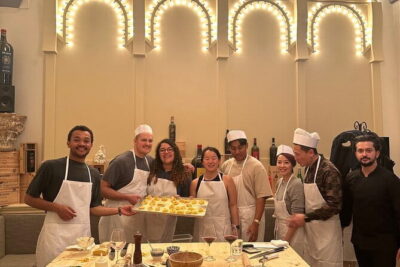
Florence: Pasta Cooking Class with Unlimited Wine
Read our review →
3 in 1 Cooking Class near Navona: Fettuccine, Ravioli & Tiramisu
Read our review →
Rome: Pasta Making Class with Wine, Limoncello, and Dessert
Read our review →
Rome Cooking Class: Make Pasta and 3 Spritz Cocktails
Read our review →
Rome: 3-in-1 Fettuccine, Ravioli, and Tiramisu Cooking Class
Read our review →