
Review · CATANIA
Cooking class fresh pasta
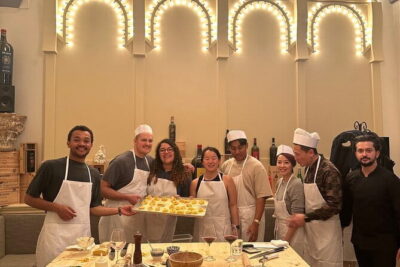
Fresh pasta is the real star here. In about three hours, you work with two doughs, learn several pasta shapes, prepare classic sauces, and then eat the results at the table. I like the hands-on format and the chance to learn from Chef Simona and her mother, rather than simply watching a demonstration.
I also like the practical mix of dishes: ragù, Norma, and Sicilian pesto give you useful recipes to repeat at home. The main consideration is time. This is a cooking lesson followed by a full tasting, so it takes a good part of your day, and starting times must be checked before booking.
Key points to know before booking
- Two pasta doughs: Learn the classic egg dough and a Sicilian durum wheat dough.
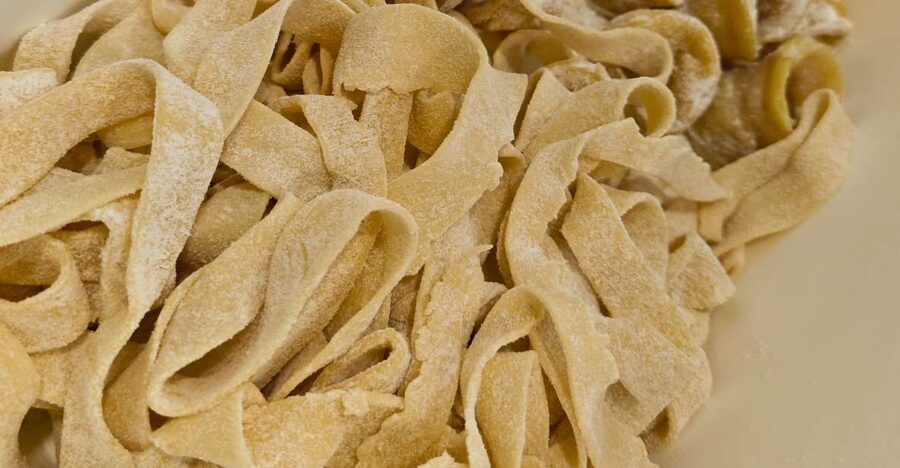
- Three pasta styles: Make tagliatelle, stuffed pasta, and maltagliati by hand.
- Three sauces: Prepare ragù, Norma, and Sicilian pesto during the class.
- Personal instruction: Chef Simona teaches in English or Italian, with her mother involved in the experience.
- Meal and wine included: Sit down to taste the pasta you made, served with Sicilian wine.
- Flexible booking: You can cancel up to 24 hours before the class for a full refund, or reserve now and pay later.
A Sicilian pasta class built around doing, not watching
Pasta classes can range from a quick rolling demonstration to a full meal at the end. This one aims for the second type. You are not just shown how pasta works. You handle the dough, shape several kinds of pasta, make sauces, and then eat what comes out of the kitchen.
The setting is a professional cooking laboratory, which matters. You get a proper working space rather than a vague lesson around a dining table. The class is led by a professional chef, and the instruction is available in English and Italian.
Chef Simona is the main teacher, and her mother also helps host the experience. That family touch gives the class a distinctly Sicilian feel. It is still structured as a cooking course, but it does not sound like a formal school session where you are left to follow instructions from a distance.
I would expect a friendly, practical tone. Simona has been praised for patience, clear instruction, and useful tips, including by people who already made fresh pasta at home. That is worth noting. Beginners should feel supported, while experienced home cooks may still pick up better techniques.
More Pasta Making Classes in Italy:
- Florence: Pasta Cooking Class with Unlimited Wine
★ 4.9 · 10,285 reviews - 3 in 1 Cooking Class near Navona: Fettuccine, Ravioli & Tiramisu
★ 5.0 · 7,376 reviews - Florence: Pasta & Tiramisu Cooking Class with Unlimited Wine
★ 4.9 · 6,708 reviews
Making two kinds of dough
The first part focuses on the foundation: the dough. You make a classic egg pasta dough and a Sicilian dough based on durum wheat. These are not interchangeable versions of the same thing. They introduce you to two important traditions in Italian pasta making.
Egg dough is the familiar starting point for many northern and central Italian pasta styles. It is used here for shapes such as tagliatelle and stuffed pasta. The class shows you how the dough comes together from raw ingredients, then moves toward shaping and cooking.
The durum wheat dough connects more directly with Sicily and southern Italy. It has a different character and gives you a useful comparison with egg pasta. For me, this is one of the strongest parts of the class because you do not leave with only one general recipe. You see how the base changes the final pasta.
You should expect to work with your hands. That means the lesson may feel a little messy at times, which is part of the point. Pasta dough rewards touch and practice. A written recipe can tell you quantities, but it cannot fully explain how the dough should feel as it becomes workable.
Three pasta shapes, three different skills
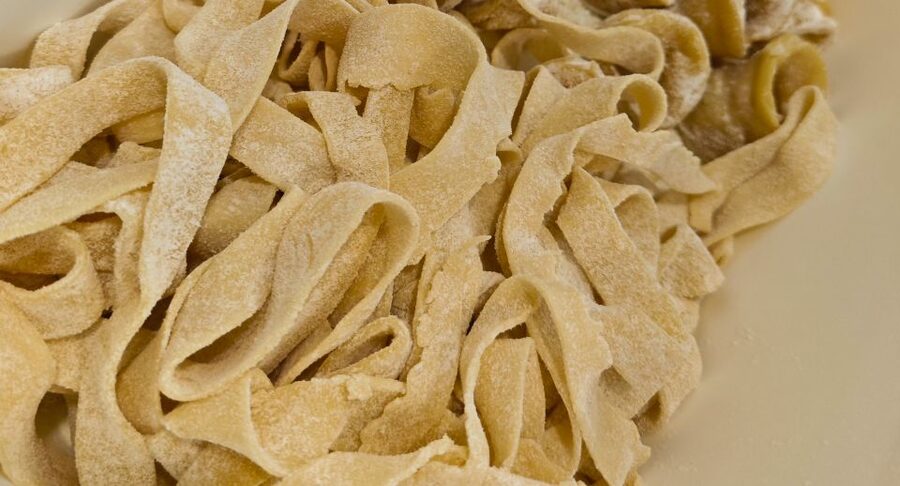
Once the dough is ready, the class moves into shaping. You make tagliatelle, stuffed pasta, and maltagliati. Each shape teaches something different.
Tagliatelle is a useful everyday pasta to learn. It gives you practice rolling and cutting dough into even ribbons. It also works naturally with a meat sauce such as ragù, so you can see how shape and sauce are matched.
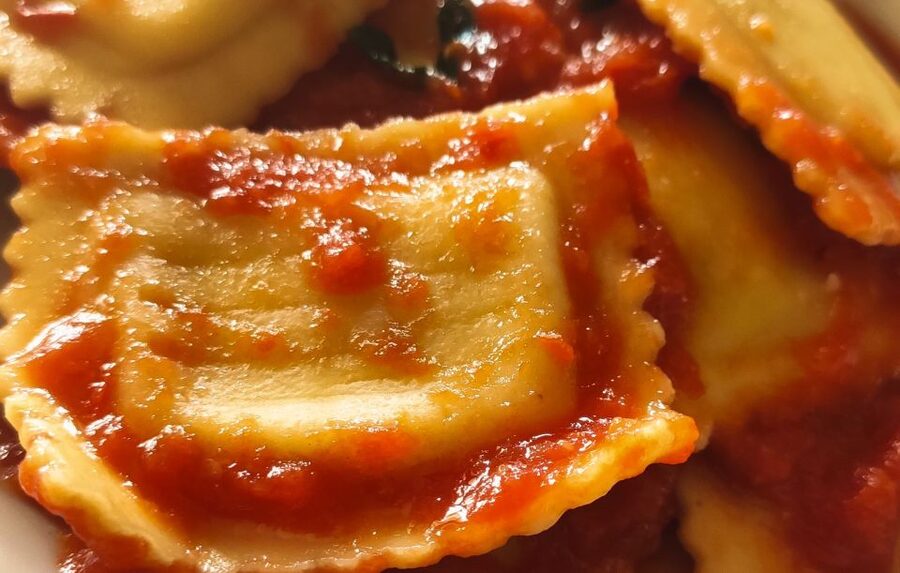
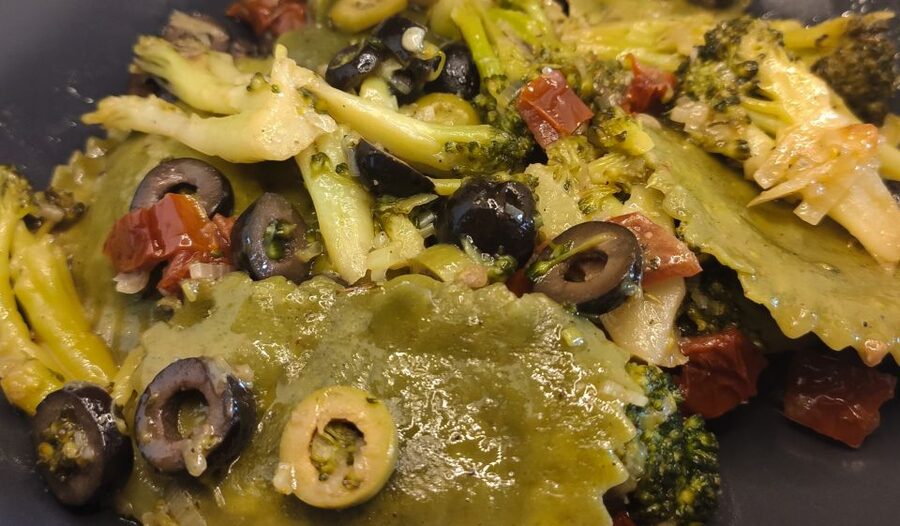
Stuffed pasta adds another skill. You need to handle the filling, seal the dough properly, and avoid trapping too much air. The exact filling is described as part of the lesson, with one participant specifically praising the ravioli filling. This is a good choice for anyone who wants to move beyond simple noodles.
Maltagliati means roughly badly cut, but the name is more charming than alarming. The pieces are irregular by design. This shape is useful because it takes away some pressure to make every piece perfect. You can learn to work efficiently while seeing how rustic pasta fits into Sicilian cooking.
The class is described as making three different kinds of pasta, and the shapes listed are tagliatelle, stuffed pasta, and maltagliati. You should receive the recipes after the class based on the experience described by one participant, which makes the lesson more useful once you return home.
Ragù, Norma, and Sicilian pesto
The second phase turns from dough to sauce. You prepare ragù, pasta alla Norma, and Sicilian pesto. This is a smart lineup because each sauce shows a different side of Italian cooking.
Ragù gives you the slow, savory option. It pairs naturally with tagliatelle and teaches the importance of building flavor in a meat sauce. Several participants singled out the ragù as especially good, so I would pay close attention to the chef’s method here.
Norma is one of Sicily’s best-known pasta combinations. The dish is associated with eggplant, tomato, and ricotta salata, although the precise preparation for this class is not specified. The important point is that you learn a distinctly Sicilian sauce rather than a generic Italian recipe.
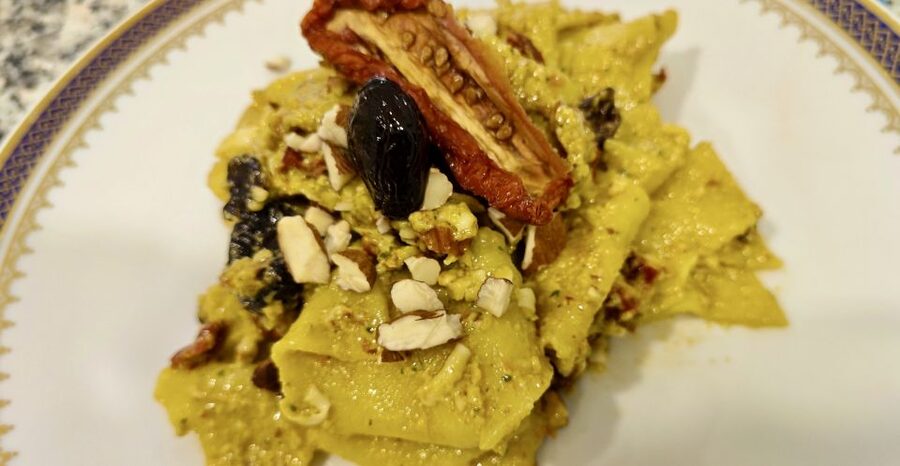
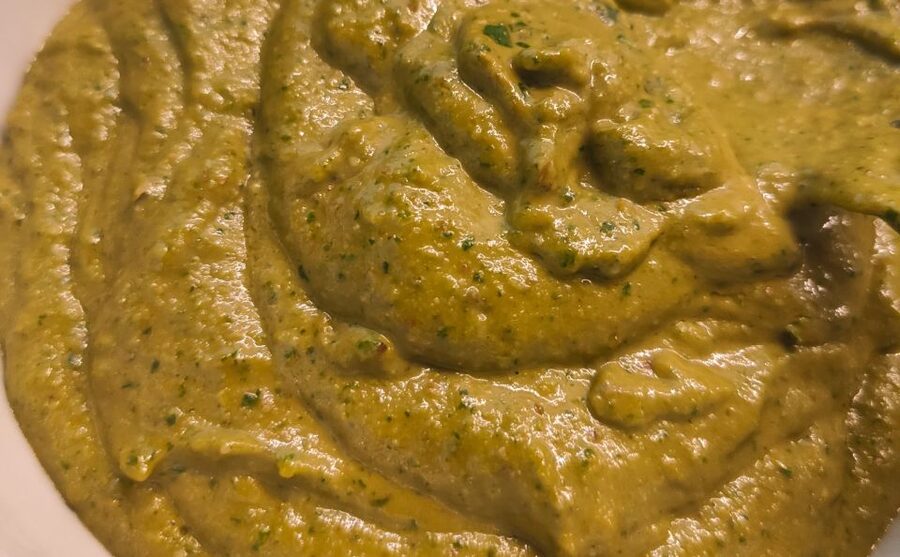
Sicilian pesto gives you a fresher contrast. It is different from the basil-heavy pesto many people know from Liguria, though the exact ingredients used in this class are not provided. The lesson lets you compare a fresh sauce with the deeper flavors of ragù and Norma.
Learning the sauces alongside the pasta is more useful than making noodles alone. At home, pasta is only half the job. You also need to know what to put on it, how the sauce suits the shape, and how to bring the dish together at the right time.
More Hands-On Workshops in Italy:
- Florence: Pasta Cooking Class with Unlimited Wine
★ 5.0 · 6,413 reviews - Naples: Pizza-Making Workshop with Drink and Appetizer
★ 4.9 · 5,411 reviews - Cooking Class and Lunch at a Tuscan Farmhouse with Local Market Tour from Florence
★ 5.0 · 4,831 reviews - Authentic Pizza Making Class in Naples with Appetizers and Drink
★ 5.0 · 3,178 reviews
Sitting down to eat what you made
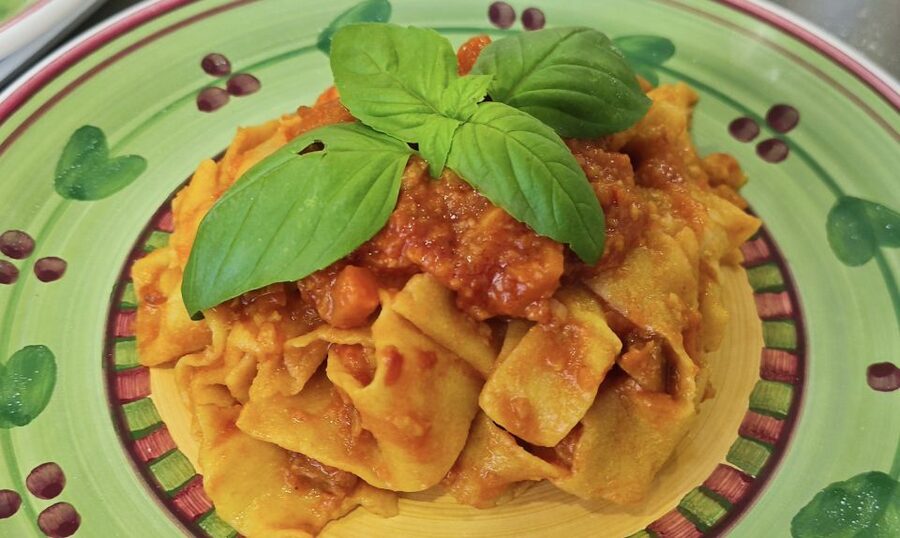
At the end, the chef cooks the pasta for you. You then sit at the table and taste the dishes you prepared, along with Sicilian wine. This closing meal is not an extra detail. It is where the class becomes a complete food experience rather than a technical workshop.
You get to see how the pasta behaves after cooking, including the stuffed pasta and the different doughs. That final step helps connect the work at the counter with the food on your plate. It also gives you a chance to enjoy the meal without worrying about timing every pot yourself.
The portions have been described as generous, and the meal can include several of the dishes made during the class. A bottle of wine was also given to one participant to take home, though I would not treat that as a guaranteed inclusion unless the provider confirms it for your booking.
Some feedback also mentions cannoli. Cannoli is not listed among the formal highlights, so I would not book this class expecting it as a standard part of the menu. The dependable food focus is the fresh pasta, three sauces, and Sicilian wine.
What the price means at $112.15
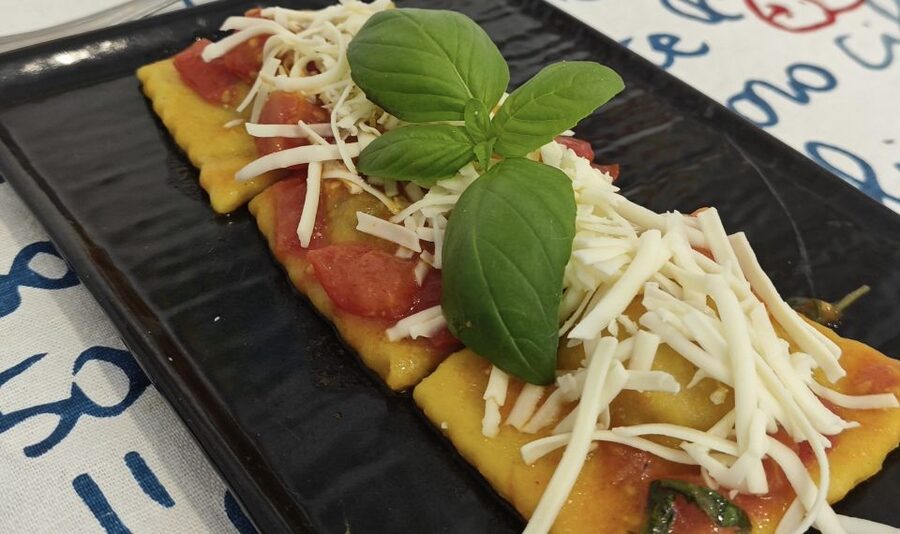
At $112.15 per person, this is not a cheap pasta demonstration. You are paying for roughly three hours, professional instruction, hands-on preparation, several recipes, and a sit-down tasting with wine.
I think the value is strongest if you want a complete activity rather than a single cooking trick. You make three pasta styles and three sauces, then eat the food. That is a substantial amount of instruction and food for one session.
The value also improves if you will actually cook the recipes again. The class covers techniques that transfer well to your own kitchen: mixing dough, judging texture, shaping pasta, filling and sealing, cutting irregular pieces, and matching sauces to pasta.
It is less attractive if you want a short introduction or a quick holiday activity between sightseeing stops. Three hours is a real commitment, and the final tasting means you should allow enough time rather than trying to squeeze it between fixed plans.
With a rating of 4.8 from 17 reviews, the experience has a strong record, though the sample is not large. The most praised features are the friendly teaching, generous meal, useful recipes, patient instruction, and the quality of the food. Those points line up well with what the class promises to provide.
Who will enjoy this class most
I would recommend this experience to first-time pasta makers, couples, families, and small groups who want a meal with their lesson. It also suits home cooks who already make Italian food and want help with Sicilian recipes or more refined pasta technique.
The class is especially good for people who learn by doing. If you prefer to watch a chef cook while someone else handles the flour, this may feel more active than you want. You will be expected to take part in the preparation.
It can also work well for mixed-skill groups. Beginners have several pasta shapes to try, while experienced cooks can focus on dough texture, filling, sauce balance, and the chef’s practical tips.
The two languages are English and Italian. If your group includes people who speak either language, the instruction should be easier to follow. The provided information does not specify group size, transportation, meeting point, dietary accommodations, or accessibility, so ask those questions before paying if they affect your decision.
A few practical points for planning
The activity lasts three hours, but the exact starting time depends on availability. Check the available slots before building your day around it.
You do not need to plan a separate meal immediately afterward. The class ends with a tasting of the food you made and Sicilian wine. Come ready to cook and eat, rather than treating it as a light snack stop.
The provider is Futuro e Lavoro. The instructor languages are English and Italian, and the class takes place in a professional cooking laboratory. No transport is listed, so you should not assume pickup or a transfer is included.
Cancellation is flexible up to 24 hours before the activity, with a full refund. You can also reserve now and pay later, which helps if your Sicilian plans are still moving around.
Should you book this Sicilian cooking class?
Book it if you want real participation, several recipes, and a proper meal at the end. The strongest reason to choose it is the combination of two doughs, three pasta shapes, and three sauces, taught by Chef Simona with help from her mother.
I would also choose it if you want something you can carry home beyond photographs. The recipes and techniques give you a practical way to recreate part of the experience in your own kitchen.
Skip it if you only have a short window, dislike hands-on cooking, or want a class focused on one narrow dish. For everyone else, the $112.15 price is reasonable for a three-hour lesson with food and wine, especially if you value patient instruction and a generous final tasting.
FAQ
How long does the cooking class last?
The class lasts about three hours.
Where does the experience take place?
It takes place in Sicily, Italy, in a professional cooking laboratory.
What types of pasta will I make?
You will make tagliatelle, stuffed pasta, and maltagliati.
How many types of dough are included?
The class includes classic egg pasta dough and a Sicilian durum wheat dough.
Which sauces will I prepare?
You will learn to prepare ragù, Norma, and Sicilian pesto.
Is a meal included?
Yes. The chef cooks the pasta you make, and you sit down to taste the food with Sicilian wine.
Who teaches the class?
Chef Simona teaches the class, with her mother also involved in the experience.
Which languages are available?
Instruction is available in English and Italian.
How much does the class cost?
The listed price is $112.15 per person.
Can I cancel or pay later?
You can cancel up to 24 hours in advance for a full refund. You can also reserve now and pay later.
Just added around Italy
- Cesarine: Home Cooking Class & Meal with a Local in Brindisi★ 5.0 · 7 reviews
- Small Group Market tour and Cooking class in Brindisi★ 4.5 · 8 reviews
- Apulian cooking class and typical dinner★ 4.5 · 5 reviews
- Dining Experience at a local’s Home in Martina Franca with Show Cooking★ 4.5 · 7 reviews
- Cooking class in a garden: handmade pasta★ 5.0 · 4 reviews
- 3 Hour Private Italian Tradition Cooking Class in Brescia★ 5.0 · 21 reviews
- Dining experience at a local’s home in Brindisi with show cooking★ 4.0 · 6 reviews
- Italian Pasta Cooking Course★ 5.0 · 27 reviews
Pasta Making Classes, compared.
Florence: Pasta Cooking Class with Unlimited Wine
Read our review →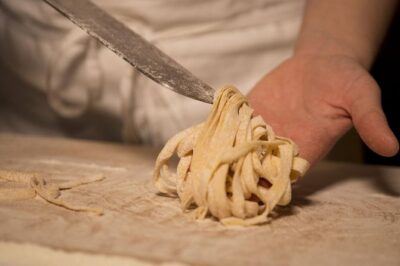
3 in 1 Cooking Class near Navona: Fettuccine, Ravioli & Tiramisu
Read our review →
Rome: Pasta Making Class with Wine, Limoncello, and Dessert
Read our review →
Rome Cooking Class: Make Pasta and 3 Spritz Cocktails
Read our review →
Rome: 3-in-1 Fettuccine, Ravioli, and Tiramisu Cooking Class
Read our review →
Rome: Fettuccine Pasta Cooking Class in Rome’s City Center
Read our review →Browse the lists this tour appears in