
Review · CATANIA
Cooking Class Arancini in Catania
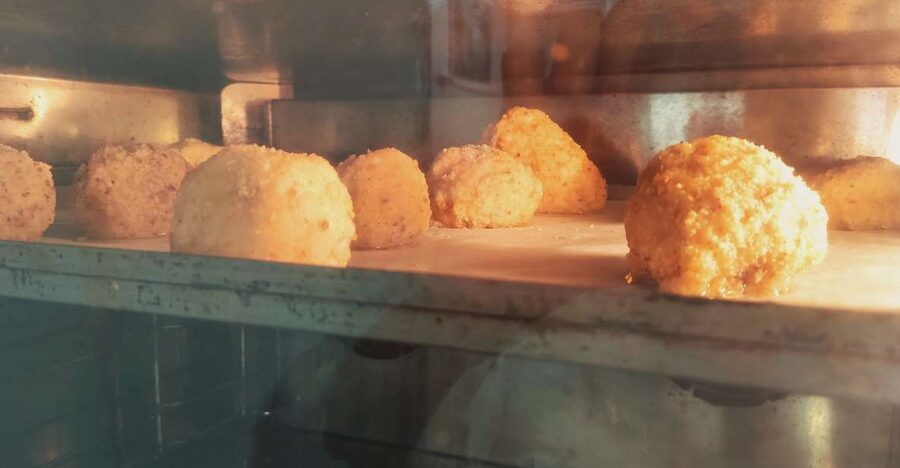
Catania’s best food lesson may begin with a humble rice ball. In this three-hour arancini class, you learn the small but important steps behind Sicily’s famous street food: seasoned rice, generous fillings, and a crunchy coating that holds everything together. You also make almond paste, another local favorite.
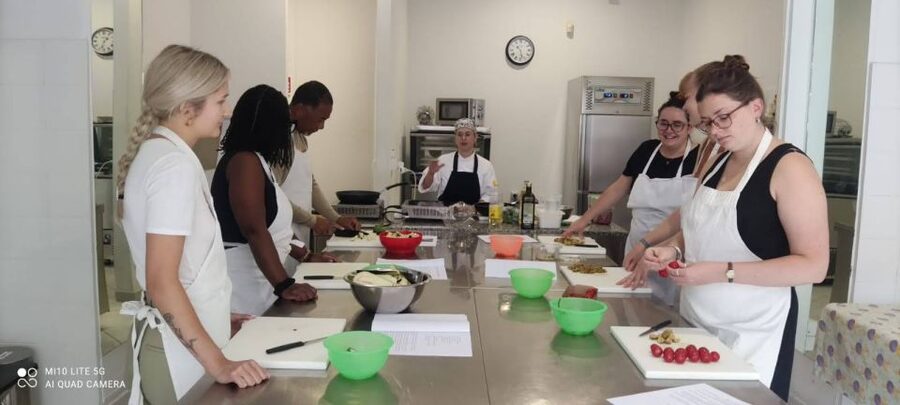
I like the small group of up to six, because it gives you room to ask questions and work directly with the chef. I also like the generous tasting at the end, with several types of arancini, almond paste, Sicilian wine, water, and coffee. One thing to consider is the recipe booklet. One participant found the copies incomplete, so take notes during the lesson if you want to recreate the rice at home.
Key points at a glance
- Two classic Sicilian foods: Make savory arancini and sweet almond paste in the same class.
- Hands-on rice and fillings: Learn how to cook the rice, prepare fillings, shape the balls, and add the crisp breading.
- Vegetarian options available: Ask for a meat-free filling when the class begins.
- Small, personal setting: The group is limited to six, and some sessions have only two participants.
- A full tasting afterward: Sample the finished arancini and almond paste with wine, water, and coffee.
- English or Italian instruction: The class is led by a professional chef and includes a recipe booklet.
Why arancini make a good Catania cooking class
Arancini look simple when you see them in a café display. The hard part is getting the rice firm enough to shape, moist enough to taste good, and sturdy enough to hold its filling. This class focuses on those practical details rather than treating arancini as a quick snack you simply assemble.
You start by learning how the rice should be cooked. The rice is prepared with seasoning, and the class explains the base that will form the shell around the filling. One point worth watching closely is the rice mixture, since the amount of cheese, butter, saffron, and other seasoning affects both taste and texture.
The lesson then moves to the fillings. You can prepare several kinds, with vegetarian choices possible. That variety gives the class more value than a single recipe lesson, especially if you want to compare different styles of arancini at the tasting.
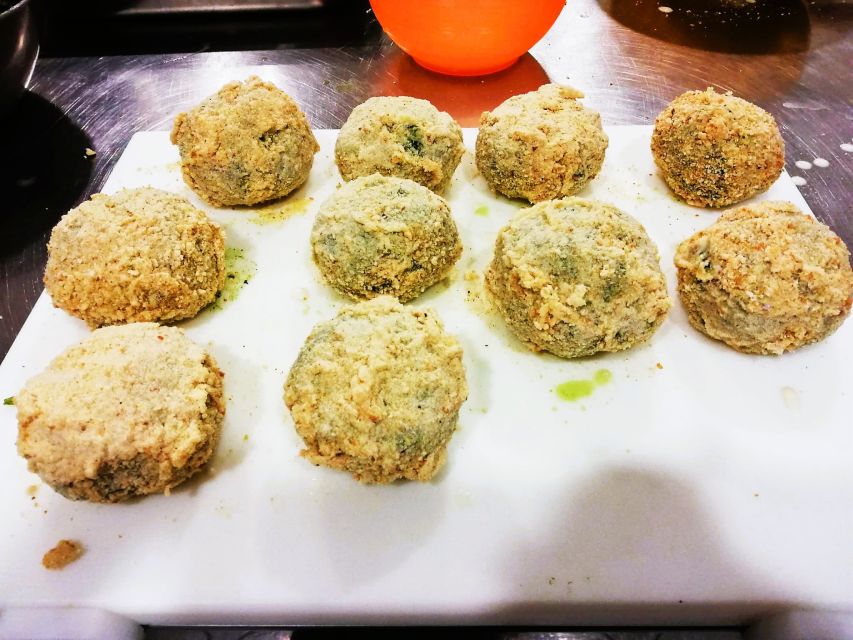
The final savory step is the breading. You learn how to coat the rice so it turns crisp outside while staying soft inside. This is the part that helps explain why a good arancino is more than leftover rice rolled into a ball.
More Hands-On Workshops in Italy:
- Florence: Pasta Cooking Class with Unlimited Wine
★ 4.9 · 10,285 reviews - 3 in 1 Cooking Class near Navona: Fettuccine, Ravioli & Tiramisu
★ 5.0 · 7,376 reviews - Florence: Pasta & Tiramisu Cooking Class with Unlimited Wine
★ 4.9 · 6,708 reviews
Cooking in a professional Catania laboratory
The meeting point is a cooking laboratory at 37.51484298706055, 15.102240562438965. The setting is designed for food preparation, not a sightseeing walk or a restaurant demonstration, so expect to spend most of the three hours at the work surface.
That is a useful distinction when comparing this class with a home-cooking experience. You are there to learn a repeatable method, handle the ingredients, and follow the stages of preparation. You should not book it expecting a tour of Catania or a visit to several food stops.
Instruction is available in English and Italian. One particularly well-liked instructor is Agata, who is described as both an excellent chef and a strong teacher. Other sessions have been led by friendly, clear English-speaking women, so English-speaking participants should be able to follow the practical steps without much trouble.
The group limit is six people. That matters here. Arancini require shaping, filling, coating, and cooking, and a crowded class would make those tasks less useful. With just two people in one session, the experience can feel almost private. The exact group size depends on the date, but the published limit keeps it small.
The rice, filling, and shaping lesson
The rice is the foundation of the class. You first see how it is cooked and seasoned before moving on to shaping. This is where I would pay close attention and write down quantities, since one participant later found the printed recipes did not include enough information to reproduce the rice properly.
The filling stage gives you the most room to make the class your own. Several fillings may be prepared, and vegetarian fillings can be included. The available review details do not provide a fixed list of fillings, so do not assume that every option is offered at every session. If you avoid meat, mention it when booking or at the start of the class.
Next comes the shaping. You place the filling inside the rice and form the arancino by hand. This takes a little practice, and the class format lets the chef correct your technique as you work. You may make different shapes or sizes depending on the recipe being taught, but the key lesson is keeping the rice closed around the center.
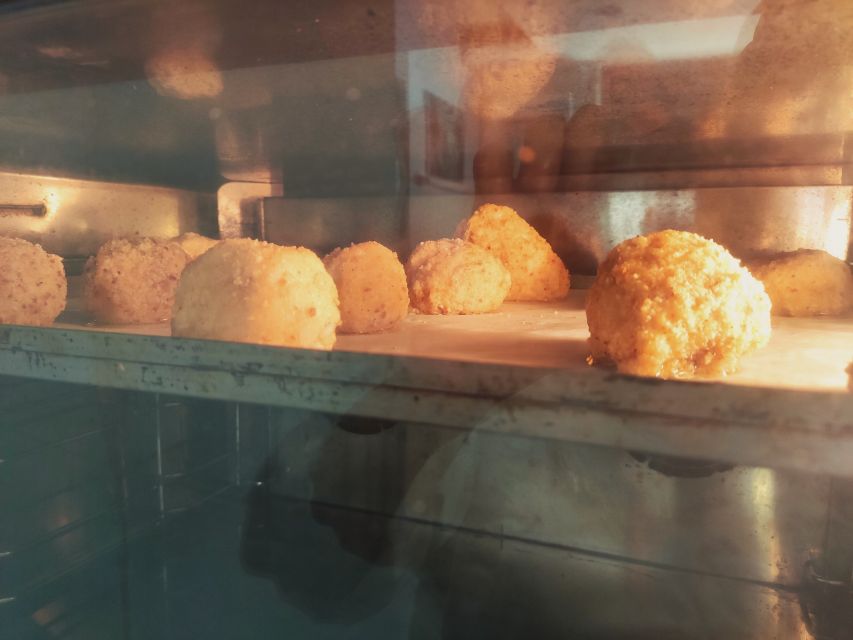
The coating gives the arancino its familiar crunch. You learn how to bread the outside before cooking. This step is especially useful for home cooks because a weak coating can split, leak, or turn soft. The class lets you see the process from cooked rice to finished fried food rather than only tasting the result.
Almond paste adds a sweet Sicilian lesson
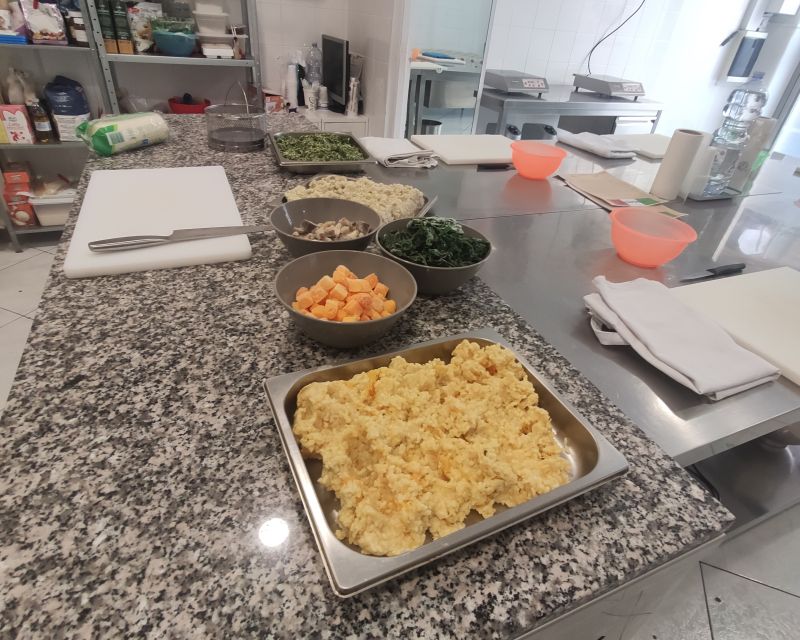
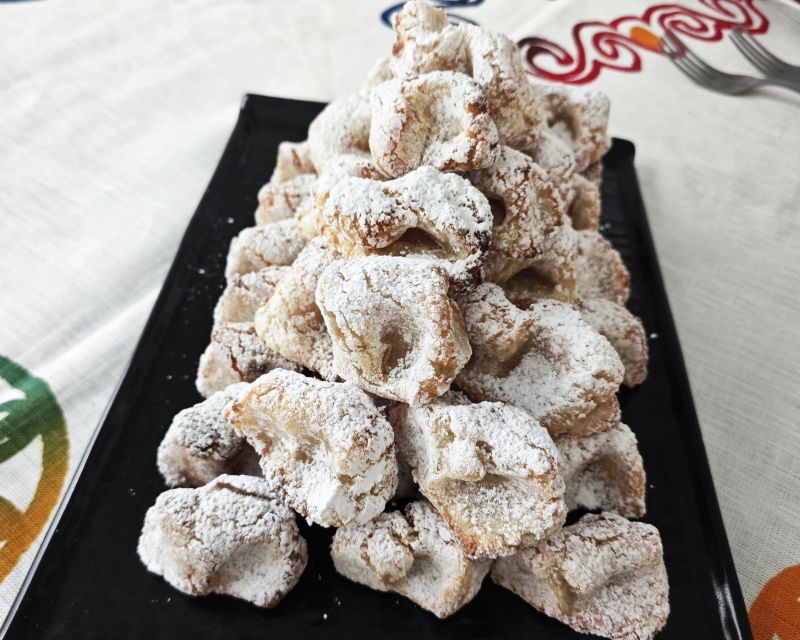
The second recipe is Sicilian almond paste. It gives the class a useful change of pace after the savory work. You move from rice, fillings, and breading to a sweet preparation associated with Sicilian baking.
The supplied details do not specify the exact shape, decoration, or recipe used for the almond paste. Expect a practical introduction rather than a full pastry course. You will prepare it, taste it, and receive the recipe material afterward.
Including almond paste makes the class broader than an arancini-only workshop. You leave with one savory idea for a meal or snack and one sweet preparation for serving with coffee. That pairing also reflects the range of Sicilian food, where street food and almond-based sweets both have a place at the table.
A few more cooking classes around Italy worth a look
- Florence: Pasta Cooking Class with Unlimited Wine
★ 5.0 · 6,413 reviews - Cooking Class and Lunch at a Tuscan Farmhouse with Local Market Tour from Florence
★ 5.0 · 4,831 reviews - Rome Cooking Class: Make Pasta and 3 Spritz Cocktails
★ 5.0 · 2,937 reviews - Rome: 3-in-1 Fettuccine, Ravioli, and Tiramisu Cooking Class
★ 4.9 · 2,704 reviews
The final tasting is part of the lesson
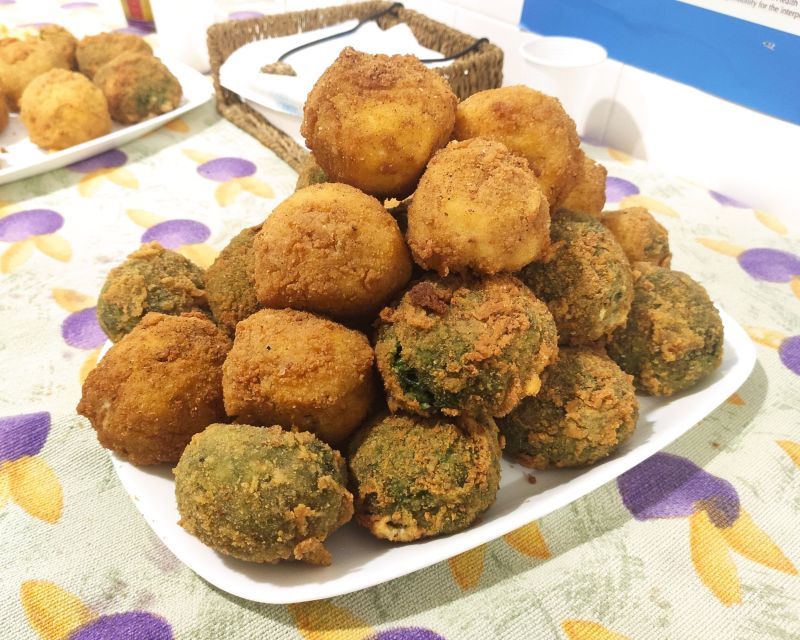
At the end, you taste the different arancini you have made along with the almond paste. Sicilian-style wine, water, and coffee are provided. This is not just a reward after the work. Tasting several fillings side by side helps you notice how the filling changes the balance of the rice and crisp coating.
One useful detail is that the portions can be generous. A participant described having enough arancini left to take home, although the exact amount will depend on the group and the day’s preparation. If you are planning another large meal immediately afterward, keep that in mind.
The shared meal also gives the class a social side. In one session, two people were able to share what they prepared with another couple working on a different meal. That kind of exchange is possible because the class is small, though it should not be treated as a guaranteed separate menu or dining experience.
Wine is included, but the class also provides water and coffee. You can therefore treat the tasting as a light meal rather than a quick sample. The food is the main event, and the drinks help make the end of the lesson feel complete.
What the recipe booklet can and cannot do
A recipe booklet is included, which is helpful if you want to make arancini and almond paste for friends or family. Having written recipes is better than relying entirely on memory, particularly after a busy hands-on session.
Still, I would not depend on the booklet alone. One participant received two recipes printed from a copier and found them incomplete, with no clear instructions for the rice and no quantities for some ingredients. Other participants found the recipes useful, so the quality or completeness may vary.
The best approach is simple: bring a phone or small notebook and record the rice method, ingredient amounts, cooking times, and filling details as the chef explains them. Ask specifically how the rice reaches the right consistency. That question may be more valuable than the printed pages.
If you want to give the class as a gift or plan a cooking evening at home, this small bit of preparation matters. The lesson itself gives you the visual and practical cues, while your notes fill in the measurements that may not appear in the booklet.
How the three hours are likely to feel
The class is long enough to cover several techniques without being a full-day commitment. The timing includes the cooking work, explanation, shaping, preparation of almond paste, and final tasting.
The pace will depend on group size. With two or three people, you may have more direct time with the chef. With six, you will still be in a small group, but some tasks may move in turns. Either way, the format should suit you if you prefer doing the work rather than watching a chef prepare everything.
This is also a sensible choice on a hot day in Sicily. The class takes place indoors, and one participant found it particularly enjoyable as a break from the heat. The kitchen setting gives you a structured activity during the middle of the day, though the cooking itself may still involve warm equipment.
The lesson is taught in English or Italian. If you are learning Italian, you may enjoy hearing food terms in both languages. If you need detailed explanations in English, the class has an English-speaking option, and Agata has been praised for explaining the work clearly.
Who should book this class
I would recommend this experience to anyone who wants to understand a food they might otherwise only buy from a counter. It works especially well for couples, friends, solo participants, and small family groups who enjoy cooking together.
It is also a good match for vegetarians, provided you confirm the filling choices at the start. Vegetarian fillings are possible, but the activity information does not promise a completely vegetarian class or list every ingredient.
You do not need advanced cooking skills. The class teaches the process from the beginning, and the value comes from learning the texture and method. It is a better fit for curious beginners than for someone seeking a highly technical culinary certification.
The age policy is restrictive for very young children. The activity is not suitable for children under four, and the information also lists younger age limits separately, including babies under one and children under two or three. Since those limits overlap, confirm the policy before booking a family group.
Value, flexibility, and practical booking notes
The price is not provided here, so I cannot call it cheap or expensive in absolute terms. To judge the value, look at what is included: three hours of instruction, several arancini preparations, almond paste, a final tasting, wine, water, coffee, and a recipe booklet.
A meal in Catania may cost less than a cooking class, but it will not show you how to make the food. This class earns its value through the hands-on method and the chance to repeat the recipes at home. The small group also matters more than a large demonstration, since you get time to shape and fill the arancini yourself.
The booking terms are friendly for uncertain plans. You can reserve now and pay later, and cancellation is free up to 24 hours before the class for a full refund. Starting times vary, so check the date before planning other activities around it.
The provider is Futuro e Lavoro. The meeting point is the cooking laboratory, not a general city meeting point, so use the exact location details when arranging your arrival.
The drawbacks to keep in mind
The incomplete recipe booklet is the clearest weakness. If you want exact measurements and a polished cookbook, you may be disappointed. Take your own notes, especially for the rice, and ask the chef to repeat any step that seems vague.
The information about specific fillings is limited. You know vegetarian options are possible and that several types are prepared, but you are not given a fixed menu in advance. This is worth checking if you have allergies, strict dietary needs, or a strong preference for a particular filling.
The class is food-focused, not a general introduction to Sicilian cuisine. You will not be sightseeing, visiting a market, or exploring Catania during these three hours. That is a benefit if you want focused cooking time, but a limitation if you want a broader city experience.
Finally, the class may not suit very young children because of the stated age restrictions. Older children may enjoy the shaping and tasting, but the available information does not give a wider child policy, so confirm before booking.
Should you book Cooking Class Arancini in Catania?
Book it if you want a hands-on food lesson with a small group, a professional chef, and enough tasting to count as part of your meal. The combination of arancini and almond paste gives you more variety than a single-recipe workshop, while the English option and three-hour length make it easy to fit into a Catania stay.
I would especially choose it for a hot afternoon, a rainy day, or the middle of a trip when you want to do something social without another sightseeing stop. Go in ready to ask questions and write down the rice method. If you do that, the class offers more than lunch: it gives you a practical way to bring a little Sicilian cooking home.
FAQ
Where does the cooking class meet?
The class meets at a cooking laboratory in Catania, Sicily. The listed coordinates are 37.51484298706055, 15.102240562438965.
How long does the class last?
The cooking class lasts three hours. Available starting times depend on the date you choose.
What foods will I make?
You will learn to make Sicilian arancini and almond paste. The arancini lesson covers the rice, fillings, shaping, and crunchy breading.
Can I make vegetarian arancini?
Vegetarian fillings are possible. Ask about the available choices when the class begins or before booking if your diet is strict.
Is the class taught in English?
Yes. Instruction is available in English and Italian.
How many people can join?
The class is limited to six participants. Some sessions may have fewer people, including sessions with only two participants.
What is included in the tasting?
You will taste different types of arancini and the almond paste made during the lesson. Sicilian-style wine, water, and coffee are also offered.
Do I receive recipes to take home?
Yes. You receive a booklet with recipes at the end of the class. Because one participant found the printed recipes incomplete, it is sensible to take notes during the lesson as well.
Can I cancel the booking?
You can cancel up to 24 hours in advance for a full refund. The reserve-now, pay-later option lets you hold a place without paying at the time of booking.
Just added around Italy
- Cesarine: Home Cooking Class & Meal with a Local in Brindisi★ 5.0 · 7 reviews
- Small Group Market tour and Cooking class in Brindisi★ 4.5 · 8 reviews
- Apulian cooking class and typical dinner★ 4.5 · 5 reviews
- Dining Experience at a local’s Home in Martina Franca with Show Cooking★ 4.5 · 7 reviews
- Cooking class in a garden: handmade pasta★ 5.0 · 4 reviews
- 3 Hour Private Italian Tradition Cooking Class in Brescia★ 5.0 · 21 reviews
- Dining experience at a local’s home in Brindisi with show cooking★ 4.0 · 6 reviews
- Private Cooking Class at a Cesarina’s Home in Desenzano del Garda★ 5.0 · 6 reviews
Cooking Classes, compared.
Half-Day Thai Cooking Class at Organic Farm in Chiang Mai
Read our review →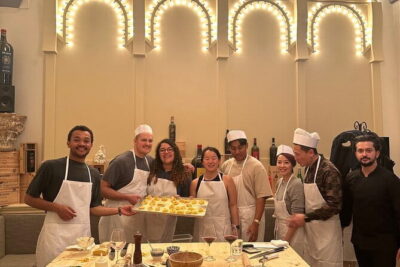
Florence: Pasta Cooking Class with Unlimited Wine
Read our review →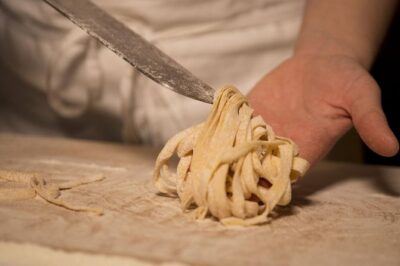
3 in 1 Cooking Class near Navona: Fettuccine, Ravioli & Tiramisu
Read our review →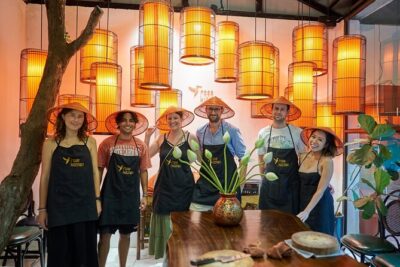
Hanoi Cooking Class: Culture, Local Market & Meaning CSR Impact
Read our review →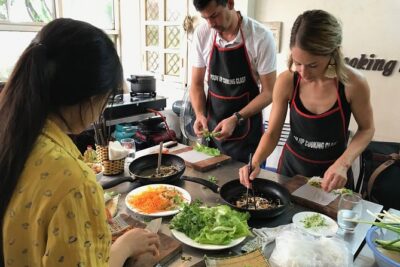
5 Traditional Dishes Hanoi Cooking Class with Market Trip
Read our review →
Cooking Class and Lunch at a Tuscan Farmhouse with Local Market Tour from Florence
Read our review →
Chiang Mai: Cooking Class, Market & Thai Herbs Garden Tour
Read our review →Browse the lists this tour appears in