
Review · SPANISH & PAELLA
Evening Spanish Tapas Cooking Class with Live Guitar Music
A warm plate of tortilla de patatas, a glass of something cold, and live Spanish guitar make a fine Alicante evening. This class puts you in a working kitchen, where a local chef helps you prepare six Spanish dishes from ingredients bought that morning at the Central Market. The food is the main event, but the shared table and music give it a friendly local feel.
I like two things right away: you cook a full dinner rather than one token dish, and the menu goes beyond easy pinchos. You make chorizo in cider, dates wrapped in bacon, secreto pork toast with turrón sauce, and torrija with turrón ice cream. The main consideration is that some cooking tasks may be divided among the group, so people hoping for constant hands-on work may find the two-hour class a little light on kitchen time.
Key points at a glance
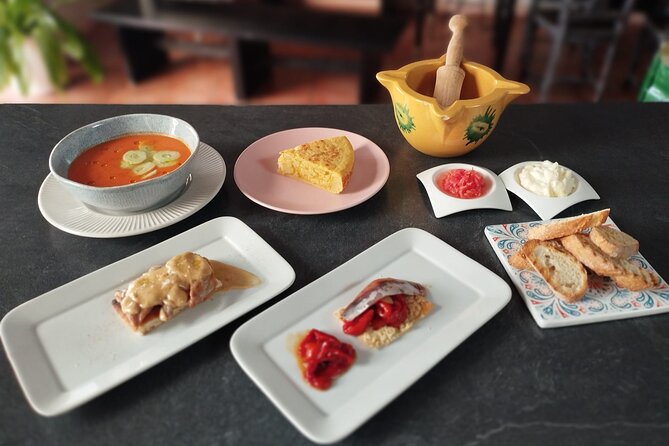
- A full six-dish Spanish menu: Prepare tortilla de patatas, gazpacho, secreto toast, dates wrapped in bacon, chorizo in cider, and torrija with turrón ice cream.
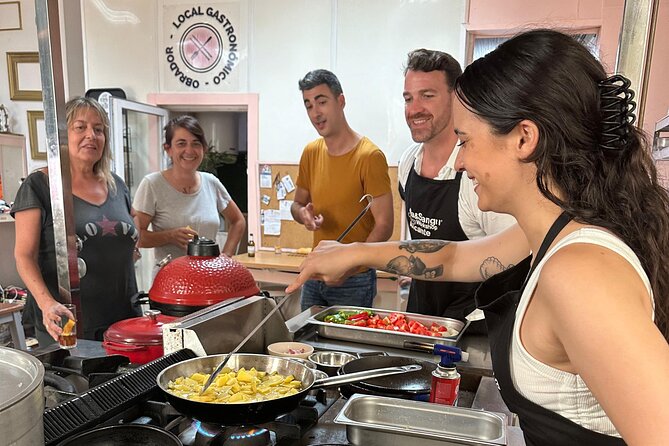
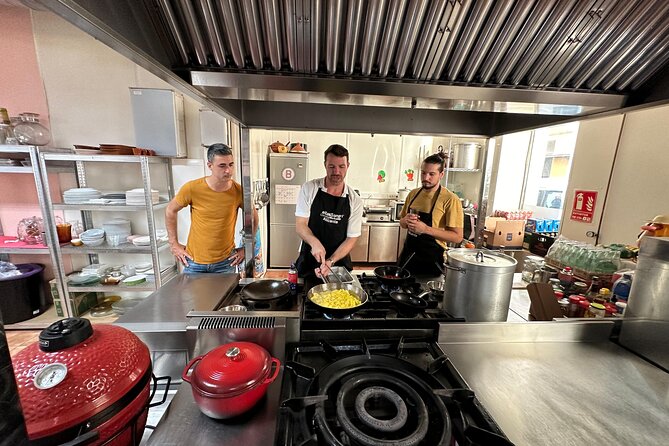
- A real working kitchen: The class takes place in a functioning kitchen where people gather to eat, not a staged demonstration room.
- English support throughout: The chef may speak Spanish, while Fred translates and helps explain the recipes in English.
- A small maximum group of 16: The class is social, with enough people for a lively table but not a huge coach-sized crowd.
- Live guitar after dinner: The evening finishes with Spanish music while you enjoy the meal you helped prepare.
- Good value at $42.01: The price includes a cooking class, a six-part dinner, cultural explanation, and music.
Cooking Spanish dinner in a real Alicante kitchen
The evening starts at 6 pm on C. Manuel Antón, 19, in Alicante. The meeting point is near public transportation, and the activity returns to the same place at the end. That simple setup matters: you do not have to arrange a second restaurant or find your way across town after dinner.
You begin by meeting the local chef and the people at your table. The cooking is explained step by step, with Fred providing English translation and guidance when needed. Another name connected with the class is Frederico, the host and cook who helps keep the session relaxed and organized.
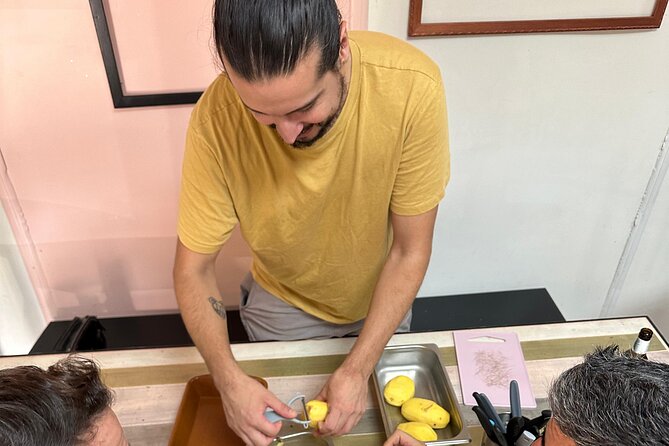
This is not a class built around watching a chef work from a distance. You help prepare the meal. The tasks are designed to be manageable, even if you are more comfortable ordering tapas than making them. A family group of nine has taken part without trouble, and smaller groups can divide the jobs quickly.
The class has a maximum of 16 people. That is large enough to create the easy chatter you want at a social dinner, but smaller than a standard food tour group. Your exact amount of kitchen work will depend on the group and how the tasks are shared. If you want every person to prepare every dish alone, this may not be the right format.
More Paella and Spanish Classes in Spain:
- Barcelona: Paella Cooking Experience & Boqueria Market Tour
★ 4.8 · 3,661 reviews - Barcelona Paella Cooking Class with Market Visit, Tapas & Sangria
★ 5.0 · 2,531 reviews - Barcelona Interactive Spanish Cooking Experience
★ 4.5 · 2,155 reviews
Tortilla de patatas starts with Spain’s comfort food
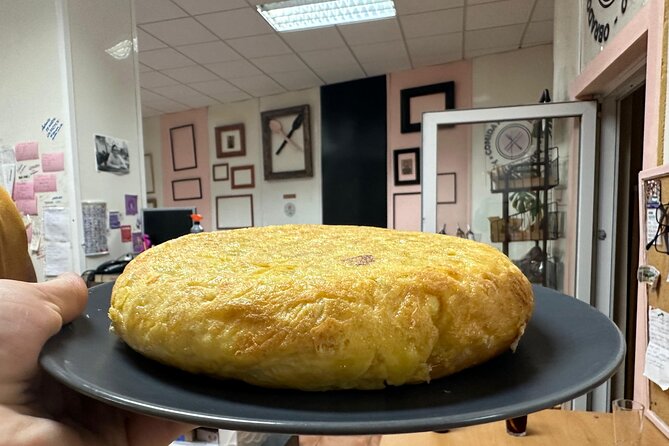
The first dish is tortilla de patatas, the Spanish omelette made with potatoes, eggs, and olive oil. It is one of Spain’s most familiar foods, yet the simple ingredient list leaves little room to hide poor technique.
You learn how the potatoes and eggs come together into a soft, golden dish. The point is not just to copy a recipe. It is to understand why this modest omelette belongs on tables all over Spain. It is filling, inexpensive, easy to share, and suited to any time of day.
This is also a useful recipe to take home. You can find potatoes and eggs almost anywhere, and the method does not call for specialist equipment. The class focuses on practical cooking rather than restaurant tricks, so you leave with a dish you can reasonably attempt in your own kitchen.
Gazpacho brings a cool break to the menu
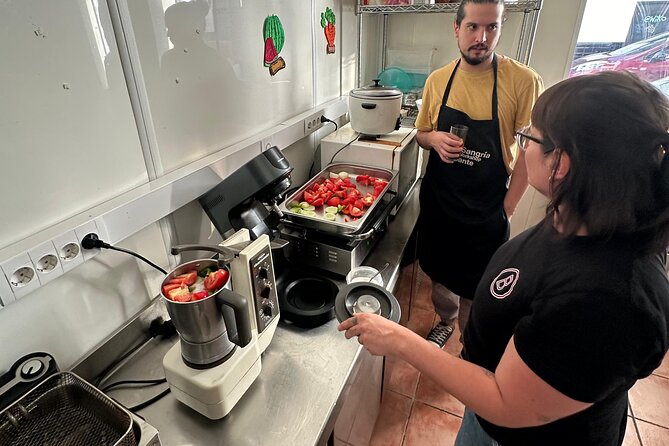
Gazpacho gives the meal a fresh counterpoint. The cold soup uses ripe tomatoes, cucumbers, peppers, and olive oil, making it especially welcome on a warm Alicante evening.
The dish shows how Spanish cooking can be both bold and simple. The ingredients do most of the work. You will learn how the vegetables are combined into a smooth, refreshing soup, then taste it as part of the wider meal.
Gazpacho also helps pace the class. After preparing the warm tortilla, you move to something cool and light before the richer dishes arrive. It is not the most labor-intensive part of the menu, but it gives you a clear idea of the Mediterranean ingredients used in everyday Spanish cooking.
Dates, bacon, and the flavors of Elche
The dish called Delicias de Elche pairs sweet dates with crisp bacon. Elche, a city near Alicante known for its date palms, gives the recipe its name and local connection.
This is a small bite, but it shows how tapas work. You get sweet, salty, soft, and crisp textures in one mouthful. The recipe is easy to understand and easy to recreate, making it a useful choice for a dinner party or a simple appetizer at home.
The date and bacon combination may be familiar to cooks from other countries, but in this setting it becomes part of Alicante’s food identity. The class explains the background of the dishes, so you are not simply moving from one recipe to the next without context.
More Hands-On Workshops in Spain:
- Spanish Cooking Class Paella Tapas and Sangria in Madrid
★ 5.0 · 1,340 reviews - Paella Cooking Class, Wine Tasting & Central Market in Valencia
★ 5.0 · 1,150 reviews - Paella Cooking Class in Madrid with Bottomless Wine Pairing
★ 5.0 · 985 reviews - Seville: Spanish Cooking Class with Dinner
★ 4.9 · 900 reviews
Chorizo in cider adds the boldest bite
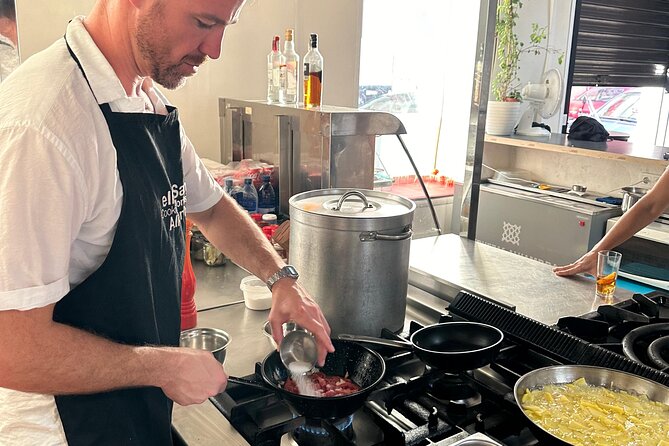
Chorizo a la sidra is chorizo simmered in cider. The sausage brings spice and fat, while the cider adds sweetness and acidity. It is a direct, generous dish with the kind of flavor that works well in a shared meal.
This course is a good example of why the menu feels more interesting than a basic beginner class. You are not only making tortilla and simple toast. You are learning how a few strong ingredients can be cooked together to create a dish with a distinct Spanish character.
Expect the meal to become more substantial as the class progresses. If you prefer very light food or do not eat pork, you should ask about substitutions before booking. Vegetarian options are available by request, but the information provided does not specify which dishes will be changed or what the replacement menu will be.
Secreto pork toast brings the most unusual recipe
The secreto toast uses tender Iberian pork, placed on crisp toast and finished with a creamy turrón sauce. Secreto is a flavorful cut, and one participant especially liked this dish. It is probably the most unusual recipe on the menu for many people.
The pairing of pork and turrón may sound unexpected. Turrón is Spain’s nougat, usually made with almonds and honey or sugar. Here it appears as a sauce, adding sweetness and creaminess to the savory meat.
This course is a useful reminder that Spanish food is not limited to the familiar plates you see in tourist restaurants. The class gives you a chance to try a less obvious combination while learning how it is assembled. If you enjoy tasting something new but do not want an overly technical class, this is likely the dish that makes the evening memorable.
Torrija and turrón ice cream finish the meal
Dessert is torrija with turrón ice cream. Torrija is a warm, caramelized bread dessert, often compared to French toast, though its flavor and texture are distinctly Spanish.
The crisp or caramelized exterior works well with the soft center, and the cold nougat ice cream adds a clear contrast. It is a fitting finish because turrón appears in both the savory pork dish and the dessert, giving the menu a loose thread from one course to the next.
Dessert also means you should arrive hungry. The class is not a quick tasting with one or two small samples. You prepare and eat a full tapas-style dinner, with six different dishes spread across the evening.
Stories, translation, and the pace of the class
Food classes depend as much on the people leading them as on the recipes. Here, the chef handles the cooking instruction, while Fred helps translate into English. The chef may speak Spanish, so the translation is part of the format rather than a minor backup.
That arrangement can add a local feel. You hear the cooking explained in the chef’s own language, then receive the information in English. It may be less polished than a class led by one English-speaking instructor, but it gives the session a more natural rhythm.
The explanations include the background of the dishes and some Spanish history. You also get cooking tips you can use at home. The class has been described as professional, friendly, and well organized, with clear steps rather than confusing instructions.
The pace is relaxed. You will not be rushing through a long list of complicated techniques. At the same time, one consideration is worth keeping in mind: two hours and 15 minutes passes quickly when a group is cooking and eating. Some people may want more tasks or more dishes. The menu already includes six items, but the cooking itself is shared across the group.
Dinner at the table, followed by live guitar
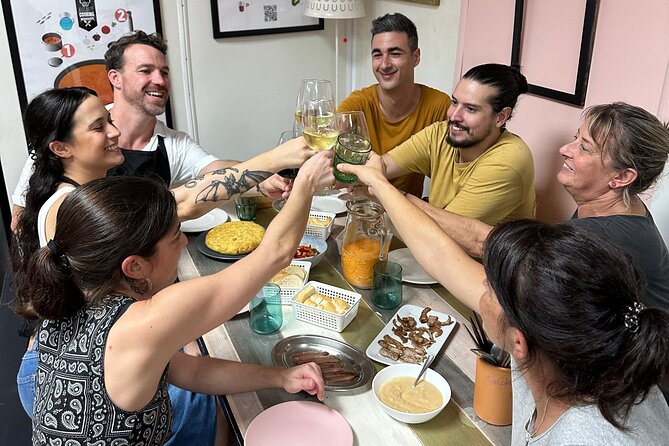
Once the food is ready, you sit down and eat what you have made. This is the best part for people who want a social evening rather than a strict technical lesson. You have time to compare the dishes, talk with the group, and connect the recipes to the food you have seen around Alicante.
The meal takes place in the same functioning kitchen where locals gather to eat. That detail gives the class a practical sense of place. You are not only hearing about Spanish food. You are preparing it in a setting built for everyday meals.
After dinner, live Spanish guitar brings the evening to a close. The music is not presented as a separate concert or a large performance. It is a final cultural touch that lets you linger over the food and enjoy the atmosphere.
This ending makes the experience feel different from a standard cooking workshop. You get a meal, a lesson, and a small piece of local music in one evening. If you prefer to move quickly from one sight to another, the extra time at the table may feel slow. If you like evenings built around conversation and food, it is a strong fit.
What $42.01 gets you in Alicante
At $42.01 per person, the price is fair for what is included. You are not paying only for a recipe demonstration. The experience covers about two hours and 15 minutes, hands-on instruction, a six-dish dinner, translation into English, cultural explanation, and live guitar music.
The value is strongest if you would otherwise pay for dinner separately. You cook the food, then eat it, so the class replaces an evening meal as well as adding an activity. It also gives you recipes you can try again at home, which adds value beyond the night itself.
The price is less compelling if you want a serious professional cooking course. This is a friendly cultural class, not a chef-training session. You will learn useful methods and tips, but the goal is shared enjoyment, not advanced culinary certification.
The group limit of 16 helps protect the experience. It is not a private class, and you may have to share tasks, but the size should keep the meal social without making it feel like a mass event.
Who should book this evening class
I would recommend it to couples, families, and groups of friends who want a relaxed night in Alicante. It suits curious eaters who enjoy learning by doing, even if they have little kitchen experience.
It is also a good option for people who have already seen the city’s main sights and want something more connected to daily life. Cooking with local ingredients, hearing the stories behind the dishes, and eating together can tell you more about Spain than another quick stop at a restaurant.
Families should find the recipes approachable, though younger children may not take part equally in every step. Groups can work well because the tasks are easy to divide. A group of nine has fit comfortably into the format.
Vegetarians can request an alternative menu. Ask for that option when booking rather than waiting until the class begins. The published menu is strongly based on pork, bacon, chorizo, and eggs, so advance notice matters.
You should think twice if you dislike group activities, need a fully private lesson, or want extensive time preparing each dish yourself. The evening is built around cooperation. You may chop one item, stir another, and watch part of the meal come together while someone else handles a different task.
Practical details before you go
The class begins at 6 pm at C. Manuel Antón, 19, 03004 Alicante. It ends back at the meeting point, and the location is near public transportation. The activity is offered in English through translation and guidance.
You receive confirmation when booking, and a mobile ticket is accepted. The experience is often booked about 29 days in advance, so reserving early is sensible if your dates are fixed.
The cancellation policy is generous if your plans change. You can cancel at least 24 hours before the local start time for a full refund. Changes or cancellations made within 24 hours are not accepted for a refund. The class also requires a minimum number of participants. If that minimum is not reached and the activity is canceled, you are offered another date or experience, or a full refund.
The overall rating is 4.7 from 20 reviews, with 90 percent recommending the experience. Those figures suggest strong satisfaction, but the small number of reviews means I would treat them as a useful signal rather than a guarantee. The most consistent strengths are the friendly staff, clear instruction, tasty food, and easy group atmosphere.
Should you book the Alicante tapas class?
Book it if you want to turn dinner into an activity and you like the idea of learning six Spanish recipes in a social kitchen. The combination of tortilla, gazpacho, chorizo in cider, dates, secreto pork toast, torrija, and live guitar gives you much more than a one-dish workshop.
At $42.01, it is especially good value for a couple or group that would otherwise spend money on dinner. You also get recipes and techniques to take home.
Skip it if you want a private, highly technical class or dislike sharing cooking duties. For most curious visitors, though, this is a friendly way to spend an Alicante evening, with enough food, music, and local context to make the experience worth planning ahead.
FAQ
Where does the cooking class begin?
The class begins at C. Manuel Antón, 19, 03004 Alicante, Spain.
What time does the experience start?
The cooking class starts at 6 pm.
How long does the class last?
The experience lasts approximately two hours and 15 minutes.
Where does the activity end?
The activity ends back at the same meeting point where it begins.
Is the class offered in English?
Yes. The experience is offered in English, with Fred helping translate and explain the chef’s instructions.
How many people can join the class?
The maximum group size is 16 travelers.
What dishes will I prepare?
The menu includes tortilla de patatas, gazpacho, secreto pork toast with turrón sauce, dates wrapped in bacon, chorizo cooked in cider, and torrija with turrón ice cream.
Are vegetarian options available?
Yes. Vegetarian options are available by request. You should request them when booking.
How much does the experience cost?
The listed price is $42.01 per person.
Can I cancel for a full refund?
Yes. You can cancel at least 24 hours before the experience start time for a full refund. Cancellations made less than 24 hours in advance are not refunded.
More Evening Classes in Spain
- Valencian Paella Cooking Class, Tapas & Sangria – Evening
★ 5.0 · 303 reviews - Barcelona Evening Cooking Class: 5-Course, 3 Paellas & Cava
★ 3.8 · 5 reviews - Chiang Mai: Evening Cooking Class and Local Market Visit
★ 4.9 · 648 reviews - Paris Evening Cooking Class French Dinner and Market Visit Option
★ 5.0 · 430 reviews
Just added around Spain
- Tapas Cooking Workshop & Market Visit★ 4.8 · 10 reviews
- Seville: Paella Cooking Class & 30-Min Local Expert Q&A★ 4.8 · 37 reviews
- Seville: Paella-Cooking Experience with Sangria & Full Meal★ 4.9 · 42 reviews
- San Sebastián: Market Tour and Basque Cooking Class English★ 5.0 · 5 reviews
- Barcelona: Paella Seafood Master Cooking Class with Sangria★ 5.0 · 73 reviews
- Pontevedra: Galician Cooking Class with Chef Instructor★ 4.9 · 3 reviews
- Mojo Workshop Cooking Class in Ancient Canarian Village★ 4.9 · 127 reviews
- Valencia: Traditional Paella Cooking Class and Dinner★ 4.8 · 53 reviews
Spanish & Paella Cooking Classes, compared.
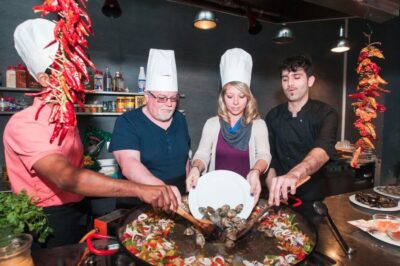
Barcelona: Paella Cooking Experience & Boqueria Market Tour
Read our review →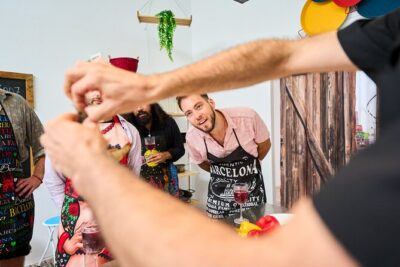
Barcelona Paella Cooking Class with Market Visit, Tapas & Sangria
Read our review →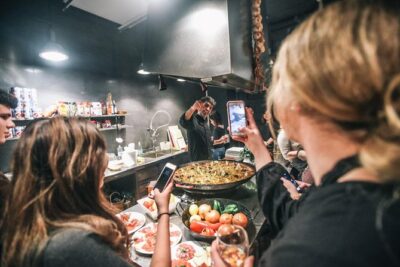
Barcelona Interactive Spanish Cooking Experience
Read our review →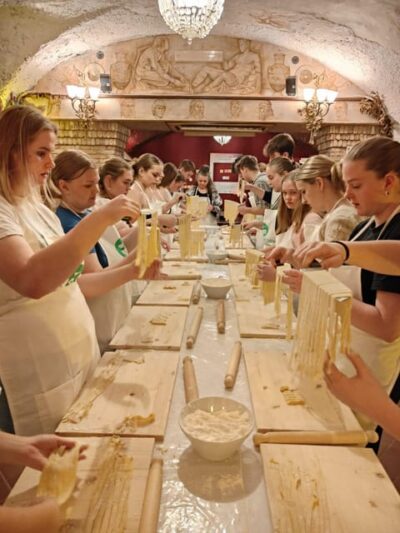
Rome: Pasta & Tiramisu Cooking Class near the Spanish Steps
Read our review →
Spanish Cooking Class Paella Tapas and Sangria in Madrid
Read our review →
Paella Cooking Class, Wine Tasting & Central Market in Valencia
Read our review →
Paella Cooking Class in Madrid with Bottomless Wine Pairing
Read our review →
Browse the lists this tour appears in