
Review · ATHENS
Athens Greek Cooking Class Pita Gyros from Scratch with a Local
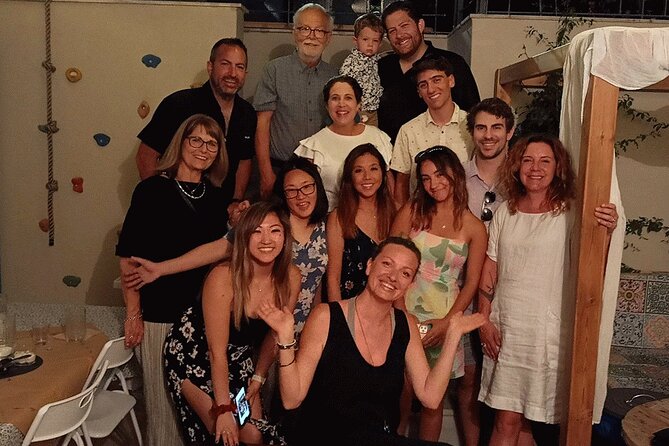
The best part of this Athens cooking class is that you do not simply watch someone assemble a gyro. You make the pita bread, meat, sauces, and dessert yourself, then sit down to eat the full meal. Dionysia and her family turn a familiar street food into a relaxed lesson in Greek home cooking.
I like the hands-on format and the warm family setting, which can include Dionysia, her husband Kostas, and their son. I also like the practical focus: you learn five ways to cook gyros at home, and the recipes are meant to be repeated in your own kitchen. The main consideration is price. At $133.08 per person, this costs more than a casual Athens meal, so it makes the most sense if you value instruction, drinks, hospitality, and a three-hour cultural experience.
Key points to know before booking
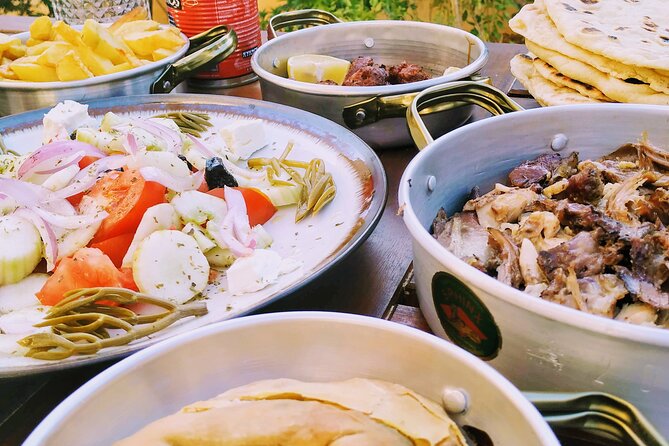
- Make the full meal yourself: Prepare gyro meat, pita bread, tzatziki, spicy feta spread, and Greek-style cheesecake.
- A family-led class: Dionysia, Kostas, and other family members may all help with cooking and hosting.
- Small-group attention: The class allows a maximum of 16 people, with some sessions becoming private when bookings are light.
- Choose lunch or dinner: The available time determines whether your meal is served as lunch or dinner.
- Come empty-handed: Ingredients, equipment, drinks, and the meal are included.
- Plan for a filling three hours: You cook, snack, drink, share stories, and eat everything prepared during the session.
Why homemade gyros make a good Athens cooking class
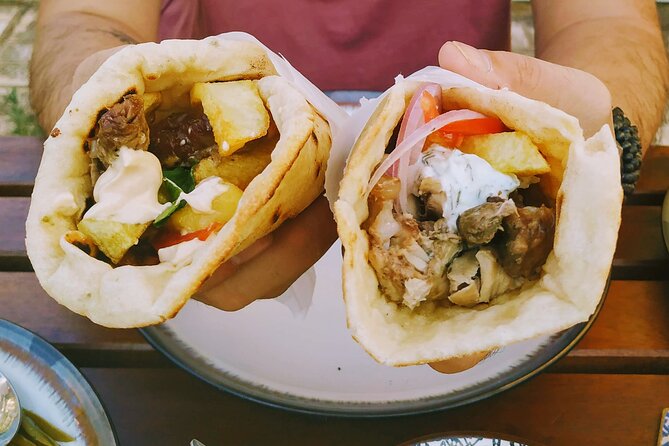
Gyros are one of Greece’s easiest foods to recognize and one of the most useful to learn at home. You can find them all over Athens, but a cooking class shows you what sits behind the finished wrap: the seasoning, the cooking method, the bread, and the sauces that make the dish work.
This class does not stop at the main course. You prepare tzatziki, a spicy feta spread often called tirokafteri, homemade pita, and a simple Greek-style cheesecake. That gives you a better sense of how Greek meals are built. The gyro is the center, but the sauces, bread, and dessert turn it into a complete table.
I especially like that the class teaches five ways to cook gyros at home. The information provided does not spell out each method, so you should expect practical options rather than a fixed restaurant-style demonstration. That makes the lesson useful for home cooks who may not have specialist equipment.
More Greek Cooking Classes in Athens:
- Greek Cooking Class in Athens Including Rooftop Dinner with Acropolis View
★ 5.0 · 826 reviews - Greek Small-Group Athens Cooking Class & Dinner
★ 5.0 · 574 reviews - Athens: Greek Cooking Class & Dinner on a Rooftop
★ 5.0 · 383 reviews
Meeting Dionysia and her family at Panepistimiou 64
The class begins at Panepistimiou 64 in central Athens and ends at the same meeting point. You receive confirmation when you book, and the location is near public transportation. Check the meeting instructions carefully before setting out, since the cooking space may be reached from the street and then upstairs.
The setting is part of the experience. Some sessions take place on a large rooftop, while other descriptions present the class as a home-style kitchen and dining area. That combination gives you a more personal setting than a formal cooking school, though the exact room may depend on the date and group arrangement.
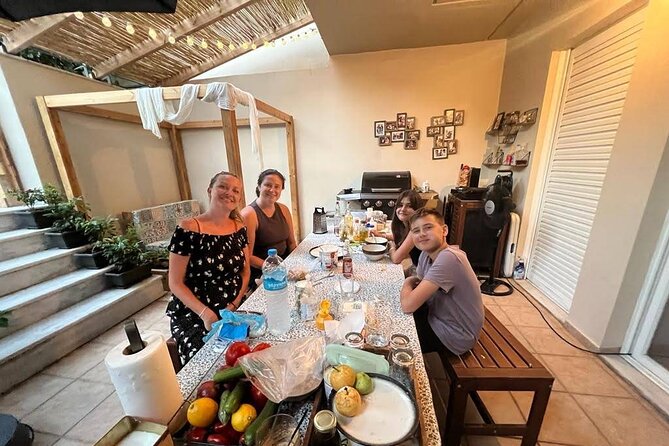
Dionysia is the main host and instructor. Kostas often helps, and their son has also been involved in sessions. The family approach matters because the class is not only about measuring ingredients. You spend time around the kitchen and dining table, ask questions, and hear stories about Greek food and family life.
The atmosphere can change with the group size. The maximum is 16 people, but some sessions have had around 11 participants, while other bookings have become private. A full group will feel more social and lively. A small or private session gives you more direct attention and more time to ask about techniques.
The opening plates: spicy feta and tzatziki
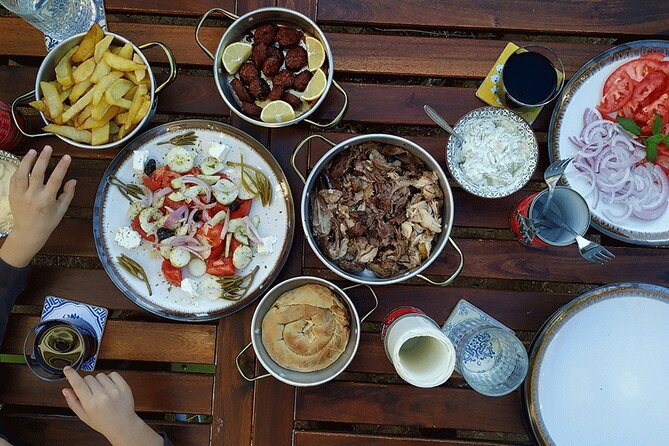
The class starts with two spreads that do much of the flavor work in a Greek meal. You prepare spicy feta spread and tzatziki, then use them later with the gyro and pita.
Spicy feta is a particularly useful dish to learn because it takes familiar ingredients and gives them a sharper edge. It is creamy, salty, and spicy, and it works as a dip or as part of the finished wrap. If you like bold flavors, this may become your favorite recipe from the class.
Tzatziki gives you the cool, fresh side of the meal. You learn how it is prepared rather than simply receiving a bowl at the table. That distinction matters. The sauce is simple, but texture and seasoning affect how well it balances the meat and bread.
Fresh ingredients are central to the lesson. You should expect to handle the components yourself, with step-by-step guidance from the host. No cooking experience is required, and the class is designed so that each person can take part in the preparation.
Making gyro meat in five home-cooking ways
The main lesson focuses on preparing gyros at home. Depending on the session and your chosen meat, you may work with pork or another specific meat selected for the class. The host has contacted some groups in advance about meat preferences and other needs, so pay attention to any pre-arrival message.
You learn about seasoning and cooking times, two details that can make or break a gyro. The goal is not only to copy a recipe but to understand how the meat develops flavor and when it is ready. That is the sort of practical instruction you can use later without needing a commercial gyro spit.
The five cooking methods are a useful feature, especially if your home kitchen is small or your equipment differs from what you find in Greece. The supplied information does not identify every method, so I would not book expecting a technical course on professional gyro equipment. Instead, expect adaptable home techniques explained during the cooking process.
The class is also suitable for families. One family chose it because their children might not enjoy a more unusual menu, and gyros offered a familiar starting point. The hosts were able to discuss specific meats and other needs ahead of time. If you have a food preference or allergy, contact the provider before booking rather than assuming every change can be made on the day.
More Hands-On Workshops in Athens:
- Athens: Classic Cooking Class with Market Visit and Wine
★ 5.0 · 1,101 reviews - Athens: Food Market Visit and Cooking Class with Wine
★ 4.9 · 1,087 reviews - Athens: Greek Cuisine Cooking Class and 3-Course Dinner
★ 4.8 · 270 reviews - Traditional Greek cooking class and lunch or dinner with an Acropolis view
★ 5.0 · 250 reviews
Rolling pita bread from scratch
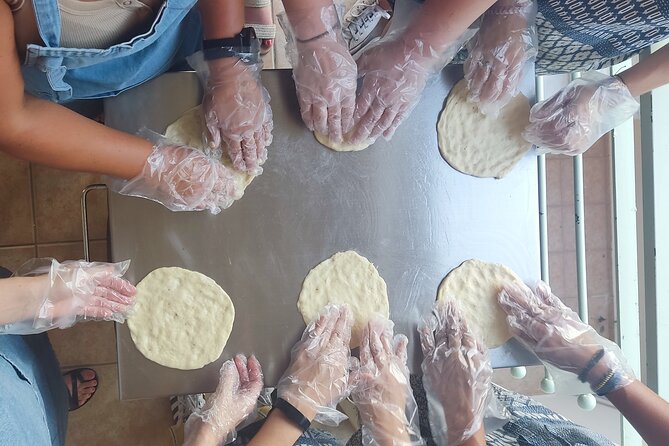
Homemade pita is one of the strongest reasons to choose this class. You prepare the bread for the wrap rather than relying on packaged pita, then use it with the meat and sauces.
Bread making adds a slower, more tactile part to the class. You handle the dough, shape it, and watch it become the carrier for the meal. Even people who already bake bread may find the particular texture and flavor worth learning, and you receive a recipe you can try again at home.
This is also where the class feels most different from a standard food tour. A food tour lets you taste several dishes around the city. Here, you spend time learning the small steps that give a basic staple its character.
The meal can become quite filling before dessert arrives. You sample ingredients and spreads as you work, then eat the completed gyros with pita, tzatziki, and spicy feta. Arrive hungry, but not so hungry that you rush through the cooking.
Dessert and the meal around the table
The final dish is a Greek-style cheesecake. It is described as an easy dessert, which makes it a sensible finish for a class already covering several savory recipes. You leave with more than a gyro recipe, and the dessert gives you another dish to recreate for friends or family.
Once the cooking is complete, everyone sits down to eat. Lunch or dinner depends on the time you choose. Alcoholic drinks are included, along with the food and non-alcoholic refreshments served during the experience.
The shared meal is where the class shifts from instruction to hospitality. You are not handed a plate and sent on your way. You eat the food you helped prepare, talk with the hosts and other members of the group, and get a chance to compare the flavors while they are still fresh.
Some sessions include wine and drinks throughout the cooking. Since the listed inclusions mention alcoholic beverages, anyone who does not drink should still find the meal itself worthwhile, but you may want to confirm what non-alcoholic options will be available.
The family welcome is part of the value
Dionysia’s teaching style appears to be as important as the recipes. She gives clear, step-by-step directions while keeping the mood relaxed. Kostas and the other family members help create the feeling of cooking in a home rather than attending a staged demonstration.
That family setting is a real benefit if you enjoy conversation and cultural context. You may hear stories about Greek food, myths, Athens, and the family’s background as you work. The class has been used for birthdays, honeymoons, family outings, and small private groups, so it can suit several kinds of occasions.
It is not ideal for someone who wants a quiet, tightly timed lesson with no social element. There is chatting, eating, drinking, and group participation. You should expect a shared experience, not a private chef lesson unless your booking happens to be the only one in that time slot.
The class has received 175 reviews with a five-star rating, and it is recommended by 100 percent of those who rated it. Those figures suggest a very consistent experience, but they do not remove the practical question of fit. You should enjoy cooking with other people and spending three hours at the table to get the full value.
Price, timing, and group size
The cost is $133.08 per person. That is a high price for a meal in Athens, but this is not simply a meal. You receive roughly three hours of instruction, ingredients, a full lunch or dinner, dessert, alcoholic drinks, and a host-led cultural exchange.
I would compare it with the price of a premium food tour or a hands-on cooking workshop, not with the cost of a gyro from a neighborhood counter. If you only want to eat Greek street food, spend your money at a local shop. If you want to learn how to repeat the meal at home and enjoy a long family-style afternoon or evening, the price is easier to justify.
You can choose a lunch or dinner session, which helps fit the class into a busy Athens schedule. A morning or late-morning session may leave you with the main meal at lunchtime, while an evening booking becomes dinner. The exact start times should be checked when you select your date.
The class lasts about three hours, though the pace may feel shorter because cooking, snacks, drinks, and conversation are mixed together. Do not schedule a major attraction immediately afterward if you want time to linger over the meal.
Who will enjoy this class most
I would recommend this for people who want to take a useful skill home from Athens. It suits couples, families with older children, small groups of friends, and anyone who prefers meeting local hosts over sitting in a demonstration kitchen.
It is especially practical for:
- People who already enjoy cooking and want Greek techniques they can repeat.
- Families seeking an activity that works for different ages and food preferences.
- Visitors who want a slower cultural experience rather than another quick stop.
- Anyone who loves gyros, pita, dips, and generous desserts.
- Couples celebrating a birthday, honeymoon, or special trip.
You do not need cooking experience. The instructions are given step by step, and everyone can take part in preparing the meal. If you have a gluten allergy, one session included special gluten-free ingredients, but you should arrange this in advance and receive confirmation before relying on an accommodation.
Service animals are allowed, and the meeting point is near public transportation. The experience is not described in enough detail to promise full wheelchair accessibility, so contact the provider if you have mobility needs.
Cancellation and weather details
Free cancellation is available up to 24 hours before the start time for a full refund. Changes or cancellations made less than 24 hours before the experience are not accepted for a refund.
The activity requires good weather, likely because some sessions use a rooftop. If poor weather causes cancellation, you are offered another date or a full refund. The class also requires a minimum number of bookings, and if that minimum is not met, you are offered another date or experience, or a full refund.
Should you book the Athens gyro class?
Book this experience if you want to cook a full Greek meal, not just taste one. The combination of homemade pita, five gyro cooking methods, spicy feta, tzatziki, dessert, and family hosting gives you plenty to do for the price.
I would skip it if you are looking for a quick, inexpensive meal or a formal professional cooking course. The setting is social, the class can be lively, and the exact group size may vary.
For most food-focused visitors, this is a strong choice for one Athens lunch or dinner. You leave full, with recipes and techniques to try at home, plus a better feel for how Greek hospitality works around a shared table.
FAQ
Where does the cooking class start and finish?
The class starts at Panepistimiou 64, Athina 105 64, Greece, and ends back at the same meeting point.
How long does the experience last?
The cooking class lasts approximately three hours.
Is the class offered at lunchtime or dinnertime?
Yes. You can choose a lunch or dinner experience, depending on the available time selected.
What food will I prepare?
You prepare spicy feta spread, tzatziki, gyro wraps, pita bread from scratch, and Greek-style cheesecake.
Are drinks included?
Yes. Alcoholic beverages are included, along with the meal served during the selected lunch or dinner session.
Do I need to bring cooking equipment or ingredients?
No. You do not need to bring anything with you. The cooking experience provides the ingredients and equipment.
What is the maximum group size?
The class accepts a maximum of 16 people. Some sessions may be smaller or private if there are no other bookings for that time.
What is the cancellation policy?
You can cancel at least 24 hours before the start time for a full refund. Cancellations or changes made less than 24 hours before the start time are not refunded.
Just added around Athens
- Hands On Greek Cooking Classes in Athens★ 5.0 · 7 reviews
- Athens: Traditional Vegan Cooking Class incl. Drinks★ 5.0 · 41 reviews
- Greek Meze Cooking class and dinner with an Acropolis view★ 5.0 · 41 reviews
- Pick Your Plates, Cook & Savor- Greek Cooking Class in Athens★ 5.0 · 8 reviews
- Local Home Cooking – A Taste of the Greek Islands in Athens★ 5.0 · 9 reviews
- Cooking Class at Diamond Roof Garden★ 5.0 · 14 reviews
- Athens Central Market Tour and Greek Cooking Class with Penelope★ 5.0 · 4 reviews
- Cooking Class with Aspasia in the Heart of Athens★ 4.5 · 8 reviews
Greek Cooking Classes, compared.
Greek Cuisine Cooking Class in Santorini with Recipes and Wine
Read our review →
Greek Cooking Class in Athens Including Rooftop Dinner with Acropolis View
Read our review →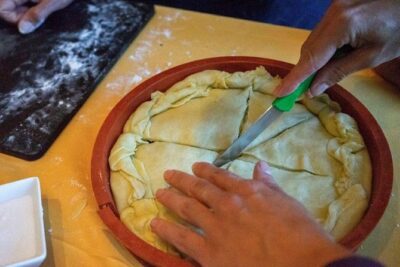
Greek Small-Group Athens Cooking Class & Dinner
Read our review →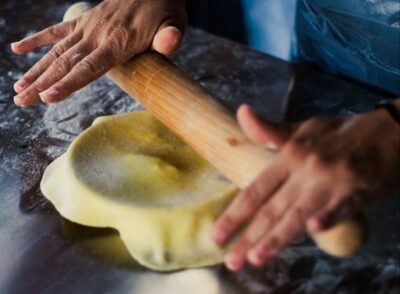
Athens: Greek Cooking Class & Dinner on a Rooftop
Read our review →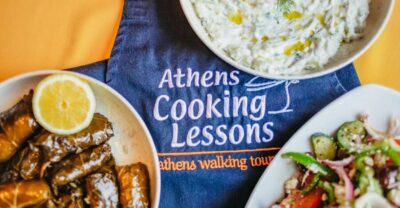
Athens: Greek Cuisine Cooking Class and 3-Course Dinner
Read our review →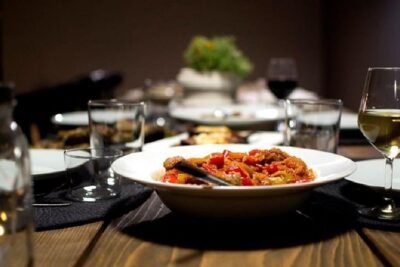
Traditional Greek cooking class and lunch or dinner with an Acropolis view
Read our review →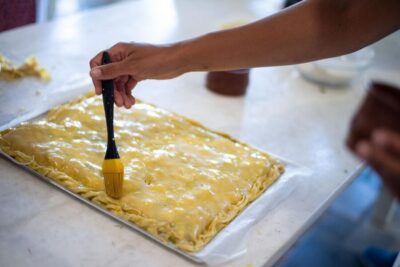
Greek Cooking Class with a Local Chef, Wine, & Meal in Drios
Read our review →
Half-Day Greek Cooking Class of Zakynthian Culture with Lunch
Read our review →Browse the lists this tour appears in