
Review · ATHENS
Hands On Greek Cooking Classes in Athens
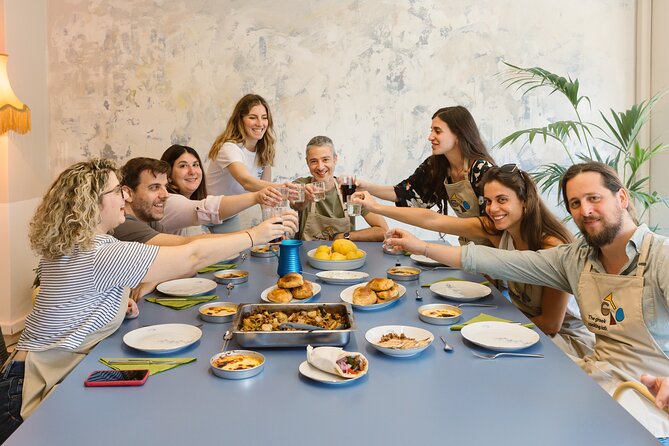
The best part of this Athens cooking class is that you do not simply watch someone prepare Greek food. You make a full five-course meal, then sit down with your hosts to eat it with Greek wine and music. The short walk through Athens Central Market adds useful food context before you start chopping, mixing, folding, and baking.
I like the small maximum group of eight, which leaves room for questions and hands-on work. I also like that Pavlos and his co-hosts, including Anna Maria and Mareli, explain the customs and stories behind each dish instead of treating the food as a set of disconnected recipes. The main caution is that the market walk runs only with morning tours from Monday through Saturday, and the studio can be tricky to find.
Key points at a glance
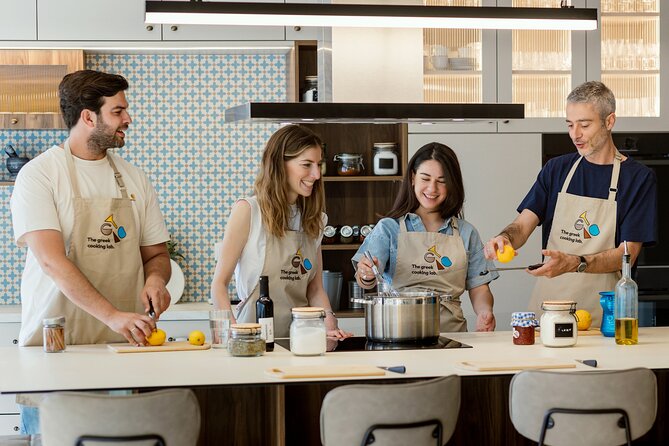
- A five-course Greek menu: Make tzatziki, briam, spanakopita, homemade gyros in pita, and milk pie.
- Athens Central Market nearby: The market is about six minutes from the studio, with a tour lasting roughly 30 minutes when the market is open.
- A true hands-on class: You work with the ingredients and equipment, guided by an expert cooking instructor.
- Wine and dinner included: Cool water and two servings of local wine, about 250 milliliters per person, accompany the meal.
- Useful take-home recipes: Detailed recipes are provided so you can repeat the dishes at home.
- Dietary flexibility: Vegetarian and gluten-free adjustments are available at no extra charge, but a vegan menu is not possible.
Why this class works so well in Athens
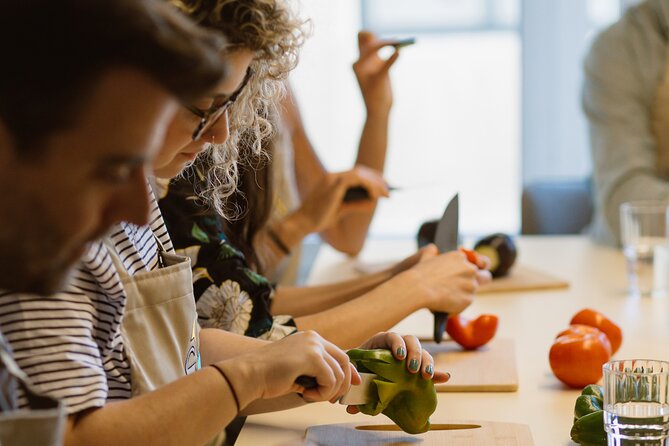
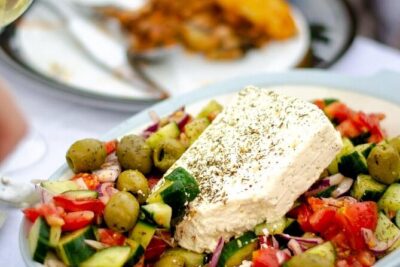
Greek food is easy to enjoy and surprisingly fun to prepare. The recipes use familiar ingredients, but the small choices matter: how much garlic goes into tzatziki, how vegetables are layered for briam, and how herbs balance salty feta in spanakopita.
This class gives you a proper meal rather than a single cooking demonstration. You make five dishes, including a dessert, so the session feels closer to being invited into a Greek home than attending a short food sample. The cooking lasts about three and a half hours, which gives the instructors time to explain techniques without rushing you from one recipe to the next.
The hosts are a major part of the appeal. Pavlos is described as warm, funny, and attentive, with a habit of explaining the traditions connected to the food. Anna Maria and Mareli are also named as co-hosts in the class accounts. The atmosphere is relaxed, and the instructors make a point of learning names and speaking with people personally.
That personal approach matters in a small cooking class. You can ask why a dish is prepared a certain way, what might be changed at home, or how Greek cooks adapt recipes to the ingredients they have available. You are not expected to arrive with advanced kitchen skills.
More Greek Cooking Classes in Athens:
- Greek Cooking Class in Athens Including Rooftop Dinner with Acropolis View
★ 5.0 · 826 reviews - Greek Small-Group Athens Cooking Class & Dinner
★ 5.0 · 574 reviews - Athens: Greek Cooking Class & Dinner on a Rooftop
★ 5.0 · 383 reviews
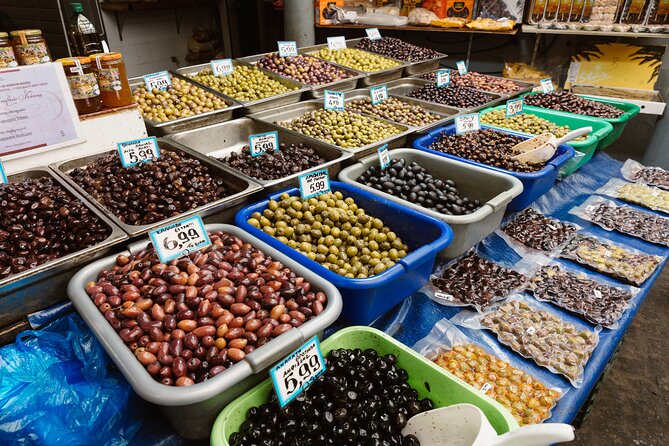
Starting with Athens Central Market
The class begins at the cooking studio on Sarri 4, in central Athens. From there, the group walks about six minutes to the Athens Central Market for a roughly 30-minute introduction to Greek food habits.
The market portion is available only on Monday through Saturday morning tours, when the market is open. If you book an afternoon or evening session, you should expect to begin at the studio rather than at the market.
This short visit is useful because it places the cooking in a real food setting. You get a first look at the ingredients and shopping culture that support Greek home cooking. It is not a separate market meal or a shopping trip, though. One important limitation is that the class does not necessarily buy fresh ingredients at the market for the cooking session.
That point may disappoint you if you imagine selecting vegetables with the instructor and then carrying them back to the kitchen. The market walk is better understood as an introduction to local food customs, not a farm-to-table shopping exercise.
Give yourself extra time to find the studio. The building entrance is not always obvious, and GPS directions may bring you close without leading you to the correct door. Check the building numbers, ask nearby people if needed, and look for the doorbell. Once you ring, the hosts will let you in.
Cooking five dishes from start to finish
After returning to the studio, you begin the cooking session. The menu covers several of the most recognizable Greek flavors and gives you a good mix of methods.
Tzatziki: the quick start
Tzatziki is the simplest dish on the menu, but it is a good way to learn how Greek cooks build flavor from yogurt, cucumber, garlic, and herbs. You will see how the ingredients work together and how a small change in garlic or seasoning can shift the balance.
It also gives you something to taste early in the session. That helps set the tone before the more involved dishes begin.
More Hands-On Workshops in Athens:
- Athens: Classic Cooking Class with Market Visit and Wine
★ 5.0 · 1,101 reviews - Athens: Food Market Visit and Cooking Class with Wine
★ 4.9 · 1,087 reviews - Athens: Greek Cuisine Cooking Class and 3-Course Dinner
★ 4.8 · 270 reviews - Traditional Greek cooking class and lunch or dinner with an Acropolis view
★ 5.0 · 250 reviews
Briam: vegetables with a Greek accent
Briam is a baked vegetable dish made with fresh seasonal vegetables, olive oil, oregano, and garlic. The vegetables cook until the edges become crisp and the center turns tender.
This is a useful recipe for home cooks because it does not depend on rare ingredients or complicated equipment. The lesson is in the balance of oil, herbs, heat, and cooking time. You learn how a simple vegetable dish can become a substantial part of a Greek meal.
Spanakopita: learning homemade phyllo
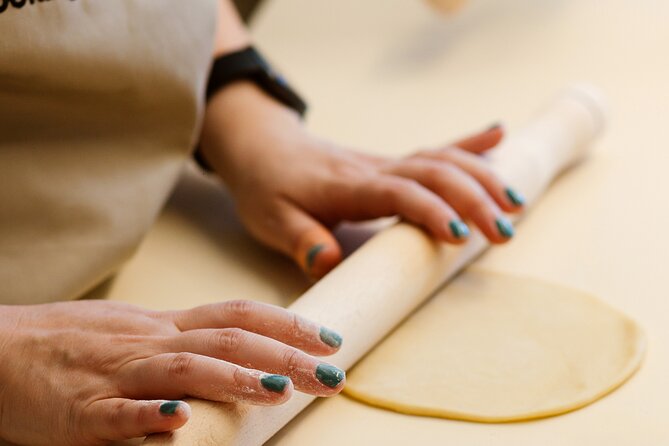
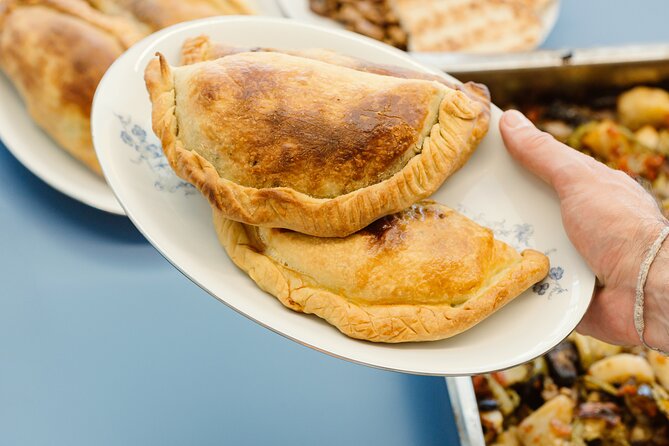
Spanakopita brings more technique to the table. Fresh spinach, feta, and herbs are wrapped in homemade phyllo dough, then baked.
Working with dough takes more attention than mixing tzatziki, but the class is designed to guide you through it. You get a chance to see why Greek pies have such a distinctive texture and how the filling stays savory without becoming heavy.
If you enjoy learning traditional techniques, this may be the most rewarding part of the class. If you dislike working with dough, it may also be the portion that requires the most patience.
Homemade gyros in pita
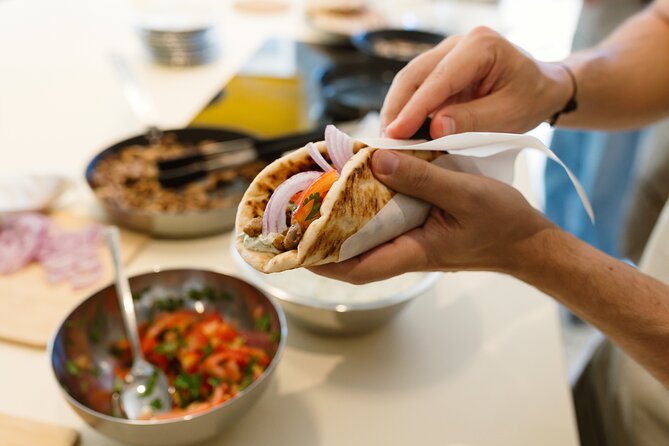
The homemade gyros course gives you a hands-on version of one of Greece’s best-known street foods. The dish is prepared with pork meat or, for vegetarians, halloumi cheese, then served in pita bread.
This is a smart choice for a cooking class because it connects everyday Greek street food with home preparation. You are not just eating gyros from a counter. You are seeing how the components come together and how the dish can be adapted for a meat-free meal.
The menu description uses gyros, while one account refers to souvlaki. Either way, you should expect a Greek pita-based main course rather than a restaurant-style plated entrée.
Milk pie: a proper finish
The final course is milk pie, a traditional dessert made with fresh milk and scented with cinnamon and butter. It offers a different finish from the fruit and yogurt desserts you may see elsewhere in Greece.
The dessert also rounds out the lesson nicely. By the end, you have prepared savory dishes, baked vegetables, worked with phyllo, assembled a pita meal, and made a sweet course.
Sitting down for the meal
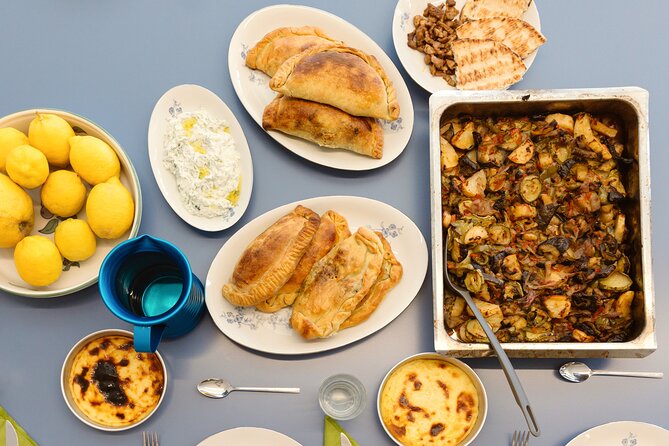
Once the cooking is finished, you sit down to eat the food you prepared. This is not a quick tasting between demonstrations. The meal includes all five courses, along with cool water and two servings of local wine.
The included wine portion is about a 250-milliliter carafe per person. That is enough to accompany the meal, but it is not an open bar. Extra drinks can be ordered and paid for on site.
Greek music plays during the class and meal, adding a pleasant sense of place without turning the session into a performance. The setting is intended to feel friendly and informal. People who enjoy conversation and shared meals will get more from this than someone hoping for a silent, highly technical workshop.
The meal is also where the value of the class becomes clearer. You are paying for instruction, ingredients, equipment, wine, and a substantial lunch or dinner. It is not simply a three-hour lecture followed by a small sample.
Is the $102.13 price fair?
At $102.13 per person, this is not the cheapest food activity in Athens. I would judge the price against what is included rather than comparing it with the cost of a single restaurant meal.
You receive about three and a half hours of instruction, a market introduction on eligible morning sessions, all ingredients, cooking equipment, a five-course meal, water, local wine, and written recipes. The group is capped at eight people, which is important. A small group gives you a better chance to handle the ingredients and ask questions instead of standing behind a crowd.
The value is strongest if you want an activity that combines a meal with a cultural lesson. It is also good for families and couples who want to spend an evening doing something rather than simply sitting in a restaurant.
The price may feel high if your main goal is to eat Greek food cheaply. Athens has many affordable tavernas and street-food counters. This class earns its cost through the time, teaching, personal attention, and recipes you can use after returning home.
Dietary needs and menu limits
Vegetarian adjustments are available at no extra charge. The gyros course can use halloumi cheese instead of pork, while the other dishes are built around vegetables, yogurt, feta, herbs, and pastry.
Gluten-free adjustments are also available at no extra charge. You should identify this need when booking so the kitchen can plan the suitable changes.
A vegan menu cannot be accommodated. That is an important limit because the menu includes yogurt, feta, butter, milk, and other dairy ingredients. Do not book this class expecting a plant-only version.
The menu itself may vary slightly depending on seasonal produce or household preference. The core dishes listed are tzatziki, briam, spanakopita, homemade gyros in pita, and milk pie.
Who should book this experience?
I would recommend this class to you if you enjoy eating local food but also want to understand how it is made. It suits curious first-time visitors, couples, families, and small groups who like a relaxed social setting.
It is especially useful during a longer stay in Athens. After several days of museums, ruins, and walking, a cooking session gives you a different way to connect with the city. The hosts also share restaurant suggestions, which can help you choose where to eat afterward.
Families should find the format appealing because the menu includes several tasks and a clear reward at the end. The group limit of eight also makes the class more manageable than a large demonstration.
You may want to skip it if you want a strictly professional culinary course, a fully vegan menu, or a market tour that includes buying the exact ingredients used in class. The session is friendly and practical rather than formal or highly specialized.
Practical details that can save you trouble
The meeting point is Sarri 4, Athens 105 53, Greece, and the activity ends back there. It is near public transportation, but hotel pickup and drop-off are not included.
Plan to arrive with enough time to locate the entrance. The cooking studio itself is described as pleasant, but finding the correct building can be harder than expected. Use the building numbers, not GPS alone, and ring the doorbell when you arrive.
The class is offered in English. Confirmation is provided at booking, and the maximum group size is eight people.
If your plans change, free cancellation is available when you cancel at least 24 hours before the start time. Changes or cancellations made inside that 24-hour window are not accepted for a refund. The cutoff follows Athens local time.
Gratuities are not required in Greek culture, but a tip is appreciated if you feel the hosts have taken good care of you.
My recommendation
Book this class if you want a full Greek food experience, not just a meal. The combination of a Central Market introduction, five dishes, local wine, music, and a shared dinner gives you plenty for the price.
Choose a Monday through Saturday morning session if the market walk matters to you. If it does not fit your schedule, the cooking class and meal still provide the main value.
The strongest reasons to book are the small group, the warm teaching style of Pavlos and his co-hosts, and the practical recipes you can make at home. The main reasons to hesitate are the difficult-to-find entrance, the lack of a vegan option, and the fact that the market visit does not necessarily supply the class ingredients. For most people who like food, culture, and hands-on activities, this is one of the more memorable ways to spend half a day in Athens.
FAQ
How long does the Greek cooking class last?
The activity lasts approximately 3 hours and 30 minutes.
Where does the class meet?
The meeting point is Sarri 4, Athina 105 53, Greece. The class also ends back at the meeting point.
Is the Athens Central Market visit included?
Yes, a market walk is included with Monday through Saturday morning tours when the Central Market is open. It takes about 30 minutes, and the market is roughly six minutes on foot from the studio.
What dishes will I prepare?
The menu includes tzatziki, briam, spinach pie called spanakopita, homemade gyros in pita with pork or halloumi, and milk pie.
Is food included after the cooking lesson?
Yes. You sit down for a five-course meal made during the class.
Is wine included?
Yes. Cool water and two servings of local wine are included. The wine amount is approximately a 250-milliliter carafe per person. Extra drinks cost more and are paid for on site.
Can the class accommodate vegetarians?
Yes. Vegetarian adjustments are available at no additional charge, including halloumi instead of pork for the pita dish.
Can the class accommodate gluten-free diets?
Yes. Gluten-free adjustments are available at no additional charge. A vegan menu cannot be accommodated.
What happens if I need to cancel?
You can receive a full refund if you cancel at least 24 hours before the experience start time. Cancellations or changes made less than 24 hours before the start time are not accepted for a refund.
Just added around Athens
- Athens: Traditional Vegan Cooking Class incl. Drinks★ 5.0 · 41 reviews
- Greek Meze Cooking class and dinner with an Acropolis view★ 5.0 · 41 reviews
- Pick Your Plates, Cook & Savor- Greek Cooking Class in Athens★ 5.0 · 8 reviews
- Local Home Cooking – A Taste of the Greek Islands in Athens★ 5.0 · 9 reviews
- Athens Greek Cooking Class Pita Gyros from Scratch with a Local★ 5.0 · 175 reviews
- Cooking Class at Diamond Roof Garden★ 5.0 · 14 reviews
- Athens Central Market Tour and Greek Cooking Class with Penelope★ 5.0 · 4 reviews
- Cooking Class with Aspasia in the Heart of Athens★ 4.5 · 8 reviews
Greek Cooking Classes, compared.
Greek Cuisine Cooking Class in Santorini with Recipes and Wine
Read our review →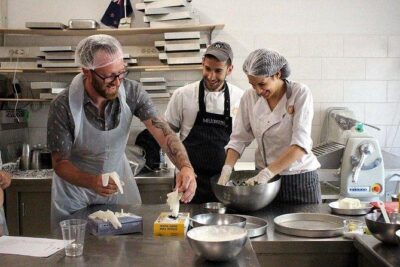
Greek Cooking Class in Athens Including Rooftop Dinner with Acropolis View
Read our review →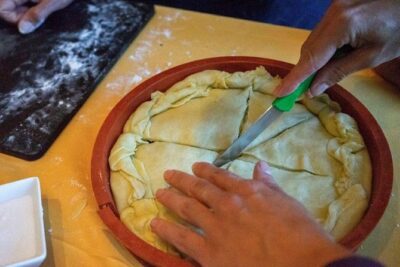
Greek Small-Group Athens Cooking Class & Dinner
Read our review →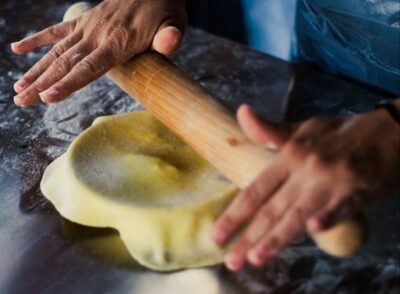
Athens: Greek Cooking Class & Dinner on a Rooftop
Read our review →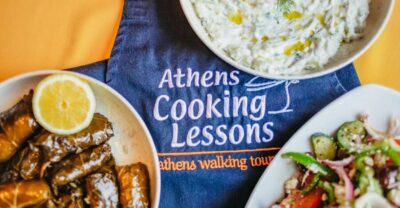
Athens: Greek Cuisine Cooking Class and 3-Course Dinner
Read our review →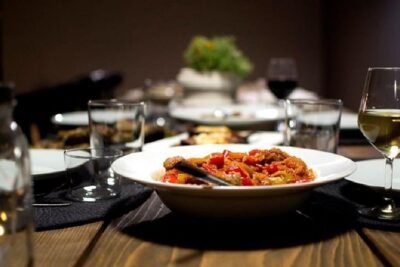
Traditional Greek cooking class and lunch or dinner with an Acropolis view
Read our review →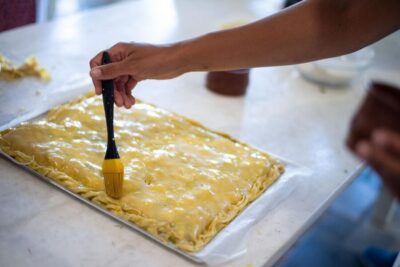
Greek Cooking Class with a Local Chef, Wine, & Meal in Drios
Read our review →
Half-Day Greek Cooking Class of Zakynthian Culture with Lunch
Read our review →Browse the lists this tour appears in