
Review · CHENGDU
Half-Day steamed Buns Cooking Class with a Local Market Visit
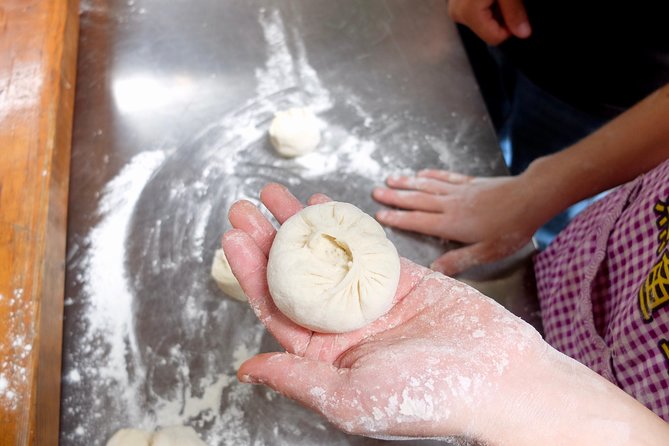
Chengdu’s best food lessons begin before you reach the kitchen. This four-hour Baozi class starts in a local spice market, where you learn to identify Sichuan ingredients before using them. Then you head to Chilli Cool’s traditional courtyard kitchen to shape, fill, and steam Chinese buns.
I like the two-part design: the market gives the cooking lesson a real local setting, and the finished food becomes your lunch or dinner. I also like the friendly human touch. Guide Lance is praised for taking plenty of photographs, while Jerry is noted for patiently translating unfamiliar vegetables and helping visitors try a little Chinese.
The main thing to consider is the price: $80 per person is not a cheap meal in Chengdu. You are paying for several hours of guiding, ingredients, instruction, drinks, and a small group capped at 15 people, so the value depends on how much you want hands-on cooking rather than simply eating.
Key points to know before booking
- The market comes first: You learn about Sichuan spices and ingredients before cooking with them.
- Baozi is the main project: You make filled steamed buns, then eat what you prepare.
- A traditional courtyard hosts the lesson: The kitchen setting gives the class a local feel.
- Lance and Jerry add personal guidance: Lance is known for taking photos, and Jerry for patient explanations and translation.
- Food and drinks are included: Tea, light refreshments, beverages or beer, and a meal are part of the experience.
- The group is limited to 15: That is small enough for a practical lesson, though not a private class.
Why this Chengdu cooking class works so well
I like cooking classes that connect the dish to the place. This one does that in a simple way. You do not begin with a recipe card and a pile of anonymous ingredients. You first walk through a local spice market and hear how Sichuan seasonings and produce fit into everyday cooking.
That matters because Baozi can look straightforward from the outside. It is a steamed bun with a filling, but the flavor depends on the ingredients, seasoning, dough, and folding. The market visit helps you see the food as part of Chengdu’s daily life rather than a restaurant dish prepared by someone else.
The class also gives you something to do with your hands. You are guided through the cooking process by a professional chef in a cozy kitchen, then sit down to eat the buns you made. For many people, that final meal is the payoff. You have not just sampled Chengdu food. You have taken part in preparing it.
The experience lasts about four hours, although the detailed description allows four to five hours. I would keep your schedule flexible around that window, especially if you have a train, show, or timed attraction later in the day.
More Market Tour Cooking Classes in China
- Half-Day Chengdu Cooking Class with a Local Market Visit
★ 5.0 · 465 reviews - Chengdu: Cooking Class with Fresh Market Half Day Experience
★ 5.0 · 42 reviews - Half-Day Professional Mapo Tofu Cooking with a Local Market Visit
★ 5.0 · 19 reviews
Stop 1: Chilli Cool China and the local spice market
The first stop is listed as Chilli Cool China, where the food experience begins with a market visit. The focus is on Sichuan spices and authentic ingredients that will be used during the class.
This is the most useful part of the outing for curious eaters. You can see ingredients in their everyday setting, ask questions, and learn what you are likely to encounter in Chengdu kitchens. The activity description also includes fun challenges, so the market walk is not just a guide talking while you follow along.
Jerry is specifically praised for patiently explaining unfamiliar vegetables, translating them, and answering questions. That kind of help is valuable if you cannot read Chinese labels or do not know the difference between local produce and seasonings. Lance is also singled out for making the experience easy to remember with plenty of photographs.
You may get a chance to try a little Chinese language during the visit. That is a small detail, but it changes the feel of the market walk. Instead of only looking and listening, you have a reason to interact with the surroundings.
The market visit is also where you should ask about dietary needs. A vegetarian option is available, but you need to request it when booking. The same applies to specific dietary requirements. Do not wait until the kitchen portion begins, since the ingredients are part of the preparation plan.
Wear comfortable walking shoes. The experience includes a market visit and walking between activities, and the organizers say it operates in all weather conditions. A light layer or rain protection is sensible if Chengdu’s forecast looks uncertain.
Learning Sichuan flavors before touching the dough
Sichuan food is known for more than heat. The market portion gives you a chance to ask about the spices and ingredients used in local cooking, including the flavors that will shape the Baozi filling.
I appreciate this order. If you started in the kitchen, you could learn the mechanics of steaming buns without understanding much about the ingredients. By visiting the market first, you get context for what you are cooking. You can ask why a certain spice is used, how vegetables are identified, or which ingredients are common in local meals.
The activity is not presented as a full survey of Sichuan cuisine. It centers on Baozi, so you should book it for a focused food lesson rather than an all-day tour of Chengdu cooking. That focus is a strength if you want to learn one dish properly.
The market also gives non-cooks something to enjoy. You do not need advanced kitchen skills to benefit from seeing ingredients, hearing local terms, and taking part in simple challenges. Families can join because the minimum age is five, though younger children may need close help during the cooking portion.
Stop 2: Chilli Cool’s traditional courtyard kitchen
After the market, you move to Chilli Cool’s Kitchen for the hands-on lesson. The class takes place in a traditional Sichuan-style courtyard, and local tea is served as a customary welcome for friends and visitors.
That tea service is a pleasant bridge between the market walk and the cooking. You can pause, settle in, and get ready to work. It also gives the class a sense of place without turning the introduction into a formal lecture.
A professional chef guides you through the cooking process in a cozy kitchen. The supplied information does not specify every stage of the recipe, such as the exact filling, dough measurements, or folding patterns, so you should expect practical instruction rather than a printed master recipe with fixed quantities.
The class centers on making Baozi, traditional steamed buns with a filling. You will work with the ingredients, prepare the buns, and learn how they are brought together for steaming. The hands-on format is more useful than simply watching a demonstration because you can practice the basic motions yourself.
If your folds are not perfect, that is part of the fun. Baozi-making rewards patience, and the final taste matters more than producing identical shapes. The chef’s guidance should help, but this is still a group class, not a private culinary apprenticeship.
Same place, a different menu:
- Flavors of Beijing: Eat Like A Real Chinese
★ 5.0 · 78 reviews - Beijing: Dumpling Making Workshop with Meal and Tea
★ 4.7 · 69 reviews - Online Cooking Class Beijing Dumplings and Cuisine by Sunflowerli Renowned Chef
★ 5.0 · 65 reviews - Shanghai-Cooking Dumpling & Meal in Local Family-w/Vegan
★ 4.9 · 36 reviews
Eating the Baozi you made yourself
The final stage is a shared meal of the buns you prepared. Lunch or dinner is included, depending on the class schedule, along with beverages or beer. Light refreshments are also included.
I consider this a strong value point. The meal is not an unrelated restaurant stop added to the schedule. It is the result of the work you have just done. That makes the food more memorable and gives the class a clear ending.
Tea is part of the welcome, while beer or other beverages are available with the finished Baozi. If you do not drink alcohol, the experience also includes nonalcoholic beverages. You can enjoy the meal without needing to arrange another food stop immediately afterward.
The menu details are not specified beyond Baozi and the included ingredients, so do not book this expecting a long tasting menu. The appeal is the process and the satisfaction of eating your own steamed buns, not a large restaurant spread.
What $80 gets you in Chengdu
At $80 per person, this is priced above a simple Chengdu meal or market walk. The value comes from the package: an English-speaking guide, the market visit, ingredients, chef-led instruction, tea, refreshments, beer or other drinks, and lunch or dinner.
You also get one activity that combines sightseeing and food preparation. That saves you from arranging a separate market visit and cooking class, and it gives the day a natural rhythm. For a first visit to Chengdu, that combination may be worth more than booking two disconnected activities.
The group maximum is 15 people. That is not a private lesson, but it is still a manageable size for a class with individual tasks. I would expect a social setting, with some waiting while the chef demonstrates or while other participants work through the same stage.
Group discounts are available, which may improve the price for families or friends booking together. The minimum age is five, making it suitable for a mixed-age group, although young children may get the most from the market challenges and eating rather than every technical cooking step.
The experience is booked, on average, 14 days ahead. That is a useful planning signal. If your Chengdu dates are fixed, reserve before arrival rather than assuming you can find a place at the last minute.
Who will enjoy this most
I would recommend this to food-focused visitors who want more than a restaurant meal. You get a local market, explanations of Sichuan ingredients, a cooking lesson, and a meal in one half-day outing.
It suits first-time visitors especially well because the guide can help you understand unfamiliar produce and spices. It also works for repeat visitors who want an activity with a practical result.
Families can consider it because children from age five may participate. The hands-on format is likely more engaging than a long historical tour, but parents should be ready to help with walking, kitchen tasks, and attention span.
Vegetarians can join if they state that requirement at booking. Anyone with allergies or other dietary needs should provide those details at the same time. The available information confirms that a vegetarian option can be arranged, but it does not describe every possible allergy substitution.
I would be less likely to recommend it to someone who wants a quiet, private cooking session or a highly technical chef course. A group of up to 15 and a four to five-hour schedule make this a friendly introduction, not an intensive professional workshop.
Practical details that affect your day
The meeting point is 167 Yi Huan Lu Bei San Duan, Jin Niu District, Chengdu, Sichuan, postal code 610051. The activity ends back at the same meeting point, so you can plan your next stop from there.
You receive confirmation when booking. Passport name, passport number, expiry date, and country are required for all participants, so have those details ready.
The tour operates in all weather conditions. Comfortable walking shoes are specifically advised, and appropriate clothing matters because the first part takes place around a local market before you spend time in the kitchen.
Free cancellation is available if you cancel at least 24 hours before the start time. Cancellations within 24 hours are not refunded, and changes inside that period are not accepted. The cut-off follows local Chengdu time.
The activity has mobile ticketing and group discounts. These are small conveniences, but they make the booking easier when you are already moving between several Chengdu plans.
The strongest reasons to book
The best reason is the combination of market context and hands-on cooking. You see ingredients first, then use what you have learned in the kitchen.
The second is the human guidance. Lance’s photographs can be a welcome bonus because cooking classes are often difficult to document while your hands are busy. Jerry’s patient translation and explanations are especially useful if you have questions about vegetables or local language.
The third is the complete format. Tea, ingredients, a meal, and drinks are included, and you return to the meeting point rather than needing to arrange transport after eating.
The main caution is the cost. At $80, this is best viewed as a half-day cultural food activity, not a bargain lunch. You are paying for instruction and access to a guided local experience, so it makes sense only if those parts matter to you.
Should you book this Baozi class?
Book it if you want a practical introduction to Chengdu food, enjoy asking questions, and like the idea of eating something you helped make. The market visit gives the class a local starting point, while the courtyard kitchen and tea add a traditional touch.
I would also choose it for a family or small group that wants one organized half-day activity. Ask for the vegetarian option or list dietary needs at booking, wear comfortable shoes, and allow up to five hours.
Skip it if your main goal is the cheapest possible meal, a private chef lesson, or a broad tour of many Sichuan dishes. For everyone else, the market, Baozi-making, and shared meal create a useful and enjoyable way to spend part of a Chengdu day.
FAQ
How long does the Baozi cooking experience last?
The activity lasts about four hours. The detailed description allows four to five hours, so keep some flexibility in your schedule.
Where does the experience begin?
It begins at 167 Yi Huan Lu Bei San Duan, Jin Niu District, Chengdu, Sichuan, China, postal code 610051.
Where does the activity end?
It ends back at the meeting point.
What food do you learn to make?
You learn to make Baozi, traditional Chinese steamed buns with a filling.
Is the market visit included?
Yes. The experience includes a local market tour focused on Sichuan spices and ingredients.
Is food included after the cooking class?
Yes. Lunch or dinner is included, depending on the class schedule, along with the Baozi you prepare.
Are drinks included?
Yes. Local tea, beverages or beer, and light refreshments are included.
Is a vegetarian option available?
Yes. A vegetarian option is available, but you must request it when booking.
What is the minimum age?
The minimum age is five years old.
How many people can join the class?
The maximum group size is 15 people.
What happens if I need to cancel?
You can receive a full refund if you cancel at least 24 hours before the experience starts. Cancellations or changes made within 24 hours are not accepted for a refund.
More Hands-On Workshops in China
- Private Cooking Class: Make Your Own Dim Sum In Shanghai
★ 5.0 · 27 reviews - China’s Favourite Street Food Cooking Workshop
★ 5.0 · 16 reviews - Private Home Cooking Class with Shanghai Mama
★ 5.0 · 14 reviews - Private Home Cooking Class:Dumpling Cooking Class Tour in Xi’an
★ 5.0 · 7 reviews
More Shopping Trips in China
- Beijing: Vegan Home Cooking & Local Market Tour with Sanxia
★ 4.8 · 4 reviews - Hanoi Cooking Class: Culture, Local Market & Meaning CSR Impact
★ 5.0 · 5,147 reviews - 5 Traditional Dishes Hanoi Cooking Class with Market Trip
★ 5.0 · 4,890 reviews - Cooking Class and Lunch at a Tuscan Farmhouse with Local Market Tour from Florence
★ 5.0 · 4,831 reviews
Just added around China
- Private Cooking Class: Make Your Own Dim Sum In Shanghai★ 5.0 · 27 reviews
- Vegan Soup Dumpling Making in Shanghai★ 5.0 · 17 reviews
- Private Home Cooking Class with Shanghai Mama★ 5.0 · 14 reviews
- Private Home Cooking Class:Dumpling Cooking Class Tour in Xi’an★ 5.0 · 7 reviews
- Beijing: Vegan Home Cooking & Local Market Tour with Sanxia★ 4.8 · 4 reviews
- Shanghai-Cooking Dumpling & Meal in Local Family-w/Vegan★ 4.9 · 36 reviews
- Half-Day Professional Mapo Tofu Cooking with a Local Market Visit★ 5.0 · 19 reviews
- Chengdu: Cooking Class with Fresh Market Half Day Experience★ 5.0 · 42 reviews
Cooking Classes with a Market Tour, compared.
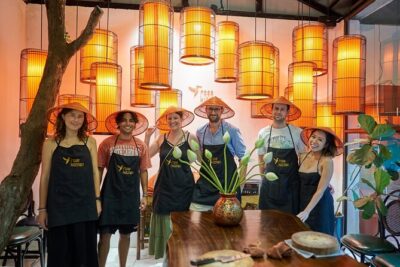
Hanoi Cooking Class: Culture, Local Market & Meaning CSR Impact
Read our review →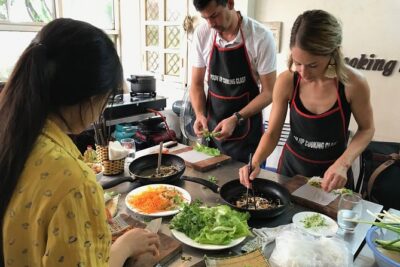
5 Traditional Dishes Hanoi Cooking Class with Market Trip
Read our review →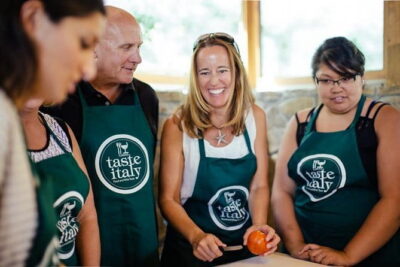
Cooking Class and Lunch at a Tuscan Farmhouse with Local Market Tour from Florence
Read our review →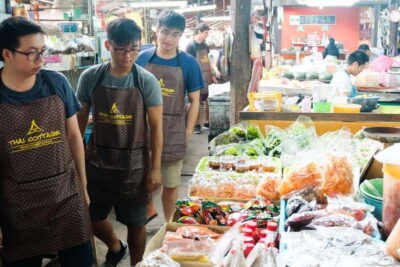
Chiang Mai: Cooking Class, Market & Thai Herbs Garden Tour
Read our review →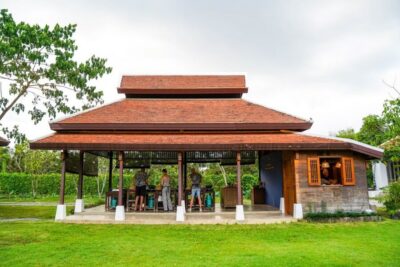
Chiang Mai: Authentic Cooking Class with Market & Farm Visit
Read our review →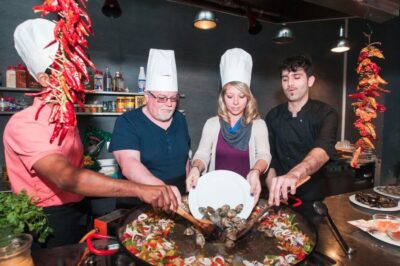
Barcelona: Paella Cooking Experience & Boqueria Market Tour
Read our review →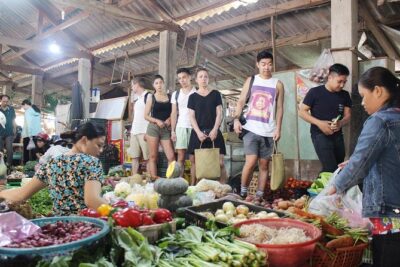
Cooking Class Hoi An:Local Market, Basket Boat, Fishing & Cooking
Read our review →
Hoi An Cooking Class(Market,BasketBoat Crabfishing&Cooking Class)
Read our review →Browse the lists this tour appears in