
Review · BEIJING
Flavors of Beijing: Eat Like A Real Chinese
The best part of this Beijing experience happens before the cooking starts: you walk through a local food market with Chef Chao, choose the ingredients, then carry them through a hutong to a family home. That gives you a useful look at how Chinese food begins, not just how it lands on a restaurant table.
I like the market visit and the hands-on work with woks and cleavers. You learn sauces, marinades, dough, fillings, and cooking methods, then sit down to eat what you made. One caution: the details conflict on timing. The headline says about three hours, while the full description calls it a five-hour class, so confirm the schedule before booking.
At a glance
- Shop before you cook: Walk through a local market, inspect unfamiliar produce, and select the ingredients used in your meal.
- Cook in a real home: The class takes place in a local family setting reached through a hutong, rather than in a polished restaurant kitchen.
- Menus change by day: You may make dumplings, noodles, dim sum, fish, pork, beef, or other Chinese dishes. At least one vegetarian dish is prepared daily, with a fully vegetarian session on one chosen day.
- Small groups matter: The maximum group size is 12, and some dates may be much smaller, even one-on-one.
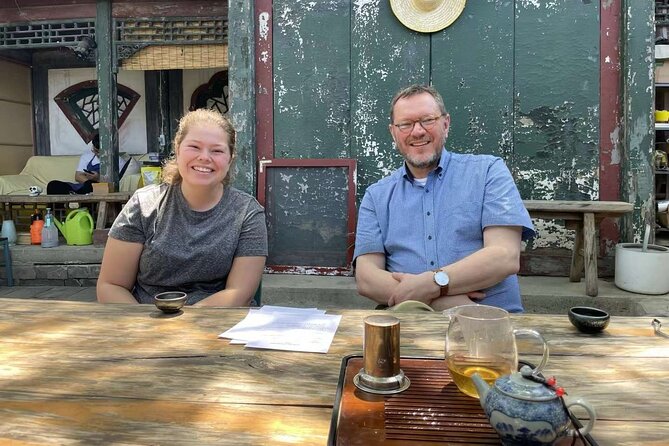
- Eat your own work: Food tasting is included, and the class ends around a shared family table.
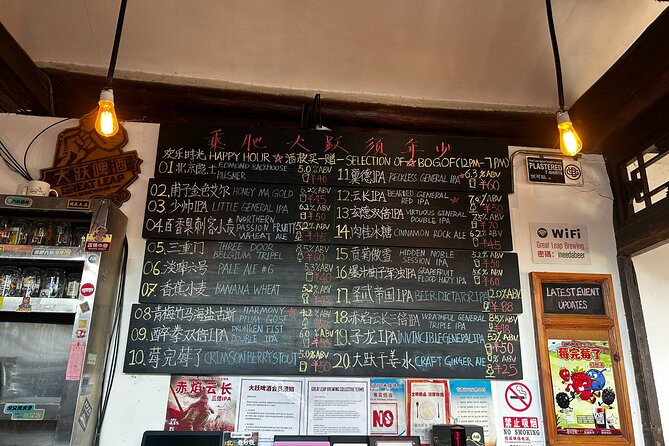
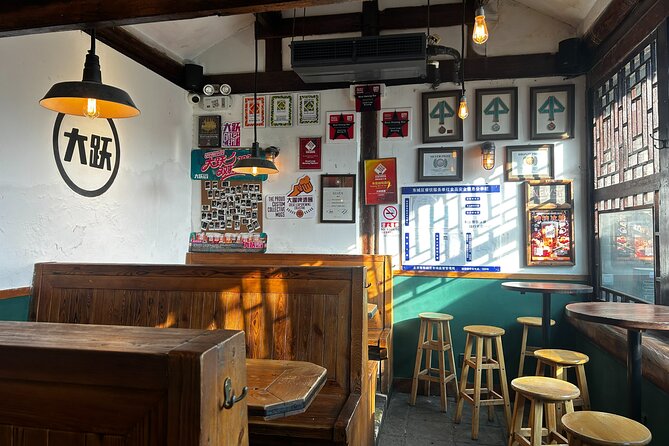
- Plan the practical details: Meet at noon near Jiu Gu Lou Da Jie and Line 8. Drinks at Great Leap Brewing are not included, and the meeting point may be hard to spot.
What this Beijing food class actually offers
This is part market walk, part cooking lesson, and part local-home experience. The point is not to race through a list of famous dishes. You spend time looking at ingredients, asking how they are used, and then putting those lessons to work.
Chef Chao is repeatedly described as patient, clear, and comfortable teaching in English. That matters in a cooking class. You need someone who can explain not only what to add, but why a sauce is balanced, how a cleaver should be handled, and when food is ready in a hot wok.
The class is advertised as a small-group activity with no more than 12 people. That is a sensible limit for a kitchen lesson, though the actual feel can change by date. Some sessions have had only one student, while others had a few participants. A solo visitor can meet people here, but should also be prepared for a quieter, more personal lesson if the group is tiny.
The food is not fixed. The menu changes daily, and the supplied examples range widely. A dim sum day might include barbecued pork buns, stir-fried noodles, and sesame rolls. A main-dish day may include steamed ginger fish, sweet and sour pork, and stir-fried chili beef.
At least one vegetarian dish is made every day. A fully vegetarian menu is offered on one scheduled day of the week. Vegan cooking has also been accommodated, but you should state your needs clearly when booking rather than assume every menu can be changed at the last minute.
More Chinese Cooking Classes in China:
- Beijing: Dumpling Making Workshop with Meal and Tea
★ 4.7 · 69 reviews - Online Cooking Class Beijing Dumplings and Cuisine by Sunflowerli Renowned Chef
★ 5.0 · 65 reviews - Shanghai-Cooking Dumpling & Meal in Local Family-w/Vegan
★ 4.9 · 36 reviews
The market walk comes before the recipes
You begin at a central meeting point near Subway Line 8, at Jiu Gu Lou Da Jie in Beijing’s Xicheng District. The meeting time is listed as 12:00 pm. From there, you walk to a nearby food market with the guide.
This is more than a shopping errand. Chinese markets can be a lesson in scale, texture, and variety. You might see familiar fruit beside ingredients you have never handled, along with unusual vegetables, fresh meat, sauces, spices, nuts, noodles, and other pantry goods.
The guide points out how produce is used and helps choose what will go into the meal. This gives you context that a standard cooking demonstration often misses. A packet of sauce becomes easier to understand when you have just seen the ingredients around it and heard how it fits into local cooking.
The market may also be where you have your first small tastings. One account describes visiting two local markets and eating breakfast along the way. That detail does not appear as a guaranteed part of every session, so treat it as a possibility rather than a promise.
Bring comfortable shoes and keep your hands free. You will be walking, looking closely at food, and moving through narrow streets. The market is part of the experience, but it is also a working local place, not a quiet display built for sightseeing.
Entering the hutong kitchen
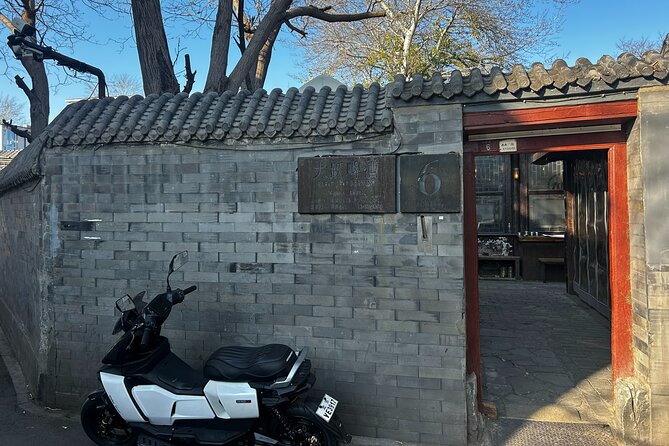
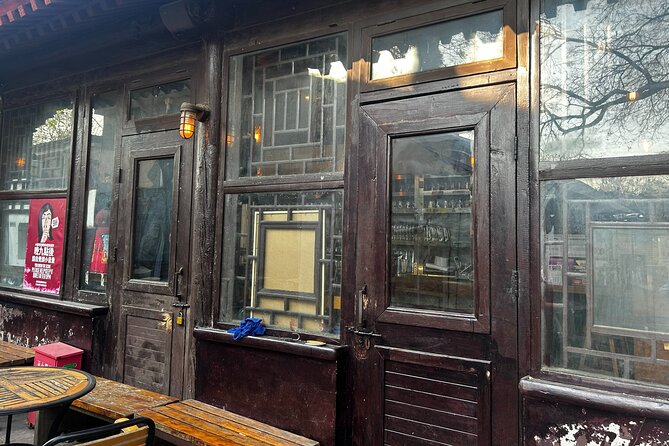
After shopping, you walk through a hutong to the cooking location. The hutong setting is one of the most appealing parts of the experience because it connects the meal to an older, more residential side of Beijing.
The cooking area is described as a local home or family apartment with character. That setting can feel more personal than a commercial cooking school. You see where the lesson happens, meet the people helping with the class, and eat at a family table after the work is done.
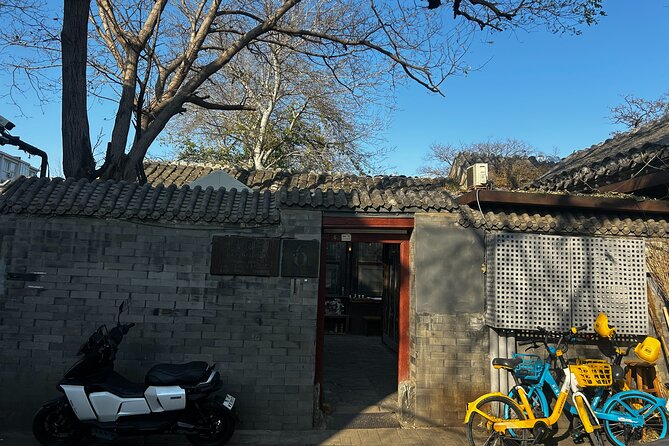
There is one practical point worth noting. One booking address has no obvious outside sign, so pay close attention to the numbered addresses when you arrive. If you are unsure, ask for help at the meeting point rather than wandering around the neighborhood later.
The kitchen can also be warm. One August session was described as hot, especially during the cooking portion. Beijing summers and active wok cooking are not a perfect match for heavy clothing, so dress lightly and sensibly.
Sauces, cleavers, woks, and dumpling discipline
The class begins with the building blocks of Chinese cooking. You learn about condiments, seasonings, and marinades before using them in the dishes. This is useful because sauces often make the difference between a bland home attempt and food that tastes properly balanced.
The cleaver lesson is another strong feature. You are not simply watching Chef Chao cook while standing at the back of the room. You take part in chopping, mixing, shaping, and cooking. A Chinese cleaver can look intimidating at first, but the lesson focuses on practical knife skills and control.
On dumpling days, the work becomes more detailed than many people expect. You may prepare the dough, make several fillings, shape the dumplings, and cook them in different ways. Examples include vegetarian, pork, and beef fillings, with dumplings boiled, steamed, or fried.
The shaping takes patience. Crimping each dumpling neatly is a small craft, and you will quickly see why homemade dumplings can take time. That effort is part of the value. You leave with a better sense of the work behind a dish that can seem simple when it arrives on a restaurant plate.
Other sessions may focus on noodles or several cooked dishes. The class has included three types of noodle dishes on one date and four separate dishes on another. Since the menu changes, do not book this expecting one exact recipe unless the operator confirms it.
More Food Experiences in China:
- Vegan Soup Dumpling Making in Shanghai
★ 5.0 · 17 reviews - China’s Favourite Street Food Cooking Workshop
★ 5.0 · 16 reviews - Beijing: Vegan Home Cooking & Local Market Tour with Sanxia
★ 4.8 · 4 reviews - Small Group Cooking Class & Market Food Tour in Florence
★ 5.0 · 1,574 reviews
The meal at the end is part of the lesson
Once the food is ready, you sit down and eat together. This is not an afterthought. Sharing the meal lets you compare methods, ask final questions, and taste how the sauces and cooking times came together.
Portions can be generous. One solo student found that the class produced far more food than one person could reasonably eat. That is good news if you enjoy a large meal, but it is also a reminder that this is a cooking-and-dining session, not a light tasting.
You may receive recipes and written techniques to take home. That gives the class lasting value. The best cooking lessons are the ones you can repeat in your own kitchen, and the recipes make it easier to recreate quick Chinese meals after your trip.
The social side is also strong. You sit with the guide and group in a home rather than leaving as soon as the demonstration ends. For a solo visitor, especially someone spending a holiday away from home, this shared meal can become one of the warmest parts of the day.
How the named Beijing stops fit the experience
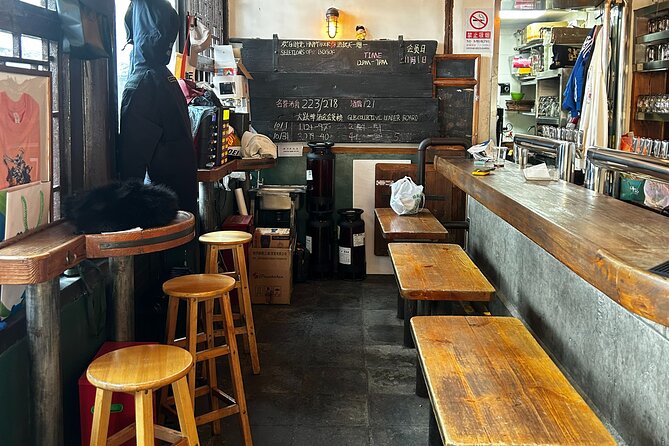
The supplied route also lists the Bell and Drum Towers, Yandai Xie Street, Yinding Bridge, Great Leap Brewing Original #6, Songzhu Temple, and Zhizhu Temple. These are all useful landmarks in the wider area, but they do not match the core cooking description in a clean, step-by-step way.
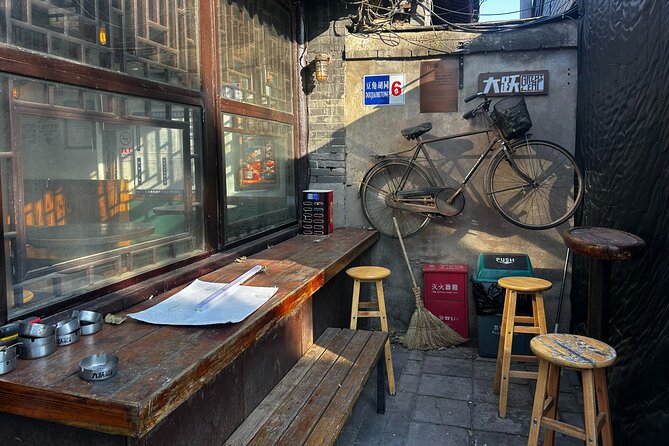
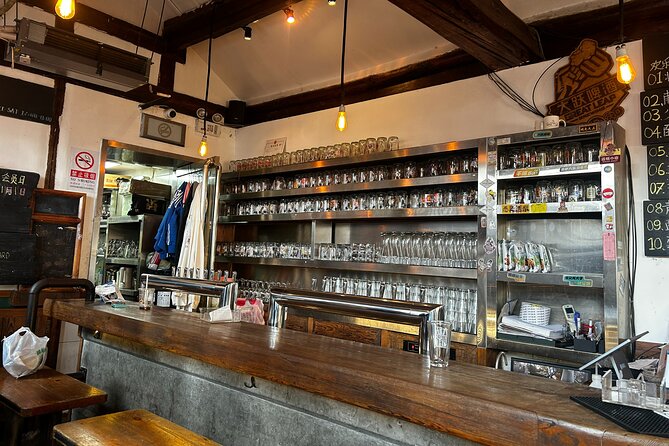
The cooking details clearly center on the market, the hutong walk, and the local home. The brewery is specifically listed as a place where beer or drinks are not included. That suggests the named route may describe an attached walking route, a different version of the activity, or stops associated with the meeting area.
I would confirm this before booking if these sights are important to you. Ask whether your date includes the towers, Yandai Xie Street, Yinding Bridge, the brewery, and the temples, or whether your session is solely the market and cooking class.
If the listed walking stops are part of your day, they add useful neighborhood context. The Bell and Drum Towers are major historic markers, Yandai Xie Street is a traditional-style pedestrian lane, and Yinding Bridge gives you a recognizable point near the lake area. Great Leap Brewing offers a modern contrast, but drinks cost extra.
Is $99 a fair price?
At $99 per person, this is not the cheapest meal you can buy in Beijing. The value comes from the amount packed into the session: a market tour, ingredient shopping, a condiment lesson, hands-on instruction, food, equipment, a local-home setting, and an English-speaking guide.
The ingredients are included, as is the food you prepare and eat. You are not paying only for a plate of dumplings. You are paying for access to the process, instruction in techniques you can repeat, and a more personal view of everyday food culture.
The value improves if your group is small. A class capped at 12 is reasonable, but a session with two or three people gives you much more time with the chef. A one-on-one class can be especially useful if you want detailed help with knife work, dumpling folding, or vegetarian substitutions.
It is less attractive if you only want to see Beijing’s major sights or if you dislike structured activities. The cooking takes time, and the class may run closer to five hours than three. You should also budget for any beer or other drinks at Great Leap Brewing if that stop is included.
Who will enjoy this most
I would choose this for you if food is a major reason you travel, or if you want a break from Beijing’s big monuments. It works well for couples, small groups of friends, solo visitors, and families with children who can follow kitchen instructions and behave respectfully around other participants.
It is also a good first activity in Beijing. The market gives you an immediate introduction to local food, while the hutong walk takes you away from the grand avenues and into a more ordinary setting.
Vegetarians have a clear path to participation, with a meat-free day offered once a week and at least one vegetarian dish daily. Vegans have been accommodated, but you should make that requirement known ahead of time.
I would hesitate to recommend it if you need a tightly timed three-hour program. The conflicting duration is the main issue. I would also think twice if you are uncomfortable with hot kitchens, cleavers, or unfamiliar ingredients.
The activity is near public transportation, and most people can participate. Hotel pickup and drop-off are not included, so you need to reach the meeting point yourself and return independently unless the route ends there as stated.
Booking advice and small details that matter
The experience is commonly booked about 37 days ahead, which gives you a useful planning clue. Reserve early if your Beijing dates are fixed, especially if you want the vegetarian day or a particular menu.
The experience provider is Urban Passer, and confirmation is sent at booking. The maximum group size is 12. You can cancel for a full refund up to 24 hours before the local start time, but changes or cancellations inside that window are not accepted.
Use the mobile ticket, but do not rely on an obvious storefront sign. Check the address carefully, arrive ready to walk, and allow time to find the numbered meeting point near Jiu Gu Lou Da Jie.
The overall rating is 4.9 from 78 ratings, with 99 percent recommending it. That points to a very dependable experience, but the practical caveats still matter: confirm the duration, confirm the exact menu, and clarify how the named sightseeing stops fit into your date.
Should you book it?
Yes, if you want to understand Chinese food by shopping, chopping, folding, seasoning, and eating it. The market walk, hutong home, patient instruction from Chef Chao, and recipes to take home give this more substance than a quick demonstration.
Book it with two questions settled first: Is your session three hours or five, and which menu and sightseeing stops apply that day? If you want an authentic food experience and can spare half a day, the $99 price is reasonable. If you need a short, fixed itinerary, choose something simpler.
FAQ
How long does the cooking experience last?
The information gives two durations. The tour summary says approximately three hours, while the full description calls it a five-hour cooking class. Confirm the exact timing for your chosen date before booking.
What time does the activity start?
The listed start time is 12:00 pm.
Where does the activity meet?
It meets near Subway Line 8 at Jiu Gu Lou Da Jie in Beijing’s Xicheng District. The supplied address is Subway Line 8W9VV+CH4, Jiu Gu Lou Da Jie, Xi Cheng Qu, Beijing, China, 100035.
Is hotel pickup included?
No. Hotel pickup and drop-off are not included. The activity is near public transportation, and the listed end point is back at the meeting point.
What food will I cook?
The menu changes daily. Possible dishes include dim sum, steamed dumplings, barbecued pork buns, stir-fried noodles, sesame rolls, ginger fish, sweet and sour pork, and stir-fried chili beef. At least one vegetarian dish is prepared daily.
Can vegetarians or vegans take part?
A fully vegetarian menu is offered on one selected day each week, and at least one vegetarian dish is prepared every day. Vegan cooking has been accommodated, but you should state your dietary needs when booking.
Are drinks included?
Food tasting, the market tour, ingredients, equipment, and an English-speaking guide are included. Beer or other drinks at Great Leap Brewing are not included.
Just added around China
- Beijing: Private Dumpling Cooking Class in Local Family★ 5.0 · 3 reviews
- Private Hutong Culture Tour with Dumpling Cooking Class plus Cricket Fighting Game★ 5.0 · 5 reviews
- Dumpling Cooking Class and Local Market Tour★ 5.0 · 3 reviews
- Beijing Forbidden City, Summer Palace, Hutong and Dumpling Making★ 5.0 · 10 reviews
- Online Cooking Class Hand Pulled Noodles by Sunflower Li★ 5.0 · 3 reviews
- Beijing: Dumpling-Making Class with wet Market visit★ 5.0 · 9 reviews
- Private Cooking Class: Make Your Own Dim Sum In Shanghai★ 5.0 · 27 reviews
- Vegan Soup Dumpling Making in Shanghai★ 5.0 · 17 reviews
Chinese Cooking Classes, compared.

Warsaw’s No 1 cooking class-Polish dumplings with liqueur tasting
Read our review →
Gyoza Cooking Class in Kyoto: Traditional Japanese Dumplings
Read our review →
Ramen & Dumpling Cooking in Tokyo with Chef/Vegan possible
Read our review →
Beijing: Dumpling Making Workshop with Meal and Tea
Read our review →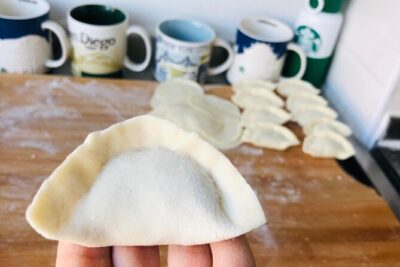
Online Cooking Class Beijing Dumplings and Cuisine by Sunflowerli Renowned Chef
Read our review →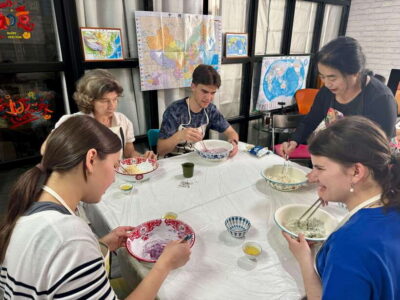
Shanghai-Cooking Dumpling & Meal in Local Family-w/Vegan
Read our review →Private Cooking Class: Make Your Own Dim Sum In Shanghai
Read our review →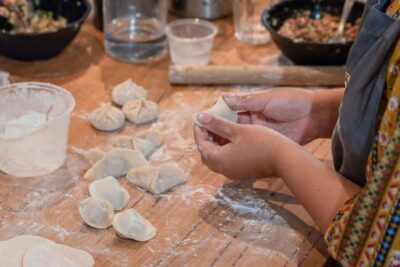
Melbourne: Chinese Dumpling Cooking Class with a Drink
Read our review →Browse the lists this tour appears in