
Review · SHANGHAI
Vegan Soup Dumpling Making in Shanghai
Shanghai’s famous soup dumplings are not only something to order in a restaurant. In this class, you learn how the whole process works, from dough and wrapper to filling, pleating, steaming, and eating. Chef Yin leads the session, with time for hands-on practice and personal corrections.
I like the choice of breakfast, lunch, or evening sessions, since it makes the class easier to fit into a full Shanghai schedule. I also like the small-group format, with no more than 15 people, and the fact that the class is fully vegan.
The main consideration is that the price is $96 per person, so this is not a bargain meal. It is better value if you want a cooking lesson, cultural activity, and lunch or dinner in one sitting. The dough contains gluten, so the class is not suitable for anyone with a gluten allergy.
Key points to know before booking
- Chef Yin teaches every major step: You make dough, wrappers, filling, dumpling folds, and steamed dumplings.
- The class is fully vegan: It offers a plant-based version of one of Shanghai’s signature foods.
- You get hands-on pleating practice: Chef Yin demonstrates the traditional folds and gives individual corrections.
- The session lasts about 2.5 hours: Breakfast, lunch, and evening start times give you useful scheduling choices.
- The group is capped at 15 people: That is small enough for direct help, though not a private class.
- Tea, coffee, an apron, tools, and materials are included: A photographer is not included, and the class is not suitable for gluten allergies.
Why soup dumplings make such a good Shanghai class
Soup dumplings, often called xiaolongbao, are closely tied to Shanghai’s food culture. They look simple, but the dough, wrapper thickness, filling, pleating, and cooking all need to work together. A short cooking class lets you see the skill behind a dish that can seem effortless when it arrives at a restaurant table.
I like this format because you are not just watching a chef prepare food. You handle the dough and make the dumplings yourself. That changes the way you eat them later. You begin to notice the wrapper, the folds, the seal, and the care needed to keep the soup inside.
The vegan focus also makes the class useful for plant-based eaters who want more than a token vegetable option. You learn a meat-free version of a classic dish while still working through the traditional dumpling process. The experience is also open to people who are not vegetarian. One participant specifically chose the class despite not being vegetarian and still found the food and lesson worthwhile.
More Chinese Cooking Classes in China:
- Flavors of Beijing: Eat Like A Real Chinese
★ 5.0 · 78 reviews - Beijing: Dumpling Making Workshop with Meal and Tea
★ 4.7 · 69 reviews - Online Cooking Class Beijing Dumplings and Cuisine by Sunflowerli Renowned Chef
★ 5.0 · 65 reviews
Meeting Chef Yin at Chinese Taste Culture Studio
The class takes place at Chinese Taste Culture Studio at 190 Nong Guangyuan Road, near Tianping Road, in Xuhui District. The location is near public transportation, and the activity begins and ends at the same meeting point.
That return to the starting point matters. You do not need to arrange a separate transfer after the class, and you can plan a meal or another activity around a known two-and-a-half-hour block. You should still allow extra time to find the address, since the meeting point includes a lane and nearby road reference rather than a major landmark.
Chef Yin is the instructor and the main personality of the class. Her role goes beyond showing hand movements. The class creates room for questions and conversation about cooking, food, travel, and personal experiences. That social side can make the session feel more like time in a local kitchen than a formal demonstration.
At the same time, you should know that a group of up to 15 people is not the same as a private lesson. Chef Yin can offer personal tips and corrections, but each person will need to stay engaged and take advantage of the practice time.
The first stage: making the dough
The lesson begins with the foundation of the dumpling, the dough. You learn how the dough is prepared before it becomes a wrapper. This is an important part of the class because the wrapper needs enough strength to hold the filling and soup during shaping and steaming.
For many people, dough work is the least familiar part of making dumplings. The lesson gives you a chance to see the process in sequence rather than starting with ready-made wrappers. You can also ask questions as you work, which is more useful than simply reading a recipe after the fact.
The class is not suitable for people with gluten allergies. That warning is important, even though the filling is vegan. Vegan does not mean gluten-free here, so anyone with a serious allergy should not book this activity.
Turning dough into thin wrappers
After the dough is made, Chef Yin shows you how to form the wrappers. Wrapper work takes patience. The piece must be prepared so it can hold the filling and later be folded into the familiar soup dumpling shape.
This part gives you a better sense of why handmade dumplings vary. The wrapper is not just a flat circle placed beneath the filling. Its size, thickness, and flexibility affect the final dumpling. If you are new to cooking, you may need several tries before your wrappers look even. That is part of the point of a hands-on class.
I like that the lesson includes wrapper making instead of skipping to assembly. You leave with a fuller understanding of the dish, even if your first few dumplings look more rustic than restaurant-made.
More Vegan Cooking Classes in China:
- Shanghai-Cooking Dumpling & Meal in Local Family-w/Vegan
★ 4.9 · 36 reviews - Beijing: Vegan Home Cooking & Local Market Tour with Sanxia
★ 4.8 · 4 reviews - Oaxacan Vegetarian Cooking Class
★ 5.0 · 235 reviews - Marrakech: Moroccan Cooking Class for vegetarians and vegan
★ 4.9 · 156 reviews
Preparing the vegan filling
The class includes preparation of a vegan filling, which is cooked during the session. The filling is already chopped very finely to keep the class moving and allow more time for dumpling practice.
This is a useful detail to understand before you arrive. You do not personally complete every chopping task from start to finish. Instead, the prepared filling lets the class focus on the stages that are harder to learn by watching, especially wrappers, pleats, seals, and cooking.
For some people, that may feel like a small shortcut. I see it as a sensible trade-off in a 2.5-hour class. Finely chopping a filling can take a large amount of time, while the shaping method is the skill most people want to practice. You still work with the vegan filling and learn how it fits into the finished dumpling.
Learning the traditional pleats
Shaping is the most memorable part of the class. Chef Yin demonstrates how to place the filling, gather the wrapper, and create the traditional folds. The goal is a sealed dumpling that can hold its soup while it cooks.
This is where personal instruction matters. Dumpling pleats are easy to understand in theory and harder to perform with your own hands. Chef Yin provides corrections and tips as you practice, helping you adjust the folds and seal. A small group gives you a better chance of receiving that help than a large demonstration class.
Do not expect every dumpling to look perfect right away. The class is about learning the technique, not producing identical pieces at professional speed. Your first dumplings may have uneven folds. With practice, the movement becomes more natural.
The pleating also gives the class its cultural value. You are not simply assembling a snack. You are learning a traditional hand skill linked to one of Shanghai’s best-known dishes. That connection makes the final meal more satisfying.
Steaming and eating what you made
Once the dumplings are shaped, they are steamed and enjoyed together. This final stage brings the earlier work into focus. You get to see whether the wrappers hold, whether the seals work, and how the dumplings change during cooking.
Soup dumplings need careful handling when they are ready. The soup inside is part of their appeal, but it also means you should pay attention when eating them. The class gives you the chance to enjoy your own results in the same session rather than leaving with unfinished dough and a recipe.
Tea and coffee are included. You receive good-quality Chinese tea selected according to the season, which adds a small but fitting touch to the meal. The setting is not only about eating quickly after the lesson. It creates time to sit with the results and talk about the cooking.
The food is vegan, but the lesson remains rooted in the structure of a traditional soup dumpling. That balance makes it a useful choice for people who want local food culture without animal products.
What the $96 price really covers
At $96 per person, this is a premium food activity. You are paying more than you would for a casual plate of dumplings, but the comparison is not quite fair. The fee includes instruction, ingredients, materials, tools, an apron, tea or coffee, and the dumplings you make.
The strongest value comes from the teaching. If you only want to taste Shanghai soup dumplings, a restaurant meal will be cheaper. If you want to understand how they are made and practice the technique yourself, the class offers more than a meal.
The small-group limit also supports the price. With a maximum of 15 people, the class is not an enormous cooking demonstration. You have a reasonable chance to receive direct help, especially during the tricky shaping stage.
I would consider it good value for a visitor who enjoys food lessons and wants a planned cultural activity. It is less attractive if you are mainly looking for a quick lunch, a low-cost meal, or a large amount of food. The class is built around learning and participation, not restaurant-style speed or variety.
Choosing a breakfast, lunch, or evening session
The choice of breakfast, lunch, or evening class is one of the most practical features. A breakfast session can start your day with a focused activity. A lunch class naturally replaces a midday meal, while an evening class can fit after sightseeing.
Because the session lasts about 2.5 hours, you should avoid placing it between two tightly timed activities. The cooking includes several separate stages, and rushing away would make the class less enjoyable. Give yourself enough time before the start to reach the studio and after the finish to continue your day.
The class is booked, on average, 11 days ahead. That does not guarantee that every date fills early, but it is a useful planning signal. If you need a particular meal period or are visiting during a busy stretch, booking ahead is sensible.
You can cancel for a full refund if you do so at least 24 hours before the local start time. Changes or cancellations inside that window are not accepted for a refund.
Who will enjoy this class most
This experience suits you if you want to learn a practical food skill while spending time with a local instructor. It is also a good pick for plant-based eaters who want a Shanghai dish that fits their diet.
Families can use it as an active cultural activity. A 15-year-old participant enjoyed the lesson with an adult relative, suggesting that older children and teenagers can take part when they are interested in cooking. The class also works well for solo visitors, couples, and friends who like shared activities.
You should choose it if you enjoy:
- Hands-on cooking rather than a food tasting alone
- Vegan versions of traditional Chinese dishes
- Small-group instruction
- Conversation about cooking and travel
- Learning a technique you can repeat at home
You may want to skip it if you have a gluten allergy, dislike group classes, or want a simple restaurant meal without instruction. The class also may not suit you if you expect to prepare every ingredient from the beginning, since the filling is chopped in advance.
A practical verdict on the experience
I would book this class if you want your Shanghai food experience to include both eating and making. Chef Yin’s friendly teaching style, the personal help during pleating, and the chance to sit down with your own steamed dumplings give the session a clear purpose.
The price is the main barrier, and the pre-prepared filling means the class does not cover every kitchen task in equal detail. Still, the focus is well chosen. Dough, wrappers, shaping, and cooking are the parts most visitors cannot easily learn from a restaurant meal.
For a vegan visitor, this is an especially useful option. For anyone else, it offers a different way to connect with Shanghai’s food traditions. Book it if you value instruction, conversation, and a meal you helped create. Skip it if your priority is the lowest possible food cost or a fully private lesson.
FAQ
How long does the vegan soup dumpling class last?
The class lasts approximately 2 hours and 30 minutes.
Where does the activity take place?
It takes place at Chinese Taste Culture Studio in Shanghai, at 190 Nong Guangyuan Road near Tianping Road, Xuhui District. The activity ends back at the same meeting point.
Is the class fully vegan?
Yes. The class teaches a vegan version of Shanghai soup dumplings, including preparation of the vegan filling.
What will I learn to make?
You will learn how to make the dough, prepare wrappers, work with the filling, shape and pleat the dumplings, steam them, and enjoy the finished food.
Is the class suitable for someone with a gluten allergy?
No. The activity is not recommended for people with gluten allergies.
What is included in the price?
Coffee or seasonal Chinese tea, an apron, and the materials and tools needed to make the vegan soup dumplings are included.
Can I cancel for a refund?
Yes. You can receive a full refund if you cancel at least 24 hours before the local start time. Cancellations or changes made less than 24 hours before the start are not refunded or accepted.
More Food Experiences in China
- China’s Favourite Street Food Cooking Workshop
★ 5.0 · 16 reviews - Small Group Cooking Class & Market Food Tour in Florence
★ 5.0 · 1,574 reviews - Athens: Food Market Visit and Cooking Class with Wine
★ 4.9 · 1,087 reviews - Undiscovered Charleston: Half Day Food, Wine & History Tour with Cooking Class
★ 5.0 · 948 reviews
Just added around China
- Beijing: Private Dumpling Cooking Class in Local Family★ 5.0 · 3 reviews
- Private Hutong Culture Tour with Dumpling Cooking Class plus Cricket Fighting Game★ 5.0 · 5 reviews
- Dumpling Cooking Class and Local Market Tour★ 5.0 · 3 reviews
- Beijing Forbidden City, Summer Palace, Hutong and Dumpling Making★ 5.0 · 10 reviews
- Online Cooking Class Hand Pulled Noodles by Sunflower Li★ 5.0 · 3 reviews
- Beijing: Dumpling-Making Class with wet Market visit★ 5.0 · 9 reviews
- Private Cooking Class: Make Your Own Dim Sum In Shanghai★ 5.0 · 27 reviews
- Private Home Cooking Class with Shanghai Mama★ 5.0 · 14 reviews
Chinese Cooking Classes, compared.

Warsaw’s No 1 cooking class-Polish dumplings with liqueur tasting
Read our review →
Gyoza Cooking Class in Kyoto: Traditional Japanese Dumplings
Read our review →
Ramen & Dumpling Cooking in Tokyo with Chef/Vegan possible
Read our review →
Beijing: Dumpling Making Workshop with Meal and Tea
Read our review →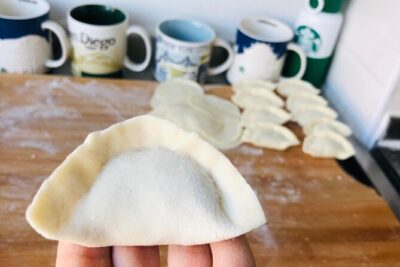
Online Cooking Class Beijing Dumplings and Cuisine by Sunflowerli Renowned Chef
Read our review →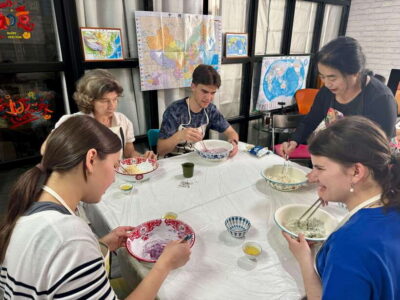
Shanghai-Cooking Dumpling & Meal in Local Family-w/Vegan
Read our review →Private Cooking Class: Make Your Own Dim Sum In Shanghai
Read our review →Browse the lists this tour appears in