
Review · CHINESE
Warsaw’s No 1 cooking class-Polish dumplings with liqueur tasting
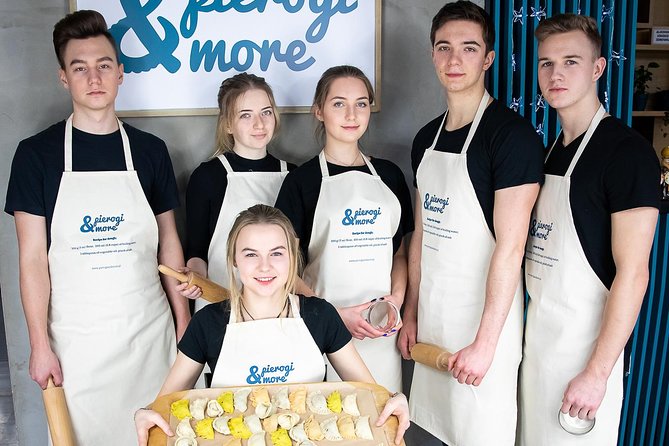
Warsaw’s best souvenir may be one you can eat. In this two-hour class at Pierogi & More, you learn to make pierogi, Poland’s famous filled dumplings, from dough to dinner. You knead, roll, fill, fold, boil, and finally eat the results with the rest of the group.
I like two things right away: you learn a usable skill, not just a recipe, and the small group keeps the class personal. The Polish liqueur tasting adds a pleasant local touch, while instructors such as Daria, Patrycya, Ben, Nina, and Zuzia have helped create a warm, easygoing atmosphere.
The main consideration is that the room can feel hot during the hands-on work, and the meal is shared family-style. That suits most people, but it may not work for anyone uncomfortable eating food prepared by other participants.
Key points to know before booking
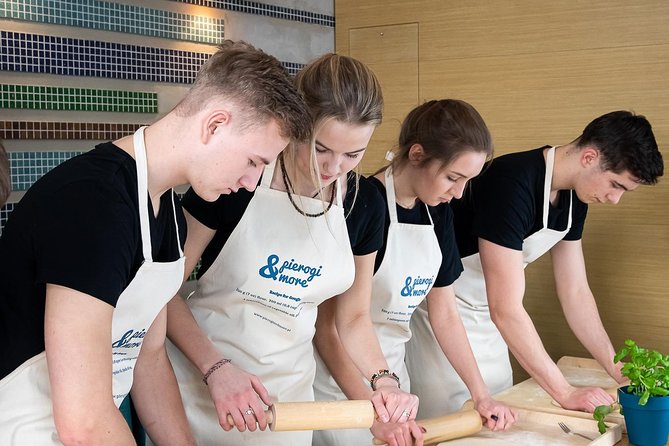
- You make the entire dumpling: Learn how to knead dough, roll it thin, choose fillings, and use several folding methods.
- The meal is included: You cook and eat the pierogi made by the group, with meat and vegetarian fillings available.
- Dietary requests are possible: Vegetarian and vegan options can be arranged in advance, and dairy-free needs have been accommodated.
- The group is small: A maximum of 10 people allows the instructor to move around and offer one-on-one help.
- The evening ends with Polish liqueurs: The tasting is a light, social finish rather than a separate bar stop.
- Plan ahead: The class is often booked about 35 days in advance, so popular dates may disappear early.
Why making pierogi is such a good Warsaw activity
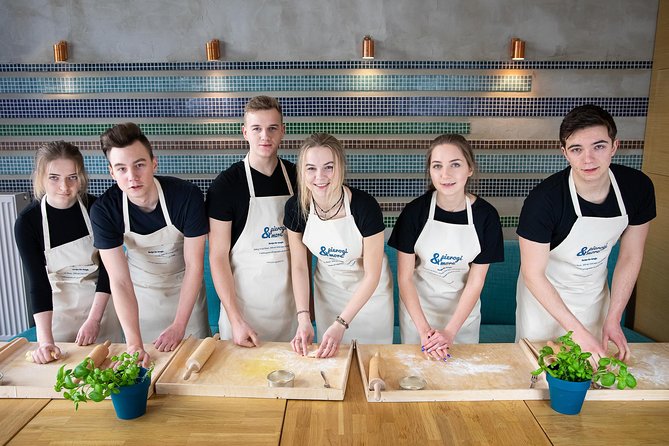
Pierogi are not difficult because of fancy equipment or obscure ingredients. The challenge is in the dough, the filling, and the seal. A dumpling that is too thick feels heavy. One that is poorly closed can split in the pot. This class focuses on those small details that make the difference between homemade food that works and a kitchen full of leaking parcels.
You begin with a short explanation of where pierogi fit into Polish food traditions. That introduction gives the cooking some context without turning the class into a lecture. You then move quickly to the practical work.
I like this format because you are not standing around watching a chef do everything. You handle the dough yourself. The instructor demonstrates the method, then watches as you repeat it. If your first dumplings look a little uneven, that is part of the fun. The class teaches you how to improve rather than expecting perfect shapes from the start.
The fillings include meat and vegetables. You learn how different fillings affect the folding and cooking process, and you are shown more than one way to shape the dumplings. Some participants use the class to recreate family food from home, while others arrive with no previous cooking experience.
More Chinese Cooking Classes in the world:
- Gyoza Cooking Class in Kyoto: Traditional Japanese Dumplings
★ 5.0 · 210 reviews - Ramen & Dumpling Cooking in Tokyo with Chef/Vegan possible
★ 5.0 · 107 reviews - Online Cooking Class Beijing Dumplings and Cuisine by Sunflowerli Renowned Chef
★ 5.0 · 65 reviews
Inside the two-hour Pierogi & More class
The activity begins at Pierogi & More, located at Stawki 3, 00-193 Warsaw. The venue is near public transportation and just northwest of the Old Town. It is also walkable from the Old Town, though you should allow enough time to arrive without rushing.
The class is limited to 10 people. Workstations are generally arranged for two people, although single participants can be accommodated. That setup works well for couples and friends, but it also gives solo visitors an easy way to meet people without being pushed into a large group.
The instructor starts with a brief welcome and an outline of what you will do. Past classes have been led by staff including Daria, Patrycya, Ben, Nina, and Zuzia, so the exact teacher may vary. The common thread is a clear, guided approach, with demonstrations followed by hands-on practice.
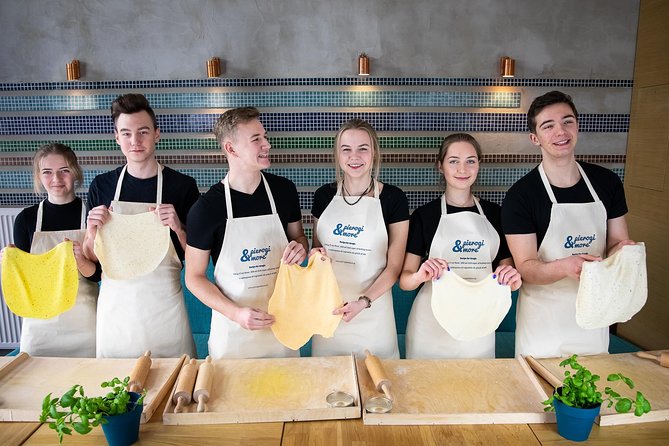
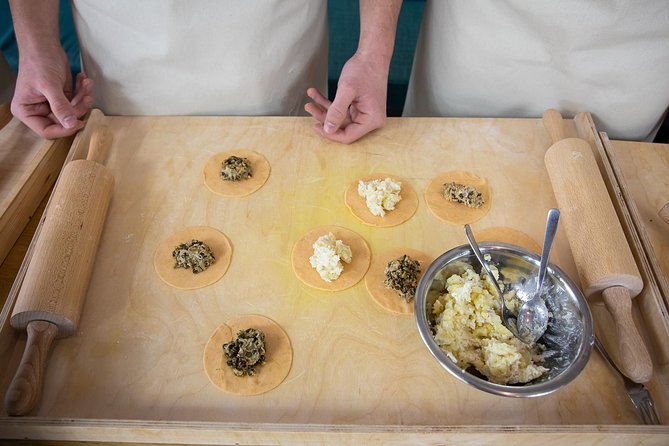
You first learn to knead the dough. This is more useful than it sounds. Dough texture determines how easily it rolls and how well it seals around the filling. Next comes rolling, where the aim is to produce circles thin enough to cook well but strong enough to hold their contents.
Then comes the best part for anyone who likes practical tricks: filling and folding. The instructor shows different folding techniques and offers small tips to help the pierogi taste better and stay closed. You are encouraged to try different shapes, so the finished plate may contain dumplings that look slightly different from one another.
What you actually eat at the end
The class menu is pierogi with meat or vegetables. You do not simply receive a prepared plate while your work is taken away. After the dumplings are assembled, the group cooks them and sits down to eat the results together.
The meal is served family-style, with the whole group sharing the dumplings. That creates a relaxed dinner rather than a quick final tasting. It also means you may eat pierogi made by other people at the table, not only the ones you folded yourself. If that concerns you, take it into account before booking.
The portions are generous enough to function as dinner, and some participants have had leftovers. You should arrive hungry. The class is built around eating what you make, so it would be a mistake to treat the food as a small sample.
The shared table is one of the strongest parts of the activity. You may begin the class as strangers and finish by comparing folding styles over a plate of dumplings. It has the feel of a casual Polish meal, with the cooking lesson providing an easy reason to talk.
The Polish liqueur tasting
After the food comes a tasting of Polish liqueurs. The tasting is included in the price and is presented as a playful part of the class rather than a formal spirits seminar. One instructor has used a small guessing game with two liqueurs, which gives the final minutes a bit of humor.
This is a modest addition, but it helps connect the meal to Polish food culture. It also gives you something local to try that you might not otherwise order. The tasting is best viewed as a sampler, not as a long evening of drinking.
If you do not drink alcohol, check the arrangements before booking, since the provided details confirm the tasting but do not specify a nonalcoholic alternative. The main activity remains the cooking and meal.
More Food and Drink Tours in the world:
- Small Group Cooking Class & Market Food Tour in Florence
★ 5.0 · 1,574 reviews - Paella Cooking Class, Wine Tasting & Central Market in Valencia
★ 5.0 · 1,150 reviews - Athens: Food Market Visit and Cooking Class with Wine
★ 4.9 · 1,087 reviews - Undiscovered Charleston: Half Day Food, Wine & History Tour with Cooking Class
★ 5.0 · 948 reviews
Vegetarian, vegan, and dairy-free requests
Vegetarian and vegan versions are available on request. Dairy-free needs have also been accommodated, including a case where vegan pierogi were cooked first to reduce the risk of cross-contact, followed by vegetarian and other dumplings.
You should state your requirements when booking rather than waiting until the class begins. The information provided supports vegetarian, vegan, and dairy-free accommodation, but it does not promise that every allergy or dietary restriction can be handled.
The vegetarian choices are not treated as an afterthought. You still take part in the same dough, filling, folding, and cooking process. For plant-based eaters, that makes this much more useful than a standard Polish meal where the only option is a side dish.
The teaching style and group atmosphere
This is an active class, but it is not meant to feel like culinary school. The instructors demonstrate each stage, explain what to look for, and circulate to help. That matters when you are trying to seal the first few dumplings or judge whether the dough is thin enough.
The teaching is generally described as patient, organized, and clear. A few details make the setup especially practical: directions are sent clearly, the class starts promptly, and photographs may be taken during the session. Some people have also received photographs and a family pierogi recipe afterward.
The tone can vary slightly with the instructor. Most descriptions point to a friendly and humorous approach, but one account found the host a little stoic when keeping the class moving. That is not necessarily a problem. A hands-on class needs someone to watch the clock, especially when several batches must be cooked within two hours.
The venue has also been praised for being clean, including the bathroom. One small practical warning is that the room may become hot during the cooking session. Wear comfortable clothes and avoid arriving in anything too heavy.
Is $77.97 a fair price?
At $77.97 per person, this is not the cheapest way to eat pierogi in Warsaw. You can find a plate of dumplings for much less at a restaurant. The value here comes from combining a meal with instruction, cultural context, a small group, and the chance to take a recipe home.
You are paying for about two hours of organized activity. That includes the dough lesson, filling and folding practice, cooking, a full meal, and Polish liqueur tasting. If you would happily spend an evening at a restaurant, this offers more involvement for a higher price.
I think the cost makes the most sense for three types of people: anyone who enjoys cooking, anyone seeking a social evening, and anyone who wants a practical reminder of Warsaw rather than another photograph. It is also a strong choice for families with older children, couples, and solo visitors who prefer an organized way to meet people.
The class is not suitable for children under eight. If you bring a child, at least one adult must take responsibility for that child during the session. Because the group size is capped at 10 and the activity is frequently booked around 35 days ahead, last-minute availability may be limited.
Getting there and planning your timing
The meeting point is Pierogi & More, Stawki 3, 00-193 Warsaw. The activity begins and ends there, so you do not need to arrange a separate return transfer. The venue is near public transportation and within walking distance of the Old Town for many visitors.
You should arrive with enough time to find the building and wash your hands before the start. Directions are described as clear, and the class is intended to begin on time. A mobile ticket makes entry simple, but keep the booking details accessible on your phone.
The class lasts approximately two hours. Because the final meal is part of the schedule, do not book another activity immediately afterward. The cooking may be finished on time, but a relaxed shared meal and liqueur tasting are better enjoyed without watching the clock.
Free cancellation is available up to 24 hours before the local start time for a full refund. Changes or cancellations made inside that period are not accepted for a refund. The class also requires a minimum number of participants, so if the provider cancels for that reason, you will be offered another date or activity, or a full refund.
Who should book this class
I would recommend it to anyone who wants more than a standard sightseeing stop. The activity gives you a taste of Polish food traditions, a practical cooking skill, and a dinner with people from different places.
It suits beginners because the method is demonstrated step by step. You do not need to arrive knowing how to cook. It also suits experienced home cooks because the focus on dough, folding techniques, and filling combinations offers useful ideas to take back to your own kitchen.
Families should note the age limit and the shared meal. Couples will find the two-person workstations convenient, while solo visitors can join the small group without needing to arrange a private class. Vegetarian and vegan diners should request their options in advance.
You may want to skip it if you strongly dislike group cooking, shared food, or alcohol tastings. It is also not ideal if you want a quiet meal with no participation. This is a hands-on activity, and a little flour, conversation, and imperfection are part of the deal.
Should you book Warsaw’s pierogi class?
Yes, if you want an evening that combines food, Polish culture, and useful instruction. The high 4.9 rating from 576 ratings and 97 percent recommendation rate fit the strongest features of the class: clear teaching, friendly staff, generous food, and a small group.
Book well ahead if your Warsaw dates are fixed. Request vegetarian, vegan, or dairy-free food when you reserve, and arrive hungry. If you do that, the $77.97 price buys more than dinner. It gives you a recipe, a new skill, and a meal you helped create.
FAQ
How long does the pierogi cooking class last?
The class lasts approximately two hours.
Where does the class begin and end?
It begins at Pierogi & More, Stawki 3, 00-193 Warsaw, Poland, and ends back at the same meeting point.
What will I learn to make?
You will learn to make Polish pierogi with meat and vegetarian fillings. The class covers kneading dough, rolling it out, filling the dumplings, and using different folding techniques.
Is food included in the price?
Yes. You cook and eat the pierogi made during the class. The meal is served family-style, and a Polish liqueur tasting is also included.
Are vegetarian and vegan options available?
Yes. Vegetarian and vegan options are available on request. Dairy-free requirements have also been accommodated, so you should provide dietary details when booking.
How many people can join the class?
The maximum group size is 10 people. Workstations are generally arranged for two people, and single participants may also be accommodated.
Can children attend?
Children under eight are not permitted. If you bring a child, at least one adult must be responsible for the child during the class.
Can I cancel for a full refund?
Yes. You can cancel at least 24 hours before the local start time for a full refund. Cancellations or changes made less than 24 hours before the start are not accepted for a refund.
More Hands-On Workshops in the world
- Half-Day Thai Cooking Class at Organic Farm in Chiang Mai
★ 5.0 · 19,087 reviews - Florence: Pasta Cooking Class with Unlimited Wine
★ 4.9 · 10,285 reviews - 3 in 1 Cooking Class near Navona: Fettuccine, Ravioli & Tiramisu
★ 5.0 · 7,376 reviews - Florence: Pasta & Tiramisu Cooking Class with Unlimited Wine
★ 4.9 · 6,708 reviews
Just added around the world
- Korean cooking class in Haeundae, Busan★ 5.0 · 92 reviews
- Cooking, Farming and Waterfall In Vietnam Countryside★ 3.0 · 6 reviews
- Busan Tailored Korean cooking class (Vegan OK)with market tour★ 5.0 · 66 reviews
- Private Argentine Cooking Class and Tango Lesson in Buenos Aires★ 5.0 · 37 reviews
- Hungarian Home Cooking Class with Chef Marti★ 5.0 · 30 reviews
- Cooking Class with dinner/lunch in Ulcinj Montenegro★ 5.0 · 8 reviews
- BA: Empanadas and Alfajores Cooking Experience in Palermo★ 5.0 · 112 reviews
- Budapest Market Tour & Home Cooking Class with local Chef & Guide★ 5.0 · 23 reviews
Chinese Cooking Classes, compared.
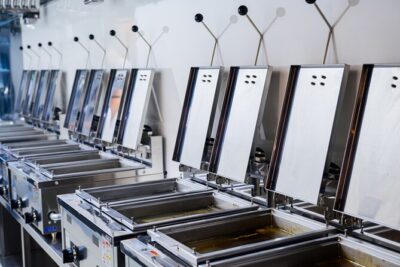
Gyoza Cooking Class in Kyoto: Traditional Japanese Dumplings
Read our review →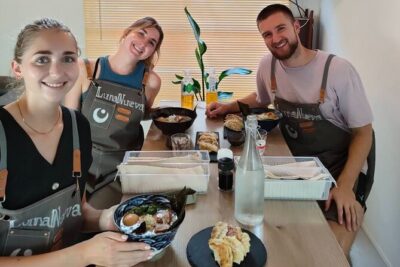
Ramen & Dumpling Cooking in Tokyo with Chef/Vegan possible
Read our review →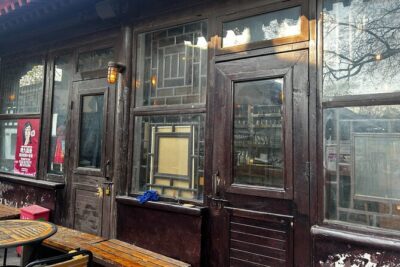
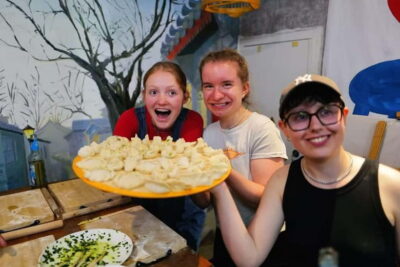
Beijing: Dumpling Making Workshop with Meal and Tea
Read our review →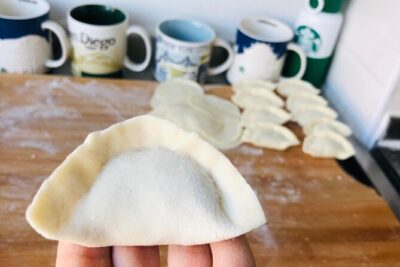
Online Cooking Class Beijing Dumplings and Cuisine by Sunflowerli Renowned Chef
Read our review →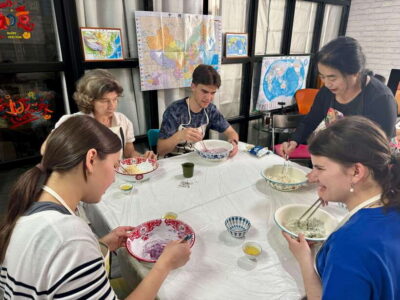
Shanghai-Cooking Dumpling & Meal in Local Family-w/Vegan
Read our review →Private Cooking Class: Make Your Own Dim Sum In Shanghai
Read our review →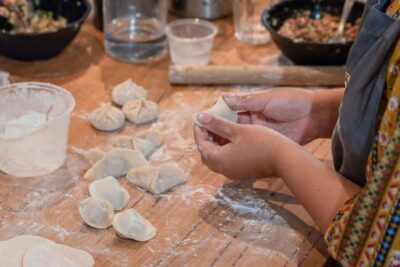
Melbourne: Chinese Dumpling Cooking Class with a Drink
Read our review →Browse the lists this tour appears in