
Review · JAPANESE & SUSHI
Japanese food Cooking at Home
A home kitchen, a neighborhood walk, a quiet shrine, and a lesson in matcha: this private Miyazaki cooking class gives you a look at everyday Japanese life, not just a restaurant meal. Makoto meets you at Miyazaki Station at 10:00 a.m., then leads you through the local area before cooking at her home.
I like the personal scale, since only your group takes part. I also like the mix of food and place: you learn to prepare Japanese dishes, identify local plants and herbs, and visit a shrine set in a solemn forest. The main consideration is the cat in the house, which matters if you have allergies.
Key points to know before booking
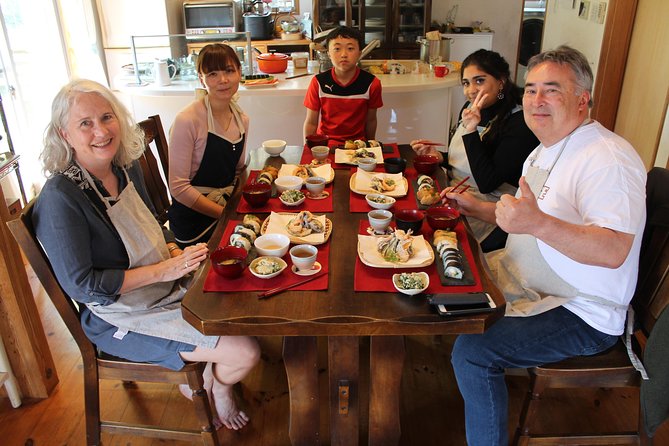
- Private from start to finish: Only your group participates, making it easier to ask questions or request menu changes.
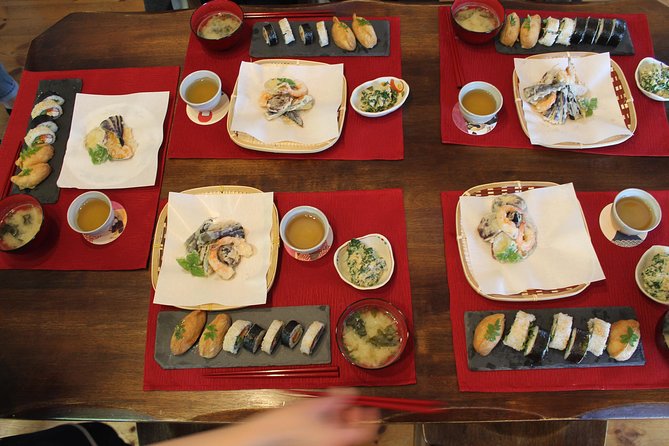
- Three food directions: Choose sushi and tempura, a bento lunch box, or ask about another flexible menu.
- Matcha is included: Every course finishes with a hands-on green tea experience.
- The neighborhood walk adds context: Makoto explains local history and points out plants and herbs before you cook.
- Pickup begins at Miyazaki Station: The meeting point is easy to find near public transportation, and the activity returns there.
- Plan around the cat and weather: A cat lives in the home, and poor weather can lead to cancellation or a new date.
A Miyazaki morning that begins at the station
The meeting point is Miyazaki Station, at 1 Nishikimachi, and the start time is 10:00 a.m. Pickup is offered, which takes away much of the guesswork at the beginning of the day. The experience ends back at the same meeting point, so you have a clear bookend for your schedule.
From there, Makoto takes you to her home. The route is not simply a transfer from station to kitchen. You walk around the neighborhood first, with explanations of the area’s history and observations about local plants and herbs. That short walk gives the class a useful sense of place.
I value this part because food makes more sense when you see where it fits into daily life. A recipe card can show you how to shape sushi or arrange a lunch box. A walk through the neighborhood helps you understand that the cooking is connected to a real home and community.
The exact length of the walking portion is not specified, so you should not plan around a detailed sightseeing tour. Think of it as an introduction to the area before the cooking begins, with Makoto drawing your attention to features you might otherwise pass by.
More Sushi and Japanese Classes in Japan:
- Sushi Making Tokyo Roll and Authentic Japanese Sushi Class
★ 5.0 · 3,971 reviews - Tokyo: Roll and Authentic Sushi Making Class in Asakusa
★ 4.9 · 1,957 reviews - Ramen Cooking Class at Ramen Factory in Kyoto
★ 5.0 · 1,937 reviews
Visiting a shrine in a solemn forest
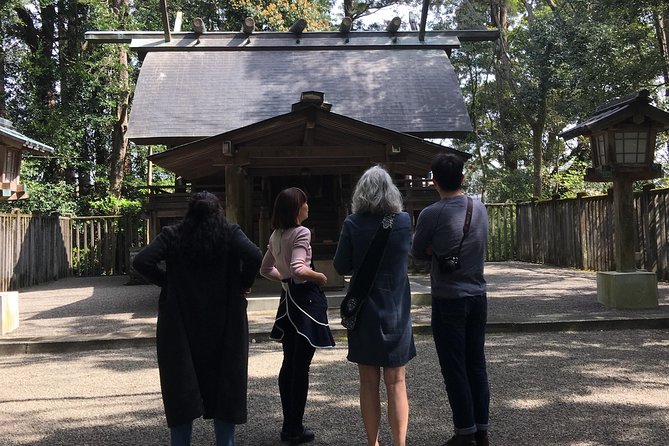
The experience includes a visit to a local shrine in a solemn forest. This creates a quiet break from the practical work of cooking and gives the morning a traditional Japanese setting.
The shrine visit is not described as a major sightseeing stop, and you should not expect a long guided temple tour or a list of famous monuments. Its value is the atmosphere: a local sacred place, trees around you, and a chance to see part of Japanese religious life away from the busiest tourist routes.
That setting also helps explain why the class is more than a meal lesson. You are not only learning what to put on a plate. You are spending time in a neighborhood, walking through a forested shrine area, and then entering a private home. For travelers who want contact with ordinary local life, that combination is the strongest reason to consider this activity.
The day requires good weather. If rain or other poor conditions force a cancellation, you are offered another date or a full refund. Since the shrine and neighborhood walk are part of the appeal, check the forecast before you commit other tightly scheduled plans around this four-hour experience.
Choosing between sushi, tempura, and a bento lunch
The recommended choices are the Sushi and Tempura Course or the Bento Lunch Box Course. The menu can be flexible, so you should communicate preferences when booking or after receiving confirmation.
Sushi and tempura offer two very different Japanese cooking skills. Sushi brings attention to preparation, shaping, and presentation. Tempura calls for a lighter, more delicate style of cooking. Taking both in one class gives you variety, although the available information does not specify the exact dishes, ingredients, or amount of hands-on time for each.
The bento course has a different appeal. A bento is not just food placed in a box. It is an organized meal, with attention to portions, color, arrangement, and how separate items work together. If you enjoy presentation or want a format connected to everyday Japanese lunches, this may be the better pick.
You should not assume that the menu includes every dish pictured in promotional material, since the class offers menu flexibility and recommends choosing one of the two main courses. Ask about specific ingredients or dishes in advance if you have dietary needs beyond the stated vegan option.
The cooking takes place in Makoto’s home, which gives the lesson a more personal feel than a large culinary studio. It also means the setting is a private residence, not a purpose-built school with a commercial kitchen. That tradeoff will appeal to you if you value a home visit, but it may not suit you if you prefer a polished classroom setting.
Finishing with matcha in the home kitchen
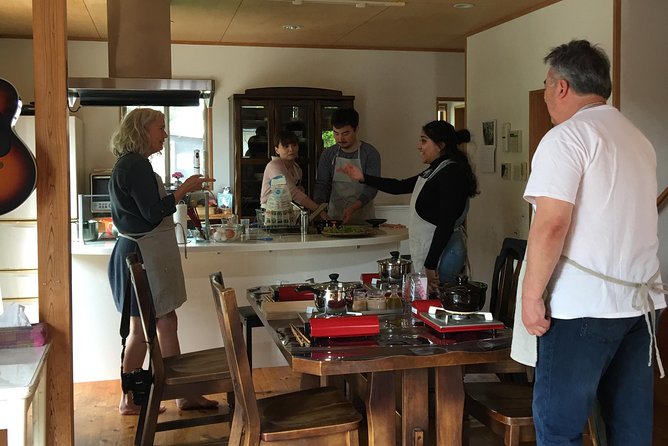
Matcha preparation is included with every course. After the main cooking activity, you prepare matcha green tea, giving the experience a calm final stage.
The matcha portion matters because it introduces a different rhythm from sushi, tempura, or bento preparation. Cooking asks you to work with ingredients and timing. Matcha asks for care in the preparation itself. The information provided does not promise a formal tea ceremony, so treat it as a hands-on matcha experience rather than a full ceremonial performance.
For many visitors, this will be the most memorable finish. You have already spent time walking through the area and preparing food, then sit down with a traditional drink made by your own hands. It is a small ritual, but it rounds out the class nicely.
If you are planning the class for children or first-time cooks, the private format should make it easier to slow down and ask questions. Still, the experience is not described as specifically designed for children, so families should confirm that the proposed menu and home setting fit their group.
More Food and Drink Tours in Japan:
- Ramen and Sushi Cooking Class with Sake Pairing Set in Tokyo
★ 5.0 · 291 reviews - Osaka Sake Tasting with Takoyaki Cooking
★ 5.0 · 156 reviews - Tokyo: Sushi and Ramen Cooking Class with Sake Pairing Set
★ 5.0 · 81 reviews - Tokyo: Sushi Cooking Class with Sake Tasting
★ 4.8 · 55 reviews
Why the private format changes the experience
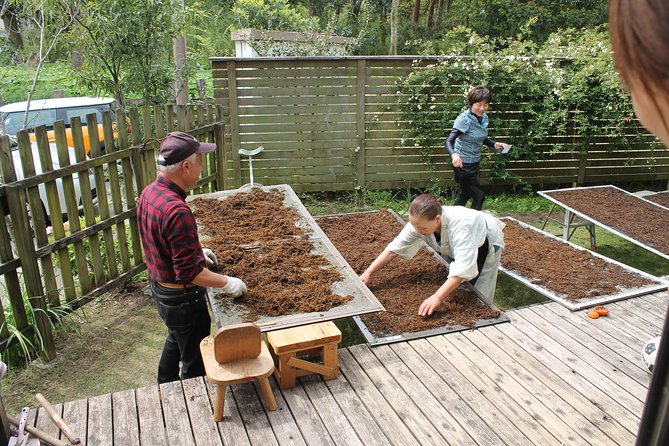
This is an exclusively private activity. Only your group participates, rather than a mixed class with strangers. That gives you more control over the pace and makes it easier to discuss food preferences, cooking ability, or a vegan menu.
The private format also matters for conversation. A home-based activity works best when you can ask about the neighborhood, the food, and the customs without competing with a large group. The walk with Makoto, including the local history and plant identification, becomes more useful when the guide can respond to your interests.
There is a practical downside. Private activities often cost more than large group classes, and this one is priced at $163. The value depends on how many people are in your group. For one person, the price is a substantial outlay for four hours. For a small group sharing the private experience, the cost may feel more reasonable because it includes pickup, the neighborhood walk, shrine visit, cooking, and matcha.
You should also remember that the class is built around personal interaction, not a fast list of sights. If you want to cover several Miyazaki attractions in one morning, the time is better spent elsewhere. If you want one focused cultural activity with food at its center, the price buys a fuller visit than a standard restaurant meal.
Vegan cooking and menu flexibility
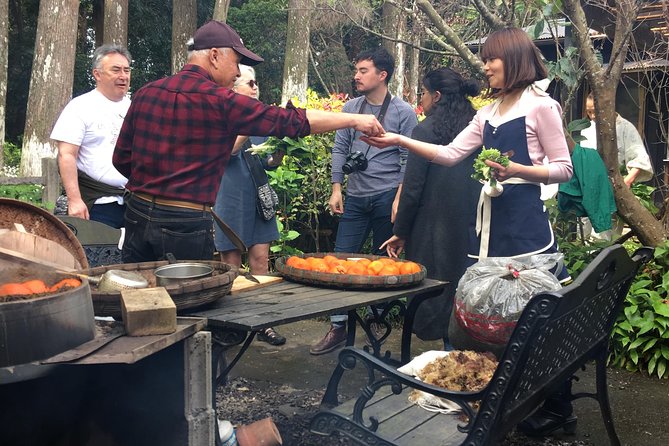
A vegan menu is available, which is an important plus for plant-based eaters. Still, you should raise the request ahead of time rather than waiting until the morning of the class. The menu is flexible, but the supplied information does not spell out which vegan dishes are offered or how closely they match the standard course.
The same advice applies to allergies and strong dislikes. Ask what ingredients will be used and how the meal is prepared. The presence of a cat is specifically noted, so anyone with a cat allergy should think carefully before booking.
Service animals are allowed. The activity is also near public transportation, and the station meeting point simplifies access. No detailed information is given about kitchen accessibility, step-free access, or seating, so contact the provider if someone in your group has mobility needs.
Timing, transport, and the four-hour commitment
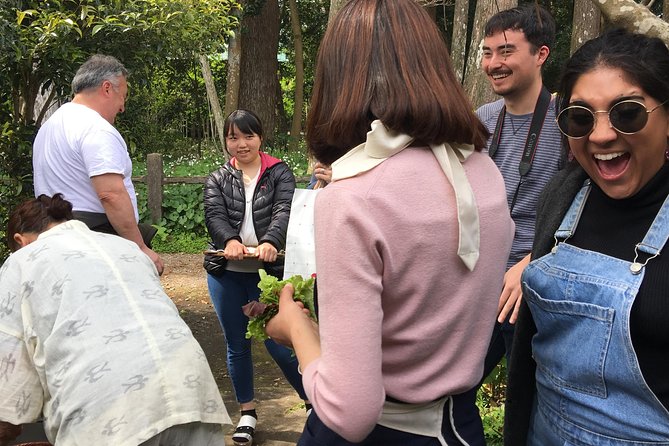
The activity lasts about four hours and starts at 10:00 a.m. With a station pickup and a return to the same point, the schedule is straightforward. You should still leave room after the class rather than booking a tightly timed train or separate tour immediately afterward, since the duration is approximate.
The station location makes this easier to fit into a Miyazaki visit. You can meet in a central transport area rather than finding a private home on your own. After the cooking, you return to Miyazaki Station, which is useful if you are continuing to another part of the city.
The class is best treated as a half-day plan. The walk, shrine visit, cooking, and matcha all need time, and rushing through any one of them would weaken the experience. I would schedule it on a morning when you can give the activity your full attention.
Confirmation is sent within 48 hours of booking, subject to availability. That means you should not assume the reservation is final immediately after payment. If your Japan plans are tightly connected, wait for confirmation before relying on this class as a fixed part of your schedule.
The cat and other practical details
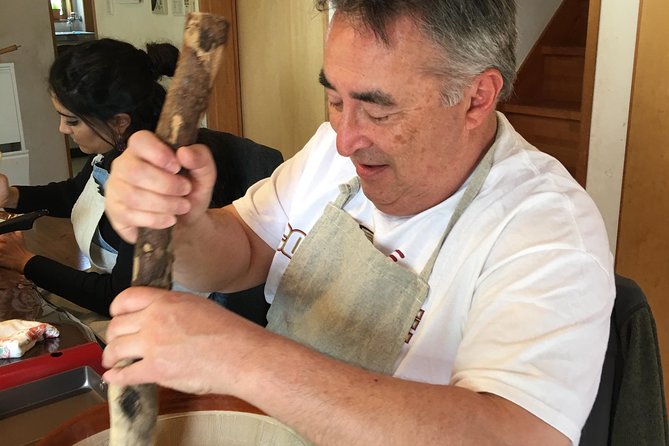
A cat lives at the house. This is the clearest caution attached to the experience, and it should not be treated as a minor footnote if you have an allergy. You may want to choose a different activity if even limited contact with a cat could cause problems.
The experience is non-refundable and cannot be changed for any reason once booked. If you cancel or request an amendment, the amount paid is not refunded. Since the activity also depends on good weather, consider your dates carefully before paying.
The weather policy is more forgiving when the provider cancels. Poor conditions can lead to a different date or a full refund. That protection does not apply to a personal change of plans, so do not book this as a casual placeholder.
The provider is Kyushu Island Cooking. The most specific guide detail available is Makoto, who handles the pickup and neighborhood introduction described for the experience. That personal link is central to the appeal, so confirm any special requests when you arrange the booking.
Who will get the most from this class
I would recommend this for you if you want a small-scale cultural activity rather than a standard sightseeing stop. It suits couples, families, and small groups who enjoy food, conversation, and a slower look at a local area.
It is also a good fit for people who want to cook typical Japanese dishes but do not want a large classroom. The private setting gives you a better chance to ask questions and adjust the menu. Vegans have a clear reason to consider it, provided they discuss the menu in advance.
You may want to skip it if you have a cat allergy, need a fully specified professional kitchen, or dislike making firm non-refundable plans. It may also disappoint you if you expect a formal tea ceremony, a major shrine tour, or a long list of famous Miyazaki sights. The experience is personal and local, not a highlights package.
Should you book Japanese Food Cooking at Home?
Book it if you want your Miyazaki morning to connect food, home life, nature, and tradition. The best features are the private group format, Makoto’s neighborhood walk, the forest shrine, the choice of Japanese cooking courses, and matcha included for everyone.
At $163, the value is strongest for a small group that will use the private setting and enjoy the full four-hour visit. Confirm the menu, mention vegan needs, check the weather, and be realistic about the cat and strict cancellation policy. If those points work for you, this is a thoughtful way to experience Miyazaki beyond the usual restaurant table.
FAQ
Where does the cooking experience begin?
It begins at Miyazaki Station, at 1 Nishikimachi, Miyazaki, 880-0811, Japan.
What time does the activity start?
The scheduled start time is 10:00 a.m.
How long does the experience last?
The activity lasts approximately four hours.
Where does the activity end?
It ends back at the meeting point at Miyazaki Station.
Is pickup available?
Yes. Pickup is offered, with the experience beginning at Miyazaki Station.
What food can I learn to prepare?
The recommended choices are a Sushi and Tempura Course or a Bento Lunch Box Course. The menu can be flexible.
Is a vegan menu available?
Yes. A vegan menu is available, but you should discuss your requirements when booking.
Is matcha included?
Yes. Preparing Matcha Green Tea is included with every course.
Is this a private activity?
Yes. Only your group participates.
Are service animals allowed?
Yes. Service animals are allowed.
Is there anything important to know about the home?
A cat lives at the house. If you have a cat allergy, you should carefully consider attending.
What happens if bad weather cancels the class?
If poor weather causes the provider to cancel, you are offered a different date or a full refund.
Can I cancel for a refund?
No. The experience is non-refundable and cannot be changed for any reason.
More Food Experiences in Japan
- Ramen & Dumpling Cooking in Tokyo with Chef/Vegan possible
★ 5.0 · 107 reviews - Vegan/Vegetarian Ramen and Gyoza by Bentoya cooking
★ 5.0 · 59 reviews - Nishiki Market Food Tour with Cooking Class
★ 4.9 · 42 reviews - Ramen Making from Scratch with Tokyo Mom(Vegan Option Available)
★ 5.0 · 39 reviews
Just added around Japan
- Miyazaki’s local cuisine experience Let’s make cold soup and chicken Nanban! Super Local Food Cooking!★ 5.0 · 11 reviews
- Private Cooking Class Udon in Kyoto Japan★ 5.0 · 23 reviews
- Private Plant-Based Japanese Cooking Class – Kyoto Edition★ 5.0 · 15 reviews
- Private Kyoto Sushi Cooking Class & Tea Ceremony with Emika★ 5.0 · 66 reviews
- Private Guided Traditional Buddhist Cooking in Japan★ 5.0 · 16 reviews
- Kyoto Wagashi(Japanese sweets) Cooking Class near Fushimiinari★ 5.0 · 60 reviews
- Nishiki Market, Private Sushi class & Sake Tasting in Townhouse★ 5.0 · 6 reviews
- Private Kyoto Cooking Class with Aki in a Beautiful Wooden House★ 5.0 · 12 reviews
Japanese & Sushi Cooking Classes, compared.
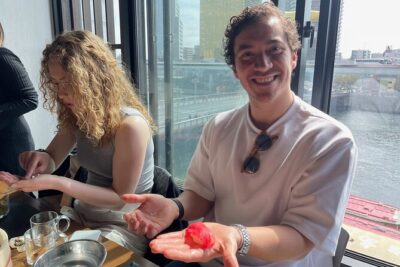
Sushi Making Tokyo Roll and Authentic Japanese Sushi Class
Read our review →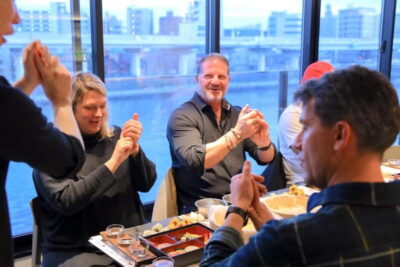
Tokyo: Roll and Authentic Sushi Making Class in Asakusa
Read our review →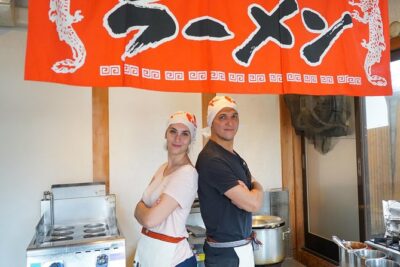
Ramen Cooking Class at Ramen Factory in Kyoto
Read our review →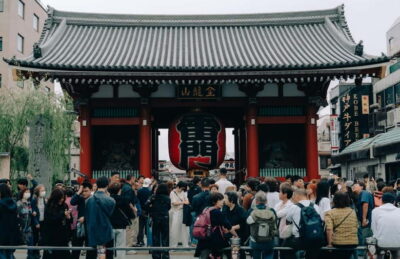
Tokyo: Sushi Making Class in a Happi Coat near a Famous Spot
Read our review →
Sushi Making Tokyo! Popular Maki Sushi & Japanese Sushi(+Recipe!)
Read our review →
Sushi Making Osaka Roll and Authentic Japanese Sushi Class
Read our review →
Tokyo Sushi Making Class in Tsukiji with Professional Chef
Read our review →
Ramen & Gyoza Cooking Class in Tokyo with Local Supermarket Visit
Read our review →Browse the lists this tour appears in