
Review · TOKYO
Ramen and Sushi Cooking Class with Sake Pairing Set in Tokyo
This Tokyo cooking class puts you to work quickly: you shape sushi, prepare ramen broth from scratch, and taste sake chosen to go with the meal. It is not a quick demonstration followed by a polite nibble. You make the food, then sit down to eat it.
I like the small eight-person limit, which gives the instructor time to correct your sushi technique instead of shouting instructions across a crowded room. I also like the mix of cooking and culture, including practical tips for making Japanese dishes at home and stories about why the food is prepared this way.
The main consideration is time. Three hours gives you a satisfying meal and useful instruction, but not a full survey of Japanese cuisine. The ramen work is also somewhat less hands-on than the sushi, with more room to customize than to build every element from the ground up.
Key points at a glance
- Three dishes in one class: Prepare sushi, make ramen broth from scratch, and enjoy a sake pairing.
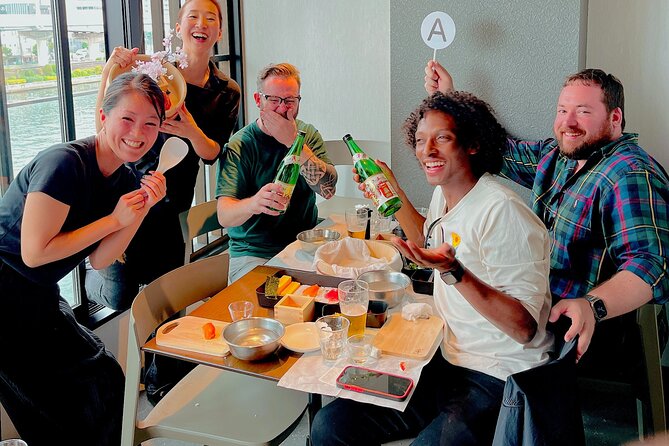
- Smallest practical group size: A maximum of eight people allows close help from the English-speaking instructor.
- Teachers with a friendly style: Sato, Ryushi, Alex, Taka, and Kaori are among the instructors associated with the class.
- A meal, not just a lesson: Ingredients, the finished food, and all drinks are included.
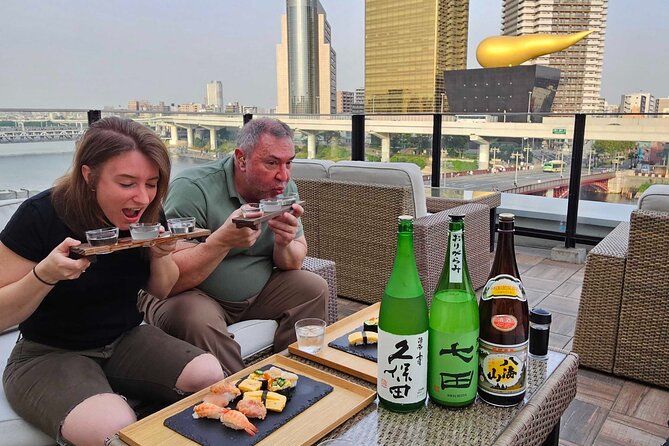
- A pleasant Tokyo setting: The class meets at HAUS Tsukishima in Chuo City, with views of the river noted by past participants.
- Good value for food lovers: At $79.59 per person, the three-hour format combines instruction, dinner, drinks, and cultural background.
What the three-hour class actually gives you
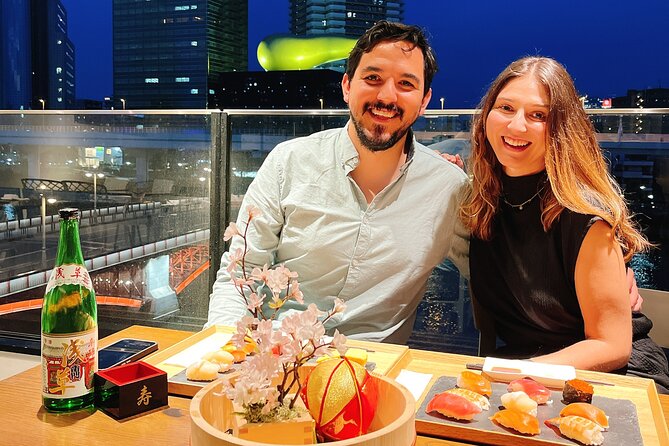
I see this as a food lesson with a meal built in, rather than a standard sightseeing stop. In three hours, you get enough time to learn several core techniques without spending half a day on one elaborate dish.
The class centers on two of Japan’s best-known foods: sushi and ramen. That pairing works well because the jobs feel different. Sushi requires careful handling, shaping, and presentation. Ramen is more about broth, toppings, balance, and adjusting the final bowl to your taste.
You should expect an English-speaking instructor to guide the session from start to finish. The atmosphere is designed to be relaxed, and the teaching style appears to favor clear steps, jokes, and personal help over a formal chef-school approach. A small quiz about sushi and ramen history and facts may also be part of the class, adding a little structure without turning lunch into a lecture.
The class ends where it begins, at the meeting point. There is no hotel pickup or drop-off, so you are responsible for reaching the venue and making your own way onward afterward.
More Sushi and Japanese Classes in Tokyo:
- Sushi Making Tokyo Roll and Authentic Japanese Sushi Class
★ 5.0 · 3,971 reviews - Tokyo: Roll and Authentic Sushi Making Class in Asakusa
★ 4.9 · 1,957 reviews - Tokyo: Sushi Making Class in a Happi Coat near a Famous Spot
★ 4.9 · 1,377 reviews
Making sushi with close instruction
The sushi portion is likely the most useful section if you have tried to make sushi at home and found the process more awkward than online videos suggest. Rice texture, pressure, cutting, and shape all matter. A short demonstration can make those details much easier to understand.
With no more than eight people, the instructor can watch your hands and step in when needed. That matters more here than it would in a large group. Sushi is a tactile food, and a small correction at the right moment can save you from a plate of loose, overfilled rolls.
The class is not presented as a professional certification course. You will not leave ready to run a sushi counter. You should leave with repeatable home techniques, a better feel for handling ingredients, and more confidence than you would gain from following a video alone.
You also eat what you make. That sounds obvious, but it changes the mood. The work has a clear payoff, and you can judge the texture and balance of your own sushi while the lesson is still fresh.
One useful point for families, couples, and friends is that the class offers a shared task without requiring everyone to have cooking experience. The instructor’s job is to make the process easy to follow, not to assume you already know Japanese kitchen terms.
Building ramen broth from scratch
The ramen part gives you a look at the dish beyond the finished bowl served in a Tokyo shop. You prepare savory broth from scratch, then work with toppings and seasonings to create a bowl that suits you.
This is also where expectations need a little care. The ramen is hands-on, but not every part is described as equally labor intensive. You may spend more time customizing the bowl than slowly producing every component from raw ingredients. That is not a flaw for most people. It keeps the class moving and lets you focus on taste.
A pork belly topping is part of the ramen experience described in the class feedback, and it has been singled out as especially satisfying. The combination of broth, noodles, pork, and toppings gives you a better sense of how ramen is assembled than simply watching someone ladle soup into a bowl.
I like that the class treats ramen as something you can adjust. You can pay attention to the balance of broth and toppings, then take those ideas home. The lesson is not only about copying one bowl. It helps you understand why the final dish tastes the way it does.
If you are mainly interested in ramen and not sushi, keep in mind that the class divides its time between both dishes. The format suits someone who wants variety. It is less suitable if you want a long, technical session devoted only to broth-making.
Sake that belongs with the food
The sake tasting is not an afterthought. The experience includes sake selected to pair with the sushi and ramen, along with all drinks served during the class.
That pairing gives the meal another layer without requiring you to know anything about sake in advance. You can taste different choices and see how the drink changes with seafood, rice, broth, and richer toppings. Several sake options may be offered, and the tasting is described as smooth and enjoyable rather than overly formal.
This is a good feature for adults who want a little more than a cooking lesson. It also helps explain why the price is higher than a basic sushi-making class that provides only ingredients and water.
The class includes alcohol, so it is not the best fit for someone avoiding drinks entirely. The available information does not specify nonalcoholic alternatives, so you should check with the provider if that matters to you.
More Drink Tastings in Tokyo:
- Tokyo: Sushi and Ramen Cooking Class with Sake Pairing Set
★ 5.0 · 81 reviews - Tokyo: Sushi Cooking Class with Sake Tasting
★ 4.8 · 55 reviews - Kyoto: Afternoon Japanese Izakaya Cooking Class
★ 4.9 · 241 reviews - Izakaya Style Cooking Class
★ 5.0 · 219 reviews
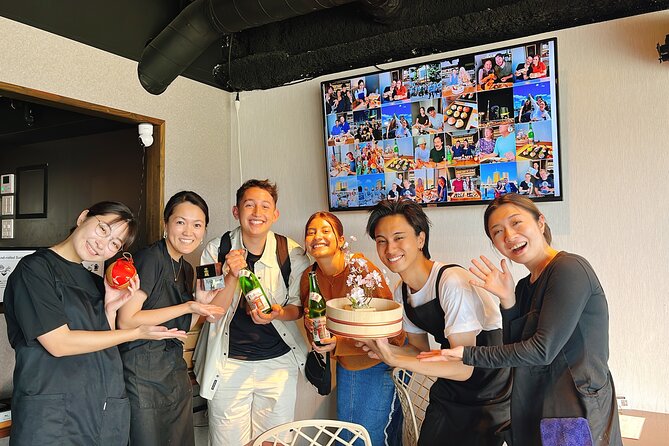
Meeting Sato, Ryushi, Alex, Taka, and Kaori
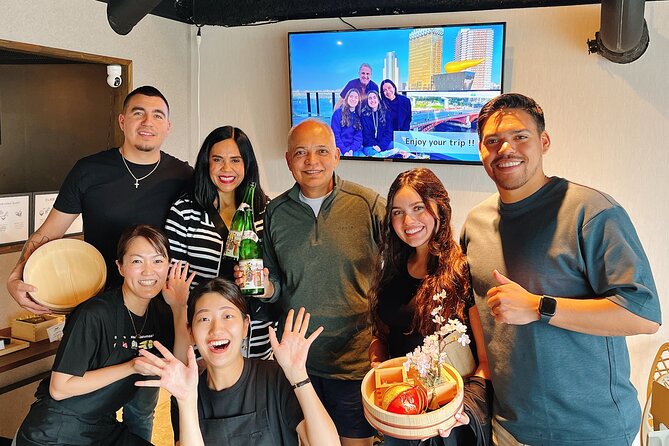
The people teaching the class are a major part of its appeal. Names associated with the sessions include Sato, Ryushi, Alex, Taka, and Kaori. The exact instructor depends on the date, so do not book expecting one particular person unless the provider confirms it.
The teaching style is warm and personal. Instructors are described as polite, smiling, and easy to talk with, which matters when you are trying to make sushi for the first time and your first roll looks more like a small seaweed parcel than a restaurant centerpiece.
Sato and Ryushi are specifically connected with a warm learning environment. Alex and Sato are also noted for helping people feel at home while keeping the class light. Kaori has been singled out as an especially engaging host. These details suggest a class where conversation is part of the activity, not an interruption to it.
I would choose this over a highly formal cooking school if you want to ask questions, laugh at mistakes, and learn through doing. If you prefer strict culinary instruction, exact measurements, and a quiet professional kitchen, the relaxed tone may feel less focused than you want.
HAUS Tsukishima and the Tokyo setting
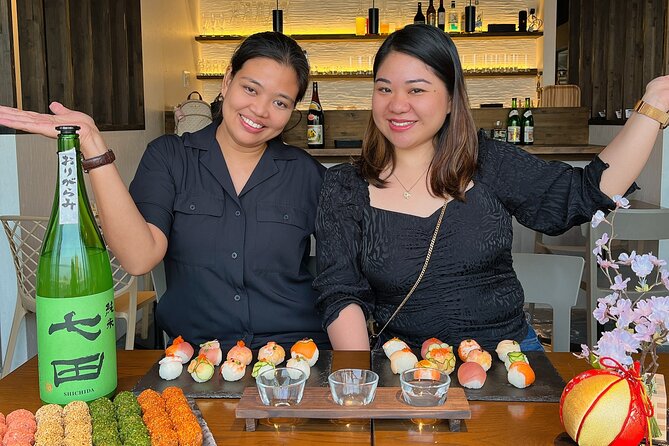
The meeting point is HAUS Tsukishima, at 2-chome 13-5 Tsukuda, Chuo City, Tokyo 104-0051. The activity takes place near public transportation, and it ends back at the same location.
The setting has an appealing local feel. Past descriptions mention a view overlooking the river, which gives the class a pleasant backdrop without turning it into a sightseeing cruise. You are still there to cook, but the view helps the three hours feel like a proper Tokyo outing rather than a room with stainless-steel counters.
Tsukishima also makes sense for a food-focused activity. You are in Tokyo’s Chuo area, but the class is not built around rushing between major landmarks. Plan this as a dedicated neighborhood stop. Leave enough time to find the address, especially if you are navigating Tokyo’s dense streets and station exits.
The mobile ticket is useful for getting in without printing paperwork. Confirmation is provided when you book. Service animals are allowed, and the venue is near public transportation.
Who gets the most from this class
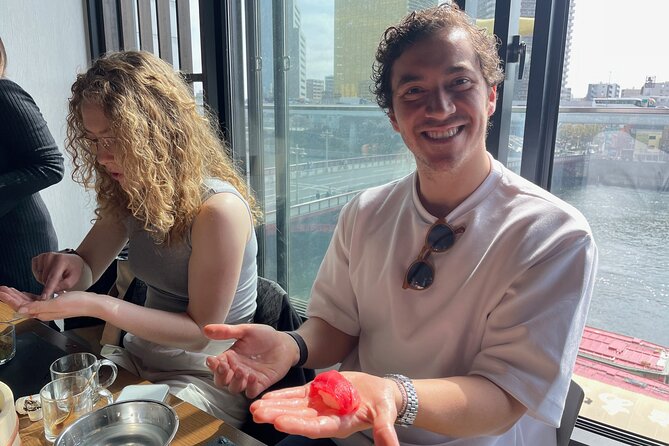
I would recommend this class most strongly to:
- First-time visitors who want an activity beyond temples, shopping, and observation decks
- Couples and friends who enjoy making a meal together
- Families with older children who can follow kitchen instructions
- Food lovers who want sushi and ramen in the same session
- People who have tried sushi at home and want hands-on correction
- Adults interested in tasting sake with an explanation of how it suits the food
It is also a smart choice for a rainy day. You get a full indoor activity, a meal, and some cultural context without needing to plan several separate stops.
The format may not suit you if you want a large menu, advanced knife skills, or a detailed lesson on regional ramen styles. It is also not the right pick if you want a private class, since the booking is for a small shared group of up to eight people.
Is $79.59 a fair price?
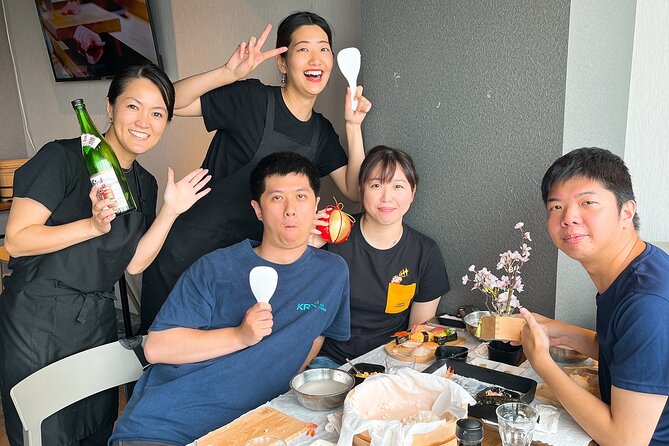
At $79.59 per person, this is not the cheapest way to eat sushi and ramen in Tokyo. You can find a bowl of ramen or a casual sushi meal for much less.
The comparison changes when you count what is included. You are paying for about three hours of instruction, the ingredients, the meal you prepare, an English-speaking teacher, cultural explanations, and all drinks, including the sake pairing. You also get the value of a small group, which makes the instruction more useful than a crowded demonstration.
I consider it good value for a hands-on food activity, especially if you were already planning to spend money on a meal and want more to remember than the taste alone. The class is less economical if you are focused only on eating, or if you would rather spend $79.59 on several inexpensive restaurants.
The strongest value comes from the personal guidance. If you pay attention and remember the techniques, the class can keep giving back after you return home.
Timing, booking, and cancellation
The activity lasts approximately three hours. That is long enough for cooking, eating, sake tasting, and cultural discussion, but short enough to fit into a larger Tokyo day.
Book with your schedule in mind. The class ends at the meeting point, so it is easy to continue into another activity afterward, but the exact finish time can affect a dinner reservation or evening train plan.
Free cancellation is available if you cancel at least 24 hours before the local start time. Cancellations made within 24 hours are not refunded, and changes inside that window are not accepted. That rule is worth noting because cooking classes buy fresh ingredients and need a firm head count.
My call: book it if you want to cook, not just watch
I would book this experience if you want personal instruction, a complete meal, and a friendly introduction to Japanese food culture in one compact session. The small group, generous food, sake pairing, and river view give it more character than a basic demonstration.
You should skip it if your priority is advanced ramen technique, a private kitchen, or a long specialist course. For most visitors, though, the balance is right. You make sushi, build a ramen bowl, meet an engaging teaching team, and leave with skills you can use at home. That is a solid three hours in Tokyo.
FAQ
Where does the cooking class take place?
The class meets at HAUS Tsukishima, 2-chome 13-5 Tsukuda, Chuo City, Tokyo 104-0051.
How long does the activity last?
The cooking class lasts approximately three hours.
What foods will I prepare?
You will prepare sushi and make ramen with savory broth prepared from scratch. The ramen may include pork belly and customizable toppings.
Is sake included?
Yes. All drinks are included, and the experience features sake selected to pair with the food.
Is the class taught in English?
Yes. An English-speaking instructor leads the class.
How many people can join?
The class has a maximum of eight participants.
Does the activity include hotel pickup?
No. Hotel pickup and drop-off are not included. You need to reach the meeting point yourself.
Where does the activity end?
The activity ends back at the meeting point in Tsukishima.
Is the class near public transportation?
Yes. The meeting location is near public transportation.
Can I cancel for a full refund?
Yes, if you cancel at least 24 hours before the experience start time. Cancellations within 24 hours are not refunded, and changes during that period are not accepted.
More Hands-On Workshops in Tokyo
- Tokyo Sushi Making Class in Tsukiji with Professional Chef
★ 5.0 · 1,177 reviews - Ramen & Gyoza Cooking Class in Tokyo with Local Supermarket Visit
★ 5.0 · 823 reviews - Tokyo: Tsukiji Fish Market Sushi Making Class with Pro Chef
★ 4.9 · 506 reviews - Tokyo: Sushi Making Class
★ 4.9 · 390 reviews
More Food and Drink Tours in Tokyo
- Small Group Cooking Class & Market Food Tour in Florence
★ 5.0 · 1,574 reviews - Pasta Making & Wine Tasting with Dinner in Frascati from Rome
★ 5.0 · 1,326 reviews - Paella Cooking Class, Wine Tasting & Central Market in Valencia
★ 5.0 · 1,150 reviews - Athens: Food Market Visit and Cooking Class with Wine
★ 4.9 · 1,087 reviews
Just added around Tokyo
- Tokyo: Tsukiji Market Walking Tour & Sushi Cooking Class★ 4.6 · 122 reviews
- Tokyo: Sushi Cooking Class with Sake Tasting★ 4.8 · 55 reviews
- Sushi-Making Experience★ 4.7 · 4 reviews
- Tokyo: Tsukiji Market Guided Tour & Sushi-Making Experience★ 4.4 · 11 reviews
- Tokyo: Sushi and Ramen Cooking Class with Sake Pairing Set★ 5.0 · 81 reviews
- Tokyo: Kawaii Bento Cooking Class – Cute Character Lunchbox★ 4.9 · 55 reviews
- Tokyo: Learnt to cook Bento, Oyakodon and More!★ 5.0 · 5 reviews
- Tokyo: Real Ramen & Dumpling Cooking with Master Chef★ 5.0 · 10 reviews
Japanese & Sushi Cooking Classes, compared.
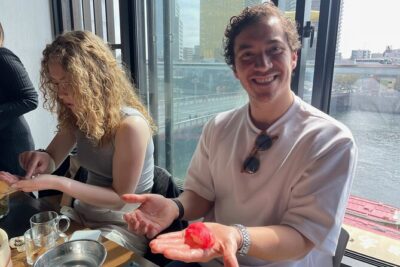
Sushi Making Tokyo Roll and Authentic Japanese Sushi Class
Read our review →
Tokyo: Roll and Authentic Sushi Making Class in Asakusa
Read our review →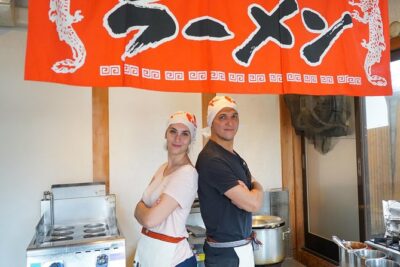
Ramen Cooking Class at Ramen Factory in Kyoto
Read our review →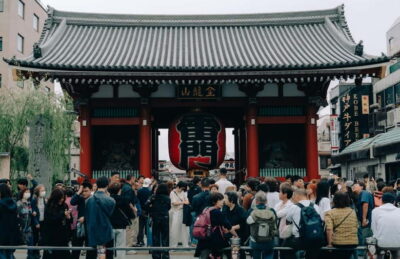
Tokyo: Sushi Making Class in a Happi Coat near a Famous Spot
Read our review →
Sushi Making Tokyo! Popular Maki Sushi & Japanese Sushi(+Recipe!)
Read our review →
Sushi Making Osaka Roll and Authentic Japanese Sushi Class
Read our review →
Tokyo Sushi Making Class in Tsukiji with Professional Chef
Read our review →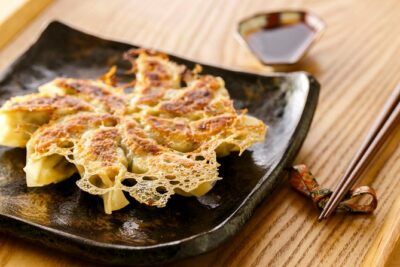
Ramen & Gyoza Cooking Class in Tokyo with Local Supermarket Visit
Read our review →Browse the lists this tour appears in