
Review · KYOTO
Kyoto: Afternoon Japanese Izakaya Cooking Class
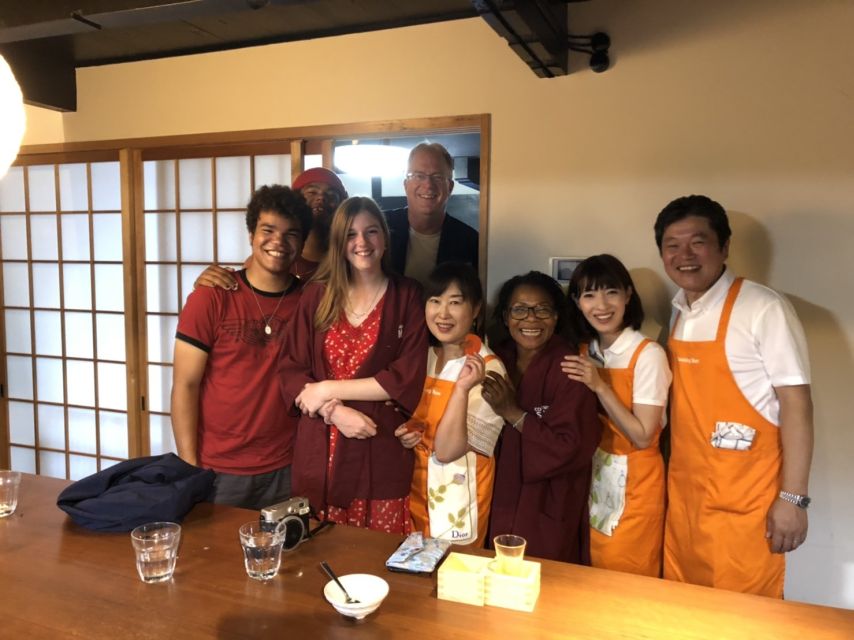
Kyoto’s izakaya cooking class skips the usual sushi lesson and gets into the food people actually cook and order with drinks: savory home dishes, simple sauces, dashi, and okonomiyaki. You cook, eat, then return to the kitchen for another round, so the afternoon feels like a friendly meal with a cooking lesson built in.
I like the easy-to-repeat recipes and the relaxed, talk-as-you-cook format. I also like that the class suits complete beginners, yet still offers useful basics for experienced cooks. The one drawback is the pace: preparing as many as five or six dishes in three hours can feel brisk, especially if you prefer a slow, highly technical lesson.
Key points to know before booking
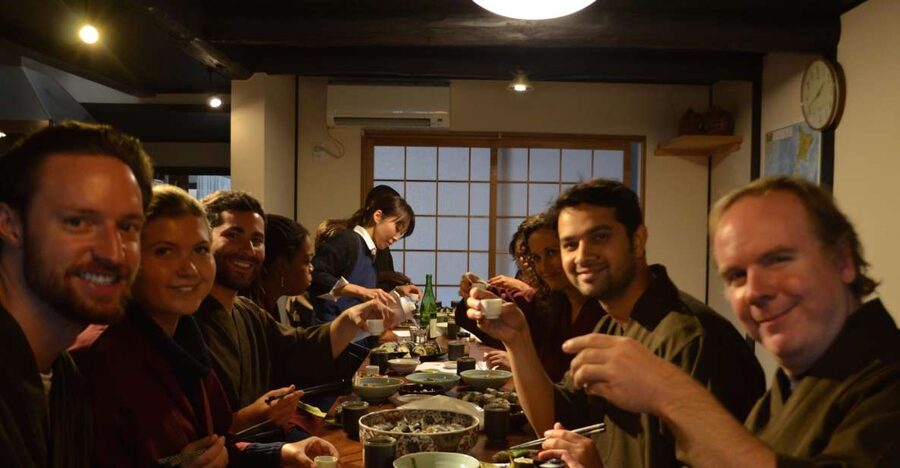
- Two cooking rounds: Prepare 2 or 3 dishes, eat them, then return to the kitchen for 2 or 3 more.
- More than sushi: The focus is izakaya-style food and everyday Japanese cooking, with dishes such as okonomiyaki appearing in past sessions.
- English instruction: Chefs including Yumi and Yumiko have led friendly, clear lessons in English.
- Recipes for home: You receive recipes designed to help you make the dishes again after your trip.
- Practical value: The $67 price covers the class, ingredients, apron, and utensils for three hours.
- Accessible setup: The activity is wheelchair accessible, and dietary needs can be shared when booking.
Why this class feels different from a standard Kyoto food tour
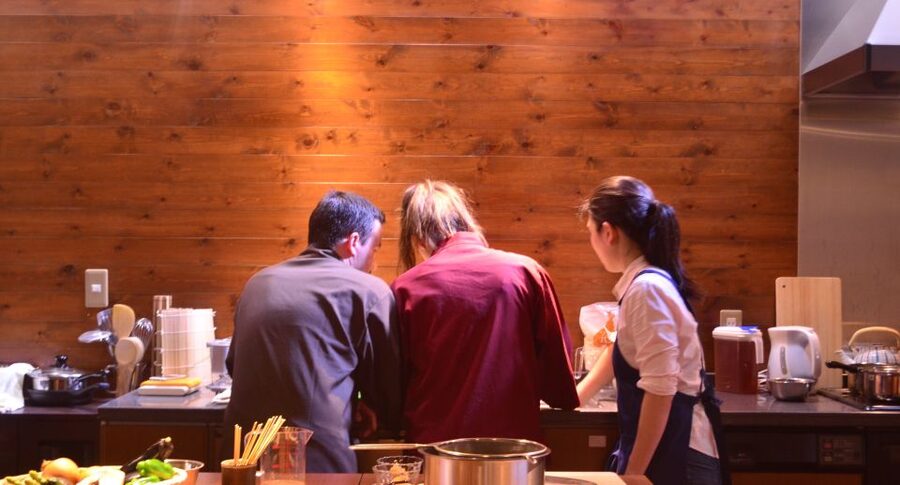
Many food activities in Kyoto take you to restaurants or markets and let you watch someone else prepare the meal. This one puts the knife, pan, mixing bowl, and chopsticks in your hands. You learn by doing, then sit down to eat the results.
The izakaya theme is a good choice because it reaches beyond the most familiar Japanese dishes. You are not limited to sushi rolls or a basic ramen demonstration. The menu can include several small savory dishes, and past sessions have included okonomiyaki, dashi broth, and dessert.
That variety matters. Japanese food can look simple on the plate, but small details make a difference: how you build a broth, balance a sauce, handle a pan, or prepare ingredients before cooking. The lesson gives those details a practical setting instead of treating them as a lecture.
The class also reflects the social side of an izakaya. You cook while talking with the instructor and the other people at the counter or workstations, then share the food together. It is less formal than a chef school and more hands-on than a demonstration.
More Sushi and Japanese Classes in Kyoto:
- Ramen Cooking Class at Ramen Factory in Kyoto
★ 5.0 · 1,937 reviews - Sushi Making in Kyoto! Same-day bookings welcome!
★ 5.0 · 713 reviews - Kyoto: Ramen Cooking Class at a Ramen Factory with Souvenir
★ 4.9 · 532 reviews
Meeting the chefs at Cooking Sun in central Kyoto
The class meets at Cooking Sun, at Funayacho in Kyoto’s Shimogyo Ward. The supplied information does not give a walking time from major stations or a detailed transport route, so I would check the exact map pin before leaving your hotel.
English is the teaching language. Yumi and Yumiko are among the instructors named in past sessions, and the teaching style is warm, patient, and clear. The class is designed so that you can follow the steps even if you rarely cook.
That beginner-friendly approach is one of the strongest reasons to book. You do not need to arrive with Japanese cooking experience, and you do not need to know the names of ingredients in advance. Instructions are given step by step, with the chef showing you what to do before you try it.
The atmosphere is deliberately social. You can ask questions as you work, learn how ingredients are used in Japanese homes, and talk about the food while it cooks. If you enjoy meeting people from different countries, the shared kitchen adds a nice human touch to an afternoon in Kyoto.
The first cooking round: learn, cook, and eat
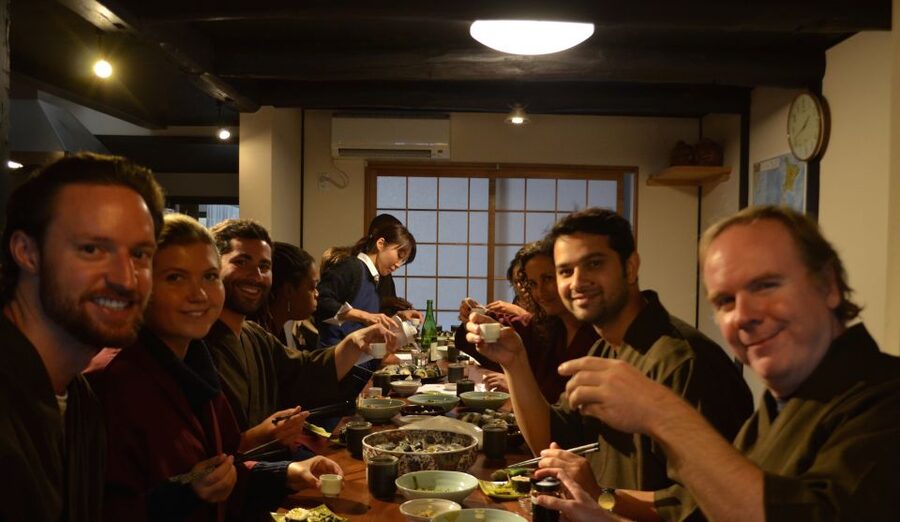
The three-hour session is split into two main cooking periods. In the first, you prepare two or three dishes with the chef. Once they are ready, you sit down and eat them before starting again.
This rhythm works well. Instead of cooking for three straight hours and waiting until the very end for lunch or dinner, you get an early reward. The first meal also gives you a chance to taste the flavors and ask questions before tackling the next group of dishes.
The exact menu can change, but the class focuses on foods associated with Japanese homes and local izakaya restaurants. Past menus have included okonomiyaki, which several people found especially memorable, and dashi broth made from basic ingredients.
For you, the important point is that the dishes are meant to be achievable at home. The lesson is not simply a display of knife skills by a professional chef. You take part in the preparation, and the recipes are written in a way that helps you repeat the process later.
Cooking together also makes the meal more personal. You see how much work goes into each dish, then notice the texture and flavor more carefully when you eat it. That is a useful way to understand Japanese food culture without turning the afternoon into a long classroom session.
The second round: several dishes in a short afternoon
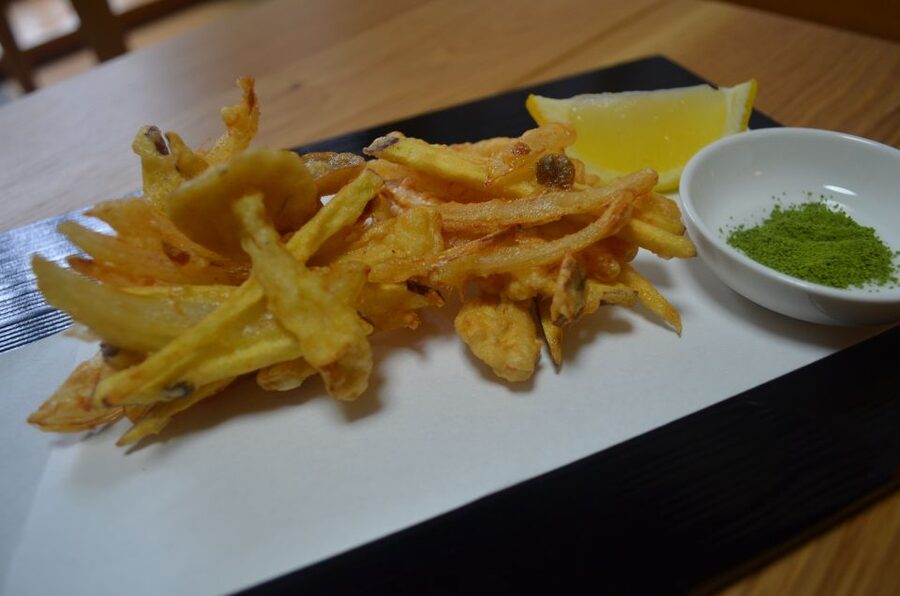
After eating the first set, you return to the kitchen for two or three additional dishes. Some sessions have produced six dishes in total, including a dessert, while another past menu included five savory dishes and one dessert.
You should not treat the menu as fixed unless the provider confirms it for your date. The consistent idea is a broad introduction to izakaya-style cooking, with several small dishes rather than one large recipe.
The second round is where the schedule can feel fast. You have already cooked and eaten once, but you still need to prepare another group of dishes within the three-hour window. The instructors keep things moving, and the class is organized so that no one is left guessing, but this is not the right choice if you want to spend an hour perfecting one sauce.
I see the pace as a fair trade. You get a wide look at Japanese cooking in one afternoon, and you leave with several recipes instead of one. If you are a serious home cook, you may wish for more time on individual techniques. If you are visiting Kyoto for a short stay, the variety is likely to feel worthwhile.
More Drink Tastings in Kyoto:
- Izakaya Style Cooking Class
★ 5.0 · 219 reviews - Authentic Japanese Cooking Experience at Izakaya restaurant
★ 4.2 · 5 reviews - Ramen and Sushi Cooking Class with Sake Pairing Set in Tokyo
★ 5.0 · 291 reviews - Osaka Sake Tasting with Takoyaki Cooking
★ 5.0 · 156 reviews
What you actually learn about Japanese food
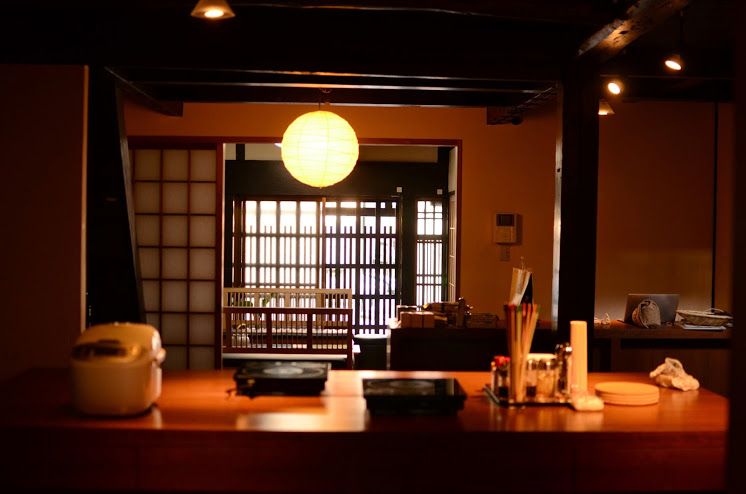
The class teaches more than a list of recipes. It introduces the building blocks behind familiar flavors, including dashi and ingredients such as mirin. One past participant went home determined to add both to the pantry, which tells you something about the practical nature of the lesson.
Dashi is especially useful to learn because it appears in so many Japanese dishes. Starting with a basic broth helps you understand why Japanese food can taste full and savory even when the ingredient list is not long.
You also get a look at how izakaya food differs from a formal multi-course meal. Izakaya cooking often favors small portions, strong contrasts, casual sharing, and dishes that work well together. That makes it a good introduction to the everyday side of Japanese dining.
The recipes are another major benefit. Several past participants described them as clear, detailed, and easy to recreate at home. That means the class can continue after your holiday, provided you can find the needed ingredients.
Still, you should expect some shopping work later. The class teaches you what to use, but it does not promise that every Japanese ingredient will be available in your local supermarket. Mirin, dashi ingredients, and certain seasonings may require a Japanese or international grocery store.
Food, portions, and the shared meal
You eat what you prepare, rather than receiving a separate restaurant meal. That gives you a full sense of the process, from raw ingredients to finished plate.
The food has been consistently described as delicious, with okonomiyaki receiving special praise. The menu also gives you several chances to compare flavors and textures. A dessert may appear, but it is not guaranteed as part of every session.
Because the class is built around multiple dishes, it should satisfy most people looking for a substantial afternoon activity. I would not book it as a replacement for a formal dinner if you have a very large appetite, since exact portions are not provided. Think of it as a generous tasting meal that you helped create.
Vegetarian needs have been accommodated in the past, including separate utensils and pans for one participant. Even so, you should tell the local supplier about dietary requirements when booking. The information provided does not promise that every allergy or dietary pattern can be handled, so get confirmation for anything serious.
The pace, equipment, and level of difficulty
The class provides ingredients, an apron, and utensils. You do not need to bring cooking equipment, and the instructors guide you through the tasks.
The lesson is suitable for beginners. People who do not cook often can follow the instructions, while an experienced cook can still pick up useful ideas about Japanese ingredients and methods. One past participant who had worked as a chef for 30 years still found the class worthwhile, which suggests that the content is not limited to first-time cooks.
The strongest teaching feature is the clear demonstration followed by your own attempt. You are not expected to memorize a long sequence of instructions. The chefs show the steps and help as you work.
The tradeoff is the schedule. A three-hour class with four to six dishes requires good organization, and the cooking can feel quick. I would wear comfortable clothes and arrive ready to take part, rather than expecting a quiet demonstration where you simply watch.
Is $67 a good value in Kyoto?
At $67 per person, the class is not the cheapest way to eat lunch in Kyoto. It is also more than a simple market snack or casual restaurant meal. The price makes more sense when you count what is included: three hours of instruction, ingredients, an apron, utensils, and several dishes that become your meal.
The take-home recipes improve the value. You are paying for a skill and a memory, not only for food consumed during the afternoon. If you make even two or three of the recipes later, the experience keeps paying off.
The class is also a useful indoor break from temple visits and sightseeing. Kyoto days can become packed with walking, and a hands-on food activity gives you a different way to spend part of the afternoon. It is especially useful on a rainy day, though no weather-specific schedule is provided.
I would compare it with the price of a standard guided food activity in Kyoto, not just the cost of a supermarket lunch. For a couple or family who enjoys cooking, the combination of instruction, food, and recipes makes $67 reasonable. If you only want to eat and have no interest in cooking, a restaurant will probably be a better use of your money.
Who should book this Kyoto cooking class?
I would recommend it most strongly to:
- First-time visitors to Japan who want context for the food they see in restaurants.
- Home cooks who want recipes they can use after returning home.
- Families with older children or teenagers, since past family groups enjoyed the hands-on format.
- Couples and solo visitors who like social activities and meeting people in a relaxed setting.
- Food-focused visitors who want more than sushi or ramen.
- People seeking an indoor Kyoto activity with a clear three-hour time frame.
It is less suitable if you want a quiet, private lesson or a highly specialized course focused on one advanced technique. It may also feel too fast if you prefer long pauses between dishes.
The class is wheelchair accessible. Since group sizes can vary, I would still confirm any particular access needs before booking. The activity is conducted in English, which makes it a practical choice for international visitors.
Booking details that matter
The activity lasts three hours, with starting times shown according to availability. The meeting point is Cooking Sun, Funayacho, Shimogyo Ward, Kyoto, Kyoto 600-8466.
You can cancel up to 24 hours before the activity for a full refund. The reserve-now, pay-later option lets you hold a place without paying immediately, which is useful while you are still arranging your Kyoto schedule.
Tell the supplier about dietary requirements when you book. This is not a detail to leave until the day of the class, particularly if you need special utensils or ingredient substitutions.
Should you book it?
Book this class if you want to understand Japanese food by preparing it yourself. The combination of clear English instruction, several approachable dishes, a shared meal, and recipes for home gives the afternoon real value.
I especially like that it moves beyond the familiar sushi lesson. You get a look at dashi, izakaya-style dishes, okonomiyaki, and the friendly conversation that comes with cooking at a shared counter.
Skip it if your main goal is a long, leisurely meal or a private chef experience. For most visitors who enjoy food, though, this is a practical and sociable Kyoto activity, with enough variety to make the $67 price feel justified.
FAQ
Where does the Kyoto izakaya cooking class meet?
The class meets at Cooking Sun, Funayacho, Shimogyo Ward, Kyoto, Kyoto 600-8466.
How long does the class last?
The cooking class lasts three hours.
What language is used during the class?
Instruction is provided in English.
How many dishes will I cook?
The class is organized into two rounds of 2 or 3 dishes. Past sessions have included as many as six dishes, including dessert, but the exact menu can vary.
Is food included in the price?
Yes. You prepare the dishes during the class and eat them as part of the experience. Ingredients are included.
Are cooking equipment and an apron provided?
Yes. The activity includes an apron and utensils, as well as the ingredients needed for the class.
Can I share dietary requirements?
Yes. You should tell the local supplier about any dietary requirements when booking so they can discuss the available arrangements.
Is the activity wheelchair accessible?
Yes. The activity is listed as wheelchair accessible.
More Hands-On Workshops in Kyoto
- Kyoto: Ramen, Gyoza, and Onigiri Cooking Class
★ 5.0 · 445 reviews - The Original Small-Group Sushi Making Class in Kyoto
★ 5.0 · 436 reviews - Kyoto: Japanese Washoku Bento Small Group Cooking Class
★ 5.0 · 380 reviews - Kyoto Ramen and Gyoza Cooking Class with Professional Chefs
★ 5.0 · 282 reviews
Just added around Kyoto
- Kyoto: Sushi Making Class with Sushi Chef★ 4.8 · 64 reviews
- Nishiki Market Food Tour with Cooking Class★ 4.9 · 42 reviews
- Kyoto: Wagashi (Japanese sweets) Cooking near Fushimiinari★ 5.0 · 40 reviews
- Kyoto: Sushi Making Experience in Kawaramachi★ 4.8 · 13 reviews
- Kyoto: Small-Group Authentic Sushi Making Workshop★ 5.0 · 137 reviews
- Kyoto Udon & Tempura Cooking Class with Professional Chefs★ 3.8 · 3 reviews
- Kyoto: Cooking class, learning how to make authentic sushi★ 4.2 · 9 reviews
- Kyoto: Morning Japanese Bento Cooking Class★ 5.0 · 149 reviews
Japanese & Sushi Cooking Classes, compared.
Sushi Making Tokyo Roll and Authentic Japanese Sushi Class
Read our review →
Tokyo: Roll and Authentic Sushi Making Class in Asakusa
Read our review →
Ramen Cooking Class at Ramen Factory in Kyoto
Read our review →
Tokyo: Sushi Making Class in a Happi Coat near a Famous Spot
Read our review →
Sushi Making Tokyo! Popular Maki Sushi & Japanese Sushi(+Recipe!)
Read our review →
Sushi Making Osaka Roll and Authentic Japanese Sushi Class
Read our review →
Tokyo Sushi Making Class in Tsukiji with Professional Chef
Read our review →
Ramen & Gyoza Cooking Class in Tokyo with Local Supermarket Visit
Read our review →Browse the lists this tour appears in