
Review · TOKYO
Sushi Making Tokyo Roll and Authentic Japanese Sushi Class
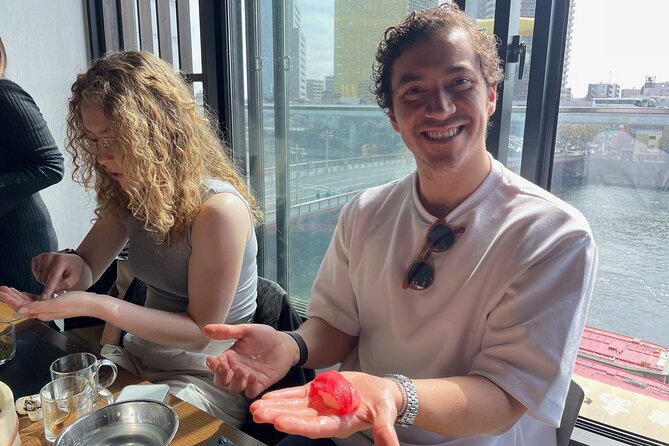
The best part of this Tokyo activity is simple: you do not just order sushi, you learn how to make it. In a class near Senso-ji Temple, an English-speaking instructor guides you through rolls and nigiri, then you sit down to eat your own work. I like the hands-on format and the useful tips you can take home. I also like that the class gives you a cultural lesson without turning lunch into a lecture.
The main consideration is the class size. The maximum is 30 people, so personal help may vary by session. The meeting point can also be a little tricky to find, so arrive about 15 minutes early.
Key points at a glance
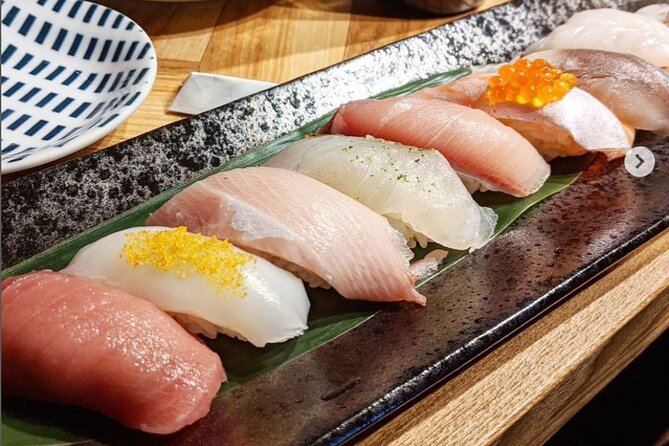
- Make both maki and nigiri: You learn rolled sushi and hand-formed sushi, not just one simple recipe.
- Eat what you prepare: The ingredients and meal are included, giving the class real value beyond a demonstration.
- English-speaking instruction: Instructors including Moe, Ken, Kazu, Arisa, Jun, and Kaori have led sessions with clear demonstrations and friendly guidance.
- A useful Asakusa location: The class begins at 2-chōme-17-9 Kaminarimon, close to Senso-ji Temple and public transportation.
- Good for families: Children as young as 6, as well as teenagers and adults, have taken part successfully.
- A compact Tokyo activity: The class lasts about 1 hour 40 minutes, making it easy to fit before or after sightseeing.
Making sushi beside Senso-ji in Asakusa
This class takes place in Kaminarimon, the traditional Asakusa district. That location matters. You can pair the lesson with a visit to Senso-ji, Nakamise shopping street, or the nearby lanes around the temple, turning one cooking class into part of a fuller morning or afternoon.
The meeting point is 2-chōme-17-9 Kaminarimon, Taito City, Tokyo 111-0034. It is close to public transportation, but the entrance may not be immediately obvious. I would save the address on your phone and allow extra time. Arriving 15 minutes early is sensible, especially if you are navigating Asakusa for the first time.
The neighborhood gives the class a useful setting. You are not cooking in an isolated resort kitchen. You are learning a familiar Japanese food in one of Tokyo’s most traditional districts, with the temple area just outside when the lesson ends.
The activity runs for about 1 hour 40 minutes. That is long enough for instruction, preparation, eating, and a few photographs, but short enough to fit into a busy Tokyo plan. It ends back at the same meeting point, with no hotel pickup or drop-off.
More Sushi and Japanese Classes in Tokyo:
- Tokyo: Roll and Authentic Sushi Making Class in Asakusa
★ 4.9 · 1,957 reviews - Tokyo: Sushi Making Class in a Happi Coat near a Famous Spot
★ 4.9 · 1,377 reviews - Sushi Making Tokyo! Popular Maki Sushi & Japanese Sushi(+Recipe!)
★ 5.0 · 1,314 reviews
The opening lesson: sushi is more than raw fish
The session begins with an introduction to sushi and its place in Japanese food culture. The teaching includes history, vocabulary, and the basic ideas behind preparing sushi properly.
That opening is useful because sushi can look effortless when it arrives at a restaurant. The rice must be handled correctly, fillings need to be placed with care, and nigiri requires a light touch. A short cultural explanation helps you understand why the food is prepared in certain ways instead of treating the class as a simple craft project.
The instruction is designed for international visitors. English-speaking teachers use spoken explanations and visual demonstrations, and some sessions include a video or presentation. That combination helps if you are not used to cooking from verbal instructions alone.
The teaching style also appears to vary slightly by instructor. Moe, Ken, Kazu, Arisa, Jun, Kaori, and Kyuto are among the names associated with recent classes. Some instructors bring a lively, energetic style, while others focus on calm, step-by-step guidance. The common thread is clear English instruction and a friendly approach.
You will also pick up a few Japanese food words along the way. That small language lesson is practical. It gives you something useful to recognize when you visit a sushi restaurant later in your trip.
Rolling maki without making a ricey mess
The first major hands-on section focuses on sushi rolls, often called maki. You work with prepared ingredients and follow the instructor’s demonstration before making your own.
This is where the class earns its keep. Rolling sushi at home can seem intimidating because the process looks precise. The teacher shows you how to arrange the rice and fillings, how to handle the rolling mat, and how to form a firm cylinder without crushing the ingredients.
You do not need cooking experience. The lesson is built for beginners, and the instructors demonstrate each step before you try it. If your first roll is not perfectly shaped, that is part of the fun. The edible result matters more than a restaurant display.
The ingredients are supplied as part of the class, and the amount is enough to make a full meal. That point comes up repeatedly in the feedback, and it is worth stressing: this is not a tiny sample followed by a separate lunch bill. You prepare a substantial amount of sushi and eat it afterward.
For families, the roll-making section gives children a clear task. Younger participants can help arrange fillings and roll the mat, while older children and adults can concentrate on shaping and cutting. The experience has worked well for families with children aged 6, 8, 10, and 13, although children will still need to follow the instructor’s directions around food preparation.
Forming nigiri with a lighter touch
The class also covers nigiri, the hand-formed style made with a small mound of rice and a piece of fish or another topping. This is a different skill from rolling sushi.
Nigiri looks simple, but the shape and pressure matter. Press too hard and the rice becomes dense. Handle it too loosely and it falls apart. A live teacher can show you the right movement and correct your technique more easily than a recipe can.
The fish and rice are described as high quality, which makes a difference when you finally sit down to eat. The class is not only about learning a technique. You also get to taste the ingredients in the form you have prepared.
The instructors keep the process accessible. You are not expected to become a sushi chef in one afternoon. The practical goal is to understand the basic method well enough to try it at home and to feel less intimidated the next time you watch sushi being made.
That distinction is important. If you want advanced knife work, specialist seafood preparation, or professional chef training, this is not the right class. If you want a clear introduction to rolls and nigiri, it fits much better.
More Hands-On Workshops in Tokyo:
- Tokyo Sushi Making Class in Tsukiji with Professional Chef
★ 5.0 · 1,177 reviews - Ramen & Gyoza Cooking Class in Tokyo with Local Supermarket Visit
★ 5.0 · 823 reviews - Tokyo: Tsukiji Fish Market Sushi Making Class with Pro Chef
★ 4.9 · 506 reviews - Tokyo: Sushi Making Class
★ 4.9 · 390 reviews
Lunch is the reward for doing the work
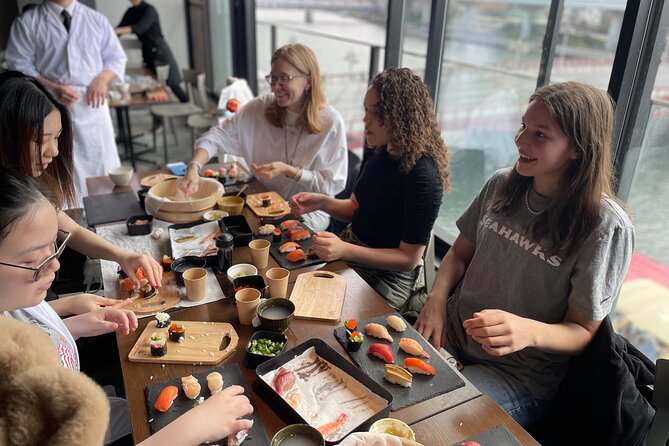
After the preparation, you eat the sushi you made. This is the most satisfying part of the experience because the meal has a clear connection to the lesson.
You can see where the rice, fish, and fillings went, and you have a better sense of the effort behind a neat restaurant plate. Even imperfect rolls taste good when you made them yourself. The meal also gives the class a relaxed social finish, with time to compare results and take photographs.
The food is included in the $59.69 price. For Tokyo, that is a fair rate for an activity that combines instruction, ingredients, and lunch. A basic sushi meal might cost less, but it would not teach you anything. A more advanced cooking lesson could cost more and take longer. This sits in the middle as a practical food activity rather than a luxury culinary course.
The meal is also useful for families. You do not need to find a second restaurant immediately after the class, and the portion of sushi is intended to function as lunch. Picky younger eaters may find the hands-on element appealing, though the available ingredients and any allergy accommodations are not specified, so ask before booking if that is important to you.
A friendly teaching style, with some variation by session
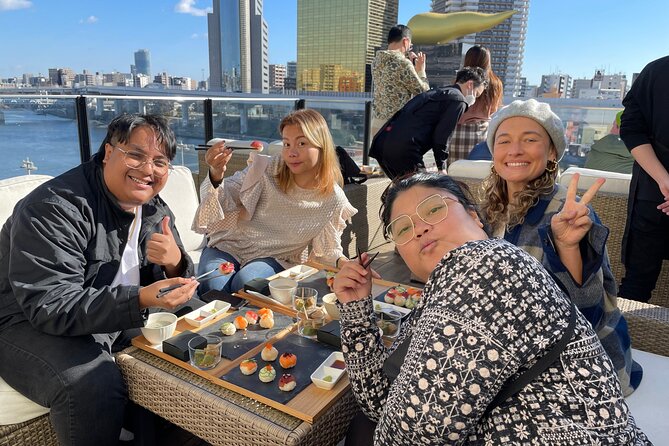
The strongest feature of the class is the instruction. The teachers are described as patient, energetic, welcoming, and easy to follow. They use demonstrations and table-side help rather than simply handing you a recipe.
Names such as Moe, Ken, Kazu, Arisa, Jun, and Kaori appear in connection with especially well-liked sessions. Kazu has been praised for making the class feel fun while still explaining the process in detail. Ken has led an entertaining session for a mixed-age group. Moe and her assistant have been noted for explaining Tokyo and the role of sushi in Japanese culture.
You should not assume that one particular instructor will lead your class unless your booking confirms it. Still, the range of positive comments suggests a consistent teaching system rather than one individual carrying the whole experience.
The tone is light. One instructor uses the playful phrase hoi, hoi, hoi while teaching, which gives the class a relaxed feel. That may appeal to families and couples looking for a social activity. If you prefer a quiet, formal cooking school, the energy may feel a little high.
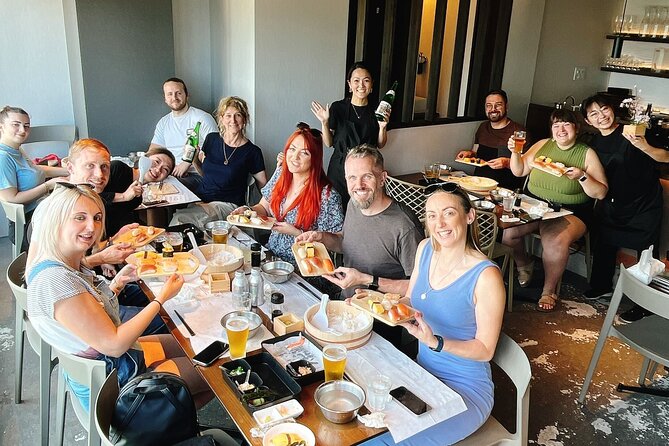
The maximum group size is 30. That is not a tiny private lesson, and you may share the room with a substantial group. On the other hand, the format includes demonstrations and instructor assistance, and some sessions have been described as small or well organized. Your amount of personal attention may depend on attendance that day.
Who will get the most from this class
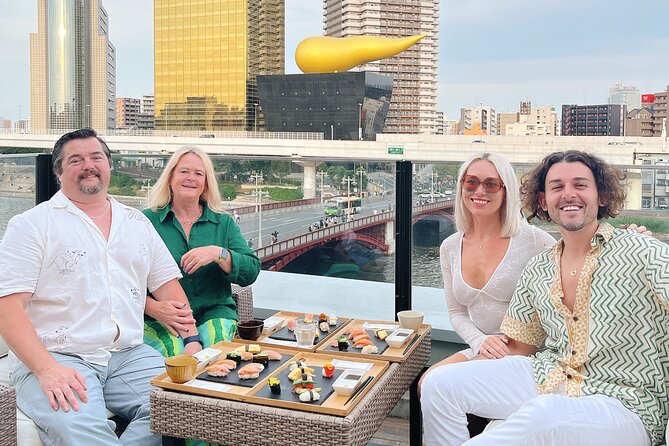
I would recommend this activity to first-time sushi makers, couples, families, and anyone who wants a break from temples and observation decks. It creates a shared task, which is often more memorable than another guided walk.
It suits children particularly well because the process has visible stages. They can watch, copy, and then eat the result. Parents should still expect to help younger children stay focused during the explanation.
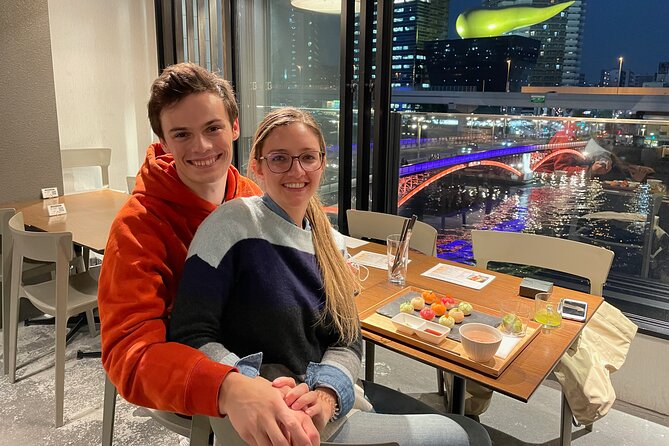
The class also works for a honeymoon or special trip. It is a low-pressure activity with a meal at the end, and it gives you something to do together rather than simply choosing a restaurant.
You will get less from it if you already make sushi regularly or want a highly technical lesson. The class is aimed at beginners and tourists, and one direct assessment describes it as a fun, simplified experience rather than a fully traditional professional apprenticeship.
That is not a flaw for most people. It tells you exactly what to expect. You are learning useful basics, hearing about Japanese food culture, and having lunch in a social setting.
Fitting the class into your Tokyo day
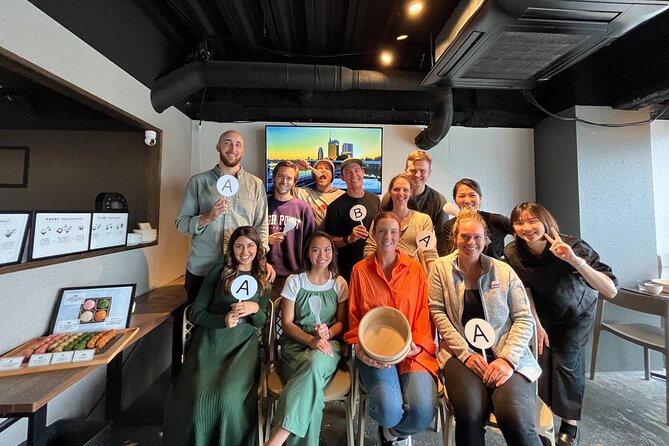
The Asakusa location makes planning easy. Schedule the class alongside Senso-ji and Kaminarimon Gate, since the meeting point is close to both. You can visit the temple before the lesson or afterward, depending on your start time and the opening hours of other sights on your plan.
Leave a buffer before the start. The address is precise, but finding a particular building in Tokyo can take longer than expected. A mobile ticket is provided, so keep your booking accessible on your phone.
The activity is especially convenient on a day when you want one organized event but do not want to lose half a day. At roughly 100 minutes, it leaves room for shopping, sightseeing, or another meal later.
There is no hotel transportation. You make your own way to Kaminarimon and return to that location at the end. The area is near public transportation, and service animals are allowed.
The class is offered with free cancellation up to 24 hours before the start time. Canceling less than 24 hours ahead, or making changes inside that period, does not qualify for a refund. Tokyo plans can shift quickly, so check your schedule before the cutoff.
Is $59.69 a good deal?
At $59.69 per person, the value depends on what you want from a food activity. You receive an English-speaking instructor, the cooking ingredients, instruction in two sushi styles, cultural background, and the meal you prepare.
That is stronger value than a demonstration with a small tasting portion. You are actively involved from start to finish, and the food serves as lunch afterward. The class also saves you the trouble of finding a separate meal immediately after the activity.
The price is less compelling if your only goal is to eat inexpensive sushi. Tokyo has many restaurants where you can buy sushi for less. This class earns its price through the lesson, the social setting, and the memory of making the food yourself.
The maximum group size of 30 is the main value question. You are paying for a shared class, not a private chef. If hands-on attention is your top priority, book with the understanding that the amount of help can vary by group size.
Should you book Sushi Making Tokyo?
Book it if you want an easy, social introduction to sushi and like the idea of eating lunch you prepared yourself. The combination of clear English instruction, a central Asakusa location, family-friendly pacing, and useful beginner techniques makes it a strong add-on to a Tokyo itinerary.
I would especially choose it for families, couples, and first-time visitors who want one activity that is cultural, practical, and fun without taking all day. Arrive early, keep your phone ticket ready, and plan Senso-ji around the class.
Skip it if you already have serious sushi-making experience or want advanced chef training. For everyone else, $59.69 buys more than lunch. It buys a short lesson you can remember and perhaps repeat at home.
FAQ
How long does the sushi class last?
The activity lasts approximately 1 hour 40 minutes.
Where does the class meet?
The meeting point is 2-chōme-17-9 Kaminarimon, Taito City, Tokyo 111-0034, Japan.
Does the class end at the meeting point?
Yes. The activity ends back at the same meeting point.
Is lunch included?
Yes. The cooking ingredients and the meal you prepare during the class are included.
Is an English-speaking instructor provided?
Yes. The class includes an English-speaking instructor.
Do I need cooking experience?
No. The class is designed for beginners, and no cooking experience is required.
How many people can join the class?
The maximum group size is 30 people.
Can I cancel for a full refund?
Yes, if you cancel at least 24 hours before the experience start time. Cancellations or changes made less than 24 hours before the start time are not refunded.
Just added around Tokyo
- Tokyo: Tsukiji Market Walking Tour & Sushi Cooking Class★ 4.6 · 122 reviews
- Tokyo: Tsukiji Market Guided Tour & Sushi-Making Experience★ 4.4 · 11 reviews
- Tokyo: Sushi Cooking Class with Sake Tasting★ 4.8 · 55 reviews
- Sushi-Making Experience★ 4.7 · 4 reviews
- Tokyo: Sushi and Ramen Cooking Class with Sake Pairing Set★ 5.0 · 81 reviews
- Tokyo: Kawaii Bento Cooking Class – Cute Character Lunchbox★ 4.9 · 55 reviews
- Tokyo: Learnt to cook Bento, Oyakodon and More!★ 5.0 · 5 reviews
- Tokyo: Real Ramen & Dumpling Cooking with Master Chef★ 5.0 · 10 reviews
Japanese & Sushi Cooking Classes, compared.
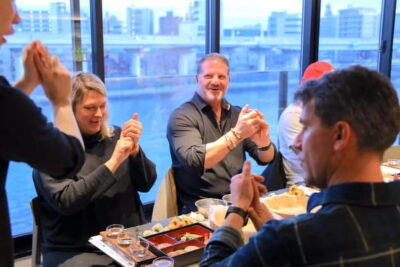
Tokyo: Roll and Authentic Sushi Making Class in Asakusa
Read our review →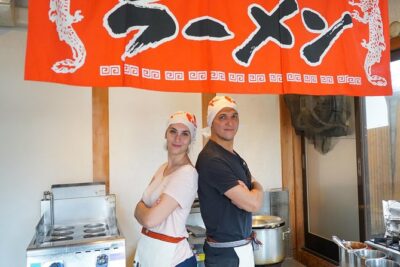
Ramen Cooking Class at Ramen Factory in Kyoto
Read our review →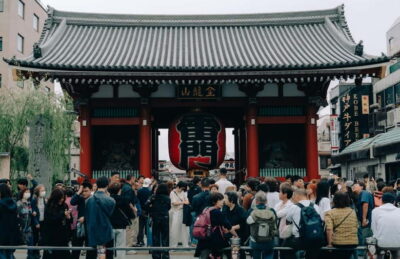
Tokyo: Sushi Making Class in a Happi Coat near a Famous Spot
Read our review →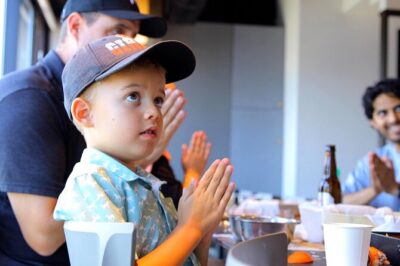
Sushi Making Tokyo! Popular Maki Sushi & Japanese Sushi(+Recipe!)
Read our review →
Sushi Making Osaka Roll and Authentic Japanese Sushi Class
Read our review →
Tokyo Sushi Making Class in Tsukiji with Professional Chef
Read our review →
Ramen & Gyoza Cooking Class in Tokyo with Local Supermarket Visit
Read our review →
Tsukiji Fish Market Guided Tour and Sushi Making with Pro Chef
Read our review →Browse the lists this tour appears in