
Review · CHINESE
Tokyo: Real Ramen & Dumpling Cooking with Master Chef
The most memorable part of this Tokyo cooking class is the final ramen assembly, when you boil the noodles, use the classic draining technique, and build the bowl yourself. I like the small group size, which allows chef Yoshi and Amo to answer questions, and I like that you make both ramen and five gyoza rather than watching a demonstration. The main catch is the location: Ekoda is outside the usual central Tokyo sightseeing circuit, and you must take a local Seibu Ikebukuro Line train.
You also get the recipes by email, making the $99 price more useful after your trip. Vegetarian ramen is possible, but you must request it before the class. Arrive 15 minutes early, since a late arrival may shorten your cooking time.
Key points to know before booking
- Learn from a chef with overseas restaurant experience: Yoshi previously ran a restaurant in Sydney and trained in well-known Japanese ramen kitchens.
- Cook two Japanese staples in one class: You prepare ramen and five gyoza, then eat the finished meal.
- Expect a very small class: The group may have up to four participants, giving you plenty of direct help.
- Use the correct train: Ekoda Station is on the Seibu Ikebukuro Line, not the JR network, and rapid trains do not stop there.
- Tell the host about vegetarian ramen early: Same-day vegetarian requests cannot be accommodated.
- Take the method home: Recipes are sent after the class, so the experience continues in your own kitchen.
What this Tokyo ramen class is really like
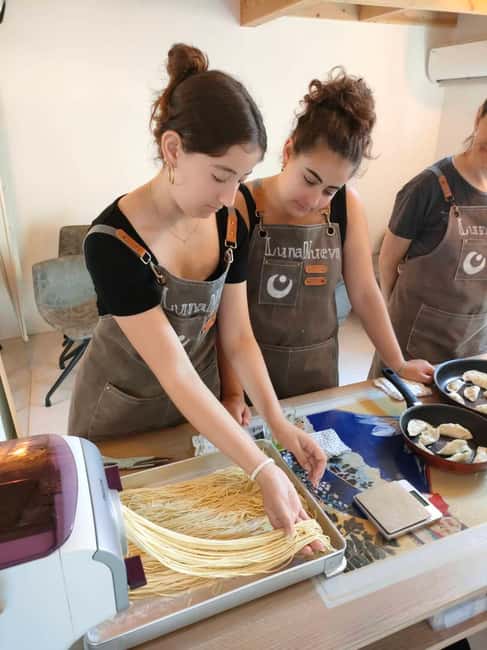
This is not a class where you sit behind a counter and watch someone make a perfect bowl. The appeal is getting your hands into nearly every stage of the meal, with the chef setting up the more time-consuming ingredients in advance.
The basic soup, ramen sauce, fragrant oil, and chashu are prepared for you. That keeps the two-hour schedule realistic and lets you focus on the parts that teach useful technique. You still see how the components come together, but you are not spending most of the session waiting for broth to cook.
You work with Yoshi and Amo in English. Yoshi brings an unusual mix of experience: he has run a restaurant in Sydney and trained in Japanese ramen kitchens. That background matters because he can explain both the food itself and the practical side of serving it in a restaurant.
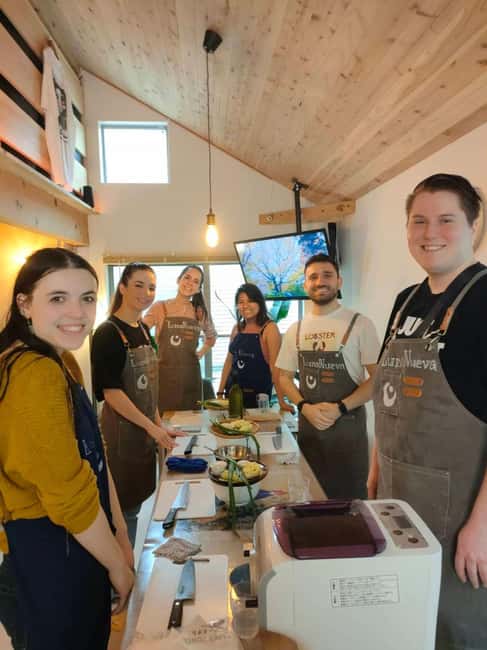
The class may have only four participants. For you, that means less standing around and more chances to ask why an ingredient is handled a certain way. It also makes the class a good fit if you want instruction rather than a quick food activity designed mainly for photographs.
More Sushi and Japanese Classes in Tokyo:
- Sushi Making Tokyo Roll and Authentic Japanese Sushi Class
★ 5.0 · 3,971 reviews - Tokyo: Roll and Authentic Sushi Making Class in Asakusa
★ 4.9 · 1,957 reviews - Tokyo: Sushi Making Class in a Happi Coat near a Famous Spot
★ 4.9 · 1,377 reviews
Starting with nitamago and ramen toppings
The first cooking task is making semi-soft boiled eggs, known as nitamago once seasoned. The goal is a runny center that works with hot soup and noodles without turning into a hard-boiled side dish.
You then prepare the ramen toppings. The listed ingredients include seasoned egg, slow-cooked chashu, seaweed, sliced spring onion, and wood ear fungus. Each adds a different texture or flavor, so this part helps explain why a simple-looking ramen bowl has several separate components.
The class gives you a useful lesson in timing. Ramen is not one recipe that can be finished at your leisure. The soup, noodles, toppings, oil, and sauce must meet in the bowl at the right moment. Preparing the toppings first makes that final assembly much easier.
One small point needs clarification. The included menu describes the chashu as slow-cooked chicken, while one food description from a participant refers to pork. If the meat matters to you for dietary or religious reasons, ask Yoshi for the current chashu ingredient before booking.
Folding five gyoza by hand
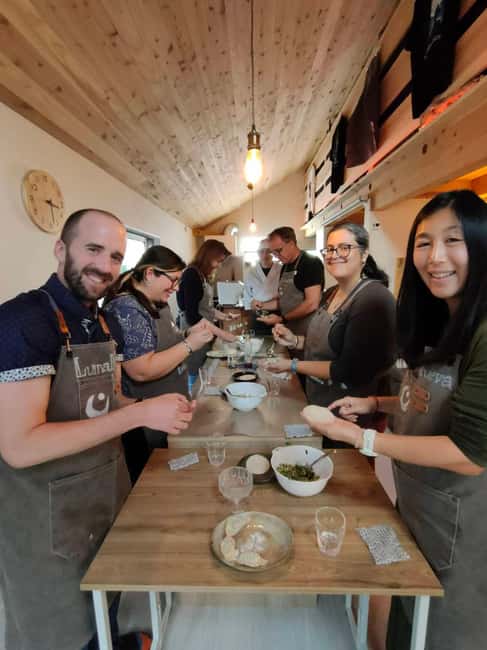
After the toppings, you prepare the gyoza filling. You slice and combine the ingredients, then fold five dumplings yourself.
Five is a useful number for a short class. You have enough pieces to improve as you go, but not so many that the folding becomes repetitive. Your first dumpling may look modest, while the fifth should give you a better feel for sealing the wrapper and keeping the filling inside.
This is one of the more social parts of the session. You can compare shapes with the other people in the room, and the small class size means the instructors can correct your technique without making you feel rushed.
The gyoza are then cooked until hot and properly browned. The class does not treat them as a separate lecture. They become part of the meal you eat at the end, which gives the exercise a clear reward.
Seasoning chashu and preparing the final bowl
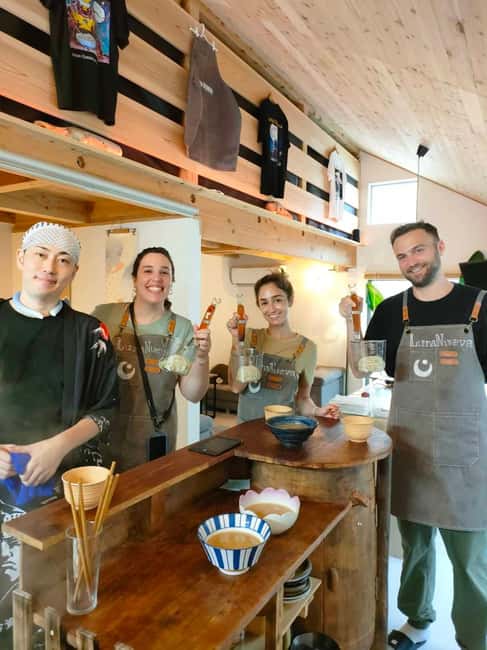
The chashu is infused with its flavors before the final cooking stage. Since the slow cooking has already been handled, you can concentrate on how the meat is seasoned and how it fits into the finished ramen.
This is a good example of the class balance. You do not make every ingredient from the very beginning, because that would not fit into two hours. Instead, you learn the assembly, seasoning, and handling steps that are most useful for recreating ramen at home.
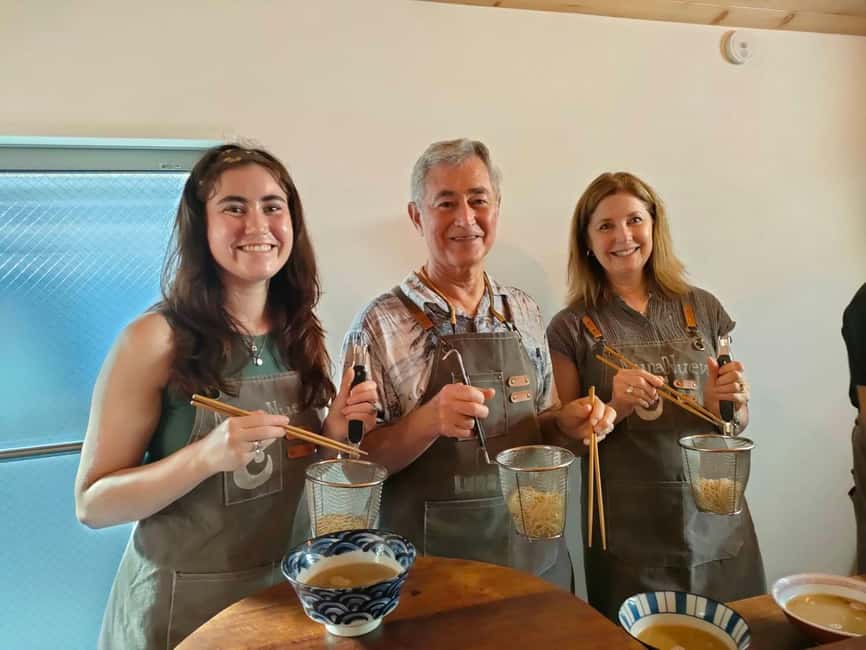
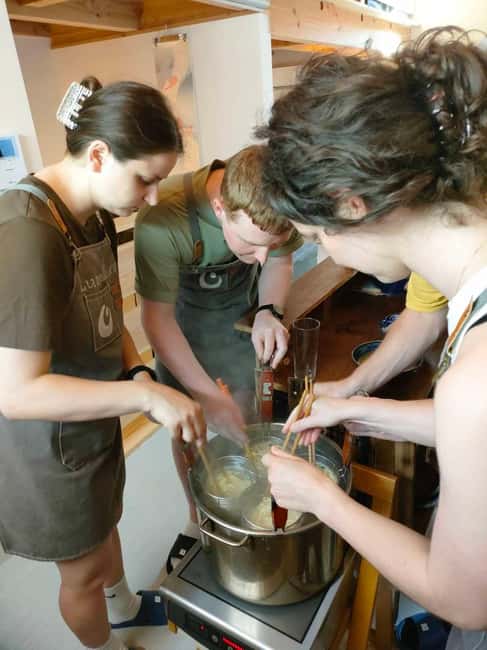
The soup comes together near the end. You combine the prepared elements, boil the noodles, and learn the noodle-draining technique. The draining motion is practical, but it is also one of the fun visual moments of the class. You lift and shake the noodles so excess water does not dilute the soup.
That last point is easy to overlook. Noodles carry cooking water into the bowl, and too much of it can weaken the broth. The class shows you that ramen texture and flavor depend on small actions, not only on buying the right ingredients.
More Chinese Cooking Classes in Tokyo:
- Ramen & Dumpling Cooking in Tokyo with Chef/Vegan possible
★ 5.0 · 107 reviews - Warsaw’s No 1 cooking class-Polish dumplings with liqueur tasting
★ 5.0 · 576 reviews - Gyoza Cooking Class in Kyoto: Traditional Japanese Dumplings
★ 5.0 · 210 reviews - Flavors of Beijing: Eat Like A Real Chinese
★ 5.0 · 78 reviews
The final ramen assembly and meal
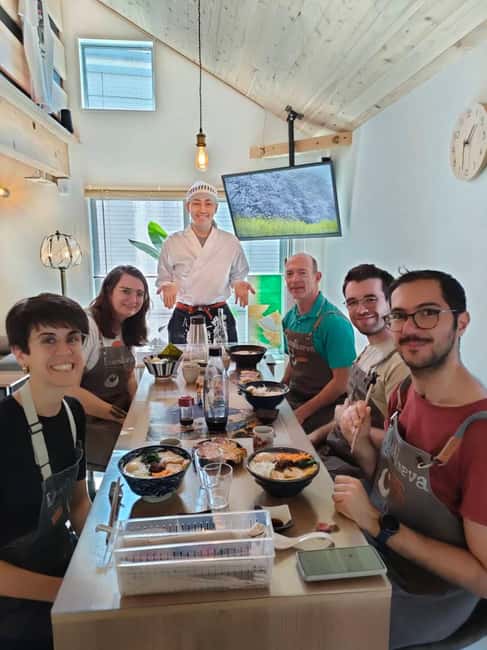
The grand finale is building the bowl. You place the noodles in the soup, arrange the toppings, and finish the ramen with the ingredients you prepared earlier.
I like this structure because you can see how each separate item contributes to the finished dish. The egg adds richness, the seaweed brings a savory note, the spring onion adds freshness, and the wood ear fungus gives the bowl a firmer texture. Chashu makes the meal more substantial.
You also eat five gyoza with the ramen. The portions have been described as generous, so plan to sit down hungry. One participant found the meal too large to finish, which is useful to know if you are a light eater.
The food is the strongest measure of value here. You are not paying only for two hours of entertainment. You are paying for instruction, ingredients, a full meal, and recipes you can use later. At $99 per person, that is a serious price for a short activity, but it compares more favorably if you want a hands-on lesson and not simply a bowl of ramen from a restaurant.
Yoshi and Amo make the difference
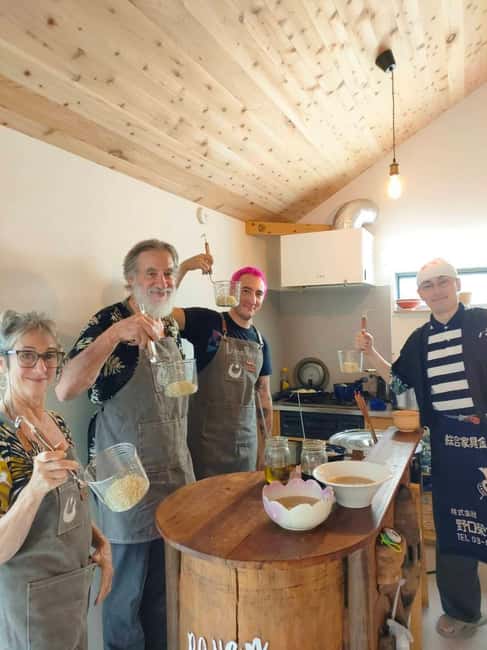
The class depends heavily on the instructors. Yoshi brings professional ramen experience, while Amo helps welcome participants, guide the cooking, and answer questions.
You can expect the instruction in English. The class is aimed at people who want to understand the process, so you are encouraged to ask about the food, preparation, and Japanese ramen culture. The instructors also share stories from the ramen world, which adds context beyond the recipe itself.
Their patience is especially useful for first-time cooks. Gyoza folding and noodle handling may look simple when done by a professional, but they take practice. Having someone nearby who can show the movement again is a real advantage.
The personal setting also gives the experience a different feel from a large culinary school. The atmosphere has been described as warm and welcoming, with cooking treated as part of daily life rather than a formal performance. That can be appealing if you want a more local-feeling activity.
Getting to Ekoda Station without a wrong turn
The meeting point is outside the ticket gate at Ekoda Station, at 1 Chome-78 Asahigaoka in Nerima City. Ekoda is on the Seibu Ikebukuro Line, not the JR network.
This is the detail most likely to cause trouble. Do not search only for a JR route, and do not board a rapid train. Rapid services do not stop at Ekoda, so take a local train.
A host waits at the station 15 minutes before the class and leads you onward. You should arrive at least 15 minutes before the start time, not at the scheduled starting time. Late arrival may reduce the cooking session, which matters in a tightly planned two-hour class.
The meeting instructions list a phone number, +81 80 7262 1175, and suggest adding it to WhatsApp. That can help if you have Wi-Fi but no mobile service. Save the details before leaving your hotel, since a station mistake can be hard to fix at the last minute.
Ekoda is not presented as a separate sightseeing stop in the experience, so plan this as a dedicated food activity rather than something you casually fit between major central Tokyo sights.
Is $99 a fair price?
At $99, this is not a bargain meal. You can find cheaper ramen in Tokyo, and a restaurant bowl requires no advance planning or cooking effort.
The value comes from the combination of food and instruction. You prepare the ramen toppings, nitamago, gyoza filling, five dumplings, chashu seasoning, soup, noodles, and final bowl. You also receive the recipes after the class, which gives the payment some lasting value.
The small group is another reason the price can make sense. With no more than four participants, you have a better chance of receiving individual help than in a large cooking workshop. English instruction also saves you from guessing your way through a Japanese-only lesson.
The price is less convincing if you only want to eat ramen or if you already make ramen regularly. It is more convincing for couples, families, and home cooks who want a practical skill to take back from Japan.
Optional merchandise has also been associated with the experience, including self-designed shirts and custom aprons. These should not be treated as part of the $99 package unless confirmed when you book.
Who will enjoy this class most?
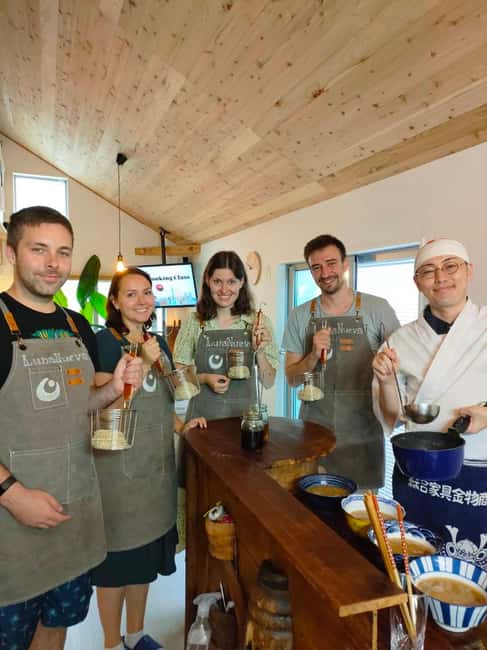
I would recommend this for anyone who loves ramen but wants to understand how the bowl is built. It works particularly well for couples and families because the tasks can be shared, and the final meal gives everyone something to enjoy together.
It also suits first-time cooks. You do not need to arrive with professional knife skills, and the chef and assistant can guide you through the folding and assembly. The written recipes make it easier to repeat the meal later.
This is a good pick for a food-focused Tokyo itinerary, especially near the end of a trip. You get a meal, a story to remember, and a recipe connected to your time in Japan.
You may want to choose another activity if your schedule is packed around Shibuya, Asakusa, or Tokyo Station. Ekoda requires a separate trip, and the two-hour class becomes less relaxing if you are trying to squeeze in several other attractions.
Vegetarians can join only if they arrange the vegetarian ramen option in advance. The host cannot accommodate that request on the same day, so do not assume you can decide after arriving.
What the strong feedback tells you
The most consistent praise centers on the instruction, friendliness, English communication, and taste of the finished food. Yoshi and Amo are repeatedly described as patient and welcoming, with clear explanations and plenty of time for questions.
The meal itself receives strong marks, including praise for the chashu and the generous portions. That is important because some cooking classes offer small tasting portions. Here, you are preparing a full ramen meal with five gyoza.
People also value the recipes sent after the session. That turns the class from a one-off holiday activity into something you can try again at home. You may not find every Japanese ingredient easily, but the method gives you a starting point.
The feedback is uniformly positive, with a five-star rating from 10 verified bookings. That is encouraging, though it is still a small sample. The practical concerns remain the same: get to the correct station, arrive early, and arrange vegetarian ramen before the day of the class.
Final verdict: should you book it?
Book this class if you want a hands-on food lesson, enjoy small groups, and are happy to travel beyond central Tokyo for a meal you help create. The combination of ramen, five gyoza, English instruction, professional experience, and take-home recipes gives the $99 fee a reasonable purpose.
I would be especially inclined to book it for a couple or family that cooks together. You will not just eat ramen. You will learn the order of work, the timing, the toppings, and the noodle technique that make the bowl come together.
Skip it if your main goal is the cheapest possible meal or if your Tokyo schedule leaves no room for the trip to Ekoda. For everyone else, this is a practical and personal way to understand one of Japan’s most loved dishes.
FAQ
How long does the ramen and gyoza class last?
The class lasts two hours.
How much does the experience cost?
The listed price is $99 per person.
Where is the meeting point?
The meeting point is outside the ticket gate at Ekoda Station, at 1 Chome-78 Asahigaoka, Nerima City, Tokyo 176-0005.
Which train line serves Ekoda Station?
Ekoda Station is on the Seibu Ikebukuro Line, not the JR Line. Use a local train because rapid trains do not stop at Ekoda.
How early should I arrive?
Arrive at least 15 minutes before the class begins. Late arrival may reduce the length of your cooking session.
Is the class taught in English?
Yes. The instructor language is English.
Can I request vegetarian ramen?
Yes, but you must request vegetarian ramen in advance. Same-day requests cannot be accommodated.
What food is included?
You prepare and eat ramen, five gyoza, ramen toppings, nitamago, slow-cooked chashu, seaweed, sliced spring onion, and wood ear fungus.
Do I receive the recipes after the class?
Yes. The recipes are sent after the lesson.
Just added around Tokyo
- Tokyo: Tsukiji Market Walking Tour & Sushi Cooking Class★ 4.6 · 122 reviews
- Tokyo: Sushi Cooking Class with Sake Tasting★ 4.8 · 55 reviews
- Sushi-Making Experience★ 4.7 · 4 reviews
- Tokyo: Tsukiji Market Guided Tour & Sushi-Making Experience★ 4.4 · 11 reviews
- Tokyo: Sushi and Ramen Cooking Class with Sake Pairing Set★ 5.0 · 81 reviews
- Tokyo: Kawaii Bento Cooking Class – Cute Character Lunchbox★ 4.9 · 55 reviews
- Tokyo: Learnt to cook Bento, Oyakodon and More!★ 5.0 · 5 reviews
- Tokyo: Night Cooking Class: 5 Home-Cooked Japanese Dishes★ 4.9 · 13 reviews
Japanese & Sushi Cooking Classes, compared.
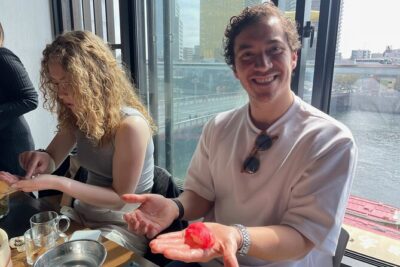
Sushi Making Tokyo Roll and Authentic Japanese Sushi Class
Read our review →
Tokyo: Roll and Authentic Sushi Making Class in Asakusa
Read our review →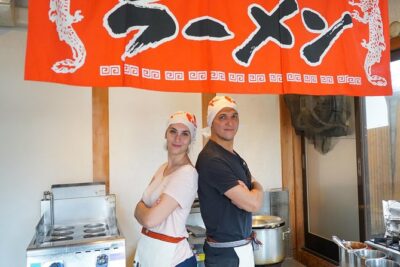
Ramen Cooking Class at Ramen Factory in Kyoto
Read our review →
Tokyo: Sushi Making Class in a Happi Coat near a Famous Spot
Read our review →
Sushi Making Tokyo! Popular Maki Sushi & Japanese Sushi(+Recipe!)
Read our review →
Sushi Making Osaka Roll and Authentic Japanese Sushi Class
Read our review →
Tokyo Sushi Making Class in Tsukiji with Professional Chef
Read our review →
Ramen & Gyoza Cooking Class in Tokyo with Local Supermarket Visit
Read our review →Browse the lists this tour appears in