
Review · TOKYO
Tokyo: Sushi Making Class in a Happi Coat near a Famous Spot
The best part of this Tokyo activity is that you do not just watch a chef work. You shape the rice, handle the fish, and sit down to eat sushi you made yourself. The happi coat adds a playful Japanese touch, while instructors such as Hide, Mikoto, Ami, and Masa keep the lesson relaxed and easy to follow.
I like the hands-on format and the fact that the food becomes a proper meal, not a token tasting. I also like the small-group feel, with one instructor sometimes working with about five people. The main consideration is that the meeting point can vary by booking option, and vegetarian, vegan, or gluten-free requests must be sent ahead of time.
Key points to know before booking
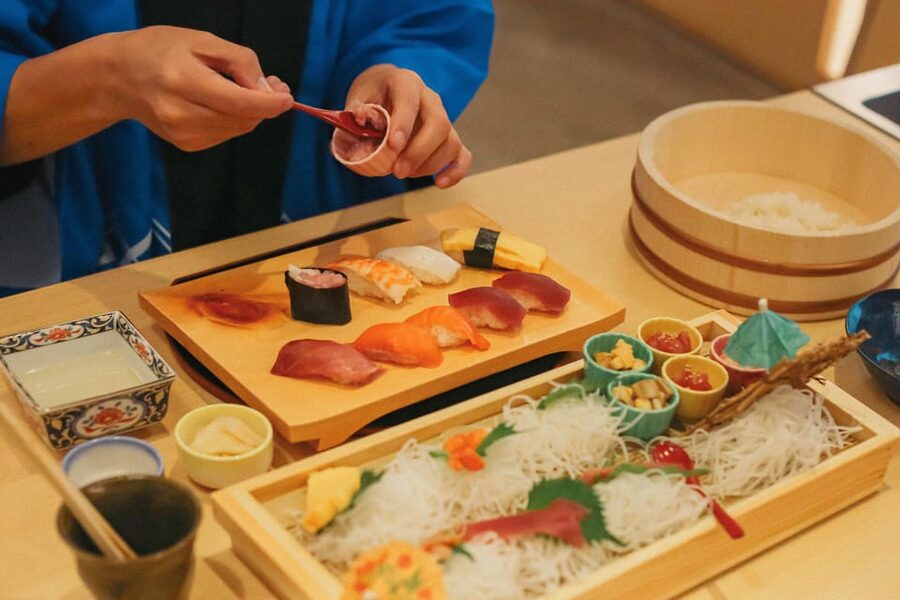
- Make and eat a full sushi meal: The portions can be generous enough to serve as lunch.
- Learn more than one style: Nigiri with tuna and salmon is central, while several sessions also include maki or other rolls.
- Wear a happi coat: The traditional tube-sleeved coat makes for fun photos and gives the class a distinctly Japanese feel.
- Expect patient instruction: English and Japanese are offered, with step-by-step help for complete beginners.
- Plan allergy requests early: Vegetarian, vegan, and gluten-free options are available only when requested in advance.
- Budget-friendly for Tokyo: At $42 per person, the class combines instruction, ingredients, entertainment, and a meal.
What the 90-minute Tokyo sushi class is really like
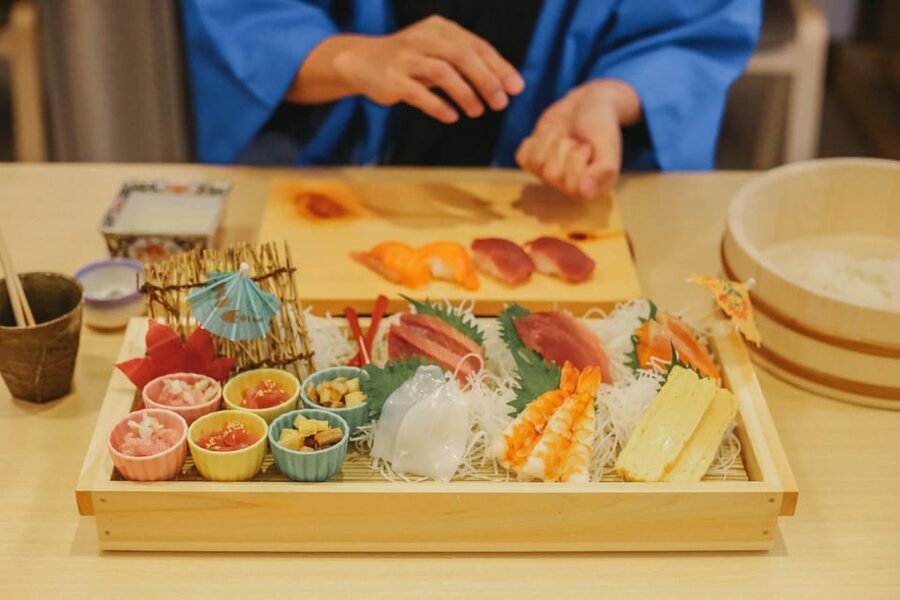
This is a short, practical introduction to sushi making near a well-known Tokyo sightseeing area. SUSHI GARYU supplies the cooking class, ingredients, and instructor, so you can arrive ready to work rather than shop for supplies or prepare anything in advance.
The class lasts 90 minutes. That is long enough to learn the basic movements, make several pieces, and eat what you prepare, but short enough to fit neatly into a busy Tokyo day. I would plan it as a morning activity before sightseeing, or as an early lunch followed by a temple and market visit.
The lesson is designed for beginners. You do not need prior kitchen experience, and the instructors break the process into small steps. The strongest part of the format is the balance between demonstration and practice. You first watch the chef explain the technique, then copy the movement with help close by.
More Sushi and Japanese Classes in Tokyo:
- Sushi Making Tokyo Roll and Authentic Japanese Sushi Class
★ 5.0 · 3,971 reviews - Tokyo: Roll and Authentic Sushi Making Class in Asakusa
★ 4.9 · 1,957 reviews - Sushi Making Tokyo! Popular Maki Sushi & Japanese Sushi(+Recipe!)
★ 5.0 · 1,314 reviews
From sushi lesson to lunch
The class focuses on nigiri, the simple-looking style made by placing fish over a small block of seasoned rice. Tuna and salmon are the featured ingredients, both familiar choices for first-time sushi makers. You learn that the shape, size, and pressure of the rice matter just as much as the fish on top.
Nigiri looks easy until you try to form it. Too much pressure makes the rice dense. Too little pressure makes it fall apart. A patient instructor can correct those small errors quickly, which is why the class is more useful than simply watching a video at home.
Several sessions also teach maki, and some participants describe making rolls or onigiri-style preparations. The exact mix may depend on the class setup, so if one particular sushi style matters to you, ask when booking. The key point is that you are not limited to watching a chef prepare a finished plate.
At the end, you eat the sushi you made. This gives the activity real value. You leave with a meal, not just a short demonstration and a few bites. Portions have been described as generous, so this can replace lunch for many people.
Why the happi coat is more than a photo prop
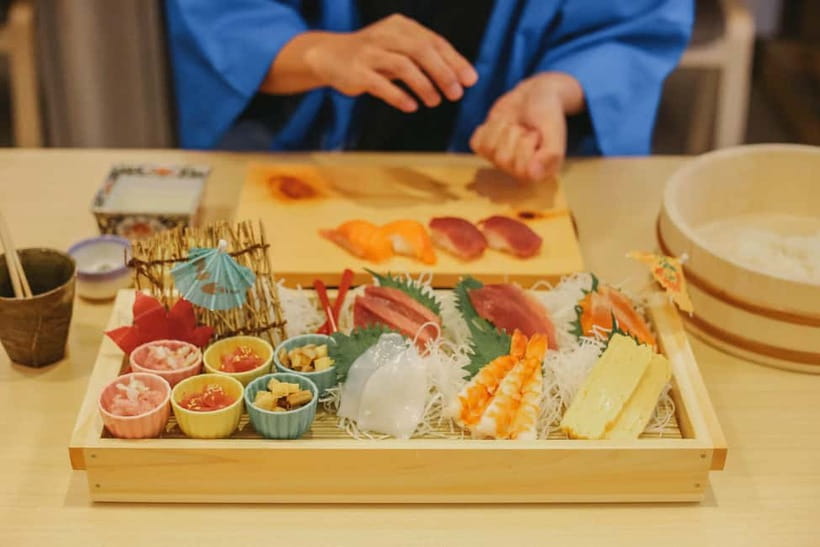
Before you start, you put on a happi, a traditional Japanese coat with wide, tube-like sleeves. It gives the lesson a cheerful visual identity and makes the photos more memorable than standard cooking-class snapshots.
The coat is also a useful signal that this is meant to be a cultural activity, not only a food lesson. You learn a few sushi techniques while taking part in a simple piece of Japanese presentation and dress. Instructors may also take photos or videos during the class, giving you a record of the process.
I would not book this solely for the outfit. The food and instruction are the main reasons to go. Still, the happi makes the session especially appealing for families, couples, and friends who want an activity with a light, social mood.
The instructors make the difference
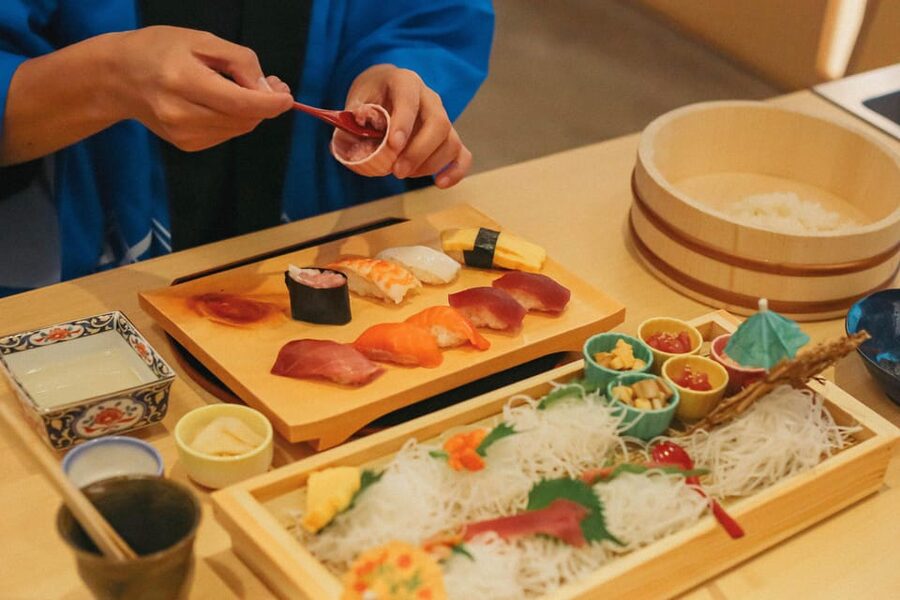
The teaching staff changes, so your experience will depend partly on who leads the session. Names associated with the class include Hide, Mikoto, Mitsuko, Kohji, Ami, Emi, Masa, Mai, Miwa, Mizuki, and Rikuri.
The consistent strength is patient, friendly instruction. Hide has been praised for combining sushi skill with humor. Mikoto is described as an especially effective teacher, while Ami has helped beginners make both maki and nigiri without making the process feel difficult. Masa and Mai are also noted for clear, easy-to-follow teaching.
English and Japanese are available. English ability can vary slightly by instructor, but many sessions are led in clear English. One participant specifically praised the guide’s fluent English and travel recommendations, while another appreciated being able to discuss both Japanese and international culture after the cooking ended.
The instructors also seem willing to answer questions beyond the basic recipe. You can ask about sushi technique, ingredients, or places to eat during the rest of your Tokyo visit. That informal exchange is one of the more valuable parts of a small class.
More Hands-On Workshops in Tokyo:
- Tokyo Sushi Making Class in Tsukiji with Professional Chef
★ 5.0 · 1,177 reviews - Ramen & Gyoza Cooking Class in Tokyo with Local Supermarket Visit
★ 5.0 · 823 reviews - Tokyo: Tsukiji Fish Market Sushi Making Class with Pro Chef
★ 4.9 · 506 reviews - Tokyo Tsukiji Fish Market Tour and Sushi Making Lesson
★ 5.0 · 390 reviews
Small groups, shared tables, and private-feeling sessions
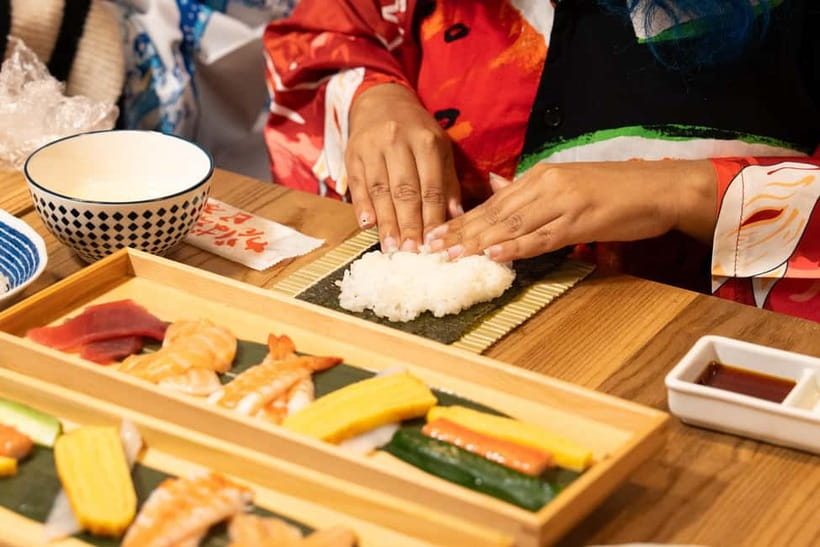
Group size can change. One session had about five people per host, while another became a private lesson because only two people booked that time. At busy times, you may share a table with other customers.
That arrangement has both benefits and limits. A small group gives you more chances to ask questions and receive hands-on correction. It also makes the class feel social without turning it into a large demonstration. If you happen to be the only booking, you may get unusually personal attention, but you should not assume that will happen.
The shared setting can be good for couples, families, and solo visitors who enjoy meeting people. If you want complete privacy, check the booking conditions rather than counting on an empty class. The activity is designed to work in either a small group or a more intimate session.
Fresh ingredients and useful skills for home
The class uses ingredients prepared for the lesson, including tuna and salmon for nigiri. The appeal is not only freshness, but also learning how to handle familiar ingredients properly.
You learn practical points such as how to form the rice, place the topping, and roll sushi without making the filling spill out. These are simple skills, but they are exactly the sort that can make home sushi less frustrating. Several people left feeling able to try it again in their own kitchens.
You should keep your expectations realistic. A 90-minute class will not turn you into a professional sushi chef. It will, however, give you a useful first method and enough confidence to make simple sushi at home. That is a good result for a compact Tokyo activity.
Cultural context without a formal lecture
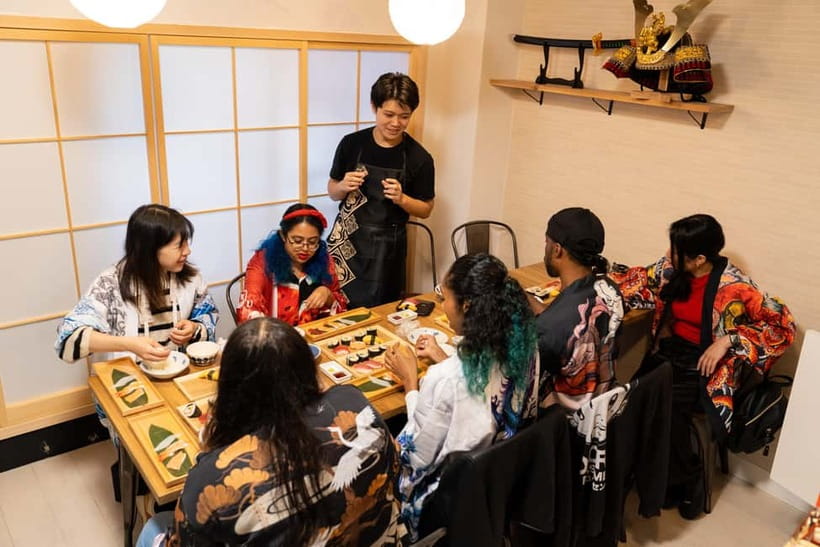
The class connects food with Japanese customs and technique. You learn through doing rather than sitting through a long history talk. The happi coat, the sushi preparation, the chef-led demonstration, and the shared meal all add cultural context without slowing the pace.
This format suits you if you want more than a restaurant meal but do not want a full-day cooking course. You get a glimpse of the care behind a familiar Japanese dish, including the importance of rice shape, hand pressure, presentation, and repetition.
The cultural side also makes the class a good choice early in your Japan trip. Once you understand a little more about sushi preparation, you may notice details differently at restaurants and markets. It can make later meals more interesting, even if you never make sushi again.
Is $42 good value in Tokyo?
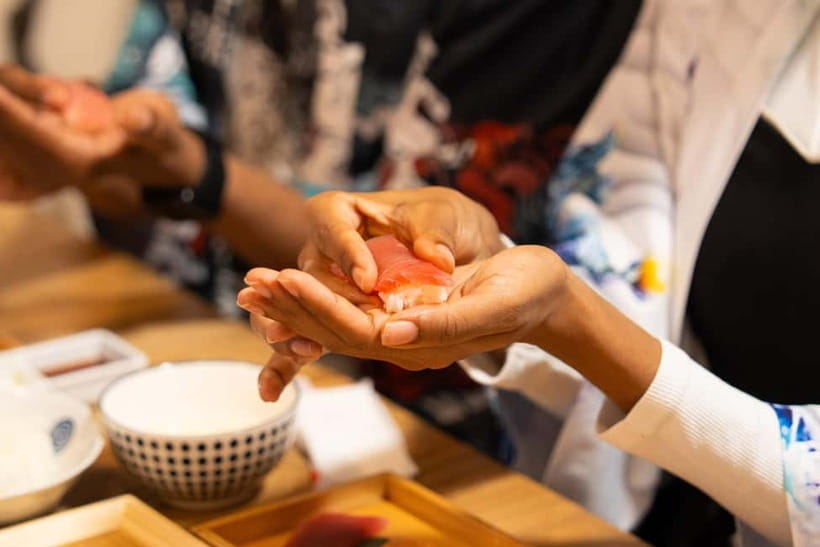
At $42 per person, the price is fair for what is included. You receive 90 minutes of instruction, ingredients, the use of the cooking setup, a chef or instructor, the happi coat experience, and the sushi you prepare.
The meal matters here. Some cooking activities charge a similar amount but leave you hungry afterward. This one can function as lunch, with portions described as large enough to fill you up. That makes the cost easier to justify, especially in central Tokyo, where a guided food activity and a separate meal can quickly cost more.
The class is also good value for families because children can take part, though the age and fee rules need attention. Children over four are charged according to the listed child price, while children under four can share a dish. Check the exact option before booking.
I would not compare this with a premium omakase meal. You are paying for participation and instruction, not a formal restaurant performance or rare seafood tasting. If your goal is to eat the finest sushi in Tokyo, spend the money at a specialist restaurant. If your goal is to learn, eat well, and enjoy a relaxed activity, the price works.
Food allergies and special diets
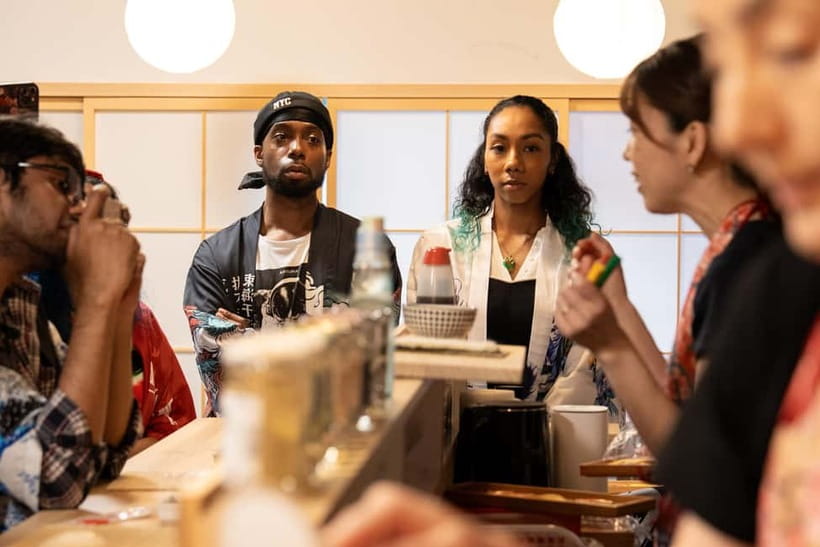
You must send allergy information in advance. Vegetarian, vegan, and gluten-free versions are available, but the provider warns that same-day requests may not be possible.
This is important because sushi classes depend on prepared ingredients and a fixed work plan. Do not wait until you arrive and assume the chef can change everything on the spot. Put the request in your message before the class.
The supplied information confirms that these diets can be accommodated, but it does not provide a detailed sample menu. If you have a serious allergy, ask exactly which ingredients will be used and how the food will be handled before paying.
Location, timing, and planning around Tokyo
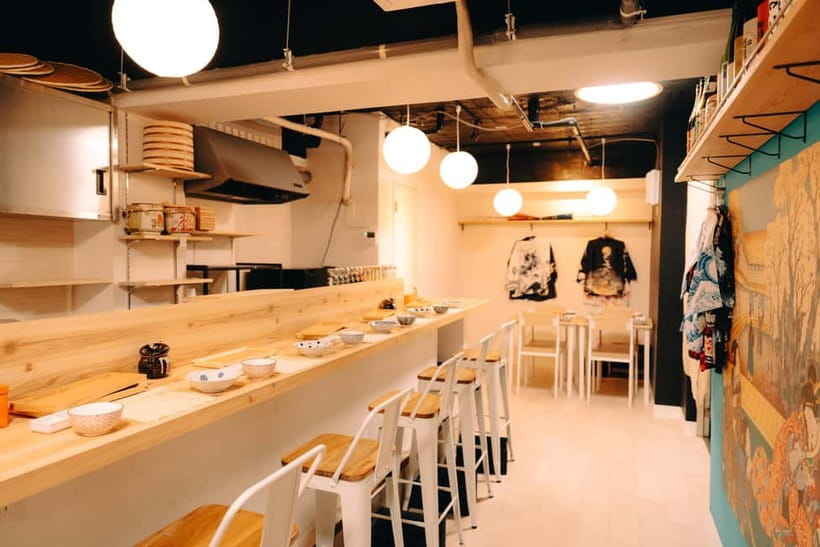
The meeting point depends on the option you book, so check the confirmation carefully. One person had a little trouble finding the venue, although the place was not ultimately difficult to reach. Give yourself extra time, especially if you are coming from another neighborhood or changing train lines.
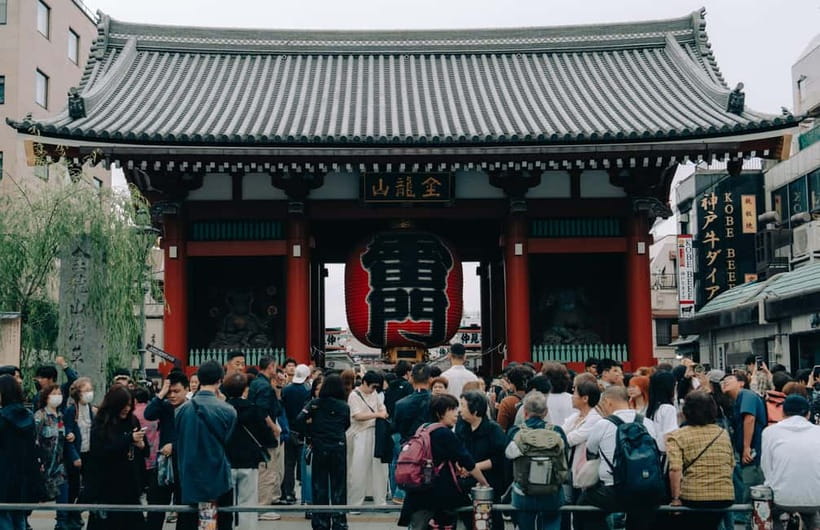
The class is near a famous Tokyo spot, and you can pair it with nearby sightseeing. One good plan is to take the class, eat your sushi, then walk through a temple and nearby markets. This makes the activity feel like part of a full outing rather than an isolated appointment.
Starting times vary, so check availability for the day you want. A late morning session is particularly useful because your sushi becomes lunch. An afternoon class can break up a sightseeing day and give you a rest indoors.
If you are delayed, contact the provider rather than simply arriving late. One participant arrived late on a rainy day and received a kind welcome, but that should not be treated as a guarantee. Tokyo activities run on schedules, and the meeting point may be harder to find when you are rushing.
Who will enjoy SUSHI GARYU most?
I would recommend this class to:
- First-time visitors who want a simple food activity
- Couples looking for a hands-on date
- Families with children old enough to follow instructions
- Solo visitors who enjoy small-group cooking
- People who want to try making sushi at home
- Anyone seeking a meal and activity in one booking
It is less suitable if you want a quiet, formal meal or advanced culinary training. The tone is friendly and social, with photos, conversation, and playful use of the happi coats. You should expect participation, not polished restaurant service.
The class also works well for people who think sushi making looks too hard. The instructors reduce the process to manageable steps, and the finished food gives you an immediate reward. Children in particular may enjoy seeing a plate come together from ingredients they handled themselves.
Cancellation and booking details
You can cancel up to 24 hours before the activity for a full refund. A reserve-now, pay-later option is also available, which helps if your Tokyo schedule is still shifting.
The instructor language is English and Japanese. The meeting point varies by the option selected, so confirm it before setting out. Send allergy and dietary requests in advance, and check the child pricing rules if you are booking for a family.
Should you book this sushi class?
Book it if you want to learn a real skill, eat a generous meal, and take part in a distinctly Japanese activity without giving up half a day. The strongest reasons are the patient teaching, the chance to make both nigiri and possibly maki, and the value of combining food with instruction.
The main cautions are simple: the group size can change, the meeting point needs checking, and special diets require advance notice. You also should not expect a formal sushi-master apprenticeship.
For $42, SUSHI GARYU offers a practical and cheerful introduction to sushi. If you want an easy Tokyo activity that works for couples, families, and beginners, I would put this high on the list.
FAQ
How long does the sushi-making class last?
The class lasts 90 minutes.
How much does the experience cost?
The listed price is $42 per person.
What sushi will I learn to make?
The main lesson covers nigiri sushi with tuna and salmon. Several sessions also include maki or other rolls.
Is the class suitable for beginners?
Yes. The workshop is designed for beginners, with step-by-step instruction from a sushi chef.
What languages are available?
Instruction is available in English and Japanese.
Do I get to eat the sushi I make?
Yes. You eat the sushi prepared during the class, and the portions may be enough to serve as a full meal.
Can I request vegetarian, vegan, or gluten-free food?
Yes, but you must request it in advance by message. Same-day requests may not be possible.
What should I do if I have a food allergy?
Send the allergy information to the provider before the class.
Can children join the activity?
Children can join, and children over four are charged according to the listed child fee. Children under four may share a dish.
Where is the meeting point?
The meeting point varies depending on the booking option. Check the details for your selected session before going.
Just added around Tokyo
- Tokyo: Tsukiji Market Walking Tour & Sushi Cooking Class★ 4.6 · 122 reviews
- Sushi-Making Experience★ 4.7 · 4 reviews
- Tokyo: Tsukiji Market Guided Tour & Sushi-Making Experience★ 4.4 · 11 reviews
- Tokyo: Sushi Cooking Class with Sake Tasting★ 4.8 · 55 reviews
- Tokyo: Sushi and Ramen Cooking Class with Sake Pairing Set★ 5.0 · 81 reviews
- Tokyo: Kawaii Bento Cooking Class – Cute Character Lunchbox★ 4.9 · 55 reviews
- Tokyo: Learnt to cook Bento, Oyakodon and More!★ 5.0 · 5 reviews
- Tokyo: Real Ramen & Dumpling Cooking with Master Chef★ 5.0 · 10 reviews
Japanese & Sushi Cooking Classes, compared.
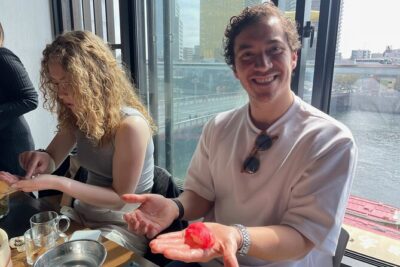
Sushi Making Tokyo Roll and Authentic Japanese Sushi Class
Read our review →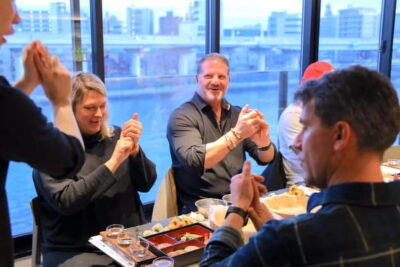
Tokyo: Roll and Authentic Sushi Making Class in Asakusa
Read our review →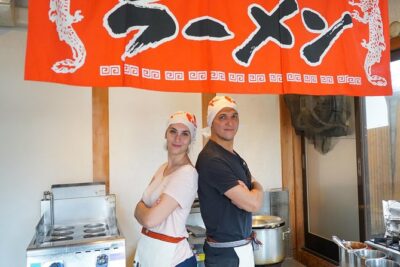
Ramen Cooking Class at Ramen Factory in Kyoto
Read our review →
Sushi Making Tokyo! Popular Maki Sushi & Japanese Sushi(+Recipe!)
Read our review →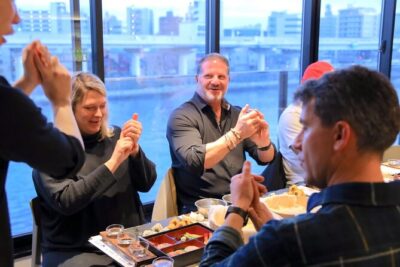
Sushi Making Osaka Roll and Authentic Japanese Sushi Class
Read our review →
Tokyo Sushi Making Class in Tsukiji with Professional Chef
Read our review →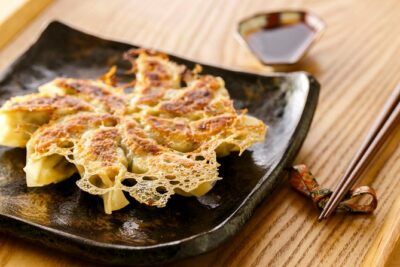
Ramen & Gyoza Cooking Class in Tokyo with Local Supermarket Visit
Read our review →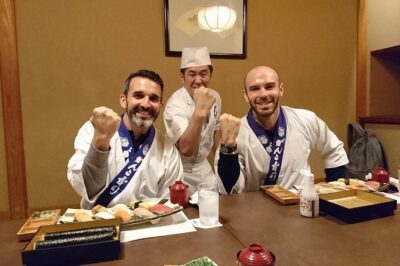
Tsukiji Fish Market Guided Tour and Sushi Making with Pro Chef
Read our review →Browse the lists this tour appears in