
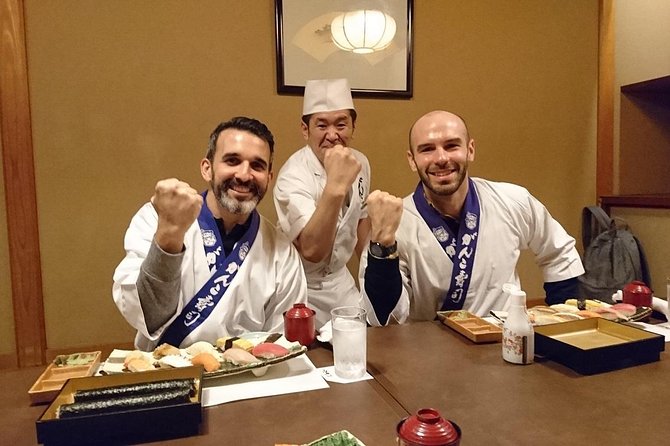
Review · TOKYO
Tsukiji Fish Market Guided Tour and Sushi Making with Pro Chef
Tsukiji is most rewarding when you understand what you are seeing, and this tour connects the seafood stalls to the sushi on your plate. You begin at Tsukiji Honganji Temple, walk through the outer market, then make five types of nigiri and one rolled sushi with a professional chef.
I like the way the tour joins food and culture rather than treating the market as a quick photo stop. Guides such as Ko, Sachi, Mari, Yuki, Tad, and Monami have been praised for clear explanations and useful stall recommendations. I also like that you eat the sushi you make, along with dashi soup, green tea, and sushi prepared by the chef.
The main consideration is value. At $104.13 per person, this is not a cheap market walk, and the market portion does not include tastings. The sushi classroom is simple, the group may include up to 22 people, and the venue can change to Asakusa or Yotsuya.
Key points to know before booking
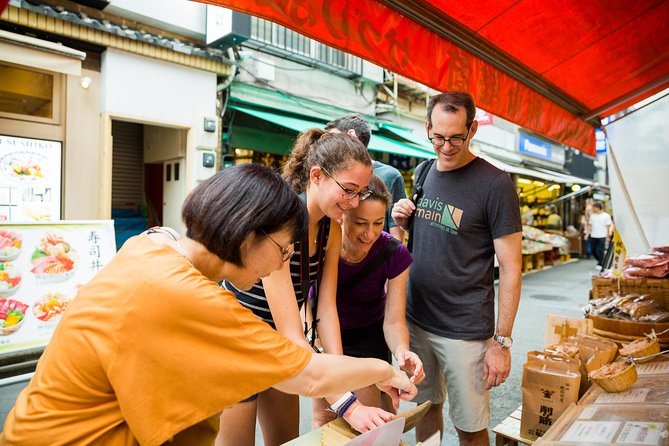
- Tsukiji today means the outer market: The wholesale inner market moved to Toyosu in 2018, so this tour focuses on shops, food stalls, a mini wholesale area, and local food culture.
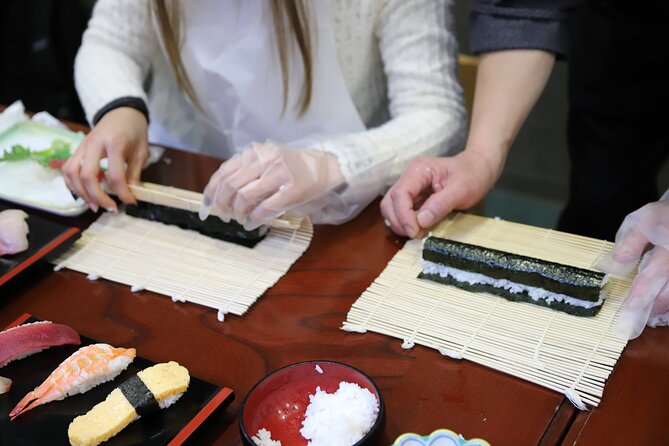
- You make six kinds of sushi: The lesson covers five nigiri styles and one rolled type, with step-by-step help from a professional sushi chef.
- The temple adds cultural context: The tour begins at Tsukiji Honganji, where your guide may explain temple customs and how to pray properly.
- Lunch is your own sushi: You eat what you prepare, plus sushi made by the chef, fresh wasabi, dashi soup, and green tea.
- Bring comfortable shoes and arrive early: The tour leaves sharply from the main gate, and the classroom is on the third floor with no elevator.
- Dietary requests need careful checking: Vegetarian, halal, gluten-free, kosher, and allergy requests are not guaranteed, so contact the operator before booking.
What this Tsukiji experience is really like
This is a walking tour followed by a practical cooking lesson. The full experience takes about four hours, though the end time can run late, so I would not schedule a flight, museum entry, or tight dinner reservation immediately afterward.
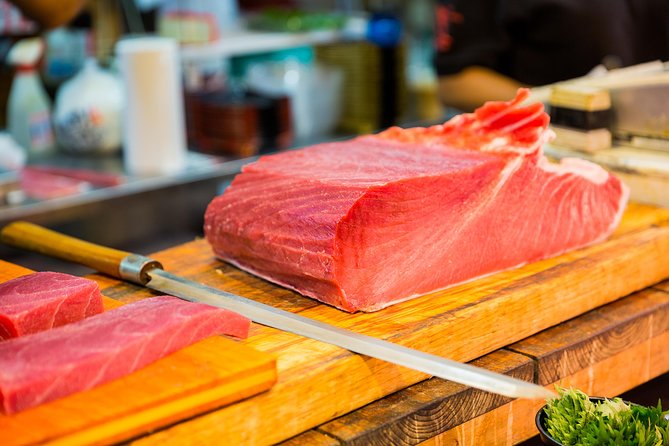
The food market is not just a backdrop for sushi-making. Your guide explains how seafood moves from the ocean through distribution and sale, and points out ingredients, prepared foods, utensils, and shops that can be hard to understand on your own.
You are not visiting the former inner wholesale market. That business area moved to Toyosu after October 2018. Tsukiji’s outer market remains a busy place for shopping and eating, with small vendors, food stalls, specialty ingredients, and a mini wholesale area. If you expect the huge tuna auction atmosphere associated with old Tsukiji, adjust your expectations before you go.
More Market Tour Cooking Classes in Japan
- Tokyo: Tsukiji Fish Market Sushi Making Class with Pro Chef
★ 4.9 · 506 reviews - Tokyo Tsukiji Fish Market Tour and Sushi Making Lesson
★ 5.0 · 390 reviews - Tokyo Washoku 4-hour Cooking Class: From Market to Table
★ 5.0 · 253 reviews
Meeting at Tsukiji Honganji Temple
The meeting point is the main gate of Tsukiji Honganji Temple, at 3-chome-15-1 Tsukiji. This detail matters because map applications may direct you to the back side of the temple. Look for the guide holding a Japan Wonder Travel board at the front entrance.
Arrive early. The group leaves at the stated start time and cannot wait for late arrivals. There is no refund for arriving late or canceling on the day, so allow extra time if you are coming by train or navigating Tokyo for the first time.
The temple is more than a place to gather. Guides have explained how to approach and pray at a Buddhist temple, along with local customs and the history of the area. If you want a tour focused only on seafood, this opening section may feel like a detour. If you enjoy learning how food fits into daily Japanese culture, it gives the market a useful setting.
Walking through Tsukiji’s outer market
The market walk takes you through the parts of Tsukiji that most visitors can access today. You see food shops, stalls, ingredients, and kitchen tools, while the guide explains what they are and how they fit into Japanese cooking.
This is where a good guide makes a real difference. Ko has been praised for explaining different foods and offering practical suggestions about what to try. Monami has been singled out for helping visitors find good food at sensible prices. Other guides named by participants include Sachi, Mari, Yuki, and Tad, with praise for patient explanations, friendly service, and clear English.
The route can also include Tsukiji Jogai Market and Tsukiji Nippon Fish Port Market. The names sound like separate attractions, but think of them as parts of the broader market area rather than grand indoor halls. You walk between them, stopping at places the guide considers useful or interesting.
One point to plan for: market food is not included as a tasting course. You can buy snacks or ingredients from stalls, but those purchases cost extra. Bring cash, since one participant specifically suggested arriving prepared to spend on street food. The group format can also limit how freely you browse, especially when a narrow lane is crowded or the guide needs to keep everyone together.
I would treat the market section as an introduction, not a full food crawl. It helps you understand what you are seeing and gives you ideas for returning later on your own. If your main goal is to eat as many samples as possible, a dedicated tasting tour may suit you better.
The sushi lesson in a traditional building
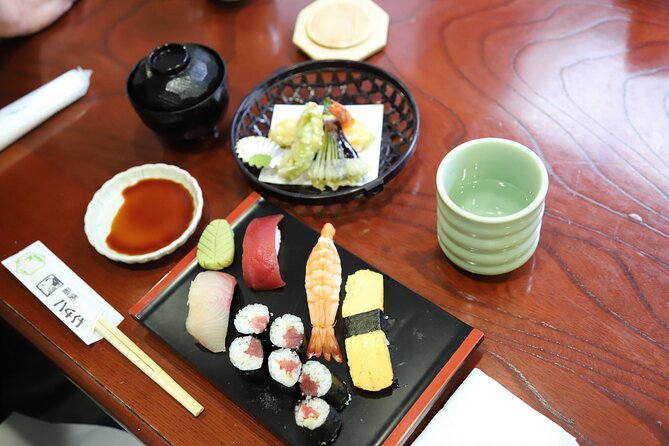
After the market walk, you go to a Japanese-style classroom in a traditional building near the market. The cooking room is on the third floor and can be reached only by stairs. The venue may instead be in Asakusa or Yotsuya, depending on availability, and the operator does not confirm the location until the day of the tour.
That last-minute venue detail is worth noting. The activity is sold as a Tsukiji experience, but the sushi lesson may not always take place in Tsukiji itself. The tour can also end in Asakusa or Yotsuya on those dates.
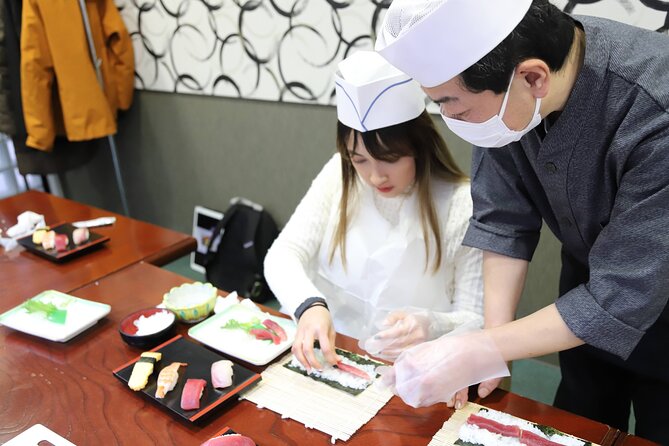
The classroom is simple rather than luxurious. One participant found the room small and basic, while others appreciated having enough table space to work comfortably. The group can reach 22 people, so the experience is not an intimate private lesson. Still, the hands-on format gives you more to do than simply watching a demonstration.
The chef teaches the basic process step by step. You make five types of nigiri and one rolled sushi. The emphasis is on learning the movements and handling the ingredients, not on turning you into a sushi professional in one afternoon.
The chef may also demonstrate how fish is deboned. That is a memorable part of the lesson because it shows the skill behind a dish that can look deceptively simple. One useful limitation is that fish slicing is not always shown in detail, so anyone hoping to learn the full path from fillet to sushi topping may want to ask about it during the class.
More Market Tour Cooking Classes in Tokyo
- Tokyo: Tsukiji Market Walking Tour & Sushi Cooking Class
★ 4.6 · 122 reviews - Tokyo: Tsukiji Market Guided Tour & Sushi-Making Experience
★ 4.4 · 11 reviews
What you eat after making sushi
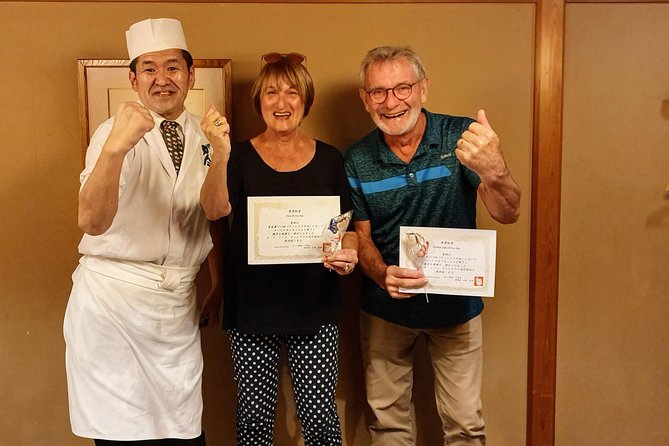
The best part for many people is straightforward: you eat your own work. The meal also includes sushi prepared by the sushi master, fresh wasabi, traditional dashi soup, and green tea.
The fresh wasabi is an especially nice touch because it lets you compare it with the sharper, more familiar packaged versions found outside Japan. The dashi and tea make the meal feel like a proper Japanese lunch rather than a cooking demonstration followed by a quick bite.
The ingredients are described as fresh, and cleanliness has been praised by people who were careful about food preparation. The class is offered in Japanese and English, with demonstrations and explanations designed to be easy to follow.
Do not expect a large restaurant meal. You are eating the sushi made during class, along with the chef’s pieces and the listed accompaniments. If you have a large appetite, consider buying something in the market before or after the lesson, but keep an eye on the schedule.
How much value do you get for $104.13?
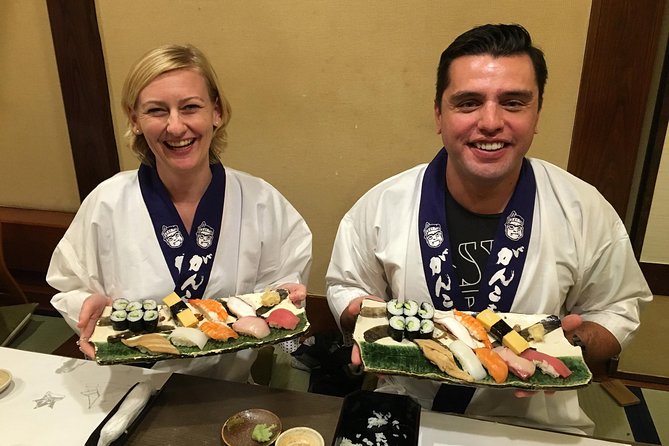
At $104.13 per person, the price covers a roughly four-hour guided experience, market orientation, cultural explanation, sushi instruction, ingredients, lunch, soup, tea, and chef-prepared sushi. It does not cover hotel pickup, transportation, extra food, or personal purchases.
I see the value in the combination. A market guide alone can feel brief, while a sushi class alone may lack context. Here you first see the products and shops, then work with sushi ingredients yourself. The connection makes the lesson more meaningful.
Still, the price will feel high if you mainly want a cheap market walk or a large lunch. The market section has no included tastings, and you may spend more on snacks and purchases. The classroom is basic, and a group of up to 22 is not the same as a private chef lesson.
For families, couples, and first-time visitors to Tokyo, the price is easier to justify because the tour covers several activities in one morning or afternoon. It is also a useful gift. Families with children around 12 and 16 have enjoyed the mix of walking, food, and hands-on work.
Who will enjoy this tour most?
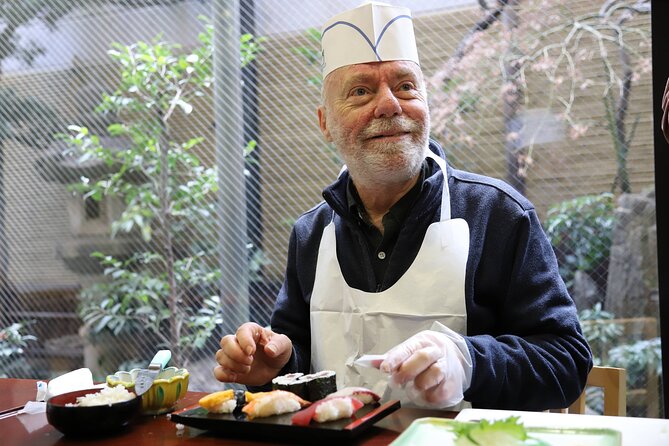
I would recommend it to you if you want a gentle introduction to Japanese seafood culture and prefer doing something practical rather than only looking around. The sushi lesson works for beginners, and you do not need prior cooking experience.
It also suits families. The activity offers enough variety to hold the attention of older children and teenagers, while the food gives everyone a clear reason to stay involved. Couples and small groups can enjoy the shared meal without needing advanced sushi skills.
The tour is less suitable if you want:
- A visit to the former inner wholesale market
- A private or very small-group class
- A market tour with included tastings
- A full lesson in fish slicing and sushi knife work
- A meal designed around vegetarian, vegan, halal, kosher, gluten-free, or allergy-related needs
- A step-free activity
The market is mainly on foot, and the classroom requires stairs. Wear comfortable walking shoes. Bring water if you prefer it, since green tea is provided but bottled water is not listed among the included drinks.
Food restrictions and practical limits
The food policy needs careful attention. The activity information says vegetarian, halal, gluten-free, kosher, and allergy-related requests cannot be guaranteed. Another note says the operator will try to accommodate allergies and asks you to provide details when booking.
The safest approach is to contact Japan Wonder Travel before paying if you have any restriction. Do not assume that writing a request will make the menu safe for you. The class centers on seafood and sushi, so people with serious allergies need a clear answer before committing.
You should also tell the operator about restrictions in the booking details or through the booking management page. If the request cannot be met, you can cancel up to 24 hours before the start time for a full refund. Changes or cancellations made less than 24 hours before the activity are not refunded.
A few smart planning tips
Arrive at the temple’s main gate, not the back side. The guide carries a Japan Wonder Travel sign, but finding the correct entrance is your responsibility.
Wear shoes that are comfortable for several hours of walking. You will also climb stairs to the classroom, so this is not a good choice if stairs are a problem.
Keep your schedule flexible after the activity. The end can be delayed, and the final location may be Tsukiji, Asakusa, or Yotsuya depending on the venue.
Bring some cash for market purchases. The tour price does not include extra snacks, drinks, ingredients, or personal expenses.
If you want to explore more stalls after the tour, consider returning on your own. The guided walk helps you get oriented, but the group schedule is not designed for long browsing at every shop.
Should you book the Tsukiji sushi tour?
Book it if you want context plus hands-on cooking. The strongest feature is the link between the market walk and the sushi lesson: you see Japanese ingredients and food customs first, then use that knowledge at the table. The temple visit adds a cultural layer, and the meal gives you a satisfying finish.
Think twice if you expect the old Tsukiji wholesale market, included food tastings, a polished cooking studio, or a private class. The experience is a practical introduction, not an insider auction tour or advanced sushi apprenticeship.
For a first Tokyo visit, a family outing, or a food-focused afternoon, I think the combination earns consideration at $104.13. Just arrive on time, wear good shoes, check the dietary rules, and keep your expectations focused on the outer market and beginner-level sushi making.
FAQ
Where does the tour begin?
It begins at the main gate of Tsukiji Honganji Temple, at 3-chome-15-1 Tsukiji, Chuo City, Tokyo.
Where does the tour end?
It normally ends back at the meeting point, but the final location may be Tsukiji, Asakusa, or Yotsuya depending on the date and sushi classroom location.
How long does the experience last?
The activity lasts approximately four hours. The end can be delayed, so avoid scheduling a tight appointment afterward.
Does the tour visit the old inner Tsukiji market?
No. The former inner market moved to Toyosu after October 6, 2018. This experience visits the outer market and a mini wholesale area.
Is food included during the market walk?
Market tastings are not included. You may purchase food and drinks from stalls at your own expense.
What sushi will I learn to make?
You will learn to make five types of nigiri sushi and one rolled type.
What is included with the sushi lunch?
You eat the sushi you make, sushi prepared by the master, fresh wasabi, traditional dashi soup, and green tea.
Can the tour accommodate vegetarian or allergy-related diets?
Accommodation is not guaranteed for vegetarian, halal, gluten-free, kosher, or allergy-related requests. You should provide details when booking and contact the operator before the tour.
What should I wear and is the tour accessible?
Wear comfortable walking shoes. The classroom is on the third floor of a traditional building and can be reached only by stairs.
More Shopping Trips in Tokyo
- Hanoi Cooking Class: Culture, Local Market & Meaning CSR Impact
★ 5.0 · 5,147 reviews - 5 Traditional Dishes Hanoi Cooking Class with Market Trip
★ 5.0 · 4,890 reviews - Cooking Class and Lunch at a Tuscan Farmhouse with Local Market Tour from Florence
★ 5.0 · 4,831 reviews - Chiang Mai: Cooking Class, Market & Thai Herbs Garden Tour
★ 4.9 · 4,824 reviews
More Sushi and Japanese Classes in Tokyo
- Sushi Making Tokyo Roll and Authentic Japanese Sushi Class
★ 5.0 · 3,971 reviews - Tokyo: Roll and Authentic Sushi Making Class in Asakusa
★ 4.9 · 1,957 reviews - Tokyo: Sushi Making Class in a Happi Coat near a Famous Spot
★ 4.9 · 1,377 reviews - Sushi Making Tokyo! Popular Maki Sushi & Japanese Sushi(+Recipe!)
★ 5.0 · 1,314 reviews
Just added around Tokyo
- Tokyo: Tsukiji Market Walking Tour & Sushi Cooking Class★ 4.6 · 122 reviews
- Tokyo: Sushi Cooking Class with Sake Tasting★ 4.8 · 55 reviews
- Sushi-Making Experience★ 4.7 · 4 reviews
- Tokyo: Tsukiji Market Guided Tour & Sushi-Making Experience★ 4.4 · 11 reviews
- Tokyo: Sushi and Ramen Cooking Class with Sake Pairing Set★ 5.0 · 81 reviews
- Tokyo: Kawaii Bento Cooking Class – Cute Character Lunchbox★ 4.9 · 55 reviews
- Tokyo: Learnt to cook Bento, Oyakodon and More!★ 5.0 · 5 reviews
- Tokyo: Real Ramen & Dumpling Cooking with Master Chef★ 5.0 · 10 reviews
Japanese & Sushi Cooking Classes, compared.
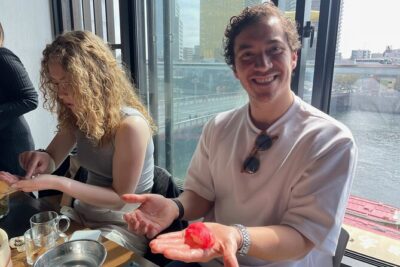
Sushi Making Tokyo Roll and Authentic Japanese Sushi Class
Read our review →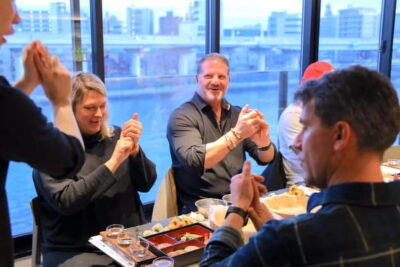
Tokyo: Roll and Authentic Sushi Making Class in Asakusa
Read our review →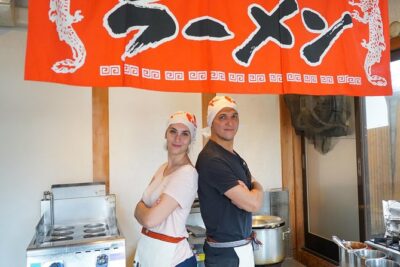
Ramen Cooking Class at Ramen Factory in Kyoto
Read our review →
Tokyo: Sushi Making Class in a Happi Coat near a Famous Spot
Read our review →
Sushi Making Tokyo! Popular Maki Sushi & Japanese Sushi(+Recipe!)
Read our review →
Sushi Making Osaka Roll and Authentic Japanese Sushi Class
Read our review →
Tokyo Sushi Making Class in Tsukiji with Professional Chef
Read our review →
Ramen & Gyoza Cooking Class in Tokyo with Local Supermarket Visit
Read our review →Browse the lists this tour appears in