
Review · OSAKA
Sushi Making Osaka Roll and Authentic Japanese Sushi Class
Osaka is a fine place to learn sushi, but the best part here is not simply eating the finished food. You make a maki roll and several pieces of nigiri yourself, then sit down to enjoy the results. Everything is prepped for you, so the class focuses on technique rather than shopping, measuring, or washing vegetables.
I like two things right away: the central location near Dotonbori and Shinsaibashi, and the friendly English-speaking instructors who keep beginners moving. Guides named Reika, Fuko, Aina, Yui, and others have been praised for patience, humor, and clear demonstrations. The main thing to consider is time. At roughly 1 hour and 40 minutes, the class is efficient, but some people may want a slower meal and more time for photos.
Key points at a glance
- Make both maki and nigiri: You learn two basic sushi styles instead of only rolling one type.
- Prepared ingredients save time: The workbench is ready when you arrive, which keeps the class hands-on.
- A short walk from Osaka nightlife: The address is near Dotonbori and Shinsaibashi, making this easy to pair with sightseeing.
- Beginner-friendly instruction: No cooking background is needed, and families with children are welcome.
- A real meal at the end: You eat the sushi you prepare, with enough food for many people to count it as lunch.
- Small details matter: Note dietary needs in advance, and allow extra time to find the third-floor room.
Making Sushi in the Heart of Osaka
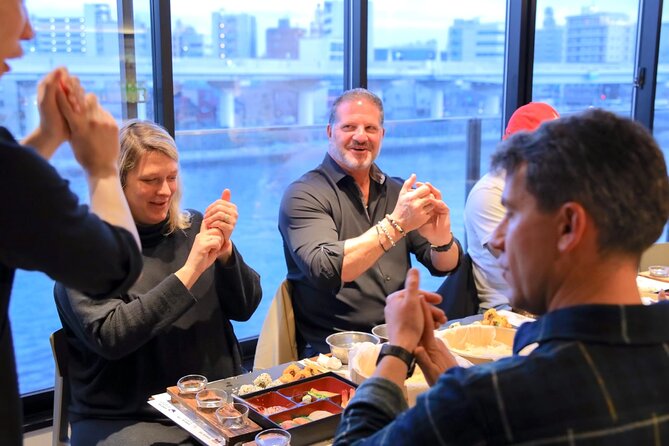
This is a practical cooking class with a cultural edge. You are not watching a chef work from across a counter. You sit at a shared table, listen to a demonstration, copy the movements, and ask questions as you go.
The class takes place at Sushi Making Osaka, at 1-chōme-16-20 Higashishinsaibashi in Chuo Ward. It is close to two of Osaka’s best-known visitor areas, Dotonbori and Shinsaibashi. That location matters. You can fit the class between shopping, canal-side walks, restaurant stops, or an evening out without spending much of your day crossing the city.
The room is described as being on the third floor, and finding the entrance can take longer than expected. I would not cut it close. Osaka’s small streets and busy commercial buildings can make an address look nearer than it feels, so arrive with enough time to locate the building and go upstairs.
The maximum group size is 20 people. That is not an intimate private lesson, but it is still small enough for an instructor to move around the table and help with shaping, cutting, and presentation. The shared setup also gives the class a social feel, which works especially well for families and groups of friends.
More Sushi and Japanese Classes in Osaka:
- Osaka Sushi Making Experience
★ 5.0 · 400 reviews - Osaka: Ramen and Gyoza Cooking Class in Dotonbori
★ 5.0 · 378 reviews - Osaka Cooking Class: Okonomiyaki &Japanese cuisines experience
★ 5.0 · 261 reviews
What You Make: Maki Rolls and Nigiri
The class teaches two foundations of Japanese sushi. Maki is the rolled style, usually wrapped in nori and cut into pieces. Nigiri is the hand-shaped rice topped with an ingredient. Learning both gives you a better sense of how sushi is assembled and why professional sushi can look deceptively simple.
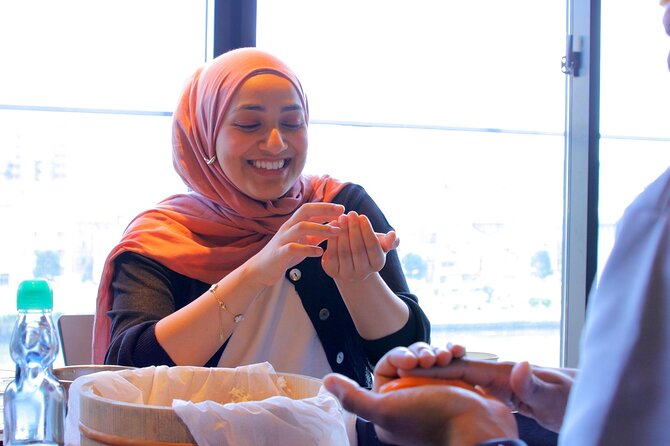
The process begins with a demonstration. Your ingredients are already prepared, so you can concentrate on how much rice to use, how to position the fillings, and how to form the sushi without crushing it. These are small movements, but they are harder than they look when you are trying to make uniform pieces.
You then make your own sushi with the instructor’s help. The class includes the ingredients and the meal, and one detailed account described making one maki roll and roughly four to eight pieces of nigiri, depending on pace. That gives you enough food to make the session feel like lunch rather than a token tasting.
The quantity may vary by person and by how quickly you work. Some people move carefully and need more help. Others finish early and make additional pieces. Either way, you are not simply decorating a plate. You are practicing the basic motions that let you repeat the meal at home.
I like this format because it keeps the lesson useful. A sushi restaurant can show you excellent technique, but it cannot easily explain what your hands should do. Here, you get to make the mistakes yourself, which is often the fastest way to remember the correct method.
The Instructors Make the Difference
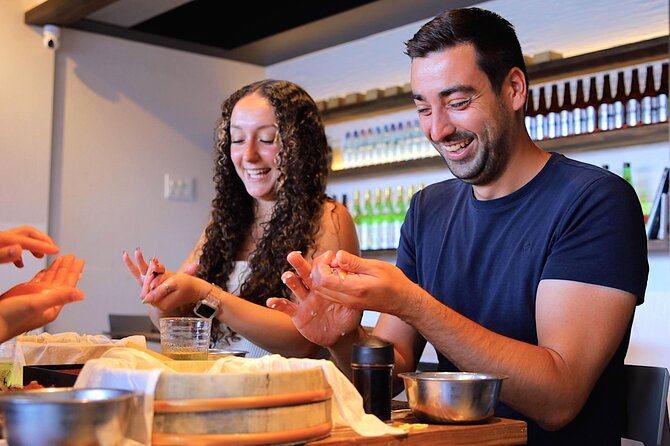
The class is led by English-speaking instructors, and their teaching style is one of its strongest features. Sessions have been led by people including Reika, Fuko, Fujiko, Aina, Arisa, Matty, Yui, and Ina. The exact instructor depends on the date and session, but the repeated praise centers on warmth, patience, energy, and humor.
Reika has been praised for explaining the history of sushi while keeping the lesson easy to follow. Fuko, also referred to as Fujiko in one account, was described as patient and engaging during a first sushi class for a parent and child. Aina and Arisa were noted for guiding participants through both maki and nigiri, while Matty and Yui were praised for being entertaining and clear.
You should expect a group lesson rather than a private chef’s tutorial. The instructor demonstrates for everyone, then comes around to help. That works well for beginners, though the pace may feel quick if you want individual attention at every stage.
English instruction is a major advantage for international visitors. You can ask about sushi technique, ingredients, customs, and the difference between styles without trying to follow a lesson in Japanese. Some instructors may have a stronger accent than others, so listening closely and asking for a repeat is sensible.
The cultural information is brief rather than academic. You learn some background about sushi and why certain methods are used, then return to the practical work. One criticism was that the class could spend less time on history and more time making and eating. If you want a cooking workshop first and a culture talk second, this is worth keeping in mind.
A Lesson That Works for Families
This is particularly well suited to families with children and teenagers. The work is hands-on, the finished food arrives fairly quickly, and children can see a clear result from their effort. Instructors have been praised for showing patience with young participants, which matters when neat rice shaping does not come naturally.
It is also a good choice for a first cooking activity in Japan. You do not need previous kitchen experience, and the prepared ingredients remove several jobs that might overwhelm a beginner. The class gives you a simple introduction to sushi without asking you to master professional knife skills or prepare a full Japanese menu.
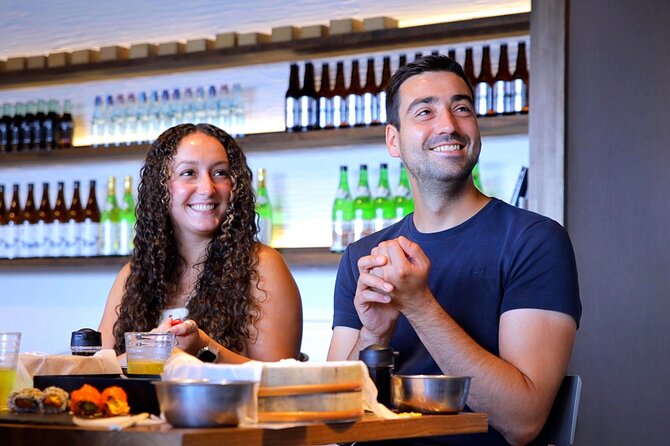
Couples and groups of friends will find plenty of chances to compare their rolls, take pictures, and laugh at uneven pieces. The room has a social setup, not a quiet fine-dining mood. That is part of the appeal, but it may not suit someone seeking a serious, private culinary lesson.
Vegetarian participants can be accommodated, and one account specifically praised both vegetarian and fish options. Still, do not rely on making changes at the last minute. If you avoid shrimp or have another dietary need, note it when booking. The operator may not be able to replace an ingredient during the session if the request was not provided in advance.
More Hands-On Workshops in Osaka:
- Osaka: Roll and Authentic Sushi Making Class in Dotonbori
★ 4.9 · 239 reviews - Ramen and Gyoza Cooking Class in Osaka
★ 5.0 · 202 reviews - Osaka: Cooking Class Ramen & Gyoza Course in Nanba
★ 4.9 · 86 reviews - Osaka: Gluten-Free Ramen and Gyoza Cooking Class
★ 5.0 · 42 reviews
How Much Food Do You Get?
For $31.01 per person, the value is fairly strong if you want both an activity and a meal. You are paying for instruction, prepared ingredients, and the sushi you make, not just a short demonstration. In central Osaka, that price also compares well with many paid activities that last less than two hours and leave you hungry afterward.
The amount of food appears generous enough for many people to treat the class as lunch. One account described a maki roll and four to eight pieces of nigiri, while another said the finished sushi was plentiful. Your exact amount will depend on how quickly you work and how much you shape.
The value is less convincing if you only want to eat top-quality sushi. This is a lesson, not a premium omakase meal. You will be learning, handling ingredients, and producing food that may not look as tidy as a professional chef’s work. That is the point, but it also means you should book it for the experience rather than for the finest sushi meal in Osaka.
The price makes the class an easy add-on to a day in Namba. You get a local food activity, a meal, and a skill you can try again at home. It is also a useful rainy-day plan, though the supplied information does not promise a particular indoor itinerary beyond the cooking session itself.
A Short, Busy Schedule
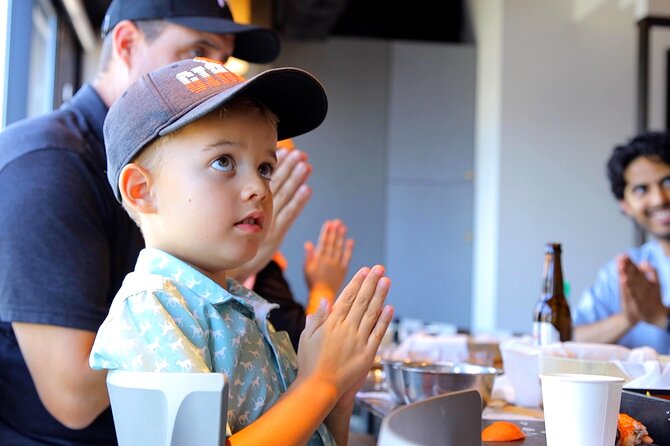
The advertised duration is about 1 hour and 40 minutes. That gives you time to hear an introduction, watch the demonstrations, make the sushi, eat, and take a few pictures. It does not leave a great deal of slack.
Most sessions appear to begin promptly, and the work moves from explanation to practice without much waiting. The prepared ingredients help here. You are not sitting around while rice cooks or vegetables are cut, so nearly every part of the class has a clear purpose.
The drawback is that the final eating period may feel rushed for slower groups. One person felt the class should have been scheduled for two hours and had little time for photos or a relaxed meal before cleanup began. That is useful advice if you want to linger over your food or record every step.
I would treat the class as a structured activity, not a long lunch. Take pictures during natural pauses instead of saving everything for the end. If photography is important to you, be ready to work quickly. The room lighting has also been criticized as dim, so your photos may not be as bright as those in promotional material.
What the Cultural Portion Adds
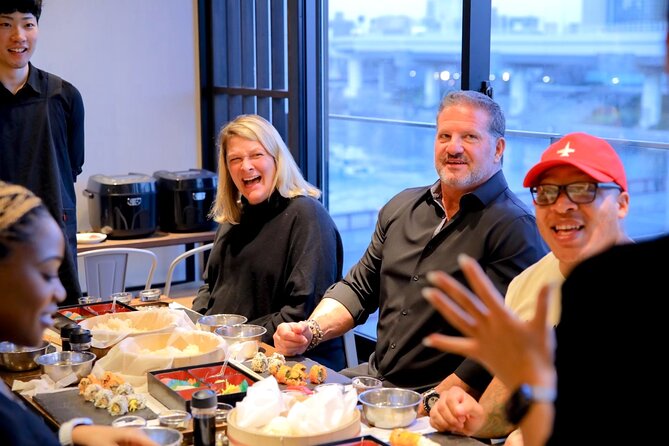
Sushi is more than rice, fish, and seaweed. The short history section helps explain why the food is shaped and served in different ways. It gives context to the techniques instead of making the activity feel like assembling a snack from a kit.
The instructors can answer sushi-related questions, so use that opportunity. Ask about the difference between maki and nigiri, why rice handling matters, or how the food you make fits into Japanese dining customs. The exact depth depends on your instructor and the pace of the group.
You should not expect a long lecture on Japanese food history. The strongest part of the class is the practical instruction, with cultural information added along the way. That balance suits most visitors who want a memorable activity without spending half a day in a classroom.
Food Handling and Dietary Planning
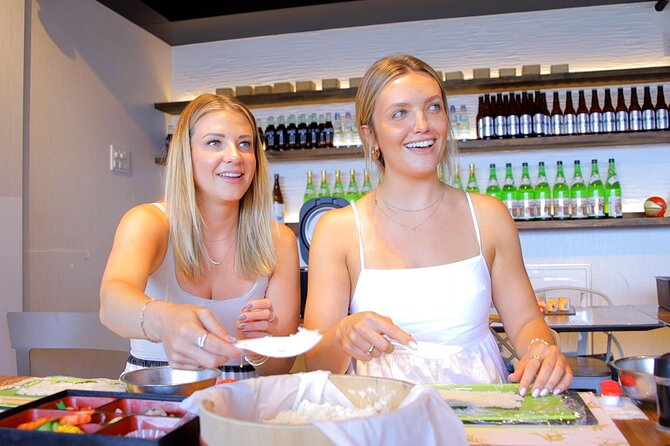
The ingredients are set out ready for the class, which is convenient and keeps the session moving. One concern raised about a session involved fish sitting at room temperature for an extended period. The available information does not explain the operator’s full food-safety procedures, so anyone with particular concerns should ask about handling when booking or upon arrival.
Dietary planning is more straightforward if done early. Vegetarian options have been offered, but substitutions may not be available for every preference. Shrimp was specifically mentioned as an ingredient that could not be replaced during one session because the request had not been included in the reservation.
This is not a reason to avoid the class. It is a reason to be precise. List allergies, seafood restrictions, and vegetarian needs in advance, then confirm them with the provider if they are important to your health or comfort.
Getting There and Fitting It Into Your Day
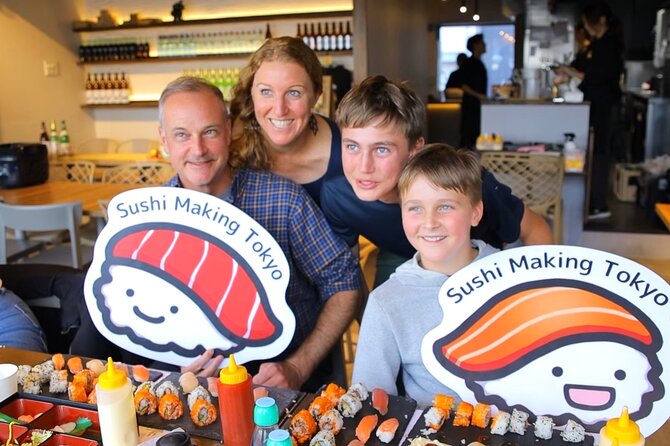
The meeting point is the cooking school itself, and the activity ends there. Hotel pickup and drop-off are not included. The location is near public transportation, Dotonbori, and Shinsaibashi, so you can reach it independently and continue sightseeing afterward.
Plan a little extra time for the final approach. The room is described as a small space on the third floor, and one family specifically warned that the place can be tricky to find. Look for the building rather than assuming the cooking school will be obvious from the street.
The central location makes this easy to combine with:
- A walk through Dotonbori before or after class
- Shopping around Shinsaibashi
- An evening meal in the Namba area
- A family day that needs a break from temples, shops, and museums
Morning, afternoon, and evening classes are available. That flexibility is useful in Osaka, where food stops often shape the whole day. A morning class can become lunch. An afternoon class can break up shopping. An evening class can start the night with something more active than another restaurant meal.
Who Should Book This Class?
I would recommend it to first-time sushi makers, families, couples, and friends who want to do something together rather than simply sit down to eat. It also suits anyone looking for a compact activity close to Osaka’s main entertainment districts.
It is a particularly good choice if you value instruction, interaction, and a meal in one booking. The friendly staff and simple format make it less intimidating than a formal cooking school, and the English support removes much of the friction for international visitors.
I would hesitate if you want a slow, polished dining experience, extensive culinary theory, or a private lesson. The group can reach 20 people, the schedule is fairly tight, and the class includes only a short cultural introduction. You may also want to choose another activity if you need extensive dietary substitutions that have not been confirmed beforehand.
Should You Book Sushi Making Osaka?
At $31.01, this is a good-value Osaka activity for people who want to make something, learn a little, and eat a proper portion afterward. The strongest reasons to book are the central location, the prepared ingredients, the chance to make both maki and nigiri, and the instructors’ patient approach with beginners and children.
Go in with the right expectations. You are signing up for a lively, structured class, not a long dinner or a private chef experience. Arrive early, list dietary needs in advance, and leave room in your schedule for a session that may finish close to its stated time.
The booking is especially easy to justify during a first Osaka visit, when you want one activity that feels social and distinctly Japanese without taking up half the day. Free cancellation is available when you cancel at least 24 hours before the start time. After that cutoff, the amount paid is not refunded.
FAQ
Where is the sushi-making class held?
The meeting point is Sushi Making Osaka at 1-chōme-16-20 Higashishinsaibashi, Chuo Ward, Osaka, 542-0083, Japan. It is near Dotonbori and Shinsaibashi.
How long does the class last?
The advertised duration is approximately 1 hour and 40 minutes.
What types of sushi will I make?
You will learn to make maki rolls and authentic nigiri.
Do I need cooking experience?
No. The class is designed for beginners, and all ingredients are prepared before the session.
Is the class taught in English?
Yes. An English-speaking instructor leads the class and answers sushi-related questions.
Is food included?
Yes. The cooking-class ingredients and the meal you make are included. Hotel pickup and drop-off are not included.
Can vegetarians or people with dietary restrictions participate?
Vegetarian options are available, but you should list dietary needs when making your reservation. Some last-minute ingredient substitutions may not be possible.
Just added around Osaka
- Okonomiyaki&Takoyaki for Families:Osaka Street Food Festival★ 5.0 · 4 reviews
- Osaka: Sushi Making in Spacious Studio (SAME-DAY OK!)★ 5.0 · 75 reviews
- Osaka: Sushi Making Class and Dotonbori Food Tour★ 4.7 · 3 reviews
- Osaka Sake Tasting with Takoyaki Cooking★ 5.0 · 156 reviews
- Osaka Okonomiyaki Cooking Experience for Families & Groups★ 4.9 · 8 reviews
- Osaka: Sashiko Japanese Craftsmanship Workshop★ 5.0 · 31 reviews
- Osaka Dotonbori: Sushi Making Experience★ 4.9 · 122 reviews
- Osaka: Okonomiyaki Cooking Class with Beer or Soft Drink★ 4.9 · 9 reviews
Japanese & Sushi Cooking Classes, compared.
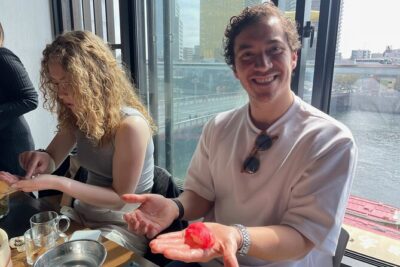
Sushi Making Tokyo Roll and Authentic Japanese Sushi Class
Read our review →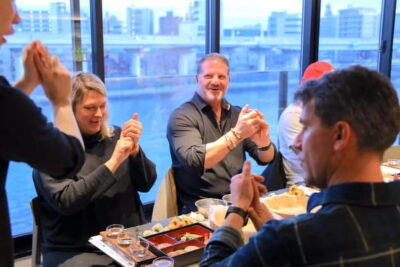
Tokyo: Roll and Authentic Sushi Making Class in Asakusa
Read our review →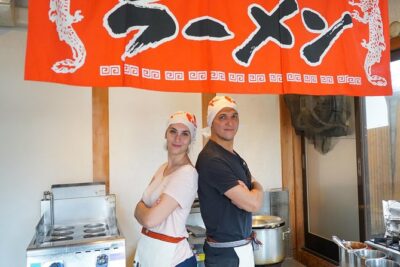
Ramen Cooking Class at Ramen Factory in Kyoto
Read our review →
Tokyo: Sushi Making Class in a Happi Coat near a Famous Spot
Read our review →
Sushi Making Tokyo! Popular Maki Sushi & Japanese Sushi(+Recipe!)
Read our review →
Tokyo Sushi Making Class in Tsukiji with Professional Chef
Read our review →
Ramen & Gyoza Cooking Class in Tokyo with Local Supermarket Visit
Read our review →
Tsukiji Fish Market Guided Tour and Sushi Making with Pro Chef
Read our review →Browse the lists this tour appears in