
Review · OSAKA
Osaka: Gluten-Free Ramen and Gyoza Cooking Class
The rare treat here is learning how to make gluten-free ramen noodles and gyoza wrappers from scratch, then sitting down to eat what you made. Chef Yuki teaches in English from her Japanese-style home, keeping the group to no more than four people. You get two ramen styles, handmade dumplings, and practical recipes rather than a quick demonstration.
I like the personal scale, which gives Yuki time to explain each step and help with tricky dough. I also like the range: classic soy sauce ramen sits beside a less common tomato ramen, while the gyoza lesson shows you how to create crisp bottoms and tender fillings. The main consideration is the price, $103 per person, and the fact that you must make your own way to the residential neighborhood near Nukata Station.
Key points at a glance
- Two ramen styles in one class: Make a savory soy sauce ramen and a tangy tomato ramen using your own rice-flour noodles.
- Real gluten-free technique: Learn how to shape both noodles and gyoza wrappers without wheat.
- Small group of four: Yuki can give close help with dough, folding, seasoning, and cooking.
- A meal you actually prepare: You eat the ramen and gyoza you made, rather than watching someone else cook.
- Useful take-home skills: Recipes and tips help you repeat the dishes after returning home.
- Optional sake tasting: Pair the food with chilled Junmai, chilled Junmai Ginjo, and warm Junmai.
A gluten-free Japanese meal made by your own hands
Many Osaka cooking classes focus on familiar dishes such as sushi, tempura, or standard ramen. This class takes a more specific route. It tackles two foods that usually depend on wheat, then adapts them with rice flour.
That matters if you need to avoid gluten, but the class is not only for people with dietary restrictions. I see the gluten-free approach as a useful cooking challenge. Ramen noodles need the right texture, and gyoza wrappers must be thin enough to fold yet sturdy enough to hold filling. Those problems give the class its purpose.
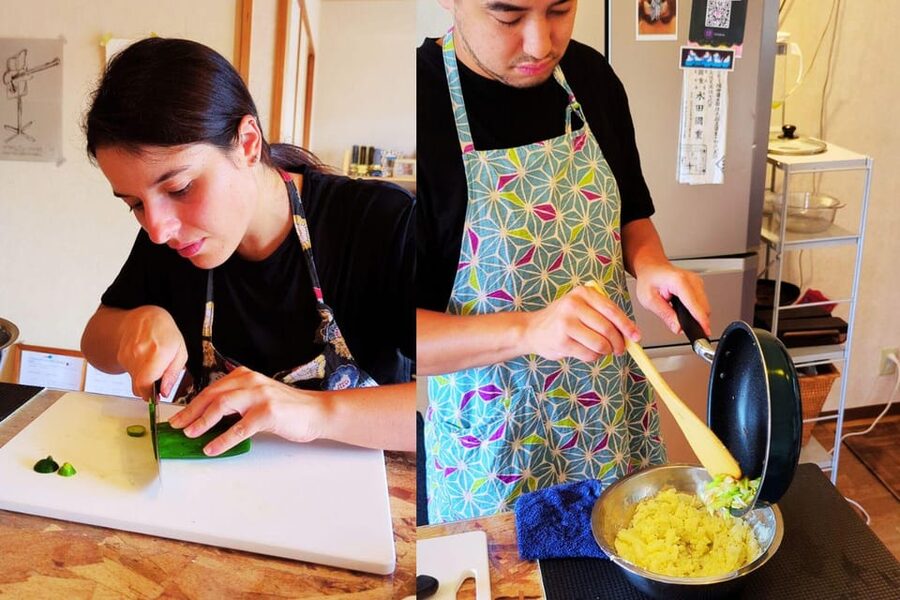
You begin with a welcome and an introduction to the ingredients and tools. Yuki explains Japanese cooking methods and the changes needed when a traditional recipe is made without wheat. The instructions are given in English, and the format suits beginners as well as people who already cook at home.
The setting is a quiet Japanese-style residence at 4-19 Nukata-cho. This is not a restaurant kitchen built for a large crowd. It is a home-based class with an intimate feel, which makes the experience more personal but also means you should expect a domestic setting rather than a polished cooking school.
More Sushi and Japanese Classes in Osaka:
- Sushi Making Osaka Roll and Authentic Japanese Sushi Class
★ 5.0 · 1,220 reviews - Osaka Sushi Making Experience
★ 5.0 · 400 reviews - Osaka: Ramen and Gyoza Cooking Class in Dotonbori
★ 5.0 · 378 reviews
Starting with rice-flour ramen noodles
The first major task is making ramen noodles from rice flour. You work through the process step by step, learning how the dough is handled and how to aim for a chewy texture without gluten.
This is one of the most useful parts of the class because noodles are often the biggest obstacle for a gluten-free cook. Buying gluten-free pasta is easy enough, but making ramen-style noodles requires more care. Yuki’s role is important here. She has more than 10 years of professional culinary experience and has spent more than a year teaching international participants.
Expect hands-on work rather than a lecture. You should plan to touch the dough, follow the shaping process, and pay attention to small adjustments. The provided details do not promise a particular machine or special equipment, so I would think of this as a practical technique lesson, not a factory-style noodle production show.
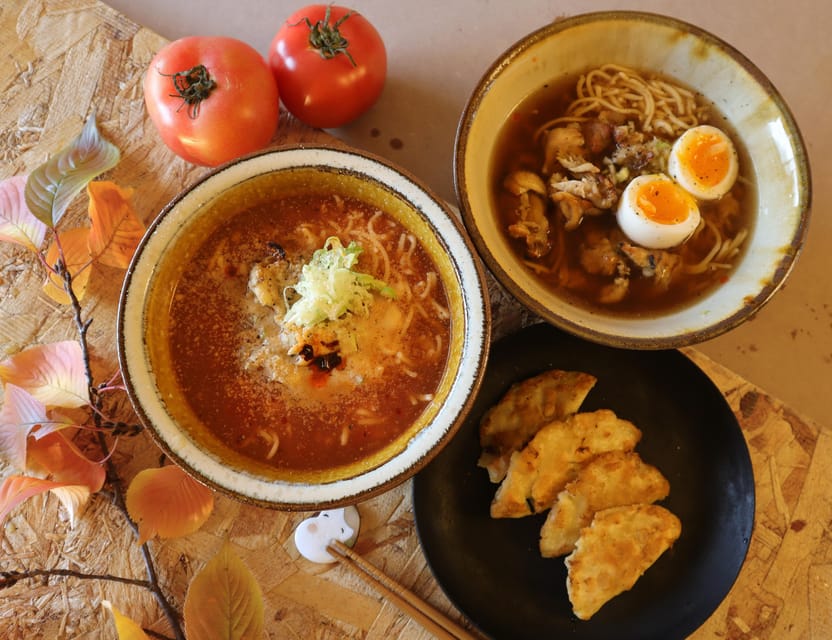
The finished noodles become the base for two different bowls. That gives you a useful comparison. You can see how the same handmade noodles work with a traditional savory broth and a newer tomato-based version.
Soy sauce ramen and tomato ramen
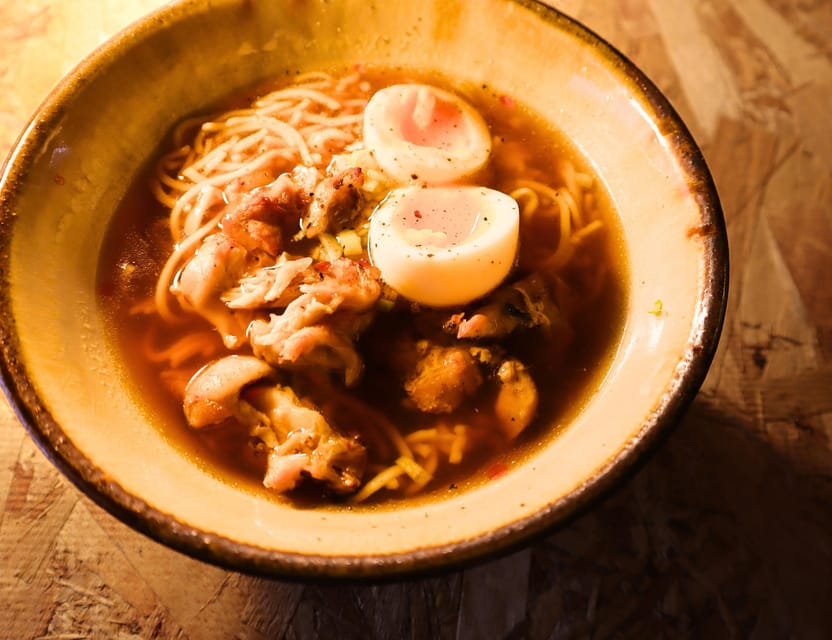
The soy sauce ramen offers the familiar flavor profile of a Japanese noodle bowl. You prepare a savory soy-based broth, then combine it with your handmade noodles. The lesson helps connect separate cooking tasks: noodle texture, broth strength, and the final balance of the bowl.
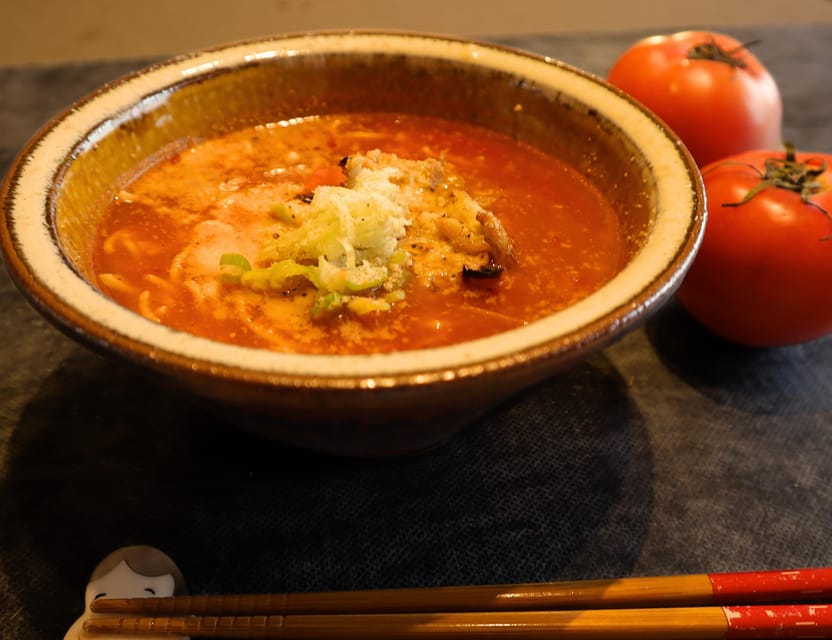
The class also includes tomato ramen, a more modern variation that is still uncommon in Japan. Its tangy, fresh character gives the meal a clear contrast with the soy version. I like this pairing because it avoids treating Japanese food as fixed or untouchable. You get a classic style and an example of how cooks can adapt the form.
You make two types of ramen during a three-hour session, so the pace should be active. This is not a long, slow afternoon built around one complicated dish. The benefit is variety. The tradeoff is that you may not spend extended time on every part of the broth or on advanced ramen toppings, since the noodles, wrappers, fillings, and cooking all share the schedule.
The available information does not list every ingredient or topping, so anyone with a serious allergy should speak with Yuki before booking. Gluten-free needs can vary widely, and a general gluten-free recipe is not the same as a guarantee for every allergy or cross-contact concern.
Making gyoza wrappers and folding dumplings
After the ramen work, you turn to gyoza. You make the wrappers from rice flour, then prepare a savory filling and place it inside the dough.
The wrapper stage is another strong reason to choose this class. Gluten normally gives wheat-based dumpling dough stretch and structure. Learning a rice-flour version lets you see how a familiar Japanese food can be changed without losing its basic shape.
Then comes the part many people look forward to: folding. Yuki shows you how to pleat the edges into tidy dumplings. You do not need previous cooking experience, but you do need a little patience. The first few gyoza may look less neat than the last few, and that is part of the fun.
The cooking method is pan-frying. You aim for a crisp, golden base while keeping the inside tender. This is a simple technique with a big payoff, and it is also easy to repeat at home. The class focuses on the details that matter most: how to fold the wrapper, how to cook the dumplings, and how to get that contrast between crisp outside and soft filling.
Several people who took the class specifically appreciated how easy it was to follow Yuki’s explanations. That should reassure first-time cooks, especially couples or families with mixed skill levels. The small group means you are less likely to be left behind during the folding practice.
More Hands-On Workshops in Osaka:
- Osaka Cooking Class: Okonomiyaki &Japanese cuisines experience
★ 5.0 · 261 reviews - Osaka: Roll and Authentic Sushi Making Class in Dotonbori
★ 4.9 · 239 reviews - Ramen and Gyoza Cooking Class in Osaka
★ 5.0 · 202 reviews - Osaka: Cooking Class Ramen & Gyoza Course in Nanba
★ 4.9 · 86 reviews
Eating your own ramen and gyoza
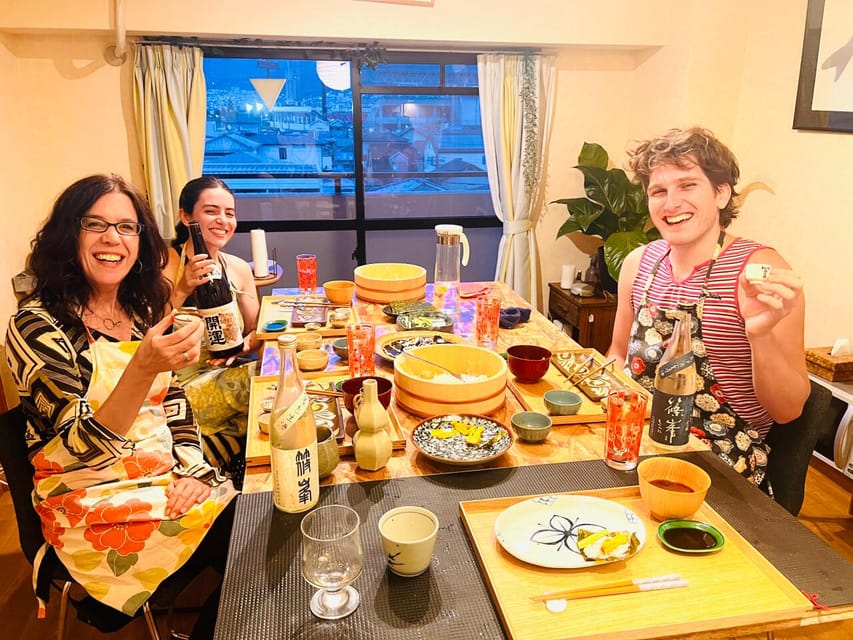
Once the cooking is finished, you sit in a cozy dining area and eat the meal you prepared. This final stage is more than a reward. It lets you judge the results while the techniques are still fresh.
You can compare the two ramen styles directly, then see how the gyoza’s crisp exterior works alongside the noodles and broth. Yuki also talks through the flavors and the role of sake if you choose the pairing.
The meal is described as a full serving of your creations, but the exact portion sizes are not specified. I would arrive hungry, as the class asks you to do, while remembering that the experience is built around cooking as much as eating.
The optional sake pairing includes three 45-milliliter servings: chilled Junmai, chilled Junmai Ginjo, and warm Junmai. This is a modest tasting, not a night of heavy drinking. It adds a small cultural lesson and gives you a chance to notice how temperature and style affect the meal. If you do not drink sake, the cooking class itself remains the main event.
Why the home setting matters
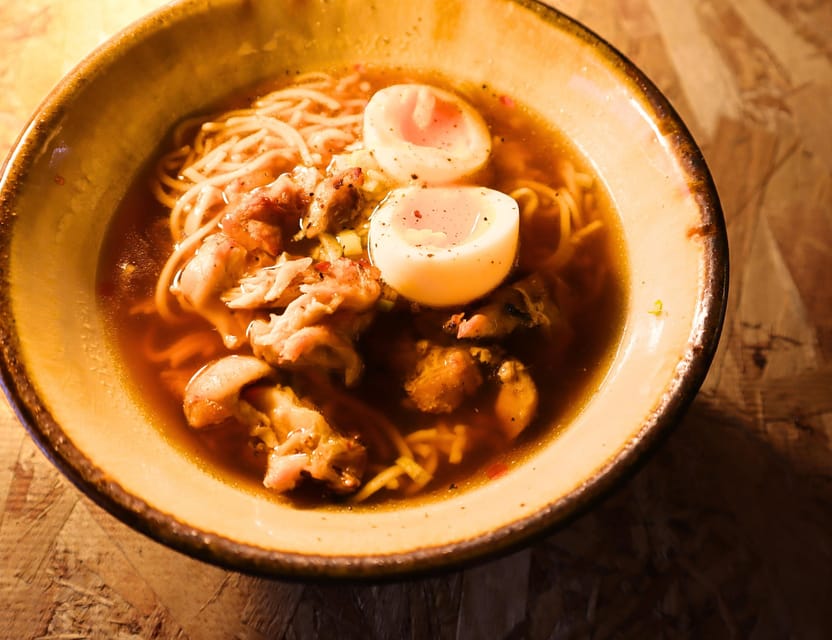
A home kitchen changes the tone. You are not being moved through a large commercial setup with dozens of other participants. With a maximum of four people, Yuki can answer questions, watch your technique, and adjust her explanations to your level.
That personal attention comes through in the class design. You work directly with the instructor, receive recipes and tips, and have time to ask about traditional Japanese seasoning and methods. English is the stated teaching language, with Japanese knowledge available from Yuki as well.
The setting also has limits. A residential home may be less convenient for anyone who expects a central Osaka attraction or a purpose-built culinary studio. The address is about a five-minute walk from Nukata Station, and detailed directions are provided after booking. You still need to budget time for the train journey and find your way through a quiet neighborhood.
Look for the welcoming sign at the entrance and a clean residential-style building. Comfortable clothing is the only listed item to bring, and you should choose something suitable for cooking.
Is $103 a fair price?
At $103 per person, this class costs more than a casual ramen meal, but that is not the right comparison. You are paying for three hours of instruction, a small group, ingredients, a full meal, and recipes you can use later.
The value is strongest for someone who needs gluten-free food and has struggled to find safe or interesting Japanese cooking options. Standard ramen shops and gyoza restaurants may not suit that need, while this class is designed around gluten-free versions from the start.
It also makes sense for a couple or a small group that wants an activity with conversation and a meal built in. You are not simply watching a chef perform. You spend the session preparing several dishes and then eat them together.
The value is less clear if you only want a quick taste of Osaka or already know how to make rice-flour noodles and dumpling wrappers. The three-hour length and hands-on format require real participation. For most people choosing this class, that is the point.
The booking terms add flexibility. You can cancel up to 24 hours before the activity for a full refund, and you can reserve now while paying later. Starting times depend on availability, so check the schedule before planning the rest of your day.
Who will enjoy this Osaka cooking class?
I would recommend it most strongly to:
- People who need gluten-free Japanese food options
- Beginners who want patient, direct instruction
- Couples looking for a shared activity rather than a restaurant meal
- Home cooks who want recipes they can repeat
- Anyone curious about both traditional and modern Japanese flavors
- Small groups that prefer a quiet home setting
It is also a good choice if food is a major part of your Osaka plans but you want to do more than eat. The class gives you a better sense of how Japanese dishes are built, from dough and broth to folding and pan-frying.
It may not suit someone who dislikes group participation, wants a large professional kitchen, or prefers a sightseeing activity with several city stops. The experience stays in one home and centers on cooking from beginning to end.
Practical details before you book
The venue is at 4-19 Nukata-cho in Osaka, roughly five minutes on foot from Nukata Station. Transportation is not included, so allow extra time to reach the neighborhood and follow the directions sent after booking.
The class lasts three hours and is limited to four participants. That small capacity is a major part of its appeal, but it also means popular dates may have limited availability.
No cooking background is required. Wear comfortable clothes that are suitable for food preparation, and arrive ready to eat. If you have celiac disease, a severe allergy, or strict cross-contact requirements, contact Yuki before booking so you can confirm that the class fits your needs.
People who took the class repeatedly praised Yuki’s patience, clear explanations, hospitality, and ability to make the food approachable. The strongest practical takeaway is that participants left with techniques they felt able to repeat at home, not just a pleasant meal that could not be recreated.
Should you book it?
Book this class if you want a personal Osaka food experience and care about gluten-free cooking, handmade noodles, or learning a skill you can use later. The combination of two ramen styles, gyoza from scratch, a small group, and a full meal gives the $103 price a reasonable basis.
I would skip it only if you want a short activity, dislike cooking, or need a strictly controlled allergy environment that has not been confirmed in advance. For everyone else, Yuki’s class offers a useful mix of food, culture, and patient instruction in a setting that feels far removed from a standard restaurant visit.
FAQ
How long does the gluten-free ramen and gyoza class last?
The class lasts three hours.
Where does the cooking class take place?
It takes place at 4-19 Nukata-cho in Osaka, in a Japanese-style home. The venue is about a five-minute walk from Nukata Station.
How many people can join the class?
The group is limited to four participants.
Is the class taught in English?
Yes. English is the listed teaching language, and the instructor is Yuki.
Do I need cooking experience?
No. The class is suitable for beginners as well as more experienced cooks.
What foods will I make?
You will make gluten-free ramen noodles, soy sauce ramen, tomato ramen, gyoza wrappers, gyoza filling, and pan-fried gyoza.
Is sake included?
Sake is an optional pairing, not part of the listed core inclusions. It includes three 45-milliliter servings: chilled Junmai, chilled Junmai Ginjo, and warm Junmai.
What should I bring?
Wear comfortable clothes suitable for cooking. Transportation to the venue is not included.
Can I cancel the booking?
You can cancel up to 24 hours in advance for a full refund. The activity also offers a reserve-now, pay-later option.
Just added around Osaka
- Okonomiyaki&Takoyaki for Families:Osaka Street Food Festival★ 5.0 · 4 reviews
- Osaka: Sushi Making in Spacious Studio (SAME-DAY OK!)★ 5.0 · 75 reviews
- Osaka Sake Tasting with Takoyaki Cooking★ 5.0 · 156 reviews
- Osaka: Sushi Making Class and Dotonbori Food Tour★ 4.7 · 3 reviews
- Osaka Okonomiyaki Cooking Experience for Families & Groups★ 4.9 · 8 reviews
- Osaka: Sashiko Japanese Craftsmanship Workshop★ 5.0 · 31 reviews
- Osaka Dotonbori: Sushi Making Experience★ 4.9 · 122 reviews
- Osaka: Okonomiyaki Cooking Class with Beer or Soft Drink★ 4.9 · 9 reviews
Japanese & Sushi Cooking Classes, compared.
Sushi Making Tokyo Roll and Authentic Japanese Sushi Class
Read our review →
Tokyo: Roll and Authentic Sushi Making Class in Asakusa
Read our review →
Ramen Cooking Class at Ramen Factory in Kyoto
Read our review →
Tokyo: Sushi Making Class in a Happi Coat near a Famous Spot
Read our review →
Sushi Making Tokyo! Popular Maki Sushi & Japanese Sushi(+Recipe!)
Read our review →
Sushi Making Osaka Roll and Authentic Japanese Sushi Class
Read our review →
Tokyo Sushi Making Class in Tsukiji with Professional Chef
Read our review →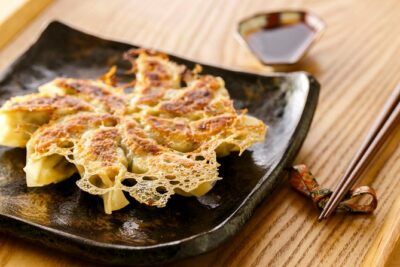
Ramen & Gyoza Cooking Class in Tokyo with Local Supermarket Visit
Read our review →Browse the lists this tour appears in