
Review · OSAKA
Osaka Dotonbori: Sushi Making Experience
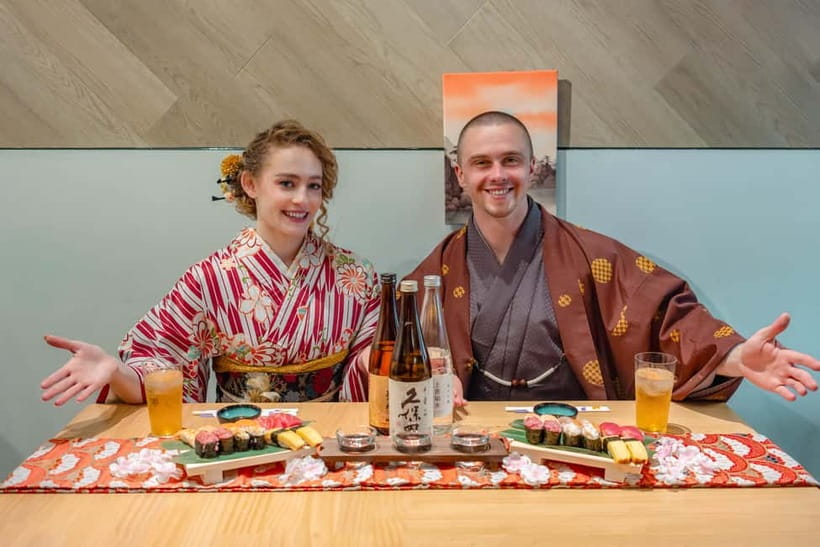
The fun here is making your own 12 pieces of sushi, then eating the results with Japanese sake. Instructors such as Mako, Mika, Saki, Yumiko, and Kosei keep the lesson light while explaining sushi, its ingredients, and the basic hand movements.
I like the clear, beginner-friendly steps and the mix of food with Japanese culture. I also like the extra touches: sushi cosplay, photos, a gift, and a sushi master certificate. The one thing to keep in mind is that one recent visitor found the seafood good but not especially fresh, and the location can be a little hard to find.
Key points at a glance
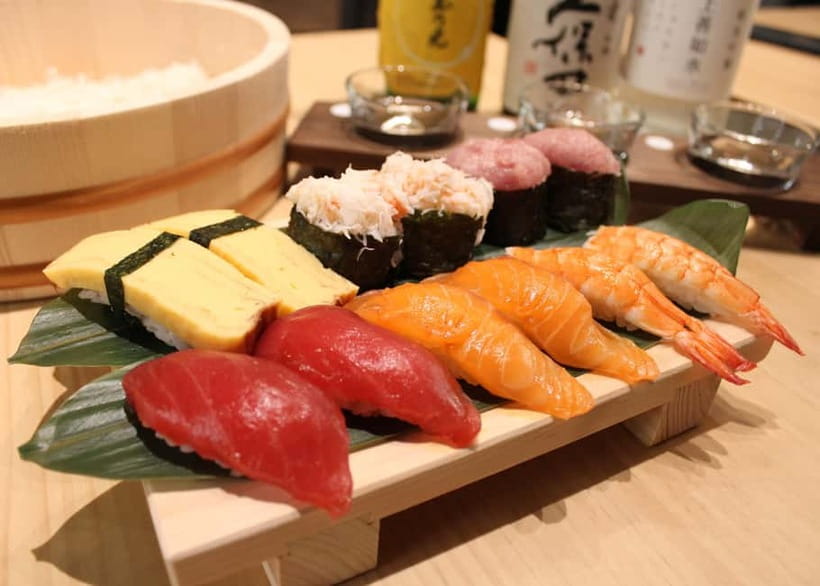
- Make 12 pieces yourself: You season the rice, shape it, add toppings, and form each piece by hand.
- Friendly English instruction: The teaching is designed for beginners, with staff explaining each step slowly and clearly.
- Sake adds a cultural touch: You can enjoy Japanese sake alongside the sushi you make.
- Good for mixed diets: Vegan and halal sushi are available, and gluten-free soy sauce has been provided when needed.
- More than a cooking lesson: Sushi cosplay, photos, a small gift, and a sushi master certificate are included.
- Easy to fit into an Osaka day: The class lasts 90 minutes and costs $45 per person in Dotonbori.
Making sushi in the middle of Dotonbori
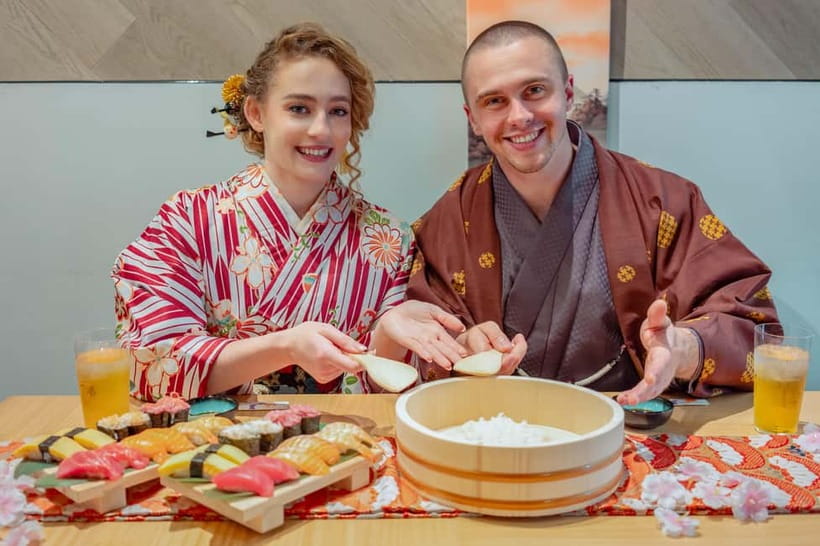
Dotonbori is one of Osaka’s best-known areas for food, neon signs, and easy evening entertainment. This class gives you a different way to meet the city’s food culture. Instead of simply ordering a plate and moving on, you spend 90 minutes learning how that plate comes together.
I like the setting for a short activity. You can place the class between sightseeing, shopping, and a meal in Namba. It is also a sensible choice on a rainy afternoon, when an indoor food activity is more useful than another walk through the city.
The experience is aimed at beginners. You do not need previous sushi-making skills, and the instructors provide the technique step by step. The tone is friendly and social, with time for conversation and questions. Several instructors have been praised for making people feel comfortable, including Mako, Mika, Saki, Yumiko, Kosei, and Anri.
The class is not designed as advanced chef training. You will learn the basics of forming sushi rather than professional knife work or the full running of a sushi restaurant. That is a strength if you want a relaxed cultural activity, but a limitation if you are looking for a serious culinary course.
More Sushi and Japanese Classes in Osaka:
- Sushi Making Osaka Roll and Authentic Japanese Sushi Class
★ 5.0 · 1,220 reviews - Osaka Sushi Making Experience
★ 5.0 · 400 reviews - Osaka: Ramen and Gyoza Cooking Class in Dotonbori
★ 5.0 · 378 reviews
Step one: seasoning the shari
The first task is preparing shari, the seasoned sushi rice. You pour sushi vinegar over the rice, which gives it the familiar sweet and sour flavor used in many sushi styles.
This simple step matters because rice is the base of the finished dish. A beginner can easily focus on the fish and toppings, but the rice controls much of the taste and texture. The instructor explains what you are doing before you move on, so you are not simply copying hand movements without context.
You should expect a practical demonstration followed by your own attempt. The class is built around doing the work yourself, not watching a chef prepare everything while you sit back.
The instructions have been described as easy to follow, even for people who had never made sushi. Staff also introduce basic Japanese words and explain how to use chopsticks. Those small details make the class feel connected to daily food culture rather than just a tourist photo stop.
Step two: shaping the rice by hand
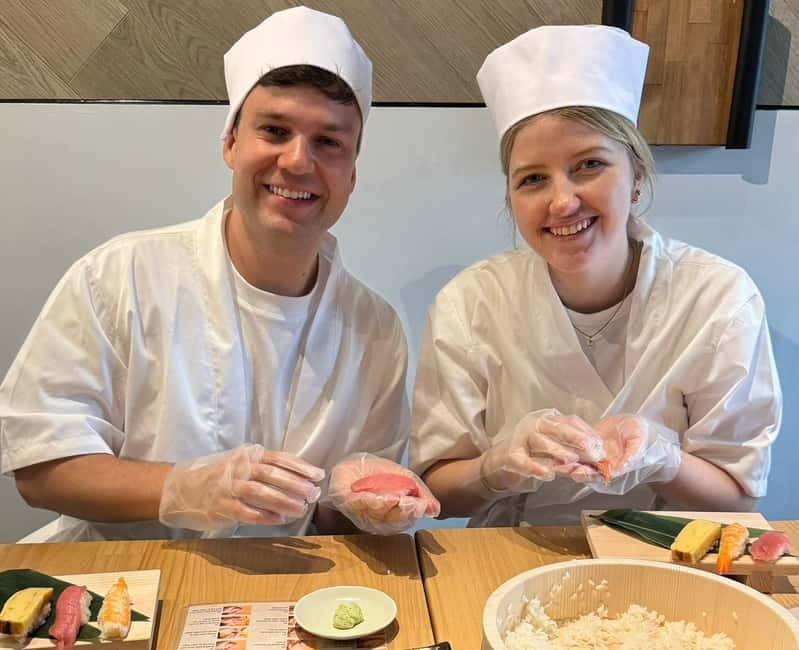
Next, you make a small rice ball and shape it. This is where the lesson becomes more hands-on. The rice needs to hold together, but it should not become a hard, tightly packed lump.
The instructors show you how to use your fingers and help you understand the general shape. You may find that your first attempt is less tidy than the demonstration. That is normal for a beginner class, and part of the enjoyment comes from seeing your technique improve across the 12 pieces.
One useful point is that the staff do not expect perfection. The class is meant to turn a novice into someone who can make a recognizable piece of sushi, not test restaurant-level precision.
The level of individual correction may vary. One person felt the teacher could have paid closer attention to how each participant was shaping the sushi and corrected mistakes more often. If you want detailed coaching, ask for help as you work instead of waiting for an instructor to notice.
Step three: adding neta and wasabi
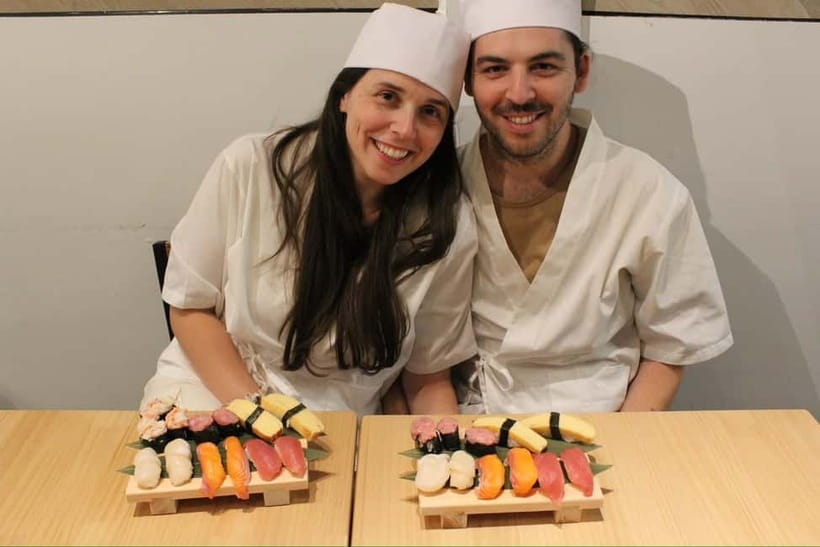
After the rice is shaped, you put together the neta, or sushi topping. The process includes adding wasabi to the topping and bringing it together with the rice.
This is a good point in the class to ask about flavors. Wasabi can be strong, and the amount you use changes the balance of the finished piece. The activity gives you a simple sense of how sushi is assembled, rather than treating each piece as a mysterious restaurant product.
The ingredients for all 12 pieces are included in the $45 price. Several people especially liked the taste and quality of the finished sushi. One person singled out the Japanese omelette sushi as a favorite, while another said the class worked well even for someone who did not usually like fish.
That last point is worth noting. You do not have to be an experienced sushi eater to enjoy the activity. The class includes different ingredients, and vegan and halal sushi are available. If you have a food allergy or restriction, tell the provider in advance so the staff can prepare appropriately. Gluten-free soy sauce was provided for one participant with a gluten allergy.
Same place, a different menu:
- Osaka Cooking Class: Okonomiyaki &Japanese cuisines experience
★ 5.0 · 261 reviews - Osaka: Roll and Authentic Sushi Making Class in Dotonbori
★ 4.9 · 239 reviews - Ramen and Gyoza Cooking Class in Osaka
★ 5.0 · 202 reviews - Osaka Sake Tasting with Takoyaki Cooking
★ 5.0 · 156 reviews
Step four: forming the final sushi
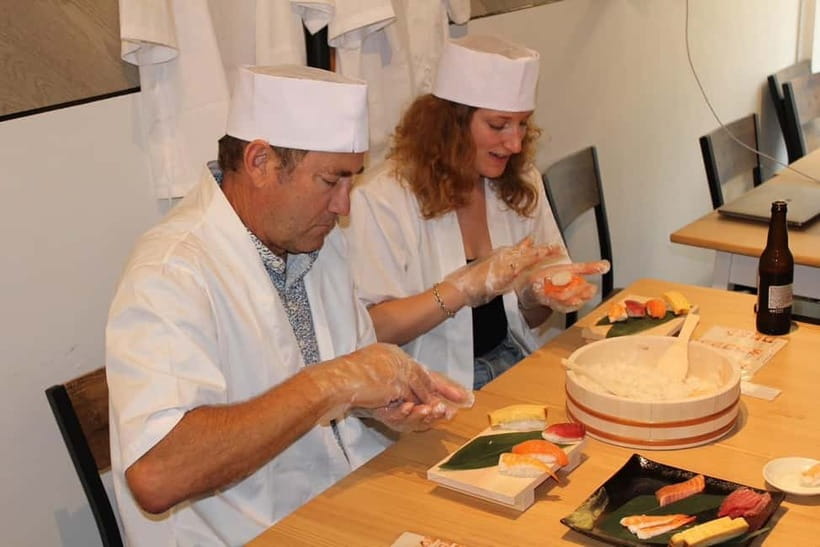
The final technique is shaping the completed sushi with your fingers. This is the moment when the separate parts come together: seasoned rice, topping, wasabi, and hand technique.
You will make 12 pieces in total. That is enough food to make the activity feel worthwhile, but not so much that the class becomes a long meal. It also gives you repeated practice. The first pieces may feel awkward, while the later ones should be easier to handle.
The instructors explain the process in English and demonstrate what the finished shape should look like. Names and staff can change from one session to another, but the teaching team has included Mako, Mika, Saki, Yumiko, Kosei, Toshiki, Maho, Marko, Yui, and Anri.
Their style appears to be warm and playful rather than formal. That suits families, couples, and small groups who want an activity with plenty of conversation. A family with a 15-year-old found the class worked well for everyone, and solo participants can expect a social setting rather than a silent workshop.
Sake, costumes, photos, and the certificate
The food is the main event, but the additional features make the class more memorable. You can enjoy Japanese sake with the sushi, which adds a small introduction to another part of Japanese food culture.
The sake component is not presented as a separate tasting tour. Think of it as a companion to the sushi-making lesson. If you do not drink alcohol, check what nonalcoholic choices are available before booking, since the provided information specifically highlights sake rather than an alternative.
Sushi cosplay is another unusual touch. You can dress up, take photos, and enjoy the playful side of the experience. This works especially well for families and friends who want pictures from Osaka that are more personal than the usual Dotonbori sign photographs.
At the end, you receive a certificate identifying you as a sushi master, along with a special gift. The certificate is obviously for fun, not a professional qualification, but it gives the activity a clear ending and makes a nice souvenir.
How much value do you get for $45?
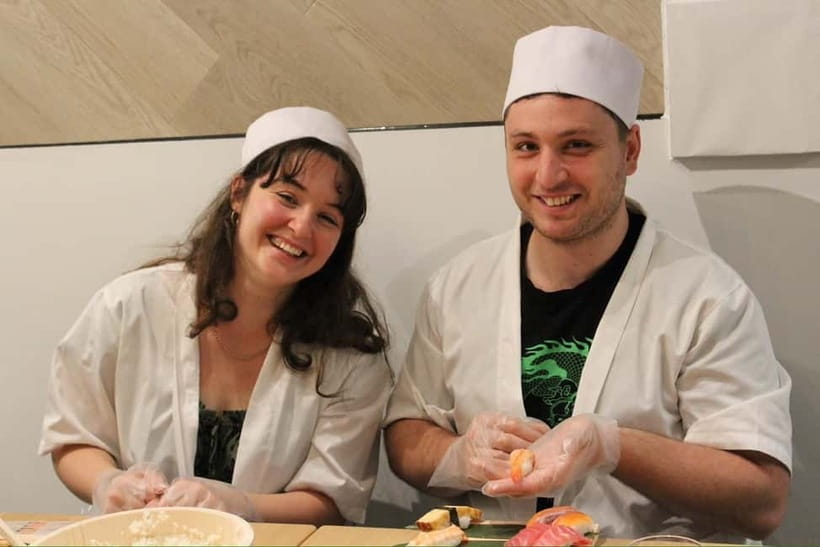
At $45 per person, this is not the cheapest way to eat sushi in Osaka. You could certainly find a quick sushi meal for less, especially at a casual counter or conveyor-belt restaurant.
The value comes from the combination of food and instruction. You receive ingredients for 12 pieces, a 90-minute activity, English guidance, sake, cosplay, photos, a gift, and a certificate. You also leave with a better sense of what sushi rice, toppings, wasabi, and hand shaping involve.
I would judge the price favorably if you are comparing it with other organized activities in Osaka. You are paying for something to do, not only for the food on the plate. If your main goal is simply to eat the largest possible amount of sushi, this is not the right choice.
The class has also worked well as a lunch or afternoon activity. One person described it as a good way to enjoy a delicious lunch, while another placed it among the most memorable activities of an Osaka visit. The 90-minute length is long enough to feel substantial but short enough to leave room for the rest of your day.
Who should book this class?
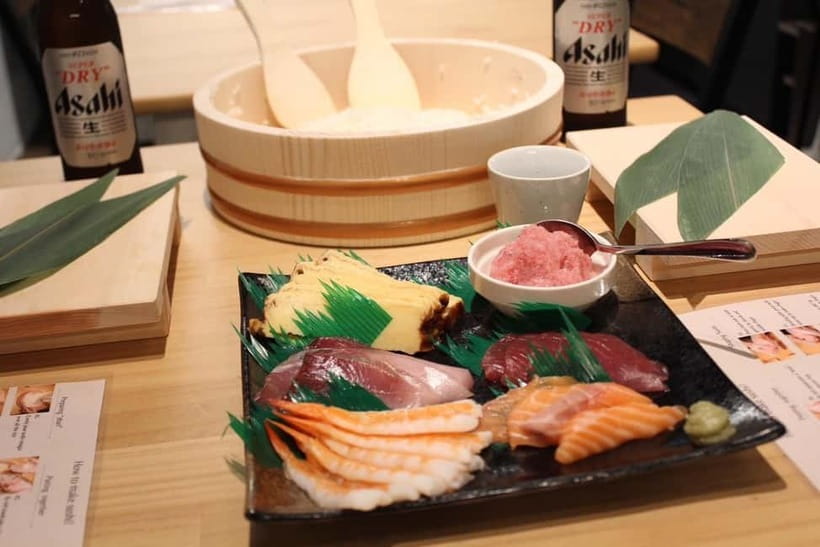
I would recommend it to first-time sushi makers, families with older children, couples, and friends who want a shared activity. It is also a good fit if you enjoy food but prefer learning by doing instead of joining a formal lecture.
The class suits people who want a light introduction to Japanese culture. You hear about sushi, learn some Japanese, practice chopsticks, and taste sake while making your meal. The instructors also offer tips about Osaka, which can add useful local conversation to the session.
It may be less suitable for a serious sushi enthusiast who already knows how to prepare shari and shape nigiri. The class focuses on accessible instruction, not advanced fish preparation, knife skills, or restaurant technique.
It can also work for people who do not usually eat raw fish. Vegan and halal options are available, and the class includes more than one type of sushi. Still, tell the staff about dietary needs ahead of time rather than assuming every ingredient can be changed on the spot.
Practical details before you go
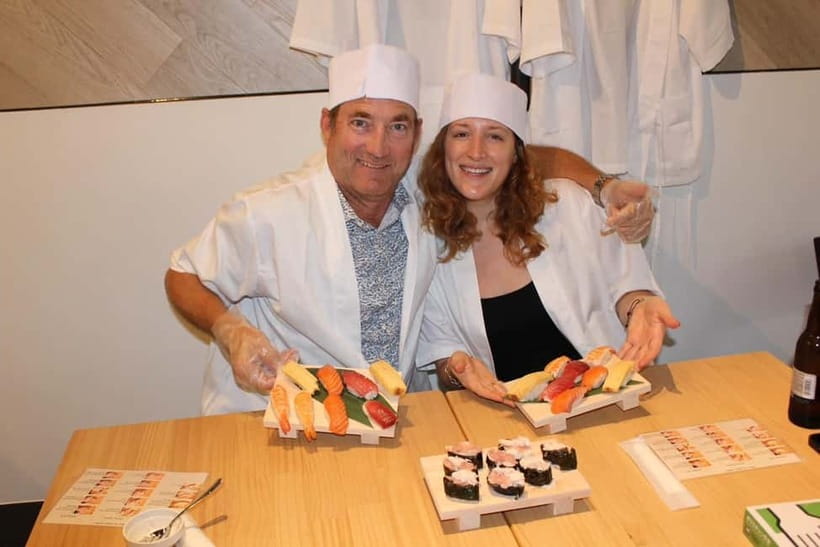
The class lasts 90 minutes and is taught in English. It is wheelchair accessible, which makes it a practical choice for many visitors, though you should still confirm any personal access needs when reserving.
The location is in Osaka’s Dotonbori area, but finding the exact spot may require care. One person specifically found the Google Maps location difficult to follow, and another described the class as a little hard to navigate to. I would allow extra time and check the meeting instructions closely before setting out.
Cancellation is free up to 24 hours before the activity for a full refund. You can also reserve now and pay later, which helps if your Osaka schedule is still changing.
The class has received a 4.9 rating from 122 reviews, with nearly all of the supplied feedback giving it five stars. The strongest pattern is clear: people value the kind instructors, simple explanations, tasty sushi, and relaxed atmosphere.
There is one useful note of balance. A January 2026 participant found the guides excellent and the lesson informative but felt the seafood was not extremely fresh, even though it was still good. Freshness can matter greatly to sushi lovers, so I would keep expectations realistic: this is a beginner experience with prepared ingredients, not a visit to an elite omakase counter.
My call: book it if you want to make, not just eat, sushi
I would book Osaka Dotonbori Sushi Making if you want a friendly, hands-on break from standard sightseeing. The class gives you a meal, a cultural lesson, photos, sake, and a small souvenir in one compact 90-minute session.
The best reason to go is the teaching style. Instructors such as Mako, Mika, Saki, Yumiko, and Kosei have made the activity welcoming for beginners, families, and people with little experience handling sushi. You get to make 12 pieces, and you eat what you create.
Skip it if you only want the freshest possible seafood or advanced culinary instruction. For everyone else, especially first-time visitors who want a playful taste of Japanese food culture in Dotonbori, the $45 price is reasonable. Just allow extra time to find the venue and share dietary requirements before you arrive.
FAQ
How long does the Osaka Dotonbori sushi-making class last?
The activity lasts 90 minutes.
How many pieces of sushi will I make?
You will make 12 pieces of sushi, using the ingredients provided during the class.
Is the class taught in English?
Yes. The instructor language is English.
Is sake included?
Japanese sake is part of the experience and can be enjoyed with the sushi you make.
Are vegan and halal sushi options available?
Yes. Vegan and halal sushi are available.
Is the activity wheelchair accessible?
Yes. The activity is listed as wheelchair accessible.
Can I cancel for a full refund?
Yes. You can cancel up to 24 hours in advance for a full refund.
Just added around Osaka
- Okonomiyaki&Takoyaki for Families:Osaka Street Food Festival★ 5.0 · 4 reviews
- Osaka: Sushi Making in Spacious Studio (SAME-DAY OK!)★ 5.0 · 75 reviews
- Osaka: Sushi Making Class and Dotonbori Food Tour★ 4.7 · 3 reviews
- Osaka Sake Tasting with Takoyaki Cooking★ 5.0 · 156 reviews
- Osaka Okonomiyaki Cooking Experience for Families & Groups★ 4.9 · 8 reviews
- Osaka: Sashiko Japanese Craftsmanship Workshop★ 5.0 · 31 reviews
- Osaka: Okonomiyaki Cooking Class with Beer or Soft Drink★ 4.9 · 9 reviews
- Osaka: Gluten-Free Ramen and Gyoza Cooking Class★ 5.0 · 42 reviews
Japanese & Sushi Cooking Classes, compared.
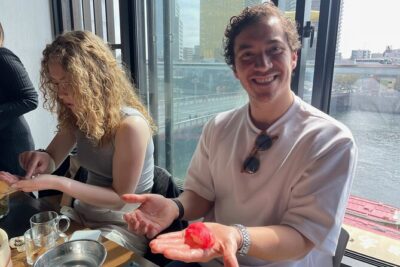
Sushi Making Tokyo Roll and Authentic Japanese Sushi Class
Read our review →
Tokyo: Roll and Authentic Sushi Making Class in Asakusa
Read our review →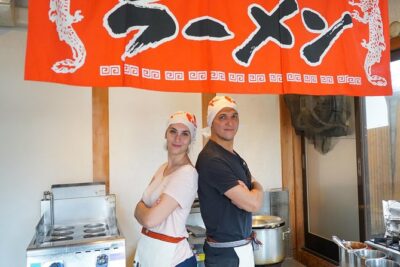
Ramen Cooking Class at Ramen Factory in Kyoto
Read our review →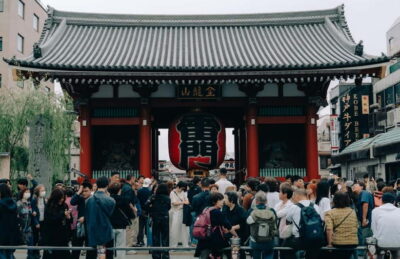
Tokyo: Sushi Making Class in a Happi Coat near a Famous Spot
Read our review →
Sushi Making Tokyo! Popular Maki Sushi & Japanese Sushi(+Recipe!)
Read our review →
Sushi Making Osaka Roll and Authentic Japanese Sushi Class
Read our review →
Tokyo Sushi Making Class in Tsukiji with Professional Chef
Read our review →
Ramen & Gyoza Cooking Class in Tokyo with Local Supermarket Visit
Read our review →Browse the lists this tour appears in