
Review · OSAKA
Okonomiyaki&Takoyaki for Families:Osaka Street Food Festival
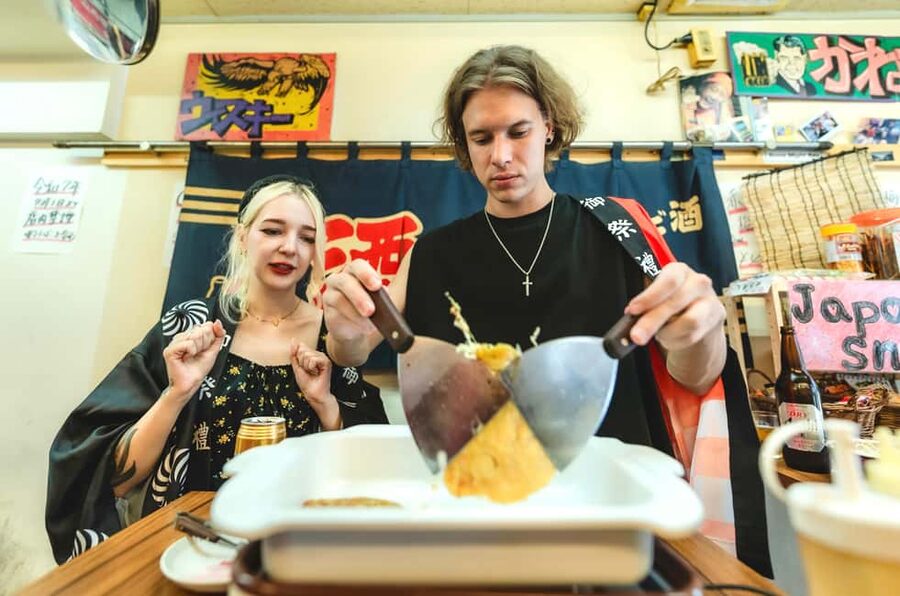
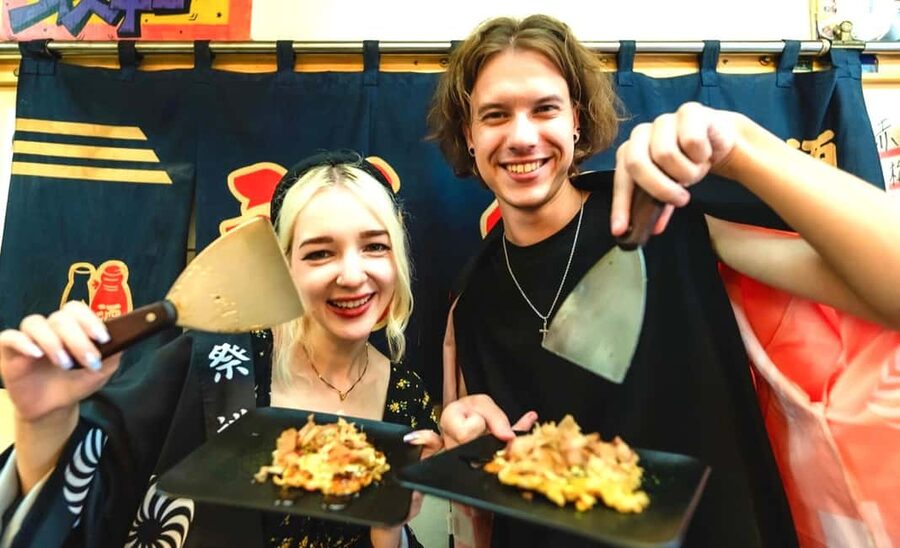
Osaka’s famous street food becomes a group activity here: you cook takoyaki and okonomiyaki on real teppan grills, then eat as much takoyaki as you like. The happi coats, festival games, dagashi snacks, and Takoyaki Baby photo spots give the meal a playful Japanese festival feel.
I like the hands-on cooking, since children and adults can work side by side instead of simply watching a demonstration. I also like the all-you-can-eat format, plus the chance to try six changing ingredients and collect a Takoyaki Master certificate.
The main consideration is the 90-minute limit. That is enough for a lively food session, but it is not a long, relaxed meal, and extra drinks cost more unless you choose the all-you-can-drink upgrade.
Key Points at a Glance
- Cook on real teppan grills: Make takoyaki and okonomiyaki yourself with guidance in English.
- Try six daily ingredients: The available fillings change, giving each session a slightly different menu.
- Dress for the occasion: A colorful happi coat turns the cooking session into a photo-friendly festival activity.
- Snack and play between batches: Dagashi sweets and classic games such as super ball scooping keep children involved.
- Receive a certificate: Every participant gets a Takoyaki Master certificate as a cheerful souvenir.
- Best for groups: Families, friends, couples, solo visitors, and large groups can all take part.
Osaka Street Food You Get to Cook Yourself
Takoyaki is one of Osaka’s signature foods: small, round batter balls cooked in a special griddle and filled with ingredients. The fun is in the turning. You pour batter into the round spaces, add fillings, and use picks to rotate each piece until it becomes a neat ball.
That sounds simple until you try it. The batter starts loose, and your first takoyaki may look more like a folded pancake than a perfect sphere. This is part of the appeal. You learn by doing, and the host can help you get the timing right.
You also make okonomiyaki, another Osaka favorite cooked on a teppan grill. It is a larger savory pancake, and making it beside your takoyaki gives you two different kinds of Japanese cooking in one session. Takoyaki asks for quick hands and careful turning. Okonomiyaki is a more substantial dish that you can build and cook as a group.
The menu includes six unique daily ingredients, although the specific choices are not fixed in advance. That means you should expect some variety from one day to the next, but you should not book this activity expecting a particular filling unless the host confirms it.
More Sushi and Japanese Classes in Osaka:
- Sushi Making Osaka Roll and Authentic Japanese Sushi Class
★ 5.0 · 1,220 reviews - Osaka Sushi Making Experience
★ 5.0 · 400 reviews - Osaka: Ramen and Gyoza Cooking Class in Dotonbori
★ 5.0 · 378 reviews
What Happens During the 90 Minutes
The session begins with a local host guide and a simple introduction to the cooking setup. The instruction is in English, which makes this a practical choice if you want to try Japanese food preparation without having to follow spoken directions in Japanese.
You then put on a festival-style happi coat. These colorful coats are associated with Japanese festivals and add a clear sense of occasion. They also make group photographs more fun, especially at the Takoyaki Baby character photo spots.
Next comes the main cooking portion. You work with the takoyaki and okonomiyaki stations, learning how to handle the batter and the hot grill. Since the food is prepared in front of you, you get the smell, sound, and small moments of success that you miss at a normal restaurant.
There is no need to ration the takoyaki. The experience includes all-you-can-eat takoyaki, so you can make another batch after your first attempt. That matters because the first round often becomes a practice run. You can focus on improving your technique instead of worrying that a misshapen batch has used up your meal.
The exact pace will depend on your group. A family with young children may spend more time on games and photographs, while a group of adults may concentrate on cooking and eating. The 90-minute length keeps things moving, but it also means you should arrive ready to take part rather than expecting a slow restaurant lunch.
Why the Festival Games Matter
The cooking is the main event, but the traditional festival games help keep the experience from becoming a standard cooking class. Super ball scooping is included, giving children something to do while food cooks or while other members of the group take their turn at the grill.
These games also give the session a wider Japanese context. You are not only learning how to prepare a local dish. You are getting a small taste of the food stalls and playful activities associated with Japanese festival culture.
The activity is especially useful for mixed-age groups. Young children may not have the patience for a full cooking lesson, while grandparents may not want to spend the whole session standing over a hot grill. The games, snacks, and photographs create several ways to join in.
The listing says children under three are not suitable for this activity. Children of elementary school age and younger are priced at ¥7,000, so check the final booking details carefully if you are traveling with children. The advertised adult price is $64 per person.
Dagashi Snacks and the One-Drink Arrangement
Unlimited Japanese dagashi snacks are included. Dagashi are inexpensive, playful sweets and snack foods often linked with childhood shops and festival treats. They add variety to the session and give you something to try between cooking rounds.
For children, dagashi can be as exciting as the takoyaki itself. For adults, they offer a quick introduction to a type of Japanese snack culture that you may not encounter in a regular Osaka restaurant. The snacks are also useful if one person in your group is waiting for a fresh batch to finish cooking.
One drink is included. Additional drinks are available for purchase, and you can upgrade to an all-you-can-drink option for an extra fee. This is worth considering for adults who want several drinks during the session, but the basic package is easier to understand if you simply want food, games, and one refreshment.
Do not treat the $64 price as the cost of a basic takoyaki meal. You are paying for food, instruction, use of the cooking setup, snacks, a drink, the happi coat, a game, photographs, and the hosted activity. The value is strongest when you take part in everything. If you only want to eat takoyaki, a restaurant will likely be a simpler choice.
More Food and Drink Tours in Osaka:
- Osaka Sake Tasting with Takoyaki Cooking
★ 5.0 · 156 reviews - Osaka: Cooking Class & Sake Tasting with Local Market Visit
★ 4.8 · 31 reviews - Osaka: Okonomiyaki Cooking Class with Beer or Soft Drink
★ 4.9 · 9 reviews - Osaka: Sushi Making Class and Dotonbori Food Tour
★ 4.7 · 3 reviews
A Good Choice for Families and First-Time Cooks
This activity has a clear advantage for families: everyone can do something. Children can help mix, fill, turn, snack, play, and pose for pictures. Parents can cook beside them, and grandparents can join the group without needing to understand a complicated class format.
That said, hot grills require attention. The supplied information does not describe a separate child-safe cooking arrangement, so adults should stay involved with younger children around the teppan. The age restriction also makes clear that this is not designed for toddlers under three.
Friends can make good use of the format too. Cooking in a group creates an easy rhythm: one person pours, another adds ingredients, and someone else turns the takoyaki. If you are traveling with a large group, the shared task gives everyone a role and avoids the problem of sitting at separate restaurant tables.
Solo visitors are welcome as well. You may not have the same group energy as a family or a party of friends, but the English-speaking host and the guided cooking provide a clear way to take part. The certificate also gives you a small keepsake without requiring you to buy a separate souvenir.
The activity suits couples who want something more active than a meal. It is also a good rainy-day option, though no specific weather policy is provided, so you should confirm the meeting details if conditions affect your plans.
The Host and the Feel of the Session
The host guide is central to the experience because the food is cooked by you, not simply served to you. J’ayla is named in one of the supplied comments and is specifically praised for making the session fun. Other comments also point to kind and attentive staff, so you can expect a hosted, participatory format rather than a self-guided grill station.
Still, this is not presented as a formal culinary school. The emphasis is on fun, local food, and group participation. You should expect useful instruction for making takoyaki and okonomiyaki, but not a detailed lesson in Osaka food history or advanced knife skills.
The English-language instruction is a practical advantage. You can ask questions while cooking and understand when to add ingredients or turn the batter. If your group includes people with different comfort levels in the kitchen, the host can help keep the process moving.
The atmosphere is designed to be festive. That makes it a strong match for visitors who want photos and laughter along with their food. If you prefer a quiet meal with no structured games or costumes, this may feel too energetic.
Photos, Costumes, and the Takoyaki Master Certificate
The happi coat is more than a costume prop. It helps separate this meal from an ordinary cooking class and gives your group a shared look for photos. The Takoyaki Baby characters provide another photo point, especially for families building a record of their Japan trip.
The certificate is a lighthearted souvenir rather than a formal cooking qualification. It works well for children, and it gives adults a simple reminder of the activity without taking up much room in your luggage.
I would plan to take the photos early, while everyone is still wearing the happi coats and before the group gets busy with food. The supplied details do not promise professional photography, so bring your own phone or camera if you want to save the pictures.
The photo and certificate elements also help explain the price. A normal plate of takoyaki does not offer this kind of group program. You are paying for an event built around participation, not only for the ingredients.
Meeting Point and Planning Details
The meeting point is described using a Family Mart diagonally ahead to the left. That is a useful landmark, but it is not a full address by itself. Check the exact booking confirmation and map before setting out, especially if you are meeting a large group or arriving with children.
The activity lasts 90 minutes, and starting times depend on availability. Book ahead if your Osaka schedule is tight, since the available spots can fill quickly. Reserve now and pay later is offered, which lets you hold a place without paying at the time of booking.
Free cancellation is available up to 24 hours in advance for a full refund. Keep that deadline in mind if your plans may change. Wheelchair access is listed, but you should still confirm any specific needs with the provider before arrival.
The experience is provided by TAKOYAKI BABY. It is in Honshu, Japan, and the instruction language is English. There is no transportation included in the supplied details, so plan your own way to the meeting point.
What the Strongest Feedback Tells You
The consistently positive feedback focuses on three things: the food, the hosts, and the chance to cook takoyaki for the first time. One person singled out J’ayla and the combination of snacks and festival games. Another described making takoyaki independently and enjoying the kind, attentive staff.
That pattern is useful. The strongest reason to book is not the certificate or the photo opportunity alone. It is the combination of hands-on cooking and a host who helps you succeed while keeping the mood light.
The food also earns clear praise. You should expect the pleasure of eating something you have just cooked, even if your first batch is not perfectly shaped. The activity makes the cooking part of the meal, which is why it works well for people who want more than a quick taste of Osaka street food.
The overall response also points to broad appeal. Families, couples, friends, and solo visitors can all take part. The experience does not depend on advanced cooking skills, and you can enjoy it even if you have never made takoyaki before.
Should You Book the Osaka Street Food Festival?
I would book this if you want a social, hands-on introduction to Osaka food and your group enjoys trying things together. Families get the most from the games, snacks, costumes, and certificate, while adults can appreciate the unlimited takoyaki and the chance to learn a local dish.
At $64 per person, the value depends on your interest in the full event. The price is reasonable for a hosted 90-minute activity with unlimited takoyaki, dagashi, one drink, games, costumes, and a certificate. It is less appealing if you only want to eat or if you prefer a quiet, traditional restaurant.
Book ahead, check the meeting point, and allow yourself to participate rather than simply observe. If you want a cheerful Osaka memory that includes food, photos, and a little friendly kitchen chaos, this is a well-targeted choice.
FAQ
How long does the Osaka Street Food Festival last?
The experience lasts 90 minutes.
How much does the activity cost?
The listed price is $64 per person. Children of elementary school age and under cost ¥7,000.
Is takoyaki included?
Yes. The activity includes all-you-can-eat takoyaki.
Is okonomiyaki included in the cooking experience?
Yes. You take part in making both takoyaki and okonomiyaki on teppan grills.
What drinks are included?
One free drink is included. Additional drinks can be purchased, and an all-you-can-drink upgrade is available for an extra fee.
Is the activity suitable for young children?
It is designed for families, but children under three are not suitable. Elementary school children and younger have a listed price of ¥7,000.
Is the activity offered in English and is it wheelchair accessible?
Yes. The instructor language is English, and the activity is listed as wheelchair accessible.
More Food Experiences in Osaka
- Osaka Dotonbori: Vegan/Vegetarian Sushi Making Experience
★ 5.0 · 9 reviews - Small Group Cooking Class & Market Food Tour in Florence
★ 5.0 · 1,574 reviews - Athens: Food Market Visit and Cooking Class with Wine
★ 4.9 · 1,087 reviews - Undiscovered Charleston: Half Day Food, Wine & History Tour with Cooking Class
★ 5.0 · 948 reviews
Just added around Osaka
- Osaka: Sushi Making in Spacious Studio (SAME-DAY OK!)★ 5.0 · 75 reviews
- Osaka: Sushi Making Class and Dotonbori Food Tour★ 4.7 · 3 reviews
- Osaka Sake Tasting with Takoyaki Cooking★ 5.0 · 156 reviews
- Osaka Okonomiyaki Cooking Experience for Families & Groups★ 4.9 · 8 reviews
- Osaka: Sashiko Japanese Craftsmanship Workshop★ 5.0 · 31 reviews
- Osaka Dotonbori: Sushi Making Experience★ 4.9 · 122 reviews
- Osaka: Okonomiyaki Cooking Class with Beer or Soft Drink★ 4.9 · 9 reviews
- Osaka: Gluten-Free Ramen and Gyoza Cooking Class★ 5.0 · 42 reviews
Japanese & Sushi Cooking Classes, compared.
Sushi Making Tokyo Roll and Authentic Japanese Sushi Class
Read our review →
Tokyo: Roll and Authentic Sushi Making Class in Asakusa
Read our review →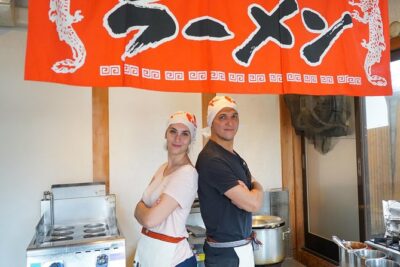
Ramen Cooking Class at Ramen Factory in Kyoto
Read our review →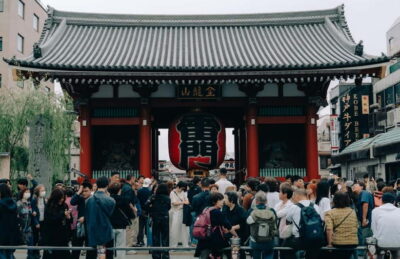
Tokyo: Sushi Making Class in a Happi Coat near a Famous Spot
Read our review →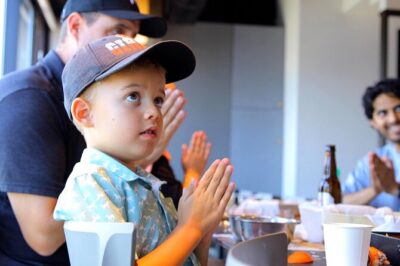
Sushi Making Tokyo! Popular Maki Sushi & Japanese Sushi(+Recipe!)
Read our review →
Sushi Making Osaka Roll and Authentic Japanese Sushi Class
Read our review →
Tokyo Sushi Making Class in Tsukiji with Professional Chef
Read our review →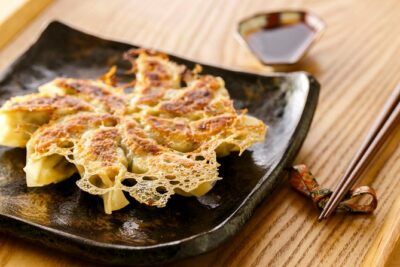
Ramen & Gyoza Cooking Class in Tokyo with Local Supermarket Visit
Read our review →Browse the lists this tour appears in