
Review · OSAKA
Osaka Dotonbori: Vegan/Vegetarian Sushi Making Experience
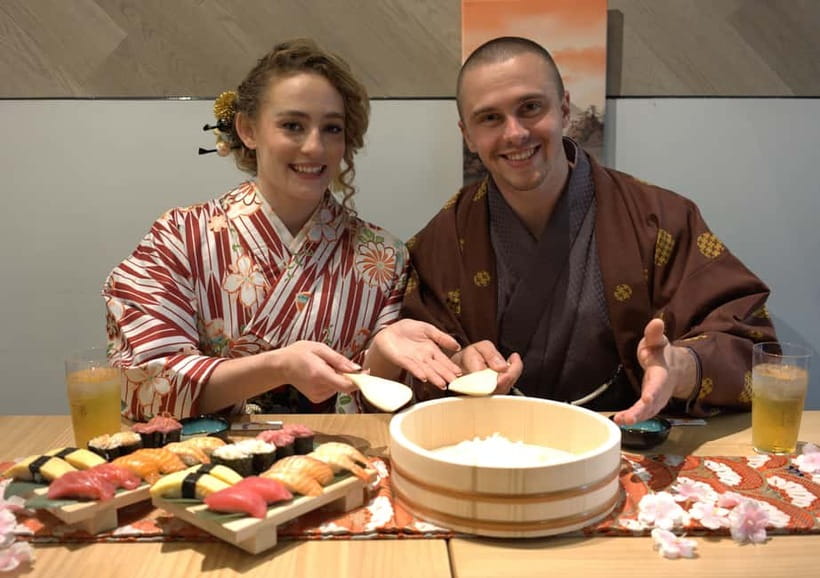
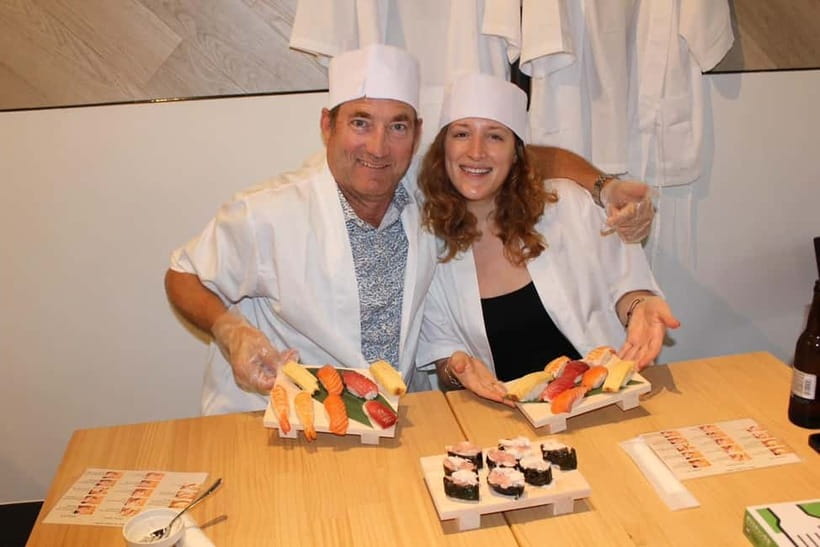
The fun here is that you do not just watch a chef work. You make 12 pieces of sushi yourself, from seasoning the rice to shaping the finished pieces, then sit down to eat them with Japanese sake. The class takes place in Dotonbori, so it fits neatly into an evening of food and sightseeing.
I like the clear four-step lesson and the welcome for vegan and halal diets. I also like the playful extras: sushi cosplay, a photo session, and a sushi master certificate. Instructors including Yumiko, Mayo, Makoto, and Cann help keep the class friendly and easy to follow.
The main point to consider is the 90-minute limit. You get a cheerful introduction and a hands-on meal, but this is a short cultural activity, not an advanced sushi course or a full Japanese cooking lesson.
Key points at a glance
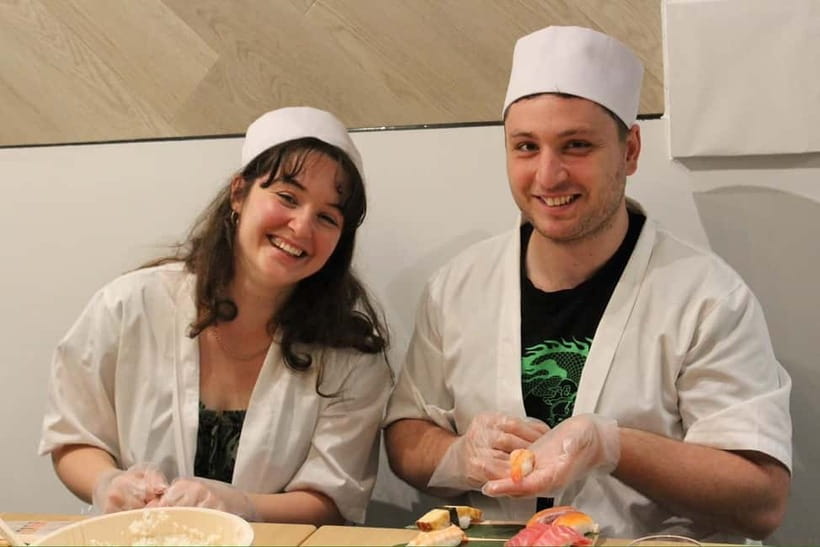
- Make 12 pieces by hand: Season the rice, shape it, add vegetable toppings, and form each sushi piece.
- Vegetarian, vegan, and halal-friendly: Vegetable ingredients are provided, with vegan and halal sushi available.
- English instruction: The staff explain sushi, ingredients, and technique in clear steps.
- A playful photo session: Sushi cosplay gives families and groups something fun to do beyond the meal.
- Sake is part of the experience: You can enjoy Japanese sake with the sushi you make.
- A certificate is included: You receive a certificate identifying you as a sushi master.
Why this Dotonbori class works well
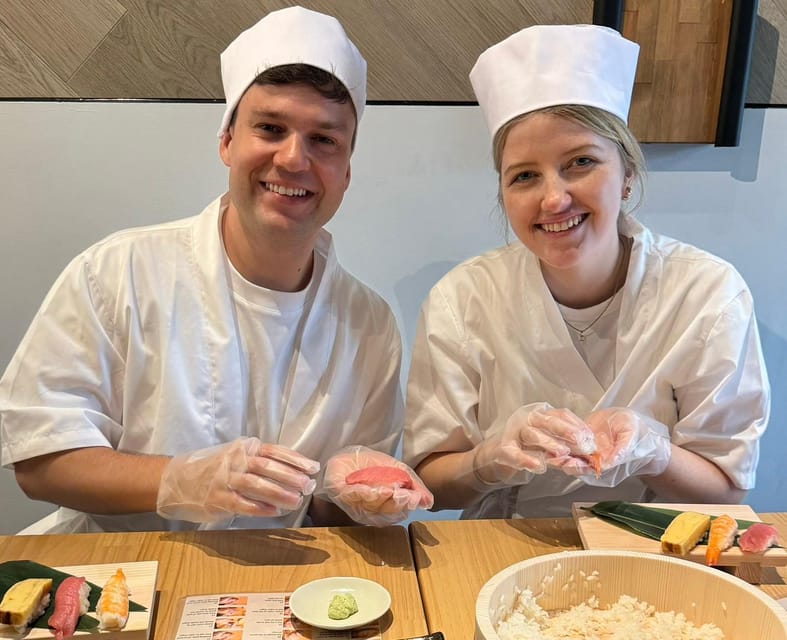
Dotonbori is one of Osaka’s best-known food districts, and sushi is one of Japan’s most recognizable dishes. That makes this class a useful break from simply ordering food at a restaurant. You learn what goes into a piece of sushi, then eat the result while the process is still fresh in your mind.
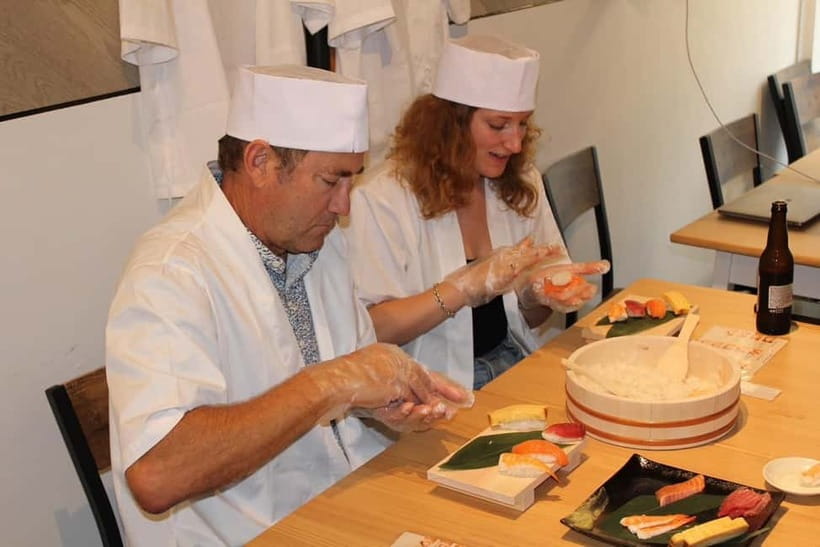
I like the fact that the activity is built around doing, not just listening. You handle the rice, toppings, and shaping yourself. That gives you a better sense of why sushi needs the right balance of rice, vinegar, topping, and pressure.
The class is also a practical choice for people who cannot eat fish. The experience provides vegetable ingredients for 12 pieces, and vegan and halal sushi are available. You should still state your dietary needs when booking, especially if you require strict separation or have allergies. The supplied information confirms the diet options, but it does not give a full ingredient or allergen list.
More Vegan Cooking Classes in Japan
- Ramen & Dumpling Cooking in Tokyo with Chef/Vegan possible
★ 5.0 · 107 reviews - Vegan/Vegetarian Ramen and Gyoza by Bentoya cooking
★ 5.0 · 59 reviews - Ramen Making from Scratch with Tokyo Mom(Vegan Option Available)
★ 5.0 · 39 reviews
The four steps of making your sushi
The lesson begins with shari, the seasoned sushi rice. You pour sushi vinegar over the rice, which gives it the mild sourness associated with sushi. This is a small step, but it matters. Plain rice would make the finished pieces taste flat, while too much vinegar could overpower the vegetable toppings.
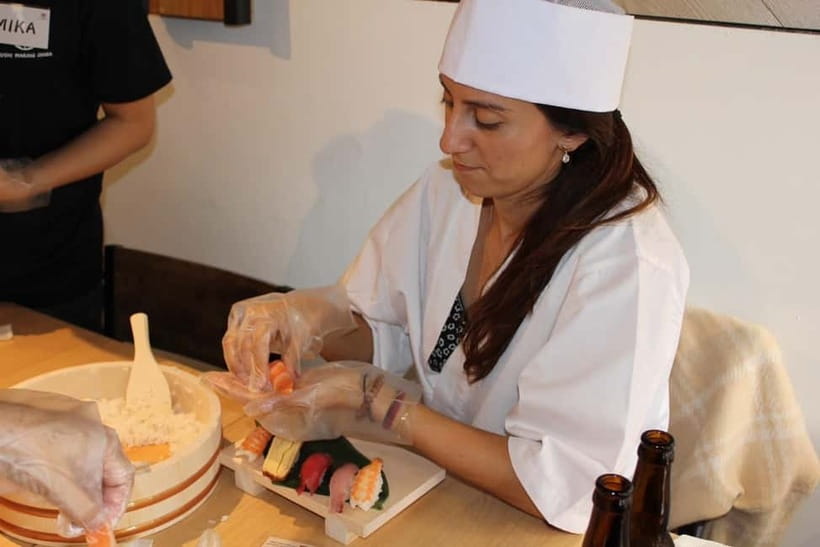
Next, you shape the rice. You make a small rice ball and work it into the right form. The class is designed for beginners, so you do not need prior cooking skill. The instructor shows you what to do and watches over the process as you work.
The third step is adding the neta, or sushi topping. You put wasabi on the topping and bring it together with the rice. Since the ingredients are vegetable-based, the class offers a way to learn the basic structure of sushi without relying on raw fish.
Finally, you shape the sushi with your fingers. This is where the pieces begin to look like sushi rather than loose rice and toppings. The staff explain the technique as you go, so you are not left guessing how firmly to press or how to hold each piece.
You make 12 pieces in total. That is enough to give you repeated practice without turning the class into a long kitchen session. Your first pieces may look less tidy than your last ones, which is part of the fun.
What the English-speaking instructors add
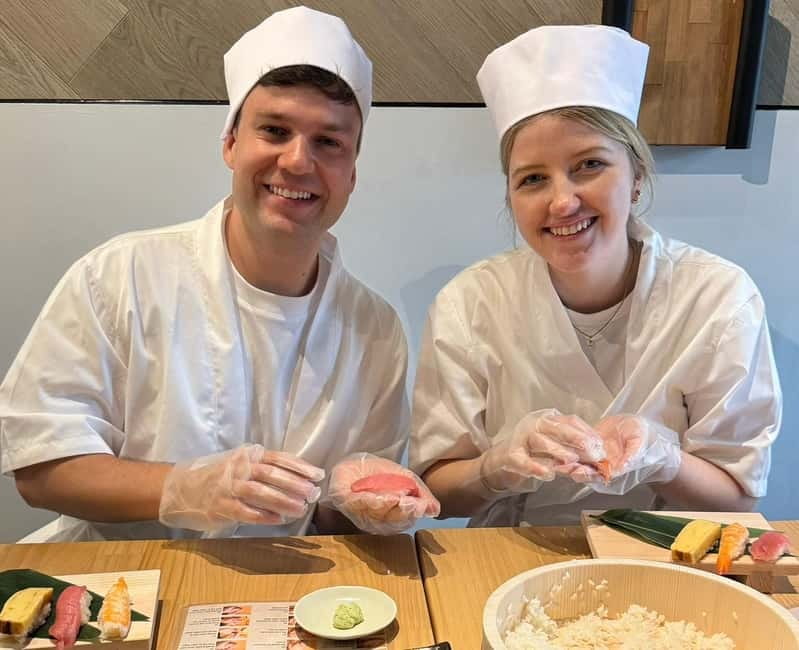
The class is taught in English, an important detail if you want more than a demonstration. The instructors explain what sushi is, identify the ingredients, and guide you through each stage.
Mayo and Yumiko have led sessions described as easy to follow and carefully explained. Makoto and Cann are also among the instructors connected with the class. The teaching style is friendly and hands-on, with staff watching your technique and helping you make a finished piece.
That support matters because sushi looks simple until you try shaping it. Rice can stick to your fingers, and small changes in pressure can alter the form. A staff member who corrects you at the right moment saves frustration and makes the activity more useful.
Do not expect a formal lecture on Japanese food history. The cultural learning comes through the food itself: the meaning of sushi rice, the use of vinegar, the role of toppings, and the care taken with presentation. For a 90-minute class, that is a sensible amount of information.
Sake, sushi cosplay, and the photo session
Once the sushi is made, you can enjoy it with Japanese sake. This adds a local drink to the meal and gives the class a social finish. If you do not drink alcohol, the supplied details do not specify an alternative, so ask the provider before booking if that matters to you.
Sushi cosplay is the class’s most unusual extra. You can put on the available costume pieces and take photos during the activity. This may sound a little silly, but it works well for families, couples, and friends who want a souvenir beyond a meal.
The cosplay also helps make the class accessible to children. A two-year-old was included in one family’s experience, and the activity was described as suitable for children. Still, the class is centered on shaping rice and handling food, so very young children may need close adult help. The provider does not give a minimum age in the supplied details.
You also receive a special gift and a certificate of sushi master. The certificate is a lighthearted keepsake rather than a professional qualification, but it gives the activity a clear finish. It can be a nice addition for children or anyone collecting small memories from a Japan trip.
More Sushi and Japanese Classes in Osaka:
- Sushi Making Osaka Roll and Authentic Japanese Sushi Class
★ 5.0 · 1,220 reviews - Osaka Sushi Making Experience
★ 5.0 · 400 reviews - Osaka: Ramen and Gyoza Cooking Class in Dotonbori
★ 5.0 · 378 reviews - Osaka Cooking Class: Okonomiyaki &Japanese cuisines experience
★ 5.0 · 261 reviews
The $45 price and what you receive
At $45 per person, this class sits in the moderate range for a short Osaka activity. The value depends on what you want. If you only want a cheap meal, a restaurant will likely be a simpler choice. If you want food, instruction, photos, cosplay, sake, and a small cultural lesson in one booking, the price is easier to justify.
The food portion includes all vegetable ingredients for 12 pieces of sushi. You are not paying only for the ingredients. Part of the cost covers the English instruction, the guided preparation, the sake, the costume experience, and the certificate.
I see the strongest value for people who want a planned activity in central Osaka. The class gives your group something to do together, and it suits people who prefer an interactive experience to another meal at a table. It is also useful for anyone seeking a fish-free sushi activity.
The value is weaker if you already make sushi at home or want detailed training in Japanese cooking. The class teaches the basics and keeps the mood light. It does not promise restaurant-level knife work, advanced rolling, or a long menu.
Who will enjoy this most
I would point this class toward several types of visitors:
- First-time visitors to Japan: You get a simple introduction to sushi customs and ingredients without needing specialist knowledge.
- Vegetarians, vegans, and halal diners: The available vegetable sushi makes the activity easier to join than a standard sushi workshop.
- Families: The cosplay, photos, certificate, and hands-on format give children more to do than simply sit through a tasting.
- Couples and friends: Making food together creates an easy shared activity, especially in the evening around Dotonbori.
- Short-stay visitors: At 90 minutes, it fits into a busy Osaka schedule.
- People who prefer English: The instructor language is English, so the steps are explained directly.
It may be less suitable if you want a quiet, serious culinary course. The costumes and photo session make this a playful experience. That is a strength for many groups, but it will not appeal to everyone.
Planning the 90 minutes in Dotonbori
The duration is long enough to feel like a real activity but short enough to combine with other plans. You should allow time before or after the class for Dotonbori itself, since the area is known for food and sightseeing.
Starting times vary, so check availability when you choose your date. The activity includes skip-the-ticket-line access, which keeps arrival simple once you have a confirmed booking. The exact meeting details are not provided here, so read the booking instructions carefully rather than relying only on the general Dotonbori location.
Flexible booking is another practical plus. You can reserve now and pay later, and cancellation is free up to 24 hours before the activity for a full refund. That helps if your Osaka plans are still changing, though you should keep the deadline in mind.
The activity is wheelchair accessible. Since the information does not describe the room layout or restroom arrangements, you may want to confirm any specific access needs directly before booking.
How this compares with an ordinary sushi meal
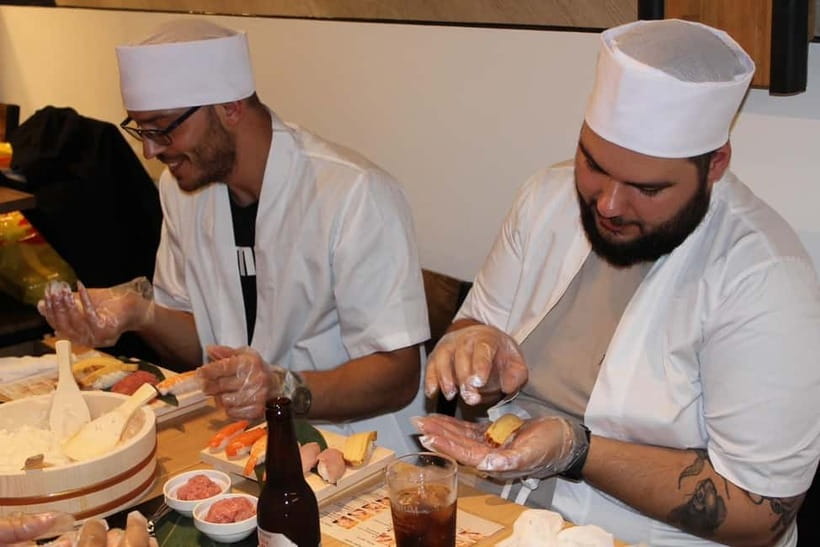
At a restaurant, you order sushi and focus on taste. Here, you pay attention to texture, shape, and the sequence of preparation. You see how vinegar changes the rice and how the topping and rice are brought together.
That makes the class particularly useful early in a Japan trip. Afterward, you may notice the role of rice more clearly when ordering sushi elsewhere. You also gain a few Japanese words, such as shari for sushi rice and neta for the topping.
The tradeoff is efficiency. A restaurant meal is faster and gives you more choice. This class gives you only the provided vegetable ingredients and 12 pieces, so it is not a replacement for a broad sushi dinner.
I would treat the activity as a cultural meal with a lesson attached. The food is the center, but the value comes from making it, sharing the process, and learning how the pieces are formed.
Dietary notes for vegan and halal participants
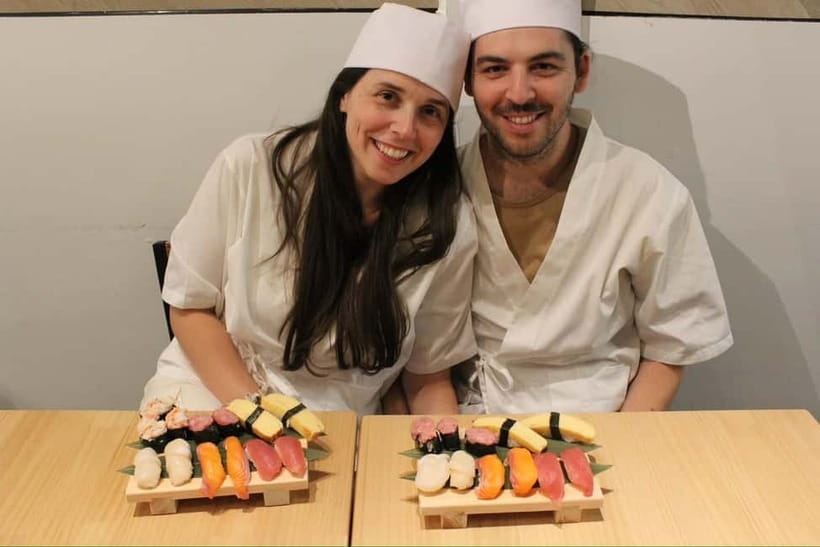
The class specifically offers vegan and halal sushi, and the included ingredients are described as vegetable ingredients. That makes it a strong option for groups with different diets, such as one vegan person, one halal diner, and other family members.
Still, dietary labels can cover different needs. If you avoid alcohol completely, ask about the sake service. If you have allergies, ask for the ingredient list and preparation details before confirming.
The activity information does not promise a separate kitchen, separate utensils, or a full allergen policy. You should not assume those details. The safest approach is to explain your restrictions clearly when booking and confirm that the available menu suits you.
My final take: should you book it?
I would book this class if you want an easy, social introduction to Japanese food culture, especially if your group includes vegetarians, vegans, halal diners, or children. The combination of 12 handmade pieces, English instruction, sake, cosplay, photos, and a certificate gives the 90 minutes plenty to do.
I would skip it if your main goal is a serious sushi qualification, a fish-focused tasting, or a large meal. At $45, you are paying for participation and guidance as much as for food.
For most visitors, the best reason to choose it is simple: you leave Dotonbori having made something yourself rather than only photographed something famous. That makes it a good fit for a half-day or evening plan, provided you are happy with a playful beginner class.
FAQ
How long does the sushi-making activity last?
The activity lasts 90 minutes.
How much does the experience cost?
The listed price is $45 per person.
How many sushi pieces will I make?
You will make 12 pieces of sushi.
Is vegan or halal sushi available?
Yes. Vegan and halal sushi are available, and the included ingredients are vegetable-based.
Is the class taught in English?
Yes. English is the listed instructor language.
Is Japanese sake included?
Yes. You can enjoy Japanese sake with the sushi you make.
Can I cancel for a full refund?
Yes. You can cancel up to 24 hours in advance for a full refund.
More Food Experiences in Osaka
- Okonomiyaki&Takoyaki for Families:Osaka Street Food Festival
★ 5.0 · 4 reviews - Osaka: Sushi Making Class and Dotonbori Food Tour
★ 4.7 · 3 reviews - Small Group Cooking Class & Market Food Tour in Florence
★ 5.0 · 1,574 reviews - Athens: Food Market Visit and Cooking Class with Wine
★ 4.9 · 1,087 reviews
More Vegan Cooking Classes in Osaka
- Oaxacan Vegetarian Cooking Class
★ 5.0 · 235 reviews - Marrakech: Moroccan Cooking Class for vegetarians and vegan
★ 4.9 · 156 reviews - Hoi An: Vegetarian Cooking Class w Local Family and transfer
★ 4.9 · 145 reviews - Oaxaca: Vegetarian Cooking Class
★ 4.8 · 139 reviews
Just added around Osaka
- Okonomiyaki&Takoyaki for Families:Osaka Street Food Festival★ 5.0 · 4 reviews
- Osaka: Sushi Making in Spacious Studio (SAME-DAY OK!)★ 5.0 · 75 reviews
- Osaka: Sushi Making Class and Dotonbori Food Tour★ 4.7 · 3 reviews
- Osaka Sake Tasting with Takoyaki Cooking★ 5.0 · 156 reviews
- Osaka Okonomiyaki Cooking Experience for Families & Groups★ 4.9 · 8 reviews
- Osaka: Sashiko Japanese Craftsmanship Workshop★ 5.0 · 31 reviews
- Osaka Dotonbori: Sushi Making Experience★ 4.9 · 122 reviews
- Osaka: Okonomiyaki Cooking Class with Beer or Soft Drink★ 4.9 · 9 reviews
Japanese & Sushi Cooking Classes, compared.
Sushi Making Tokyo Roll and Authentic Japanese Sushi Class
Read our review →
Tokyo: Roll and Authentic Sushi Making Class in Asakusa
Read our review →
Ramen Cooking Class at Ramen Factory in Kyoto
Read our review →
Tokyo: Sushi Making Class in a Happi Coat near a Famous Spot
Read our review →
Sushi Making Tokyo! Popular Maki Sushi & Japanese Sushi(+Recipe!)
Read our review →
Sushi Making Osaka Roll and Authentic Japanese Sushi Class
Read our review →
Tokyo Sushi Making Class in Tsukiji with Professional Chef
Read our review →
Ramen & Gyoza Cooking Class in Tokyo with Local Supermarket Visit
Read our review →Browse the lists this tour appears in