
Review · TOKYO
Tokyo: Learnt to cook Bento, Oyakodon and More!
Tokyo’s Alleyway Gourmet Lab turns a short cooking lesson into a useful look at everyday Japanese food. In two hours, you learn how dishes such as oyakodon, miso soup, dashi, and bento fit together, rather than simply watching someone cook them.
I like the six-person limit, which gives the instructor time to answer questions. I also like that Yuki, one of the named instructors, speaks clear English and explains the small decisions that make simple ingredients taste good. The main drawback is the strict suitability policy: people with food allergies, gluten intolerance, vegetarian or vegan diets, and several mobility or health limitations cannot take part.
Key points at a glance
- Cook dashi from scratch: Learn the broth used in both miso soup and oyakodon.
- Work in a group of six or fewer: The small class leaves room for direct help and questions.
- Prepare Japanese home dishes: The class covers bento, oyakodon, miso soup, and related basics.
- Learn beyond recipes: Your instructor explains Japanese customs and the meaning of each dish.
- Take the lesson home: You receive detailed recipes, plus an included Japanese souvenir.
- Check the restrictions first: Vegetarian, vegan, allergy-sensitive, and wheelchair users cannot join.
A two-hour lesson built around Japanese home cooking
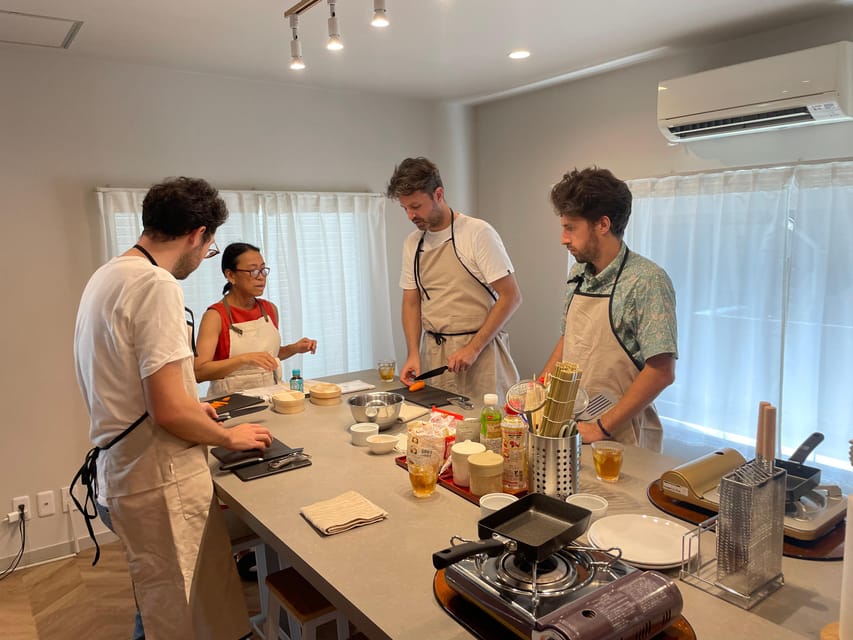
This is not a restaurant meal with a quick demonstration on the side. You take part in the cooking, using the ingredients and equipment supplied at the lab. The focus is practical: you learn steps you can repeat at home with fairly simple ingredients.
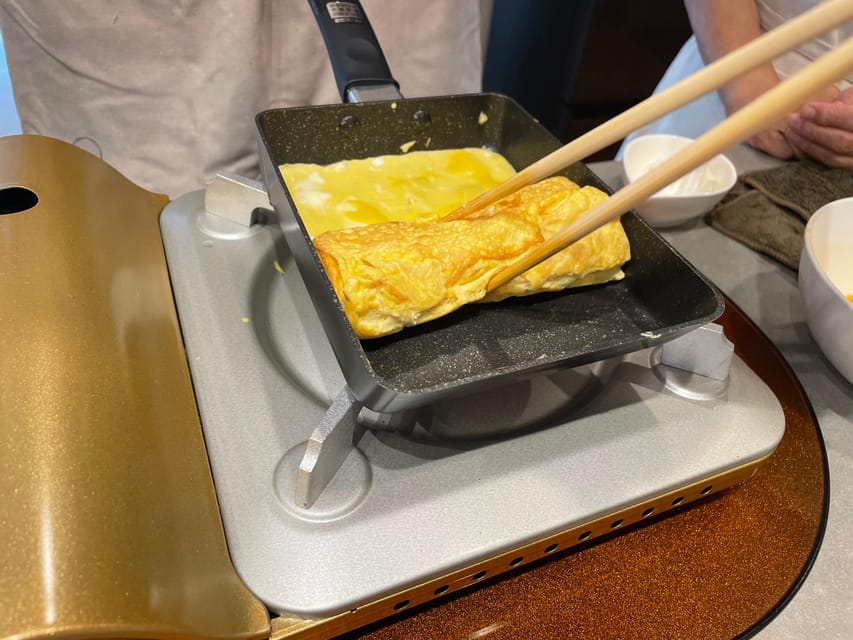
The dishes named for the class include bento and oyakodon, while the cooking examples also include miso soup and dashi. Oyako don means chicken and egg served over rice, a familiar Japanese home dish that shows how a few ingredients can make a complete meal. The class also covers the dashi broth needed for both miso soup and oyakodon.
That broth lesson may be the most useful part for your kitchen back home. Dashi provides a savory base, and learning how it is made helps you understand why Japanese food can taste full without relying on complicated sauces. You are not just copying a finished plate. You are learning one of the building blocks behind it.
The exact starting time depends on availability, but the activity lasts two hours. That is long enough for hands-on work and a meal, but short enough to fit around sightseeing in Tokyo. I would place it earlier in your stay if food is a main interest, since you can use the ideas and recipes during the rest of your trip.
More Sushi and Japanese Classes in Tokyo:
- Sushi Making Tokyo Roll and Authentic Japanese Sushi Class
★ 5.0 · 3,971 reviews - Tokyo: Roll and Authentic Sushi Making Class in Asakusa
★ 4.9 · 1,957 reviews - Tokyo: Sushi Making Class in a Happi Coat near a Famous Spot
★ 4.9 · 1,377 reviews
Finding the gray building and entering the lab
The meeting point is in a central part of Tokyo that is easy to reach for visitors and local residents. Turn into the alley and look for a four-story gray building on the right. At the front, you will see doors on both sides. Use the right-hand door marked Alleyway Gourmet Lab, then go to the second floor.
This is worth reading carefully before you set out. The entrance is not described as a large street-facing cooking school, so the alley and the sign are your key markers. Save the name of the venue and allow enough time to find the building without rushing into class.
You do not need to bring cooking equipment. Aprons, towels, and slippers are supplied, and shoes are not worn indoors. Bring comfortable clothes, since you will be working at the counter rather than sitting through a talk.
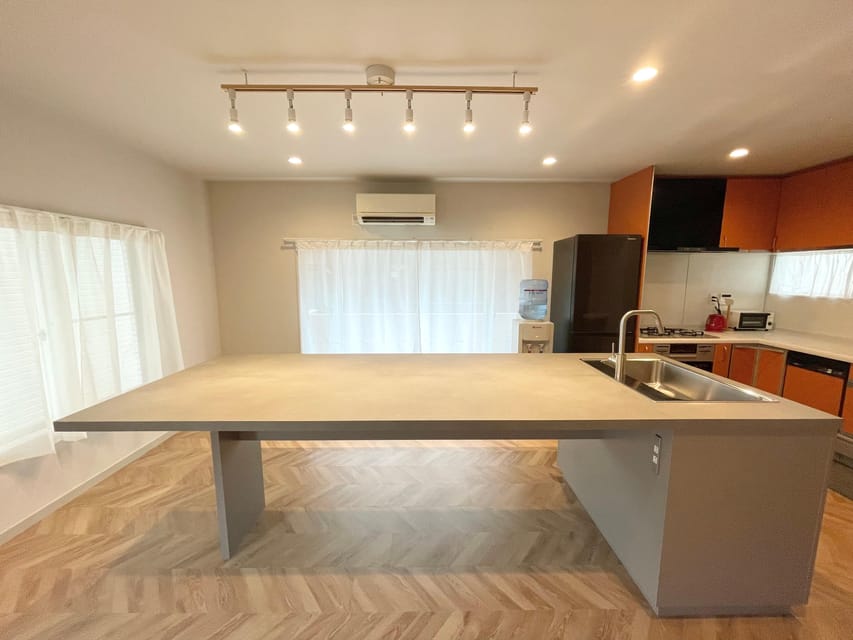
The space is described as clean, modern, and elegant. That matters in a cooking class. A tidy work area makes it easier to follow instructions, and the smaller room should help you keep track of your ingredients and tools.
Cooking with an English-speaking instructor
Classes are conducted in English, and Japanese instruction can be arranged on request. The instructor’s English is a real practical benefit if you want to ask why a certain step matters, not just what to do next.
Yuki has been specifically praised for being kind and for speaking excellent English. Another instructor is described as answering questions confidently and explaining techniques clearly. I would still tell the provider about any language preference when you book, especially if you want the class in Japanese.
The group limit is six people. That is small enough for the instructor to watch your technique, correct a step, and respond to individual questions. It also makes the class a good fit for a couple, solo visitor, or small group of friends. You are less likely to feel lost than in a large demonstration class.
The lesson is designed for both beginners and more experienced cooks. Beginners can follow the method one step at a time, while confident cooks can ask about seasoning, broth, preparation, and the role each dish plays in a Japanese meal.
Learning dashi, miso soup, and oyakodon
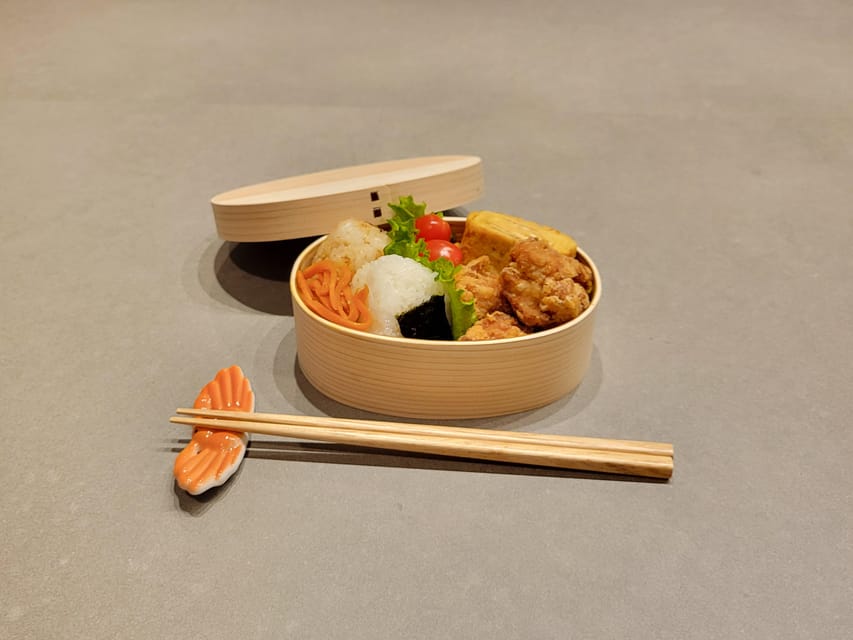
The cooking begins with the ingredients and basic methods needed for the dishes. You actively participate in each stage, rather than waiting for the instructor to finish and hand you a sample.
Dashi deserves special attention. It is used in both the miso soup and oyakodon described for this experience, so one skill supports more than one dish. You learn how a broth can shape flavor before the main ingredients go into the pot.
Miso soup may seem simple, but it offers a useful lesson in balance. The class gives you a chance to understand how the broth and miso work together. Oyakodon then shows a different use for the same base, with chicken and egg served over rice.
I like this pairing because it gives you both a soup and a main dish. You are learning a small meal pattern, not an isolated recipe. That makes the class more useful when you return home and want to prepare Japanese food without buying a long list of specialist products.
The food prepared during class is included as part of the experience, though the package does not include extra meals or snacks beyond what you make. Plan your appetite accordingly. The activity is a cooking class with food to eat afterward, not a full restaurant tasting menu.
Same place, a different menu:
- Sushi Making Tokyo! Popular Maki Sushi & Japanese Sushi(+Recipe!)
★ 5.0 · 1,314 reviews - Tokyo Sushi Making Class in Tsukiji with Professional Chef
★ 5.0 · 1,177 reviews - Ramen & Gyoza Cooking Class in Tokyo with Local Supermarket Visit
★ 5.0 · 823 reviews - Tsukiji Fish Market Guided Tour and Sushi Making with Pro Chef
★ 5.0 · 775 reviews
Bento and the meaning behind the food
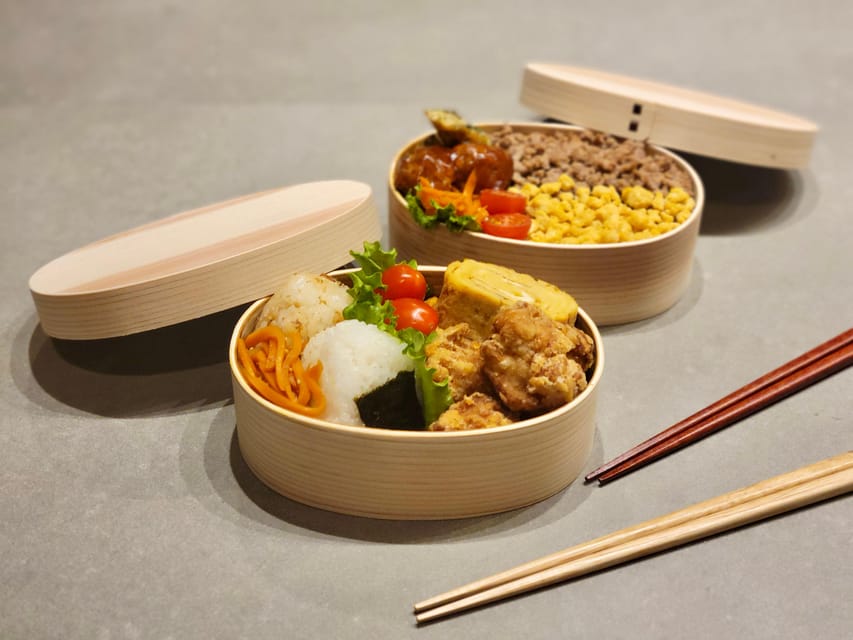
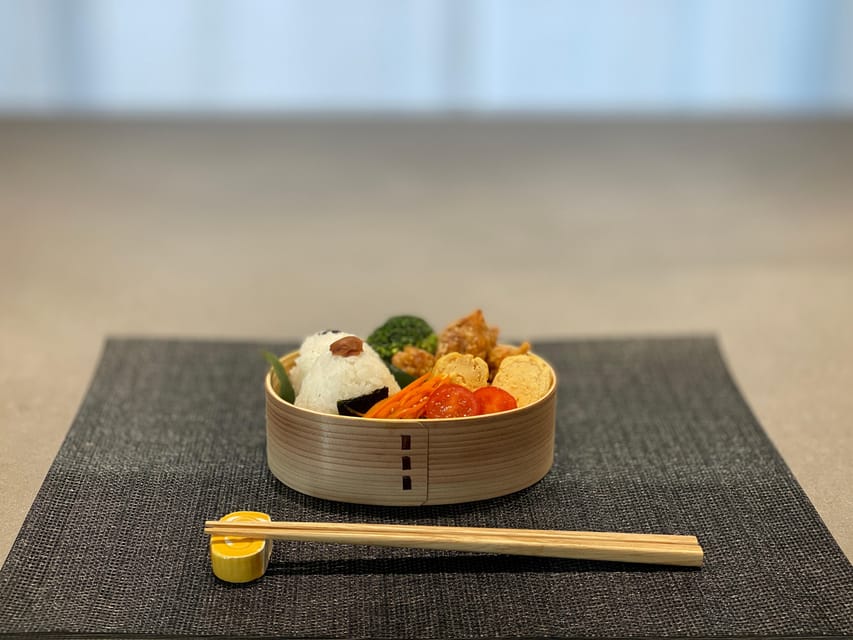
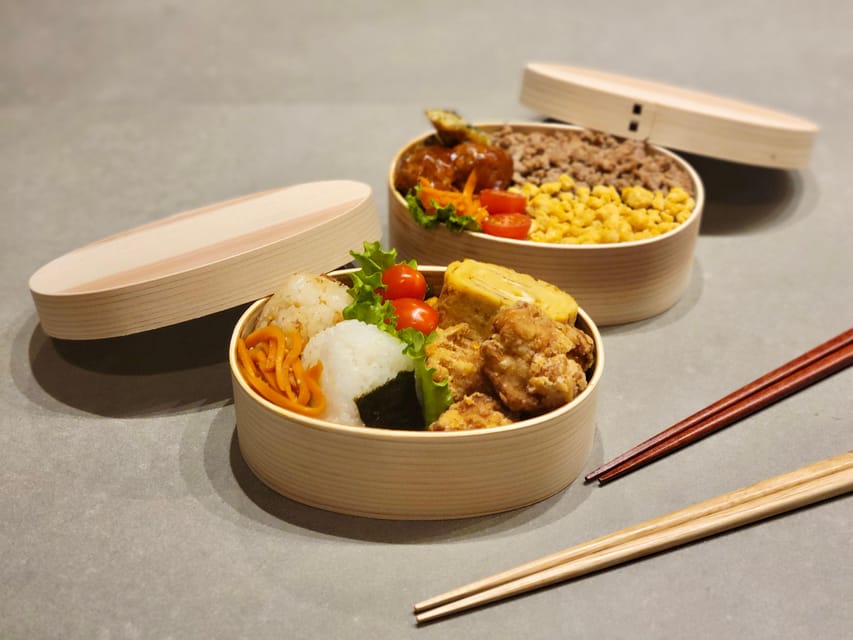
Bento adds another practical angle. A bento is more than food placed in a box. It depends on arrangement, balance, and the way several small portions work together.
The class connects the dishes to Japanese culture and customs, including the significance of each dish. That cultural context makes the cooking more memorable. You learn not only how to prepare food, but also why certain combinations and presentations matter.
The available information does not give a complete list of every bento item or confirm the exact layout of the finished box. You should expect to learn bento preparation as part of the lesson, but do not book this expecting a fixed restaurant-style menu with every component listed in advance.
That flexibility can be useful. The class is described as adaptable to preferences, while the ingredient restrictions remain strict. Tell the instructor about preferences before class, but do not assume that allergies or a vegetarian diet can be accommodated.
What the small group changes
A six-person class is a better setting for questions than a crowded food workshop. You can ask about a technique, check whether your broth looks right, or clarify how to repeat a step at home.
The instructor also has more chance to offer small corrections. That can make a difference in cooking, where timing and texture are often hard to judge from a written recipe. You are not simply collecting a recipe card and hoping for the best.
The atmosphere should suit people who want a friendly, hands-on activity rather than a formal culinary school session. It works well for couples and groups of friends, but solo participants should also find the size manageable.
There is one practical limit: the class is not suitable for children under six. It is also not suitable for people over 80, people under 120 centimeters, people with a cold, or people with certain health and mobility needs. Wheelchair users cannot take part, and electric wheelchairs are specifically excluded.
What the $83 price covers
At $83 per person, the price includes the two-hour cooking class, all ingredients, equipment used during the lesson, apron and towel rental, cultural instruction, recipes, personalized help, and a Japanese souvenir.
I think the value is strongest if you want a skill to carry home. You are paying for instruction and participation, not just the food you eat that afternoon. The recipes and dashi method can continue to pay off when you cook for friends or family later.
The price also saves you from buying ingredients and equipment for a one-off lesson. You do not receive cooking tools for home use, and extra ingredients are not supplied, but everything needed during the class is provided.
A souvenir is included, with its contents kept as a surprise. Additional Japanese souvenirs are available for purchase on site, with an average price of about ¥1,000. I would treat those as optional rather than part of the value calculation.
This may not be the right pick if you only want a cheap meal. A Tokyo restaurant will require less effort and may cost less. The point here is learning how the food works, asking questions, and leaving with recipes you can use.
Who should book, and who should skip it
I would recommend this class to first-time visitors who want a local food activity with direct instruction. It also suits repeat visitors who have eaten Japanese food but want to understand the home-cooking side.
It is a good choice for:
- Solo visitors who enjoy practical activities
- Couples looking for a shared experience
- Friends who want to cook together
- Beginners who need clear guidance
- Confident cooks who like asking detailed questions
- Anyone interested in Japanese customs as well as recipes
I would not book it if you are vegan, vegetarian, or managing food allergies. People with gluten intolerance or nut allergies are also listed as unsuitable, and the class is not designed for people who need wheelchair access.
The class language is English, with Japanese available by request. Translation into another language is not included. If that affects your decision, arrange the language preference before arrival.
Pets are not allowed, except assistance dogs. Smoking, vaping, alcohol, drugs, weapons, sharp objects, fireworks, and strong fragrances are also prohibited. These rules are easy to follow, but they are worth knowing before you arrive.
A practical plan for the day
Wear comfortable clothes and leave your shoes at the entrance. The lab provides slippers, an apron, and a towel, so you can arrive without packing a special cooking kit.
Give yourself time to find the alley and the correct door. Enter through the right-hand door with the Alleyway Gourmet Lab sign and continue to the second floor. This simple detail could prevent a rushed start.
You can book with the option to reserve now and pay later, which helps if your Tokyo schedule is still changing. Cancellation is free up to 24 hours in advance for a full refund. Transportation is not included, so you arrange your own way to the central meeting point.
Five-star feedback has focused on the instructor’s kindness, clear English, ability to answer questions, tasty food, and the clean, modern kitchen. I would place the strongest emphasis on the teaching rather than the souvenir. A surprise gift is pleasant, but the real value is learning dashi, oyakodon, miso soup, and bento methods you can repeat.
Should you book this Tokyo cooking class?
Book it if you want to do more than eat Japanese food. The small group, hands-on format, English instruction, and take-home recipes give you a useful introduction to home cooking in a compact two-hour session.
Skip it if you need a vegetarian or vegan menu, have a food allergy, require wheelchair access, or want a broad tasting tour with many finished dishes. For everyone else, $83 is a fair price for an interactive lesson that combines cooking, culture, a meal, and skills you can use after Japan.
FAQ
How long does the cooking class last?
The class lasts two hours.
Where does the class take place?
It takes place at Alleyway Gourmet Lab in a central area of Tokyo, on the second floor of a four-story gray building.
How do I find the entrance?
Turn into the alley and look for the gray building on the right. Enter through the right-hand door marked Alleyway Gourmet Lab, then go to the second floor.
Which languages are available?
Classes are conducted in English. Japanese lessons can be arranged upon request.
How many people are in the class?
The class is limited to six participants.
What food will I learn to prepare?
The experience covers bento and oyakodon, and the cooking examples include miso soup and dashi broth.
Are ingredients and cooking equipment provided?
All cooking ingredients and equipment needed for the class are provided. Personal cooking tools or equipment for use at home are not included.
What should I bring?
Bring comfortable clothes. Aprons, towels, and slippers are provided, and shoes are not worn indoors.
Can people with dietary restrictions join?
The class is not suitable for vegans, vegetarians, people with food allergies, people with gluten intolerance, or people with nut allergies.
Just added around Tokyo
- Tokyo: Tsukiji Market Walking Tour & Sushi Cooking Class★ 4.6 · 122 reviews
- Tokyo: Sushi Cooking Class with Sake Tasting★ 4.8 · 55 reviews
- Sushi-Making Experience★ 4.7 · 4 reviews
- Tokyo: Tsukiji Market Guided Tour & Sushi-Making Experience★ 4.4 · 11 reviews
- Tokyo: Sushi and Ramen Cooking Class with Sake Pairing Set★ 5.0 · 81 reviews
- Tokyo: Kawaii Bento Cooking Class – Cute Character Lunchbox★ 4.9 · 55 reviews
- Tokyo: Real Ramen & Dumpling Cooking with Master Chef★ 5.0 · 10 reviews
- Tokyo: Night Cooking Class: 5 Home-Cooked Japanese Dishes★ 4.9 · 13 reviews
Japanese & Sushi Cooking Classes, compared.
Sushi Making Tokyo Roll and Authentic Japanese Sushi Class
Read our review →
Tokyo: Roll and Authentic Sushi Making Class in Asakusa
Read our review →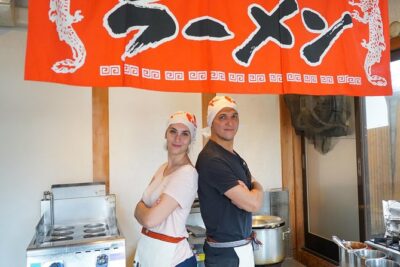
Ramen Cooking Class at Ramen Factory in Kyoto
Read our review →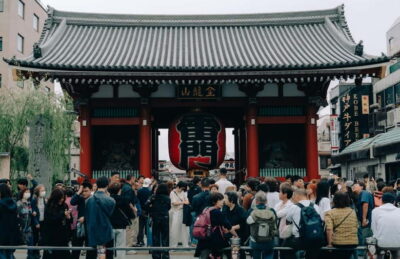
Tokyo: Sushi Making Class in a Happi Coat near a Famous Spot
Read our review →
Sushi Making Tokyo! Popular Maki Sushi & Japanese Sushi(+Recipe!)
Read our review →
Sushi Making Osaka Roll and Authentic Japanese Sushi Class
Read our review →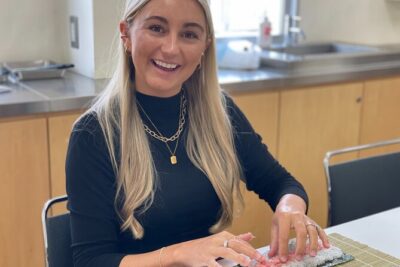
Tokyo Sushi Making Class in Tsukiji with Professional Chef
Read our review →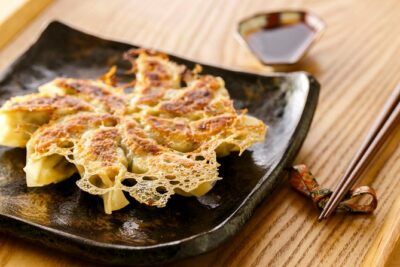
Ramen & Gyoza Cooking Class in Tokyo with Local Supermarket Visit
Read our review →Browse the lists this tour appears in