
Review · KYOTO
Kyoto Ramen and Gyoza Cooking Class with Professional Chefs
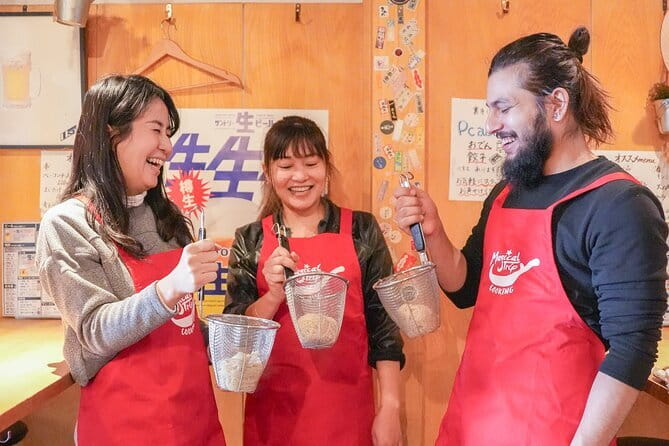
Ramen noodles are not simply poured from a packet here. You knead and cut them yourself, fold gyoza, help prepare fried rice, then sit down to a very substantial Japanese meal. I like the hands-on noodle work and the way the class turns familiar comfort food into something you understand.
I also like the human touch. Hosts such as Yuki, Ayuri, Rina, and Emi translate the chef’s instructions and add bits about Kyoto and Japanese food culture. The main caution is practical: the ramen uses pork broth, the class cannot handle vegetarian, vegan, or gluten-free requests, and the meal is large enough that a heavy lunch beforehand would be a mistake.
Key points to know before booking
- Fresh ramen noodles: Knead, cut, and top your own noodles instead of watching a chef do all the work.
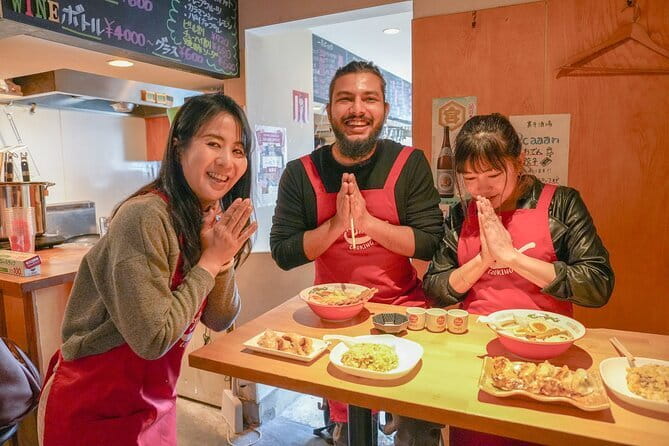
- A full Japanese meal: Ramen, gyoza, and fried rice are included, along with two drinks.
- Professional chef instruction: A bilingual host helps translate and keeps the class moving.
- Small group setting: The maximum is eight people, and some sessions may feel almost private.
- Recipes to take home: You receive guidance for making the dishes again after Kyoto.
- Important food limits: Pork broth is used, and vegetarian, vegan, gluten-free, and allergy-free meals cannot be guaranteed.
Making noodles from scratch in central Kyoto
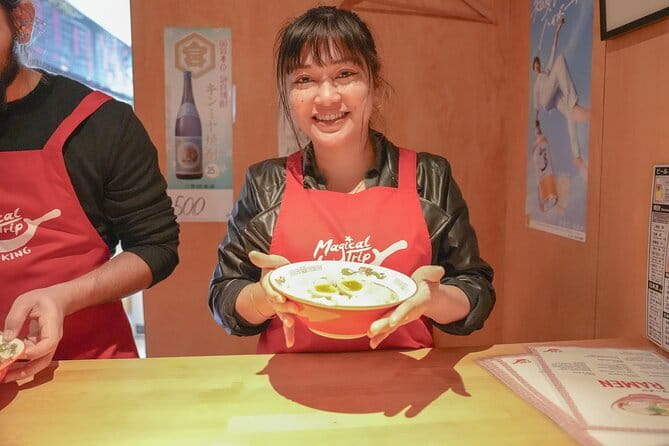
The appeal of this class is simple: you do more than eat ramen. You get your hands into the process. The session lasts about two and a half hours, giving the chef time to show you how the dough is prepared, kneaded, cut, and turned into noodles ready for the bowl.
That matters because ramen is easy to treat as a finished product. Here, you see the work behind the texture. Even if your noodles are not perfectly uniform, that is part of the fun. You are learning a useful skill, not taking a professional kitchen exam.
The class takes place at 「北緯35物語」木村光佑 in Shincho, Shimogyo Ward, close to public transportation. The activity ends at the same place, so you do not need to plan a separate return journey. The cooking space is described as a former restaurant, with a cozy feel and several levels in the building.
That last detail deserves attention. One participant found the space fun and welcoming but noted that it was mainly upstairs, with several levels to navigate. If stairs or mobility are a concern, this is not the best choice. A private class may be more suitable if you need specific arrangements.
More Sushi and Japanese Classes in Kyoto:
- Ramen Cooking Class at Ramen Factory in Kyoto
★ 5.0 · 1,937 reviews - Sushi Making in Kyoto! Same-day bookings welcome!
★ 5.0 · 713 reviews - Kyoto: Ramen Cooking Class at a Ramen Factory with Souvenir
★ 4.9 · 532 reviews
Folding gyoza, then eating what you made
Gyoza preparation gives the class its most social part. You fill and fold the dumplings with guidance from the chef, then cook them as part of the meal. The folding may look easy when someone else does it, but the first few can be an entertaining struggle.
You do not need prior cooking experience. The class is designed for all skill levels, and the chef keeps an eye on the process. Children aged six and above can join, though an accompanying adult must supervise them when knives or other risky steps are involved.
The food does not stop with ramen and gyoza. You also prepare fried rice, making this closer to a full lunch or dinner than a small tasting. Plan your appetite carefully. Eating a large meal just before the class would make it harder to enjoy the dishes you have worked to prepare.
Two drinks are included. Beer or sake are suggested pairings for the gyoza, though the experience includes food and drinks without requiring you to pay for the host or chef. This gives the meal a relaxed restaurant feel after the work is done.
How the chef and host work together
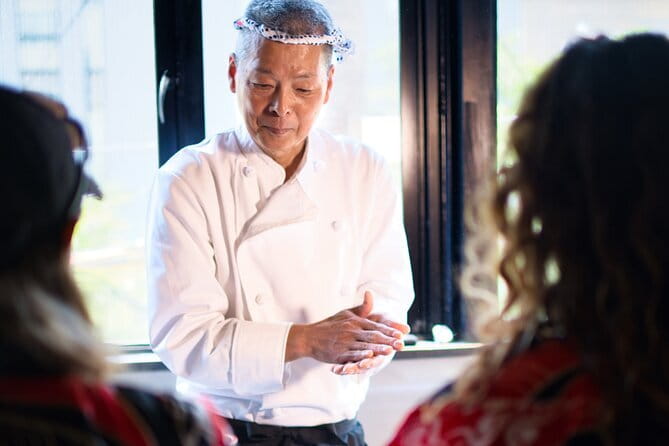
The professional chef handles the cooking instruction, while the accompanying host helps with translation and conversation. This division is important. The chef can focus on technique, and the host can explain what is happening in clear English.
Yuki has been praised for translating the chef’s instructions while also sharing information about Kyoto and Japan. Ayuri has guided sessions with a friendly, relaxed approach and added cultural context. Rina has been noted for patience and careful attention, while Emi has helped make the class easy to follow for people with limited cooking experience.
Your host may be someone else, since staffing can vary. Still, the repeated pattern is useful: expect a chef-led class supported by a bilingual guide, not an English-speaking chef conducting every step alone.
The small group limit helps. With no more than eight participants, the chef can watch the noodles and gyoza more closely than would be possible in a large demonstration. Some sessions have had only three or four people, creating a nearly private feel. That is not guaranteed, but the maximum group size keeps the experience reasonably personal.
What the meal is really like

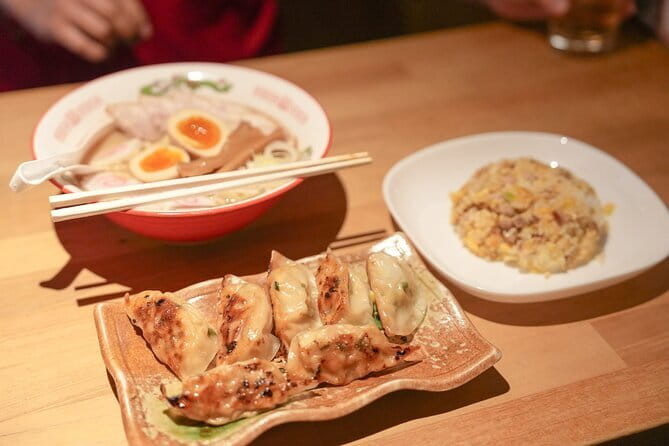
The meal is the payoff, and the portions are generous. You eat the ramen, gyoza, and fried rice you helped prepare, with two drinks included. Many participants describe the food as one of the strongest parts of the experience, especially the ramen broth and the satisfaction of eating noodles made by hand.
There is one fair point to keep in mind. The ramen broth is made with a prepared base rather than a long-simmered stock made during the class. One person found this less traditional than expected. If you are booking mainly to study professional broth-making from bones and aromatics, this class may feel limited.
If your goal is to learn practical home cooking while enjoying a good meal, the arrangement makes more sense. The class focuses on noodles, gyoza, and fried rice, while the broth is supplied so the session can fit into two and a half hours. That keeps the lesson manageable, but it also means broth preparation is not the main subject.
The food is not vegetarian. Even if you skip meat toppings, the pork broth remains part of the ramen. The kitchen cannot promise vegetarian, vegan, or gluten-free meals, and it cannot guarantee an allergy-free environment because the food is prepared in non-MagicalTrip kitchens. Substitutions may sometimes be attempted, but you should not book expecting a dependable dietary workaround.
More Hands-On Workshops in Kyoto:
- Kyoto: Ramen, Gyoza, and Onigiri Cooking Class
★ 5.0 · 445 reviews - The Original Small-Group Sushi Making Class in Kyoto
★ 5.0 · 436 reviews - Kyoto: Japanese Washoku Bento Small Group Cooking Class
★ 5.0 · 380 reviews - Kyoto: Afternoon Japanese Izakaya Cooking Class
★ 4.9 · 241 reviews
The food culture lessons are part of the value
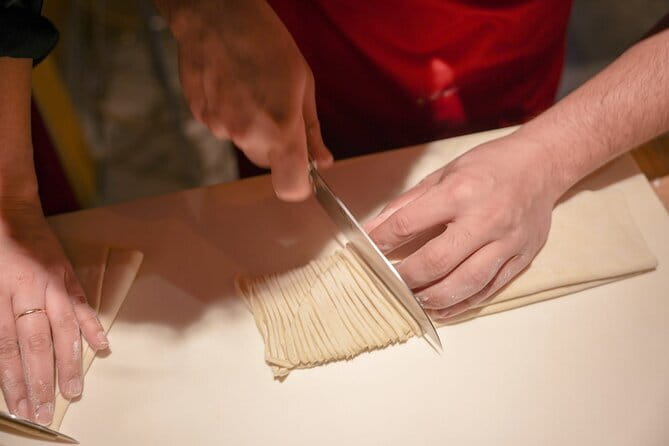
This is not a lecture-heavy class. You learn while cooking, with the host explaining dishes and giving context as the meal comes together. That approach works well if you want cultural information tied to something you can see, touch, and eat.
Ramen and gyoza are now familiar around the world, but preparing them in Kyoto gives the dishes a local setting. You also get a chance to ask questions during the work, rather than only hearing a fixed presentation. Hosts have offered local recommendations as well, which can be useful if you are still planning meals and sights in Kyoto.
The class also creates easy conversation with the other participants. Cooking side by side tends to break the ice faster than sitting at a table with strangers. Some sessions may include international groups, families, couples, or solo participants, so the social mood can vary, but the format encourages interaction.
For families, the appeal is especially clear. Children can take part in the dough and gyoza work with adult supervision, while teenagers and adults can follow the cultural and cooking explanations at a deeper level. The age range of participants can be broad, and the activity works well as a rainy-day plan.
Value at $86.22 per person
At $86.22 per person, this is not a cheap meal. It is fair value if you count the chef instruction, the full meal, two drinks, the bilingual host, and the recipe guide. You are paying for an activity and dinner together, not just a bowl of ramen.
The strongest value comes from the amount of food and the chance to repeat the dishes at home. A restaurant meal would be faster and possibly more refined, but it would not teach you how the noodles are made or give you a recipe guide to take away.
The class is also efficient for a short Kyoto stay. In 150 minutes, you get a cooking lesson, cultural conversation, a full meal, and a social experience in one central location. If you are choosing between several food activities, this offers more practical involvement than a simple tasting tour.
The value drops if you want advanced culinary training. The recipes are useful for home cooking, but one participant found them simpler than expected and wished for more hands-on work. You may find parts of the preparation are already organized to keep the class on schedule. That is helpful for beginners, but serious cooks may want a more technical workshop.
Timing, meeting point, and group size
The class begins at the stated time, and late arrivals cannot join, reschedule, or receive a refund. Plan to reach 「北緯35物語」木村光佑 in Shincho early enough to find the entrance and settle in.
The experience ends where it begins. It is near public transportation, though the information provided does not specify a particular station or walking time. Check your route before the day of the class rather than relying on a last-minute search.
The maximum group size is eight. A smaller group can make the cooking easier to follow and may give you more direct help with dough and dumpling folding. The actual number can vary, and a private-feeling session is possible but not promised.
The activity may be canceled in unsafe weather. Free cancellation is available if you cancel at least 24 hours before the start time. Changes or cancellations inside that window are not accepted for a refund.
Who should book this Kyoto class
I would choose this for a family, couple, or solo visitor who wants a practical food activity rather than another restaurant meal. It is also a good fit for beginners who like clear instruction, a relaxed setting, and the chance to eat the results immediately.
You should book it if you enjoy:
- Making food with your hands
- Learning simple recipes you can repeat at home
- Eating a filling meal after an activity
- Meeting people in a small group
- Having a bilingual host explain the chef’s instructions
- Combining food, culture, and conversation in one stop
I would think twice if you have strict dietary needs, limited mobility, or a strong interest in traditional broth-making. The pork broth rules out a fully vegetarian meal, and the cooking space may require using stairs.
Should you book the ramen and gyoza class?
Yes, if you want a friendly, practical Kyoto food experience with plenty to eat. The fresh noodle work, gyoza folding, fried rice, two drinks, and recipe guide make the class more substantial than a quick cooking demonstration.
Book it with realistic expectations. You will learn useful home techniques, but you will not spend the session making ramen broth from the beginning, and some preparation may be simplified for timing. For most visitors, that tradeoff is sensible: you get a full meal, professional guidance, cultural context, and a skill you can try again after Japan.
FAQ
How long does the Kyoto ramen and gyoza class last?
The class lasts approximately two hours and 30 minutes.
Where does the cooking class start?
It starts at 「北緯35物語」木村光佑, Shincho, Shimogyo Ward, Kyoto, 600-8001, Japan.
Where does the activity end?
It ends back at the meeting point.
What dishes will I make?
You will make ramen, gyoza, and fried rice, then eat the meal you prepared.
Are drinks included?
Yes. Food and two drinks are included. Beer or sake may be paired with the gyoza.
Is the ramen vegetarian?
No. The ramen uses pork broth, so it is not vegetarian even without meat toppings.
Can the class accommodate vegan, vegetarian, or gluten-free diets?
No. The class cannot accommodate vegetarian, vegan, or gluten-free requests.
Can the kitchen guarantee an allergy-free meal?
No. Allergy-free meals cannot be guaranteed because the food is prepared in non-MagicalTrip kitchens. Substitutions may be attempted when feasible.
Is previous cooking experience required?
No. All cooking levels are welcome.
Can children join the class?
Yes. Participants aged six and above are welcome. Children must be supervised by an accompanying adult when using knives or taking part in potentially dangerous steps.
Just added around Kyoto
- Kyoto: Sushi Making Class with Sushi Chef★ 4.8 · 64 reviews
- Nishiki Market Food Tour with Cooking Class★ 4.9 · 42 reviews
- Kyoto: Wagashi (Japanese sweets) Cooking near Fushimiinari★ 5.0 · 40 reviews
- Kyoto: Sushi Making Experience in Kawaramachi★ 4.8 · 13 reviews
- Kyoto: Small-Group Authentic Sushi Making Workshop★ 5.0 · 137 reviews
- Kyoto Udon & Tempura Cooking Class with Professional Chefs★ 3.8 · 3 reviews
- Kyoto: Cooking class, learning how to make authentic sushi★ 4.2 · 9 reviews
- Kyoto Home Cooking Class &Supermarket tour near Fushimiinari★ 5.0 · 31 reviews
Japanese & Sushi Cooking Classes, compared.
Sushi Making Tokyo Roll and Authentic Japanese Sushi Class
Read our review →
Tokyo: Roll and Authentic Sushi Making Class in Asakusa
Read our review →
Ramen Cooking Class at Ramen Factory in Kyoto
Read our review →
Tokyo: Sushi Making Class in a Happi Coat near a Famous Spot
Read our review →
Sushi Making Tokyo! Popular Maki Sushi & Japanese Sushi(+Recipe!)
Read our review →
Sushi Making Osaka Roll and Authentic Japanese Sushi Class
Read our review →
Tokyo Sushi Making Class in Tsukiji with Professional Chef
Read our review →
Ramen & Gyoza Cooking Class in Tokyo with Local Supermarket Visit
Read our review →Browse the lists this tour appears in