
Review · KYOTO
Private Kyoto Cooking Class with Aki in a Beautiful Wooden House
The best part of this Kyoto experience is the setting: you cook in Aki’s private wooden home, not in a crowded classroom built for tour groups. She guides you through seasonal Japanese dishes, explains the small tricks behind familiar foods, and then sits down with you to eat the meal you helped prepare. It is a pleasant way to see how home cooking differs from restaurant food.
I like the private format because you can stop and ask questions without holding up a dozen other people. I also like the variety: one morning may include chikuzenni, braised burdock root, and miso soup, with recipes in English so you can try the dishes again at home. The main consideration is the price, $95 per person, plus a policy detail worth checking: the information gives conflicting notes about whether alcoholic drinks and cancellations are included.
Key points
- Private class with Aki: Only your group takes part, giving you room to ask questions and work at your own pace.
- A real Kyoto home: The class takes place in a beautiful wooden house with an atmospheric, personal setting.
- About one hour of cooking: The remaining time is spent sharing the meal you prepared together.
- Seasonal home cooking: Recipes may include chikuzenni, braised burdock root, and miso soup, but the menu changes with the time of year.
- English recipes and instruction: Aki provides written recipes and has been praised for clear English and patient guidance.
- A useful morning plan: The 10:30 am start leaves the afternoon open for more Kyoto sightseeing.
A private kitchen instead of a crowded classroom
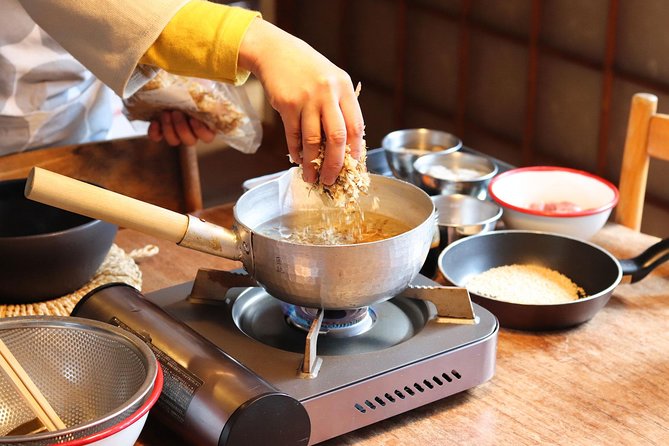
Many Japanese cooking classes use a studio or demonstration kitchen. This one takes place in Aki’s home, in a beautiful wooden house in Kyoto. That changes the mood right away. You are not simply watching a chef prepare a polished dish. You are working in a domestic kitchen and learning food that belongs to ordinary family life.
The private format matters. Only your group participates, so you can ask why a certain ingredient is cut in a particular way, how miso soup gets its flavor, or what you can substitute at home. You do not need to save questions for the end or compete for the instructor’s attention.
The class is also a good fit if your group has mixed cooking experience. Someone who enjoys cooking can take on more hands-on work, while a beginner can follow Aki’s instructions step by step. The tone is personal rather than formal, and the experience is designed around your group rather than a fixed crowd.
More Hands-On Workshops in Kyoto:
- Ramen Cooking Class at Ramen Factory in Kyoto
★ 5.0 · 1,937 reviews - Kyoto: Ramen Cooking Class at a Ramen Factory with Souvenir
★ 4.9 · 532 reviews - Kyoto: Ramen, Gyoza, and Onigiri Cooking Class
★ 5.0 · 445 reviews
Meeting Aki at 10:30 in northern Kyoto
The meeting point is at Ipponmatsu, Shimogamo Matsunokicho, in Sakyo Ward, Kyoto, postal code 606-0816. The area is near public transportation, but hotel pickup and drop-off are not included. You need to make your own way to the house and return from the same meeting point after the class.
The 10:30 am start works well for a Kyoto morning. You will need to allow time to reach the address without rushing, especially if you are coming from another part of the city. Once the class finishes, you still have the afternoon for temples, gardens, shopping, or a relaxed lunch elsewhere.
The total experience lasts about three hours. That is long enough for a proper meal and conversation, but not so long that it takes over your entire day. If you are building a packed sightseeing schedule, remember that the stated cooking portion lasts about an hour, followed by the meal and the rest of the home visit.
Cooking seasonal dishes with family roots
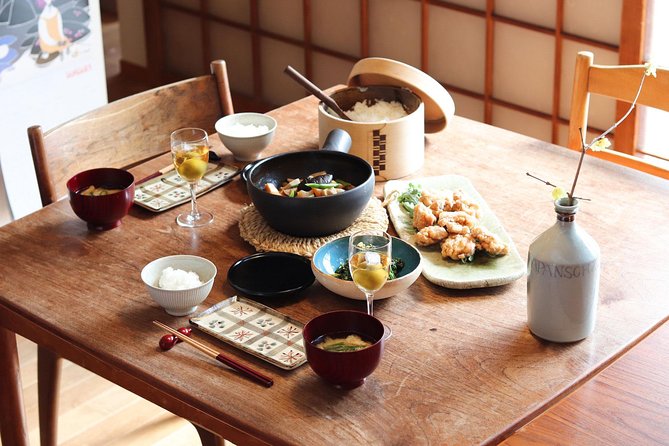
Aki introduces you to Japanese recipes that may not appear on restaurant menus. This is one of the strongest reasons to choose this class. Restaurant food shows you the polished end of Japanese cuisine. Home cooking explains what people prepare when the meal is meant to be comforting, practical, and shared.
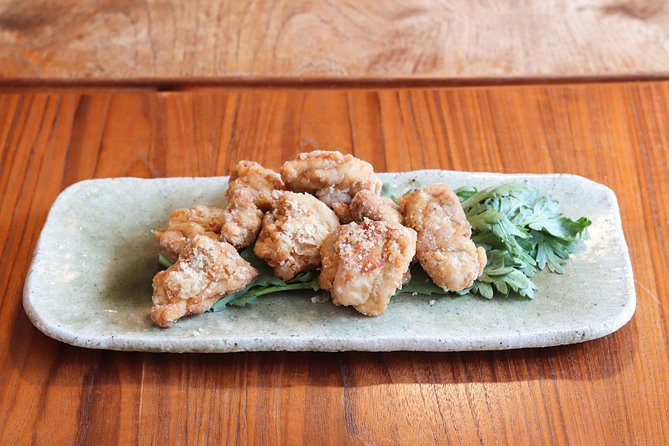
The menu changes by season, so you do not receive a guaranteed list of dishes. Sample items include chikuzenni, a braised chicken and vegetable dish; braised burdock root; and miso soup. These examples give you a useful sense of the class: expect familiar Japanese ingredients, slow-cooked flavors, and food connected to everyday family meals.
Aki also shares techniques passed down through generations of her family. The value here is not only the recipe card. You are learning how the dish comes together, what to watch for, and how a home cook thinks about preparation. Small instructions can be the part you remember most when you try the recipe later.
Because the food is seasonal, the class offers a more honest view of Japanese cooking than a fixed tourist menu. You may not get every sample dish listed above, but you will work with recipes suited to the time of year. If you have a particular interest in one dish, ask about it when booking rather than assuming it will be served.
An hour of hands-on work, then lunch
The cooking section lasts about one hour. Aki provides recipes in English and guides you through each stage. You take part in the preparation rather than sitting back for a demonstration, so plan to handle ingredients and contribute to the meal.
This is where the private setting pays off. You can ask for clarification as you go, and Aki can adjust her explanations to your group. She has been praised for speaking English well and for giving patient cooking instructions, two details that matter when the recipe includes unfamiliar ingredients or techniques.
After the cooking, you eat together. The meal is not an extra stop at a restaurant. It is the result of your work, served as part of the home visit. That gives the final hour a relaxed rhythm: cook, sit down, taste the food, and talk about Japanese food and culture.
One practical note is that the information describes both alcoholic and non-alcoholic drinks, but the included-services section specifically lists non-alcoholic beverages. The overview says alcoholic drinks are included, while another section does not. If wine, beer, or another alcoholic drink matters to you, confirm the current arrangement before booking.
A few more cooking classes around Kyoto worth a look
- Private Kyoto Sushi Cooking Class & Tea Ceremony with Emika
★ 5.0 · 66 reviews - Private Cooking Class Udon in Kyoto Japan
★ 5.0 · 23 reviews - Private Ramen or Gyoza Cooking Class in Kyoto with Chef Midori
★ 5.0 · 18 reviews - Private Guided Traditional Buddhist Cooking in Japan
★ 5.0 · 16 reviews
What makes the wooden house important
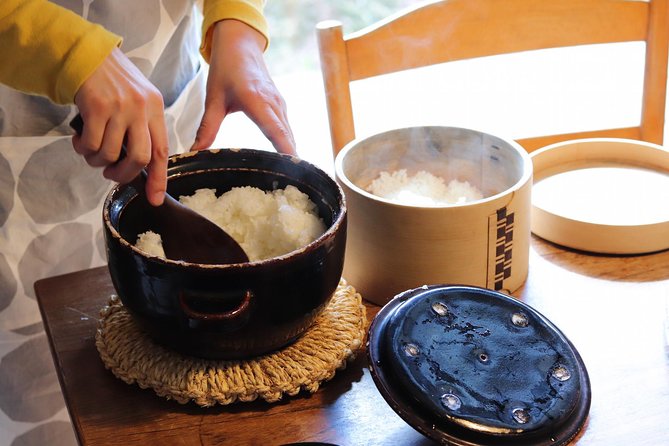
The house is more than a backdrop for photographs. A private home changes what you notice. You see food preparation in a domestic setting, where recipes are connected to family habits instead of only to restaurant presentation.
The wooden architecture also gives the class a sense of place. Kyoto is full of refined restaurants and formal cultural activities, but this experience offers something quieter. You spend a morning in an actual home, preparing food with a local host and learning recipes that are not necessarily served to visitors in restaurants.
Do not expect a cooking-school production with a large kitchen, a printed timetable for every minute, or a long list of elaborate dishes. The appeal is personal instruction and home-style food. If you want advanced culinary training, this may feel simple. If you want to understand how Japanese meals are made at home, the simplicity is the point.
The value of $95 per person
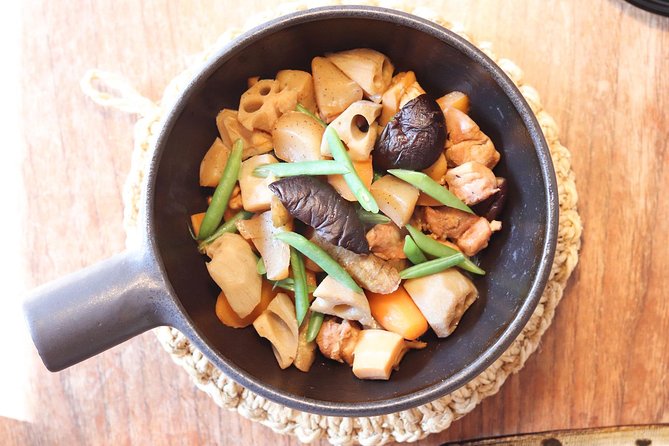
At $95 per person, this is not the cheapest way to eat in Kyoto. You can find an inexpensive lunch for far less. The price makes more sense when you count the private instruction, the meal, the recipes, the drinks listed as included, and the time spent with Aki in her home.
You are paying for access as much as for food. A restaurant can serve you chikuzenni or miso soup, but it will not usually explain the family technique behind the dish or let you prepare it with the person who knows it best. The class also gives you something to take home: written recipes and practical knowledge you can use in your own kitchen.
The value is strongest for people who enjoy food as part of a trip, not just as a way to fill an hour. It is also a good choice for a private group that wants a calm morning together. Couples, families, and friends can ask questions freely and share the work.
The value is weaker if you are traveling alone on a tight budget, do not enjoy cooking, or mainly want a fast meal. The three-hour commitment and private-tour price are hard to justify if you only want to taste Japanese food.
Dietary requests and personal preferences
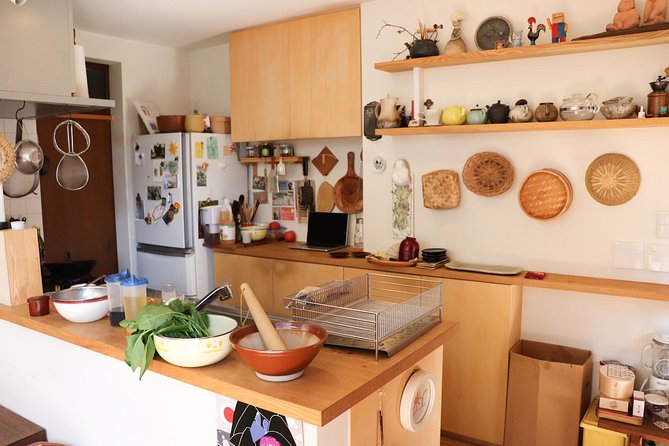
Vegetarian cooking is available, but you need to request it when booking. You should also report allergies, dietary restrictions, and cooking preferences at that time. The menu changes with the season, so early notice gives Aki the best chance to plan a suitable class.
The available information does not list every possible dietary adaptation or identify specific ingredients in advance. If you have a serious allergy, explain it clearly before the booking is confirmed and ask what safeguards are possible. Do not rely on making the request at the kitchen door.
Service animals are allowed. The experience is also near public transportation, but no hotel transfer is provided. These details make the class reasonably practical, though you remain responsible for reaching the meeting point.
Who will enjoy this Kyoto cooking class
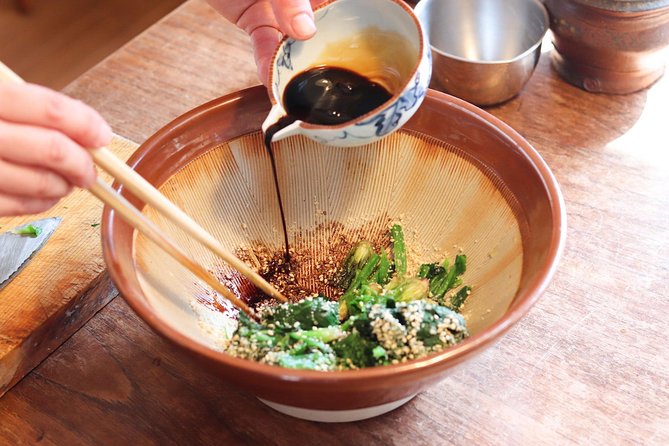
I would choose this experience for you if you want a personal connection to Japanese food and prefer a home setting to a large group studio. It suits people who enjoy asking questions, trying unfamiliar techniques, and sitting down to share a meal after working together.
It is especially useful for:
- Food-focused visitors who want recipes that are not limited to restaurant dishes.
- Couples and families who prefer a private activity with flexible conversation.
- Home cooks who will actually use English recipes after returning home.
- First-time visitors to Kyoto who want a cultural activity that fits into a morning.
- Vegetarians, provided the request is made at booking.
- People who value personal guidance more than the lowest possible meal price.
It may not suit you if you want a guaranteed menu, a formal professional kitchen, hotel pickup, or a class devoted to advanced technique. The changing menu is part of the charm, but it also means you need to accept some uncertainty.
Booking details worth checking first
Confirmation is sent within 48 hours of booking, subject to availability. The activity is private, so only your group participates. It begins at 10:30 am and ends back at the meeting point after roughly three hours.
There is an important contradiction in the cancellation information. One section describes a two-week cancellation policy, while the stated cancellation policy says the experience is non-refundable and cannot be changed for any reason. Since those terms do not match, I would confirm the current policy directly before paying.
The same care applies to drinks. The tour description refers to alcoholic drinks, while the included section lists non-alcoholic beverages. Ask what is actually served so you know what the $95 price covers.
The activity uses a mobile ticket. Keep the confirmation accessible on your phone, and plan your route to Ipponmatsu, Shimogamo Matsunokicho before the morning of the class.
Should you book Aki’s Kyoto home cooking class?
Book it if you want a private, hands-on morning with a local host, seasonal home dishes, English recipes, and a meal you helped prepare. The private format, Aki’s patient instruction, and the wooden-house setting give the experience a personal feel that a standard group class cannot easily match.
Think twice if your main goal is a cheap meal, a fixed menu, or advanced chef training. Before booking, confirm the cancellation terms, the drink arrangements, and any dietary needs. If those points work for you, $95 is a fair price for three hours of cooking, conversation, food, and recipes you can carry home.
FAQ
Where does the cooking class take place?
The class takes place at Aki’s private home in a beautiful wooden house at Ipponmatsu, Shimogamo Matsunokicho, Sakyo Ward, Kyoto, 606-0816, Japan.
What time does the experience start?
The class starts at 10:30 am.
How long does the activity last?
The experience lasts approximately three hours.
Is the cooking class private?
Yes. Only your group participates in the activity.
Who teaches the class?
Aki hosts and teaches the private cooking class.
What food will I prepare?
The menu changes with the season. Sample dishes include chikuzenni, braised burdock root, and miso soup.
Are recipes provided in English?
Yes. Aki provides recipes in English and guides you through the cooking process.
Is vegetarian food available?
Yes. A vegetarian option is available if you request it when booking.
Are drinks included?
Non-alcoholic beverages are listed as included. The experience description also refers to alcoholic drinks, so confirm the current drink arrangements before booking.
Is hotel pickup included?
No. Hotel pickup and drop-off are not included. You need to reach the meeting point yourself, and the activity ends back there.
Just added around Kyoto
- Private Plant-Based Japanese Cooking Class – Kyoto Edition★ 5.0 · 15 reviews
- Private Kyoto Sushi Cooking Class & Tea Ceremony with Emika★ 5.0 · 66 reviews
- Private Cooking Class Udon in Kyoto Japan★ 5.0 · 23 reviews
- Private Guided Traditional Buddhist Cooking in Japan★ 5.0 · 16 reviews
- Kyoto Wagashi(Japanese sweets) Cooking Class near Fushimiinari★ 5.0 · 60 reviews
- Nishiki Market, Private Sushi class & Sake Tasting in Townhouse★ 5.0 · 6 reviews
- Private Kyoto Market Tour and Authentic Cooking Class with Aki★ 5.0 · 15 reviews
- Kyoto Sushi Making Experience with a Professional Sushi Chef★ 5.0 · 16 reviews
Cooking Classes, compared.
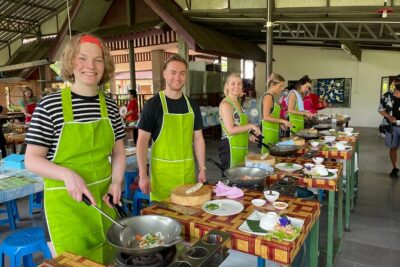
Half-Day Thai Cooking Class at Organic Farm in Chiang Mai
Read our review →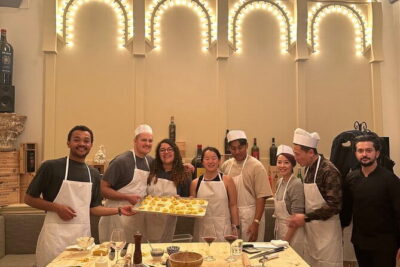
Florence: Pasta Cooking Class with Unlimited Wine
Read our review →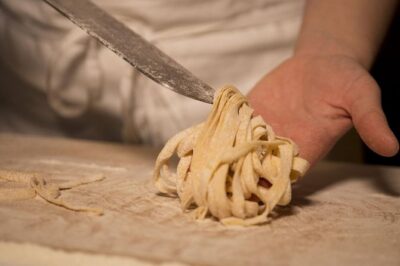
3 in 1 Cooking Class near Navona: Fettuccine, Ravioli & Tiramisu
Read our review →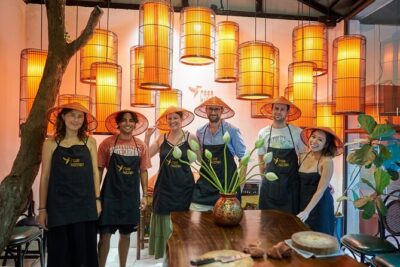
Hanoi Cooking Class: Culture, Local Market & Meaning CSR Impact
Read our review →
5 Traditional Dishes Hanoi Cooking Class with Market Trip
Read our review →
Cooking Class and Lunch at a Tuscan Farmhouse with Local Market Tour from Florence
Read our review →
Chiang Mai: Cooking Class, Market & Thai Herbs Garden Tour
Read our review →Browse the lists this tour appears in