
Review · KYOTO
Private Ramen or Gyoza Cooking Class in Kyoto with Chef Midori
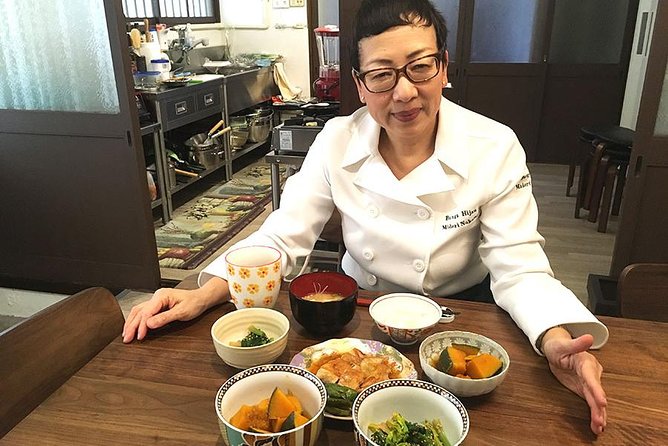
The best part of this Kyoto experience is the private kitchen setting. Instead of standing in a large class with strangers, you cook with chef Midori and your own group in her local studio. She begins with tea and a look at soy sauce, mirin, sake, and miso, then guides you through a meal you can make again at home.
I like the choice of five menus and the practical help from Midori, who has taught Japanese cooking for more than 30 years. I also like that the class ends with a proper meal and useful advice on Kyoto restaurants, food shops, souvenirs, and even dinner reservations. The main consideration is the price: at $169 per person, this is a premium cooking lesson, though the private format makes it a better value for couples and small groups than for solo visitors.
Key points to know before booking
- Chef Midori teaches in a private studio: You receive personal guidance rather than joining a large public class.
- Five set menus give you a real choice: Options include ramen, gyoza, sushi, tonkatsu, and Kansai street foods such as takoyaki and okonomiyaki.
- The class lasts about 2.5 hours: Plan on roughly 1.5 hours of cooking followed by a shared meal.
- Dietary needs can be handled with advance notice: Vegetarian, vegan, kosher, and halal options are available.
- You get local food advice along with the recipes: Midori can suggest restaurants, shops, souvenirs, and places to visit in Kyoto.
- The experience takes place in a home with a cat: The cat stays upstairs and does not enter the kitchen or dining area.
A private Kyoto cooking class with room to ask questions
Cooking classes can be hit or miss. A large lesson may be lively, but you often spend time watching someone else chop vegetables while trying to see over a shoulder. This class takes a different approach. Only your group participates, so Midori can adjust her explanations to your pace and answer questions as they come up.
That matters most if you want more than a meal. You can ask why a sauce uses mirin, how miso fits into everyday Japanese cooking, or how to find ingredients at home. The class is designed around simple recipes and familiar techniques, not a difficult restaurant kitchen routine.
I would especially consider this for couples, families, and friends who enjoy cooking together. It also suits a honeymoon or birthday because the private format gives you time to talk with Midori without a room full of other people. If you prefer to simply eat Japanese food without handling ingredients, a restaurant meal will cost less and take less time.
The meeting point is at 713-7 Chudoji Mibukawacho in Kyoto’s Shimogyo Ward, near public transportation and described as near Gion. Check your route carefully before leaving, since the experience ends at the same place and the address is not simply a Gion street-corner meeting point.
More Sushi and Japanese Classes in Kyoto:
- Ramen Cooking Class at Ramen Factory in Kyoto
★ 5.0 · 1,937 reviews - Sushi Making in Kyoto! Same-day bookings welcome!
★ 5.0 · 713 reviews - Kyoto: Ramen Cooking Class at a Ramen Factory with Souvenir
★ 4.9 · 532 reviews
Tea, pantry basics, and the first taste of home cooking
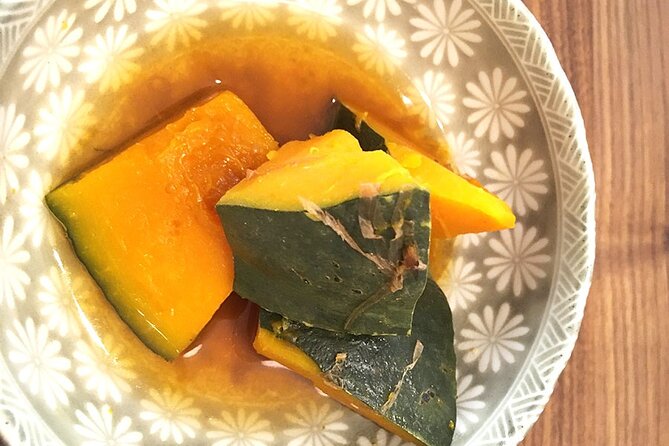
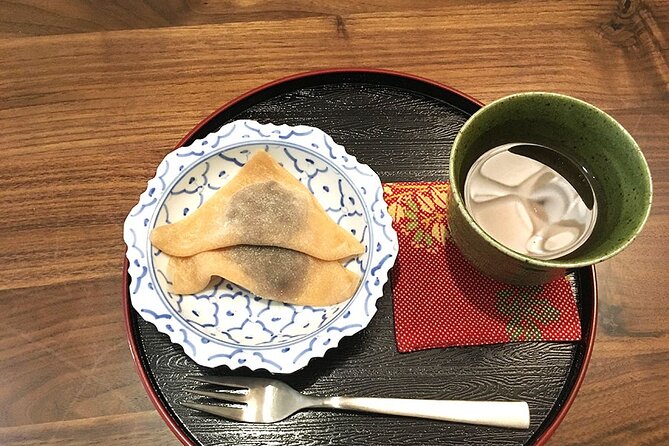
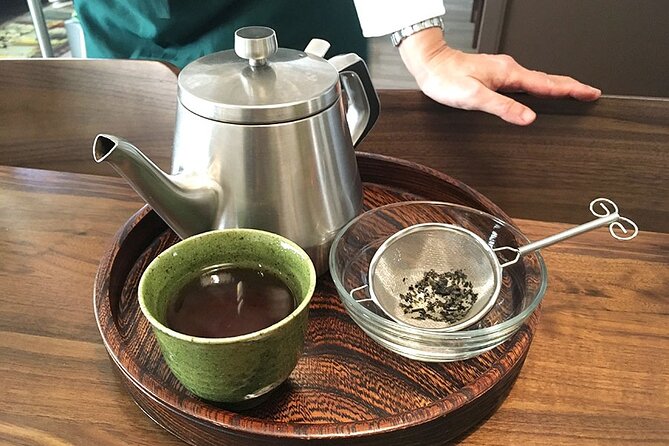
Midori welcomes you with a traditional cup of Japanese tea. This small opening sets the tone. You are not rushed straight to a work station, and the class begins with the everyday building blocks of Japanese flavor: soy sauce, mirin, sake, and miso.
I find this introduction valuable because these ingredients can look interchangeable to a first-time visitor. They are not. Learning how they work together gives you a better chance of repeating the dishes at home rather than treating the class as a one-time cooking show.
Midori has been teaching Japanese cooking for over 30 years. That experience should be useful for beginners, but it also gives experienced home cooks room to ask more detailed questions. The class combines demonstrations with hands-on work, so you can watch a technique and then try it yourself.
One practical bonus is that Midori has allowed participants to record parts of the lesson for later use. Ask her first, of course, but this can make the class more useful once you return home and forget the exact order of a recipe.
Choosing between ramen, gyoza, sushi, and five set menus
You choose one of five set menus when booking and should put your selection in the Special Requirements section. The choices include ramen or gyoza, along with sushi, teriyaki chicken, tonkatsu, and a menu built around Kansai street food.
The gyoza option is a good choice if you want an activity that feels hands-on. Folding dumplings gives you something to practice, and the finished dish is easy to understand as a complete meal. Ramen has obvious appeal, but you should confirm exactly which ramen menu is available when making your selection, since the supplied details do not list every dish in each set.
Tonkatsu offers a different lesson, centered on a crisp pork cutlet, and one reported menu pairing included tonkatsu with miso soup. Sushi may suit you if you want to focus on careful preparation and presentation. The Kansai street-food menu can include takoyaki, okonomiyaki, and gyoza, giving you a taste of foods closely linked with the Osaka and Kyoto region.
The five-menu choice is helpful, but it is not an open-ended custom menu. You pick from set options rather than designing a meal from scratch. Read the choices closely and state your preference at booking. If you wait until the day of the class, the kitchen may not have the right ingredients ready.
Ninety minutes of cooking with Midori
The cooking portion lasts about 1.5 hours. Midori demonstrates the methods, then helps you prepare the dishes yourself. Since this is a private class, you should have more opportunity to ask for a repeat demonstration or get correction when a step feels unclear.
That personal attention is the strongest reason to choose this experience over a less expensive group class. Participants have found Midori warm, funny, and easy to talk with, and that friendly style can make a difference if you are nervous about working with unfamiliar ingredients.
The class also goes beyond a fixed script. Midori has given specific shopping advice based on what people wanted to cook, and she has shared tips for other cities in Japan. If you have a food question, ask it while you are already in the kitchen. You may learn as much from the conversation as from the recipe.
Families should find the private format easier to manage than a large class, but the description does not give a minimum age or specific child policy. If you plan to bring young children, confirm that detail before booking.
More Hands-On Workshops in Kyoto:
- Kyoto: Ramen, Gyoza, and Onigiri Cooking Class
★ 5.0 · 445 reviews - The Original Small-Group Sushi Making Class in Kyoto
★ 5.0 · 436 reviews - Kyoto: Japanese Washoku Bento Small Group Cooking Class
★ 5.0 · 380 reviews - Kyoto Ramen and Gyoza Cooking Class with Professional Chefs
★ 5.0 · 282 reviews
Eating what you made, then getting Kyoto advice
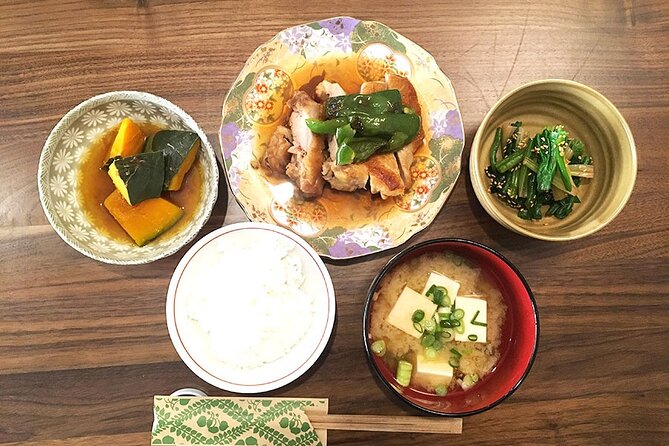
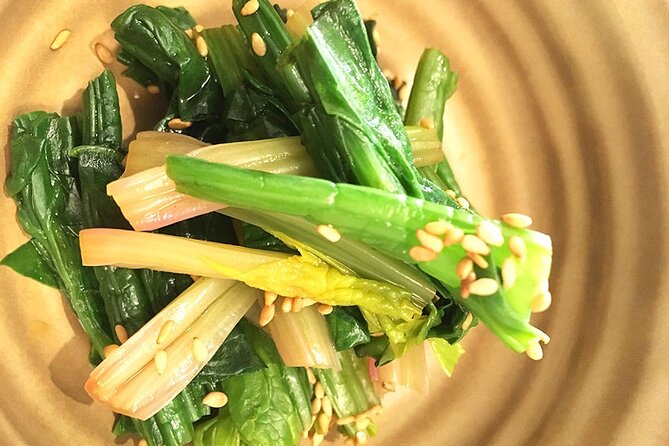
After cooking, you sit down and eat the dishes you prepared. This is more than a quick sample at the end. The experience allows time for a shared meal, which gives you a chance to taste the result while the methods are still fresh in your mind.
I like this structure because the meal provides a clear payoff. You are not leaving with half-finished ingredients or a recipe card and no idea how the food should taste. You can compare the finished dish with what you have eaten elsewhere in Japan and ask Midori about sauces, textures, and serving habits.
The conversation continues during the meal. Midori can recommend local restaurants and explain where to shop for food and souvenirs. She has also helped participants with dinner reservations, which could be useful when Kyoto restaurants are difficult to arrange at short notice. Treat this as helpful local advice, not a guaranteed concierge service.
This part can also improve the rest of your trip. A restaurant recommendation tied to the dish you just cooked is more useful than a generic list of famous places. If you want shopping suggestions, tell Midori what you hope to buy, since her advice can be more specific that way.
What the $169 price really covers
The price is $169 per person. That is a lot for a 2.5-hour activity, especially when you compare it with a casual meal in Kyoto. You are paying for more than the food, though. The fee covers a private lesson, ingredients, personal instruction, and a sit-down meal with the chef.
For two people, the price buys a private experience rather than two seats in a large workshop. That makes the cost easier to justify for a couple who values conversation and direct help. A family or group can also spread the value across a shared occasion, although the total bill will rise quickly as more people join.
I would not book this solely to save money on lunch. You are unlikely to beat the price of eating at a ramen shop or neighborhood restaurant. Book it if you want to learn, ask questions, and take the cooking skills home with you.
The average booking lead time is 63 days, which suggests that planning ahead is wise, particularly if you have fixed Kyoto dates. Confirmation arrives at booking, and free cancellation is available until 24 hours before the start time. Changes or cancellations inside that window are not accepted for a refund.
Dietary needs, home setting, and practical limits
Vegetarian and vegan menus are available, as are kosher and halal options. You must state the requirement when booking so Midori can prepare the right ingredients. Do not assume that a standard menu can be changed at the last minute.
The class takes place in a home studio. A cat lives in the house, but stays upstairs and does not enter the kitchen or dining area. This is worth knowing if someone in your group has an allergy, even though the animal is kept away from the activity space.
The studio is near public transportation, and service animals are allowed. The tour is private, and it ends back at the meeting point. The mobile ticket is convenient, but you still need to allow time to find the address in Kyoto’s residential streets.
There is no information provided about wheelchair access, class size beyond the fact that it is private, or the exact menu contents for every set option. If any of those details affect your decision, contact the provider before paying.
Who will get the most from this class
I would choose this experience if you fit one of these descriptions:
- You want a quieter alternative to a busy group cooking workshop.
- You enjoy Japanese food and want to understand how it is made.
- You like meeting a local person and asking practical questions about Kyoto.
- You are traveling as a couple, family, or small private group.
- You need a vegetarian, vegan, kosher, or halal menu with advance planning.
- You want recipes and techniques you can try after returning home.
I would think twice if your Kyoto schedule is packed or if $169 feels too high for a short activity. The class takes about half a day once you include transport, arrival, and the meal. It is also not the best fit if you dislike cooking or want a formal restaurant demonstration with no hands-on work.
Should you book Chef Midori’s cooking class?
Book it if you want a personal introduction to Japanese home cooking rather than another sightseeing stop. Chef Midori’s long teaching experience, private format, flexible menu choices, and practical Kyoto advice give the class real value for people who like to participate.
Choose gyoza or the Kansai street-food menu if you want the most active, playful cooking session. Pick sushi, ramen, teriyaki chicken, or tonkatsu if one of those foods is the reason you are interested. State your menu and dietary needs early.
Skip it if you are looking for the cheapest meal in Kyoto or have no interest in cooking. For everyone else, this is a good way to spend a few hours near central Kyoto, with food to eat, skills to reuse, and a local connection that can shape the rest of your visit.
FAQ
How long does the cooking class last?
The full experience lasts about 2 hours and 30 minutes. Cooking takes roughly 1.5 hours, followed by a shared meal.
Where does the class meet?
The meeting point is 713-7 Chudoji Mibukawacho, Shimogyo Ward, Kyoto, 600-8806. The activity ends back at the same meeting point.
Which menus can I choose?
You can choose from five set menus. Options include ramen, gyoza, sushi, teriyaki chicken, tonkatsu, and Kansai street foods such as takoyaki and okonomiyaki.
Can the class accommodate dietary restrictions?
Yes. Vegetarian, vegan, kosher, and halal options are available. You need to advise the provider at booking so the host can prepare appropriately.
Is this a private experience?
Yes. Only your group participates, and chef Midori provides personal instruction in her cooking studio.
What is the cancellation policy?
You can cancel for a full refund up to 24 hours before the experience start time. Cancellations or changes made less than 24 hours before the start time are not accepted for a refund.
Just added around Kyoto
- Private Cooking Class Udon in Kyoto Japan★ 5.0 · 23 reviews
- Private Plant-Based Japanese Cooking Class – Kyoto Edition★ 5.0 · 15 reviews
- Private Kyoto Sushi Cooking Class & Tea Ceremony with Emika★ 5.0 · 66 reviews
- Kyoto Wagashi(Japanese sweets) Cooking Class near Fushimiinari★ 5.0 · 60 reviews
- Private Guided Traditional Buddhist Cooking in Japan★ 5.0 · 16 reviews
- Nishiki Market, Private Sushi class & Sake Tasting in Townhouse★ 5.0 · 6 reviews
- Private Kyoto Cooking Class with Aki in a Beautiful Wooden House★ 5.0 · 12 reviews
- Private Kyoto Market Tour and Authentic Cooking Class with Aki★ 5.0 · 15 reviews
Japanese & Sushi Cooking Classes, compared.
Sushi Making Tokyo Roll and Authentic Japanese Sushi Class
Read our review →
Tokyo: Roll and Authentic Sushi Making Class in Asakusa
Read our review →
Ramen Cooking Class at Ramen Factory in Kyoto
Read our review →
Tokyo: Sushi Making Class in a Happi Coat near a Famous Spot
Read our review →
Sushi Making Tokyo! Popular Maki Sushi & Japanese Sushi(+Recipe!)
Read our review →
Sushi Making Osaka Roll and Authentic Japanese Sushi Class
Read our review →
Tokyo Sushi Making Class in Tsukiji with Professional Chef
Read our review →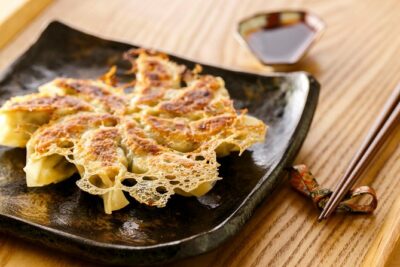
Ramen & Gyoza Cooking Class in Tokyo with Local Supermarket Visit
Read our review →Browse the lists this tour appears in