
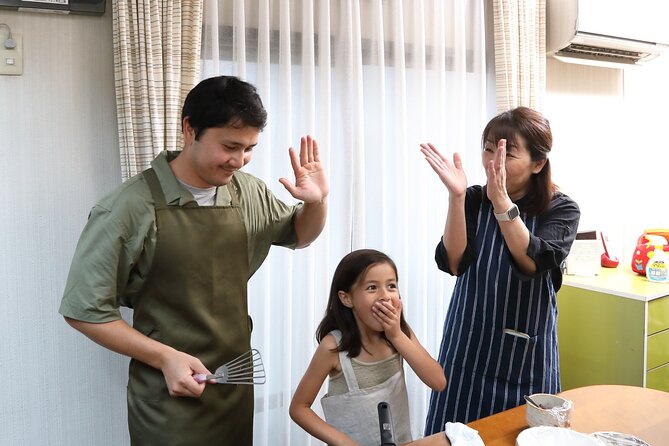
Review · KYOTO
Kyoto Wagashi(Japanese sweets) Cooking Class near Fushimiinari
Wagashi are more than pretty Japanese sweets. They reflect the seasons, local ingredients, and careful handwork that make Japanese food culture so memorable. In this small Kyoto cooking class, you prepare about three kinds of wagashi, then sit down with matcha in a traditional Japanese room overlooking a garden.
I like two things in particular: the maximum group of six keeps the lesson personal, and the class gives you recipes to take home rather than leaving the skills behind in Kyoto. Miho’s relaxed teaching style also suits families and first-time cooks, and the black sesame mochi and mitarashi dango have been especially popular.
The main consideration is the price, about $79.26 per person, for a 2-hour-30-minute activity. That is not a cheap snack stop, but it includes ingredients, instruction, tea, taxes, and a small group setting. You also need to reach the meeting point yourself at 38-4 Fukakusa Watamoricho.
Key points to know before booking
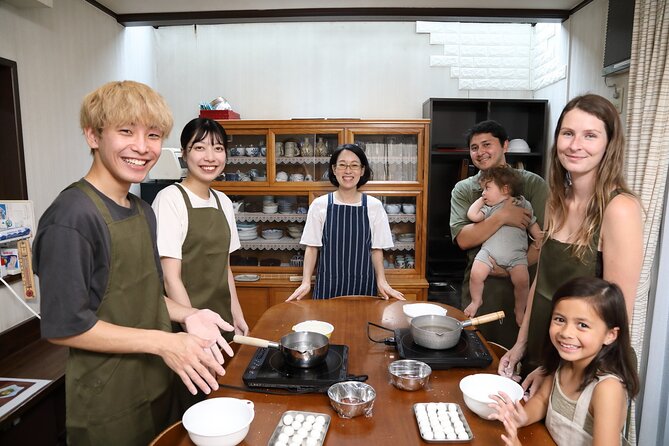
- Three Japanese sweets in one class: Learn several wagashi methods instead of making a single dish.
- Traditional home setting: Cook and eat in an authentic Japanese-style house with a garden view.
- Maximum of six people: Small numbers allow more room for questions and hands-on practice.
- Miho as your host: Miho leads a friendly, organized class that works well for families and teenagers.
- Matcha and recipes included: Sit down to taste your sweets and take the recipes home for later.
- Dietary needs can be accommodated: Vegetarians are welcome, and vegan options are available with advance notice.
A sweet introduction to Kyoto culture
Many food classes teach you how to reproduce a familiar dish. This one gives you a closer look at a less familiar part of Japanese food culture. Wagashi appear in tea settings, seasonal celebrations, shops, manga, and anime, yet their delicate appearance can make them seem difficult to prepare.
The class breaks that work into manageable steps. You watch an instructor demonstrate each process, then prepare the sweets yourself or with a partner. That arrangement matters because wagashi often depend on texture, shaping, and timing more than on complicated equipment.
You are not simply watching a chef work at a distance. You get to handle the ingredients and see how the finished sweets come together. The result is practical and memorable, especially if you want to recreate a little of your Kyoto experience at home.
The activity begins in a traditional Japanese room, where you can relax before cooking starts. This opening helps set the tone. You are entering a home-style space rather than a large commercial kitchen, and the experience is designed to feel like being invited over for tea by a friend.
More Sushi and Japanese Classes in Kyoto:
- Ramen Cooking Class at Ramen Factory in Kyoto
★ 5.0 · 1,937 reviews - Sushi Making in Kyoto! Same-day bookings welcome!
★ 5.0 · 713 reviews - Kyoto: Ramen Cooking Class at a Ramen Factory with Souvenir
★ 4.9 · 532 reviews
What you make during the 2.5-hour class
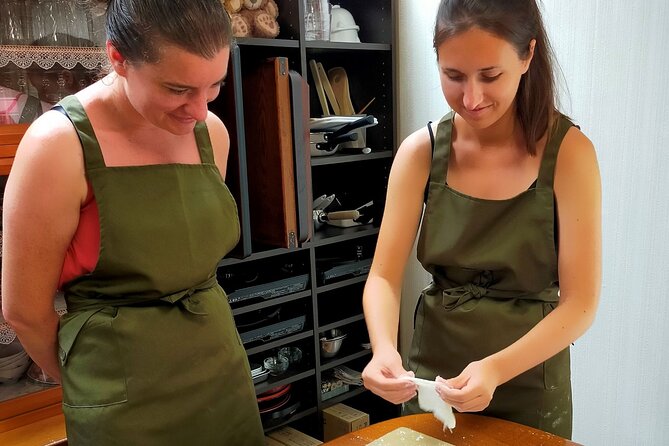
The exact seasonal menu is not specified, so you should not book expecting particular sweets every time. The class does cover about three types of wagashi, and mitarashi dango and black sesame mochi are among the sweets associated with the experience.
Mitarashi dango is a good example of why this class appeals to curious eaters. The chewy rice dumplings and sweet soy-based sauce offer a texture and flavor combination that may be new to you. If you have seen dango in Japanese animation or comics, preparing it yourself adds useful context to something you may otherwise know only as a visual detail.
Black sesame mochi has also been a memorable part of the class for some people. Its nutty flavor gives you a change from the more familiar sweet bean and sugar flavors found in many Japanese desserts. If you like sesame, this may be the dish you most want to repeat at home.
The instructor demonstrates the techniques before you begin. That is important for beginners, since Japanese sweets can look precise and intimidating. You can follow the process step by step rather than trying to guess how to form, cook, or finish each sweet.
You may work alone or with a partner. Solo participants are welcome, while couples and families can share the preparation. Teenagers can take part as well, making this a useful break from temples, shopping, and long walks through Kyoto.
Why the traditional house matters
The setting is one of the best reasons to choose this class instead of a generic cooking lesson. You work in a Japanese-style house near Fushimi Inari, with traditional rooms and a garden view for the final tea time.
That setting gives the sweets a proper context. Wagashi are closely tied to tea, presentation, and the calm rhythm of Japanese hospitality. Eating them while seated in a traditional room feels quite different from picking up a packaged dessert at a station or convenience store.
I would not treat the house as a sightseeing attraction in its own right. The activity is still a cooking class, and its value comes from the combination of setting, instruction, and tasting. But if you are looking for a quieter cultural activity in the Fushimi Inari area, the home environment adds something worthwhile.
The room also makes the experience feel more personal. With no more than six participants, the class has the scale of a small gathering. That is a better fit for questions and conversation than a crowded demonstration where you only watch.
A class built for English instruction
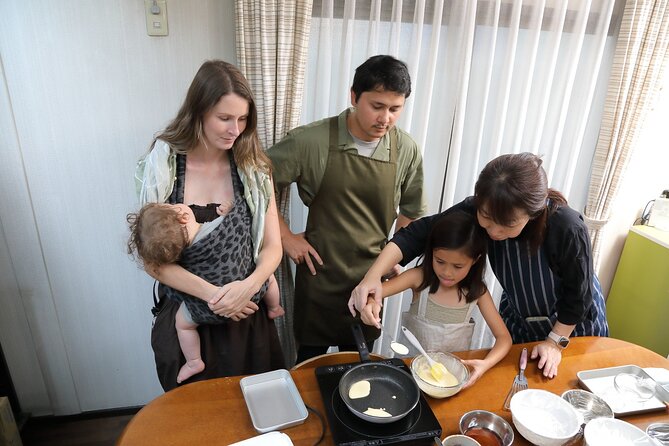
All instruction is conducted in English, and the instructors are licensed guide interpreters. That gives you a clear point of contact if you want to understand not only what to do, but also how the sweets fit into Japanese culture.
The class is presented as suitable for English and non-English speakers. Still, the stated teaching language is English, so you should keep that in mind when deciding if it suits your group. The hands-on format may help people follow along, but the formal explanation is in English.
The teaching style appears friendly and patient rather than highly technical. Miho’s approach is organized enough for families, yet relaxed enough that mistakes do not spoil the afternoon. That balance is useful for a cooking class aimed at visitors, many of whom will have little experience with wagashi.
If you are an experienced baker looking for advanced confectionery training, this may feel introductory. The class is aimed more at cultural understanding, hands-on fun, and recipes you can repeat at home than at professional pastry technique.
More Dessert Tours in Kyoto:
- Kyoto: Wagashi (Japanese sweets) Cooking near Fushimiinari
★ 5.0 · 40 reviews - Rome: Pasta Making Class with Wine, Limoncello, and Dessert
★ 4.9 · 3,177 reviews - Mekong Delta 4 Islands, TukTuk, Boat, Try Khot Cake Local Cooking
★ 5.0 · 1,148 reviews - Florence: Handmade Pasta & Dessert Class with Unlimited Wine
★ 4.8 · 788 reviews
How the group size changes the experience
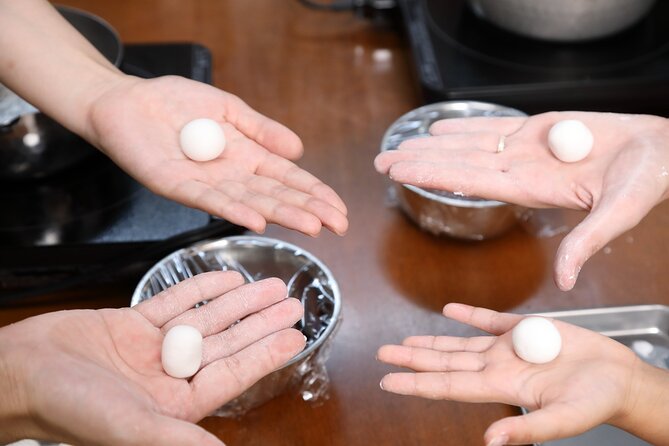
A maximum of six participants is a real advantage. You are less likely to spend the whole class waiting for a turn, and the instructor can keep an eye on how each person is managing the steps.
Small groups also work well for people traveling alone. You do not need to bring a partner to make the class worthwhile. You can prepare sweets by yourself or work with another participant, and the shared tea time gives the activity a natural social finish.
Families should find the format manageable, especially if teenagers enjoy making food with their hands. Younger children are not specifically mentioned, so parents should use their own judgment about attention span and comfort with cooking tasks.
The small capacity also explains why advance planning is sensible. This class is booked, on average, 29 days ahead. If your Kyoto dates are fixed, reserving early is wise, particularly if you need a vegetarian or vegan arrangement.
Tea, garden views, and the final tasting
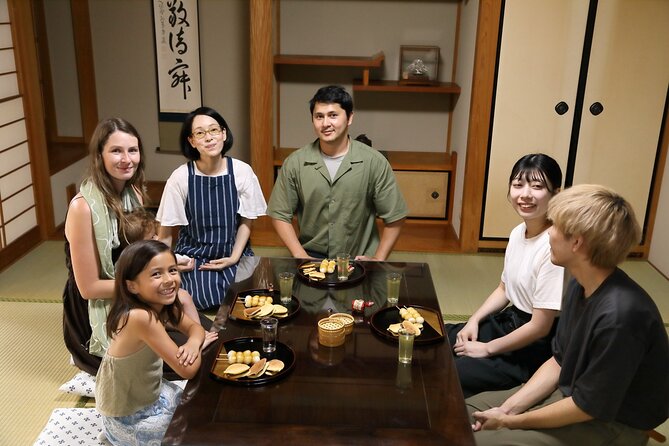
After the cooking, you sit with the other participants and enjoy the sweets you made. Matcha is included, along with coffee or tea, and the traditional room opens onto a garden view.
This final part is more than a snack. It gives you time to compare the different sweets, ask follow-up questions, and appreciate the connection between wagashi and tea. The class would feel rushed without this pause, so the 2-hour-30-minute duration is useful.
Matcha can have a strong, bitter taste if you are used to mild tea. That contrast is part of the experience, since the sweetness of wagashi helps balance it. If you prefer coffee or regular tea, those are also included according to the provided details.
You should not expect a full meal. This is a dessert-making lesson with tea, so plan another meal around it if you need something substantial. The activity works best as a cultural afternoon or a break between larger Kyoto sights.
Price and what you get for $79.26
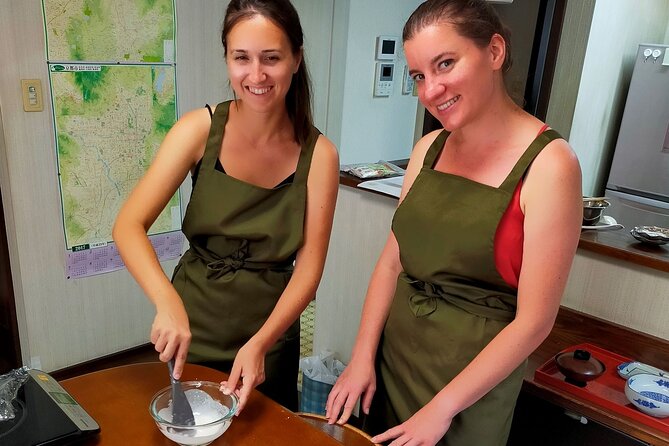
At about $79.26 per person, the class costs more than buying several Japanese sweets from a shop. The comparison, however, is not quite fair. You are paying for 2.5 hours of instruction, ingredients, a licensed English-speaking instructor, tea, the traditional setting, and the chance to make three sweets yourself.
The recipes add value after the class ends. You can try the sweets again for family and friends, which turns the activity into a practical souvenir rather than a one-time tasting. You may not reproduce the atmosphere of the Kyoto house, but you can bring the techniques home.
The price makes the most sense if you value participation over quantity. If you only want to sample wagashi, a confectionery shop will cost less. If you want to understand how these sweets are made and have a personal cultural activity near Fushimi Inari, the fee is more reasonable.
The group size is also part of the calculation. A class of six offers more direct contact than a large workshop, and that can matter if you want help with shaping or cooking. I would consider it good value for families, couples, and solo visitors who enjoy food-based activities.
Location, timing, and practical planning
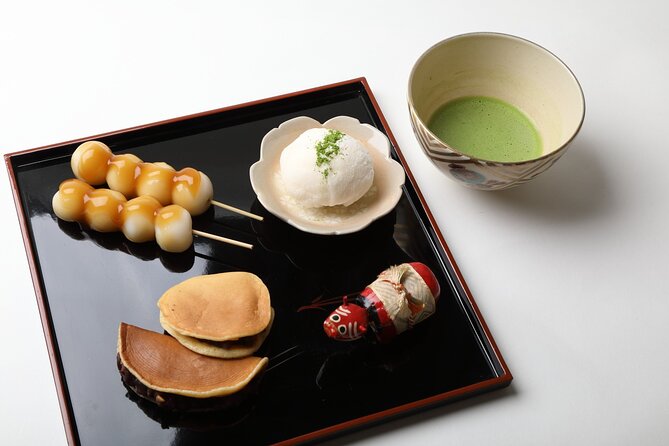
The meeting point is 38-4 Fukakusa Watamoricho, Fushimi Ward, Kyoto, 612-0022, Japan. The activity is near public transportation, and it both starts and ends at this same meeting point.
The class is near Fushimi Inari, so it can fit naturally into a day focused on that part of Kyoto. Allow enough time to find the house and arrive ready to start. Hotel pickup and drop-off are not included, so you are responsible for making your way there and returning afterward.
A mobile ticket is provided, which is convenient if you do not want to print paperwork. Confirmation is received at the time of booking.
Free cancellation is available if you cancel at least 24 hours before the start time. Changes or cancellations inside that window are not accepted for a refund. The local time in Kyoto controls the cutoff, so check the start time carefully if you are booking from another time zone.
The activity requires good weather. If poor weather causes cancellation, you will be offered another date or a full refund. Since the class takes place indoors, this condition is worth checking with the provider if the forecast looks uncertain.
Who will enjoy this class most
I would recommend this experience to you if you want a hands-on activity that feels connected to Japanese daily culture. It is especially suitable for:
- Families looking for something beyond temples and museums
- Teenagers who enjoy cooking, shaping, and tasting sweets
- Couples wanting a shared Kyoto activity
- Solo visitors who prefer a small group
- Anime and manga fans curious about foods they have seen on screen
- Anyone interested in tea, Japanese hospitality, and traditional desserts
You may want to choose a different activity if your main goal is a full Japanese meal, advanced pastry instruction, or a large menu. This is focused on wagashi, not sushi, ramen, or a complete lunch.
Vegetarians are welcome, and the class is vegan friendly. Tell the provider about dietary restrictions in advance. That is particularly important for a sweets class, where ingredients can vary.
Should you book the Kyoto wagashi class?
Book it if you want to do more than photograph Kyoto. The small group, traditional house, English instruction, three sweets, and matcha tasting create a well-rounded cultural activity. Miho’s friendly, organized style should make it approachable even if your cooking skills are limited.
The price is the main question. At $79.26, this is not the cheapest way to eat wagashi, but it offers instruction, recipes, ingredients, and a setting you cannot get from a shop counter. I would reserve it early if your dates are firm, since the class is limited to six people and often booked well ahead.
Skip it if you are short on time or only want to sample sweets. Choose it if you want to slow down, make something with your hands, and leave Kyoto with recipes rather than only souvenirs.
FAQ
Where does the Kyoto wagashi cooking class meet?
The meeting point is 38-4 Fukakusa Watamoricho, Fushimi Ward, Kyoto, 612-0022, Japan. The class ends back at the same location.
How long does the wagashi class last?
The activity lasts approximately 2 hours and 30 minutes.
How many people can join the class?
The class has a maximum of six participants.
Is the class taught in English?
Yes. The class is conducted entirely in English, and the instructors are licensed guide interpreters.
Are vegetarian and vegan participants welcome?
Yes. Vegetarians are welcome, and the class is vegan friendly. You should provide details about dietary restrictions in advance.
What happens if I need to cancel?
You can receive a full refund if you cancel at least 24 hours before the experience start time. Cancellations or changes made less than 24 hours in advance are not refunded or accepted.
More Hands-On Workshops in Kyoto
- Kyoto: Ramen, Gyoza, and Onigiri Cooking Class
★ 5.0 · 445 reviews - The Original Small-Group Sushi Making Class in Kyoto
★ 5.0 · 436 reviews - Kyoto: Japanese Washoku Bento Small Group Cooking Class
★ 5.0 · 380 reviews - Kyoto Ramen and Gyoza Cooking Class with Professional Chefs
★ 5.0 · 282 reviews
Just added around Kyoto
- Private Cooking Class Udon in Kyoto Japan★ 5.0 · 23 reviews
- Private Plant-Based Japanese Cooking Class – Kyoto Edition★ 5.0 · 15 reviews
- Private Kyoto Sushi Cooking Class & Tea Ceremony with Emika★ 5.0 · 66 reviews
- Private Guided Traditional Buddhist Cooking in Japan★ 5.0 · 16 reviews
- Private Kyoto Market Tour and Authentic Cooking Class with Aki★ 5.0 · 15 reviews
- Nishiki Market, Private Sushi class & Sake Tasting in Townhouse★ 5.0 · 6 reviews
- Private Kyoto Cooking Class with Aki in a Beautiful Wooden House★ 5.0 · 12 reviews
- Kyoto Sushi Making Experience with a Professional Sushi Chef★ 5.0 · 16 reviews
Japanese & Sushi Cooking Classes, compared.
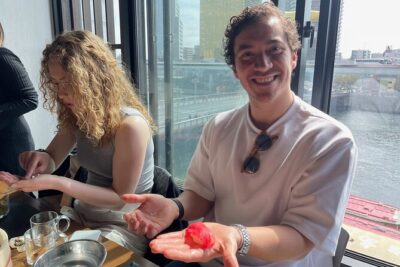
Sushi Making Tokyo Roll and Authentic Japanese Sushi Class
Read our review →
Tokyo: Roll and Authentic Sushi Making Class in Asakusa
Read our review →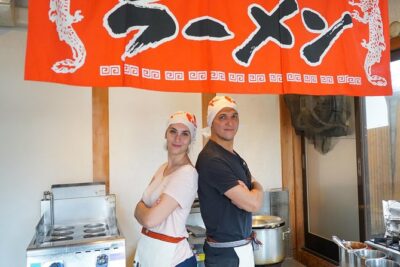
Ramen Cooking Class at Ramen Factory in Kyoto
Read our review →
Tokyo: Sushi Making Class in a Happi Coat near a Famous Spot
Read our review →
Sushi Making Tokyo! Popular Maki Sushi & Japanese Sushi(+Recipe!)
Read our review →
Sushi Making Osaka Roll and Authentic Japanese Sushi Class
Read our review →
Tokyo Sushi Making Class in Tsukiji with Professional Chef
Read our review →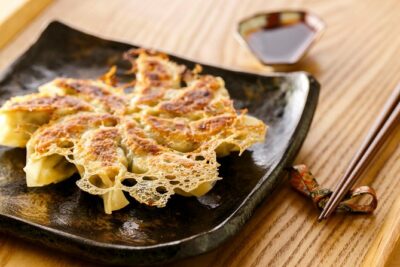
Ramen & Gyoza Cooking Class in Tokyo with Local Supermarket Visit
Read our review →Browse the lists this tour appears in